

INTERVIEW: Steve Soper on BMW and the highs and lows of the Super Touring era
Few drivers are more synonymous with touring car racing than Steve Soper who, despite his undeniable talent and immeasurable speed, inexplicably won only a single tin-top Championship in Japan in 1995. Nevertheless, his long relationship with BMW through the 1990s cemented his status as a legend of the Super Touring era.
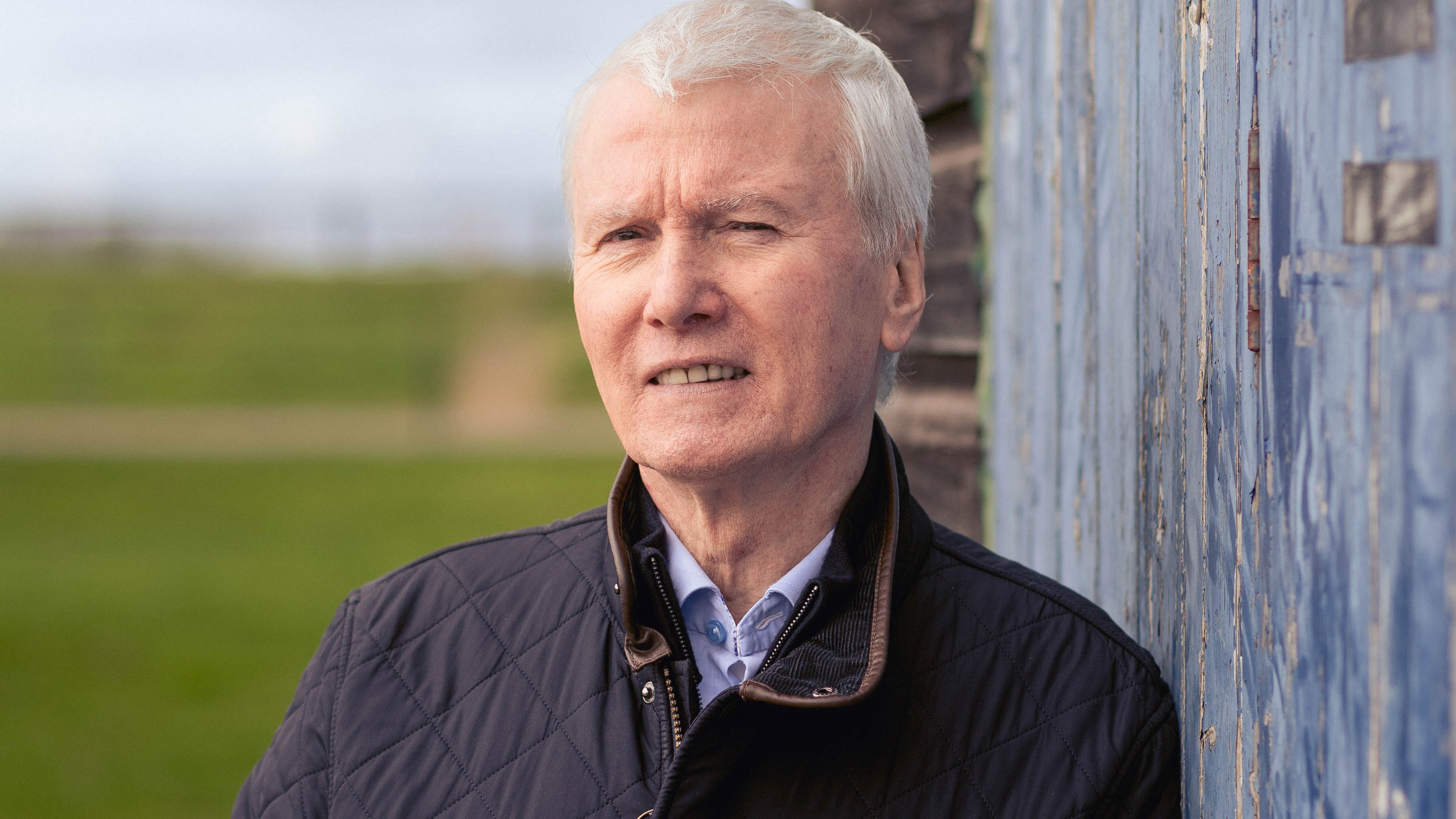
Dubbed “an animal” by John Cleland in the aftermath of one of the most famous moments in the history of touring car racing, Soper was known for his hard racing style, but his success was borne from a relentless determination to succeed.
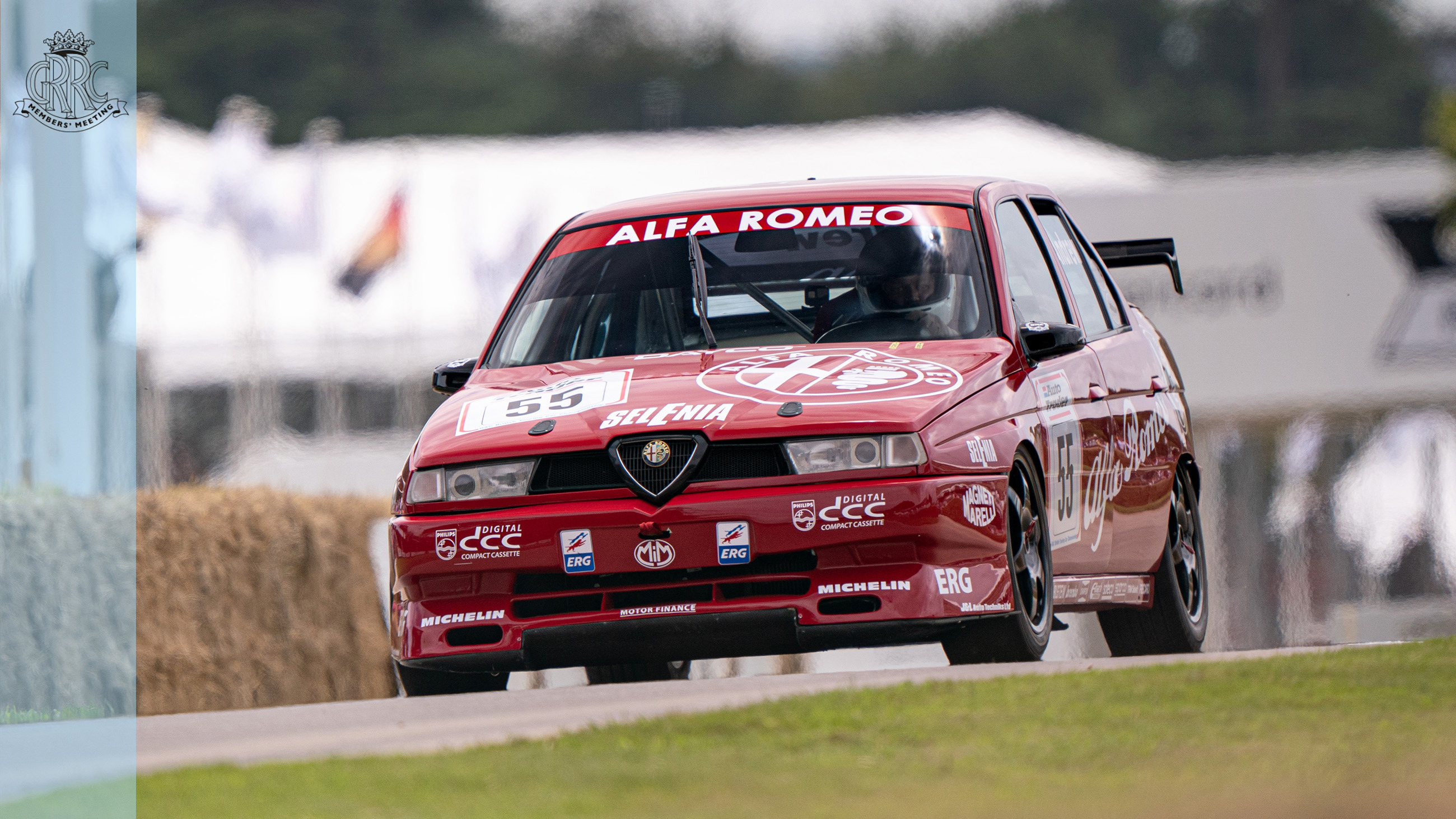
His British Touring Car Championship career began in 1982 at the wheel of an Austin Metro — quite the departure from the BMWs he would become famous for peddling the world over when the 2.0-litre formula was introduced in 1990.
After seven years racing Austin Metros, Rover SD1s and Ford Sierras, Soper joined BMW in 1989, competing primarily in the DTM with the all-conquering E30 M3. It was around that time that the touring car landscape began to change, the Group A era was failing, and work was underway to bring new manufactures into the fold.
The answer was what came to be known as Super Touring, and Soper was one of the lucky ones who reaped the benefits of its introduction.
“I don’t think anyone knew how large and successful it was going to be,” he explained. “With the number of manufacturers it drew, I don’t think there was another Championship at the time that was as large."
“They got huge crowds. If you didn’t get to the circuit early enough, you couldn't get in because of the traffic jams. The live TV was a big draw, and it was good racing. It was probably the best in the world during that window. Certainly, there wasn’t anything close anywhere else.”
Over the course of three years, the likes of Soper grew from little-known touring car racers into global megastars as Super Touring’s monumental impact brought the BTCC and other national championships into households all over the world.
But Soper specifically has been attributed, alongside his long-time rival Cleland, as the instigator behind the Super Touring boom. Their title-deciding collision at Silverstone in 1992 has become a legendary moment in motorsport history, one that put touring car racing on the radar of the general public like never before.
To go to BMW, they were working behind the scenes, investing everything, but I always felt they could do more.
Steve Soper
By then, BMW had already been joined on the BTCC grid by Toyota, Vauxhall, Mazda, Nissan and Peugeot, but a huge wave of interest enticed the likes of Renault, Ford, Volvo, Alfa Romeo and eventually Honda to join the fray. By 1995, nine manufacturers were involved.
Soper remained a part of the BMW team throughout and became renowned as one of the very best touring car racers on the planet. Alongside Tim Harvey and Joachim Winkelhock, he achieved considerable success in Germany and the UK, but BMW’s dominance came at a price. Such was the success of the new BMW 318i that the governing body sought to slow the cars down.
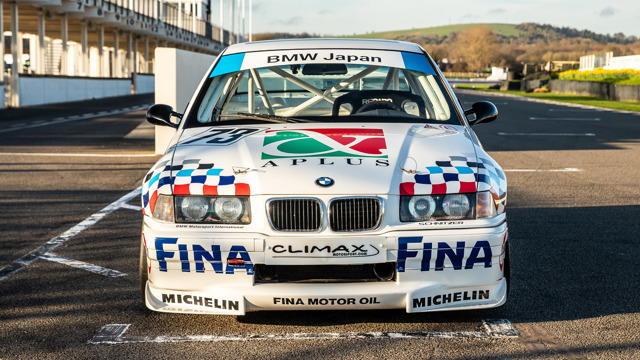
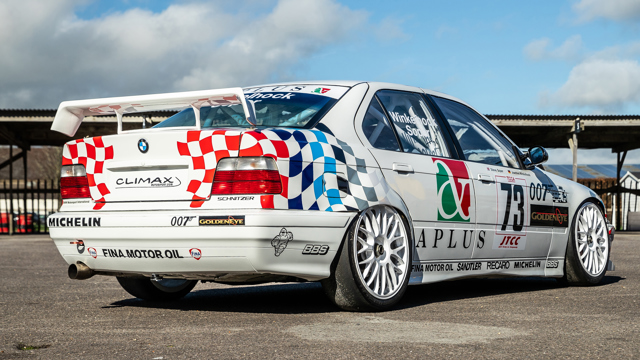
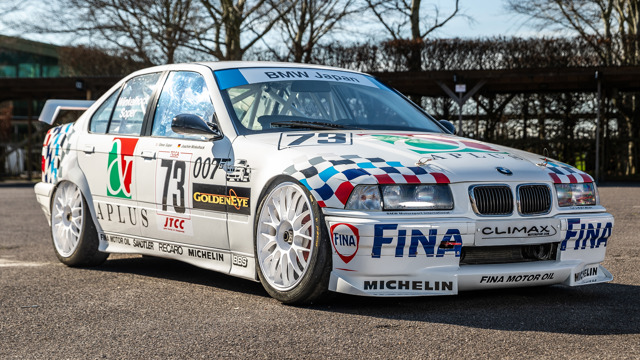
“They put a load of ballast on our car to slow us down for the ‘94 season,” Soper explained. “Which made me hop off to Japan where we weren’t ballast down. BMW wanted someone to go to Japan. I didn’t tell them, but I quite fancied it and they rewarded me financially very well.
“So, I did two years in Japan which again was a Super Touring regulation against all the Japanese manufacturers.”
It was there that Soper finally claimed Championship glory. The BMW works outfit run by Schnitzer was by now a world-leading organisation and immediately made an impact in a series traditionally dominated by Nissan, Toyota and Honda.
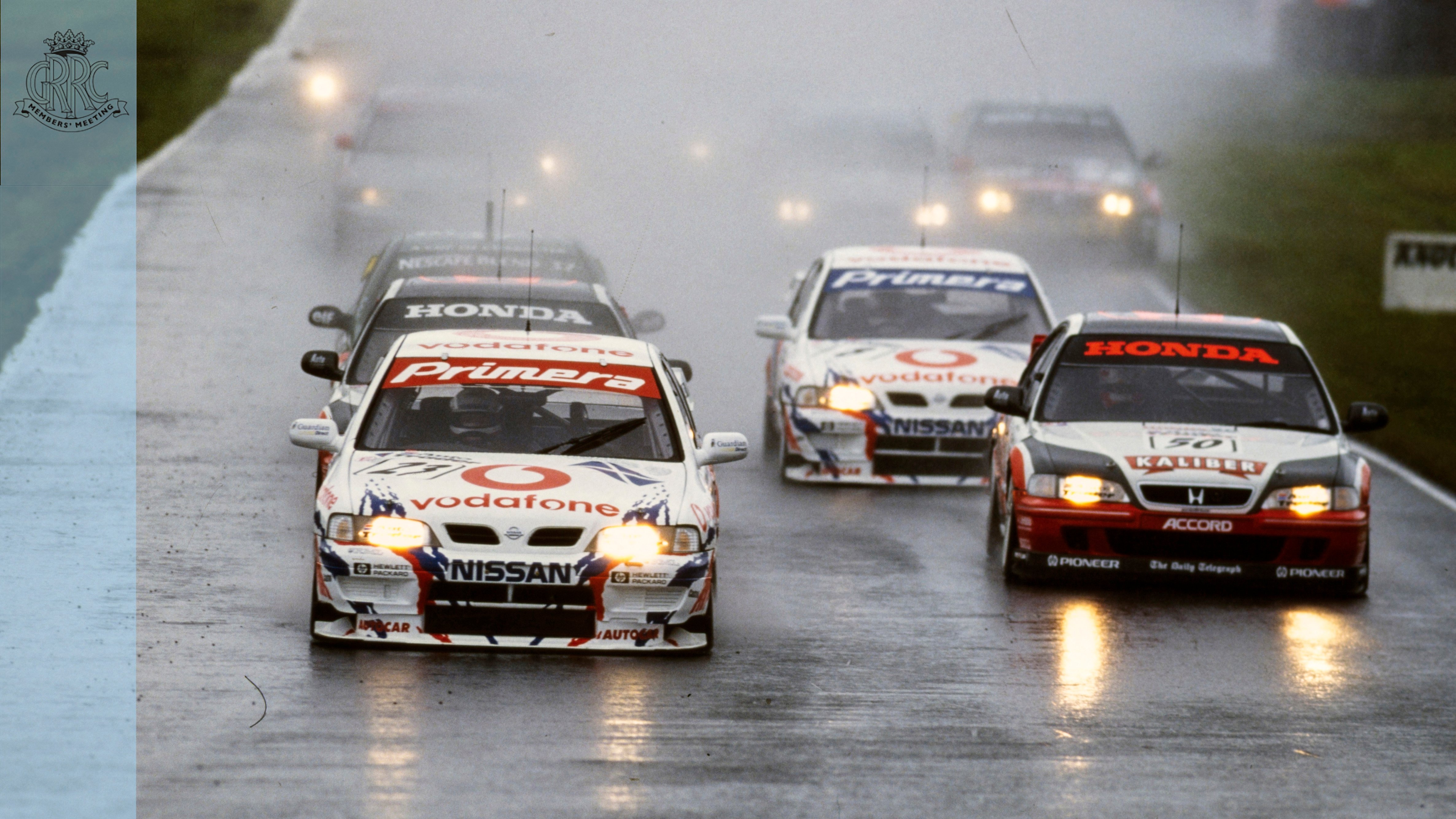
After claiming five victories in 1994, racing in a field that included Tom Kristensen and Anthony Reid, Soper took the Japanese Touring Car Championship with a decisive performance in 1995.
That season ultimately marked the peak of Soper’s career, but he had, perhaps unwillingly, become a leading figure during one of motorsport’s most popular eras.
“It was enjoyable, but there were certain things I didn’t like about it. We used to have to do an autograph session in the morning and that’s quite intrusive if you’re trying to concentrate on getting the maximum out of the team and the car.
“I get it, without the fans and the TV it wouldn’t be worth the manufacturers doing it, but as a driver that wasn’t relevant to me at that time.”
Indeed, Soper’s focus was on extracting every last drop of performance from himself and his car.
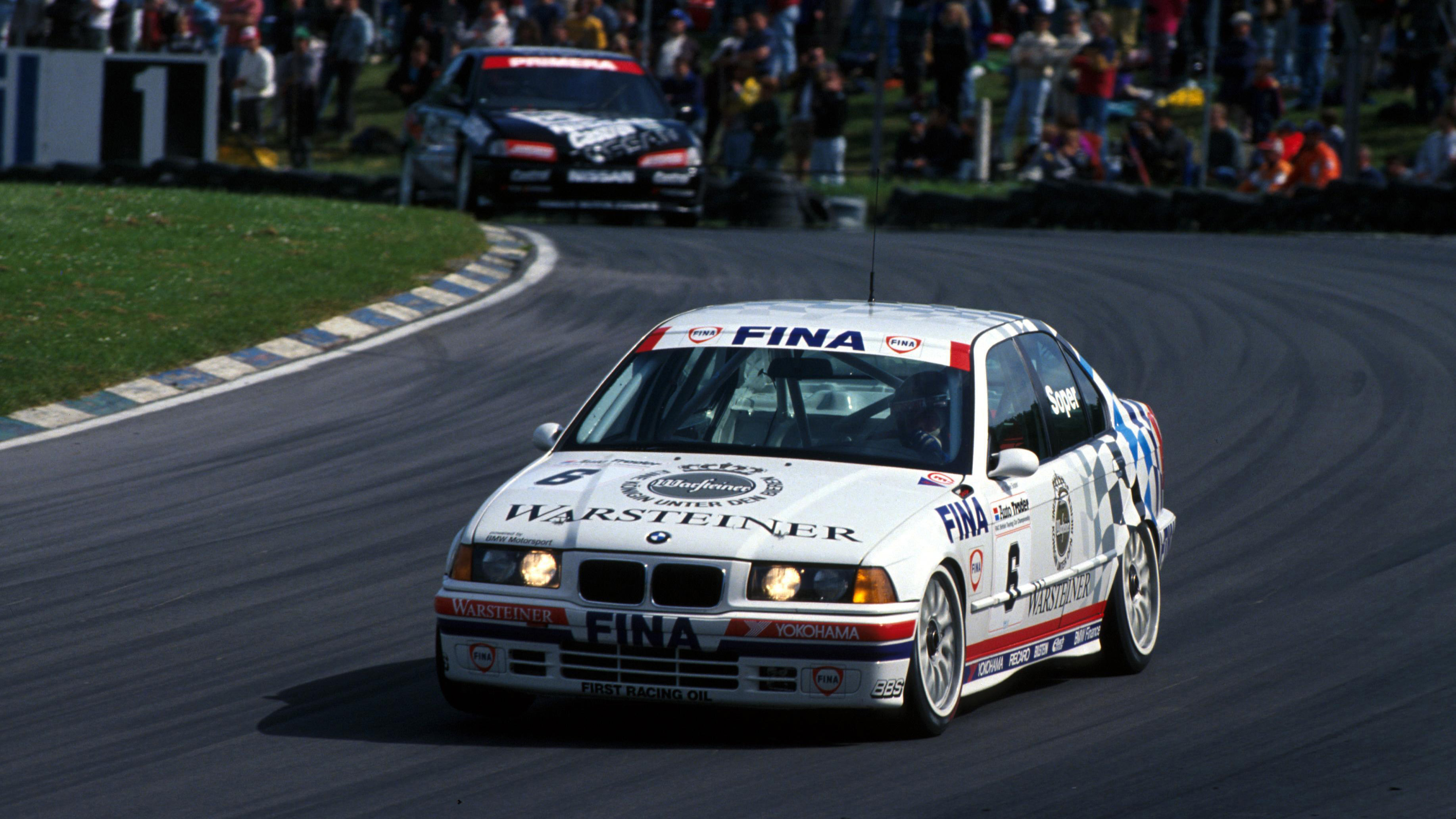
Soper drives the Schnitzer BMW 318i at Brands Hatch, June 1993.
Image credit: Getty Images“To go to BMW, they were working behind the scenes, investing everything, but I always felt they could do more. They only would spend as much as they needed to be competitive and that used to frustrate me. I knew they had the technology and the power to build a faster car but that cost more money.
“As a driver I was always trying to motivate them and push them and get the maximum out of the car.”
The extent to which manufacturers were developing their cars throughout the Super Touring era was extreme, and Soper’s team at BMW were right at the sharp end of the technological revolution.
I always found I could overdrive the car quite easily; I wanted more from the car than the car would give me.
Steve Soper
“Bearing in mind they were meant to be production saloon cars available to the public, they were incredibly high tech. In 1991 they were fantastic, but in ‘92, ‘93, ‘94 it just got better and better.
“Everyone was trying to win; all the manufacturers had joined to try and win the Championship. The technology and the investment just got greater and greater and obviously every manufacturer that was spending that sort of money believed they could win.”
Of course, there could only be one winner, and most often, when Soper, Winklehock and Harvey were behind the wheel, it was BMW.
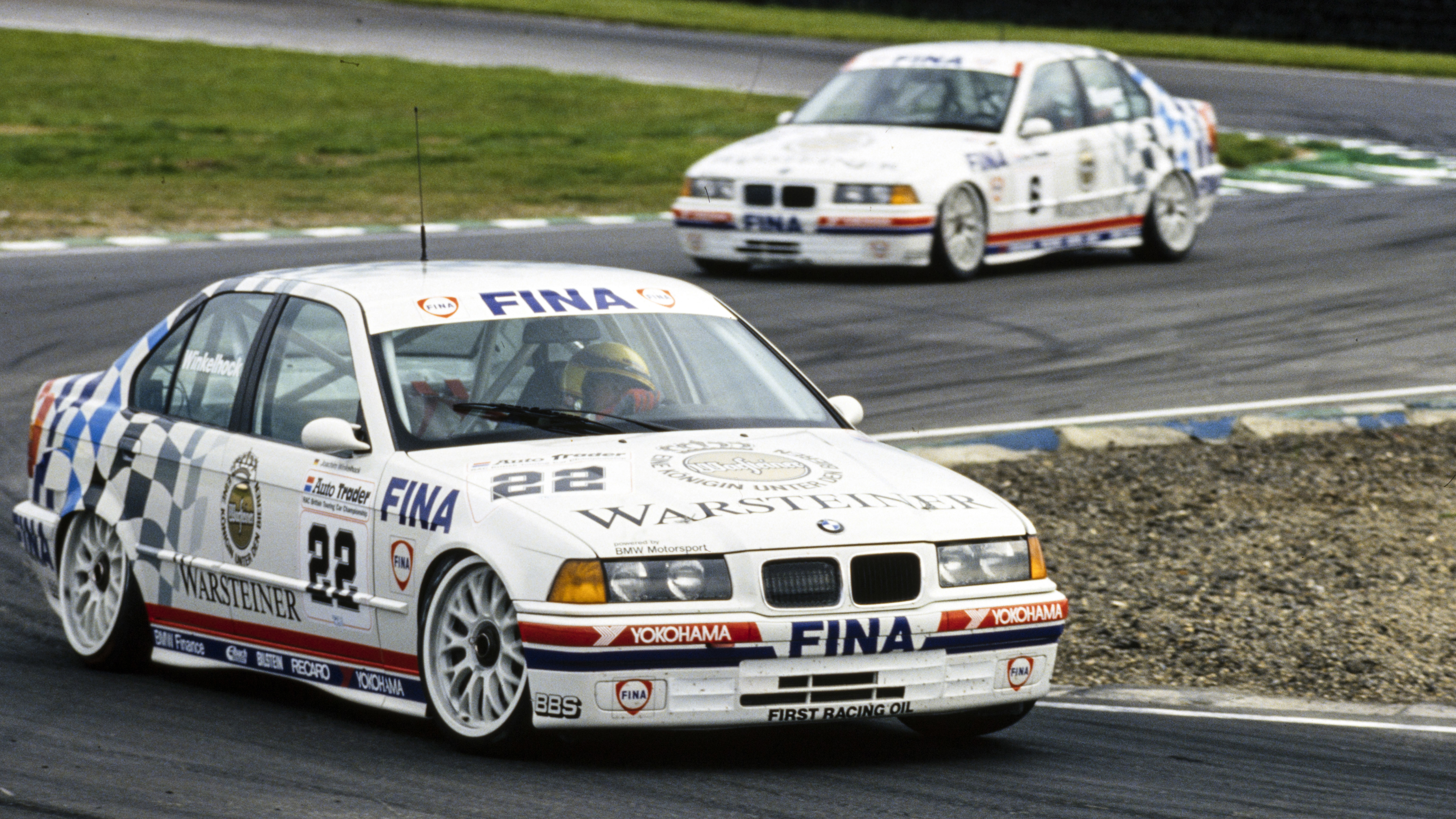
Soper follows team-mate Joachim Winkelhock during the Round 3 Snetterton, May 1993.
Image credit: Getty Images“In 1992 we had ABS which was eventually banned by the BTCC because nobody else had it. BMW had developed it with a lot of time and effort to make it into a racing ABS and we were rather hoping that everybody else would have to go through the same pains that we had. Instead of the Championship telling the rest to get on with, it they banned us.
“Then we came up with another system, which basically under the dashboard had a pendulum like a clock, and as soon as you turned into a corner the pendulum swung and it loaded the outside wheel with all the braking and stopped the inside wheel from locking.
“At the start we had a button on the steering wheel where you could hold the car on its brakes. As the red lights went on you’d get the car to sit down on the brakes and clutch with your finger, then release the button to give the car more of a catapult forward."
“Then we had the flat change on the gearbox. As years went on the gearbox had an engine blipper, so when you changed down it would blip the engine automatically which gave you more time on the brakes.”
By the mid-1990s, the technology hidden within what were ostensibly production saloon cars, and the expenditure that went with it, was equal to that of Formula 1. Soper reckons all that development amounted to as much as three seconds in lap time from the beginning of the Super Touring era to the end. And the F1 comparisons didn’t end there.
“The rear wing would've been developed in the wind tunnel,” he shared. “There was a set of regulations of what size it could be, how far off the ground, and it had to fit in a box section to be legal, but the shape and angle of it along with the car had all been put in the wind tunnel to get the maximum from it."
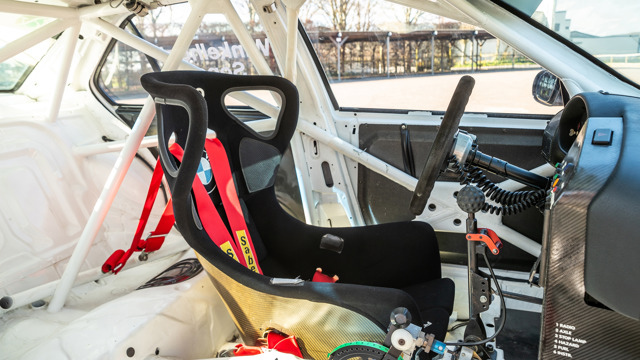
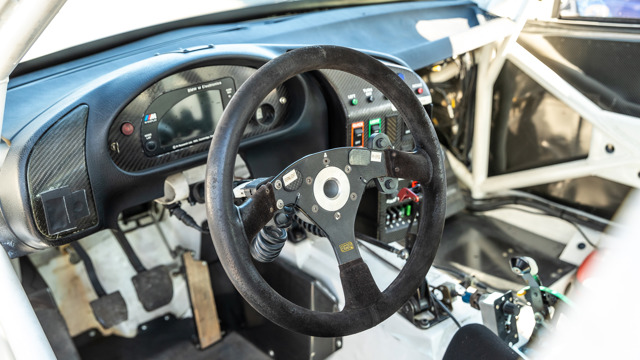
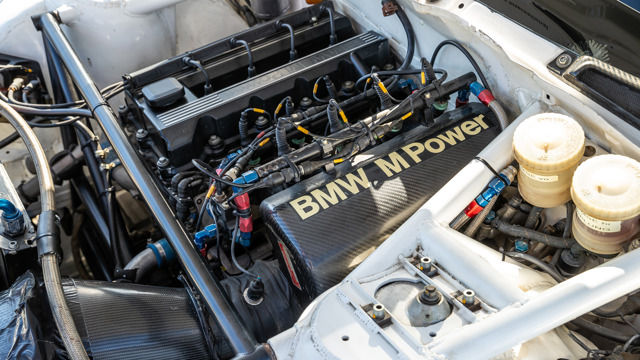
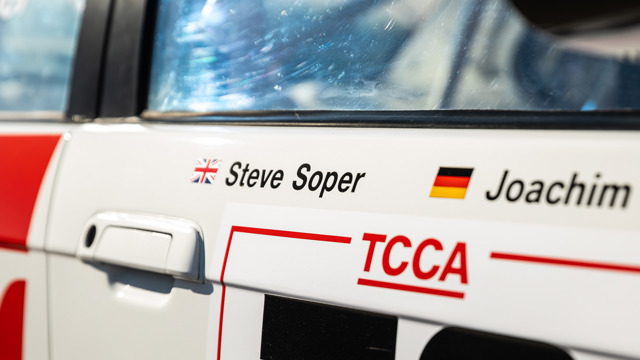
“The roll cage was a huge part of the car, it was designed to stiffen up the chassis, not just in an accident. This car [the BMW 318i] had adjustable front and rear roll bars, it was an early thing that BMW had for years but it worked, and if it ain’t broke don’t change it.”
Qualifying tyres became standard issue as Yokohama, Dunlop, Michelin and Bridgestone engaged in a relentless battle for supremacy. The super confidential slick tyres that delivered inordinate amounts of grip beyond anything F1 could hope to achieve with its grooved abominations of the time, and all that made for the kind of car racing drivers dream of.
“If you talk to any driver, they want the fastest car that makes them look as good as possible,” Soper continued. “They were fun, it was a great series, but there was a technique to drive them, and the technique was quite disciplined."
The standard of driving out there was unbelievable. As a driver, I think I did a good job, I don’t think I was the best, I knew my strengths and I knew my weaknesses.
Steve Soper
“I always found I could overdrive the car quite easily; I wanted more from the car than the car would give me, there was a technique, but that technique was in a small window. If you get into that small window, you’re competitive.
“They were difficult cars, they were dead easy to drive two seconds off the pace, but the last couple of tenths to get it on the front of the grid was quite difficult.”
Step up some of the very finest drivers of the 1990s to bring these cars under their spell, of which Soper was undoubtedly one.
“Back then the manufacturers were employing the best drivers they could, you didn’t have someone that didn’t deserve to be there, I’m sure drivers made a difference.”
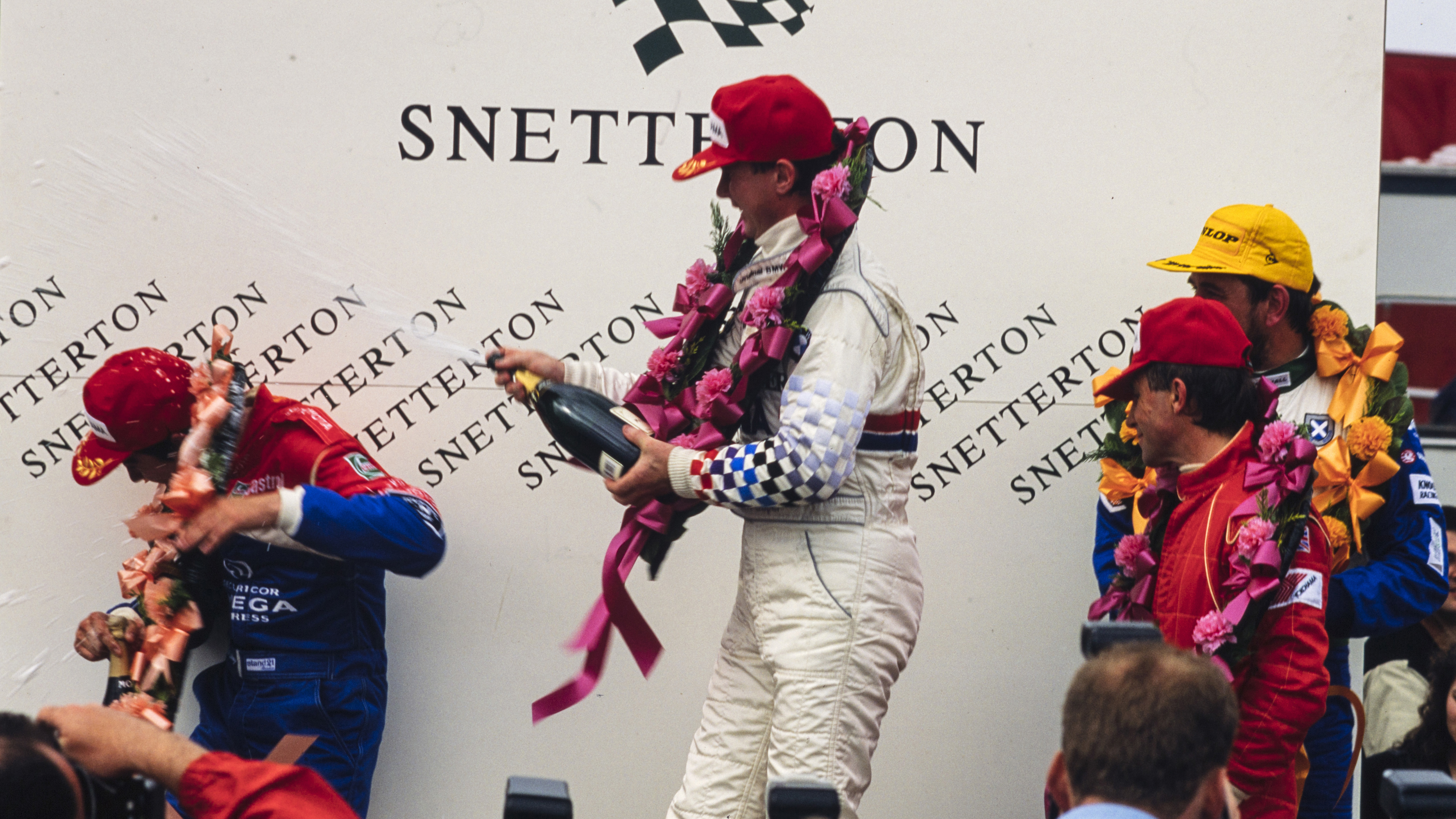
Soper celebrates after winning the third round of the 1993 season at Snetterton, May 1993.
Image credit: Getty ImagesWorld Championship-winning teams like Williams and Tom Walkinshaw Racing were getting involved, running the Renault and Volvo efforts respectively, and engine capabilities were evolving exponentially year after year. It didn’t take long for ex-F1 drivers to start appearing regularly in the BTCC as Super Touring became ever more renowned.
Gabriele Tarquini, Derek Warwick, Jan Lammers, Johnny Cecotto, David Brabham, Gianni Morbidelli and Jean-Christophe Boullion were all names who’d made their way into F1 before settling for a seat in the BTCC.
But by far and away the biggest name was the 1992 World Champion Nigel Mansell, whose cameo for Ford in 1998 made for box-office viewing with Murray Walker on commentary.
Even after Soper’s departure from regular BTCC racing, he continued to enjoy plenty of success with BMW in Germany where he regularly beat the likes of Cecotto, Emanuele Pirro, Thierry Boutsen, Karl Wendlinger and Ivan Capelli. Yet despite that, he maintained an incredibly humble outlook, which contrasts what many at the time may have thought of him.
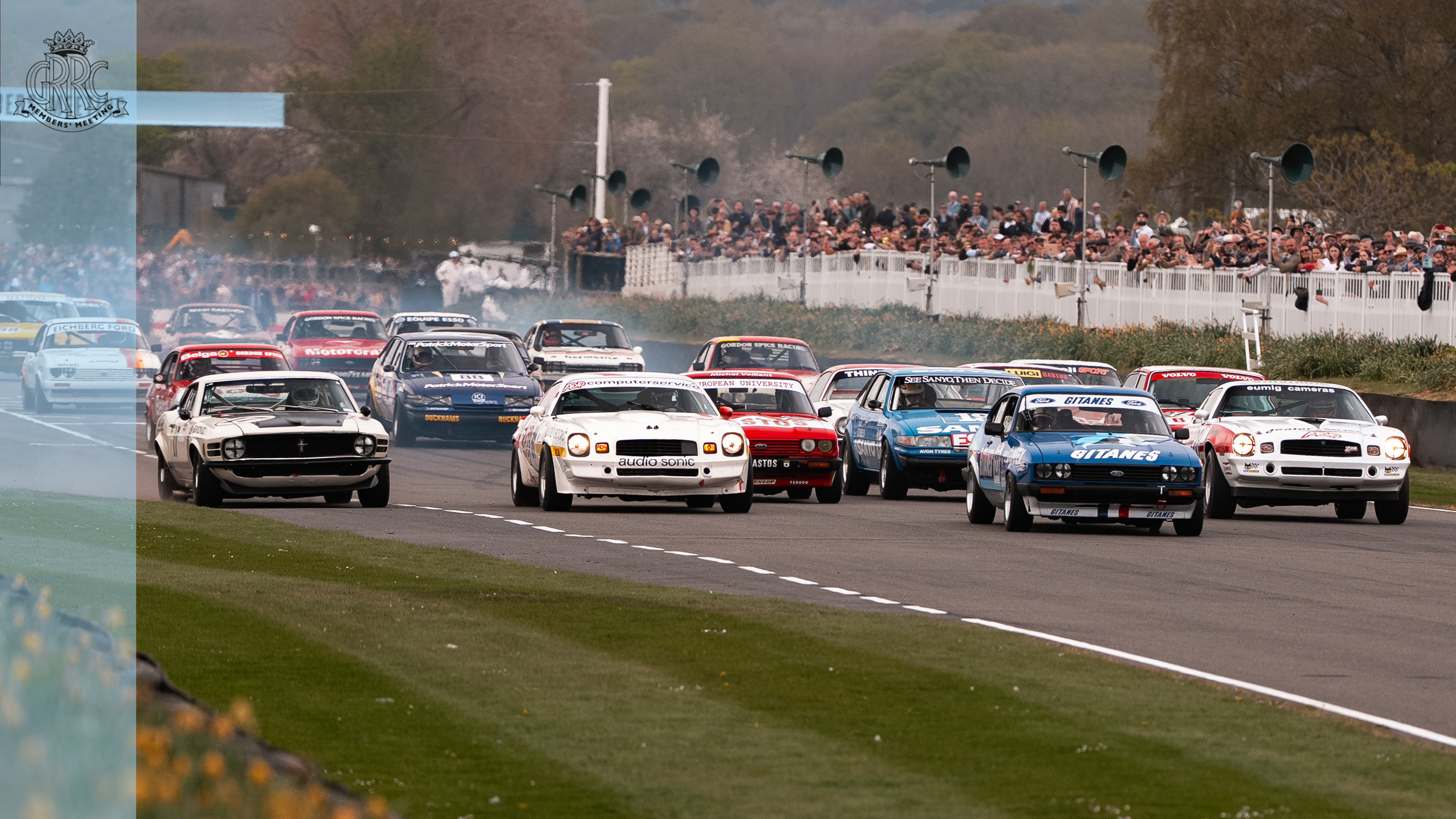
“I always thought there was someone better than me sitting in the grandstand that had never been given the chance,” he said. “It’s a funny sport, my career lasted a long, long time. I probably had 30 years of being paid to race cars so I’m not knocking myself, but any sportsperson has to understand who they’re up against.
“The standard of driving out there was unbelievable. As a driver, I think I did a good job, I don’t think I was the best, I knew my strengths and I knew my weaknesses.”
His greatest strength, by far, was his ability to complete spectacular recovery drives. Many of Soper’s greatest moments saw him embark on a stunning surge through the field with vicious efficiency.
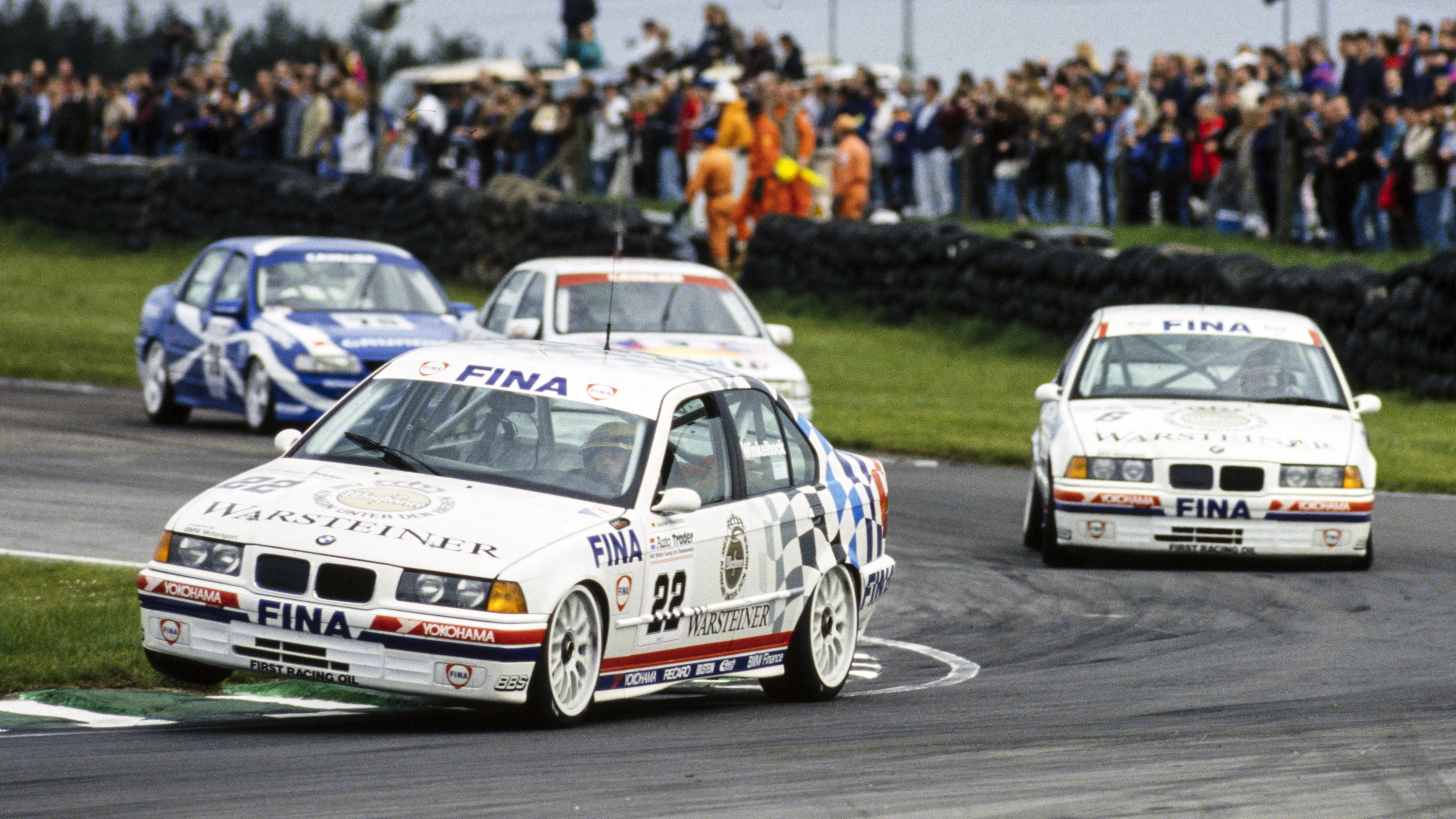
Soper chases Winkelhock on his way to victory at Snetterton, May 1993.
Image credit: Getty Images“I could develop the car better than the next person, if I started with my car setup slightly better than my team-mate or my other competitors then I had an advantage. But I wasn’t very good at leading the race, I found that more difficult than I did fighting from the back to the front.”
His favourite memory from that remarkable era is perhaps the most difficult question of all.
“I don’t think there’s just one,” he said, pensively. “Occasionally I’d come over for a BTCC round and have to start at the back of the grid because I hadn’t qualified. There were a couple of times where I could start at the back and get to the front. That was very satisfying.
“One of the races that I won in 1997, I hadn’t been driving in BTCC or Super Tourers all year but they [BMW] wanted me to race at Macau. I turned up in a Cecotto car and I ended up winning that race — both heats and the race overall."
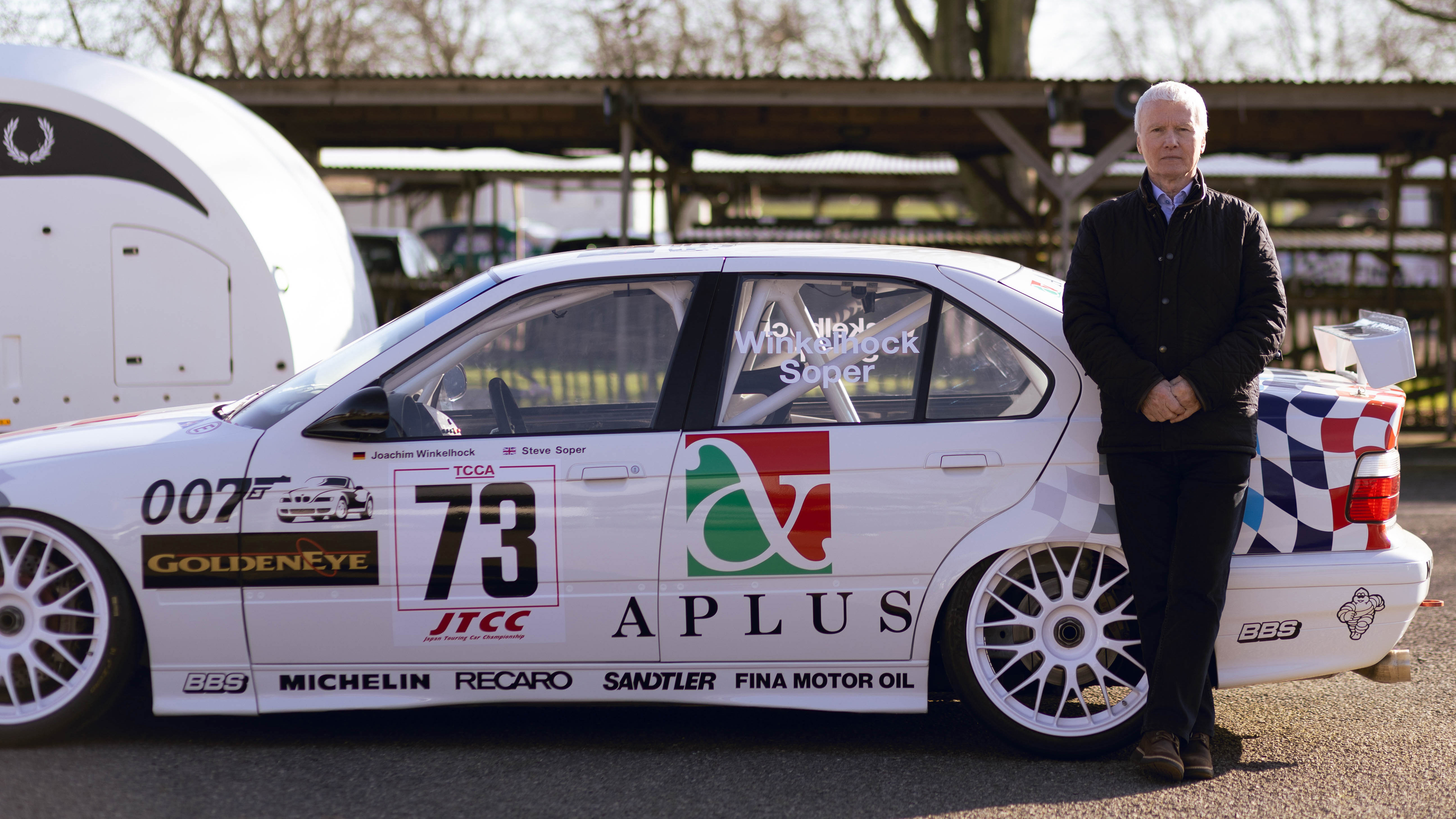
“I hardly changed the car at all, it was so good, but I hadn’t driven one for a year. My team-mate Winklehock couldn't get near me the whole weekend so that was a very satisfying weekend. A Super Tourer round Macau is a bit special, anyway.”
We’d say the same about a Super Tourer around the Goodwood Motor Circuit, and Soper tended to agree as we turned our attention to the impending celebrations at the 83rd Members’ Meeting presented by Audrain Motorsport.
“It’s the technology of these cars,” he said, when asked what he was most looking forward to. “It’s a shame the technology isn’t so visible, most of it is suspension and engines and gearboxes and driver aids. But the sound of them, especially the BMW, it’s got so much induction noise from the engine, you can hear a BMW coming compared to all the others out there.
“Just seeing them all out again at Goodwood, it’ll bring back all those great memories of the ‘90s.”
Won’t it just.
The 83rd Members' Meeting presented by Audrain Motorsport takes place on the 18th & 19th April 2026. Tickets are limited, with only Sunday admission remaining. Saturday tickets, weekend passes and grandstand passes are now sold out.
You can sign up for the Fellowship now. Click here to find out more.
Goodwood photography by Max Carter and Joe Harding.
Member's Meeting
83rd members' meeting
83MM
Event Coverage
interview
Steve Soper
super touring
Super Touring Shoot-Out



Subscribe to Goodwood Road & Racing
Thank you, you’re now subscribed

How many hay bales are used at FOS?
For the last two years, 5,800 bales have been recylced into the biomass energy centre to be used for energy generation