
Is Phil Hill the most underrated F1 Champion? | Frankel’s Insight
 Andrew Frankel
Is there a more sorely underrated Formula 1 World Champion than Phil Hill? Not only was he the first American to win the Drivers’ Championship, he was the first from the Land of the Free even to win a race.
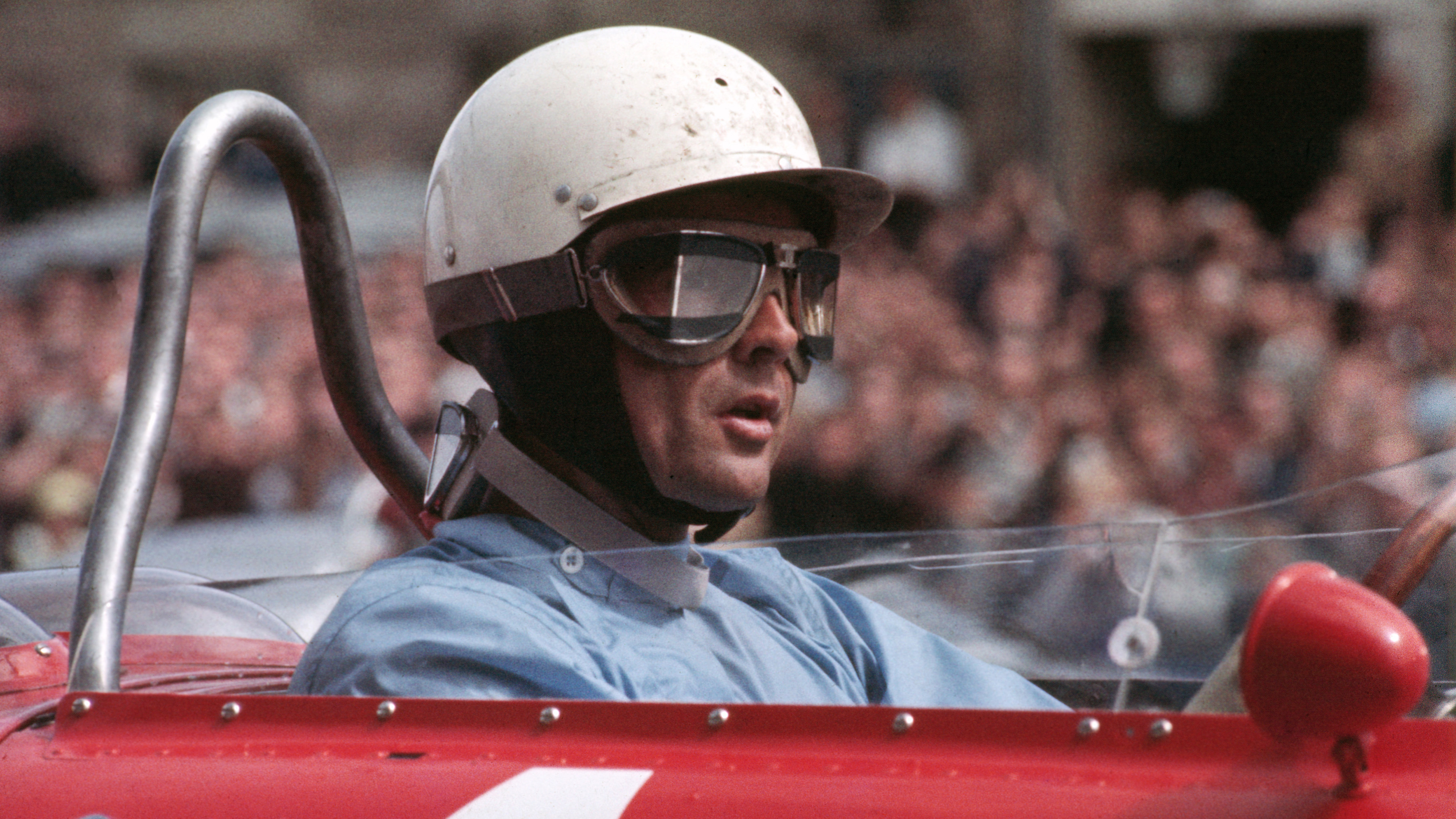
Further still, he was the last driver from any country to win a World Championship race in a front-engined F1 car, long after the design had become entirely obsolete. He was the first driver in history to claim the sportscar triple crown, winning the big endurance events at Sebring, Daytona and, of course, Le Mans. Indeed, he won both the Sebring 12 Hours and the Le Mans 24 Hours no fewer than three times each, and was the first to accomplish that feat, too. He won the Nürburgring 1,000kms twice as well.
So why, when asked to name an American F1 Champion, does everyone automatically say ‘Mario Andretti’? No disrespect to the legendary Italian-American, whose stellar achievements over a career spanning more than 35 years speak for themselves, but by comparison Phil Hill scarcely gets a look in.
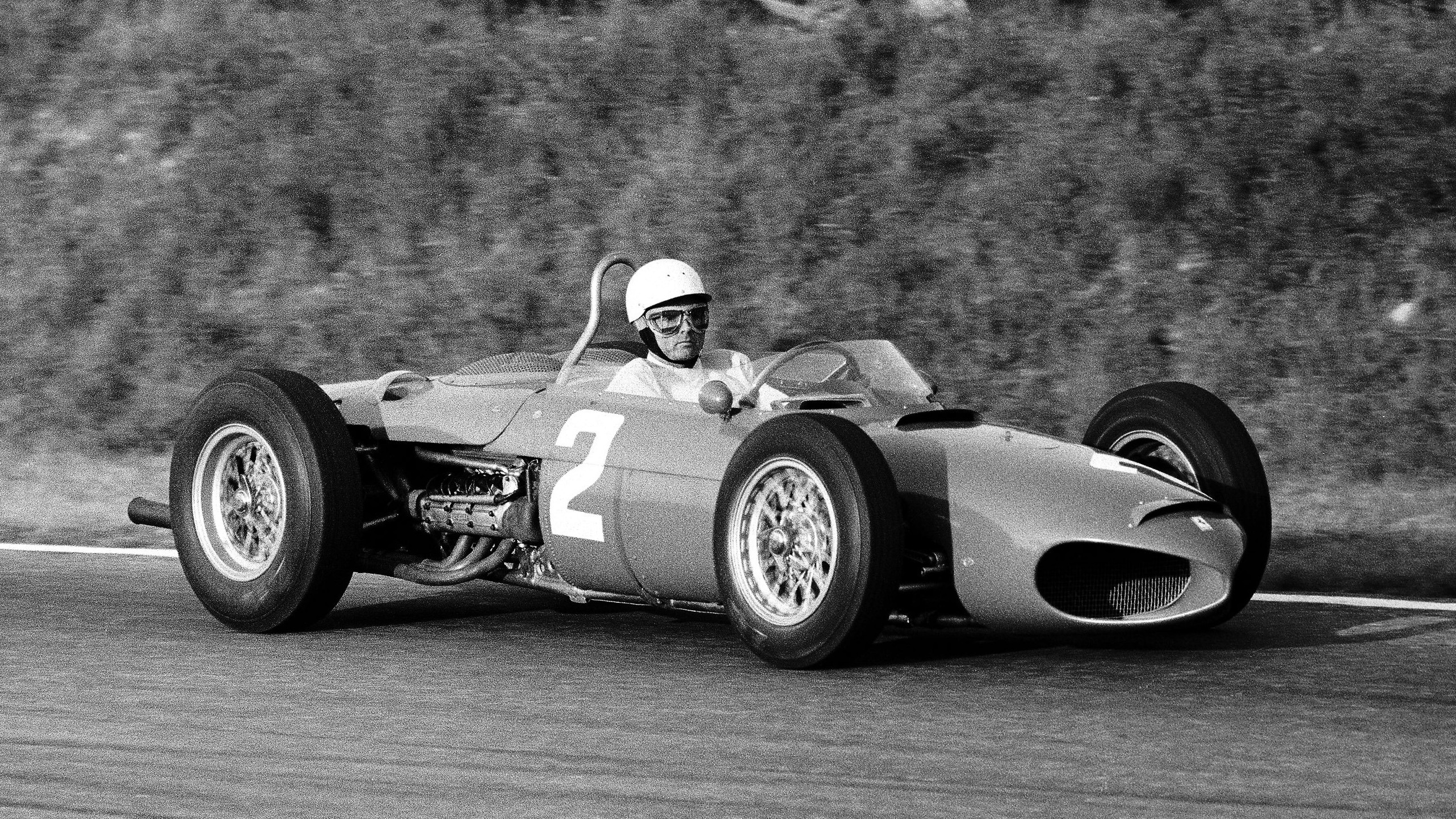
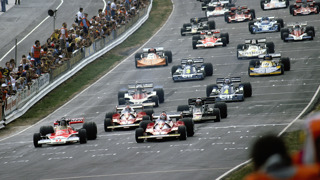
I guess it’s partly because Hill belongs to an earlier era (though their careers did overlap), but mainly due to the circumstances in which his Championship was won. To this day, the 1961 Italian Grand Prix remains the darkest in F1 history.
It was the penultimate round of the season and just two drivers went into it with a realistic chance of victory, Hill and his team-mate, Wolfgang von Trips. Von Trips led the title race with 33 points to Hill’s 29 and had won two races so far that season to Hill’s one. During the race, von Trips tangled with Jim Clark’s Lotus, sending the Ferrari into the crowd, killing 14 spectators and himself. The race was not even stopped and Hill went on to win both it and the Championship.
Some said he’d inherited the title, which was nonsense; others that he’d been ‘lucky’, which was a pretty crass thing to say given such terrible casualties. He himself described his title as ‘blighted’. It was his last F1 win, though he raced on in F1 and other formulae until 1967 when he won his very last race, the BOAC 1,000km at Brands Hatch in a Chaparral, beating soon-to-be triple World Champion Jackie Stewart into second place in a works Ferrari P4.
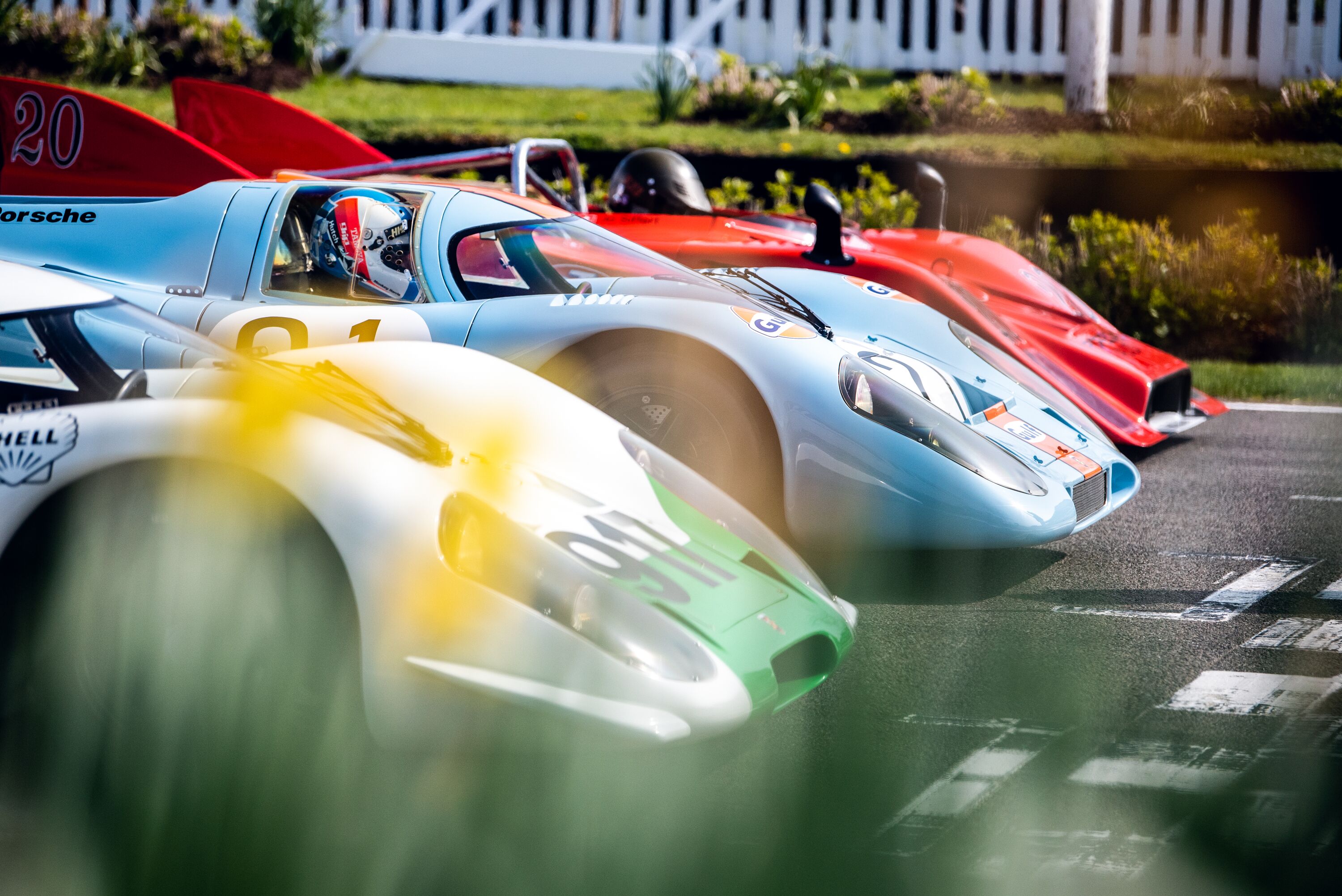
So, I’m delighted that at the 83rd Members’ Meeting presented by Audrain Motorsport Hill has a brand-new race named in his memory, the Phil Hill Cup, for cars build between 1964-66 of the kind that raced in the Sebring 12 Hours.
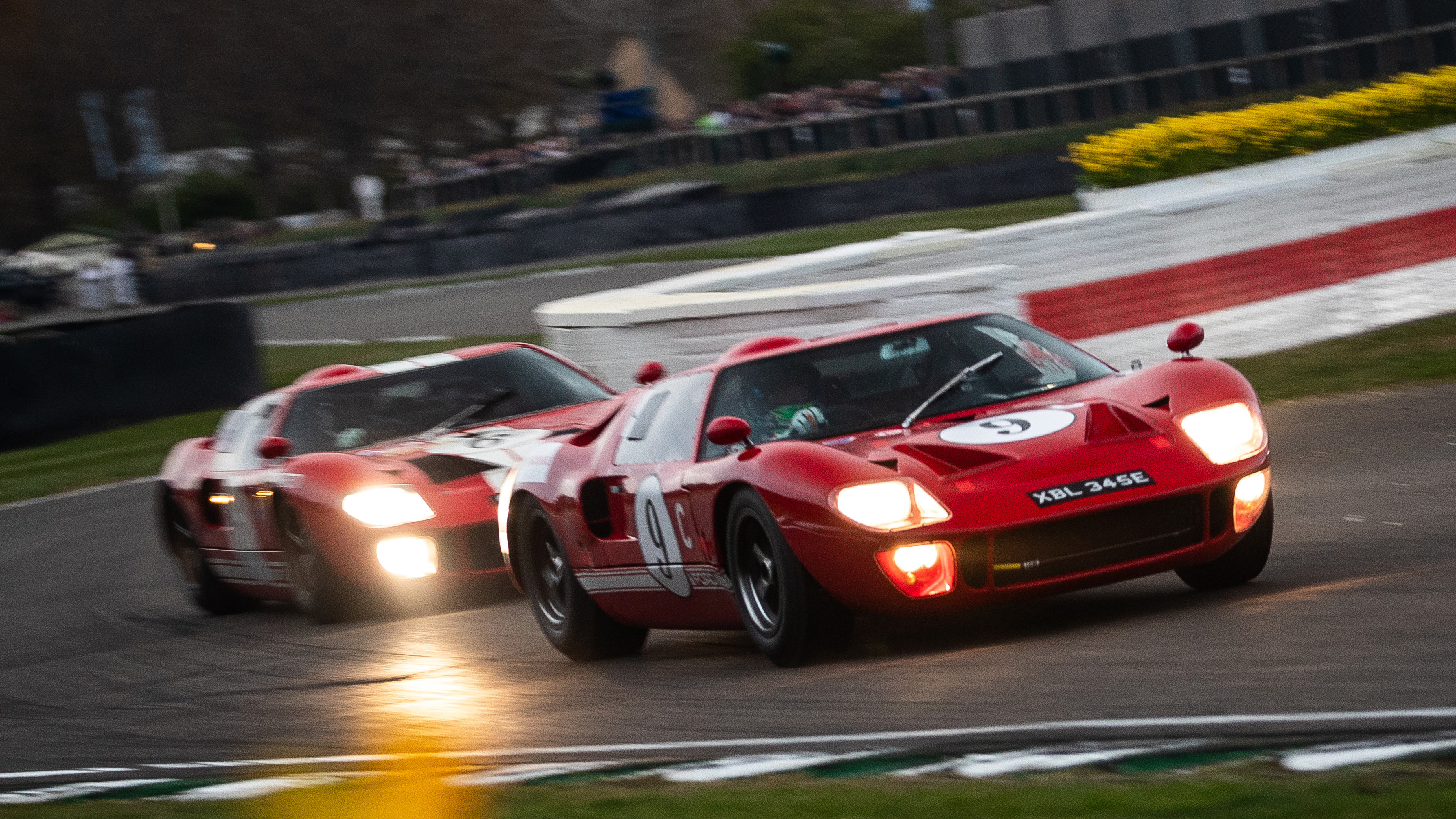
What does this mean? Cobras and GT40s mainly, cars that are Goodwood mainstays individually, but which have never raced against each other at a Members’ Meeting. There may be Ferraris and Porsches, too.
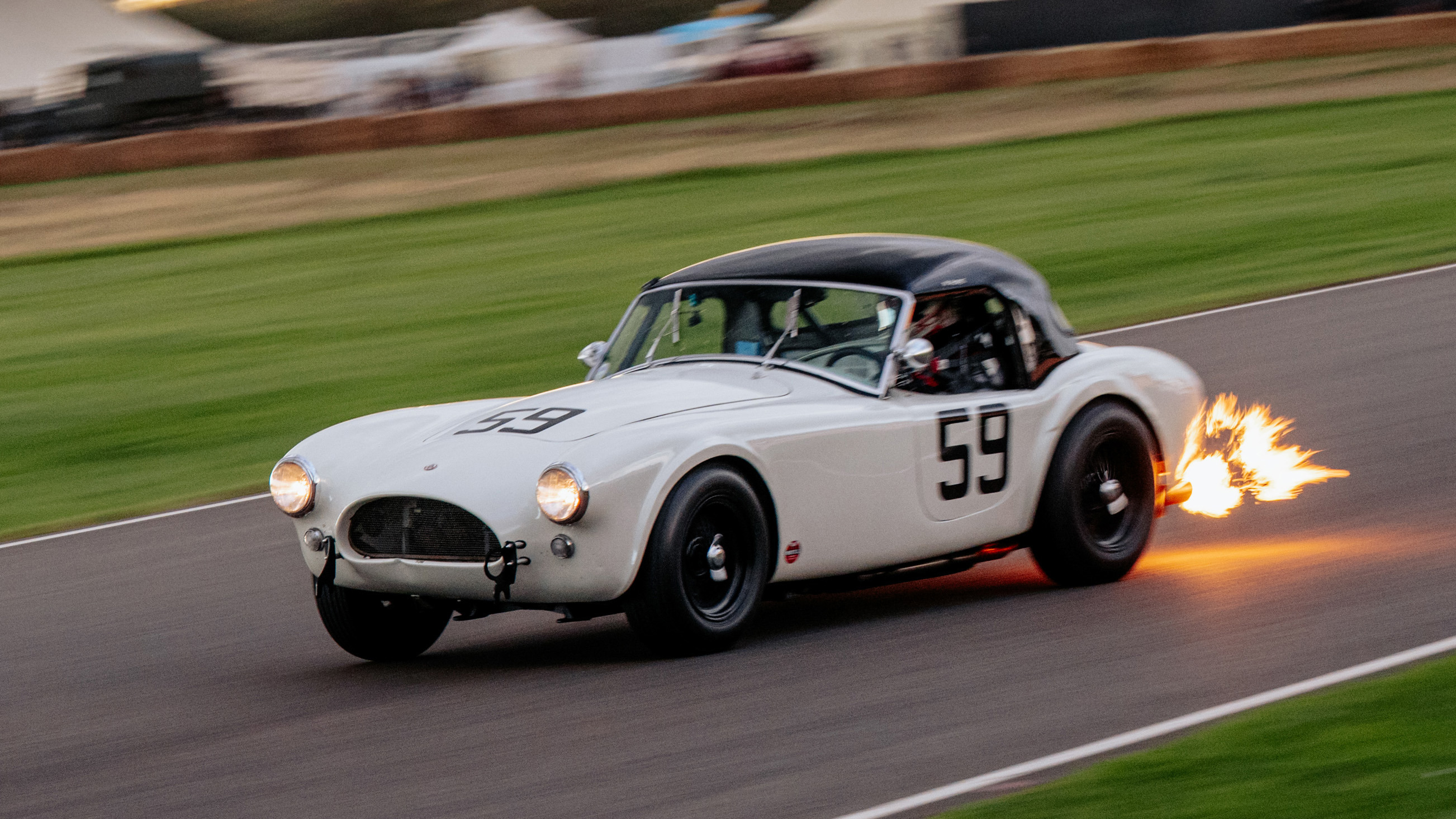
Despite their similar age and Ford mechanicals, a racing Cobra and GT40 are as different as can be. But Cobras can be pretty different to one another, too. A traditional racing Cobra is a car that needs not just talent, but also genuine courage to master. They are physical, they move around a lot and require both commitment and a great deal of common sense to know when enough is enough. But a Daytona Coupé — often just thought of as a rebodied Cobra — is actually a very different beast.
Designed by Peter Brock in time for the 1964 season, beneath its all-new bodywork was also a new and far stiffer tubular structure built atop the Cobra’s chassis rails, transforming its handling. I’ve driven an Appendix K-compliant recreation directly after a race-prepped Cobra, and its precision and manners were a complete revelation. In homologation terms the structural changes bent every rule to the limit, as had those of the Ferrari 250 GTO it was designed to beat.
It was quicker than the GTO that season, and kept from the title only by unreliability and the sheer number of GTOs out there. In 1965 and with the GTOs era ended, it took the GT category of the World Sports Car Championship essentially unopposed.
But a GT40? Yes, it was another Anglo-American hybrid, but a bird of an altogether different feather. While the Cobra was based on a ‘50s road car, the GT40 owed its roots to a 1960s racer, the beautiful Lola GT. An early adopter among sportscars of monocoque construction and placing its engine behind the driver, it was lower, stiffer, more slippery and far quicker through the corners than its newfound rivals.
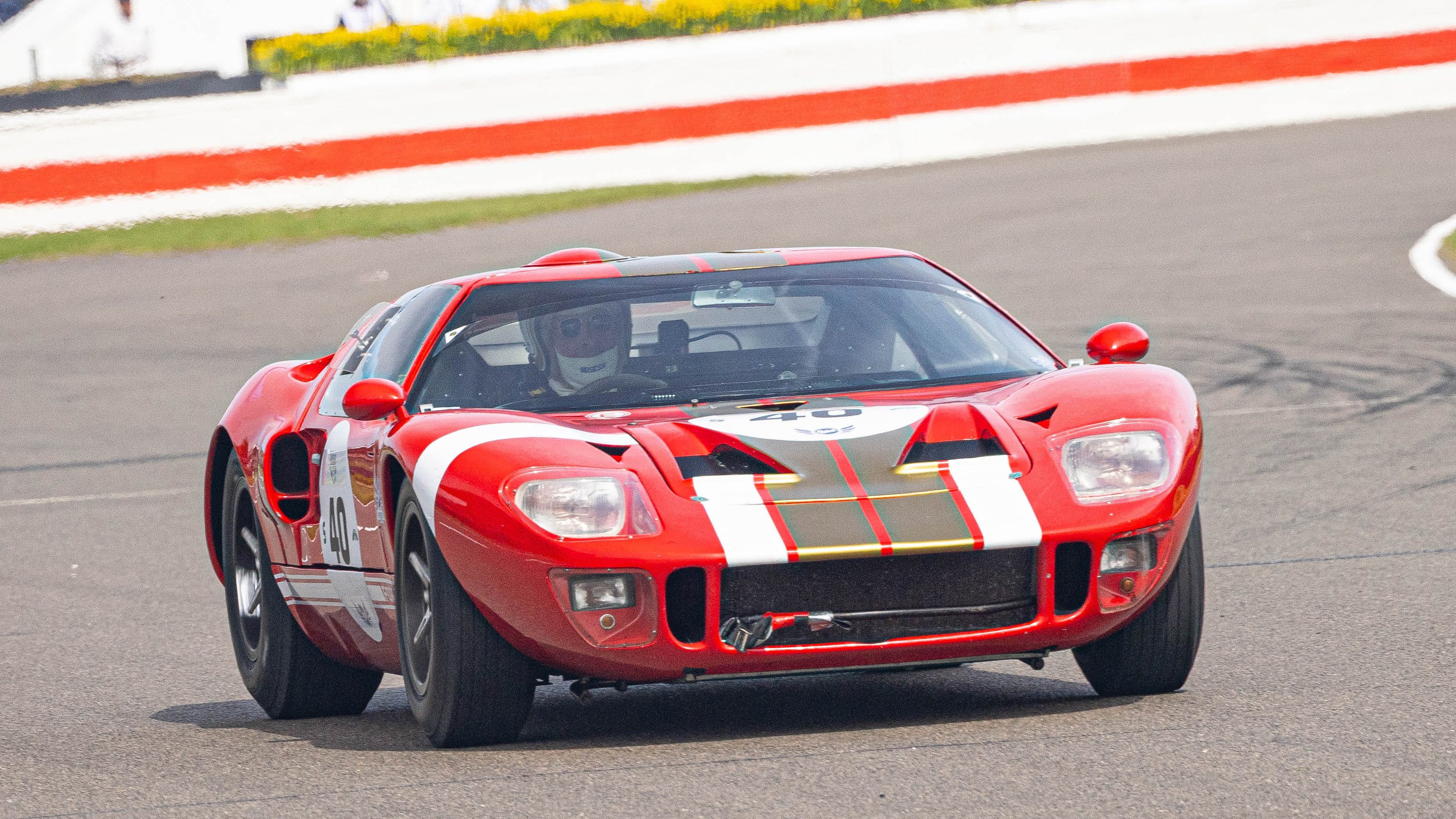
Even so, don’t expect all the GT40s to simply disappear, especially if its raining. With the field levelled a bit (and I’ve seen this in races I’ve done elsewhere) a well-driven traditional front-engined American racing car can worry a cautiously driven GT40.
So, bring on the most powerful grid at the 83rd Members Meeting. And at some stage over the weekend I shall raise a glass to the memory of Phil Hill, whom I met only once but who was charming. F1’s most sorely underappreciated World Champion.
The 83rd Members' Meeting presented by Audrain Motorsport takes place on the 18th & 19th April 2026. Tickets are on sale now for GRRC Members and Fellows.
You can sign up for the Fellowship now. Click here to find out more.
Main image courtesy of Getty Images.
formula 1
f1
members' meeting
phil hill
phil hill cup
frankel's insight
83MM
Subscribe to Goodwood Road & Racing
Thank you, you’re now subscribed

How many hay bales are used at FOS?
For the last two years, 5,800 bales have been recylced into the biomass energy centre to be used for energy generation