Trying (and failing) to beat the Goodwood lap record | Frankel’s Insight
 Andrew Frankel
It seems silly to say so now after almost 20 years, but I really thought it would be easy. As in ‘fall off spinning log coated in soap’ easy. How could it not be? I had a 2008 Porsche 911 GT2 with 537PS (395kW), massive carbon ceramic brakes, all sorts of funky aero addenda and the very latest, stickiest Michelin Pilot Cup tyres.
All I had to do was lap Goodwood faster than had a car with less than half the power from 40 years earlier. And that car had tyres like those found on bicycles and brakes the size of the saucers used by Claridges at tea time.
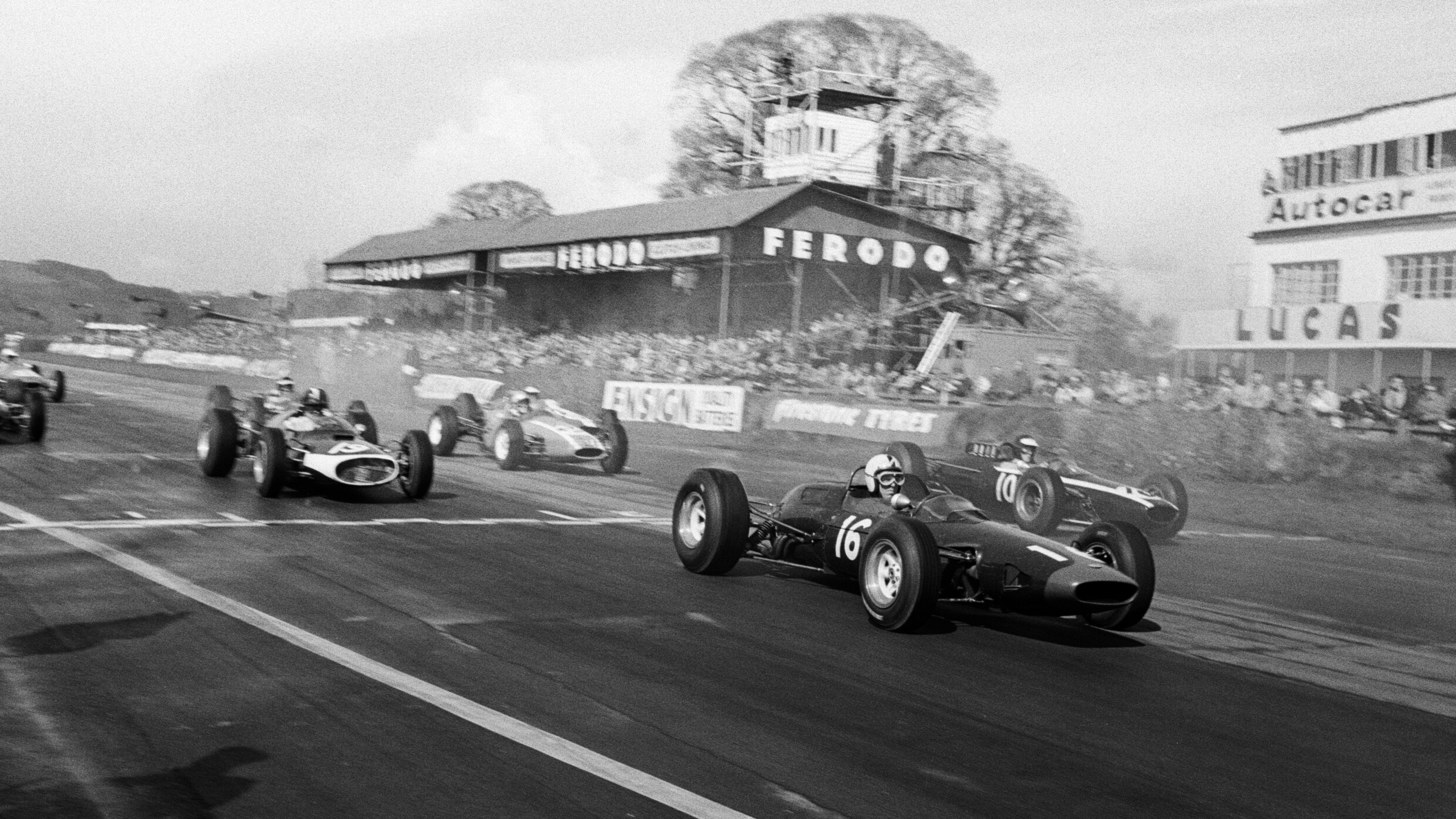
What was that car? Well technically there were two, because by some freak of circumstance, Goodwood’s fastest ever race laps were completed in 1min 20.4sec by both Jackie Stewart and Jim Clark driving a BRM P261 and Lotus-Climax 25 respectively. Not only that, they set it in the same race, the 1965 Glover Trophy.
Both had 1.5-litre engines and nothing else, I had a 3.6-litre engine, substantially boosted by a pair of turbochargers to give 537PS; Britain’s best drivers of the era had 213PS (157kW) at most on a very good day indeed.
It is true that I was not then nor am today one of Britain’s best drivers. I may be half decent by normal standards but compared to Jackie and Jim, I scarcely knew one pedal from the other. Even so, surely I could make up for that with the immense firepower, brakes and grip at my disposal?
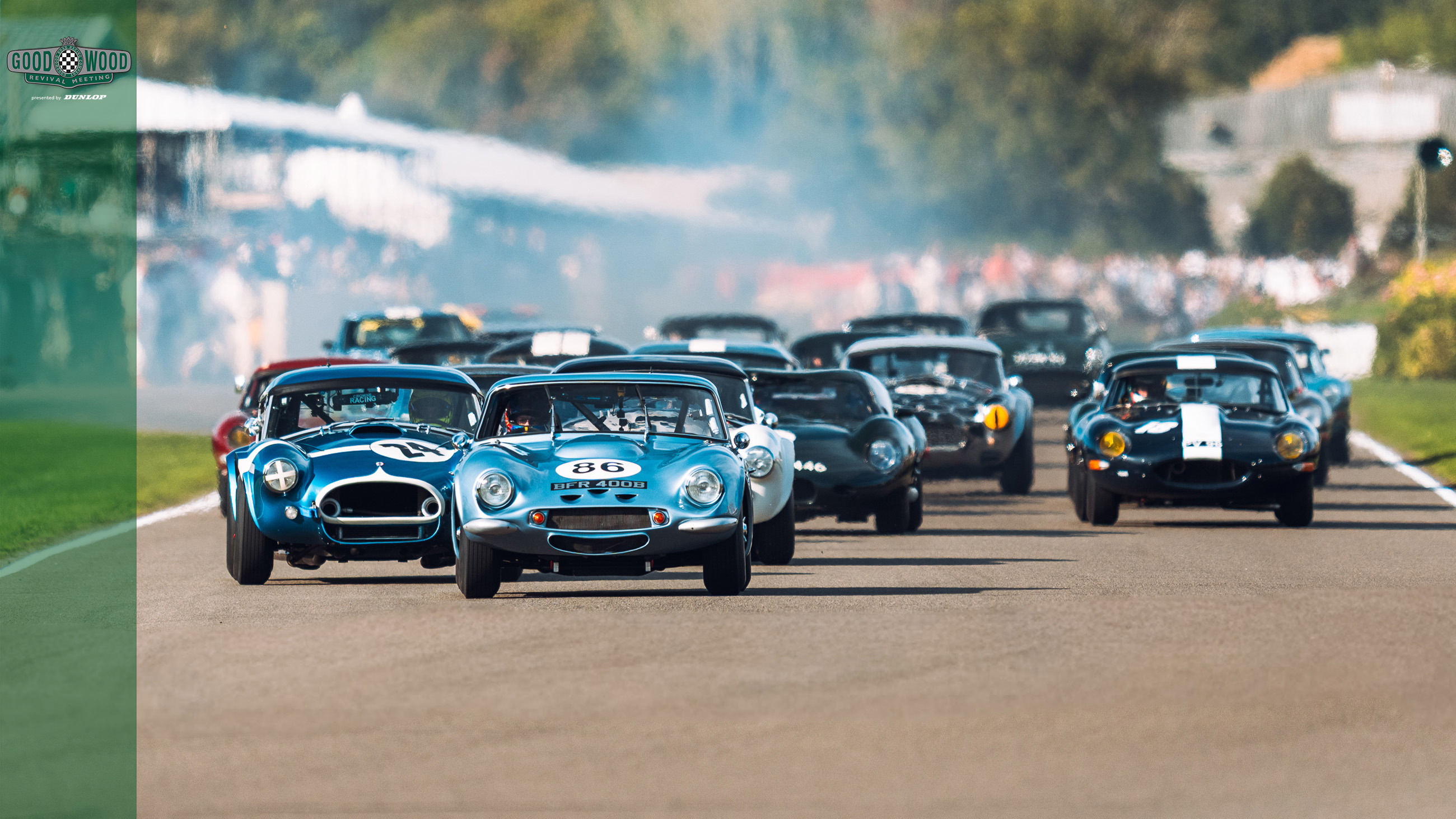
I had by then been doing track days at Goodwood for over 20 years, I’d raced at the Goodwood Revival presented by Dunlop numerous times; no one could say I didn’t know my way around. And it was a good lap: clean, smooth and undramatic.
I managed to judge the braking points correctly, hit all the important apexes, kept the tail from trying to overtake the nose as I applied the power out of the corners and, most importantly, kept someone else’s very valuable supercar pointing in approximately the right direction for the duration of the 2.4-mile lap. It is fair to say that I was feeling reasonably pleased with myself when I returned to the pits to check my time.
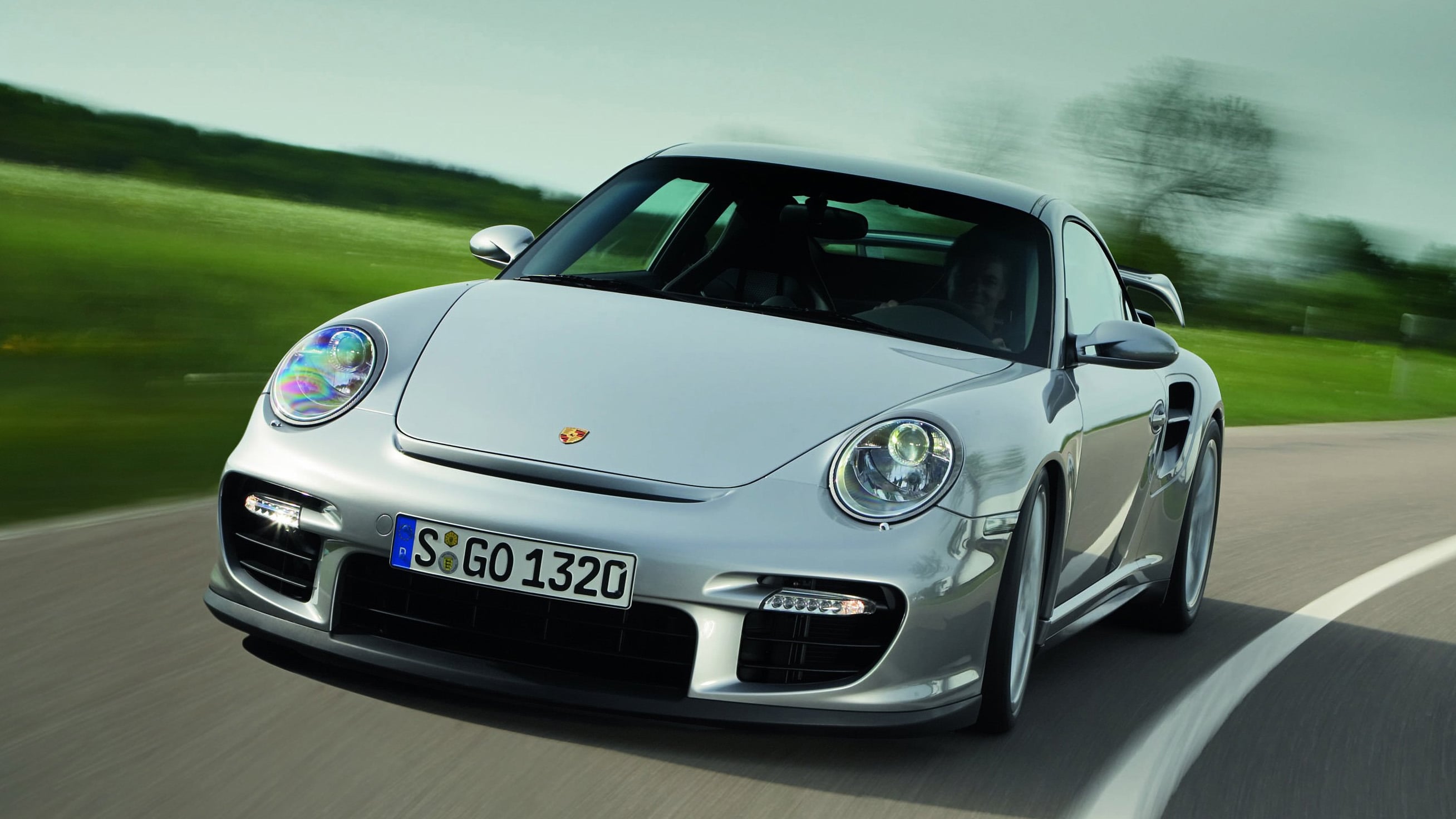
I had taken 1min 27sec dead, some 6.6sec slower than Clark and Stewart. History appears not to have recorded all the qualifying times, but with a performance like that I’d be amazed if I’d even got on the back of the grid with my time, let alone anywhere near the front. Had the gap been 2sec or less I’d probably have taken a handful of brave pills, gone back out and seen if I could reduce, or possibly even eliminate the gap. But over six? I didn’t even bother. It was a chasm of Grand Canyon proportion.
What I did do, however was call the by now knighted Sir Jackie and ask why one the world’s fastest road cars could not get anywhere near a tiny little race car built half a lifetime earlier. And he was kind enough not to draw any unfavourable comparisons between his intergalactic talent and my more modestly proportioned abilities.

“There are lots of reasons,” he mused. “Whereas your road car is the same whether you drive it on road or track, we’d tailor our racing cars to whatever circuit we were at, and to the smallest degree. We’d test and test, changing springs, dampers and roll bar settings until the car was perfectly set up for that track. We’d have special ratios for the transmission and geared the car so precisely that we’d even alter the ratios if the wind changed direction and started blowing up the straight rather than down it.
“You know, those cars were fighter planes, the absolute pinnacle of what could be achieved at the time. They were very highly strung — it took a lot to get the best out of them — but if you drove them with the precision they required, they were just the most beautifully balanced things you could imagine. It’s like comparing a jet fighter to an A380 Airbus.”
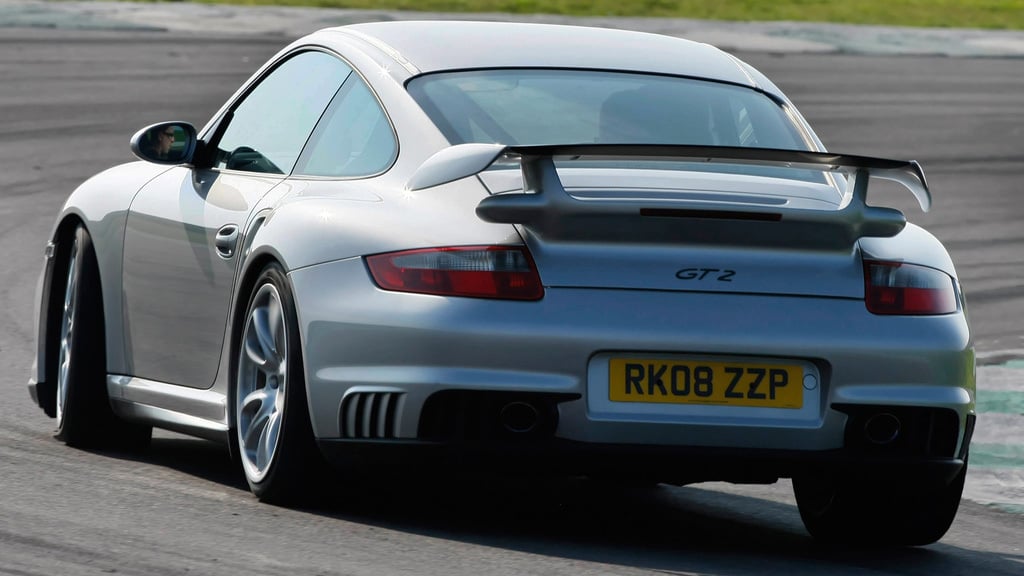
Which brings the subject neatly around to the area in which old so convincingly trumps new: weight, and how it pertains to power. And what this reveals is that the Porsche weighed almost a tonne more than the Lotus or BRM and, as a result, it actually had an inferior power to weight ratio. And once you consider all that mass also needs stopping and persuading to change direction, perhaps the gulf in their respective times is not so surprising after all.
It would be interesting to see how fast the GT2’s modern equivalent would go today but there is no equivalent in production. A modern GT3 RS, however, has similar power now to what the GT2 had then but with completely transformed aerodynamics and tyres, so I expect that in the right hands it might now have closed that gap completely.
But even if it has, that takes away nothing from what those drivers in their cigar tubes on spindly wheels did over 60 years ago. Actually, the fact it’s taken most of a lifetime even to get onto terms with them makes what they did back then more impressive still.
Main image courtesy of Getty Images.
race
historic
frankel's insight
Jackie Stewart
porsche
911 GT2