

Drones enter a new era of rescue, research and creativity in 2026
Forget photography or hobbyist flight, drones are now reshaping emergency medicine, architectural interpretation, planetary exploration and micro-robotics.
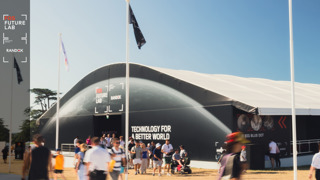
The pace of advancement is accelerating across disciplines, with each breakthrough reinforcing the idea that autonomous aerial systems are becoming as fundamental to future infrastructure as the smartphone was to the last technology revolution. Many of these developments echo those showcased at this year’s FOS Future Lab presented by Randox, where uncrewed systems demonstrated the shift from novelty to necessity.
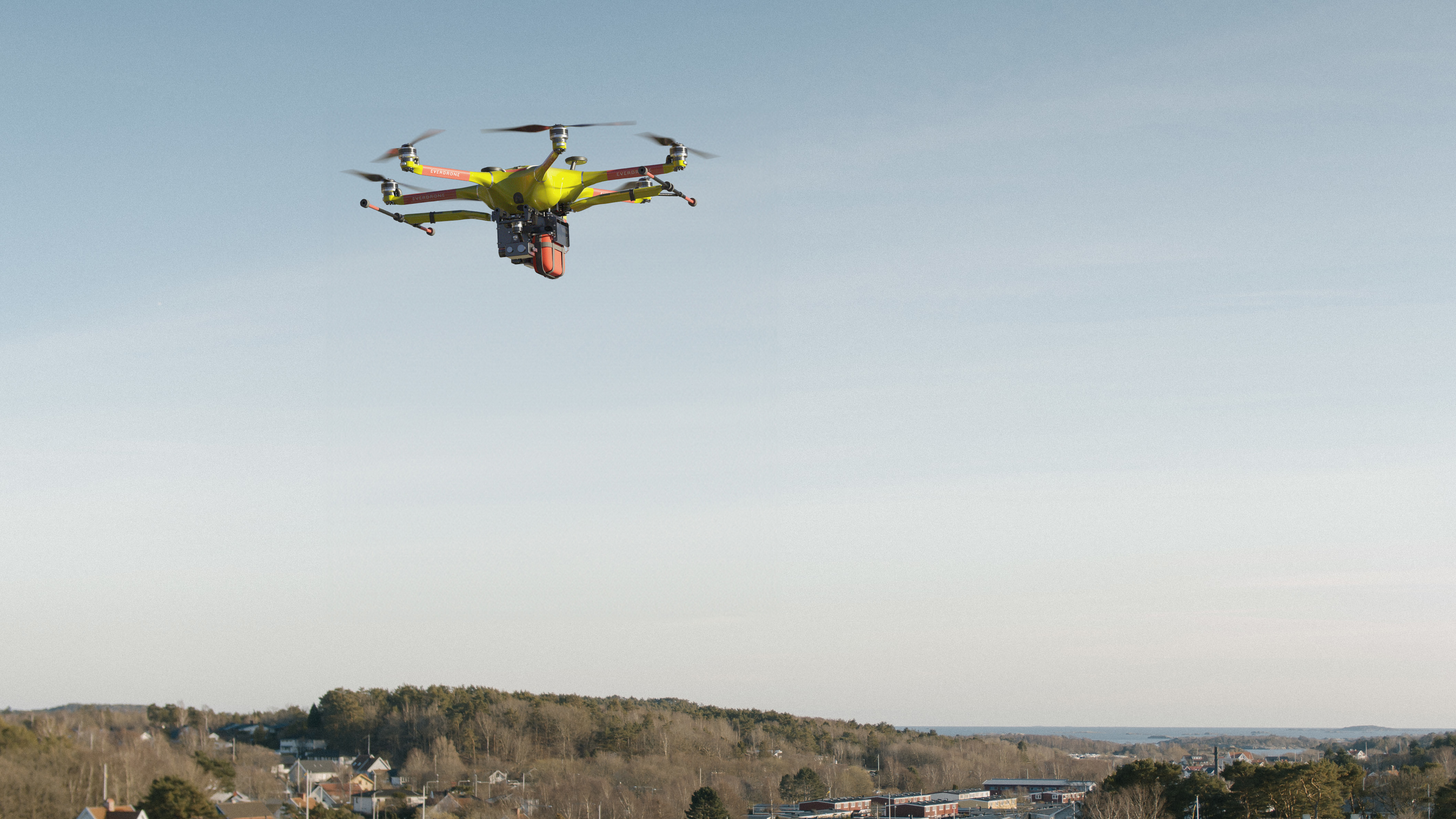
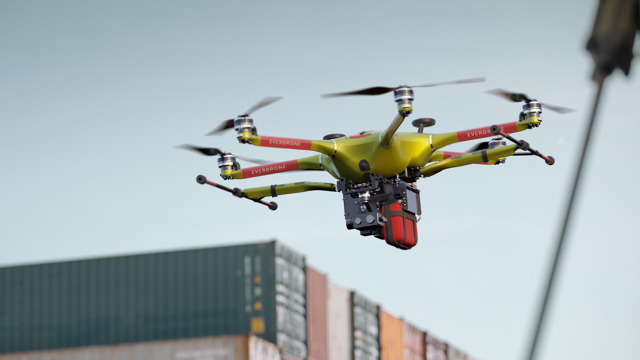
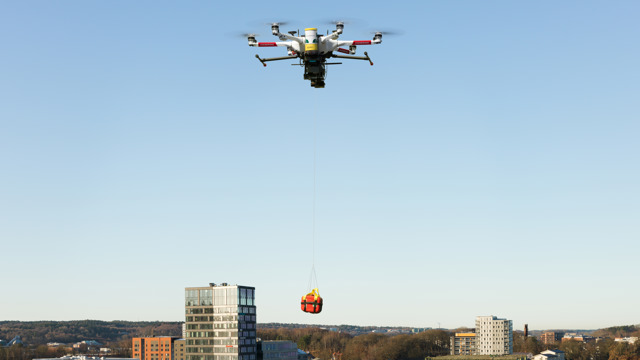
In France, Normandy has become the latest testbed for drones capable of delivering automated external defibrillators (AEDs) directly to cardiac arrest patients. Everdrone’s newly expanded trials aim to show that drones can reliably outpace ground ambulances in regions where geography, traffic or rural distance slow conventional response times.
The concept is elegantly simple: when a cardiac arrest call comes in, an autonomous drone is launched immediately, travelling in a straight line to the GPS location and delivering an AED that bystanders can use before medical teams arrive. Its execution, however, requires intricate systems engineering: airspace integration, collision avoidance, remote command protocols and handover procedures with emergency operators.
Several UK ambulance services are also trialling the technology, including the Welsh Ambulance Services University NHS Trust and Scottish Ambulance Service, where remote and rural areas are prevalent. If trials continue to prove viable, the drones could determine the difference between survival and loss.
While some drones are saving lives, others are expanding the boundaries of art, architecture and cultural imagination. A collaboration between Amsterdam-based duo Drift and the aerial design platform Drone Stories has created a series of extraordinary light-enabled performances in the skies above major world landmarks.
These choreographed swarms have digitally “completed” structures, including Barcelona’s Sagrada Família and the ancient Colosseum in Rome, reconstructing long-lost or unfinished architectural elements according to detailed historical models. For a few moments, hovering points of light trace the silhouette of Gaudí’s full intended design or reveal how the Colosseum once stood in its original grandeur.
The effect is both poetic and precise: a meeting of engineering, storytelling and heritage interpretation allows audiences to see architecture not as ruins or works in progress, but as fully realised visions. The drones become tools for reimagining the built world, bridging past, present and possibility.
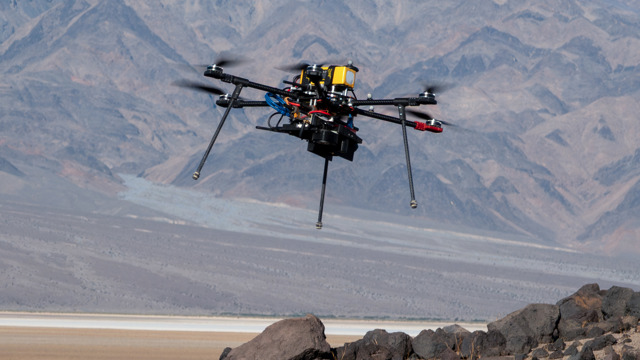
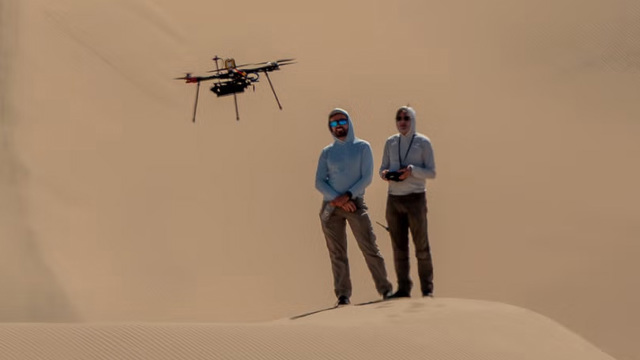
Beyond Earth, drones are preparing for environments that push their capabilities to the extreme. NASA has begun testing next-generation aerial systems in Death Valley, where scorching temperatures, dust, rock formations and turbulent winds approximate many of the conditions expected on Mars. These tests build upon the success of NASA’s Ingenuity helicopter, which in 2021 became the first aircraft to fly on another planet.
The upcoming class of Martian drones is designed to travel further, carry more scientific instruments and operate autonomously across terrain unreachable by rovers. Death Valley’s landscapes serve as a natural laboratory, enabling engineers to refine rotor designs, flight-control algorithms and dust-resistant components. What is being learned today in the Mojave Desert will inform the explorers of tomorrow — part aircraft, part robotic scout — capable of mapping Martian canyons, locating geological samples and guiding rover missions from above.
If NASA’s machines are pushing the limits of where drones can go, researchers at MIT are exploring how small drones can become. Engineers at the Institute have developed a micro-aerial robot that flies like a bumblebee, using rapid adaptive wingbeats to navigate turbulent air. Unlike larger quadcopters that rely on stabilised rotor planes and inertial sensors, this microrobot mimics biological agility, performing split-second corrective movements, allowing it to remain stable in chaotic airflow.
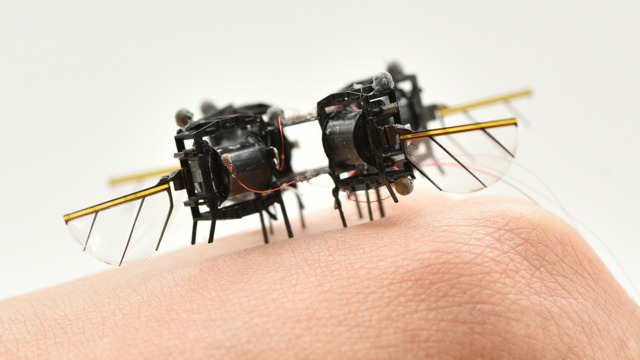
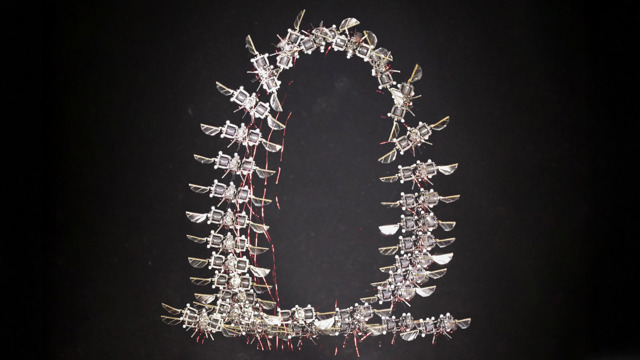
Drones of this scale could enter collapsed buildings to search for survivors, inspect delicate archaeological sites without risk of damage or perform environmental monitoring in ecosystems where conventional aircraft would be too intrusive. The team’s work underscores a growing movement in robotics: rather than forcing machines into rigid aerodynamic templates, engineers are looking to the natural world for resilient, adaptable, energy-efficient flight strategies.
For FOS Future Lab, this rising convergence is particularly significant. Many of the drones exhibited this year, from compact autonomous surveyors to life-saving unmanned helicopters, illustrated the same themes now visible in global research programmes: precision, resilience, adaptability and the ability to operate where humans cannot. Whether navigating the skies above a medieval city, racing across rural landscapes with medical supplies or preparing to skim above Martian dunes, drones are charting new boundaries for the future of flight.
As these technologies continue to evolve, they are likely to become as ubiquitous and as indispensable as GPS or mobile telecommunications. The next decade will not only redefine what drones can do, but also what societies imagine they are for. And across rescue, art, exploration and micro-engineering, that future is arriving far faster than most people realise.

Randox is a global leader in diagnostics, revolutionising patient outcomes through innovative technologies, including its patented biochip technology. This pioneering diagnostic platform allows for the simultaneous detection of multiple biomarkers from a single sample, delivering faster, more accurate, and comprehensive results. Operating in over 145 countries, Randox develops advanced laboratory instruments, high-quality reagents, and innovative testing solutions to improve global healthcare.
Randox Health brings this cutting-edge technology directly to individuals, offering bespoke, preventative health testing programs. With world-class laboratories and personalised health insights, Randox Health enables early detection of a wide range of conditions, helping individuals take control of their health.
Together, Randox and Randox Health are redefining diagnostics and preventative healthcare. For more information, visit www.randox.com and www.randoxhealth.com.
Images courtesy of NASA, MIT and Everdrone.
festival of speed
fos
event coverage
future lab
fos future lab
drones



-

Video: McMurtry returns to the Festival of Speed with the Spéirling Pure
-

Video: Record-breaking McMurtry Spéirling returns at the 2023 Festival of Speed
-

An upside down McMurtry Spéirling? Stranger things have happened
-

Video: 2024 Festival of Speed Friday full highlights
-

McMurtry Festival of Speed record-breaker going into production
Subscribe to Goodwood Road & Racing
Thank you, you’re now subscribed

How many hay bales are used at FOS?
For the last two years, 5,800 bales have been recylced into the biomass energy centre to be used for energy generation