

Ford Mustang Mach-E is London’s first self-driving car
London is no stranger to transport revolutions. From the world’s first underground railway to the rise of the black cab, the capital has long been a proving ground for new ways of moving people.
Now, a British artificial-intelligence company is preparing the city for its next leap: self-driving cars navigating real London roads, in real traffic, without relying on detailed pre-mapped routes. And in an unexpected twist, the autonomous fleet of choice is the electric Ford Mustang Mach-E.
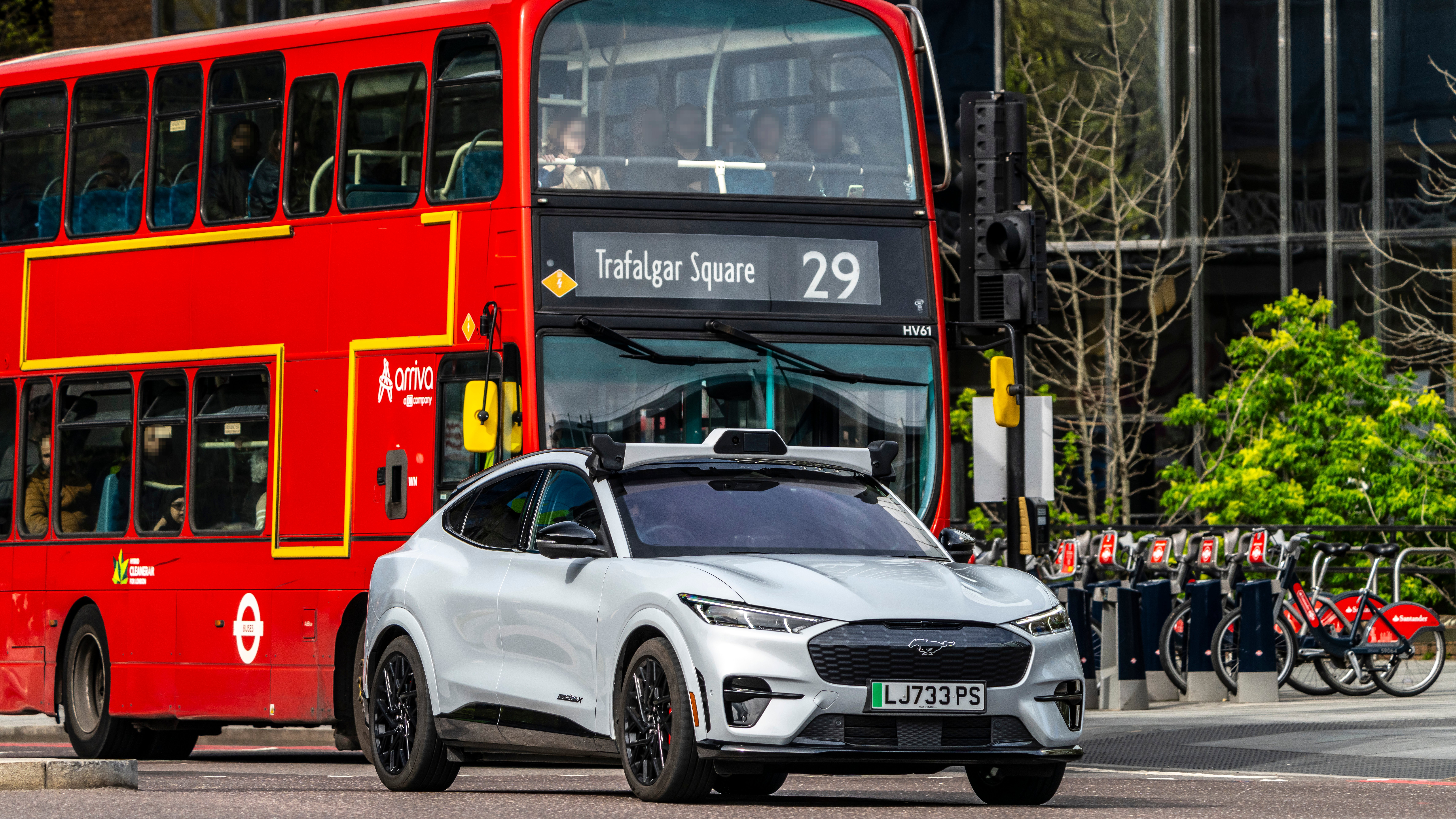
The company behind this quietly transformative moment is Wayve — a London-based start-up founded by Cambridge graduates, which has attracted global attention, substantial investment and partnerships with major automotive players. Rather than adopting the typical ‘LiDAR-heavy’, map-dependent route taken by many US firms, Wayve has spent the past few years developing a camera-led, learning-based AI system aiming to handle Britain’s famously complex roads through experience rather than prescription.
Trials show Wayve’s technology taking on everything from busy junctions and buses pulling out unexpectedly to the everyday chaos of cyclists, pedestrians and delivery vans. Those invited for early demonstrations described the ride as calm, cautious and surprisingly ordinary — which, for autonomous tech, is rather the point. The cars reportedly handled tight London streets, unpredictable road users and sudden lane closures with the sort of measured reactions you’d expect from a competent human driver rather than a machine.
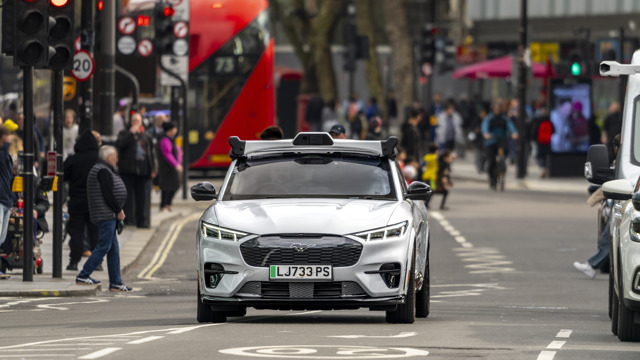
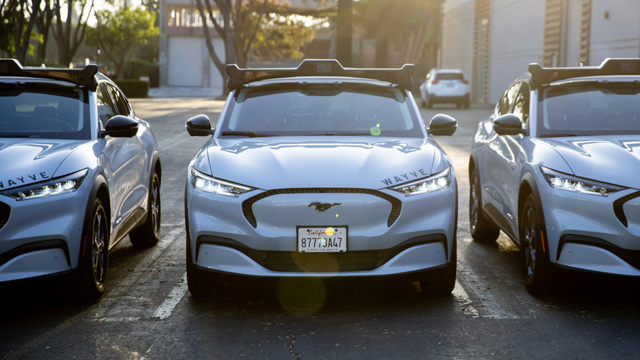
The decision to use Ford Mustang Mach-Es adds a layer of charm to the project. They look like any other contemporary EV on the school run, giving the trials an understated, real-world feel rather than a futuristic showroom flash. Apart from a discreet sensor bar above the windscreen and a safety driver on standby, there’s little to distinguish Wayve’s vehicles from other cars weaving through London traffic.
Crucially, Wayve’s “end-to-end” AI approach aims to generalise its learning, meaning the system doesn’t need an exhaustively mapped street to function safely. Instead, it uses onboard camera data and neural-network decision-making to interpret what’s happening around it, allowing it to adapt dynamically to situations it hasn’t encountered before. That adaptability is particularly promising for the UK, where road layouts change frequently, signage is inconsistent and behaviours vary dramatically from region to region.
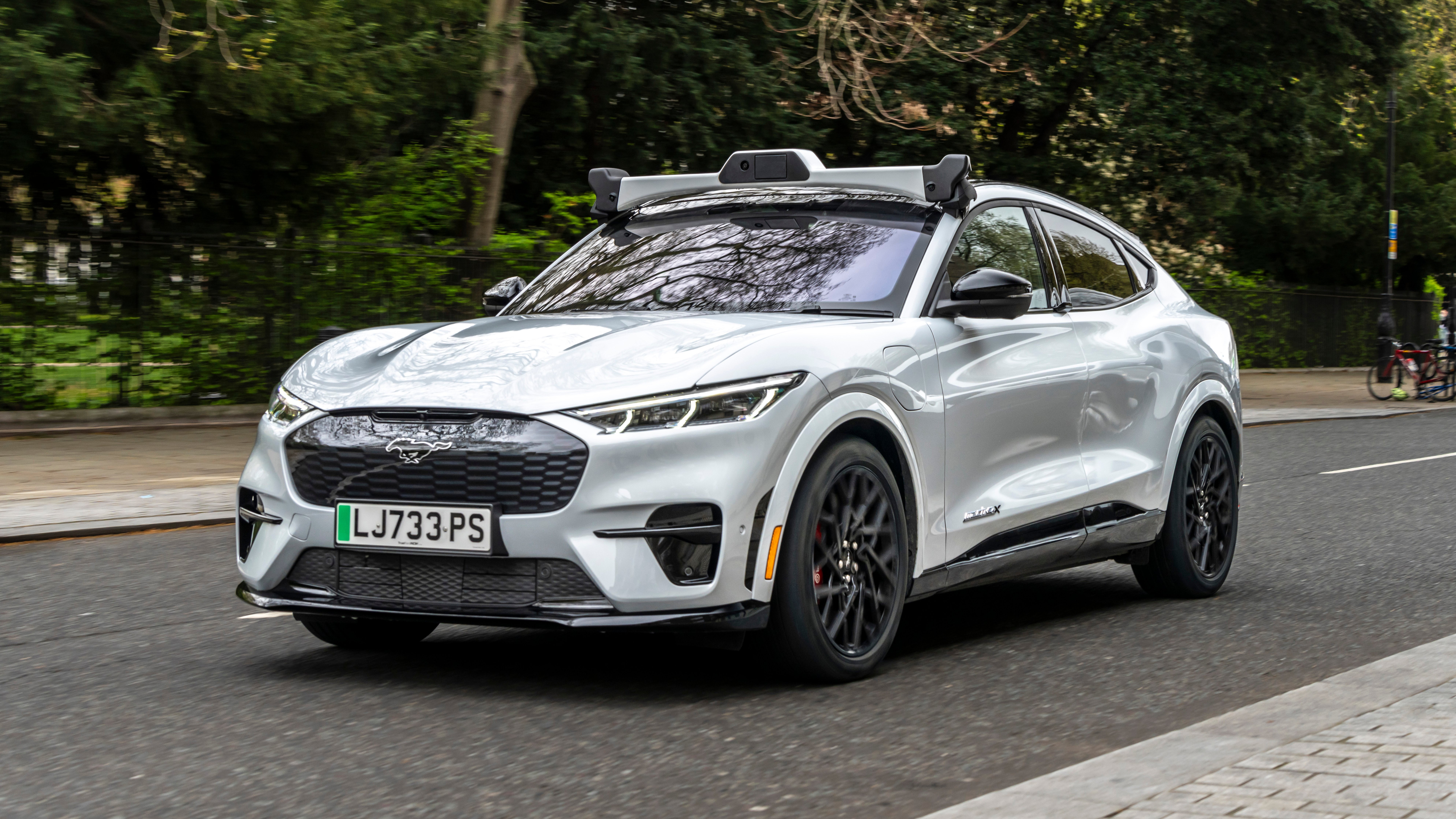
Although the technology is still in a supervised testing phase, the momentum behind it is rising. Wayve has secured significant backing from major industry names and has partnered with logistics and ride-hailing operators to scale future deployments. The UK government, meanwhile, has accelerated its regulatory framework for autonomous vehicles, aiming to support commercial services — including potential robotaxi operations — within the next couple of years.
Of course, real-world adoption will require more than impressive demos. Questions about public trust, insurance frameworks, data ethics and urban integration still need clear answers. Yet, the fact a home-grown British company is leading one of the most advanced autonomous-driving projects in Europe is a notable milestone in itself.
As the first Mustang Mach-Es glide through London traffic under AI control, they represent something genuinely new in Britain’s transport landscape. No sci-fi sheen, no overblown promises — just a quiet, measured step into the era of self-driving mobility. And if early impressions are any indication, the next major chapter in autonomous travel may not be written in Silicon Valley, but right here on London’s streets.

Randox is a global leader in diagnostics, revolutionising patient outcomes through innovative technologies, including its patented biochip technology. This pioneering diagnostic platform allows for the simultaneous detection of multiple biomarkers from a single sample, delivering faster, more accurate, and comprehensive results. Operating in over 145 countries, Randox develops advanced laboratory instruments, high-quality reagents, and innovative testing solutions to improve global healthcare.
Randox Health brings this cutting-edge technology directly to individuals, offering bespoke, preventative health testing programs. With world-class laboratories and personalised health insights, Randox Health enables early detection of a wide range of conditions, helping individuals take control of their health.
Together, Randox and Randox Health are redefining diagnostics and preventative healthcare. For more information, visit www.randox.com and www.randoxhealth.com.
festival of speed
fos
event coverage
future lab
fos future lab
ford
Mustang Mach E



Subscribe to Goodwood Road & Racing
Thank you, you’re now subscribed

How many hay bales are used at FOS?
For the last two years, 5,800 bales have been recylced into the biomass energy centre to be used for energy generation