

6 remarkable projects revealing hidden history at FOS Future Lab 2026
Unless you’ve seen Ghostbusters 2 recently, paintings tend to look pretty flat. But look closer and a different landscape begins to emerge. Medieval maps are filled with tiny corrections and compass marks, paintings carry the ridges of centuries-old brushstrokes and carved stone surfaces preserve the fingerprints of the people who made them.
Until recently, much of this information was effectively invisible, even experts could only guess at what lay under the surface. Now, a new generation of 3D scanning and digital imaging technology is revealing these unseen worlds in extraordinary detail.
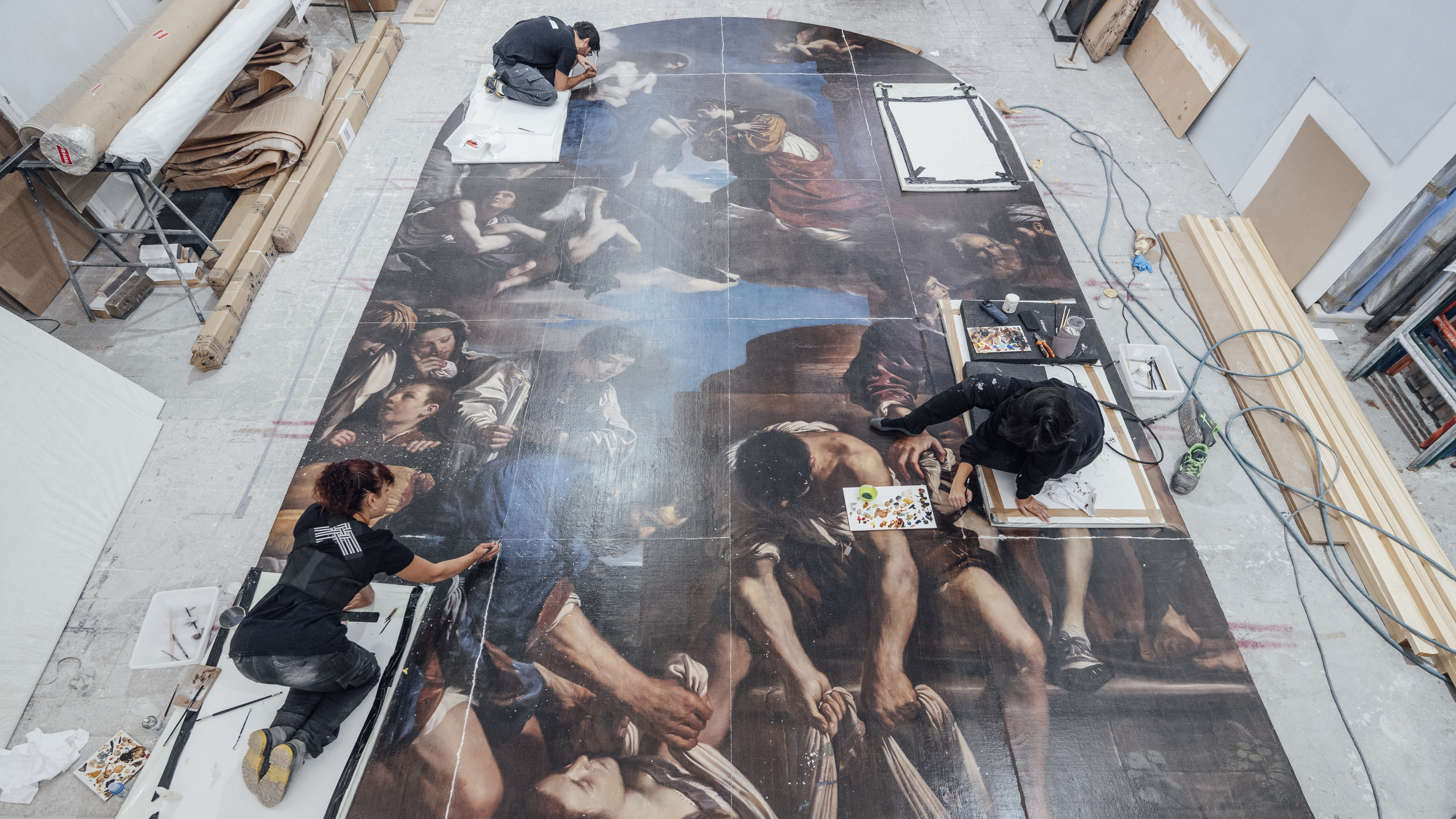
The Factum Foundation is dedicated to digitally recording and preserving cultural heritage using advanced technology. Its projects combine art, engineering and data science to capture some of the world’s most important artefacts in astonishing resolution. Its sister company, Factum Arte, specialises in the physical reproduction of artworks and artefacts using the same high-resolution data.
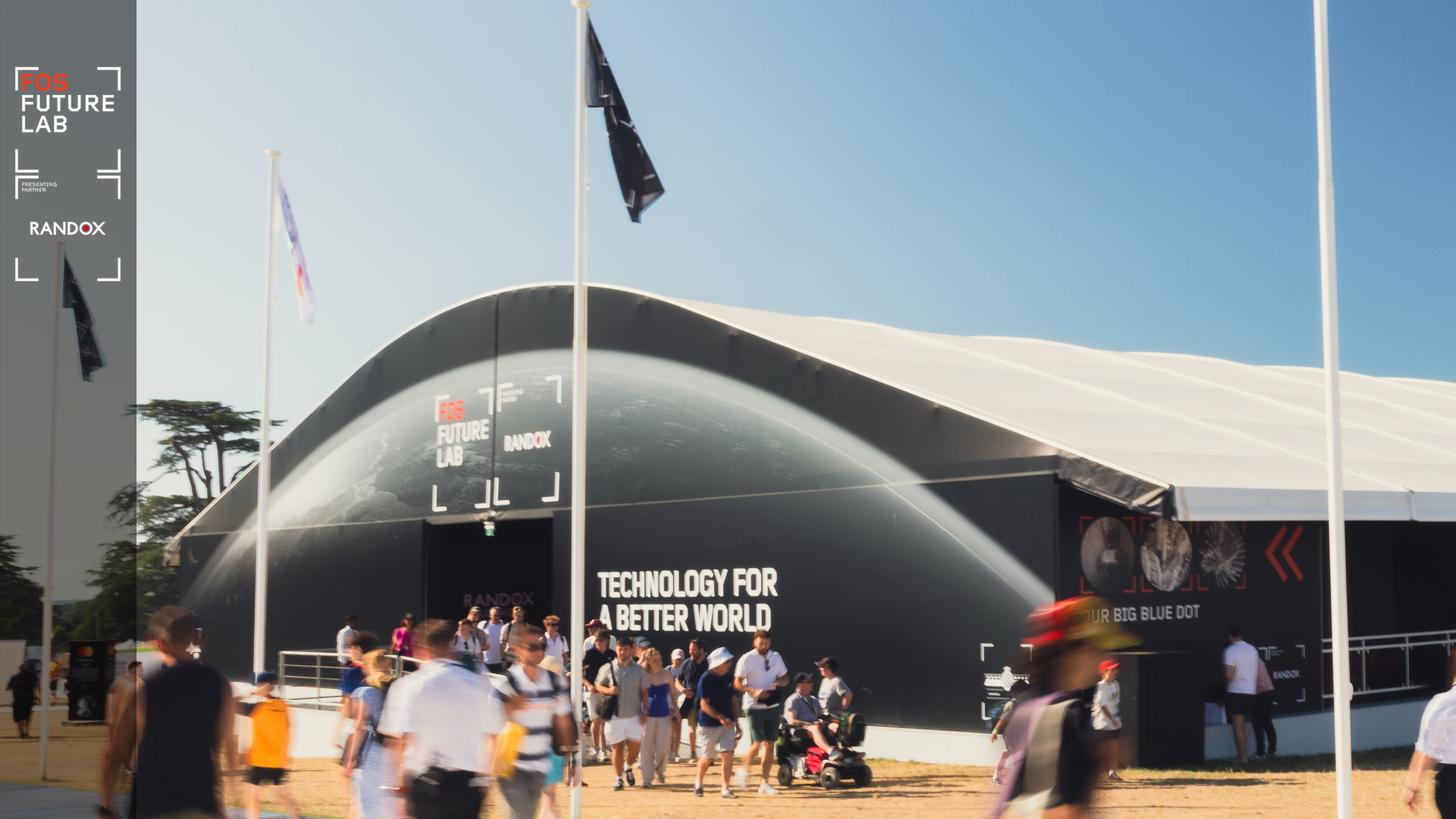
At the 2026 Festival of Speed presented by Mastercard, visitors will see how this technology works — and how digital tools are transforming the way we understand art, archaeology and history — at FOS Future Lab presented by Randox. .
Visitors will also be able to see some of these technologies in action, with live demonstrations and interactive displays revealing firsthand how fragile artworks and historic spaces are recorded.
Cultural heritage meets cutting-edge technology
Founded in 2009, the Factum Foundation works with museums, archives and archaeological sites around the world to digitally record fragile works of art and historic artefacts. The goal is to capture the physical reality of an object in the greatest possible detail before time, tourism or restoration changes it.
The organisation has developed specialised technologies to record not just images of artworks but also their physical surfaces, including the Lucida 3D scanner, a portable laser system capable of recording microscopic surface texture of paintings and objects.
Alongside it, the newer Selene Photometric Stereo System uses controlled lighting to capture ultra-fine detail on low-relief objects — shallow surfaces that don’t stick out — down to depths of 0.025mm.
Rather than simply photographing artwork, these systems read the surface like a landscape. A beam of laser light or a sequence of carefully controlled images records how light interacts with the tiniest bumps, grooves and brushstrokes. The result is a high-resolution digital map of the surface.
“What these systems reveal is not simply more detail. They reveal a different order of information, new layers of knowledge,” Factum Foundation founder Adam Lowe, OBE, told us.

“The Lucida and, more recently, the Selene Photometric Stereo System, were developed by our team to record the fine surface of low-relief objects and paintings with an accuracy that makes the relief of the object legible in a new way. They can isolate texture from colour. It can show the build-up of a brushstroke, the pressure of a tool, the deformation of a panel, the wear caused by time, or the traces left by a previous restoration.
“Much of this is either imperceptible to the naked eye or impossible to study consistently from direct observation alone. Removing the colour allows you to see the surface very differently. For us, this is where digital recording can lead to a new form of connoisseurship. It does not replace the expert eye. It extends it.”
That level of detail is already changing how some of history’s most important objects are understood.
“What has surprised us most, repeatedly, is how much meaning sits in the surface,” said Lowe. “Tiny distortions can change how a painting is understood, looked at and including ‘handled’, digitally. The relief of a map can reveal how it was made, reproduced or altered. Once this data is captured properly, it becomes possible to study an object in ways that were previously inaccessible, and to share that knowledge far beyond the museum or archive.”
That level of detail is already changing how some of history’s most important objects are understood. Here are six of the Factum Foundation’s most remarkable projects.
1. Mapping the medieval world
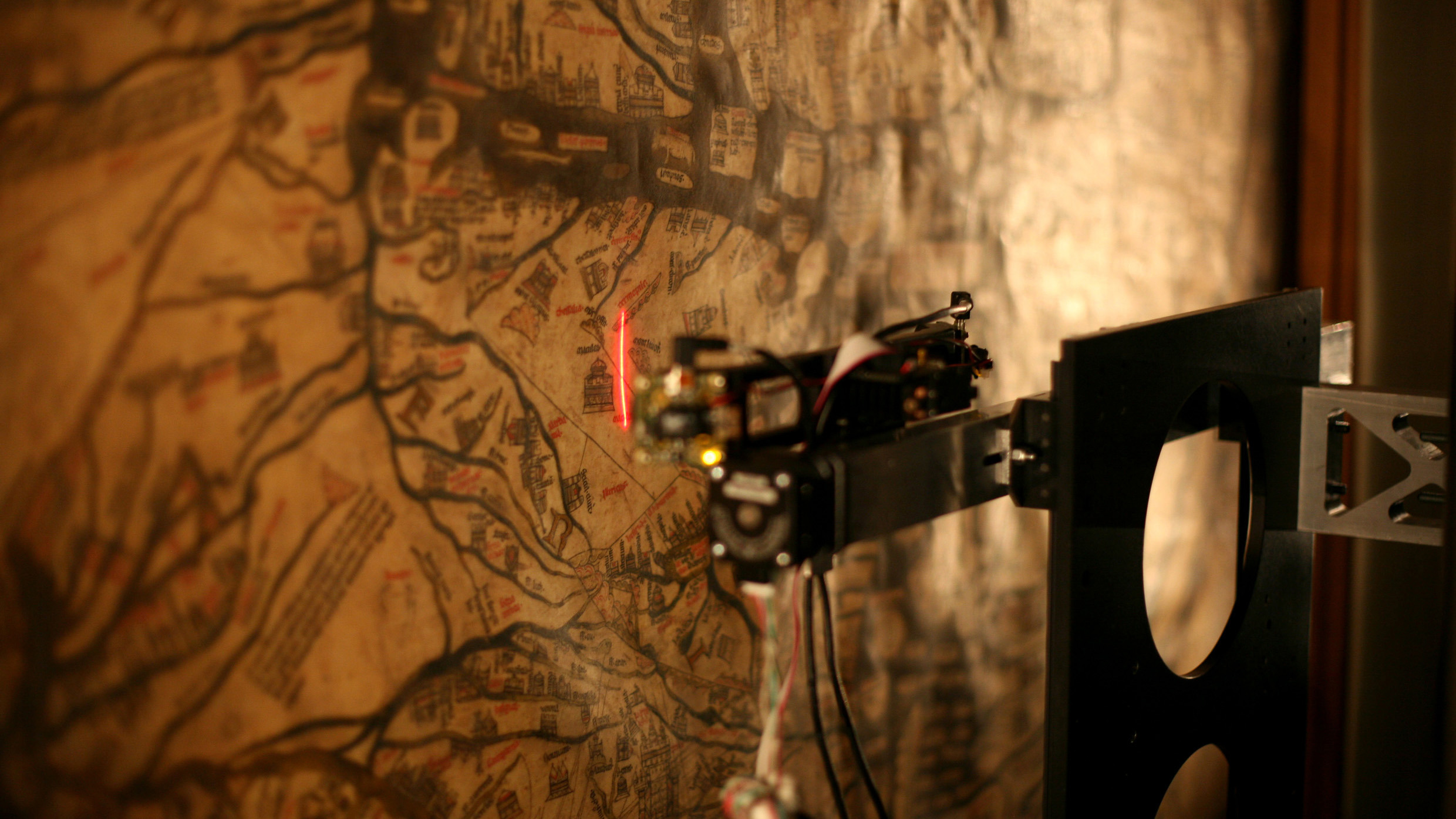
Created around 1300, the Hereford Mappa Mundi is one of the most extraordinary medieval maps ever produced.
The vast parchment chart depicts the world as medieval scholars understood it, placing Jerusalem at its centre and filling the landscape with biblical stories, historical references and mythological creatures — think Game of Thrones opening credits.
Using high-resolution 3D scanning technology, the Factum Foundation created a detailed digital record of the map’s surface. This revealed tiny marks and textures, helping historians to understand how the map was drawn and has changed over the centuries.
The project also enabled the creation of a full-scale tactile reproduction, allowing visitors — including blind and partially sighted audiences — to explore the map by touch for the first time.
2. Reuniting a lost Renaissance masterpiece
In the 15th century, the Polittico Griffoni altarpiece stood inside the Basilica of San Petronio in Bologna. Painted by Francesco del Cossa and Ercole de’ Roberti, it is considered one of the great masterpieces of the Italian Renaissance.
However in the 18th century, the altarpiece was dismantled and its panels scattered across museums around the world. Today, the original paintings remain separated across nine different collections.
Using high-resolution scanning and reproduction technologies, the Factum Foundation digitally recorded each panel. It reconstructed a replica of the entire altarpiece — symbolically reuniting the work in its original location.
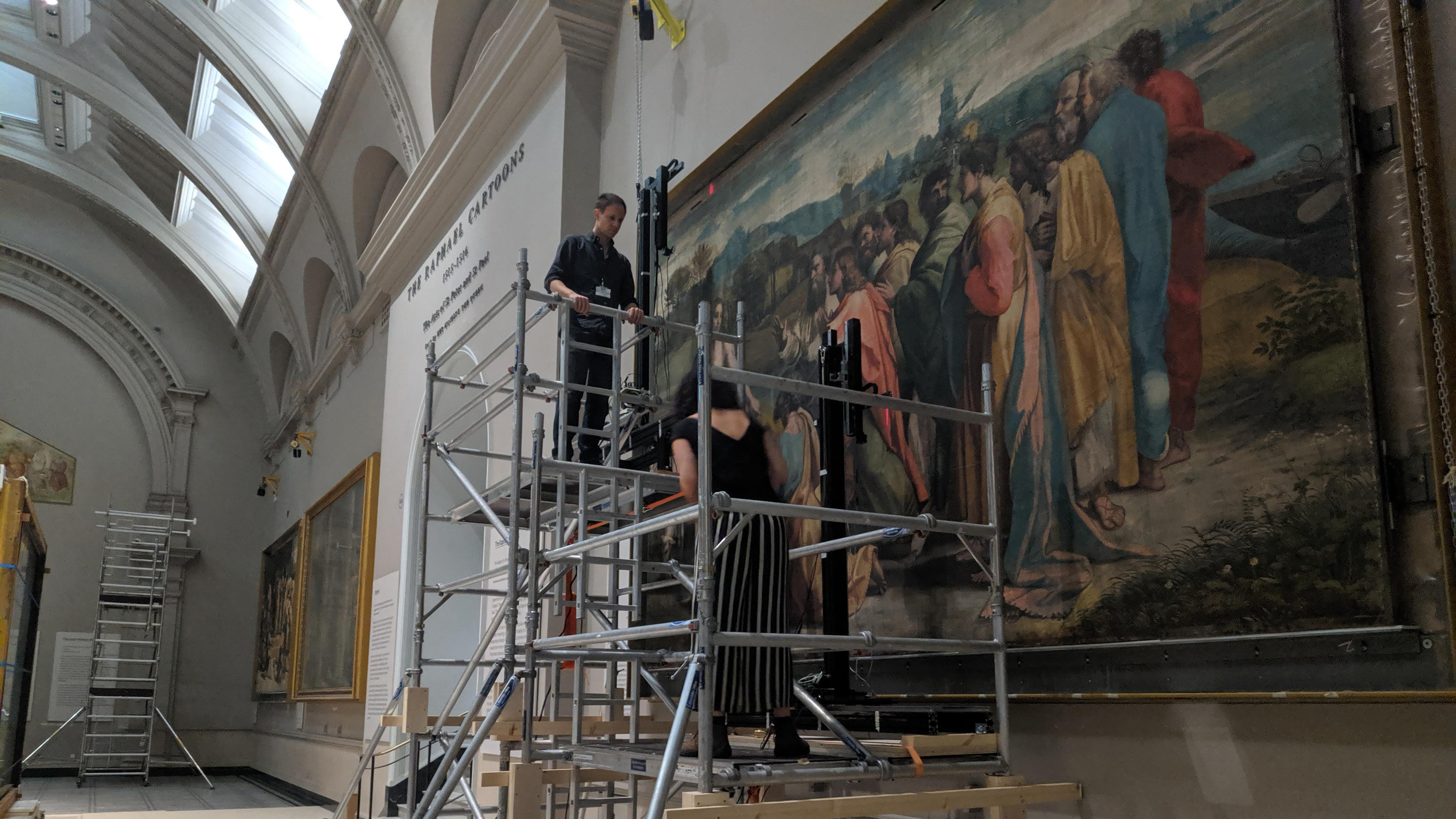
The same technology has also been used to record the famous Raphael Cartoons held at the V&A Museum in London — enormous preparatory drawings created for the Sistine Chapel tapestries.
3. Unlocking Britain’s oldest surviving map
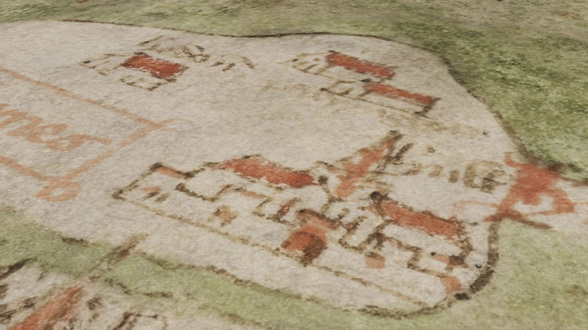
The Gough Map, held in the Bodleian Library in Oxford, is one of the earliest known maps of Britain. Dating from the mid-14th century, it represents one of the first attempts to depict the British Isles in recognisable geographic form.
Historians have long debated how the map was made, when it was created and who might have drawn it. Using high-resolution 3D scanning, researchers have revealed traces of compass points, corrections and drawing techniques that offer new clues about its creation.
By examining these microscopic details, historians are slowly piecing together the story of how this extraordinary object came into being.
4. Preserving a famous Rubens painting
Restoration, conservation and environmental conditions can subtly alter the physical structure of a painting, meaning artworks do not remain static over time. That’s why the Factum Foundation recorded the wooden surface of a Rubens panel, The Triumph of the Eucharist, before it underwent major restoration.
The scan, part of a study of tapestries in Dezcalzas Reales, captured the painting’s surface texture at that exact moment in time — preserving a digital record of the artwork before conservation work altered the structure of the panel.
For conservators and art historians, this kind of digital archive is invaluable, creating a permanent record future researchers can study, even if the physical artwork itself changes over time.
5. Rebuilding a lost samurai helmet for Assassin's Creed
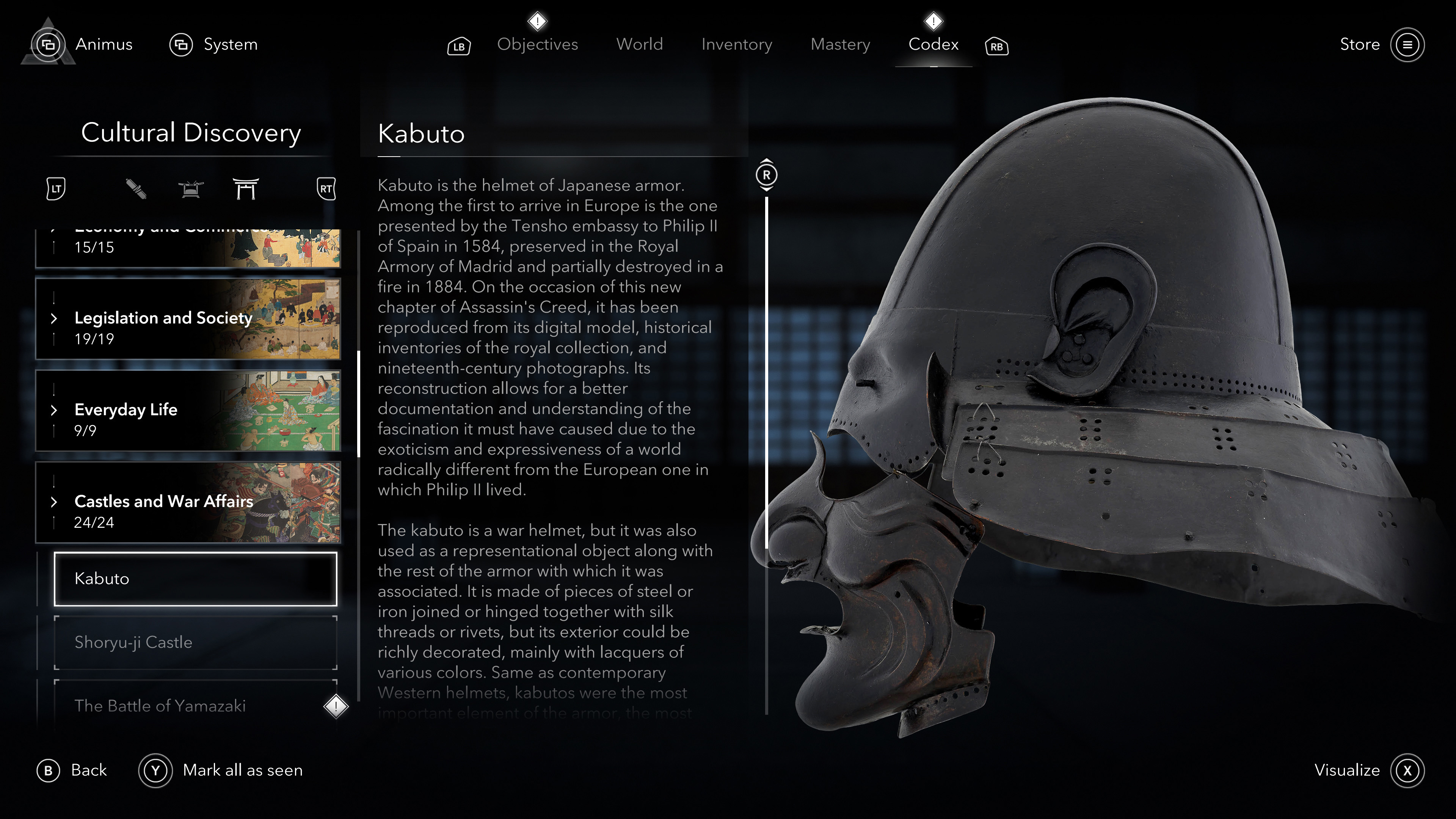
In 1584, the first Japanese diplomatic mission to Europe arrived in Spain. Among the gifts presented to King Philip II was a kabuto — an intricately crafted samurai war helmet, and one of the earliest pieces of Japanese armour to reach European soil.
Three centuries later, a devastating fire at the Royal Armoury of Madrid in 1884 left the helmet badly damaged. With only a handful of historical photographs and a single period drawing to work from, its original appearance seemed lost.
Using more than 3,000 photographs and painstaking research into late 16th-century Japanese armour from the same Azuchi-Momoyama period, Factum 3D printed a faithful replica in stainless steel, followed by a full manual reconstruction.
The project took on an unexpected second life when Ubisoft integrated the reconstructed helmet into the Cultural Codex of Assassin's Creed Shadows, allowing millions of players worldwide to explore its history and significance within the context of feudal Japan.
“The collaboration grew out of a shared interest in how historical objects can move between conservation, research and public storytelling,” explained Lowe. “In this case, Ubisoft and Patrimonio Nacional worked together around a remarkable Japanese kabuto associated with Philip II.
“For Factum, this kind of collaboration matters because it takes heritage out of a closed circuit. It places rigorous documentation in front of an audience that may never visit the museum, read an academic paper or encounter the object otherwise. That is exciting, not because of scale alone, but because it shows that serious work with cultural heritage can travel across formats without losing depth.”
6. Archiving endangered historical finds
The Factum Foundation’s work extends far beyond museums, using advanced scanning technologies to document archaeological sites and historic monuments around the world.
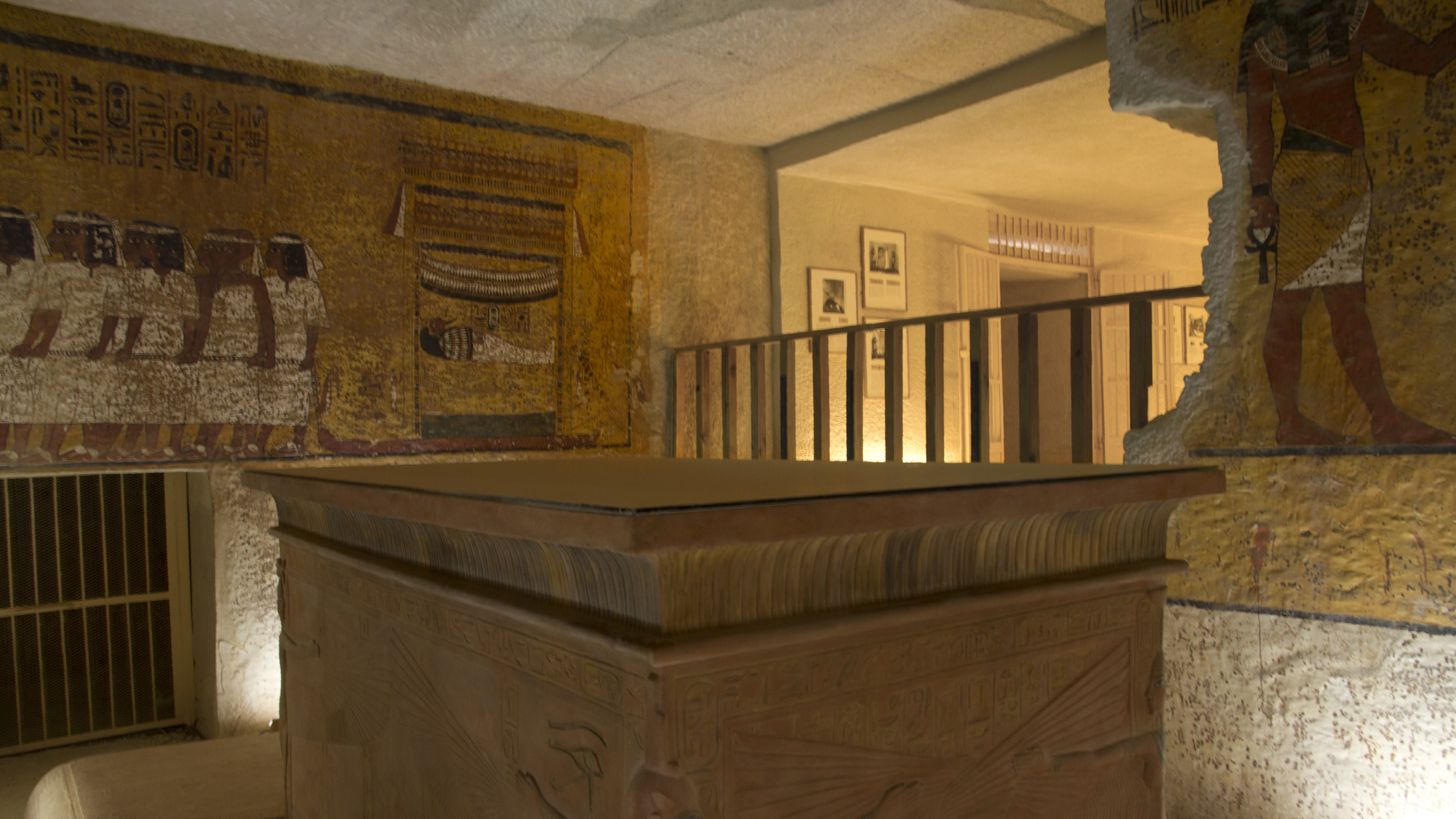
Projects include recording the burial chamber of Tutankhamun in Egypt’s Valley of the Kings. Ultra-high-resolution recording allows the tomb’s fragile wall paintings to be studied closer than ever before.
The same techniques are now being used to record entire architectural spaces, from historic interiors to vast decorative ceilings, capturing every carved surface and painted section as precise digital models.
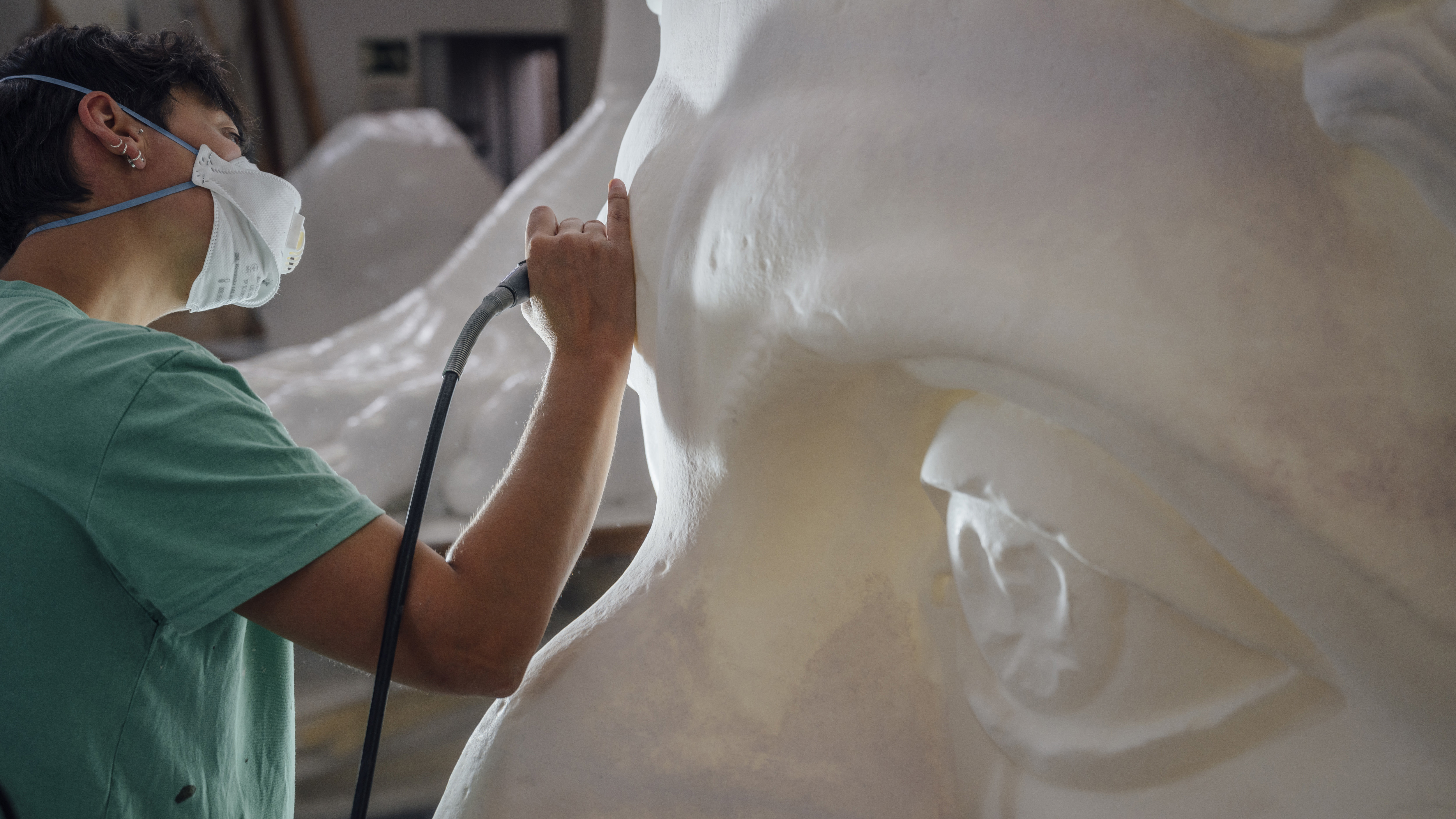
Elsewhere, the organisation has helped digitally reconstruct the colossal marble fragments of the Colossus of Constantine in Rome. By scanning surviving pieces and combining them with historical research, researchers have been able to digitally recreate the enormous statue.
These projects allow researchers to study sites while protecting them from damage caused by tourism, environmental change or conflict.
Tracing Tolkien, Shakespeare and Harry Potter
Projects like these show how the study of history is changing, with the past now dependent on some of the most sophisticated technologies of the present. It’s an idea that sits perfectly within FOS Future Lab’s Unseen Worlds theme, which explores how cutting-edge tools are helping researchers explore aspects of the world that were once invisible.
Alongside the Factum Foundation, visitors will also encounter ARCHiOx, a partnership with the University of Oxford to study materials held by the Bodleian Libraries — home to Shakespeare’s first folio, J.R.R. Tolkien’s original illustrations for The Hobbit, and even the odd Hogwarts filming location for the Harry Potter movies.
Visitors to the 2026 Festival of Speed will be able to encounter these technologies up close inside FOS Future Lab pavilion. Live demonstrations will show how scanners capture the microscopic textures of paintings and objects, while immersive digital models reveal how entire artworks, artefacts and historic spaces can be recorded and recreated.
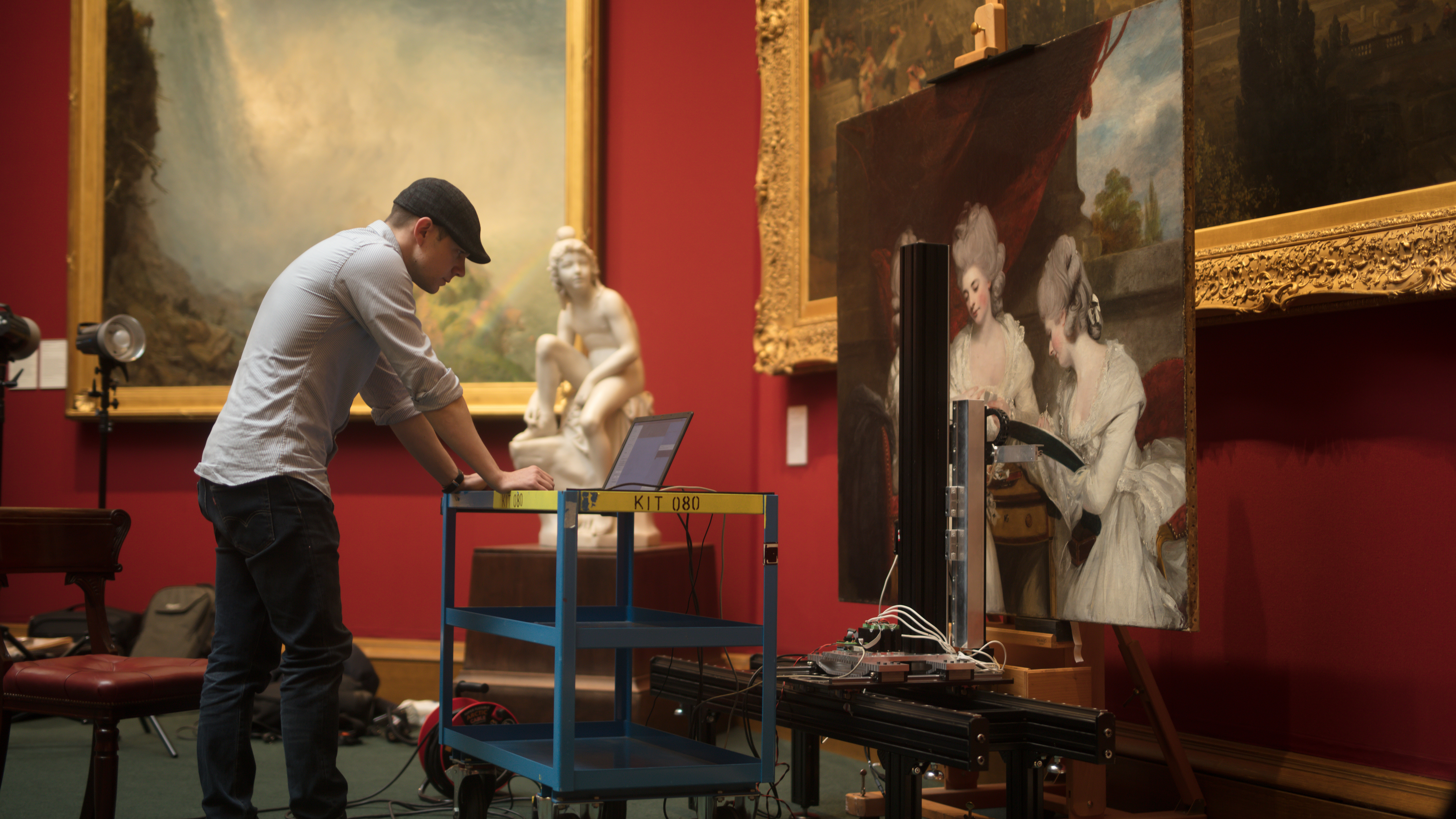
Some of the facsimiles on display can even be handled, offering the rare chance to feel the surface of cultural heritage objects that would normally remain protected behind museum glass.
For young visitors in particular, the message is powerful: studying history increasingly involves working with cutting-edge technology to uncover hidden stories preserved in the past.
Randox is a global leader in diagnostics, revolutionising patient outcomes through innovative technologies, including its patented biochip technology. This pioneering diagnostic platform allows for the simultaneous detection of multiple biomarkers from a single sample, delivering faster, more accurate, and comprehensive results. Operating in over 145 countries, Randox develops advanced laboratory instruments, high-quality reagents, and innovative testing solutions to improve global healthcare.
Randox Health brings this cutting-edge technology directly to individuals, offering bespoke, preventative health testing programs. With world-class laboratories and personalised health insights, Randox Health enables early detection of a wide range of conditions, helping individuals take control of their health.
Together, Randox and Randox Health are redefining diagnostics and preventative healthcare. For more information, visit www.randox.com and www.randoxhealth.com.
festival of speed
fos
fos 2026
event coverage
future lab
fos future lab
factum foundation


Subscribe to Goodwood Road & Racing
Thank you, you’re now subscribed

How many hay bales are used at FOS?
For the last two years, 5,800 bales have been recylced into the biomass energy centre to be used for energy generation