

“F1 with mud guards”: Why Super Touring will be epic at Members’ Meeting
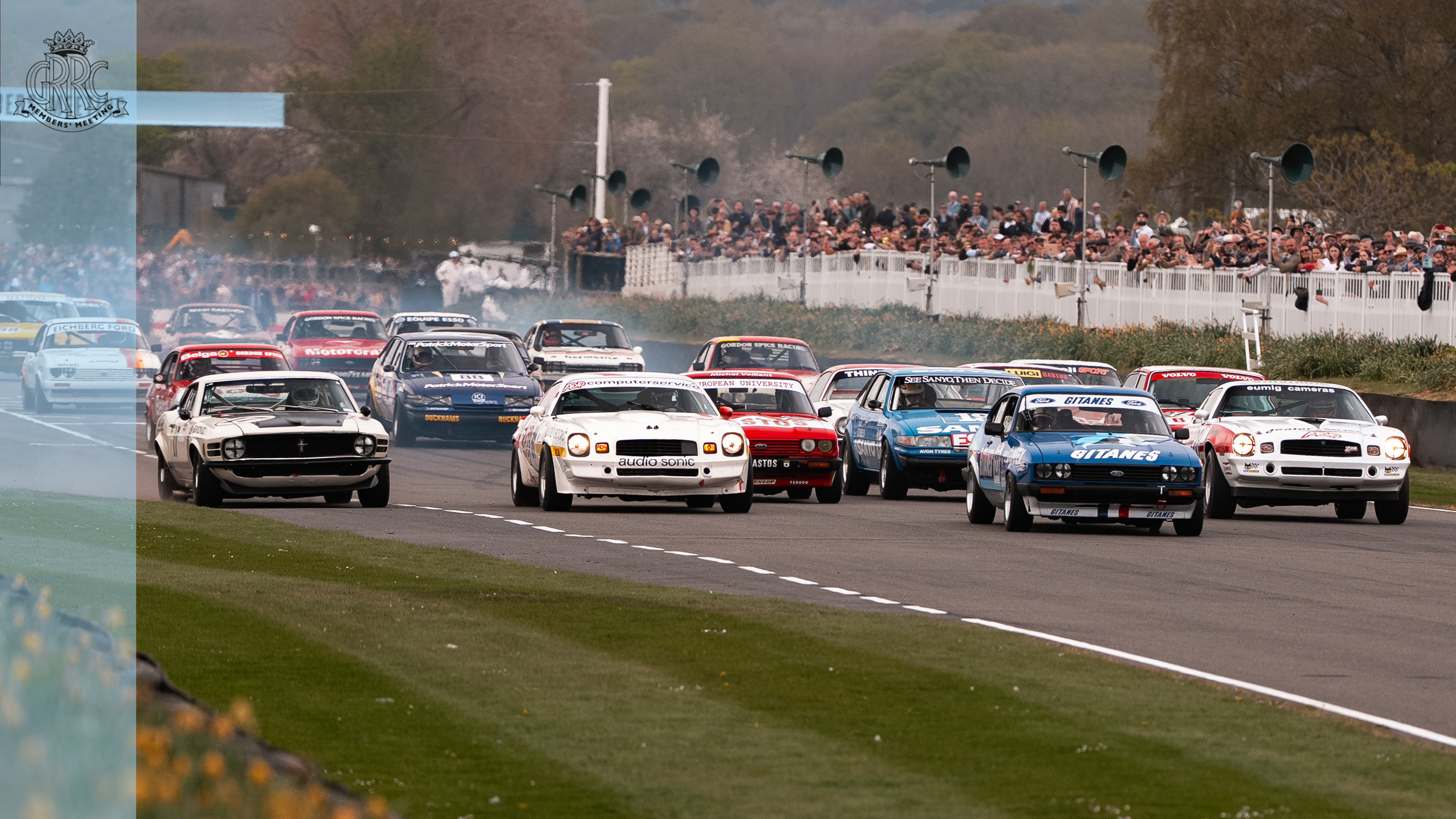
The greatest era of touring car racing will return at the 83rd Members’ Meeting presented by Audrain Motorsport, a showpiece of the event headlined by the Super Touring Shoot-Out.
Our anticipation for the first of Goodwood’s 2026 motorsport events hit fever pitch thanks to the prospect of more than 40 1990s Super Tourers, the biggest collection ever assembled in once place descending on the famous Motor Circuit.
It’s gearing up to be quite the weekend, what with the previously announced celebrations of ‘The James Hunt Years’ that will see a mouth-watering array of 1970s Formula 1 cars take to the track across the weekend.
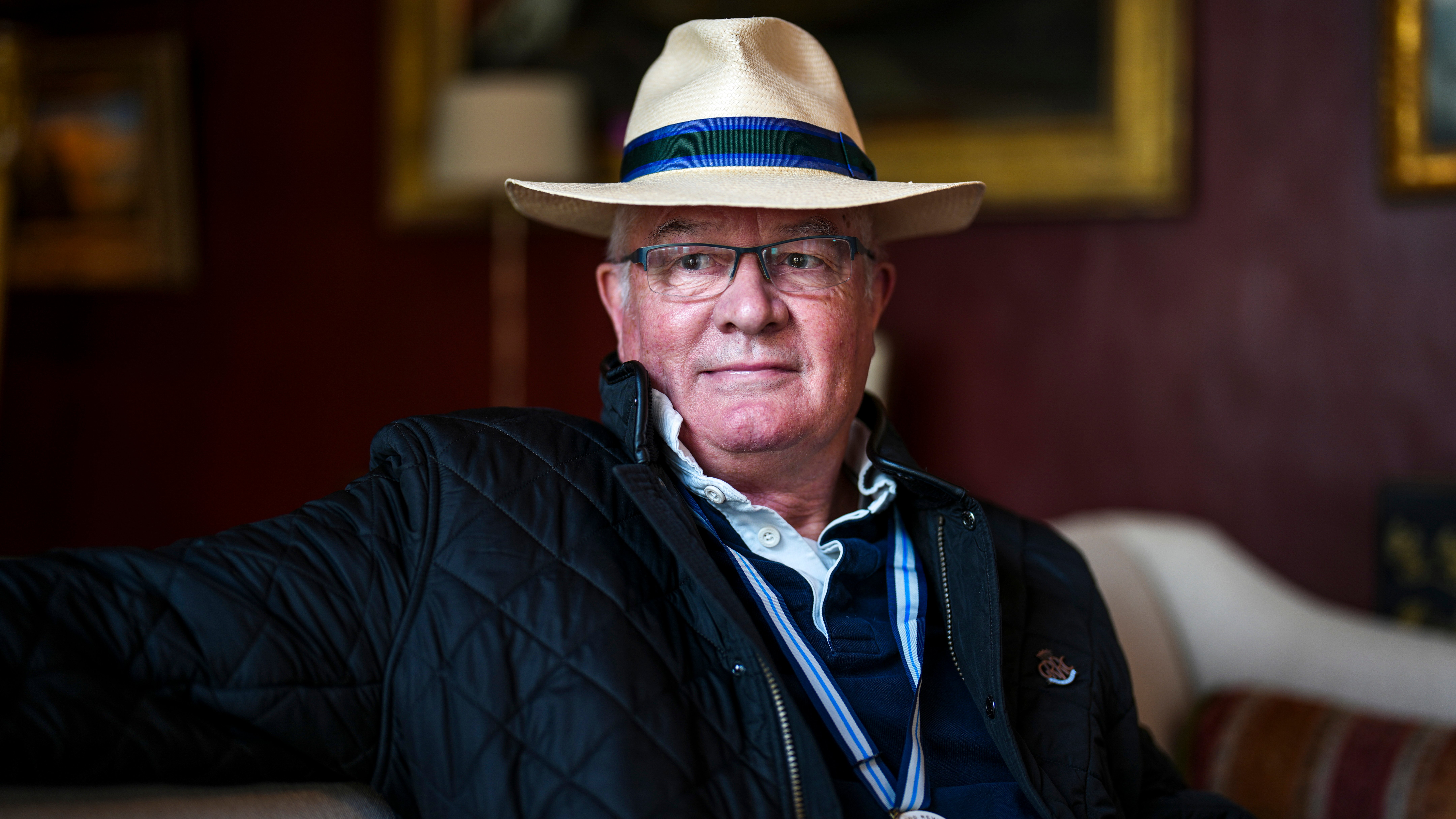
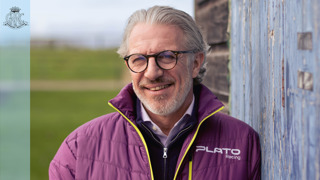
And what better way to intensify our excitement than to speak to a driver who enjoyed a great deal of success in Super Touring during its heyday in late ‘90s British Touring Cars?
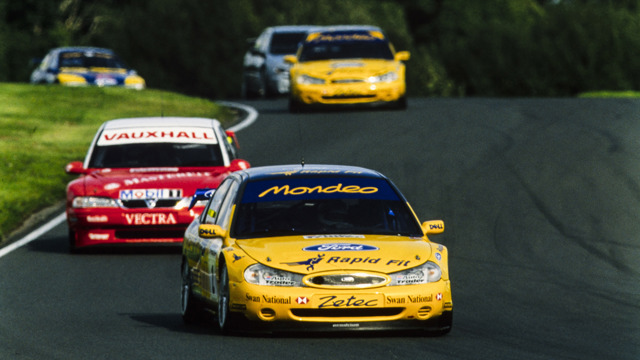
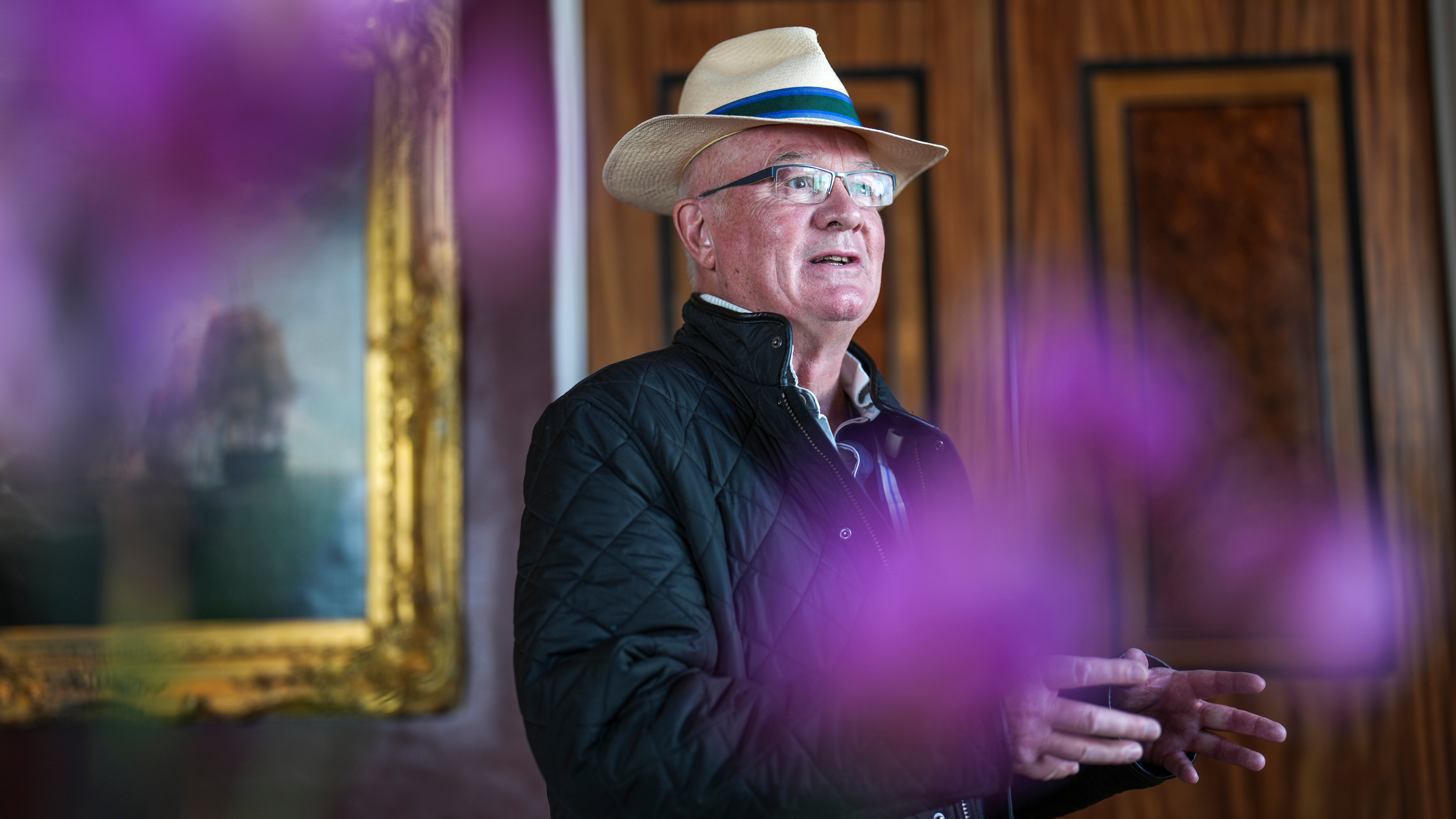
Anthony Reid was twice a runner up in the BTCC, first with Nissan in 1998 and then with Ford in 2000, during an era that saw touring cars become a true global sensation. We asked him what it was like to be involved in such an iconic motorsport movement.
“Just looking back on it, it was unbelievable. The exposure we had live on national television, ITV or BBC Grandstand with Murray Walker commentating, Steve Ryder presenting. It was quite incredible.”
Reid’s racing career took off in 1990 when he finished third in the Le Mans 24 Hours racing a Porsche 962 run by the Japanese Alpha Racing Team. His initial goal was to make it to F1, and he was offered a seat at Jordan for 1991, but he missed out after his main sponsor went bust.
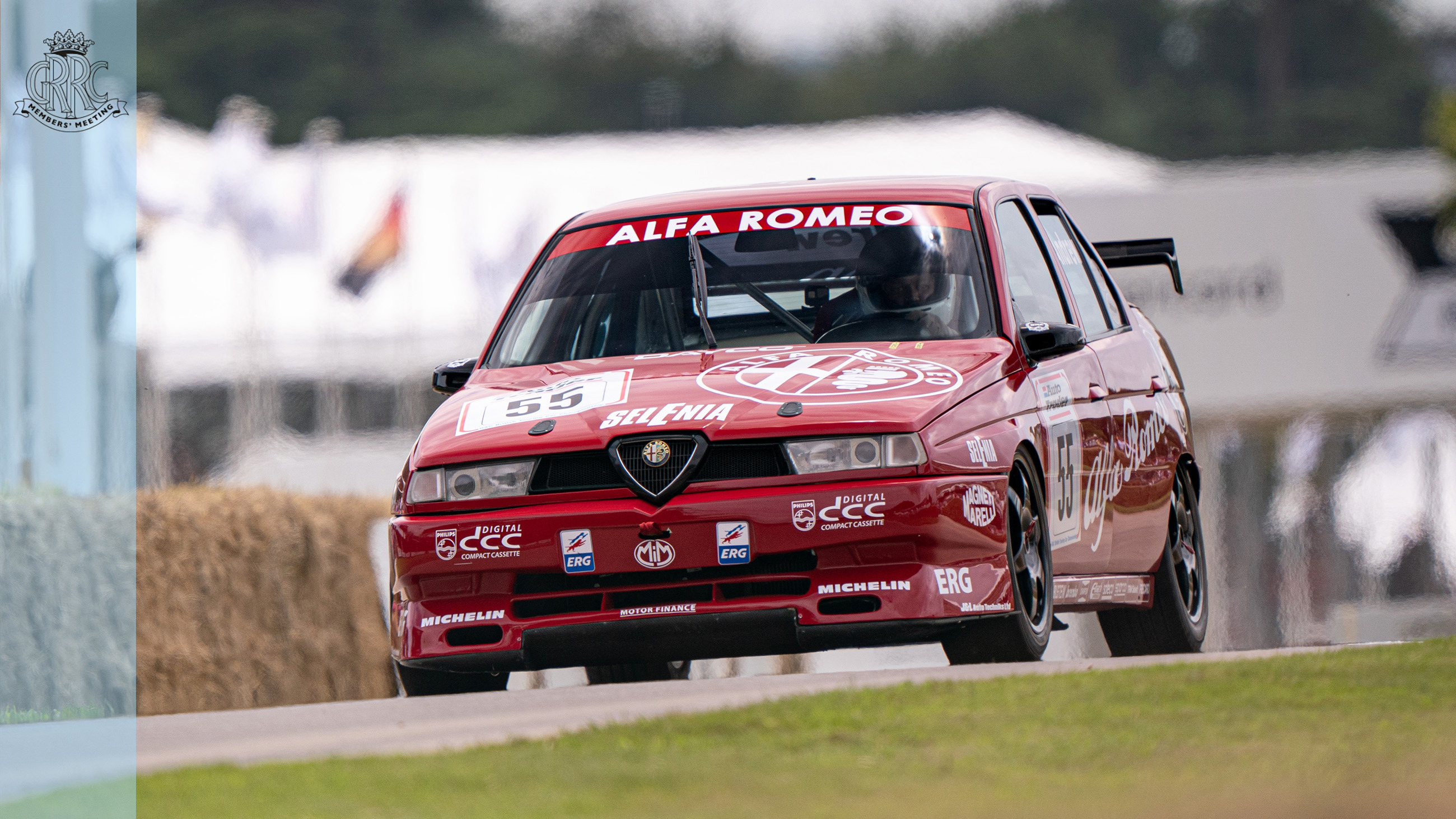

His alternative was to enjoy a successful period in Japan where he claimed the Formula 3 Championship in 1992 and got his first experience of the new Super Touring formula driving a Vauxhall Cavalier for Team HKS.
He claimed seven wins across the 1994 and 1995 Japanese Touring Car Championship seasons, performances which caught the attention of Nissan.
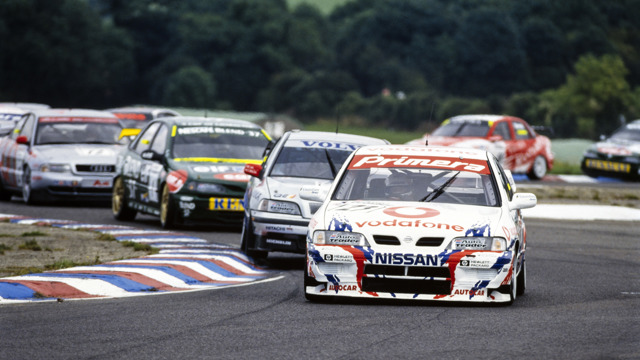
The giant manufacturer brought Reid back to Europe in 1996 to compete in the German Super Tourenwagen Cup, and from there he entered the BTCC for the first time in 1997 with the Nissan Primera GT.
By then he was one of the most experienced drivers in the Super Touring formula, which stood him in good stead as the BTCC was beginning to explode.
I'd never seen motorsport on that level before outside of F1. It was probably on the same level as F1 at that time.
Anthony Reid
“It was an extraordinary period,” he said. “In those days, we only had terrestrial television. It was marketed globally, from Australia to America, and the manufacturers took a great deal of interest and started to back teams.
“There were proper factory teams because of the exposure and the popularity of the series. And they started opening their chequebooks.”
By 1997, the BTCC had representation from many of the world’s biggest car manufacturers. Audi, Renault, Volvo, Nissan, Vauxhall, Ford, Honda and Peugeot were all financing teams, with budgets of £10million generally laid out for the competitive running of two Super Tourers.
There was an astonishing amount of money flying around the paddocks, and that the results were suitably remarkable.
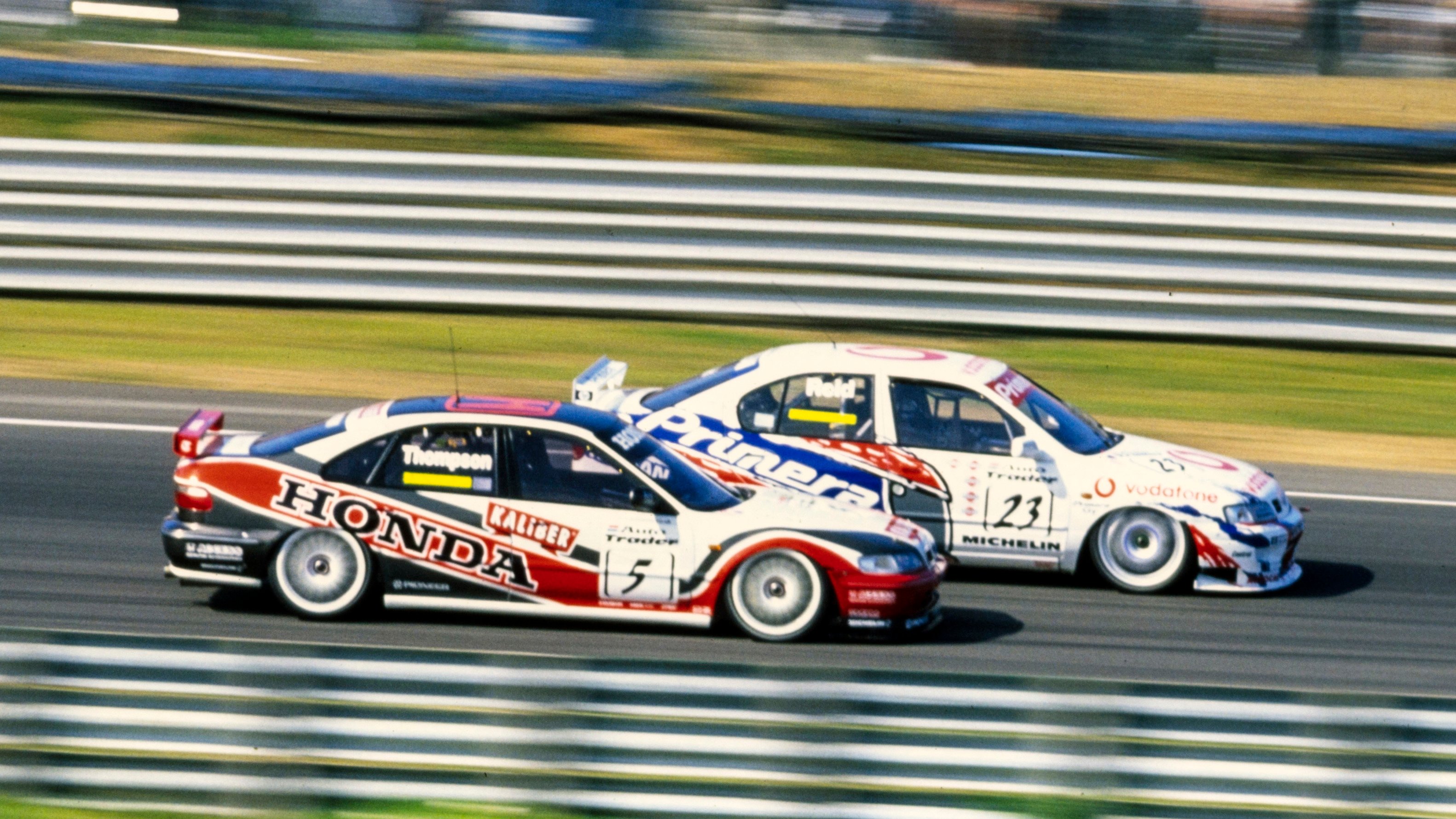
“It was basically F1 with mud guards,” Reid explained. “Although the cars looked exactly like a normal road car, there were no common components apart from the body panels, it was so sophisticated.
“Everything else was bespoke. On a normal front-wheel-drive car, the engine's ahead of the drivetrain, but in Super Touring they somehow put the engine underneath the bulkhead. So when you initially opened the bonnet you couldn't tell where the engine was, you saw the gearbox and the drivetrain.
“We had water-cooled brakes, bespoke suspension, we had data logging at a very high level, I mean 60 channels of information.
“On each car we had a chassis engineer, an engine engineer, we had tyre technicians — Michelin were making the most fantastic tyres at that time. I'd never seen motorsport on that level before outside of F1. It was probably on the same level as F1 at that time.
“In 2000 when I raced for Ford, the budgets were reputed to be £12million per year and that didn't all go on driver's salaries.
“When the Super Touring era burnt out, simply because it became unsustainable and so expensive, a lot of my mechanics engineers ended up in F1 because they had the knowledge and experience of working at the highest level in motorsport.

“It was an extraordinary period not likely to be recreated again because you've got so many channels now, with online content on YouTube, you can watch any type of sport at any time. There's much more competition.”
The 1990s then were in every way a ‘super’ era of touring car racing. Fuelled by the desire of manufacturers to project their brand on the biggest possible stage, the stratospheric popularity of the BTCC and touring car championships all over the world was the catalyst for the eye-watering amounts of money being spent.
“If, for example, you went to race at Brands Hatch,” Reid continued. “Unless you were at the circuit before 07:00, you were stuck in a traffic jam that went all the way back to the M25.”
There were sell-out crowds at every event, and millions of people watching at home. Touring car drivers, the likes of Reid, Alain Menu, Jason Plato, Rickard Rydell, Yvan Muller had become household names, and they were swapping paint with renowned F1 star stalwarts like Nigel Mansell, Derek Warwick and Gabriele Tarquini.
Never before nor since has the world of touring cars hit such a monumental peak in popularity, and the result was a category of racing car that pushed the limits of performance and sophistication in motorsport.
“Of all the racing I've done across 50 years, Super Touring was really at the top level. Racing in Japan was awesome, racing in Japanese F3000, Japanese GT, the Japanese Touring Car Championship, that was a great period because Japan has such an enthusiasm for motorsport. But Super Touring ranks right up there.
“The intensity of the competition was unlike anything else. I was fighting tooth and nail for the Championship with Rickard Rydell, and all the interviews we filmed live. Rickard tried to throttle me in front of the cameras, in front of Steve Ryder.”
It was a sad day when it was announced that Super Touring would be no more. The costs had become unsustainable and by the year 2000 only Honda, Ford and Vauxhall remained after the likes of Volvo and Renault had pulled the plug on their efforts.
But fortunately, the cars themselves have lived on, and we’re going to have the opportunity to see them in action once again when they return in their droves to the Goodwood Motor Circuit for the 83rd Members’ Meeting.
The Super Touring Shoot-Out will see the greatest cars that memorable era of racing has to offer return to competitive competition, when six of the world’s finest drivers seek to extract the full potential of cars that were built to a standard only comparable to that of F1.
This is going to be good.
The 83rd Members' Meeting presented by Audrain Motorsport takes place on the 18th & 19th April 2026. Tickets are on sale now for GRRC Members and Fellows
You can sign up for the Fellowship now. Click here to find out more.
Goodwood photography by Pete Summers.
Race images courtesy of Getty Images.
members' meeting
83rd members' meeting
83mm
event coverage
interview
super touring
Super Touring Shoot-Out
Anthony Reid

Subscribe to Goodwood Road & Racing
Thank you, you’re now subscribed

How many hay bales are used at FOS?
For the last two years, 5,800 bales have been recylced into the biomass energy centre to be used for energy generation