

Huge celebration of TWR Jaguar to headline 84th Goodwood Members’ Meeting
Tom Walkinshaw Racing, one of the great teams in world motor racing history, will take centre stage at the 84th Members’ Meeting presented by Audrain Motorsport as we celebrate the success of TWR Jaguar.
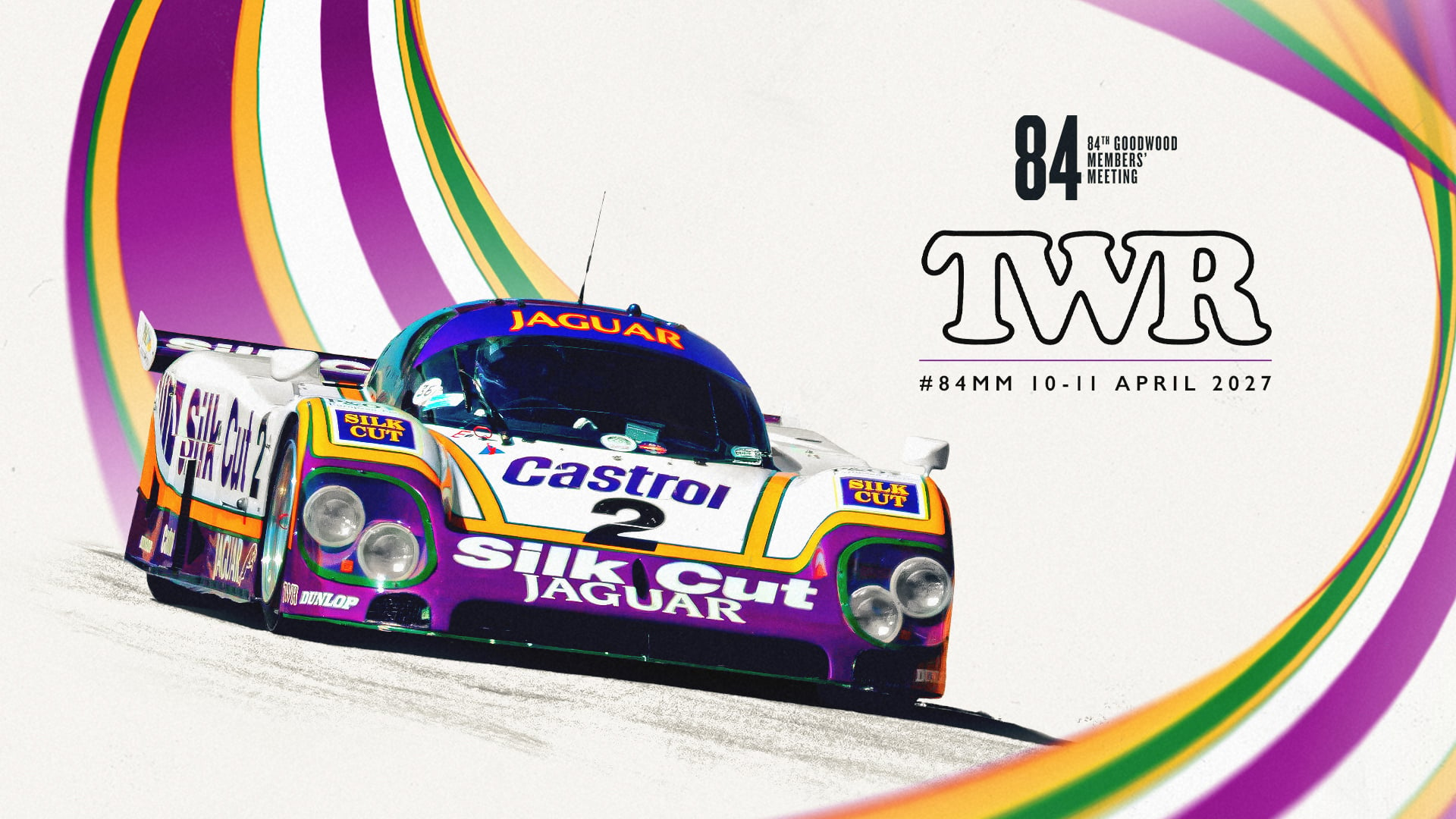
A collection of TWR prototypes, resplendent in that legendary Silk Cut livery, will take to the Goodwood Motor Circuit to showcase the might of the phenomenal XJRs that were so successful throughout the late 1980s and early ‘90s, giving those in attendance an opportunity to experience the howl of Jaguar’s naturally aspirated V12 engine.
The Jaguar works team, which was run by TWR, became a major player during the later years of sportscar racing’s Group C era. The team won the World Drivers’ and Teams’ Championships in 1987 and ‘88 and scored victories at both the Le Mans 24 Hours and Daytona 24 Hours in ‘88 and ‘90.
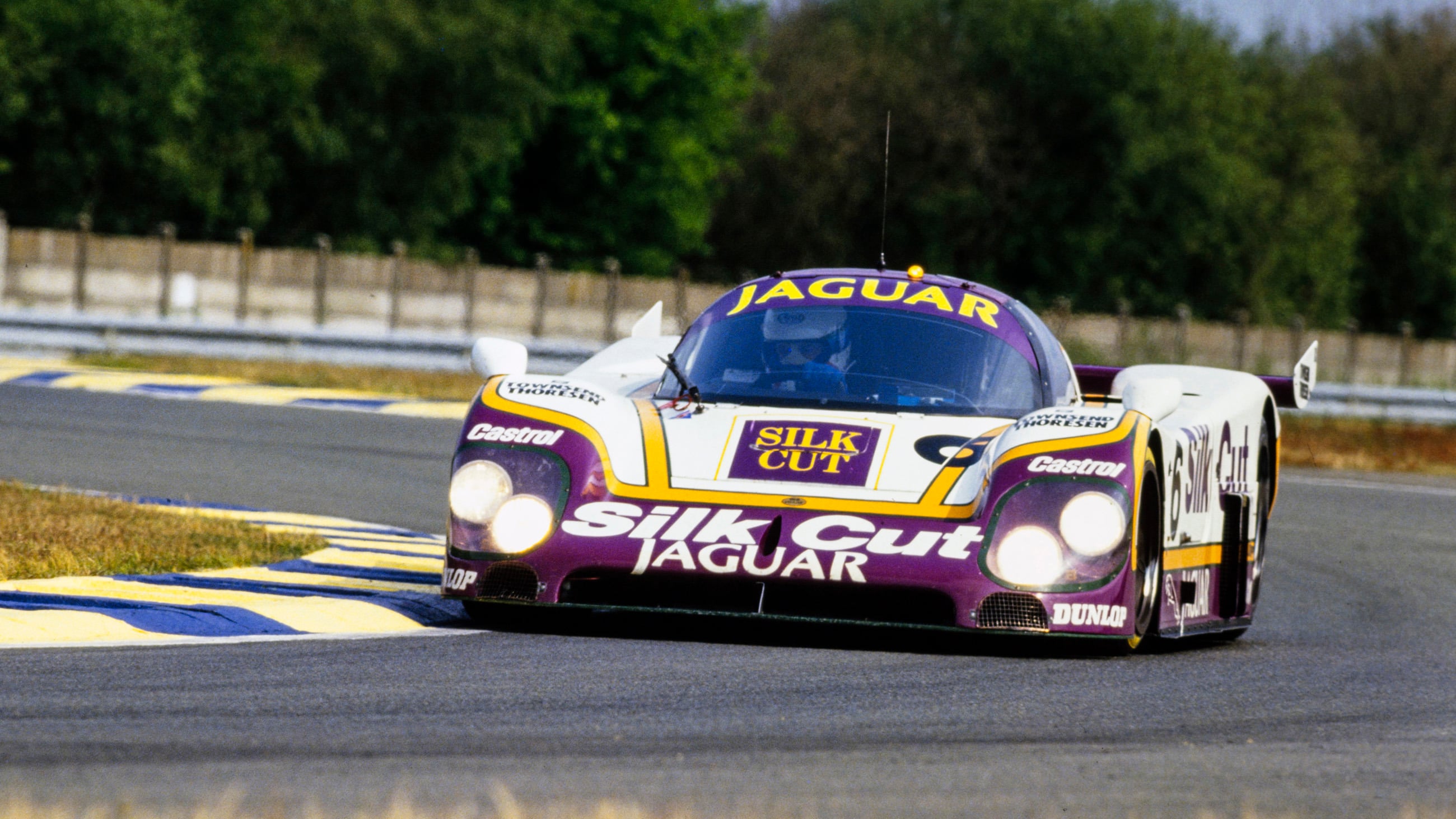
The Brundle/Nielsen Jaguar XJR-8 put up an impressive fight during the 1987 Le Mans 24 Hours.
Image credit: LAT Images via Getty ImagesA third World Championship double in 1991 completed a period of success the likes of which Jaguar had not enjoyed since the 1950s.
It’s those remarkable years that we’ll be reliving at Members’ Meeting, a time when Jaguar put an end to Porsche’s prolonged dominance and went toe-to-toe with Mercedes-Benz for World Championship glory. The TWR prototypes will be joined on the Motor Circuit by a field of their contemporaries to bring those rivalries back to life in front of our eyes.
In 2027 it will be 40 years since that first triumph in the World Sportscar Championship, which represented the beginning of an era defined by a fleet of Silk Cut Jaguars. More information about this celebration, and others at the 84th Members’ Meeting will be shared in the coming months.
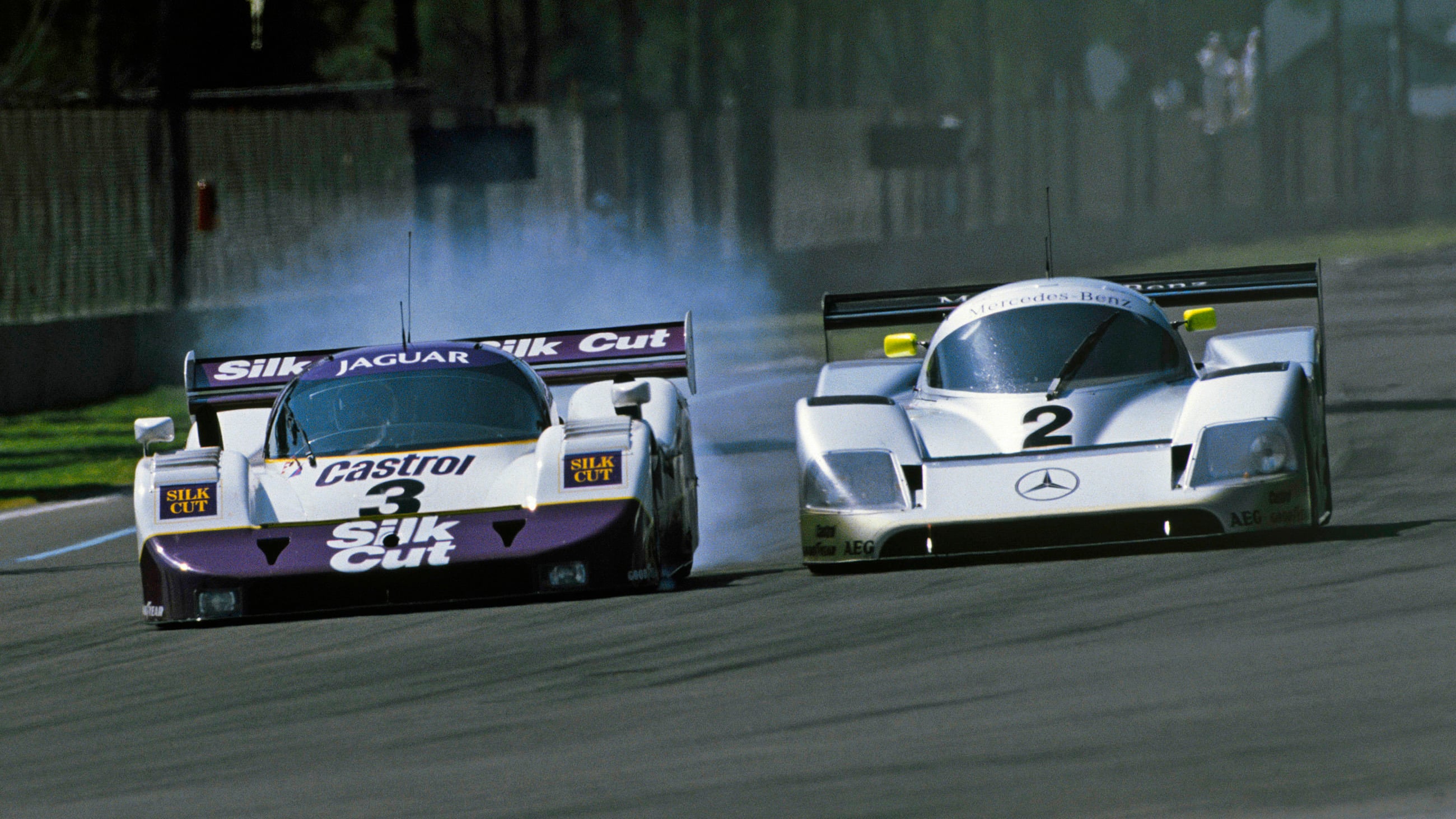
The Silk Cut Jaguars engaged in an iconic battle with Mercedes-Benz during a renaissance of the legendary Group C era.
Image credit: LAT Images via Getty ImagesThe TWR Jaguar partnership began in 1982 with a successful stint in touring cars with the XJS, but it wasn’t long until ambitions turned to a return to sportscar racing. Development of a new Group C prototype began in earnest, and stalwart designer Tony Southgate was at the drawing board.
Porsche was the dominant force in sportscars at that time, so TWR pushed the boundaries with its initial design to try and overthrow the all-conquering 962. That first Jaguar prototype, christened the XJR-6, was centred around a carbon-fibre monocoque with ground-effect aerodynamics and powered by a 6.2-litre Jaguar V12.
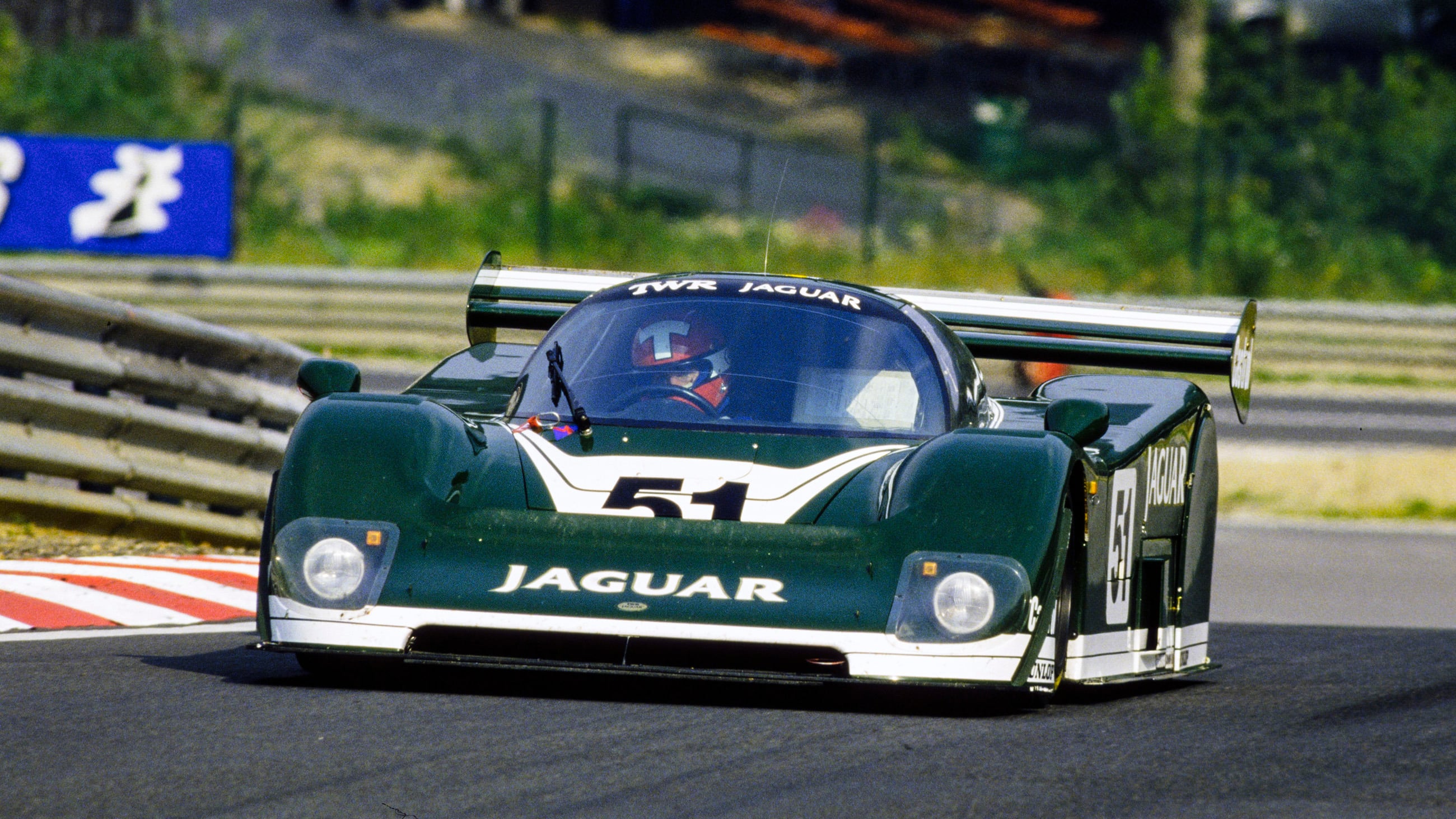
The TWR Jaguar story began with the XJR-6, which raced for the first time in 1985 with drivers including Martin Brundle, Mike Thackwell and Jean-Louis Schlesser.
Image credit: LAT Images via Getty ImagesIt made its debut at the 1985 Mosport 1,000km and finished third with drivers Martin Brundle, Mike Thackwell and Jean-Louis Schlesser, albeit 19 laps down on the winning Porsche.
There were encouraging signs during subsequent races at Brands Hatch and Selandor, but there was plenty of work to be done if TWR Jaguar were going to reach the pinnacle.
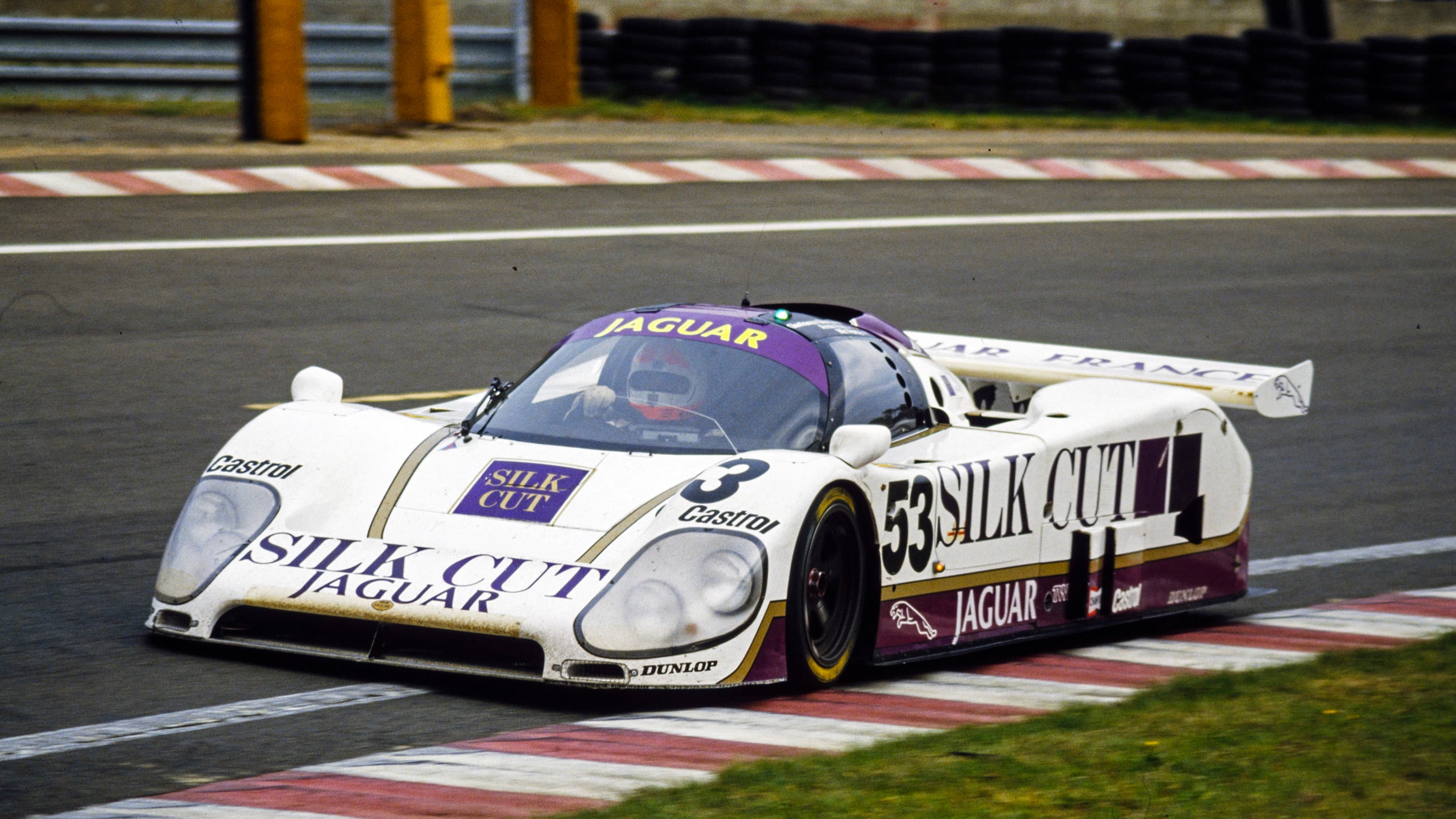
The Silk Cut livery appeared for the first time in 1986, although all three XJR-6s retired from that year's Le Mans 24 Hours.
Image credit: LAT Images via Getty ImagesOn the surface, the biggest change for 1986 was the introduction of the now iconic Silk Cut livery, but improvements to the XJR-6 also brought about a first win for the team at Silverstone with Eddie Cheever and Derek Warwick.
The trajectory was steep, and Jaguar stormed to the top of the world in 1987 with the introduction of the new 7.0-litre V12-engined XJR-8. Raul Boesel won the Drivers’ Championship while Jan Lammers, John Watson and Eddie Cheever made it a TWR one-two-three-four as the team also dominated the Team’s Championship with eight wins from ten races.
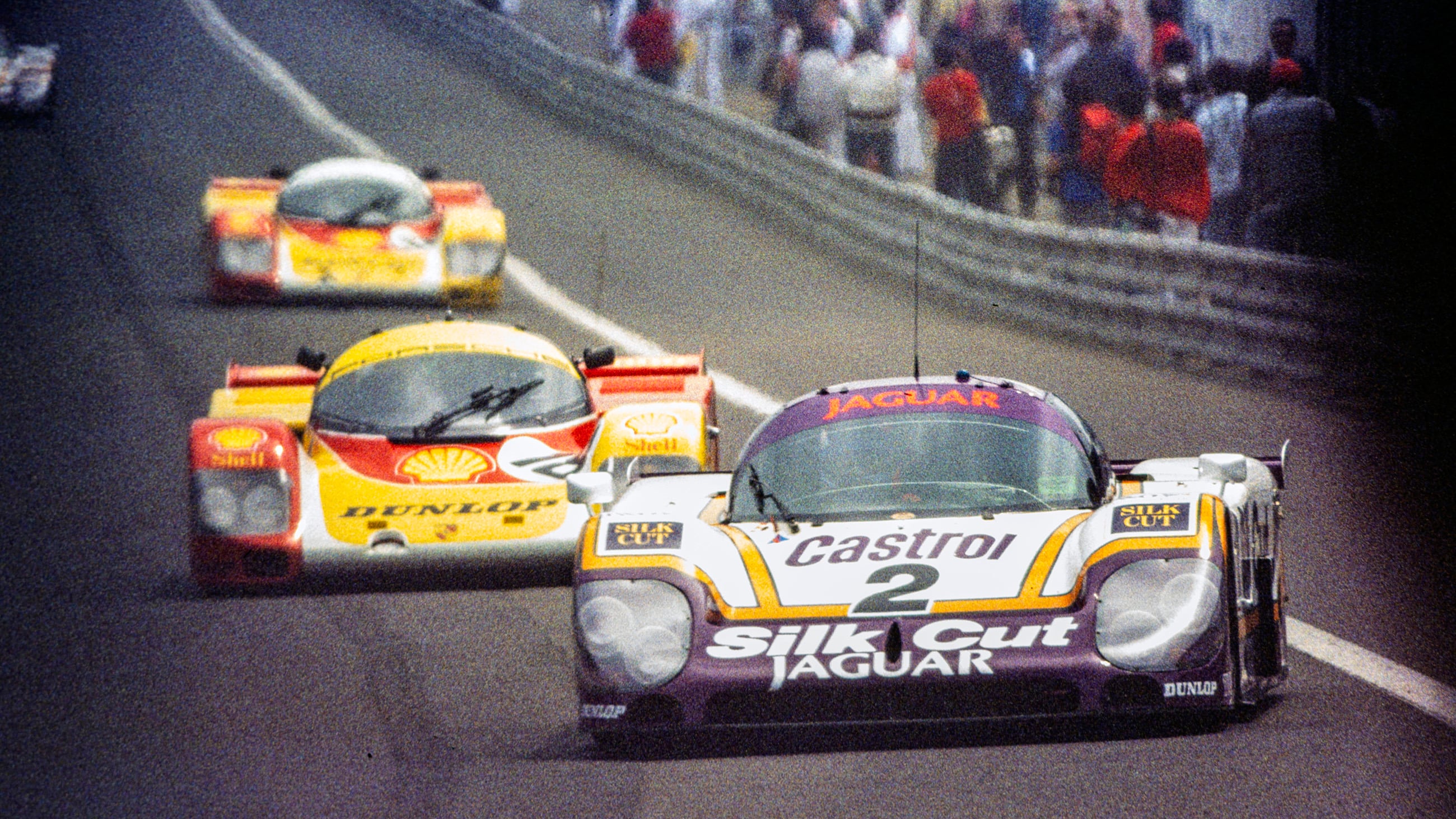
Jaguar finally made it to the top of the podium at Le Mans as the new 7.0-litre XJR-9LM saw off a fierce Porsche challenge.
Image credit: Rainer Schlegelmilch via Getty ImagesSauber Mercedes stepped up as a major rival in 1988, but the upgraded XJR-9 retained its supremacy as Martin Brundle became Jaguar’s second World Champion in two years. The team won another six races to complete the double once again.
That ‘88 season was significant, however, as Jaguar won the Le Mans 24 Hours with the specially designed XJR-9LM. The great marque’s return to the peak of motorsport was complete, but there was more to come from the Silk Cut Jaguars.
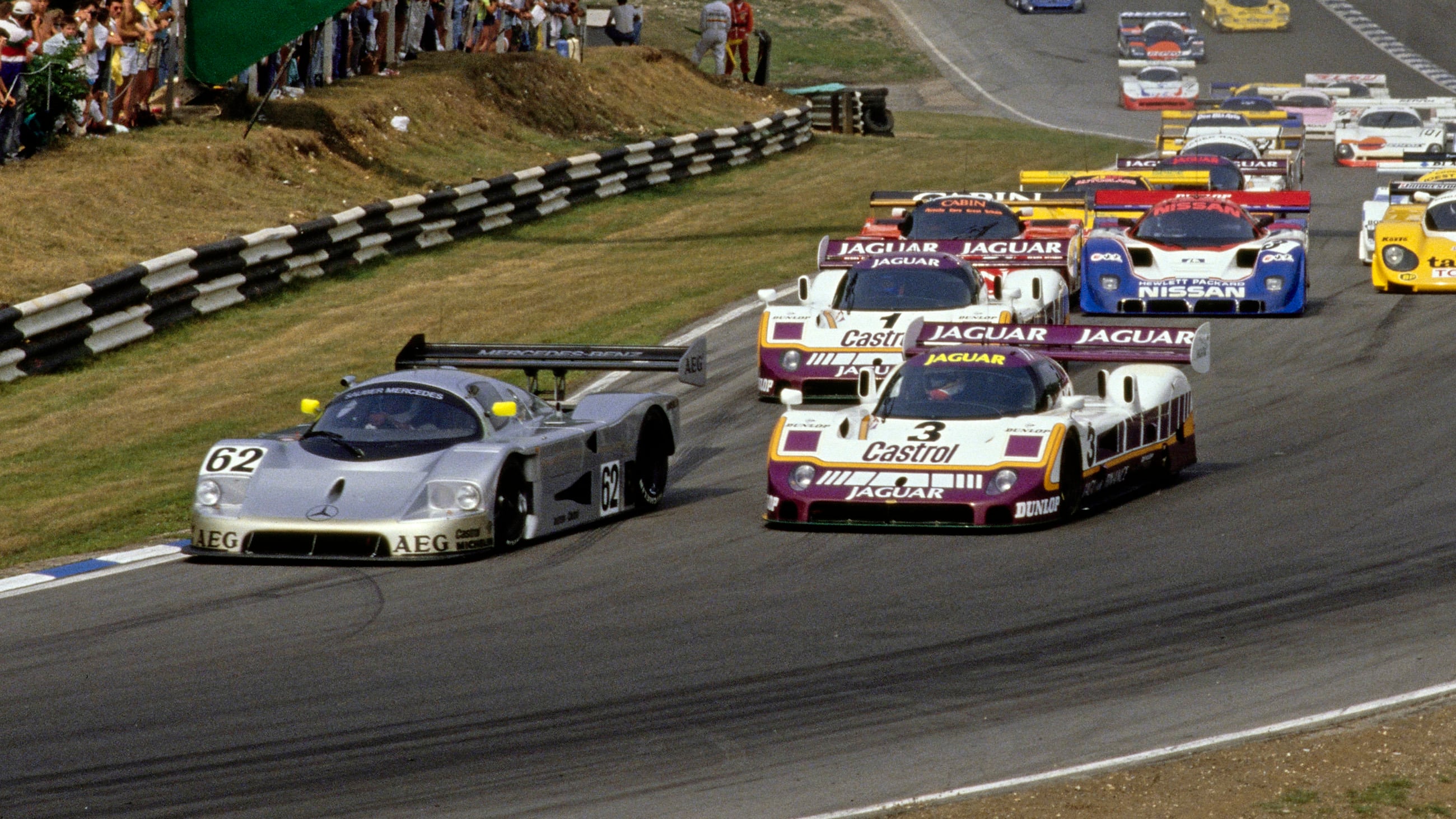
But the might of Mercedes stopped TWR Jaguar in its tracks. The Sauber-Mercedes C9 had the edge.
Image credit: Sutton Images via Getty ImagesTWR’s relentless charge was halted in 1989 by the Sauber C9, which outpaced the already dated XJR-9, but the team was busy developing its next iteration. The plan was to match Mercedes with its new smaller-capacity turbo engine, so Jaguar built a new 3.5-litre twin-turbo V6 to replace the naturally aspirated V12.
But it wasn’t an immediate success. The XJR-11 struggled to compete with the Mercedes-Benz C11 in the World Sportscar Championship in 1990, though TWR did retain its 7.0-litre engine in the Le Mans-spec XJR-12.
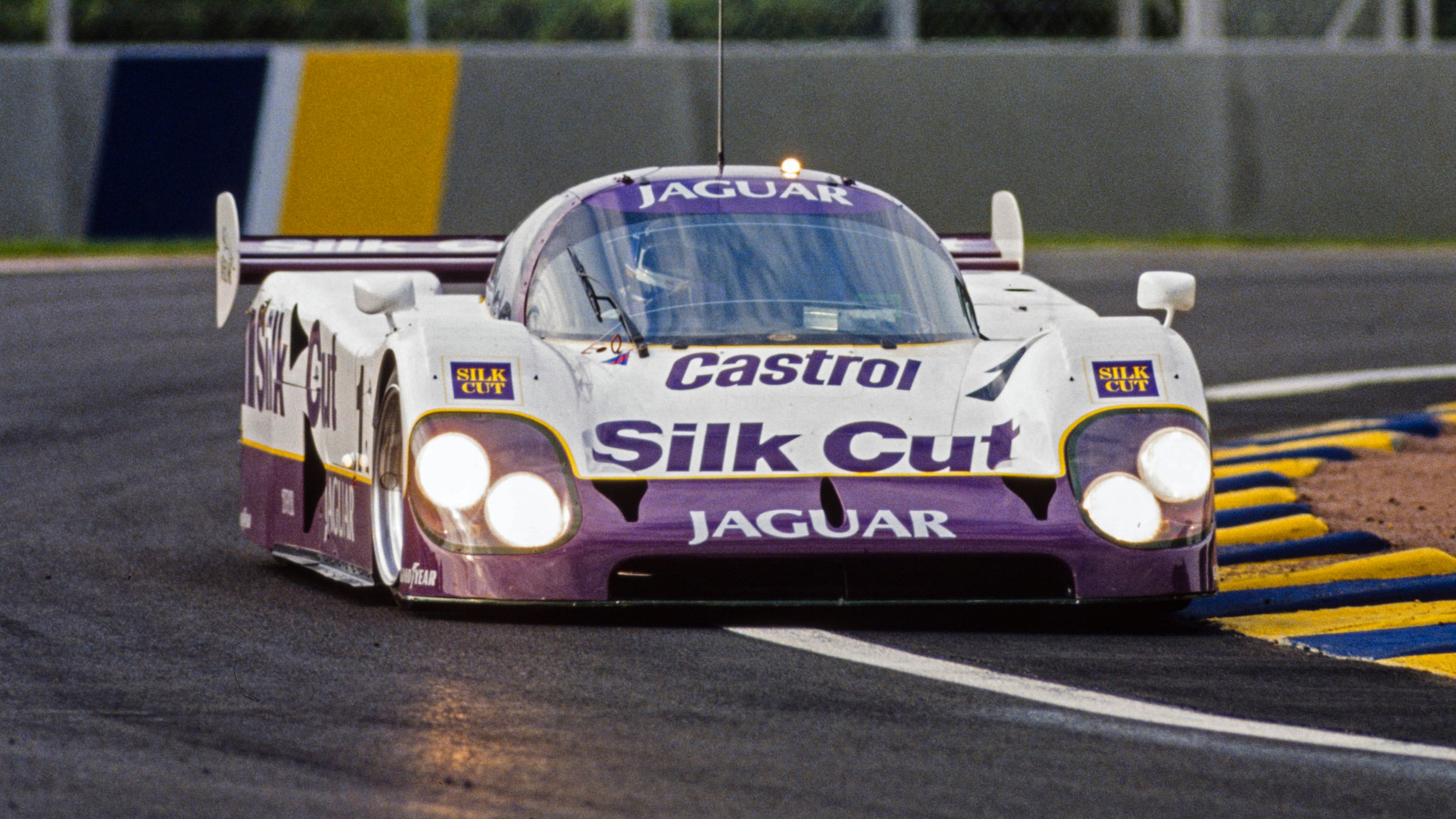
But TWR bounced back in 1990, with Brundle, John Nielsen and Price Cobb taking the team's second Le Mans victory.
Image credit: LAT Images via Getty ImagesMercedes skipped the 24-hour race in 1990 because it wasn’t a round of the World Championship, leaving the door open for Jaguar to pounce. The team of Martin Brundle, John Nielsen and Price Cobb led home a one-two finish for TWR, laying the foundation for one final assault on the World Championship in 1991.
That season introduced a new set of regulations for sportscars, which among other things limited engine capacity to 3.5 litres. Ross Brawn had assumed the position of lead designer at TWR and developed a brand-new chassis to house a 3.5-litre Ford-Cosworth V8.
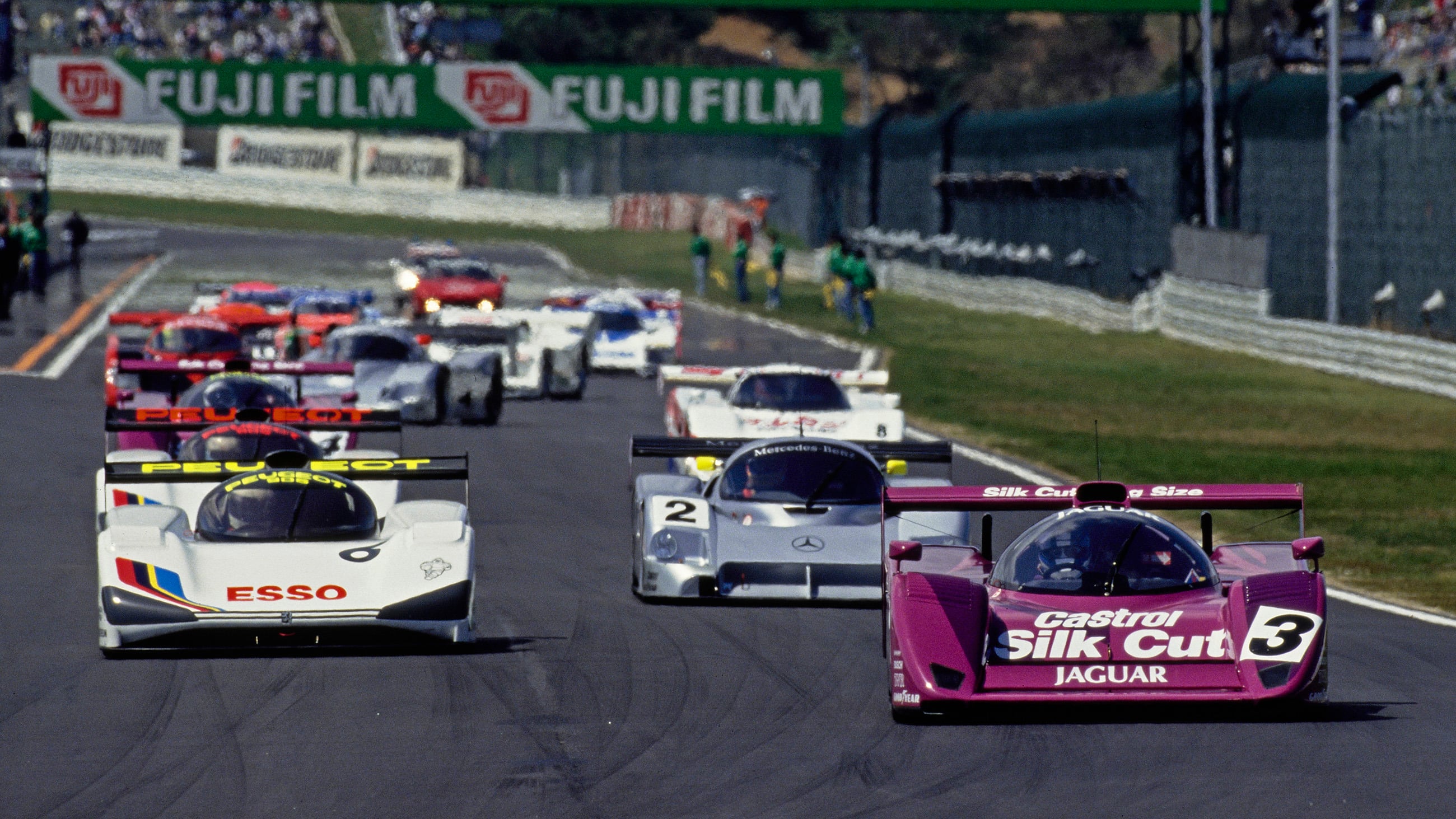
TWR Jaguar remained at the front of the field in 1991, holding off the energised ambition of both Mercedes and newcomers Peugeot.
Image credit: Sutton Images via Getty ImagesThe XJR-14 was TWR Jaguar’s final World Sportscar Championship challenger, and it was in many ways the team’s most impressive achievement. The battle for the title was hard fought between Jaguar, Mercedes and a new entry from Peugeot, but the XJR-14's consistency proved decisive as three victories and three more podiums sealed the Teams’ Championship, while Teo Fabi took Drivers’ honours ahead of fellow TWR driver Derek Warwick.
It was the perfect end to a stunning spell at the pinnacle of sportscar racing. A trio of World Championship doubles was supplemented by a modicum of success across the Atlantic in the IMSA GT Championship, a V12-powered legacy that remains respected and fondly remembered to this day.
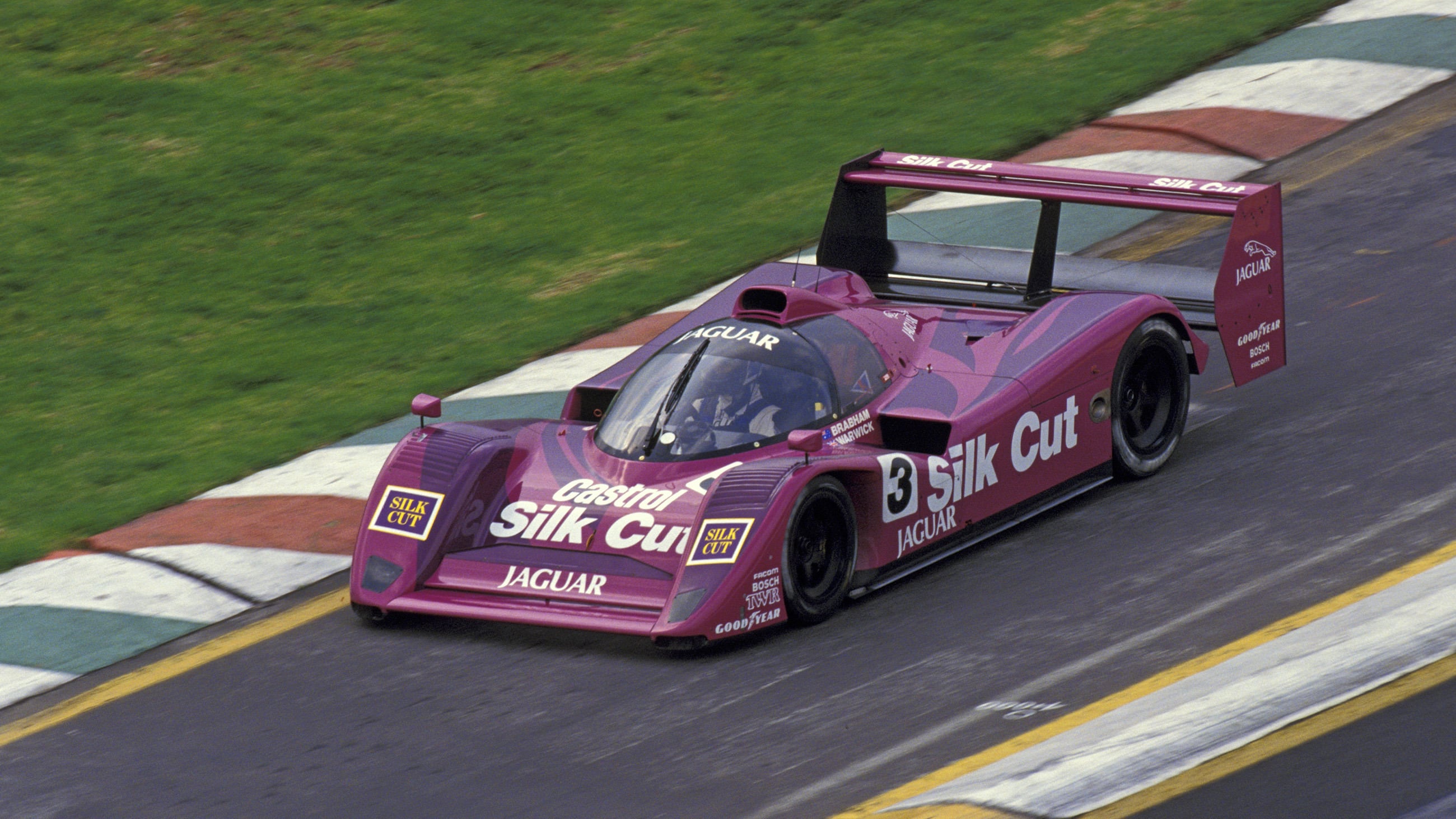
The TWR Jaguar era ended in 1991, but the memory of the Silk Cut XJRs will remain stamped in the history of sportscar racing.
Image credit: Sutton Images via Getty ImagesThe 84th Members' Meeting takes place on 10th and 11th April 2027. Tickets will go on sale to GRRC Members at the early bird price on Monday 17th August 2026, and to GRRC Fellowship Members on Monday 24th August 2026. Sign up for ticket alerts to make sure you don't miss out.
If you’re not already part of the GRRC, you can sign up to the Fellowship today and save ten per cent on your 2026 tickets and grandstand passes, as well as enjoying a whole host of other on-event perks.
84MM
Members' Meeting
84th members' meeting
TWR Jaguar
Subscribe to Goodwood Road & Racing
Thank you, you’re now subscribed

How many hay bales are used at FOS?
For the last two years, 5,800 bales have been recylced into the biomass energy centre to be used for energy generation