
F1 testing: the questions that remain ahead of the 2026 season
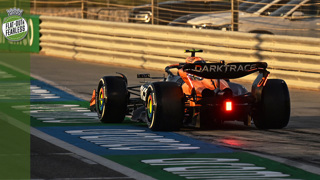
Despite 11 days of shakedowns and testing across two circuits in Barcelona and Bahrain, the Formula 1 teams and drivers head into the new season still searching for answers to questions over a variety of unknowns.
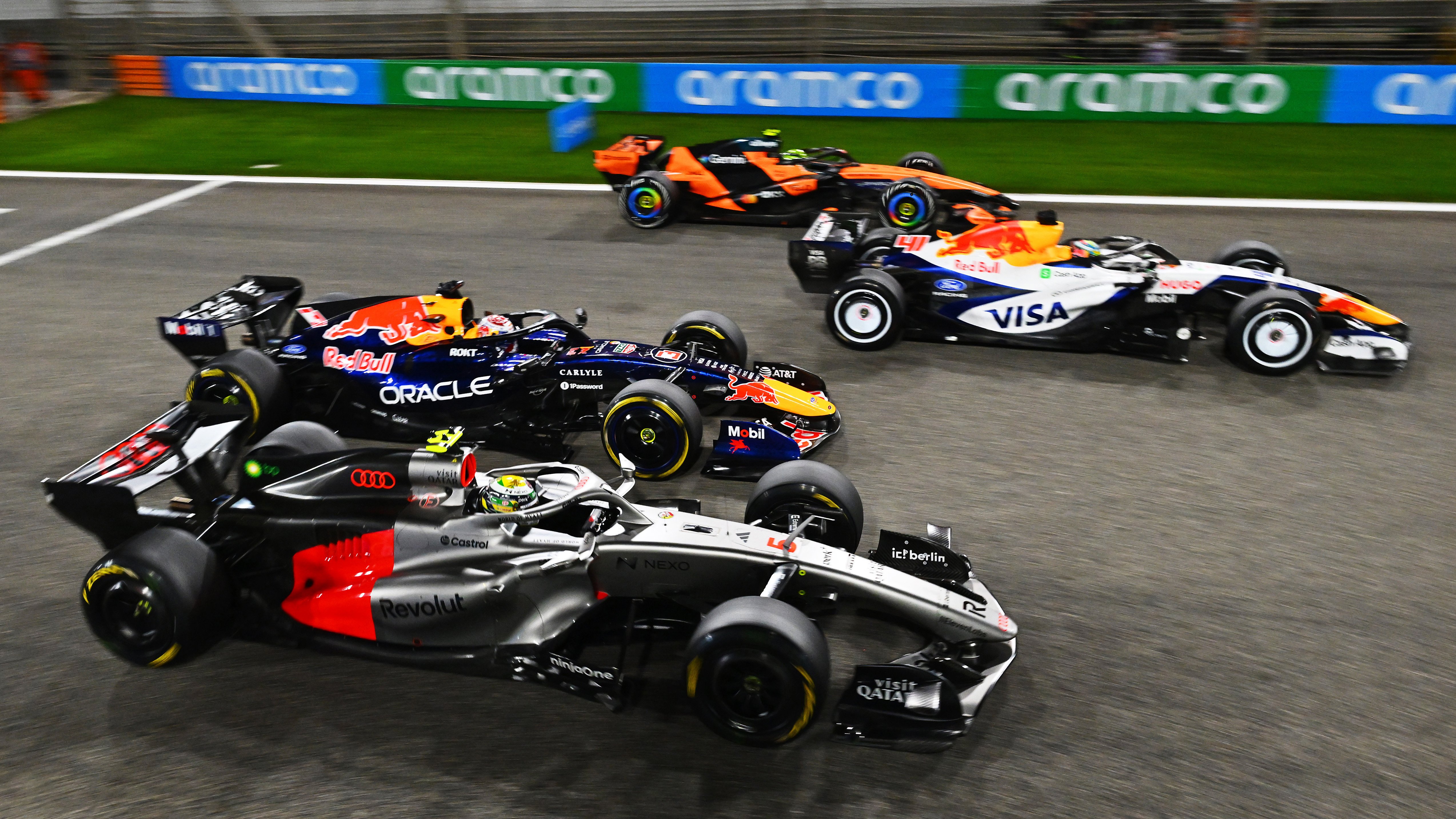
At the moment, the jury is out on the wide-sweeping changes to regulations that have resulted in the cars now being powered by a 50-50 split of combustion and electrical energy, combined with 100 per cent sustainable fuels, and with active aero part of the equation.
Four-time World Champion Max Verstappen initially pulled no punches when, during the first of the two three-day tests in Bahrain, he described F1's new look as "Formula E on steroids" and was "anti-racing".
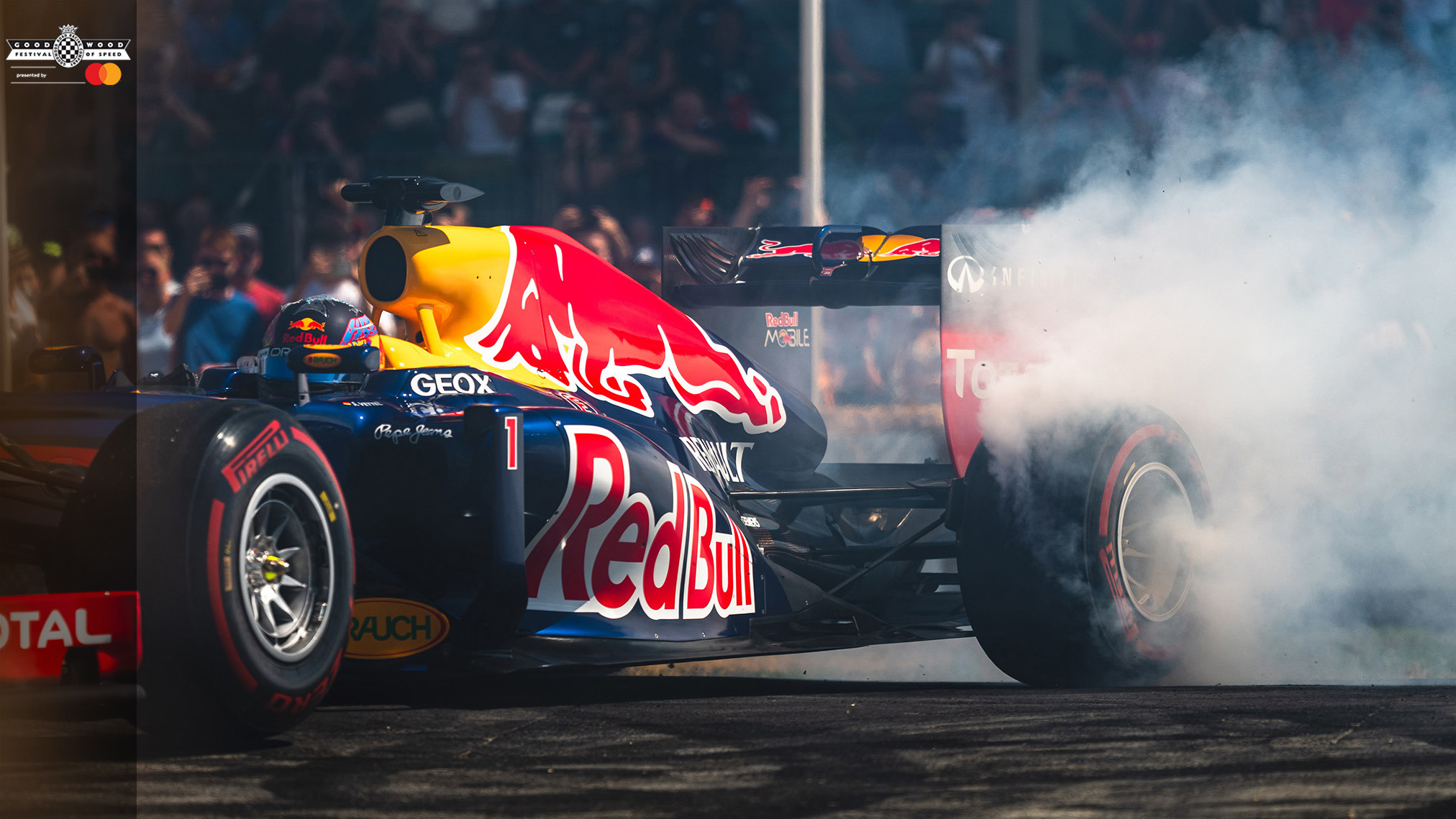
Across those first few days at Bahrain's International Circuit, Verstappen was predominantly supported in the criticism, although not to the extreme nature of the Red Bull driver's point of view.
Nevertheless, there were a few who commended it. Even Champion Lando Norris, who described the cars as "fun... just different", rowed back to a certain extent in the second test at Bahrain.
"I just wanted to say that I didn't want to complain about anything,” said Norris. “I just wanted to say that and see what the reaction was of everyone. It's been quite amusing seeing those reactions. It certainly made a lot of people comment and say a lot of things, which has been pretty funny."
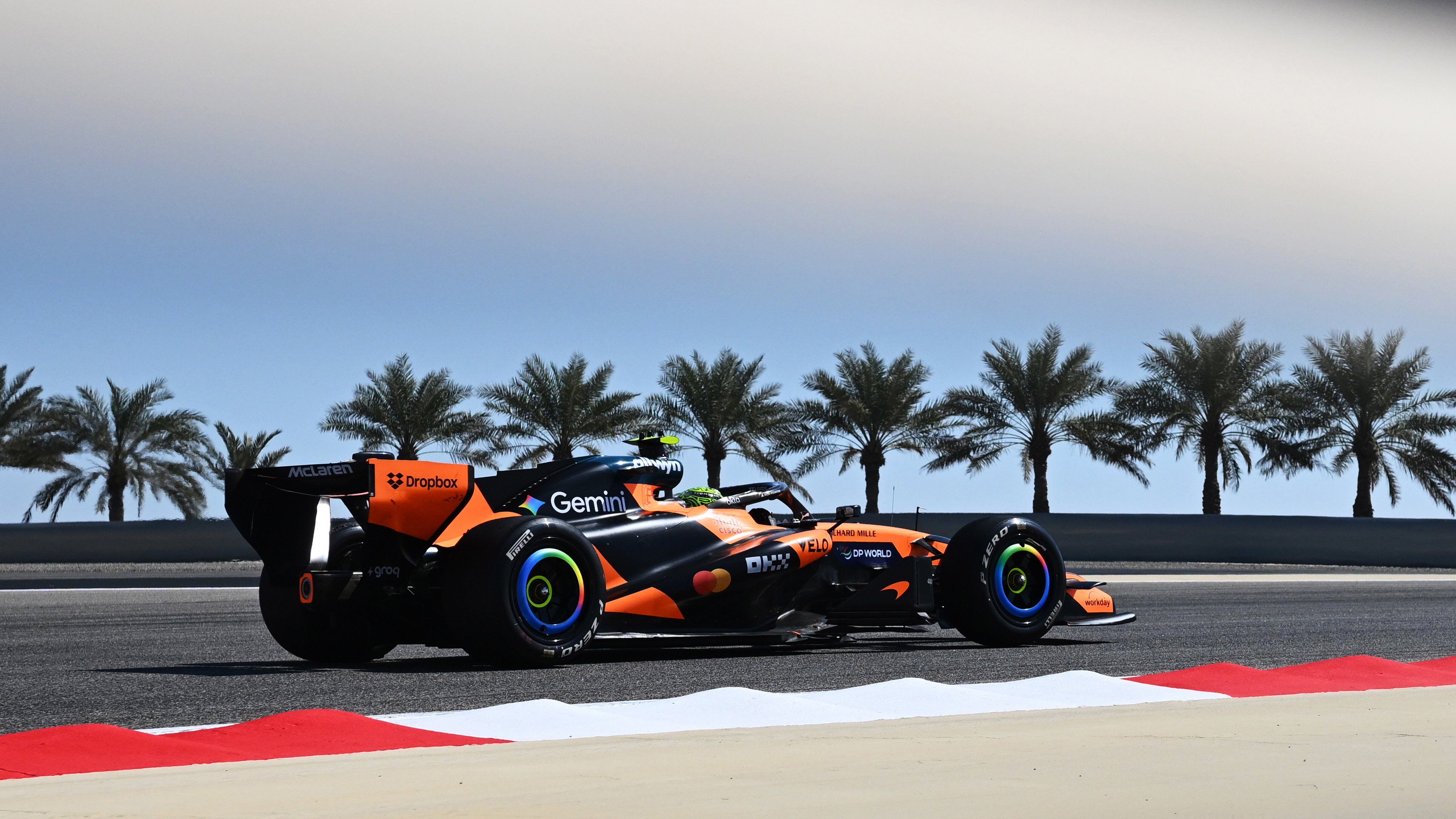
Pertinently, he added: "Are they enjoyable and as good to drive as last year? Absolutely not. Is it still a challenge and good fun out there? Yeah. I'm certainly not going to change my job for anything else. I still have fun, and it's still the job that I love to do, but it's certainly very different.
"Is it as pure, as beautiful to drive as last year? Does it look as incredible? Definitely not. And I agree with Max, and a lot of comments, probably most of the comments I agree with."
The driving is focused on just trying to get the battery to work properly, and less focused on, as a driver, how you can get everything out of the car.
Lando Norris
"It's not that I don't have fun out there, but there are two sides. I do agree with basically every other driver, and I think every other driver has made their comments pretty clear.
“I just didn't want to come out into the media and complain to everyone on the first weekend back. I want to still enjoy my time and just say what I feel. But I had fun.
"As a championship, and with the FIA and with Formula 1, we're trying to improve the car that we have now, because it's certainly not the purest form of racing, and that's what Formula 1 should be.
"A lot of the driving is focused on just trying to get the battery to work properly, and less focused on, as a driver, how you can get everything out of the car."
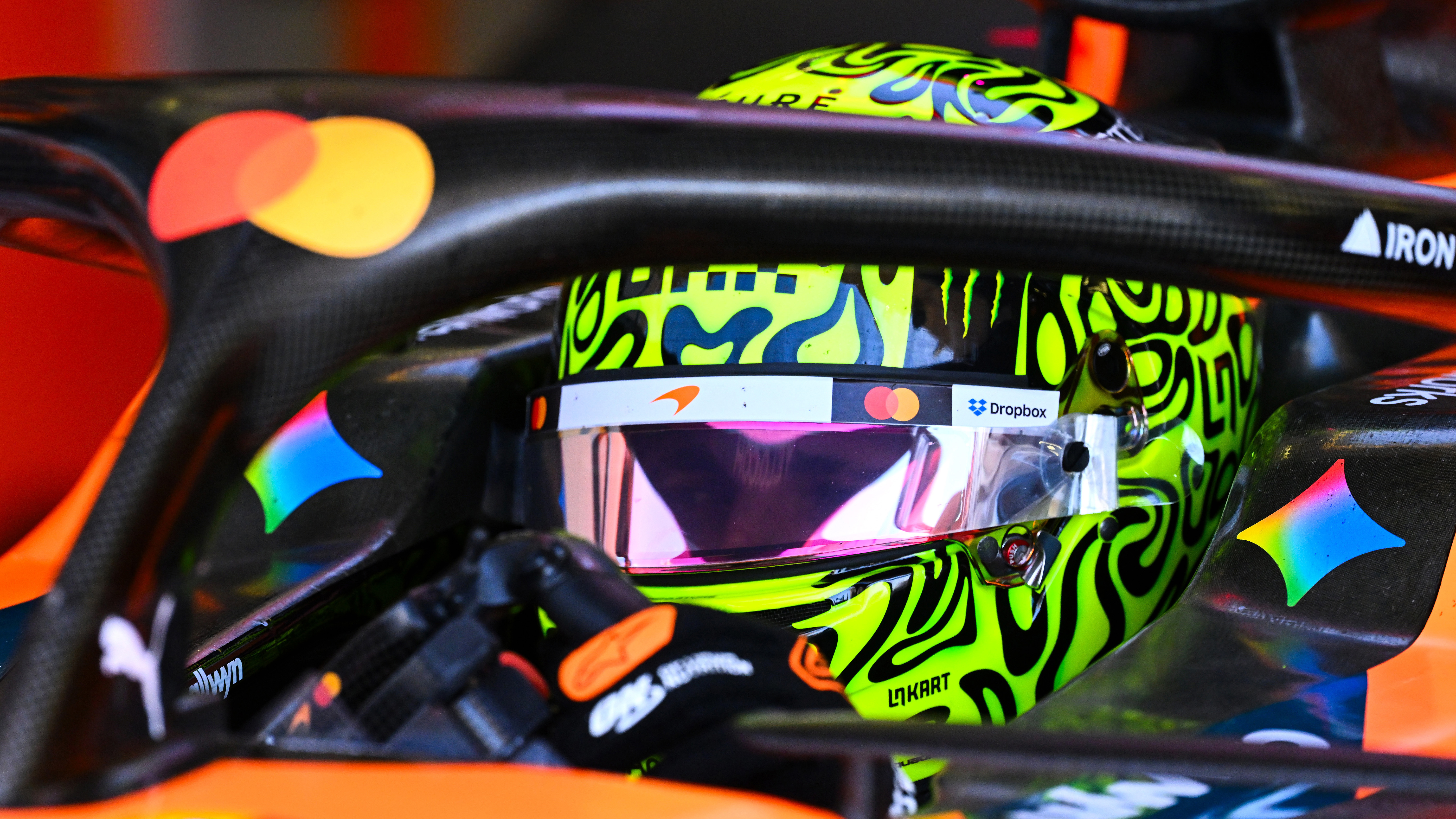
Perhaps, more than anyone, it was summed up superbly by Norris. F1 is more of a management formula than it ever has been in its history, as the drivers now have to make crucial decisions over energy deployment, regeneration and conservation.
In the past, a qualifying lap has always been flat out as a driver pushes their car to the absolute limit in order to secure the best lap time. At certain circuits this year, the drivers will be required to lift and coast to build up energy in the battery that will then provide them with a push at key times on the lap. It is anathema to everything a Formula 1 driver should be doing.
Verstappen is adamant F1 should head in the opposite direction, even though, with the new PU, the sport has succeeded in hitting its primary target of bringing in new manufacturers, alongside the big guns of Ferrari and Mercedes. Audi has joined F1 for the first time and Honda has returned, whilst Ford is playing its part alongside the newly formed Red Bull Powertrains.
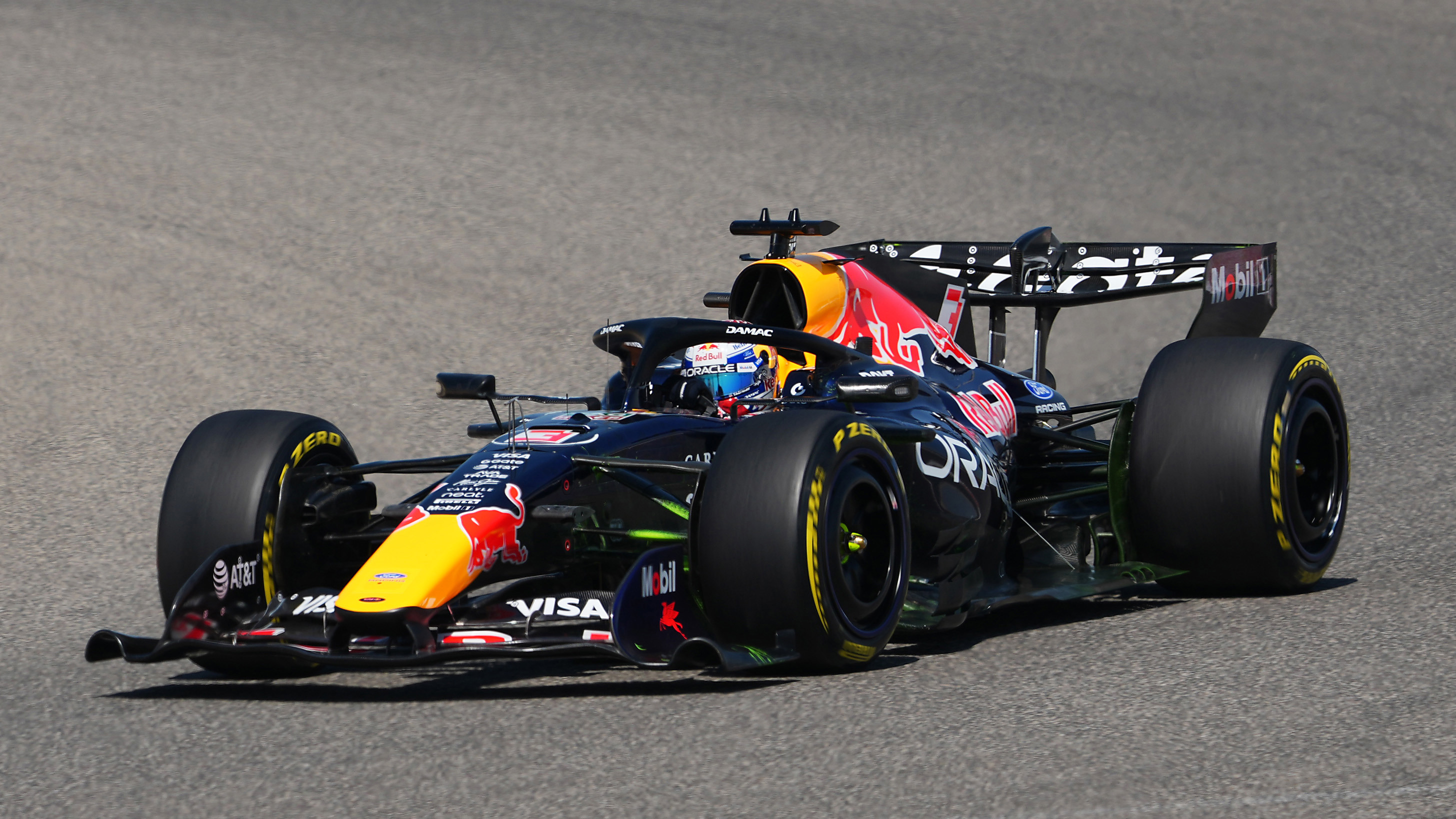
"I don't want us to be close to Formula E," said Verstappen. "I want us to stay away from that and be Formula 1. So don't increase the battery. Actually, get rid of that and focus on a nice engine, and have Formula E as Formula E because that's what they are about.
"Let them be Formula E, and we should stay Formula 1. Let's try not to mix."
For now, there is no going back. As to what it means for Verstappen's future in the sport, it remains to be seen. He has said he is staying, but he has made clear he needs to have fun, that winning is not as important as it once was.
But you wonder as to how much longer he will remain. He has previously complained about the calendar stretching to 24 Grands Prix; about the addition of sprint races, which could increase in 2027 from six to 12, and now he will be racing in a battery-defined era as F1 seemingly loses a touch of its identity, no longer as pure as it once was.
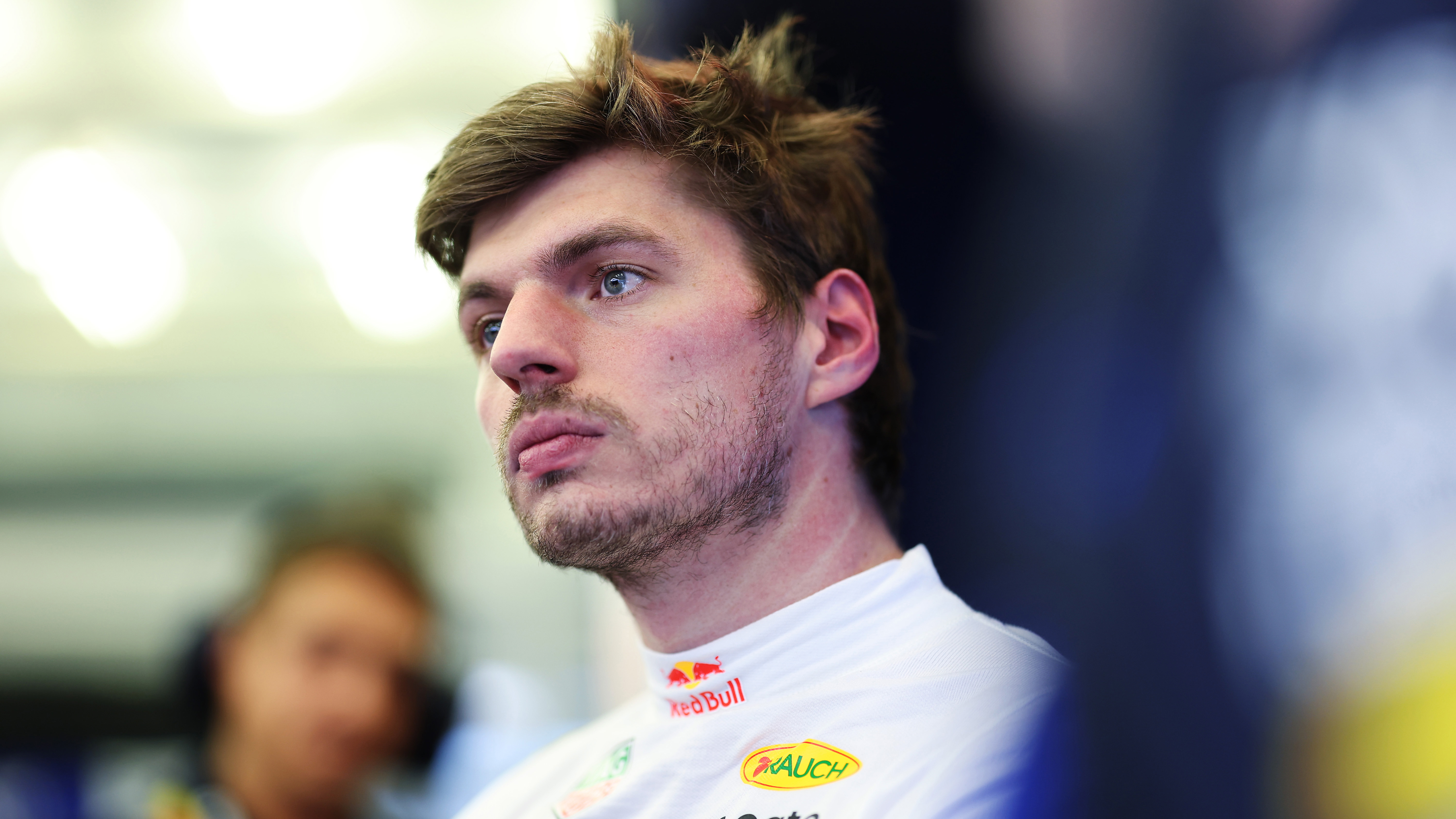
Stefano Domenicali, the president and CEO of F1, held constructive talks with all the drivers during his visit to Bahrain for the second week of testing, including Verstappen. He is convinced the Dutch driver will not be going anywhere, but a wheel has yet to turn in anger, and who knows what might happen as the season unfolds.
Domenicali was naturally in defence mode when he spoke to the media during the test, insisting there was "no panic", that he could not understand all the negativity, and that the comments of now would be long forgotten by the end of the year, if not beforehand by the summer such is his belief that the racing will take centre stage, and that the drivers will adapt, as they always have in the past.
"I'm totally positive in saying that this will be another incredible year," he said. "I don't feel this anxiety. We need to stay calm. We don't need an over-reaction."
I think we should start flexible, rather than be committed to a certain level of energy management.
Carlos Sainz Jr.
There are other issues, however, notably regarding overtaking. This year there is an overtake mode, when a driver can deploy extra power when within one second of a car in front.
Then there is boost mode, when, at the push of a button, a driver can deploy maximum power from the engine and battery, which can be used for an attacking or defensive move, no matter where they are on track. At the moment, the drivers have expressed concerns that overtaking will be difficult.
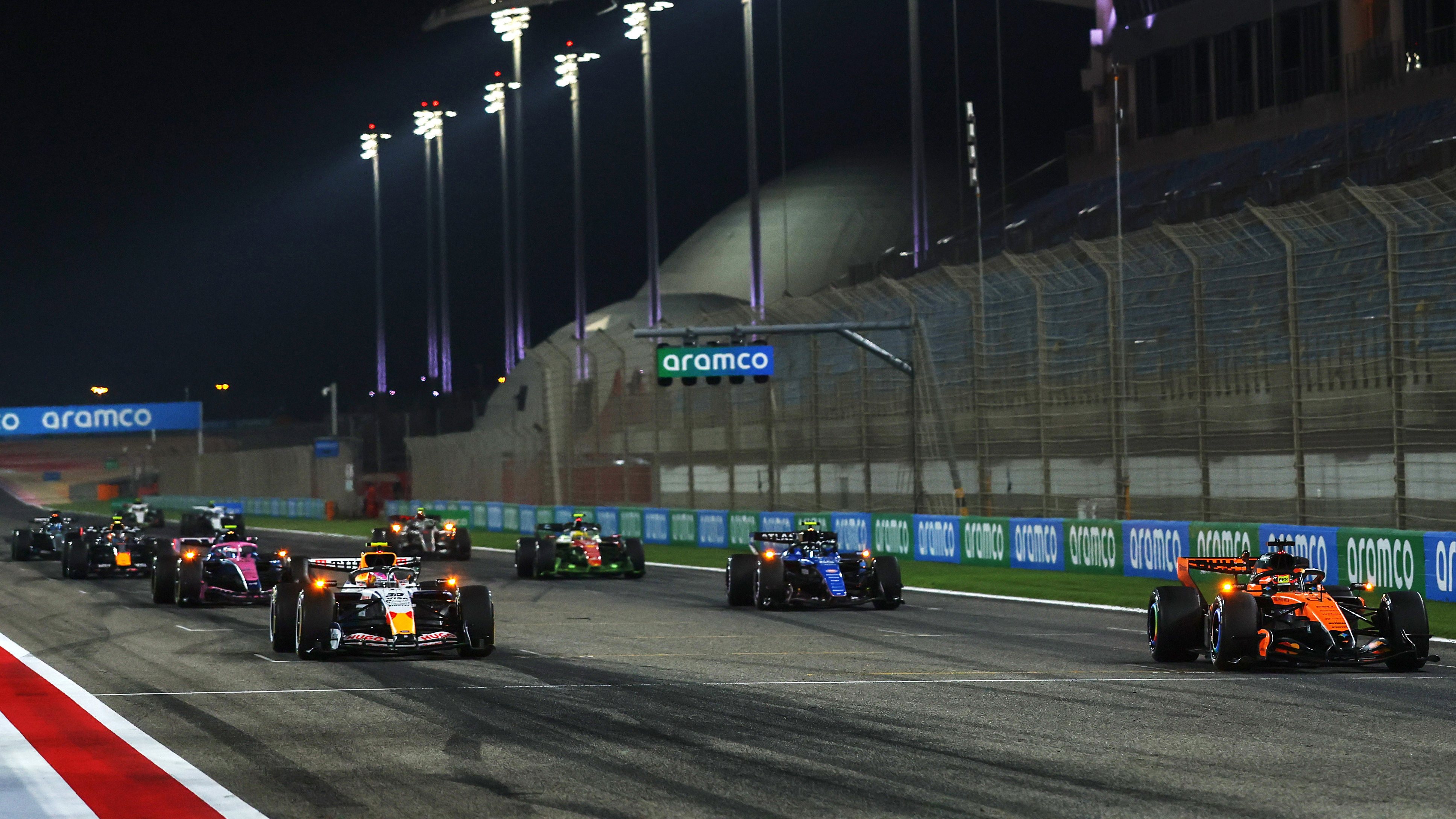
In addition, chaos at the start has also been predicted, given the increased time required to power up the turbo to the right speed for an optimum launch. Initial concerns were raised that whilst those at the front of the grid would have the necessary time, those at the rear would be heavily compromised.
To mitigate, during the second test in Bahrain, the FIA conducted an extra formation lap before practice starts, followed by a pre-start warning lasting five seconds before the commencement of the usual start procedure.
Williams' Carlos Sainz Jr. has suggested F1 and the FIA need to be open-minded when it comes to potentially making changes, dependent on what unfolds over the first few races. As he noted, "I think we might need to adjust the regulations a bit."
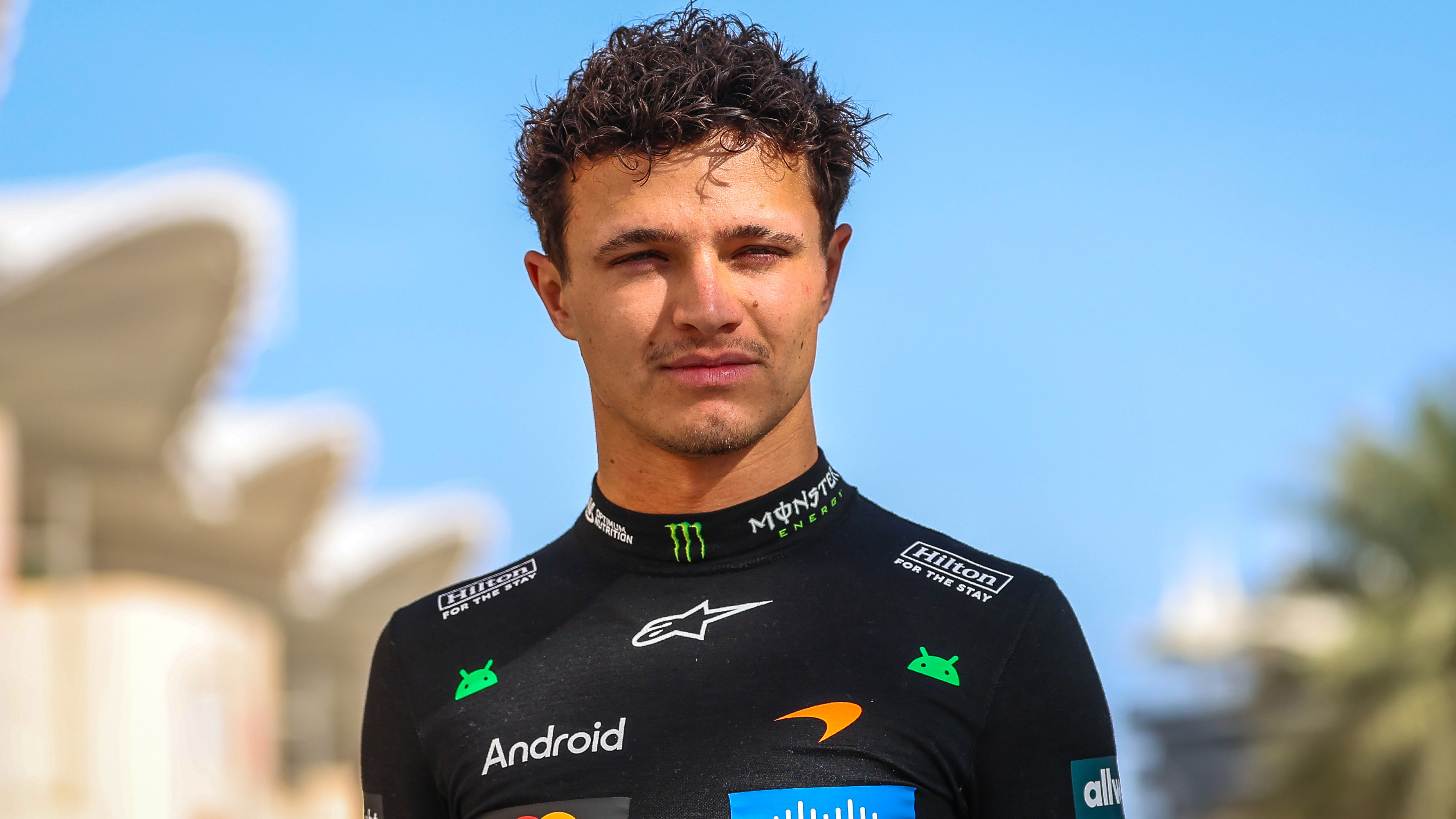
"My only ask would be to stay open in case we need to fine-tune or adjust to make the category and the show even better," he said. "That is my only message. I think we should start flexible, rather than be committed to a certain level of energy management."
Whatever unfolds over the first few Grands Prix, it promises to be fascinating, captivating, must-watch viewing, because the Formula 1 we will witness will be nothing like we will have seen before.
Images courtesy of Getty Images.
formula 1
f1
f1 2026
Testing


Subscribe to Goodwood Road & Racing
Thank you, you’re now subscribed

How many hay bales are used at FOS?
For the last two years, 5,800 bales have been recylced into the biomass energy centre to be used for energy generation