
How Brabham’s hastily prepared BT19 claimed a World Championship
Things didn’t appear to be very optimistic for the Brabham Racing Organisation as it went into the 1966 Formula 1 season. This was the year in which the FIA changed the rules to allow engine capacities up to 3.0-litres, and the team hadn’t had time to develop a new car to comply with the incoming regulations.
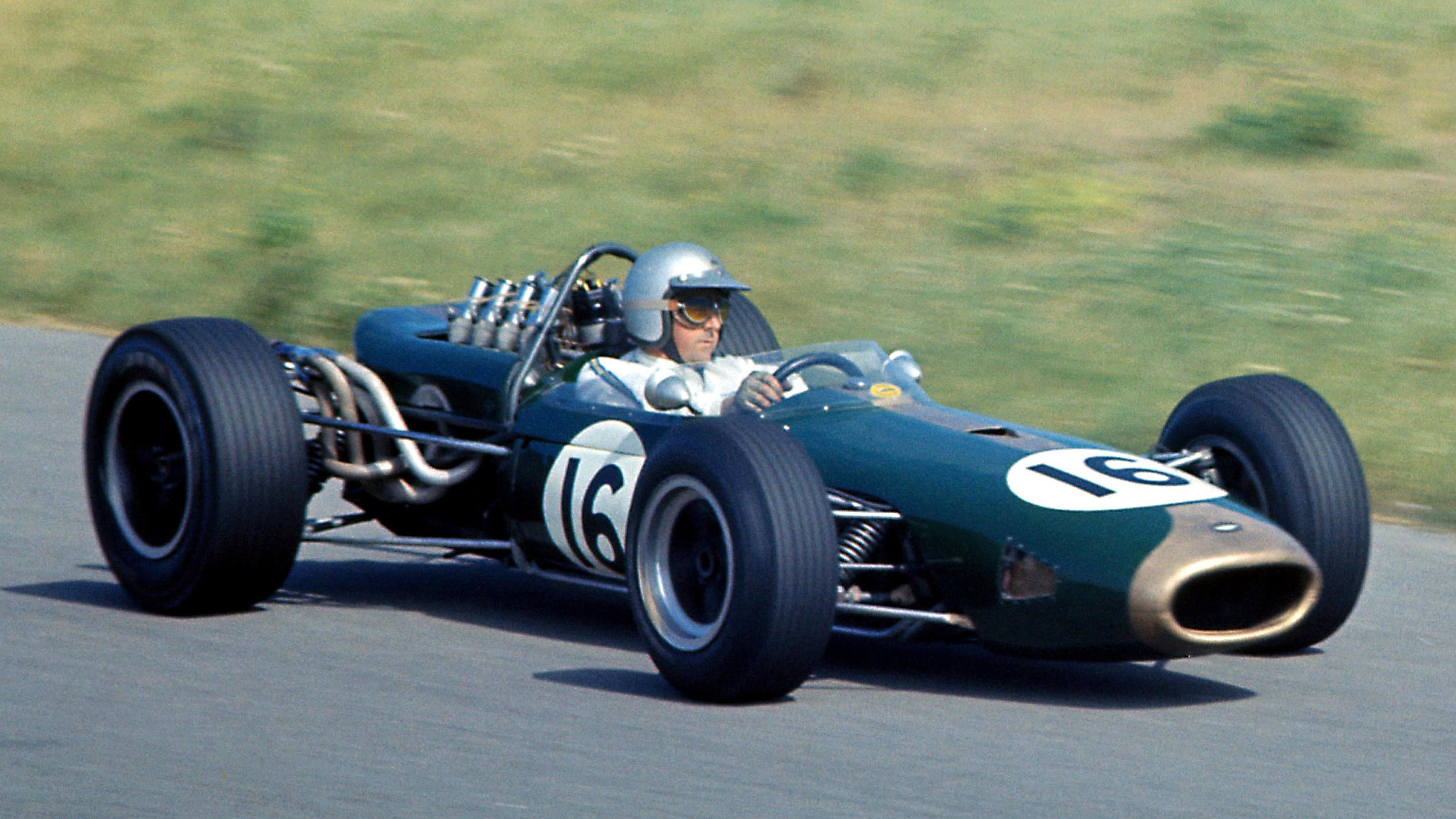
In those days, Brabham’s cars were designed and built by Motor Racing Development, co-owned by Jack Brabham and fellow Australian Ron Taunarac. Between them they had a disagreement about Taunarac’s role and, by the time they had reconciled their differences, it was November 1965. The first race of 1966 was due to take place in January, which ruled out starting with a blank sheet to design a car specifically around the new legislations.
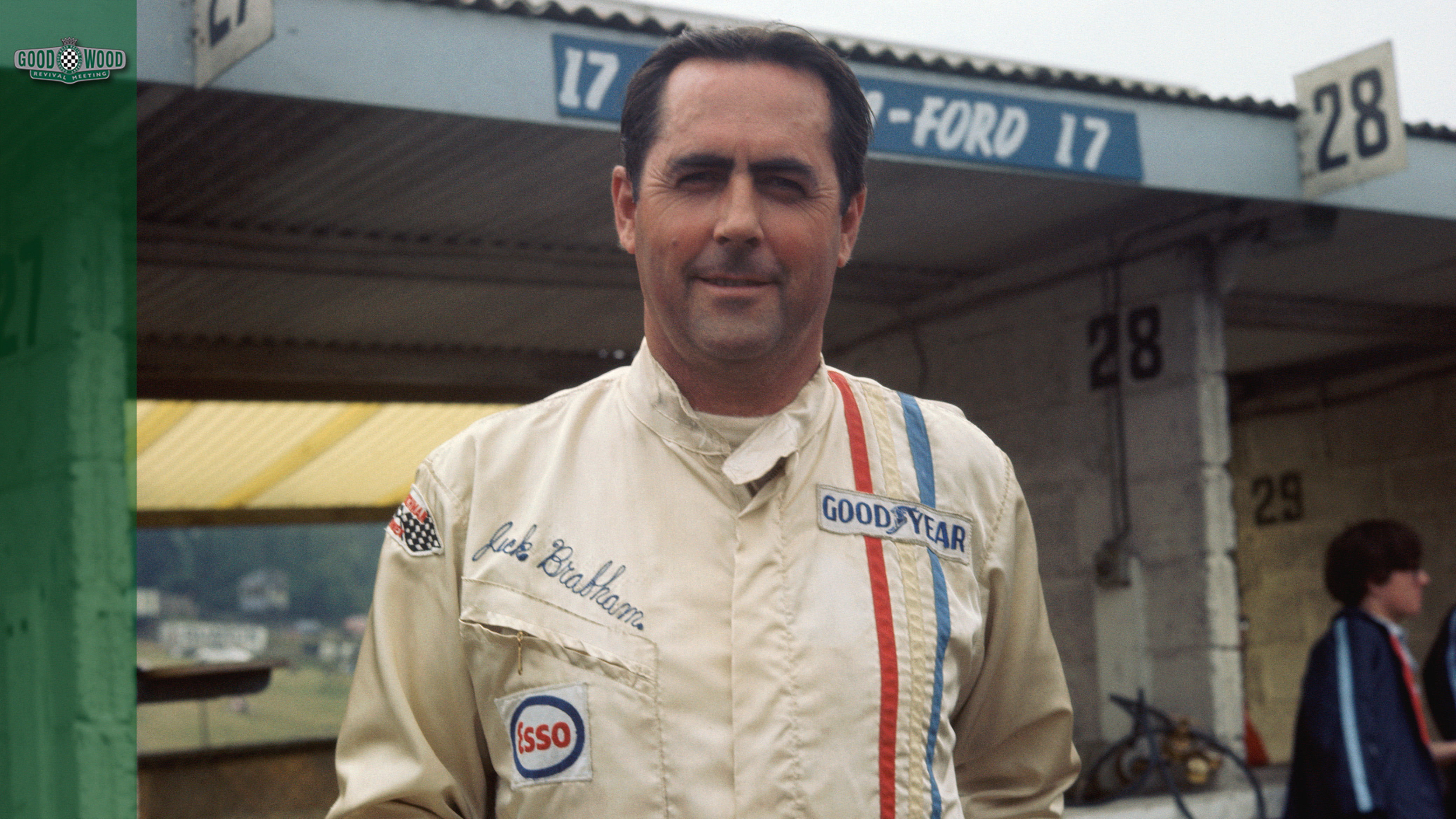
The only solution was to take the existing BT19 and adapt it to suit a 3.0-litre engine. While Italian rivals opted for large and complicated V12 engines, Jack Brabham instead persuaded Repco to develop the Oldsmobile F-85 V8 engine block for racing as Taunarac worked to make it fit the BT19 chassis. Of course, it wouldn’t have the power of the V12s, but Brabham was banking on better fuel consumption and greater reliability to pay off over the course of a Championship season.
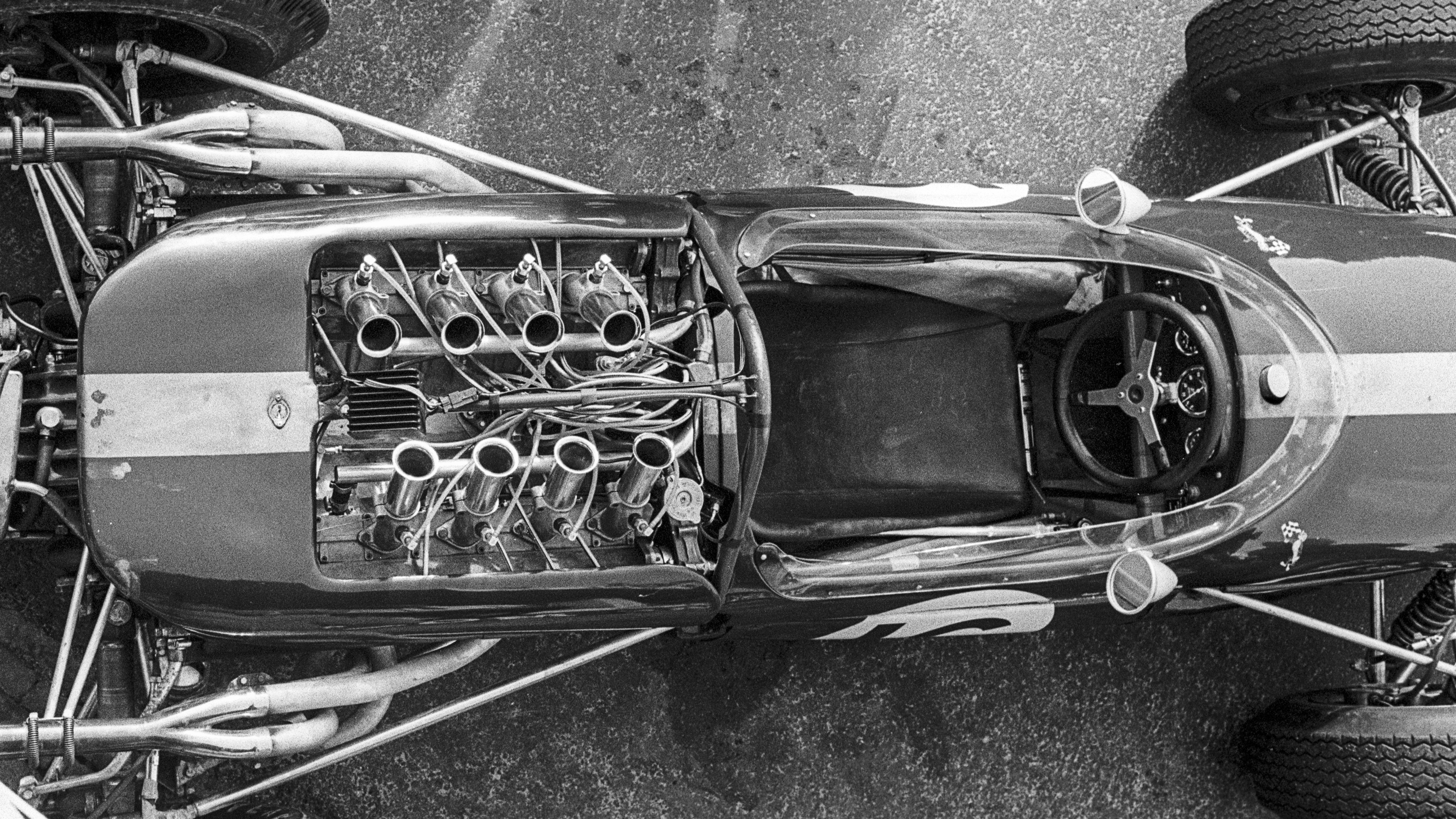
The basic chassis dated back two years and lacked key innovations that had become widespread in Formula 1 over that time after being pioneered by Lotus, namely inboard suspension and monocoque chassis.
Taunarac had his reasons for keeping things simpler. He argued that a spaceframe chassis was easier to maintain than a monocoque and didn’t think the extra stiffness was worth the effort. And as for inboard suspension, from wind tunnel testing he calculated only a two per cent improvement which he suggested didn’t offset the extra time it takes to make adjustments at the circuit. Even so, onlookers saw a car that was less sophisticated than its opposition.
The proof of the car is in the racing, though, and when Brabham arrived at the first event of 1966 — a non-Championship fixture in South Africa — it was the only team present with a 3.0-litre Grand Prix car; all the other outfits were still busily preparing their new machines. The result was a dominant performance from the BT19, driven by the man whose name it bore. Jack Brabham put the car on pole and led the race until a fuel pump failure forced retirement.
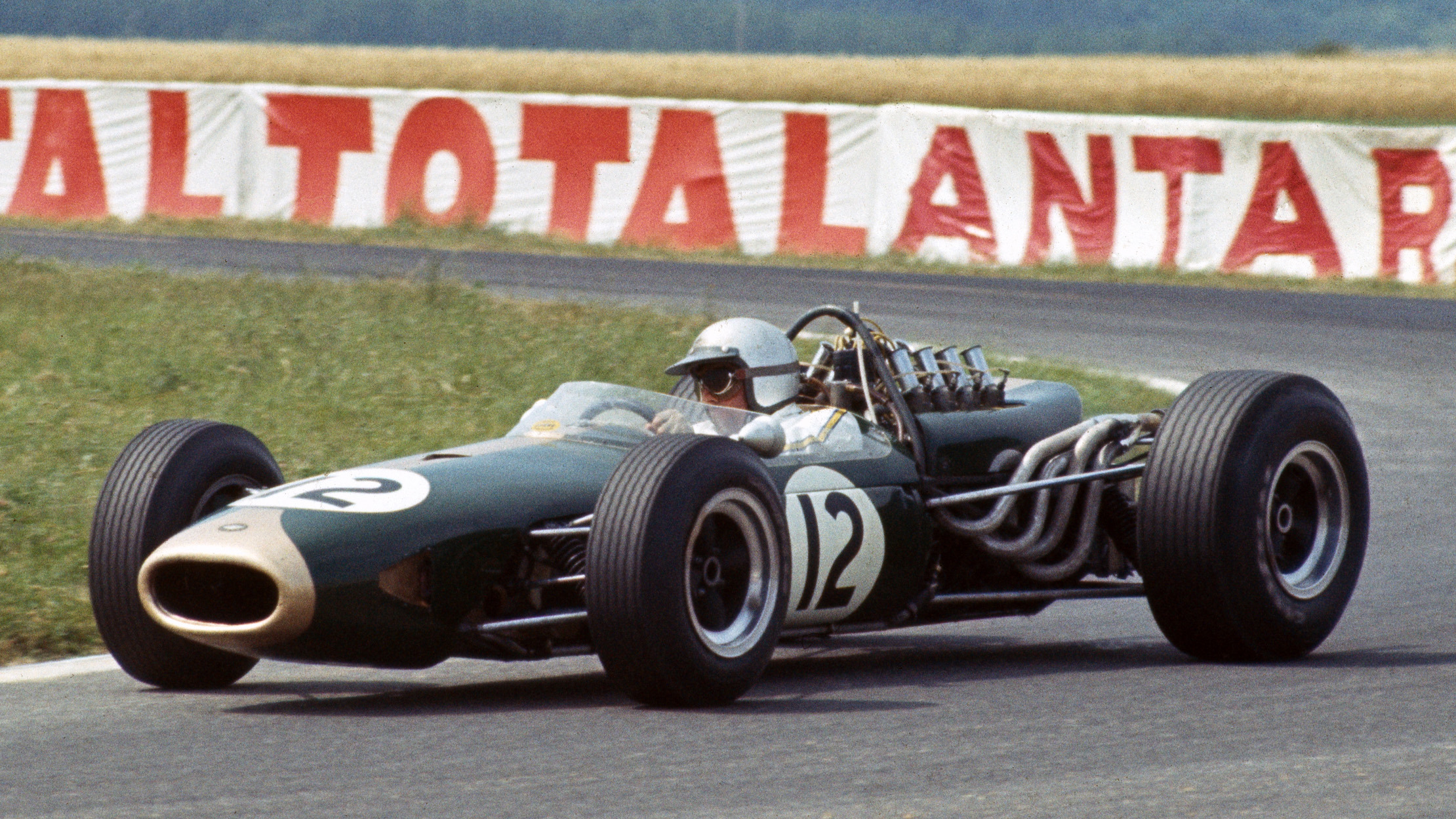
Brabham took his first of four wins that season at the French Grand Prix at Reims, July 1966.
Image credit: Getty ImagesThe die was set, however, and Brabham won his first Championship round at the French Grand Prix in Reims. In doing so, he became the first driver to claim a Formula 1 win in a car bearing his name. It was the first of four consecutive wins, the British, Dutch, and German Grands Prix all going his way, too. Brabham had to fight, though, his win at the Nürburgring coming at the end of a close, race-long battle with John Surtees.
With three races remaining, Brabham arrived at Monza in a strong position. By then, only Surtees or Jackie Stewart could overcome his 22-point lead. For either driver to do so, they would need to win the three remaining rounds; Brabham just needed victory in Italy to claim the Championship.
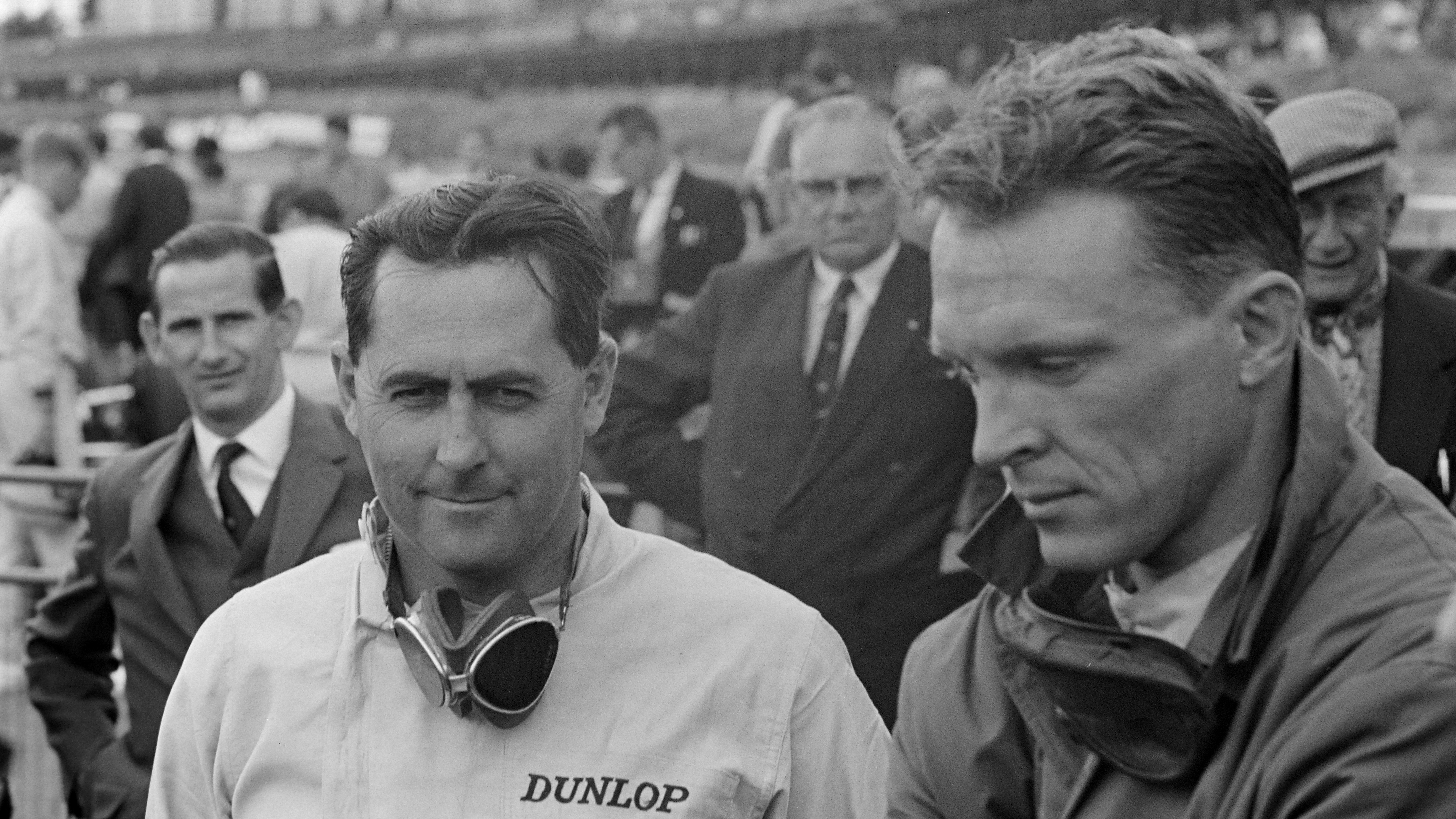
All the while, Brabham’s team-mate Denny Hulme had been driving the BT20 since the third round of the 1966 season at Reims, scoring third place there and runner up to Brabham at Brands Hatch, followed by retirements at Zandvoort and the Nürburgring.
By the time they were in Monza in September, a second version of the newer car was available to Brabham, but while he tried it out in testing, he favoured the BT19 for what he perceived to be a stronger engine.
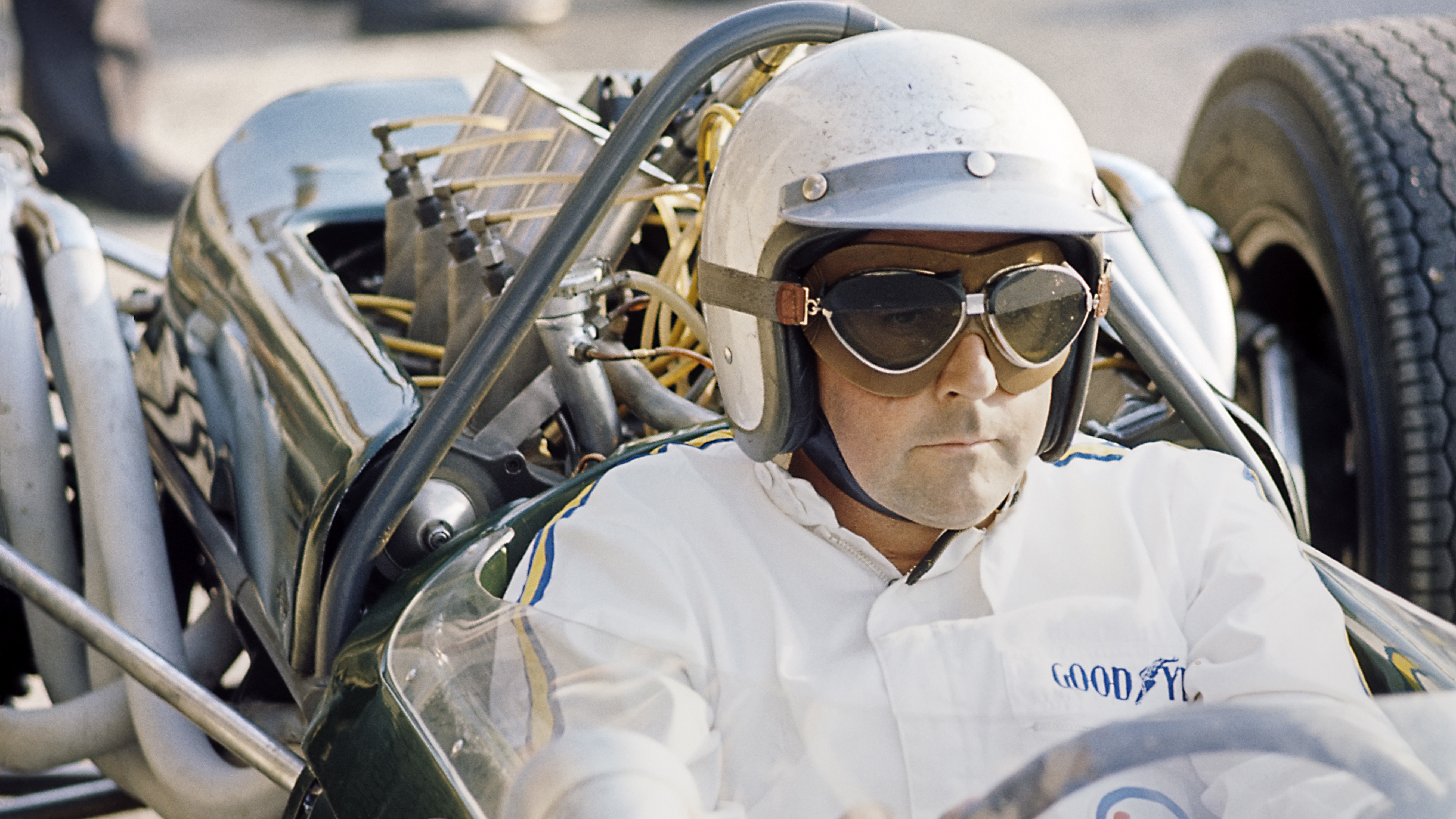
Brabham sits in the BT19 at the Italian Grand Prix at Monza, September 1966.
Image credit: Getty ImagesThe ‘Old Nail’, as Brabham affectionately called it, was the only example of the BT19 ever built and he liked the way it handled. That had always been a Tauranac speciality. Brabham claimed that important victory in Italy, taking the Formula 1 World Championship as the only driver to do so in a car of his own construction.
The gamble of prioritising dependability over power had paid off. The BT19, despite being less advanced than rivals on the grid, found itself in the sweet spot between the more powerful but heavier Ferraris and Maseratis, and the stop-gap BRMs and Lotuses.
Jack Brabham did join Hulme in driving the BT20, for two races at the end of the 1966 season, but it was the ‘lash-up’ BT19 that is remembered for taking him to that historic World Championship.
The 60th anniversary of Brabham’s third World Championship and his achievements aboard the BT19 will be celebrated at the 2026 Goodwood Revival, where we will honour the legacy of a truly great driver and engineer.
Tickets for the 2026 Goodwood Revival are now on sale. If you’re not already part of the GRRC, you can sign up to the Fellowship today and save ten per cent on your 2026 tickets and grandstand passes, as well as enjoying a whole host of other on-event perks.
Main image courtesy of Getty Images.
formula 1
f1
revival
revival 2026
jack brabham celebration
jack brabham
brabham
bt19



Subscribe to Goodwood Road & Racing
Thank you, you’re now subscribed

How many hay bales are used at FOS?
For the last two years, 5,800 bales have been recylced into the biomass energy centre to be used for energy generation