
When will the V8 engine return to Formula 1?
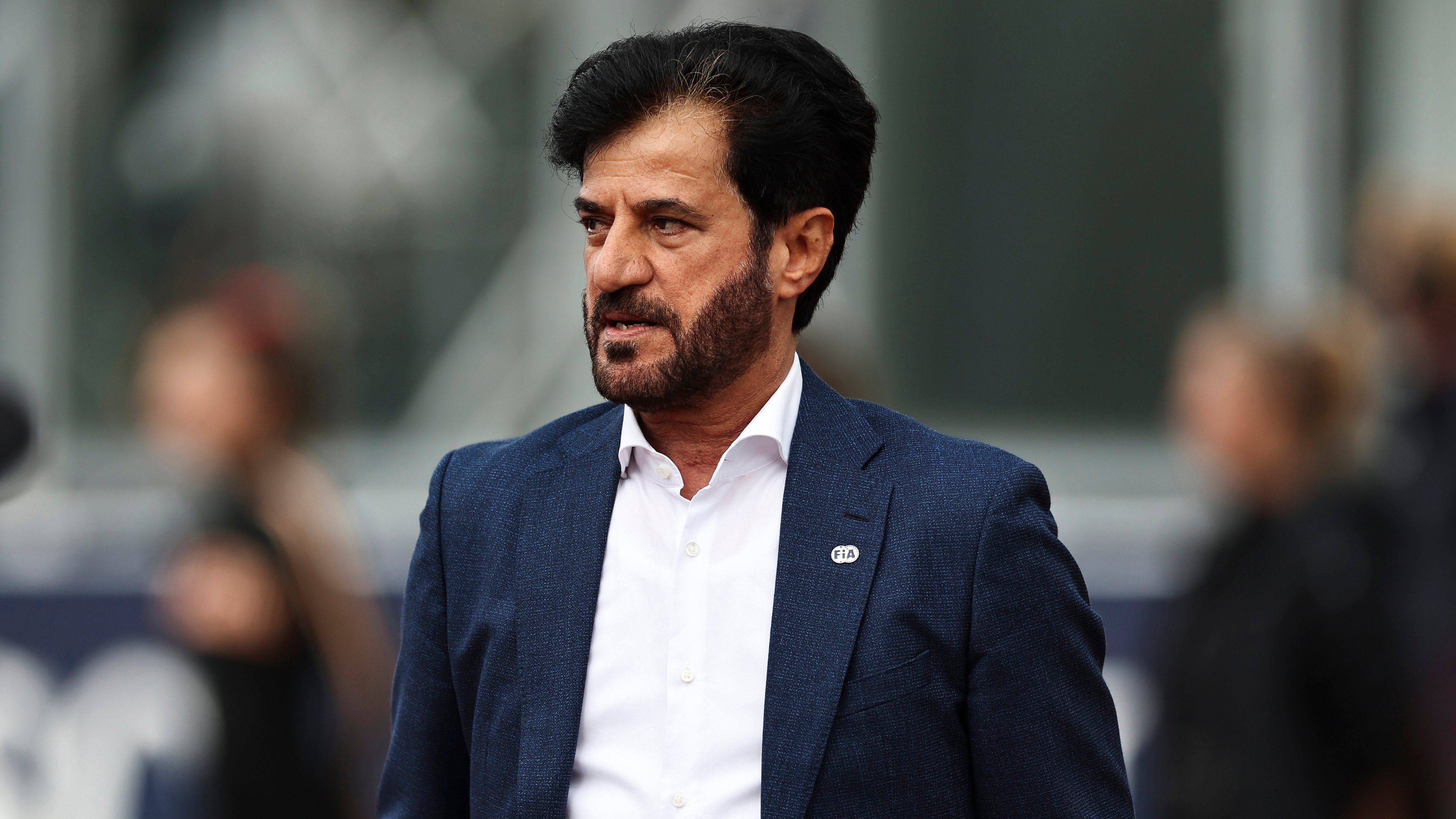
The FIA President, Mohammed Ben Sulayem, is adamant: "The V8 is coming."
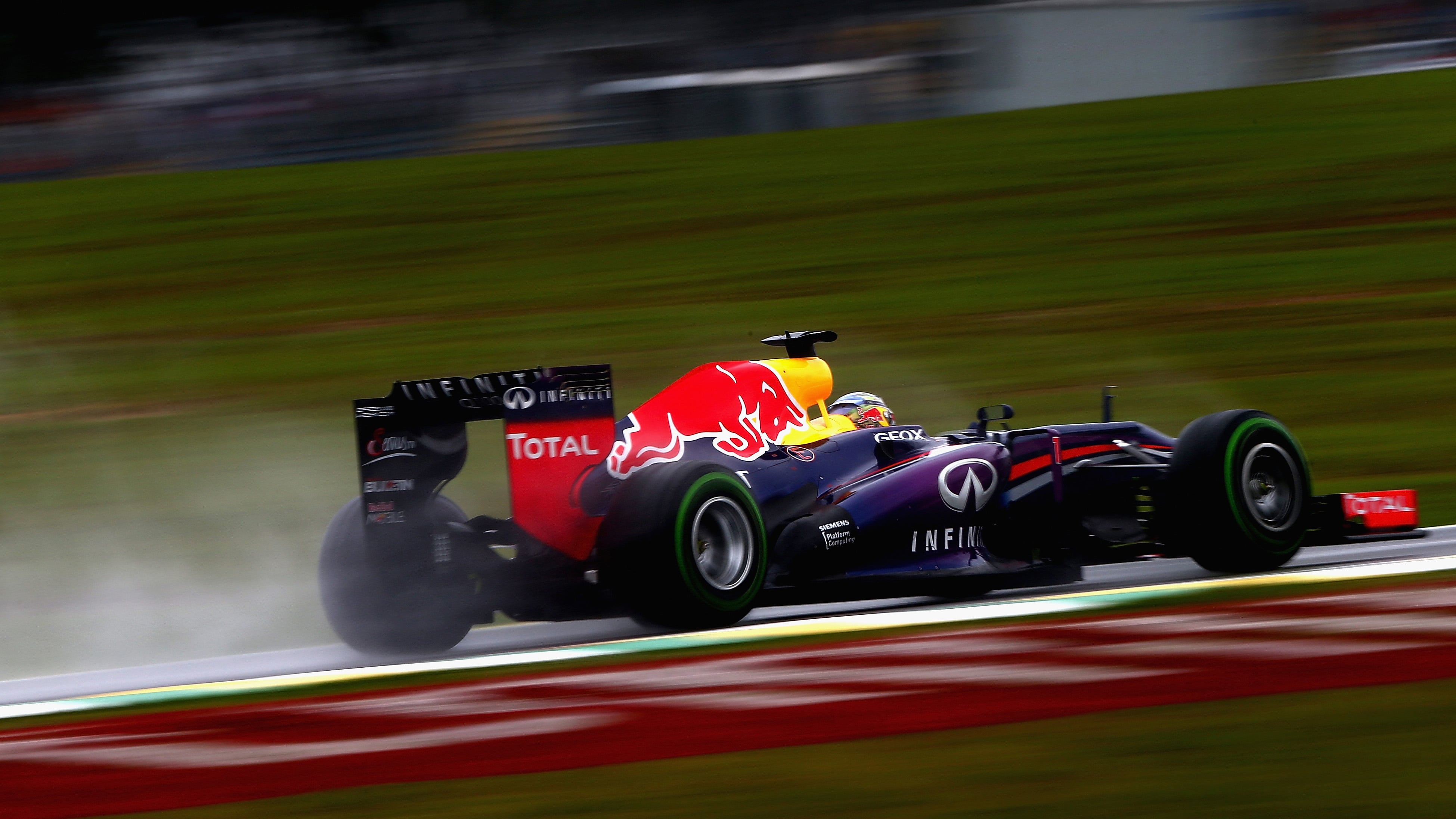
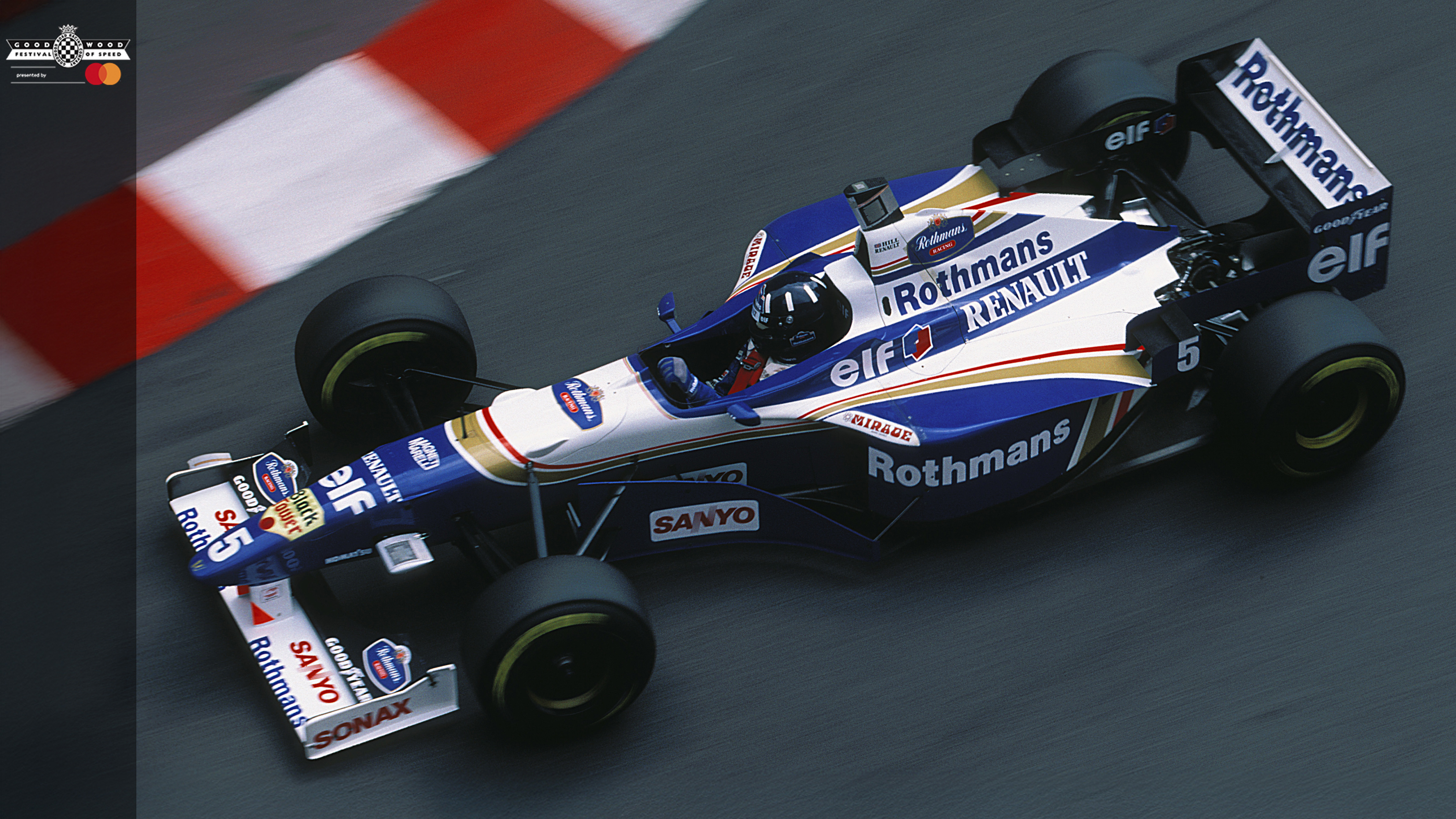
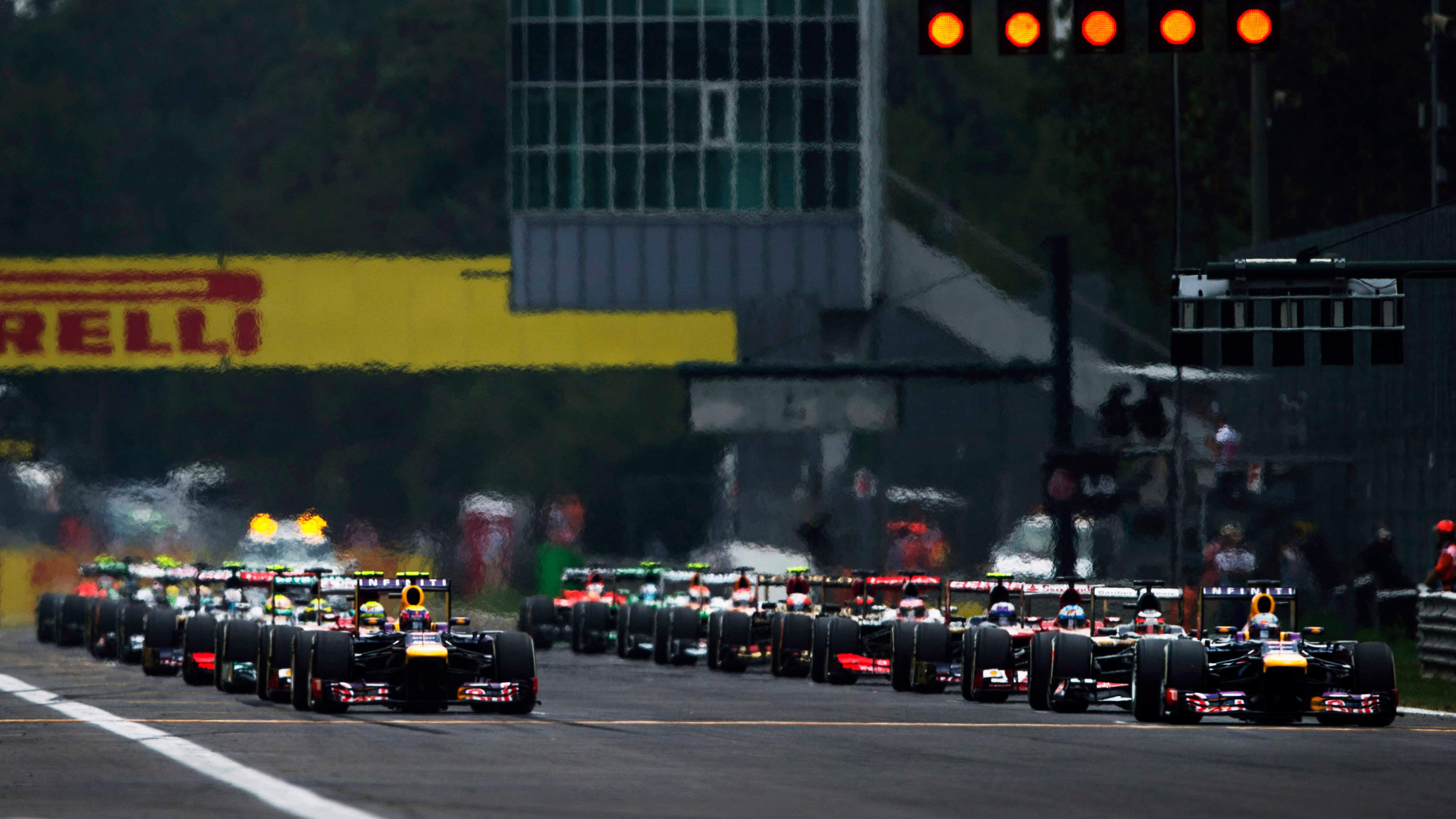
The V8 was last seen in Formula 1 in 2013. Since then, the series has used a 1.6-litre V6 turbo-hybrid engine, which initially housed both the MGU-K and MGU-H, but with the latter removed as of this season.
This year, F1 has switched to a near-50-50 split between combustion and electrical energy. According to Ben Sualyem, it is more akin to "54-46", but whatever the ratio it has been much-maligned since its introduction.
In very short order, tweaks were made to the system, primarily on safety grounds due to issues which materialised over the first three Grands Prix in Australia, China and Japan.
Following the race in Miami, the teams, F1, the FIA and the power unit manufacturers engaged in further rounds of talks designed to address wider issues with the system. The upshot is that from next year, the ratio will be 60-40 in favour of combustion.
Whether it will be enough to appease the drivers remains to be seen. It is fair to suggest that none of the 22 on the grid have been satisfied with what they have experienced so far. Will a notional six per cent extra combustion power make a significant difference?
If not, the drivers will have to wait another three years, potentially as early as 2030 if Ben Sulayem has his way, for the return of the V8s.
“It’s coming,” said Ben Sulayem, speaking to a select media group, including this writer, over the Miami Grand Prix weekend. "Oh yes, it is coming. At the end of the day, it’s a matter of time."
The normally-aspirated system, with what Ben Sulayem described as "very, very minor electrification," would appear to be far removed from the shift by the manufacturers towards road-car electrification that has taken place over the past few years.
When F1 and the FIA sat down to draw up the current regulations, it was with the intention to attract new manufacturers to the sport. They achieved their aim as Audi signed up, along with General Motors and Ford, given its technical partnership with Red Bull Powertrains, whilst Honda opted to return.
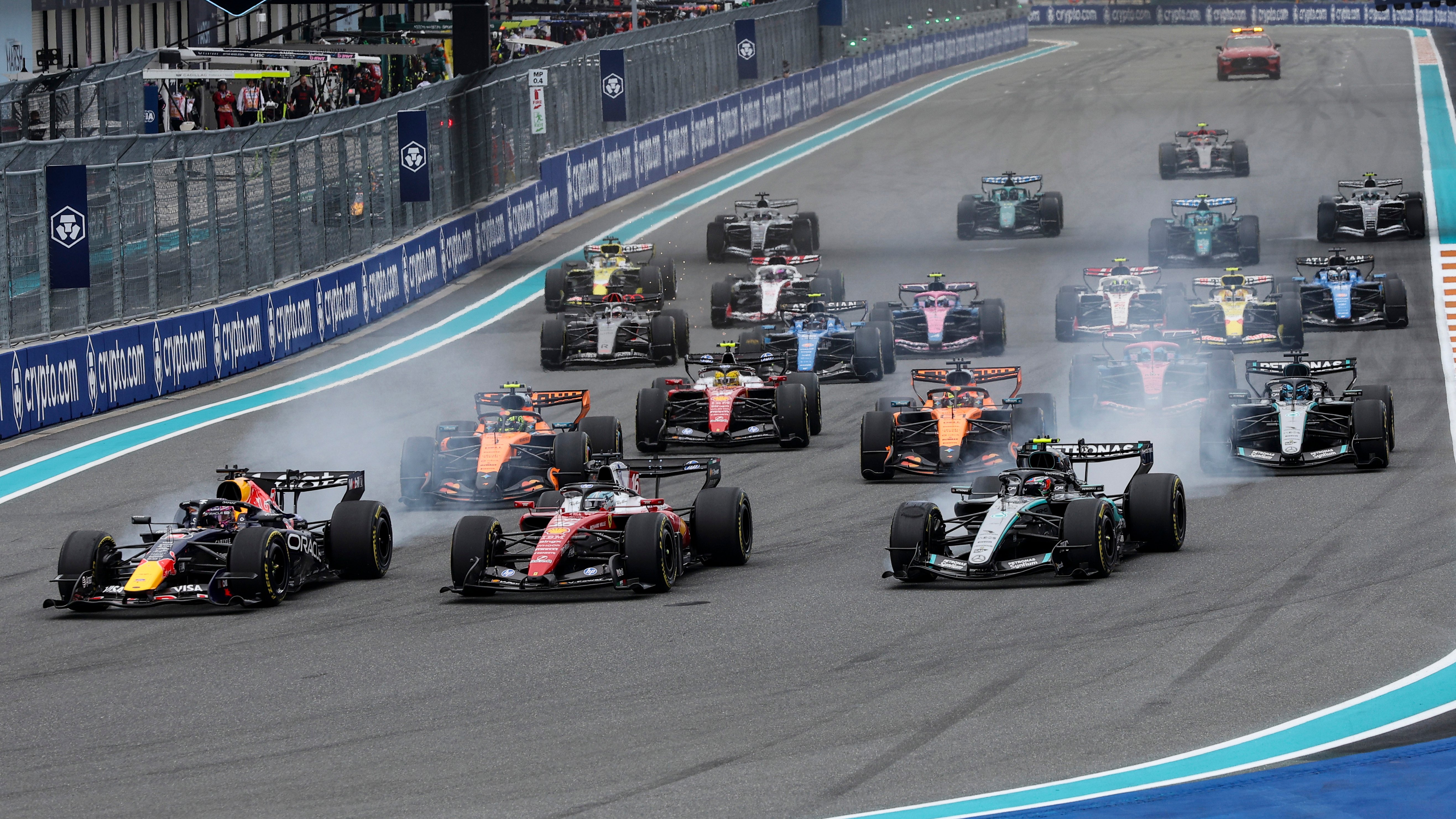
Sadly, what has been witnessed over these early Grands Prix has failed to capture the wider public's imagination. For sure, the number of overtakes per race has increased considerably. No one can deny that the track action has been entertaining at times.
But from a driver's perspective, for the media and the more knowledgeable fans, the battery management required to complete a pass, in particular, with one driver fully charged and the other bereft, has made for an empty feeling.
Ben Sulayem has the opportunity to push for change. The current Concorde Agreement, which binds the teams, F1 and the FIA, expires at the end of 2030. At this stage, 2031 is the window of opportunity.
As he pointed out, "In 2031, the FIA will have the power to do it, without any votes from the PUMs [power unit manufacturers]. That’s the regulations.
"But we want to bring it one year earlier, which everyone [externally] now is asking for. When you try to tell them [the PUMs] they say no, but what will come, will come, and it [the power] will come back to the FIA."
In fairness, Mercedes Team Principal Toto Wolff and Laurent Mekies, his counterpart at Red Bull — whose Powertrains company only started this year — both expressed positivity when asked about the matter on the back of Ben Sulayem's remarks.
"As Red Bull Ford Powertrains, we are pretty cool with it," said Mekies. "We had to start from zero to deal with this power unit, and I think the starting point is decent. We are still lacking some PU performance compared to Mercedes, but the guys did a phenomenal job to put us in the fight.
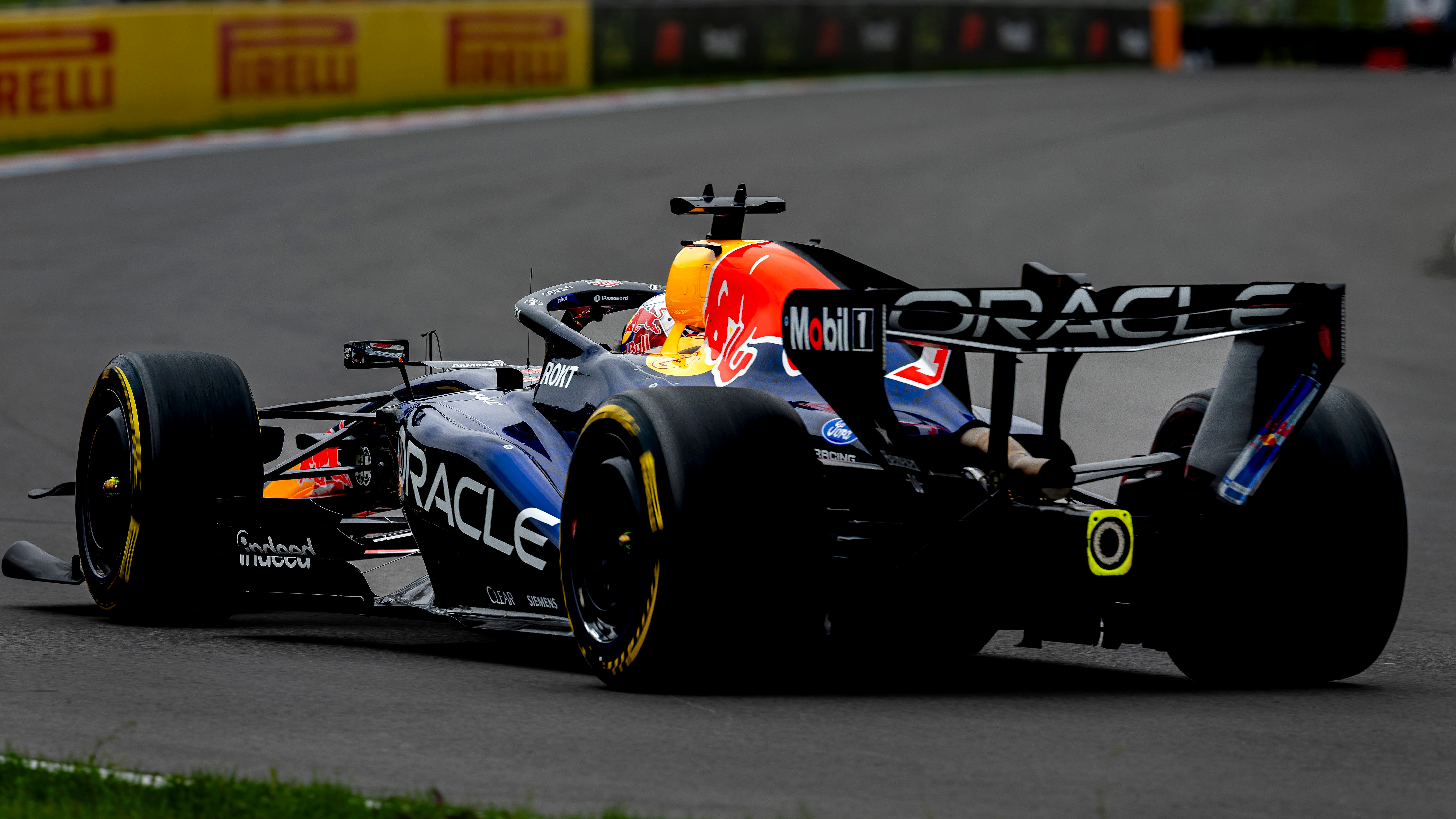
"We are probably a bit more flexible and independent [on a future change]. We don't have the background history, which we are quite excited about, going about the new challenge."
Highlighted to Mekies America's love affair with the V8, he replied: "There is a V8 in the Ford Mustang I'm lucky to drive every day in Milton Keynes, so we may have an early start, actually."
Wolff was even more pointed, welcoming the proposal with open arms. "From a Mercedes standpoint, we are open to new engine regulations. We love V8s. It has only great memories." He did however make clear that the system would need more electrification than the "very, very minor" amount mentioned by Ben Sulayem.
When [new fans] hear the scream of a V8 [...], it will be completely different from what they hear today.
Otmar Szafnauer
"How do we give it enough energy from the battery side to not lose connection to the real world?" Wolff questioned. "Because if we swing to 100 per cent combustion, we might look a bit ridiculous in 2031 or 2030.
"So, we need to consider that, make it simpler and make it a mega engine. Maybe we can extract 800 horsepower from the ICE [internal combustion engine], and we put 400 on top of it, or more, in terms of electric energy."
"We are absolutely up for it, as long as those discussions happen in a structured way, and people's considerations are being taken on board.
"We recognise the financial realities of OEMs these days. We don't have it easy, but if it's well planned and executed, we, Mercedes, count us in to come back with a real racing engine."
Ben Sulayem, when pressed, would not be drawn on the technical aspect of the new V8, so it appears there may be negotiations to be held there, instead focusing on what he described as "the mission".
As he noted, "you get the sound, less complexity, lightweight". The system will certainly be considerably less complex, whilst in terms of weight — a major topic in F1 these days — a V8 would likely come in at around 65kg lighter, with all components included.
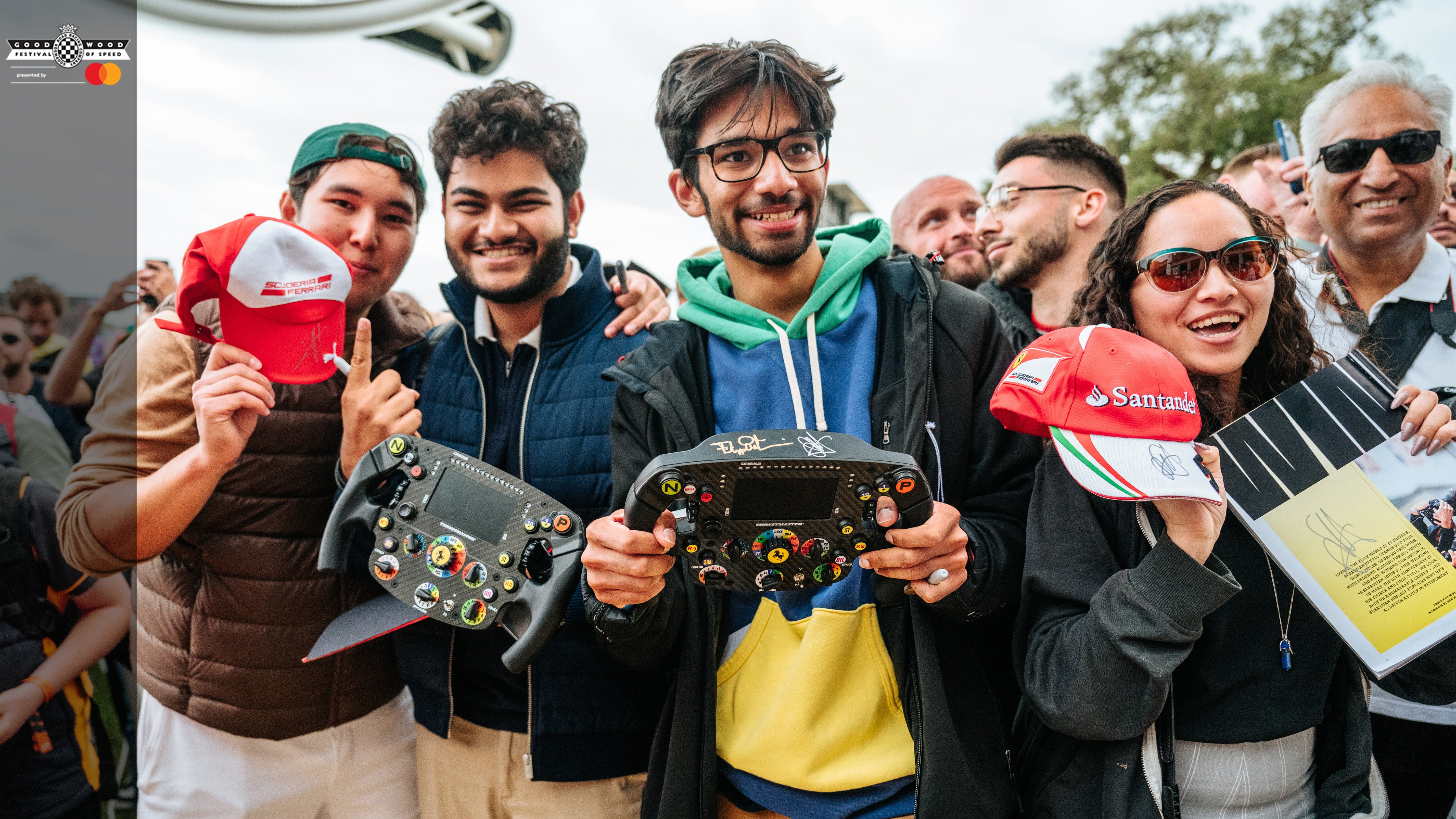
It is the noise factor that will be a major talking point. The sound of a V8 is thrilling, but that was then and this is now, and consider a whole 'Netflix' generation reared on the quieter 1.6-litre V6s. Bear in mind, by 2030 it will have been 17 years since a V8 was heard in F1.
Otmar Szafnauer, former Force India, Racing Point, Aston Martin and Alpine team principal, feels the old-fashioned roar of a V8 may annoy some, but would again add another dimension to F1.
"If it is a naturally-aspirated V8, it brings the noise back, which I think is a big entertainment factor that a lot of the Netflix-generation of fans have never experienced," he said, speaking on the RacingNews365 podcast.
"For those new fans who just discovered Formula 1, when they hear the scream of a V8 at 18, 19, 20,000 [RPM], it will be completely different from what they hear today. I listen to a lot of them say, 'Oh, wow! It [today's engine] is so loud. I'm thinking, 'You have no idea'.
"Once Formula 1 has decided that leading road car technology isn't at its core, that entertainment is more at its core, then V8s would be great. I just don't think the V8s will be leading road car technology.
"But there will come a time where that's going to diverge, especially if road cars become more electrified, because if that's 100 per cent, then you've got Formula E that's leading it, not Formula 1.
"So there will be a transition, and for me, why not 2030 or 2031 to transition from being road car technology-led to more entertainment?"
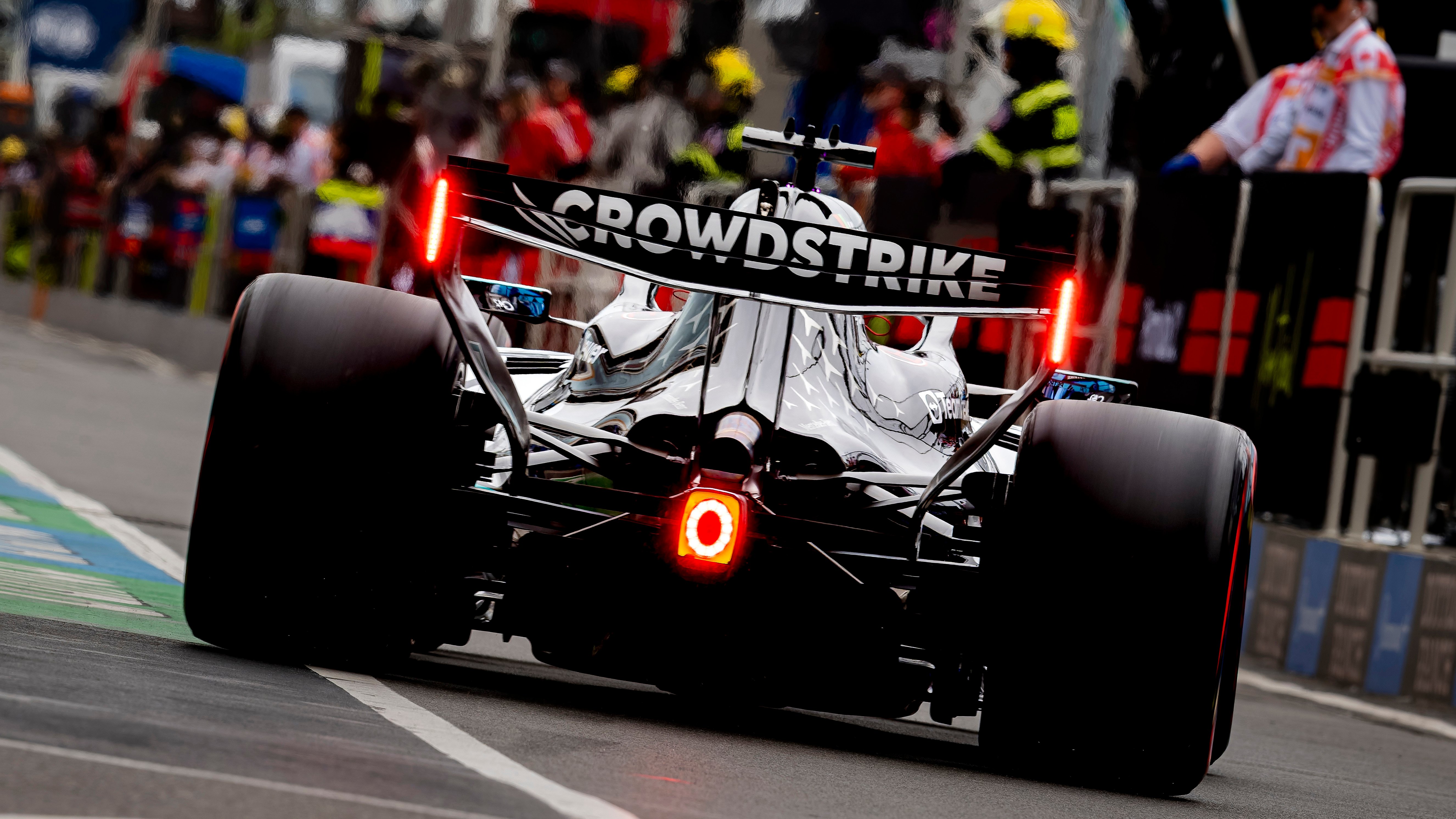
It is a controversial point given F1 has always prided itself on being the pinnacle of technology. However, since the takeover of current owners Liberty Media in 2017, the entertainment factor has become so much more important.
And for the manufacturers, as Ben Sulayem highlighted concerning the V8, "you see it [in road cars] with Ferrari, Mercedes, Audi, Cadillac,” and he has been left in no doubt that "they want it to happen".
It also seems that no matter what happens over the next few months, with a decision needing to be made by the summer to provide enough lead time for a potential 2030 introduction, he will get his way, one way or another.
"Let's say the manufacturers don't [vote for it], then one more year and it will be done," he said. "It's not a matter of, 'Do I need their support?' No, it will be done. V8 is coming.”
Images courtesy of Getty Images.
formula 1
f1
V8
F1 2026
Mohammed Ben Sulayem


Subscribe to Goodwood Road & Racing
Thank you, you’re now subscribed

How many hay bales are used at FOS?
For the last two years, 5,800 bales have been recylced into the biomass energy centre to be used for energy generation