Lancia vs. Audi: When worlds collide
Italian red-blooded flair and artistry versus cold German efficiency and technological superiority. Hannu Mikkola, Stig Blomqvist and Michèle Mouton versus Walter Röhrl, Markku Alen and Attilio Bettega. Conniving Machiavellian skullduggery versus the appliance of Vorsprung durch Technik science…
Yes, the 1983 World Rally Championship had it all. As we’ll celebrate with gusto this year under the theme of ‘The Rivals: Epic Racing Duels’ at the 2026 Festival of Speed presented by Mastercard, Lancia versus Audi encapsulated so much more than just two car manufacturers going head-to-head across a season.
These two great automotive names represented different motor racing worlds, almost entirely opposite cultures, and they found themselves on a direct collision course across the WRC’s spectacular special stages 43 years ago.
New versus ‘obsolete’
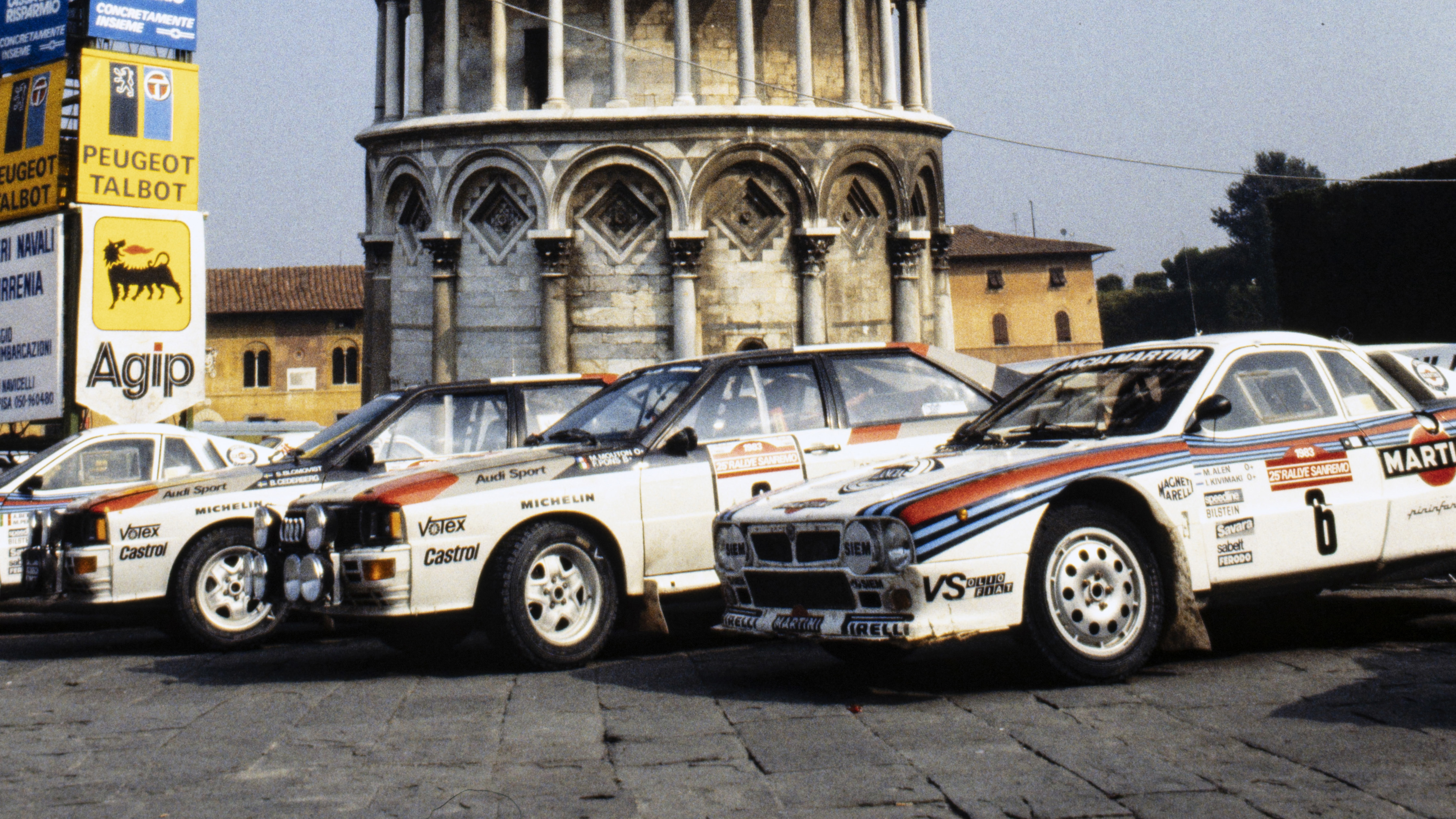
At the heart of this duel was a tension between the irresistible progression of new technology versus tried and trusted tradition: Audi’s four-wheel-drive quattro system butting up against Lancia’s orthodox tail-wagging two-wheel drive. And such was the game-changing success of the former, the latter was soon to be proven obsolete in the WRC. But in 1983, not quite yet.
The Quattro looked heavy and cumbersome, an unlikely rally weapon, when it emerged on the WRC stages in 1981. Four-wheel drive had been pioneered in both Formula 1 and IndyCar during the 1960s, but the weight of an extra driven axle and added complexity had overcome the gains of promised extra grip, especially once designers started to brew the new elixir of downforce via aerofoils. Four-wheel-drive was a dead end, wasn’t it? Not on the special stages, and with a properly funded and well-engineered programme, as Audi would prove oh so conclusively.
Three wins in 1981 and a further seven in 1982, leading Audi to a first Manufacturers’ crown, was conclusive proof. This was the new world order. But somewhat obstinately, Lancia refused to accept the revolution playing out in its midst, as the company’s charismatic sports boss Cesare Fiorio stuck to his guns.
A veteran of 1970s glory with first the wedge-shaped Stratos and subsequently Fiat’s boxy 131, Fiorio had faith in a new and stunning supercar that looked better suited to the race track than special stage. The Lancia 037 was a pearl, especially in Martini’s evocative blue and red stripes. But surely it belonged somewhere in the previous decade in the face of the shock-and-awe might of Audi’s Quattro.
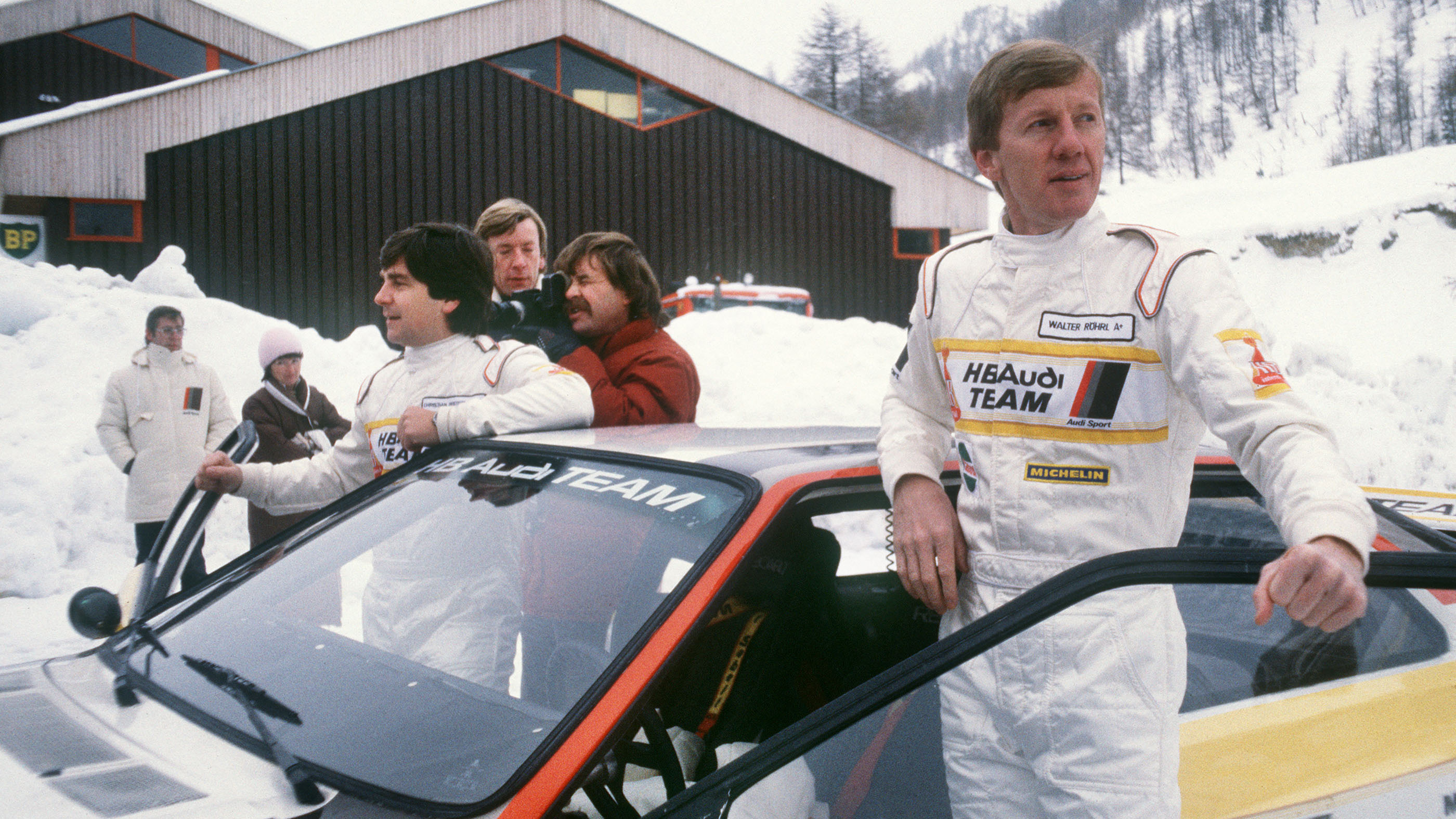
Walter Röhrl and team-mate Christian Geistdorfer ahead of the Monte Carlo Rally, January 1983.
Image credit: Getty ImagesFiorio’s not-so-secret weapon
Undeterred, Fiorio plotted his campaign for 1983, and landed a scoop, in the craggy-faced beanpole shape of a driver still considered among the finest to ever twirl a rally car: Walter Röhrl.
German he might have been, but there was no love lost between Röhrl and the management at Audi. Still, for Fiorio too this would prove an awkward alliance. Twice a World Champion, first in a 131 in 1980 and then in defiance of Audi’s superiority with an Opel Ascona in 1982, Röhrl had absolutely nothing to prove — and he had no interest at all in chasing a third WRC title.
Still, having fallen out with Opel sports boss Tony Fall he needed to drive something, and it wasn’t going to be an Audi. But the new deal was strictly on his own specific terms. He would only rally when he wanted to and refused to tackle a complete campaign.
Years later, Röhrl would admit his attitude was “strange”, although there seemed little regret at his obstinate disinterest in chasing more titles. “I wanted to show that I was the best and then stop,” he said, reflecting on his career. “After 1980, [co-driver] Christian [Geistdörfer] said to me ‘you must be crazy to stop now, we are World Champions. For the first time we can earn money!’ I told him ‘I don’t do it for money, I do it just for me. I only want to know for myself if I’m good, and out in the forest at night it’s the right place for me’.”
Still, he struck a bargain with Fiorio. He would join Lancia in 1983 and contribute to the Italian manufacturer’s audacious bid to beat Audi to the Constructors’ crown. A tall order, surely. But with Fiorio pulling the strings in his own special way from the service parks, perhaps it wasn’t quite impossible.
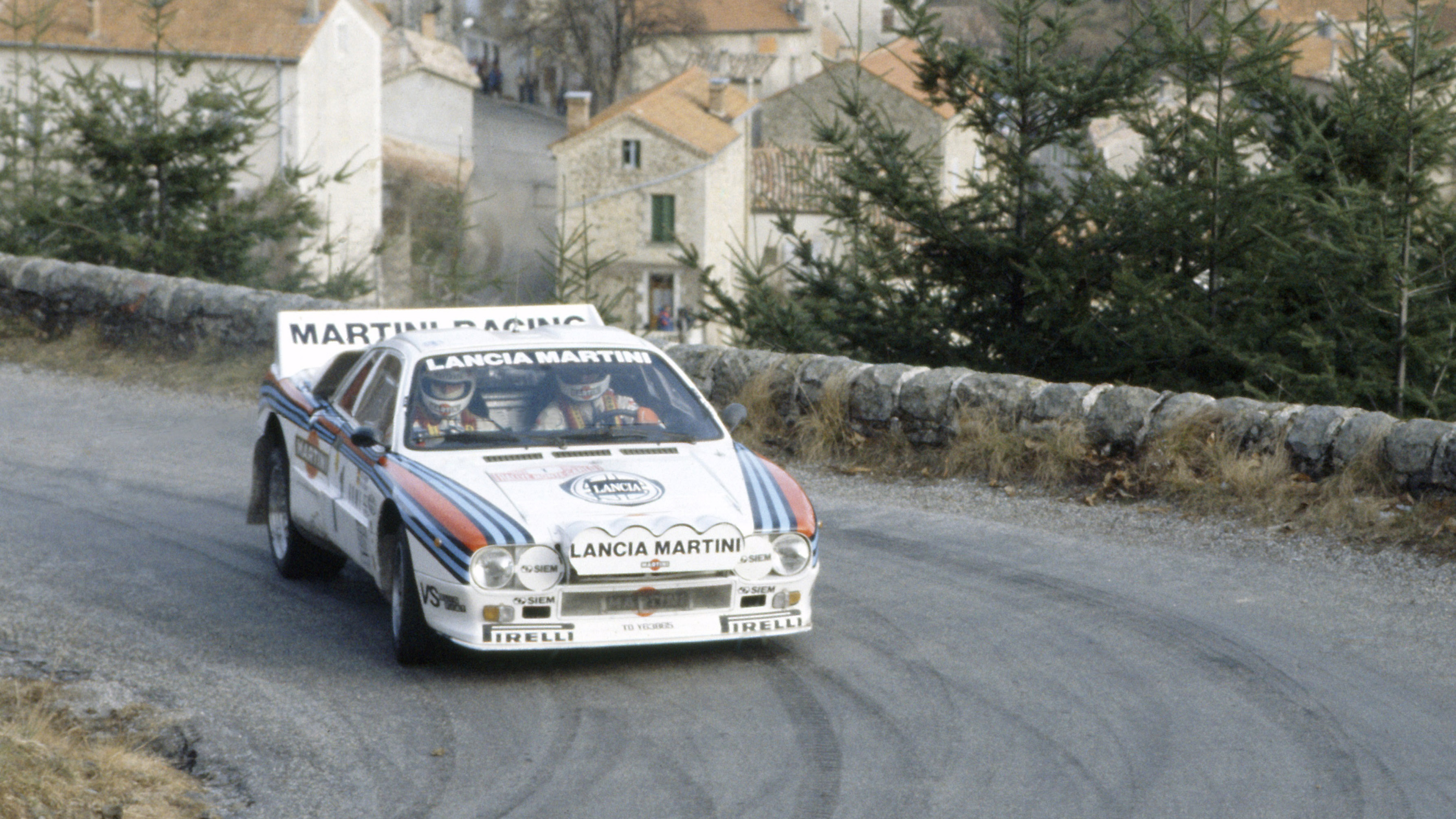
Röhrl and Geistdorfer lead the 1983 Monte Carlo Rally in their Lancia Rally 037.
Image credit: Getty ImagesThe cunning tactics of a Machiavelli
Fiorio set the tone for the season at the opening round. Winning the Monte-Carlo Rally, run in part on snow and ice, seemed an uphill fight with just two rear-driven wheels scrabbling for grip in the wake of the Quattros. So, he called in trucks to drop an estimated 300 tonnes of salt on the slipperiest stages! Not only that, he sowed a seed of doubt in the minds of rally organisers by having it suggested rallying in such conditions was outright dangerous, that snow-covered roads should be cleared before competitors were let loose… Unscrupulous and a touch disingenuous? Certainly. But Fiorio knew too well he was outgunned, so boxing clever was his only hope.
Aided also by the boss’ ingenuous and not illegal wheeze of introducing mid-stage pitstops to change tyres, Röhrl conquered the Monte for a third time in four years. First blood to Italy, then.
A see-saw battle
Thereafter, fortune swung between the two makes as the season unfurled. Fiorio was surely right to keep the 037s away from the snow of Rally Sweden — he’d have needed an awful lot more salt to win that one! The Martini cars returned for Portugal, only for Mikkola to win again, and Fiorio again took the pragmatic decision to miss the Safari, where Ari Vatanen got one over the Audis in his Ascona.
Lancia hopes were revived on the Tour de Corse, where Mikkola and Mouton failed to finish and Alén led a glorious 037 1-2-3-4 to become the first Finnish winner in Corsica. Then, against all expectation, Audi’s campaign again hit the rocks on the hot and tough stages of the Acropolis, as Röhrl led Alén to a Lancia 1-2. The Martini cars, supposedly the underdogs, now led the Championship.
Controversy brewed on the fast, flowing stages of New Zealand, where a late entry for Stig Blomqvist was successfully protested by Lancia and he was thrown out after the first leg. An inspired Mouton and Röhrl engaged in a duel for the win, and when the Quattro hit engine trouble another win fell to the 037. Three on the trot? What a turn-up.
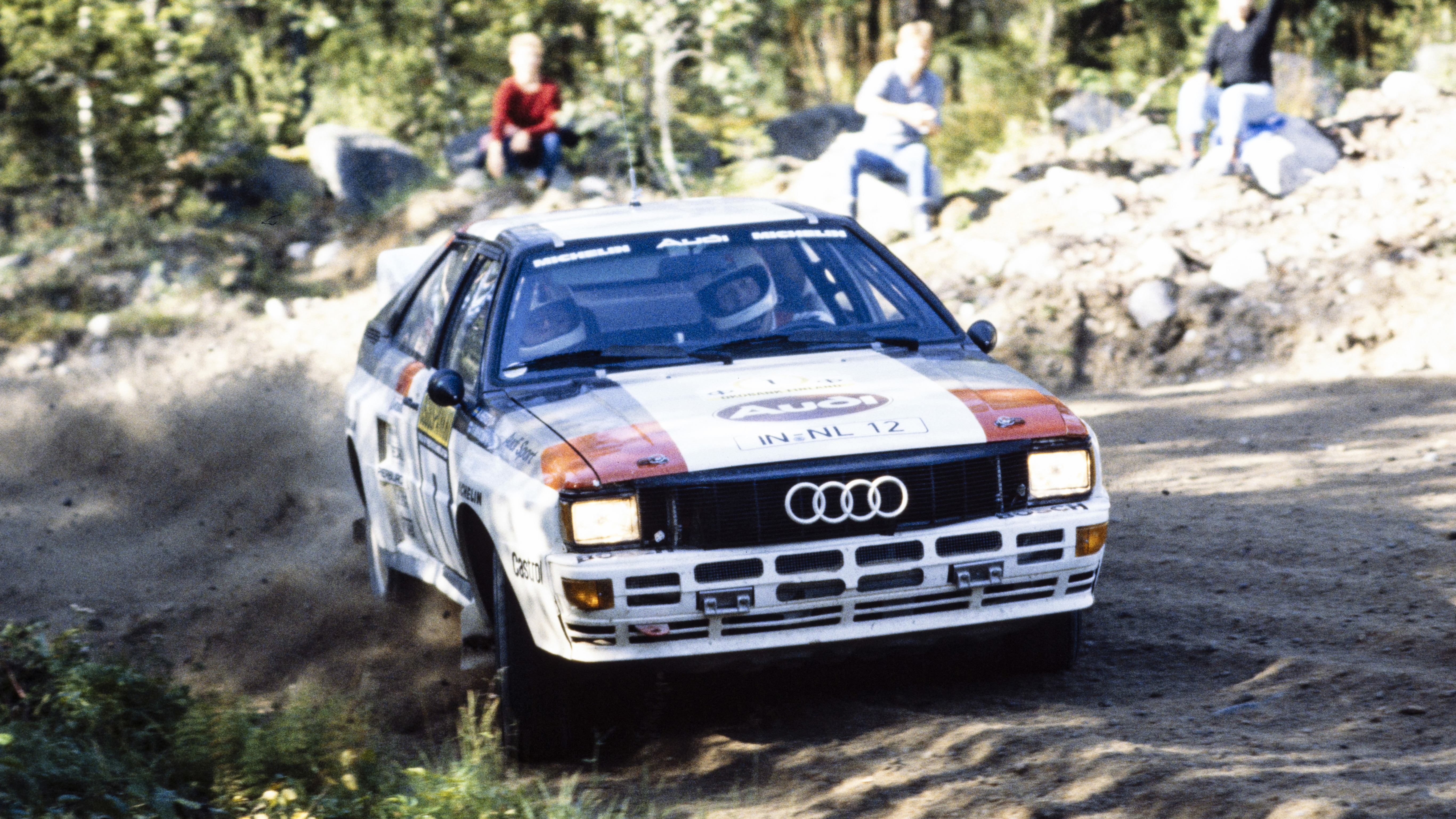
Hannu Mikkola and Arne Hertz drive their Audi Quattro A2 to victory at Rally Finland, August 1983.
Image credit: Getty ImagesAudi hit back with a 1-2-3-4 in Argentina, with Mikkola then leading Blomqvist to a 1-2 on the 1000 Lakes in Finland — an event detested and missed by the recalcitrant Röhrl. Now the Championship headed back south, for the Mediterranean stages in and around Sanremo. Cue Lancia’s date with destiny. A victory for the 037, and the Manufacturers’ title would be heading to Italy.
The perfect cocktail
Three factory Martini 037s plus a battalion of privateers faced off against four Quattros on Sanremo’s mix of asphalt and gravel stages. Wily Fiorio was up to his tricks again, enrolling sweeper trucks to dust the stages, and the Lancias dominated the opening asphalt stage, locking out the top seven positions. But when the rally then hit the dirt, the Audis inevitably began to assert themselves.
A blown supercharger for Röhrl set him back, but in the face of Audi’s pace Alén clung on to the rally lead as it reached Siena. The chase was on as Mouton, Blomqvist and Mikkola stalked their prey, desperate to take back the lead before the rally returned to the hard asphalt surfaces for the finale. But in two stages, Audi’s hopes were destroyed. Mikkola’s Quattro was burnt out at the roadside, while Mouton’s engine went sick.
As Alén led the field away from Pisa, back on a hard surface and heading into the mountains, Röhrl had recovered to run third. But his charge was thwarted by a penalty for starting a stage too early. Both Blomqvist and Vatanen crashed on the last night, and as the rally swept back down to Sanremo and the finish, Alén led Röhrl and Bettega to a glorious Lancia 1-2-3. Emphatically, the World Championship had been won.
David had beaten Goliath.
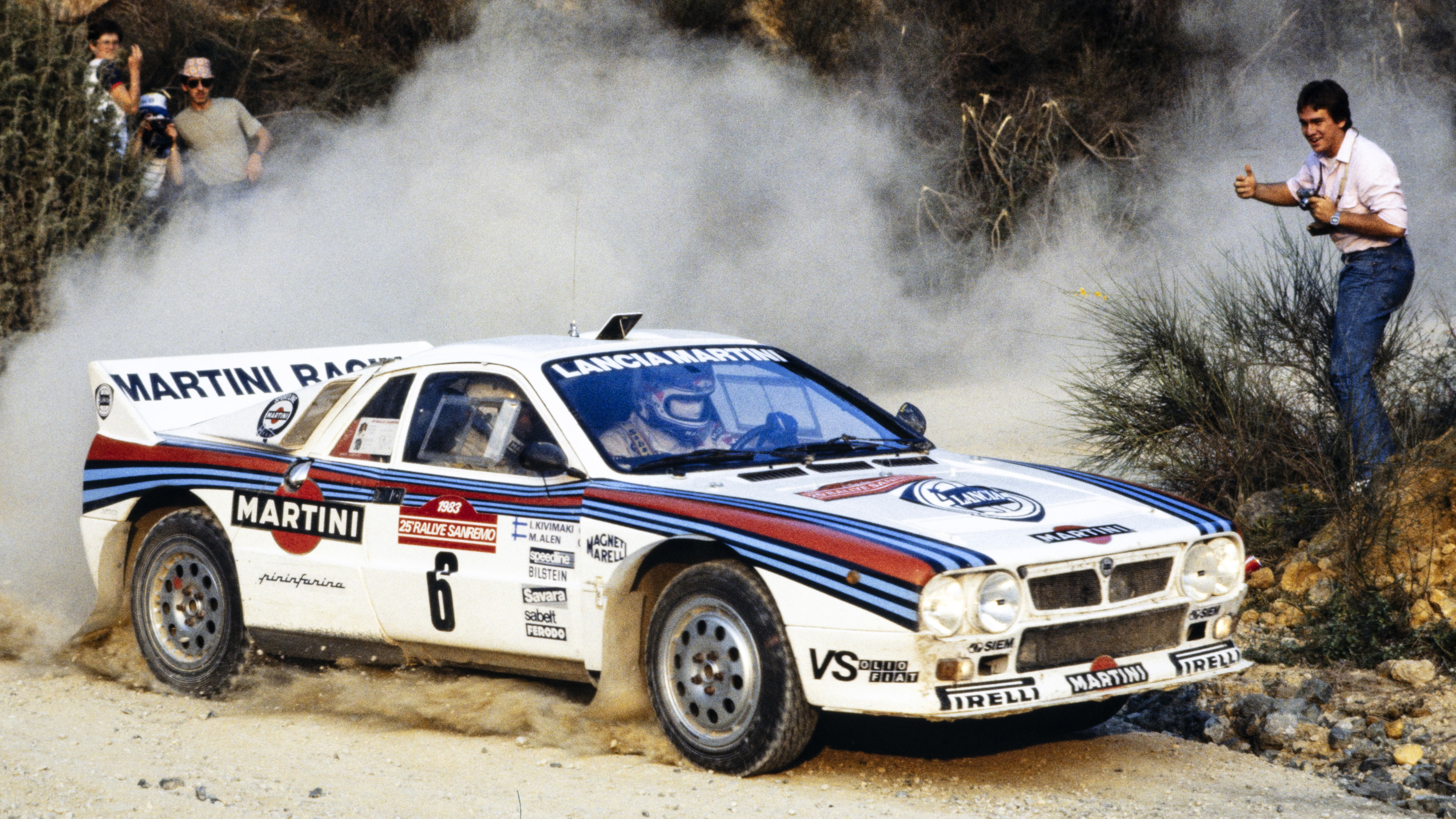
Markku Alén and Ilkka Kivimäki thrill spectators at the 1983 Sanremo Rally, on their way to sealing the World Championship for Lancia.
Image credit: Getty ImagesPostscript for Mikkola
For Fiorio, job done. With two rounds left of the 1983 WRC, but only Britain’s RAC counting for Manufacturer points, the factory Lancias departed the scene. That left Mikkola with an open goal for the Drivers’ title. A second place on the Ivory Coast and another on the RAC secured him what would be his only World Championship.
The Finn had won four rallies that season, so it would be unfair to say he hadn’t earned his crown. And yet there was Röhrl, second in the points with victories on the Monte, in Greece and New Zealand. The third title was on, yet still he turned his back on it.
“World Championships didn’t mean much to me,” he’d always claim. “In 1983, I was lying second in the World Championship by three points, from six rallies. Everybody said, ‘you must do one rally more’. But I said no, I don’t want to be Champion. It doesn’t give me anything.”
Infuriating? Only if you judge greatness by trophies. To Röhrl they were mere trinkets.
The following year, Audi turned the screw to comfortably avenge its 1983 defeat, with Blomqvist beating Mikkola to the Drivers’ Championship. And Röhrl switched sides, making an uneasy truce with the Audi management and won another Monte first time out in a Quattro! What a hero.
Fiorio’s scheming and utter determination to defy the four-wheel-drive revolution still inspire today. In 2024, an Italian-made movie Race for Glory: Audi vs Lancia brought the 1983 story to the silver screen. But as is so often the case with racing movies, fact beats the supposedly enhanced fictional version every time. It’s still one of the best team rivalries in motorsport.
Tickets for the Festival of Speed are now on sale. Saturday and four-day passes are now limited and Friday tickets are selling fast. If you’re not already part of the GRRC, joining the Fellowship means you can save ten per cent on your 2026 tickets and grandstand passes, as well as enjoy a whole host of other on-event perks.
Main image courtesy of Getty Images.
race
historic
festival of speed
fos 2026
the rivals
lancia
audi
037
Quattro