Le Mans ’65 is the real Hollywood-worthy race | Frankel’s Insight
 Andrew Frankel
What did you make of the film Le Mans ‘66? The 60th anniversary of Ford beating Ferrari at the world’s greatest race will be celebrated at the Festival of Speed presented by Mastercard and the Revival this year, and quite right, too.
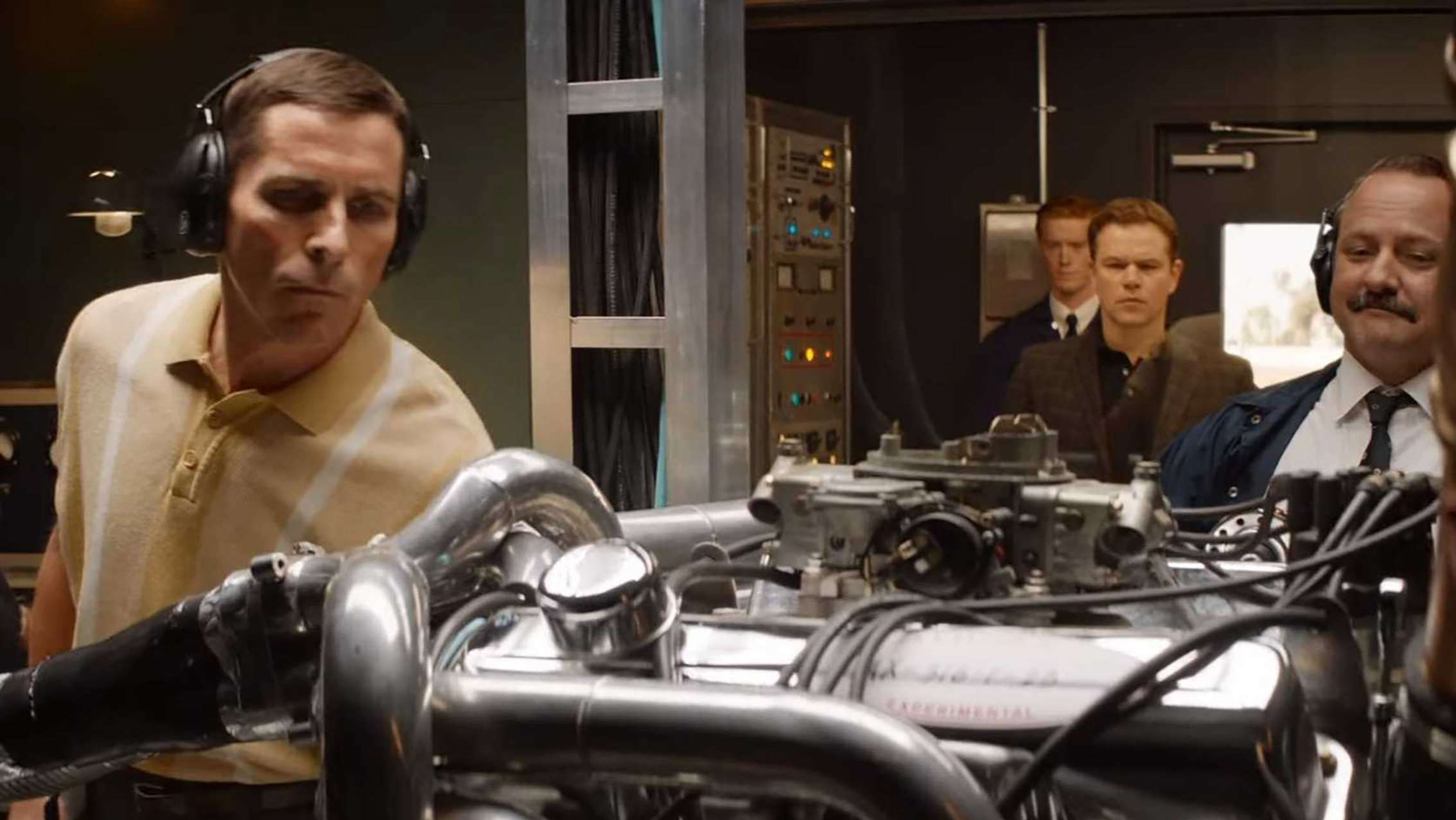
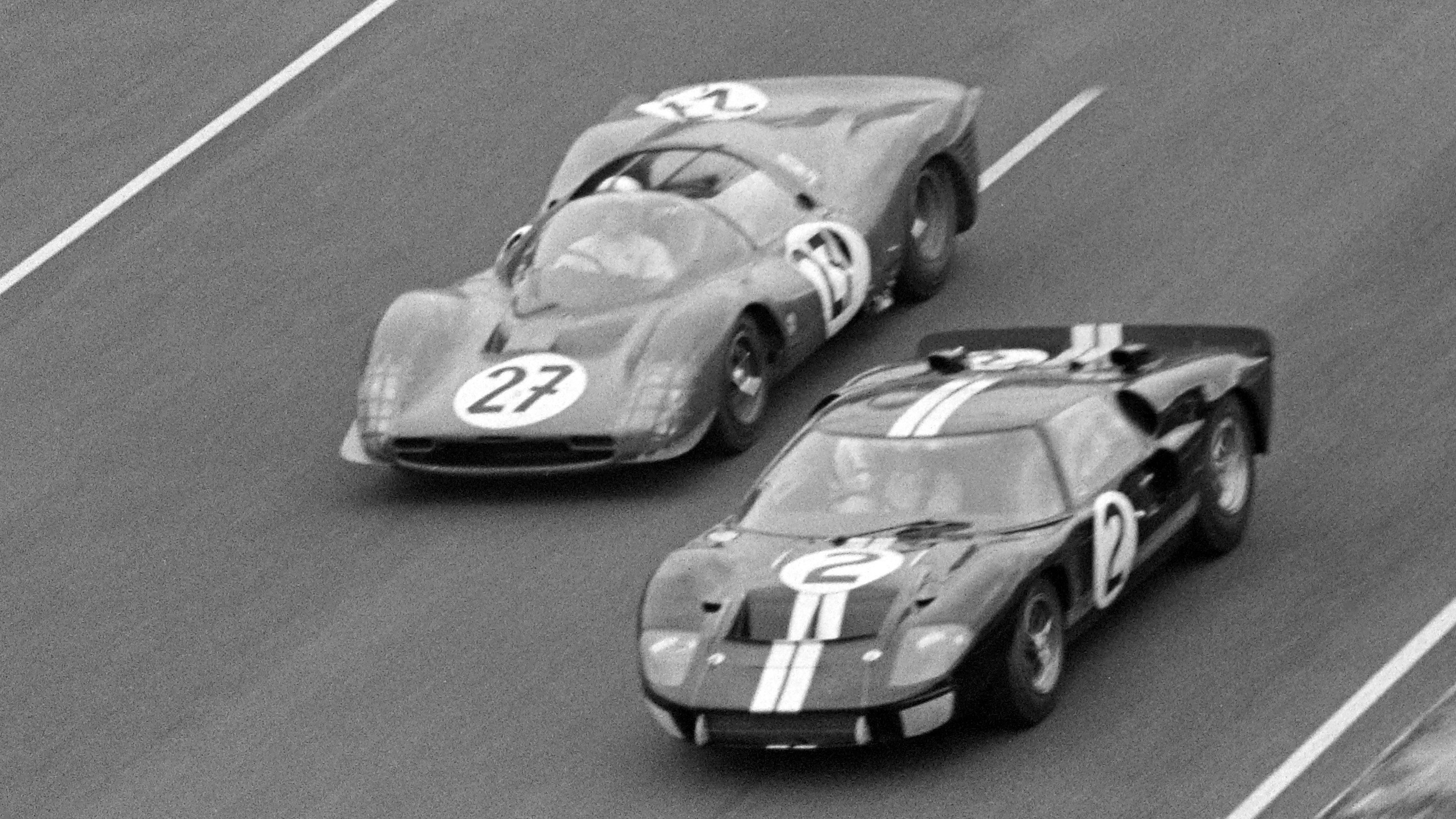
I have mixed feelings about the film. There’s much about it that grates, including its many, massive and clearly deliberate inaccuracies. Shelby was never on fire at Le Mans — it was Salvadori at Goodwood. Enzo Ferrari did not attend the race, Fiat didn’t buy Ferrari until 1969, Lee Iacocca was not instrumental in taking Ford to Le Mans, Ken Miles not only attended Le Mans in ’65 but raced there and the film elects simply not even to mention the GT40’s first, disastrous outing there in 1964. And the portrayal of Leo Beebe as the cardboard cut-out baddie was partial to put it mildly.
But the fact it brought Ken Miles to the world’s notice meant I could forgive almost everything else, and Christian Bale’s portrayal of this superb driver should be remembered as one of the greatest performances never even to be nominated for an Oscar.
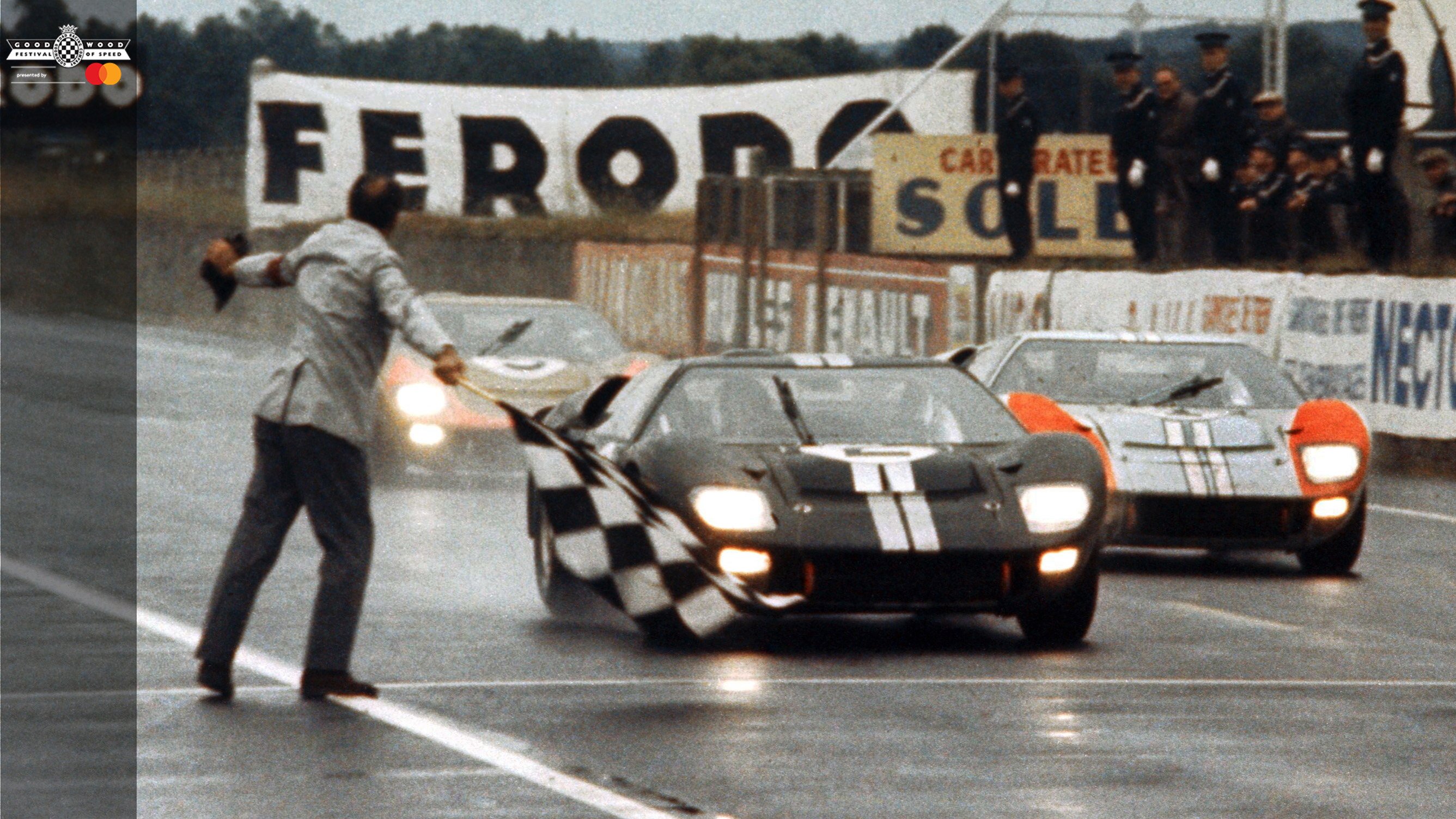
I understand, too, why the filmmakers chose that race for its genuine historical significance, and the climax, where Miles is denied the victory he so richly deserved (and which would have made him the first man to claim the sportscar triple crown — Le Mans, Daytona, Sebring — in the same year) is bang on accurate. But actually? Last lap inter-team shenanigans aside, 1966 wasn’t a classic Le Mans by any stretch.
The 4-litre Ferraris never had the legs of the 7-litre Fords, nor indeed the reliability, and the two Fords that crossed the line side by side in an attempt to stage-manage a tie did so having covered 21 laps more than the first non-Ford car home, the Porsche 906 in fourth place. That’s 175 miles.
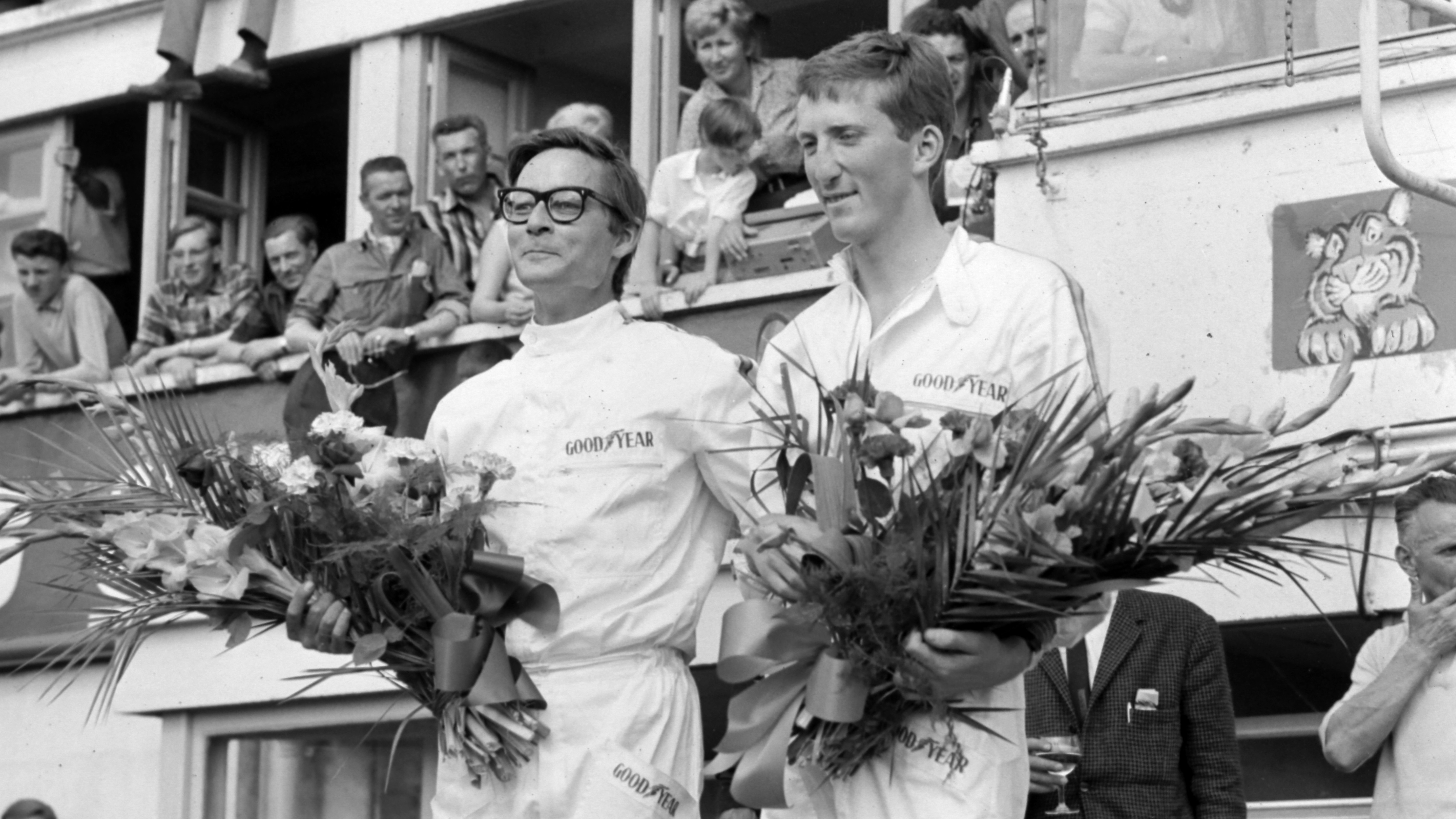
Masten Gregory and Jochen Rindt won the 1965 Le Mans driving a privateer Ferrari 250LM.
Image credit: Getty Images.But really? If they’d wanted to tell a truly great Le Mans story from a racing point of view, they’d not have had far to look. Because Le Mans ’65 was one of the strangest races ever run anywhere. It was won by a hopelessly uncompetitive car, driven by two people who didn’t want to be there and who won despite the best efforts of the car’s manufacturer to stop them. Oh, and someone else might have secretly had a go during the night, too.
It’s a very long story and this is quite a short column but essentially, we see two men, Masten Gregory and Jochen Rindt — men at either ends of their careers — driving a Ferrari 250LM entered privately by Luigi Chinetti’s North American Racing Team. Against the works Ferraris and Fords it was way off the pace; in qualifying it managed 11th place, some 12 seconds off the pole time, which if extrapolated over the duration of the race would place it over an hour behind at the finish.
They then lost half an hour at the start to a misfire, eventually traced to a faulty condenser. Mere hired hands in a car with no hope of coming anywhere meaningful even if it ran perfectly, Messrs Rindt and Gregory decided to drive the wheels off it. If it kept going it would at least be fun, if it broke, they’d get an early beer.
It kept going. And going. Meanwhile, all around them the works Ferraris and Ford fell like flies, so much so that, to their utter astonishment, by daybreak on Sunday they were lying second. Better, in the lead was another LM but driven by a far slower, Belgian crew. The bad news was they were still two laps down. So, they got to work.
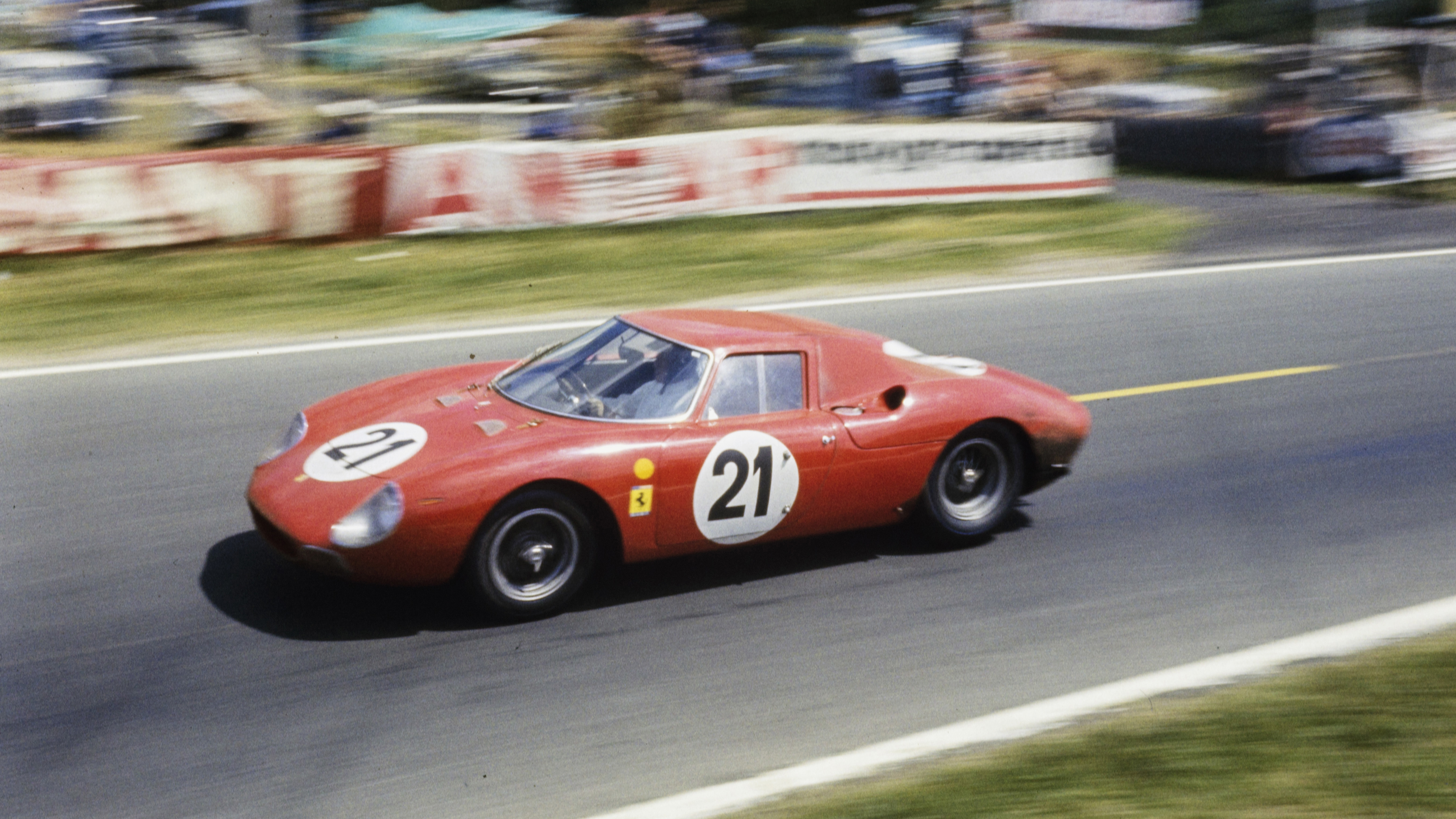
Gregory and Rindt were representing Luigi Chinetti’s North American Racing Team.
Image credit: Getty Images.Which is when Enzo Ferrari tried to stop a Ferrari winning the race. He sent an emissary to tell Chinetti to let the other LM win, because the factory was contracted to Dunlop, which is what the Belgian car wore. By contrast, the NART car was on Goodyears. At that time there was probably only one person in the world who could tell Enzo Ferrari where to go and get away it with it, and that was the man who’d established Ferrari in North America, Luigi Chinetti. He sent the man away with a flea in his ear.
In the end a Belgian Dunlop exploded anyway, so we’ll never know if the NART car would have caught it. It won by five clear laps.
But what of the mystery driver? Legend has it that in the middle of the night the bespectacled Masten Gregory was struggling to see and brought the car in unannounced and Rindt was nowhere to be found. Which is when one Ed Hugus jumped aboard for a sneaky stint.
The story came much later from Hugus himself, who was no random imposter but a fully paid-up member of the NART squad, and the reason it wasn’t mentioned at the time was that it would have spelled instant disqualification because he was not registered to drive that car.
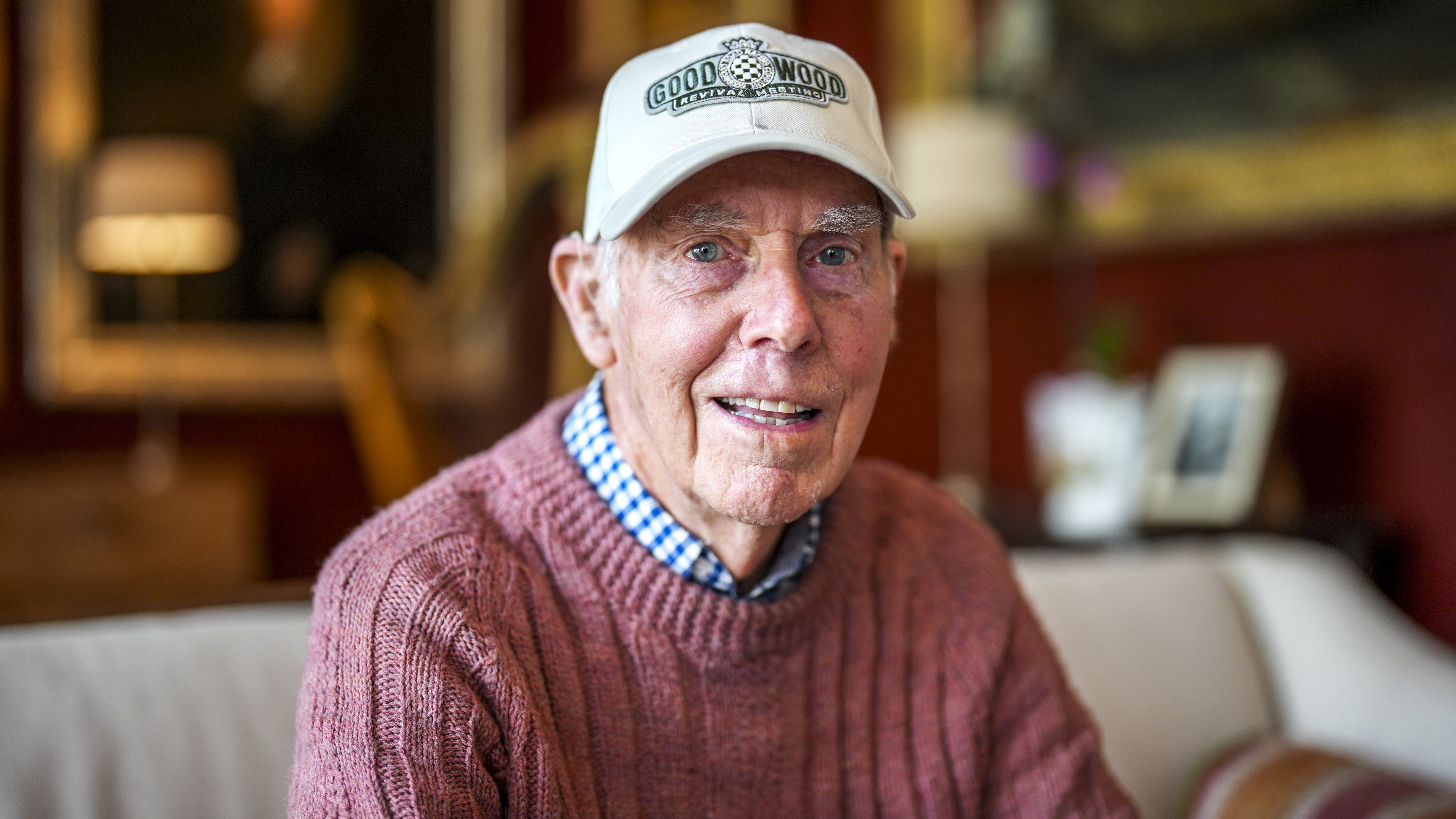
Plenty believed the story; indeed, if you look in Janos Wimpffen’s Time and Two Seats, the most authoritative book ever written on post-war sportscar racing, you’ll see Hugus’ name listed as having driven the winning car.
Did he? I think probably not. Chinetti’s son Coco, who was in the pits that weekend, said he’d have known if it had happened, and our own Doug Nye told me the story was “utter rubbish”, and I feel inclined to take his word for it.
But the makers of Le Mans ’66 never let the likely truth get in the way of telling a good story, so perhaps if someone ever decided to make a Le Mans ’65 prequel good old Ed would be up there on the podium, too, whether he deserved to be or not. Compared to some of the, let’s call it ‘poetic licence’ seen in Le Mans ’66, taking such a liberty would be small beer by comparison.
Tickets for the Festival of Speed and Revival are now on sale. If you’re not already part of the GRRC, joining the Fellowship means you can save ten per cent on your 2026 tickets and grandstand passes, as well as enjoy a whole host of other on-event perks.
race
historic
le mans
Le mans 1966
le mans 1965
ford
ferrari
frankel's insight