The magic of Can-Am and why we still love it
The Canadian-American Challenge Cup. Better known as Can-Am. Is anything more evocative or emotion-stirring than the original big-banger sportscar series that ran across North America for nine glorious seasons between 1966-74?
Can-Am and those glory days will play a suitably raucous and colourful part of Goodwood’s star-spangled Americana Celebration presented by Bank of America at this year’s Festival of Speed presented by Mastercard on the 60th anniversary of the series’ formation.
To get us in the mood, let’s scroll back and remind ourselves why Can-Am was so special, why it remains so beloved — and why the historical connection to Goodwood is so strong, even though the series played out thousands of miles away from West Sussex.
A free world
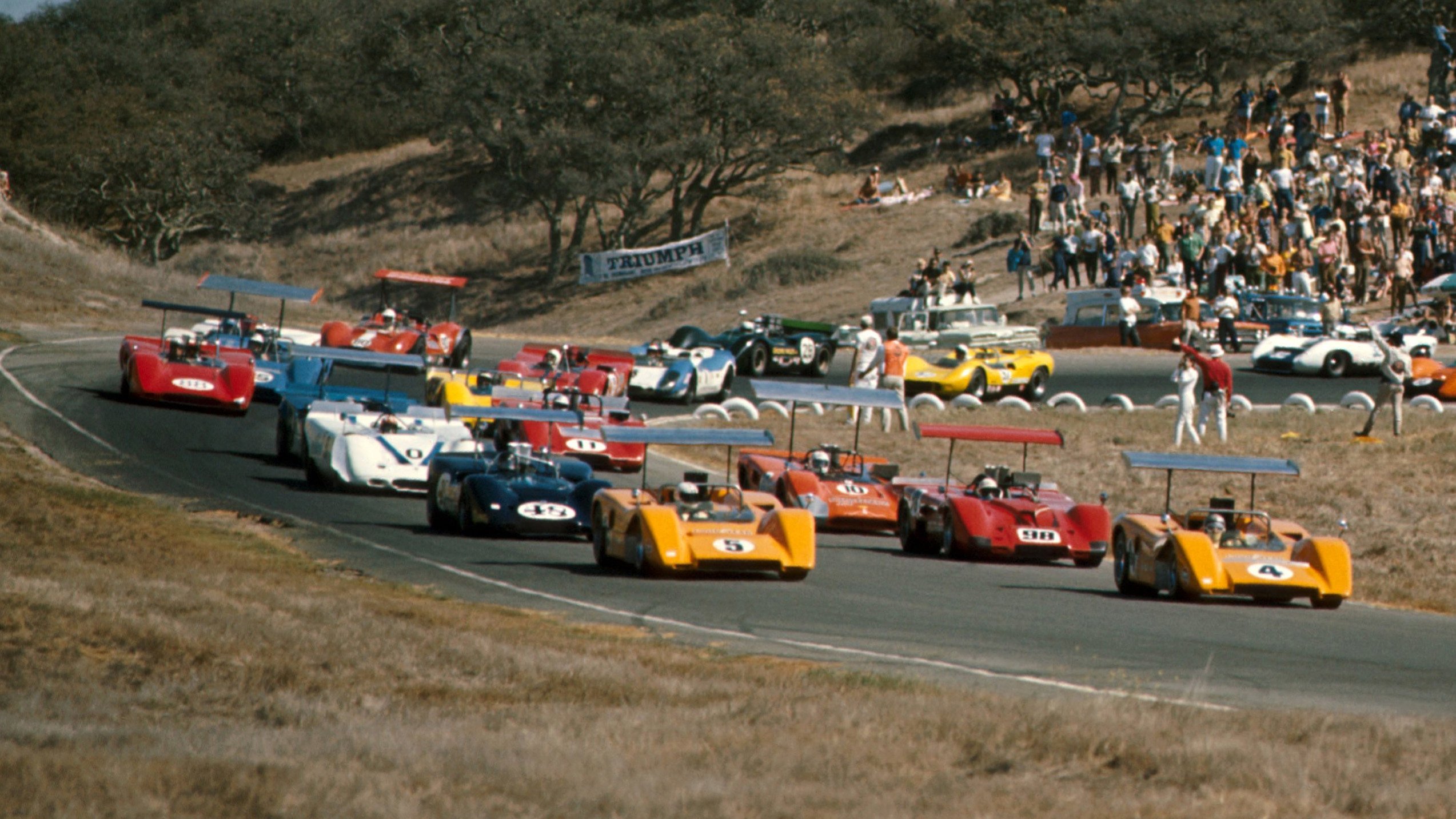
As NASA put men on the moon and the psychedelic 1960s swung into the next decade, Can-Am seemed fully in tune with such heady times. That’s because it was all based on free love, man… Tech regulations were pared to a minimum.
Beyond covered-wheel bodywork and room for a passenger, there were no limits on engine capacity or the use of turbocharging, standard or automatic transmissions, high wings or low wings, whooshing fan cars, bigger tyres or indeed tiny ones.
Such freedom created a breeding ground for innovation and pioneering experimentation. What was officially the Group 7 class of prototype sportscar racing influenced the shape and ideology of racing cars far beyond Can-Am, deep into the 1970s and beyond.
Over the Road
Read more
This was a different world to the carefully controlled and restricting rule books of today, where the proliferation of one-design spec parts has tightened the expressive nature of motorsport. No wonder we look back 60 years ago to a time that still offers a breath of fresh air, in comparison to the tight-leash modern world we live in today.
A nice little earner
Can-Am caught on straight away, from its first season when the Sports Car Club of America and the Canadian Automobile Sport Club began their collaboration to run the series — and it’s all too obvious why. John Surtees won three of the six races in 1966 to be crowned the inaugural Can-Am Champion in a Lola T70, and look what it made him. As Autosport reported, he earned “a fantastic $70,000 — it was better than winning all of the Formula 1 World Championship races of 1966.”
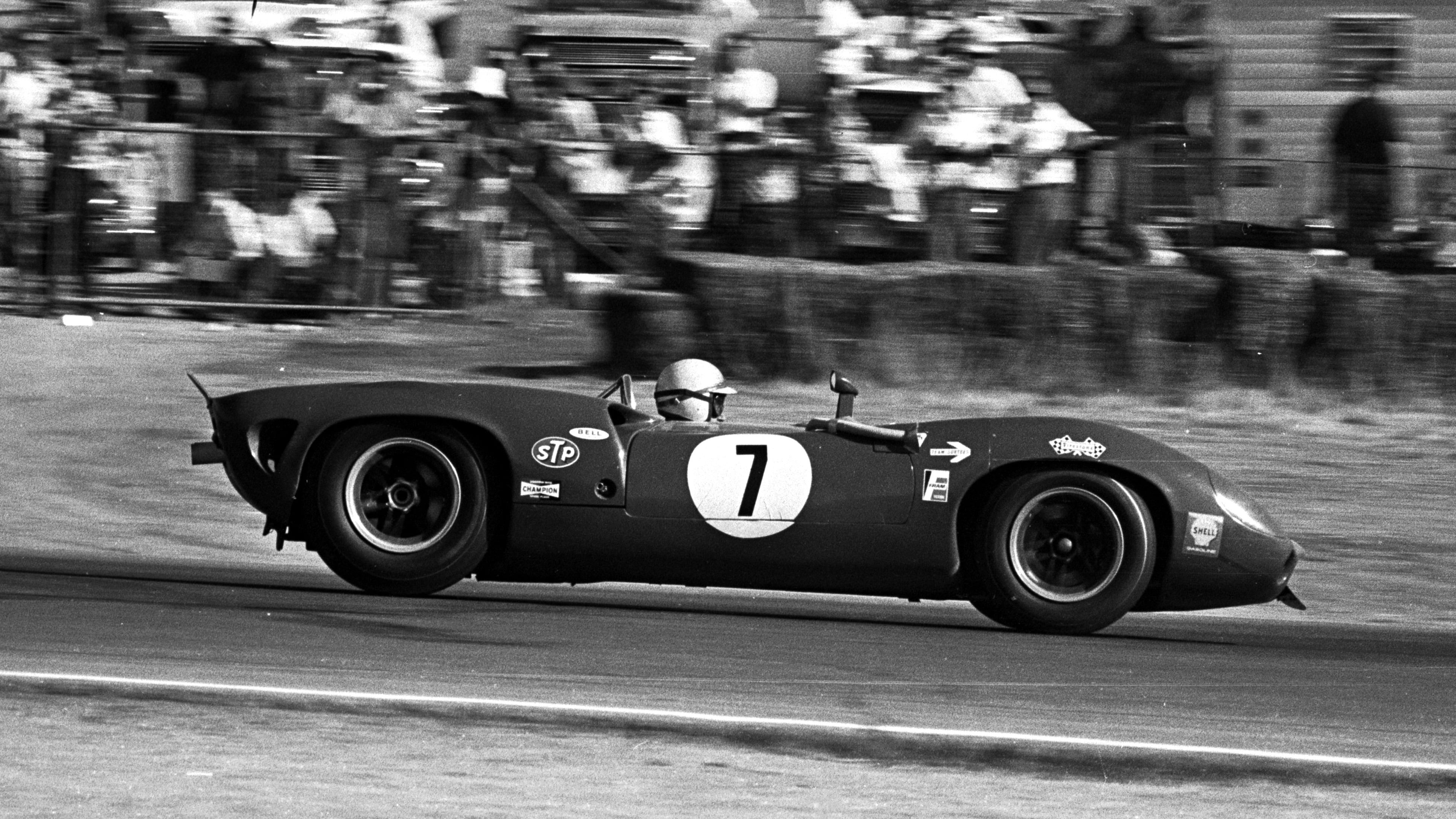
John Surtees' Lola T70 leads the fifth round of the 1966 Can-Am Challenge Cup at Riverside, California, his second win of the season.
Image credit: Getty ImagesCanny scheduling to avoid clashes with the Formula 1 season and time it to complement Grand Prix racing’s American tour opened up Can-Am as an attractive extra revenue stream for professional racing drivers and teams.
In 1966, the Italian Grand Prix at Monza was the final European F1 race on 4th September. A week later, Can-Am kicked off at Mont-Tremblant, with rounds two and three hot on its heels. F1’s American races — the US Grand Prix at Watkins Glen and the Mexican Grand Prix in Mexico City — ran in October, with Riverside’s Can-Am round following straight after.
That Californian race featured a bumper grid of 38 cars, as Surtees saw off Jim Hall’s Chapparal to take the win. As the action wrapped up in Las Vegas in November, it was clear the new series was a big hit.
Great cars, great drivers
Lola, McLaren, Chaparral, Ferrari, Shadow and eventually Porsche flocked to Can-Am, relishing the promise of a blank canvas and all-too-obvious commercial benefits. Note that Can-Am also broke ground as a series that featured a title sponsor: car polish company J Wax, for whom Stirling Moss — never one to miss a money-making opportunity — featured as a front man.
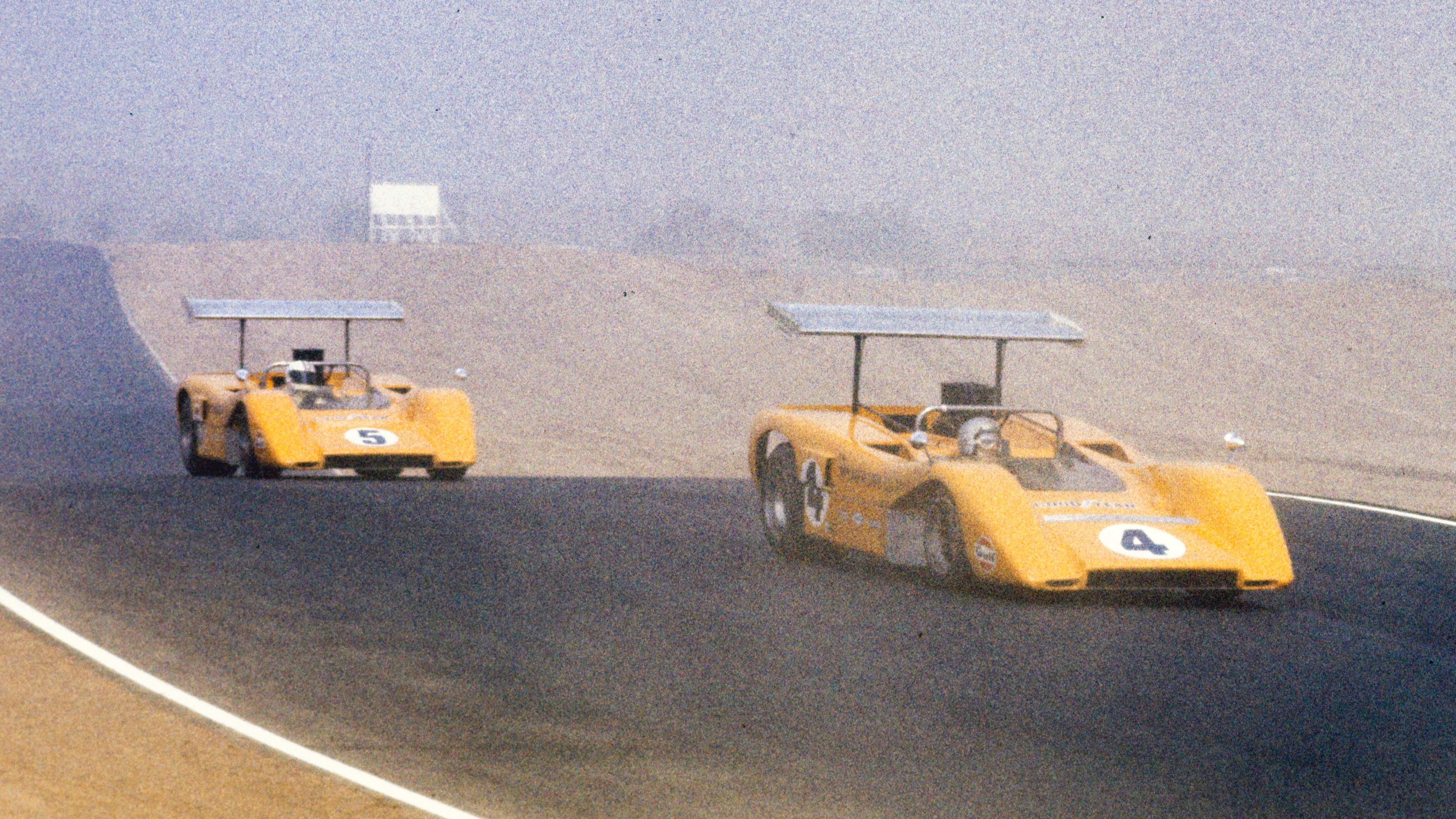
A familiar sight. The McLaren M8B Chevrolets of Bruce McLaren and Denny Hulme lead at Riverside in October 1969.
Image credit: Getty ImagesAfter Surtees and Lola blew the doors off in season one, the McLaren stranglehold on Can-Am began as ‘The Bruce and Denny Show’ swept in. It’s never ideal when one constructor and team comes to dominate, but the sight and sound of the papaya Chevy V8-powered monsters heading grids at fantastic road courses such as Mosport, Bridgehampton, Elkhart Lake, Laguna Seca and the rest was never likely to be considered a form of monotony… Even if they did win 43 times.
Kiwi duo Bruce McLaren and Denny Hulme claimed a pair of titles each, but it was Denny ‘The Bear’ who surely reigned as the king of Can-Am, on 22 race victories. McLaren and Mark Donohue were next-best on nine.
But look who else was pulled in. Not only the F1 stars from Europe, but also IndyCar heroes such as Mario Andretti, AJ Foyt and Parnelli Jones. Then in terms of race winners, there was George Foller (six, and Champion in 1972), Peter Revson (five, and Champion in 1971), Jackie Oliver (four, and Champion in 1974), Dan Gurney (three), Jackie Stewart (two), plus Peter Gethin, François Cevert, Phil Hill and more. In other words, most of the best drivers of the era got in on the act.
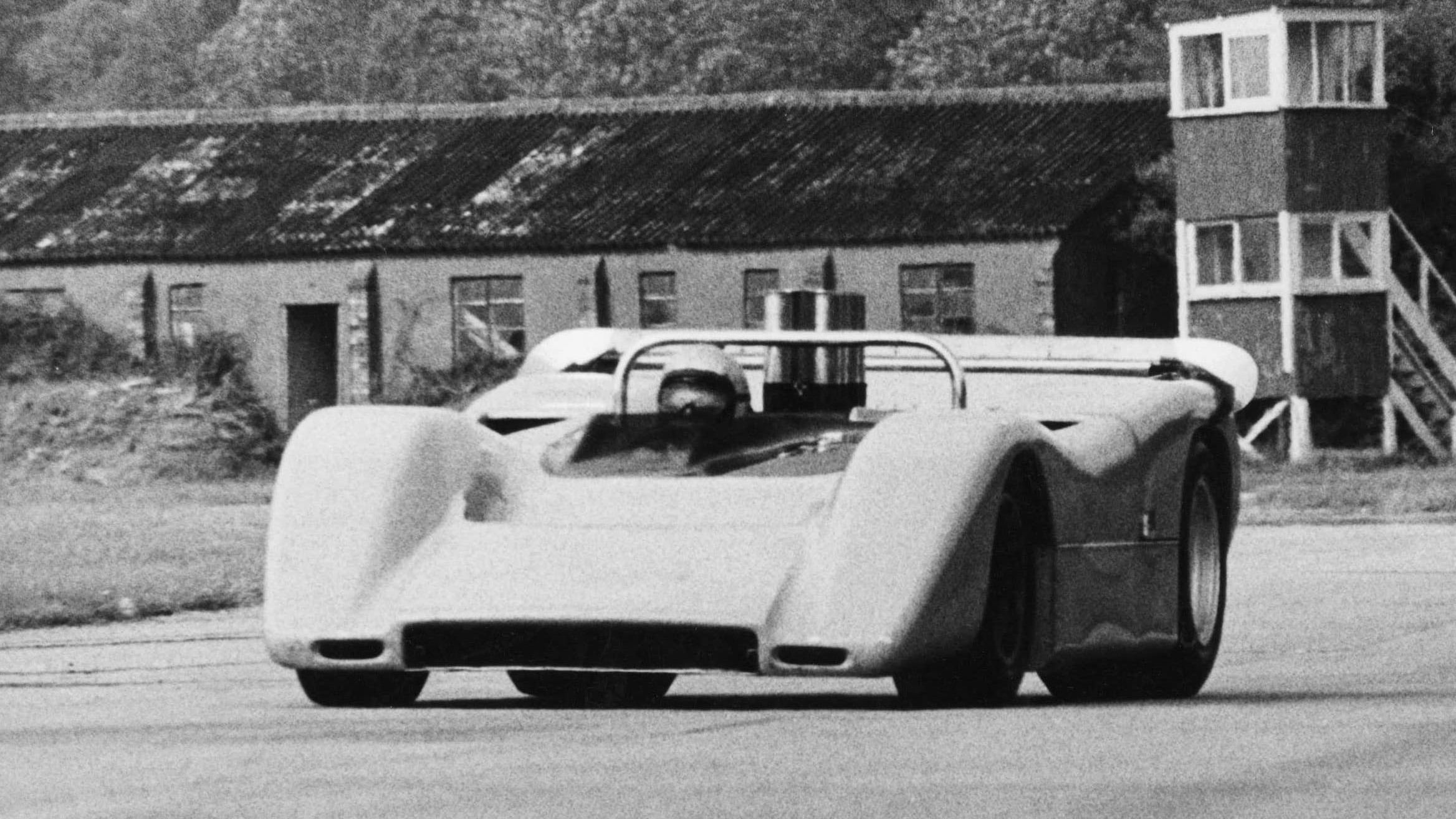
Goodwood served as a testing ground for new Can-Am developments. Here Bruce McLaren tests the McLaren M8A-Chevrolet.
Image credit: Getty ImagesGoodwood’s Can-Am connections
On the other side of the Atlantic, Goodwood still managed to play a major part in the Can-Am yarn, even though it was closed as a race circuit before the series even began.
The West Sussex track held its last period race meeting in 1966, but the fact that so many British-based teams and constructors dived in and thrived in Can-Am meant Goodwood remained a useful proving ground for newly minted Group 7 sportscars before they were shipped to the Americas.
Beyond the 1960s and through the following two decades, Goodwood was still relevant as a perfect (and quiet) place to shake down racing cars. But it would be remiss if we didn’t mention the most obvious and deeply tragic association with Can-Am — for it was at Goodwood that Bruce McLaren lost his life while testing his new M8D in June 1970.
On a happier note, Can-Am-era sports racers became a staple element of the Goodwood Revival once racing returned to the venue from 1998. Indeed, such is their power, the Whitsun Trophy is usually the fastest race, given that Lola T70 Spyders and the rest lap quicker than the 1.5-litre F1 cars that line up in the Glover Trophy. Today, Revival visitors get an alluring taste of the shock-and-awe bombast that drew enthusiastic crowds to Can-Am back in the late-1960s and early-70s.
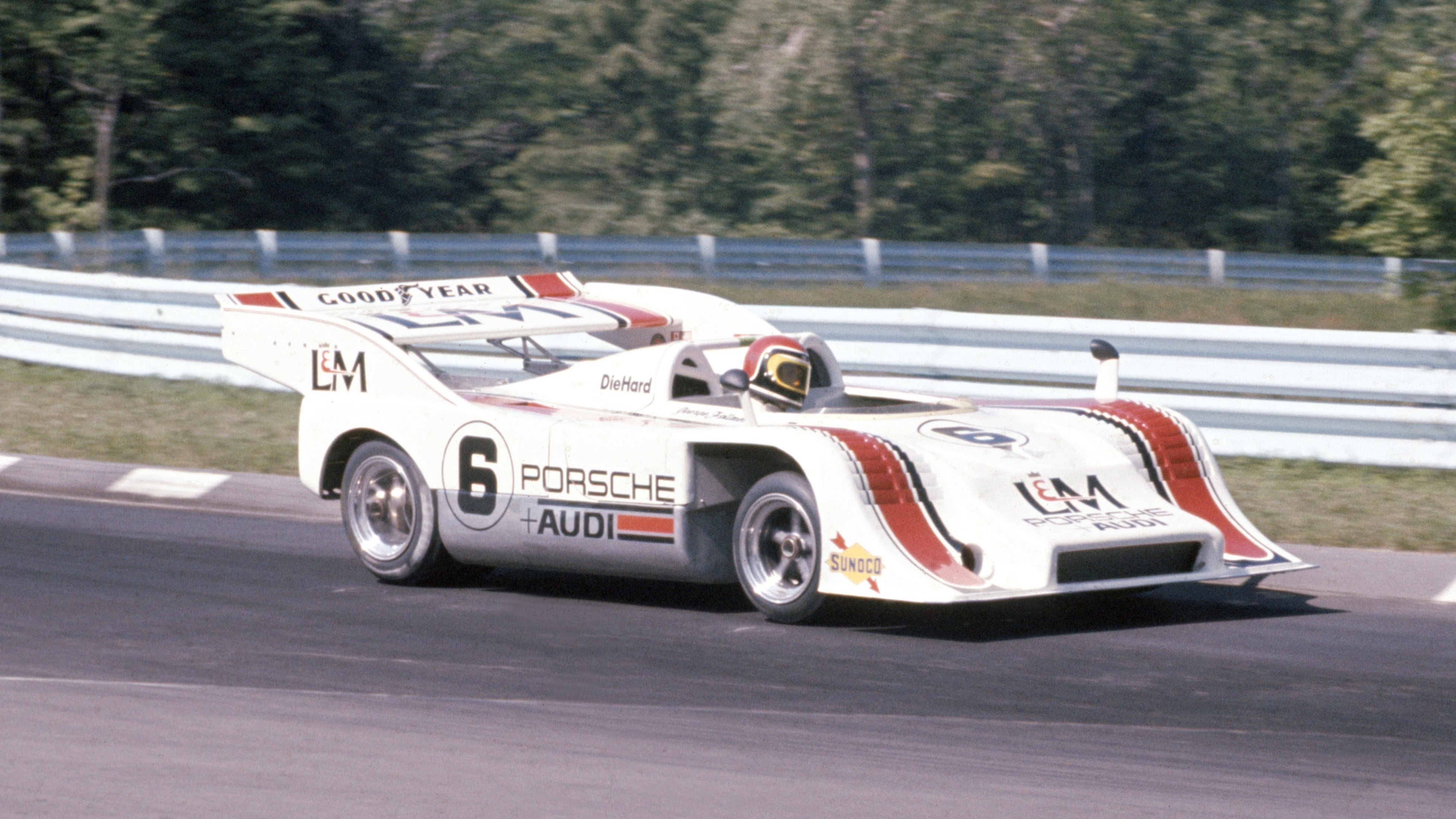
George Follmer races the Porsche 917/10K at Watkins Glen, July 1972.
Image credit: Getty ImagesIt couldn’t last
For all the wealth of talent drawn to Can-Am, the bubble did finally burst. It sounds harsh, but Porsche is largely to blame. The German manufacturer rocked up in 1972 with its shovel-nosed twin-turbocharged 917/10 and promptly changed the game. Turbo-less McLaren withdrew, now without a hope, to focus on the Indianapolis 500 along with its regular F1 programme, leaving Porsche without serious opposition.
The change in regulations that outlawed the 917 from the World Sportscar Championship at the end of 1971 was what triggered Porsche to look west. The transformation of the model’s flat-12 into a turbo-spinning spyder boasting 861PS (634kW) worked a treat, as George Follmer scooped five of the nine rounds.
But that wasn’t enough for Porsche. Extending the capacity to 5.4 litres, the 917/30 was said to have hit as much as 1,520PS (1,119 kW) on occasion in qualifying trim. Mark Donohue tamed the beast as the Penske-run Porsche disappeared up the road in 1973.
After one final season in which Jackie Oliver prevailed for Shadow, the curtain came down. Perhaps you can have too much of a good thing after all.
Can-Am was later re-born via Formula 5000 cars in sportscar clothing, but it just wasn’t the same. Instead, the first 1966-74 iteration has remained the benchmark for no-limits, pure-bred, big-bang-for-your-buck motorsport. There’s little else that comes close to Can-Am in its pomp.
Tickets for the Festival of Speed are limited. Friday, Saturday and four-day passes are now sold out and Thursday tickets are selling fast. If you’re not already part of the GRRC, joining the Fellowship means you can save ten per cent on your 2026 tickets and grandstand passes, as well as enjoy a whole host of other on-event perks.
Main image courtesy of Getty Images.
race
historic
Can-Am
americana celebration