The other Maserati at the 1940 Indy 500
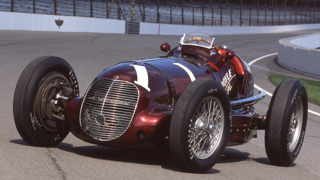
Wilbur Shaw and his Maserati 8CTF ‘Boyle Special’ secured their places in motorsport legend with a second consecutive victory at the Indianapolis 500 in 1940, but there were two other 8CTFs at that year’s event, run by a team with quite the story of its own.
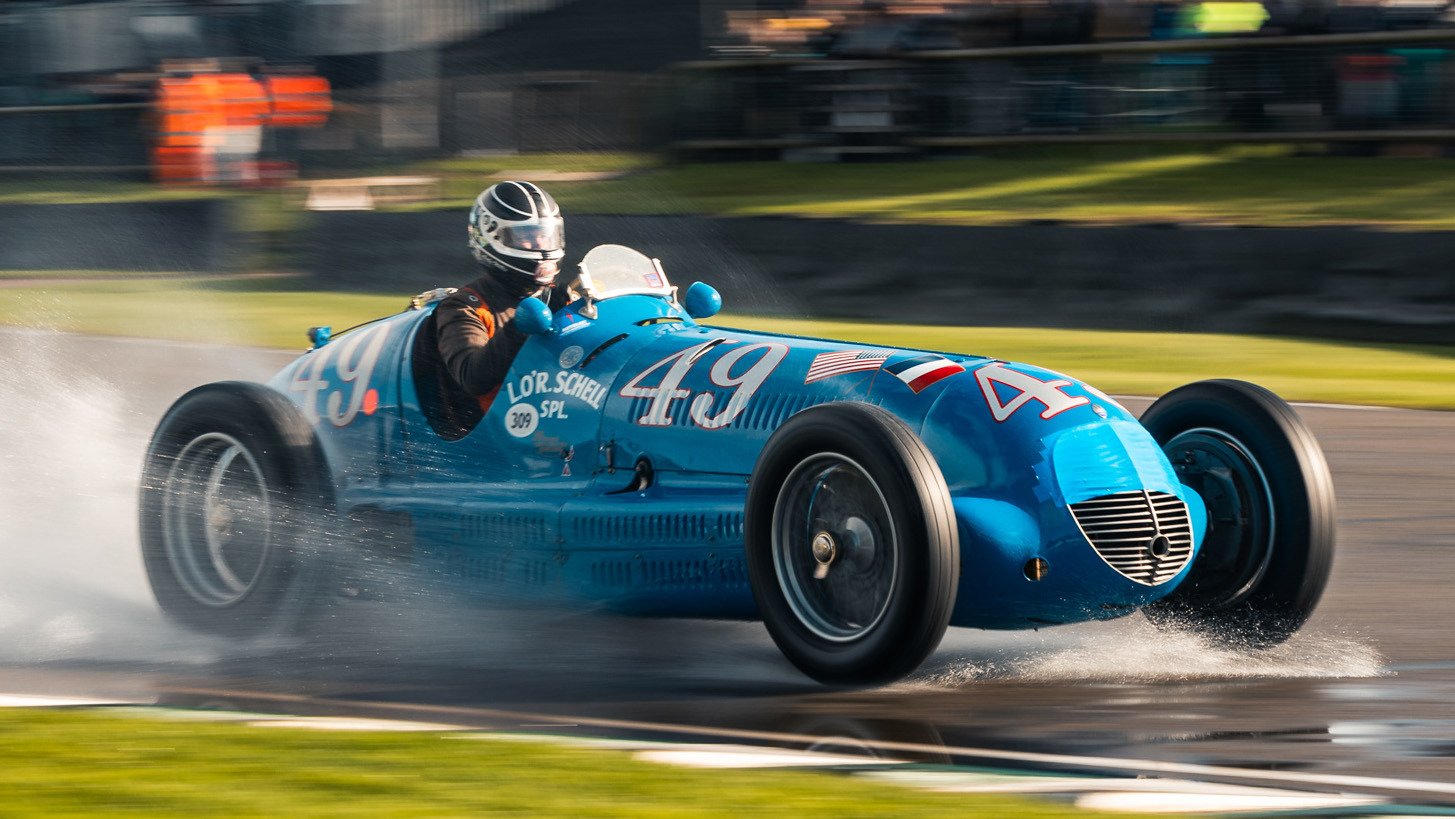
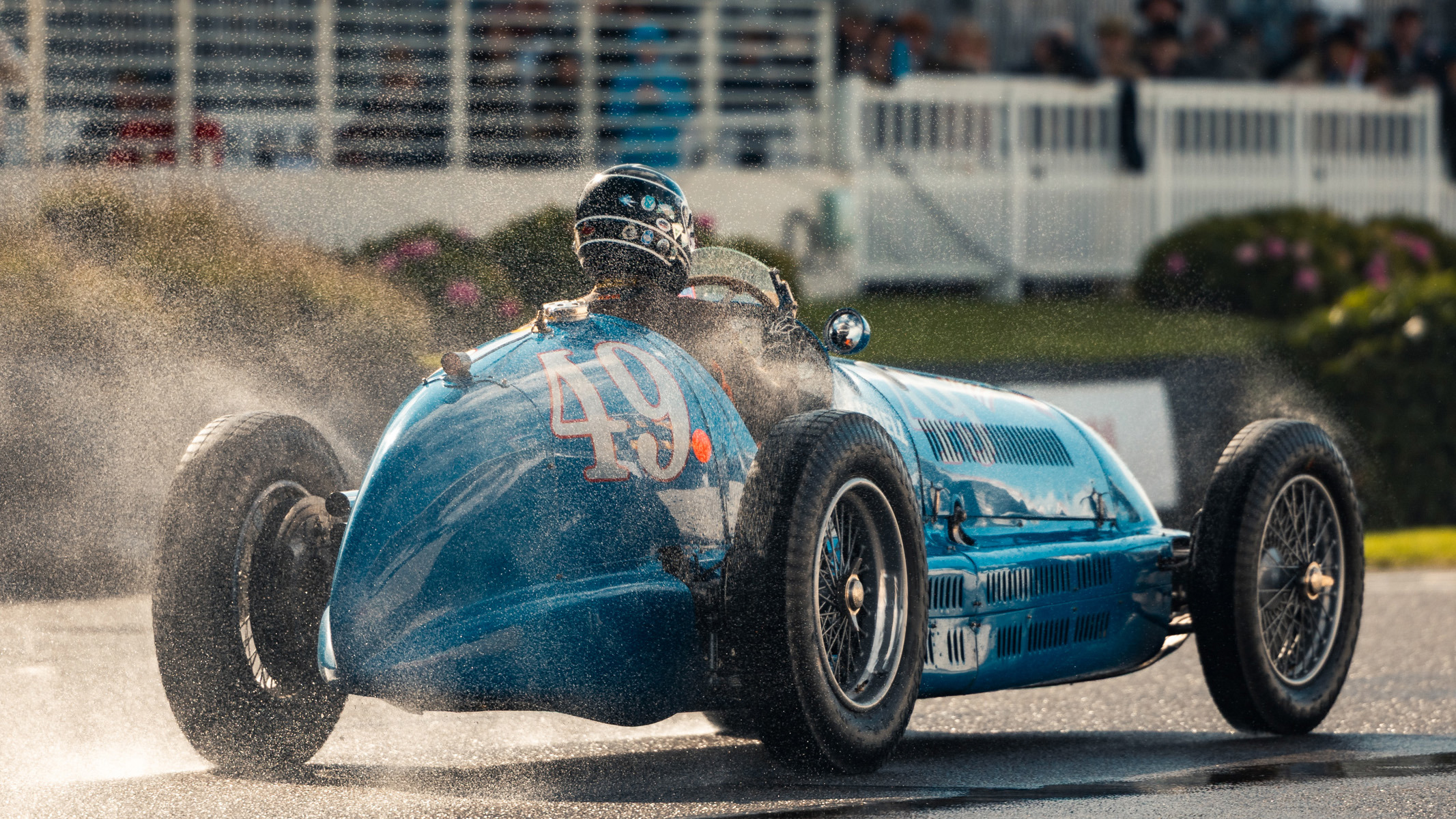
Adorned in an eye-catching French Blue livery, chassis 3030 and 3031 were run by Écurie Bleue, the team owned by Lucy O’Reily Schell.
O’Reily Schell made her own history in 1927 as the first woman to compete in an international Grand Prix — the Grand Prix de la Baule — and the first to set up her own team. After a period of effectively operating as the Delahaye works outfit, Écurie Bleue purchased two Maserati 8CTFs in 1939.
The 8CTF was developed following the cash injection that came from Adolfo Orsi’s acquisition of the Maserati business. Free from financial restrictions, the Grand Prix racer boasted a supercharged 3.0-litre engine capable of producing in excess of 350PS and a top speed of 180mph.
Three months after the 8CTF became the first Italian car to win at the Brickyard in 1939, Écurie Bleue entered the 1939 Swiss Grand Prix, where René Dreyfus finished eighth behind the titans of Mercedes-Benz and Auto Union, and a new creation from Alfa Romeo, the 158 ‘Alfetta’ that would go on to become a dominant machine all over the world.
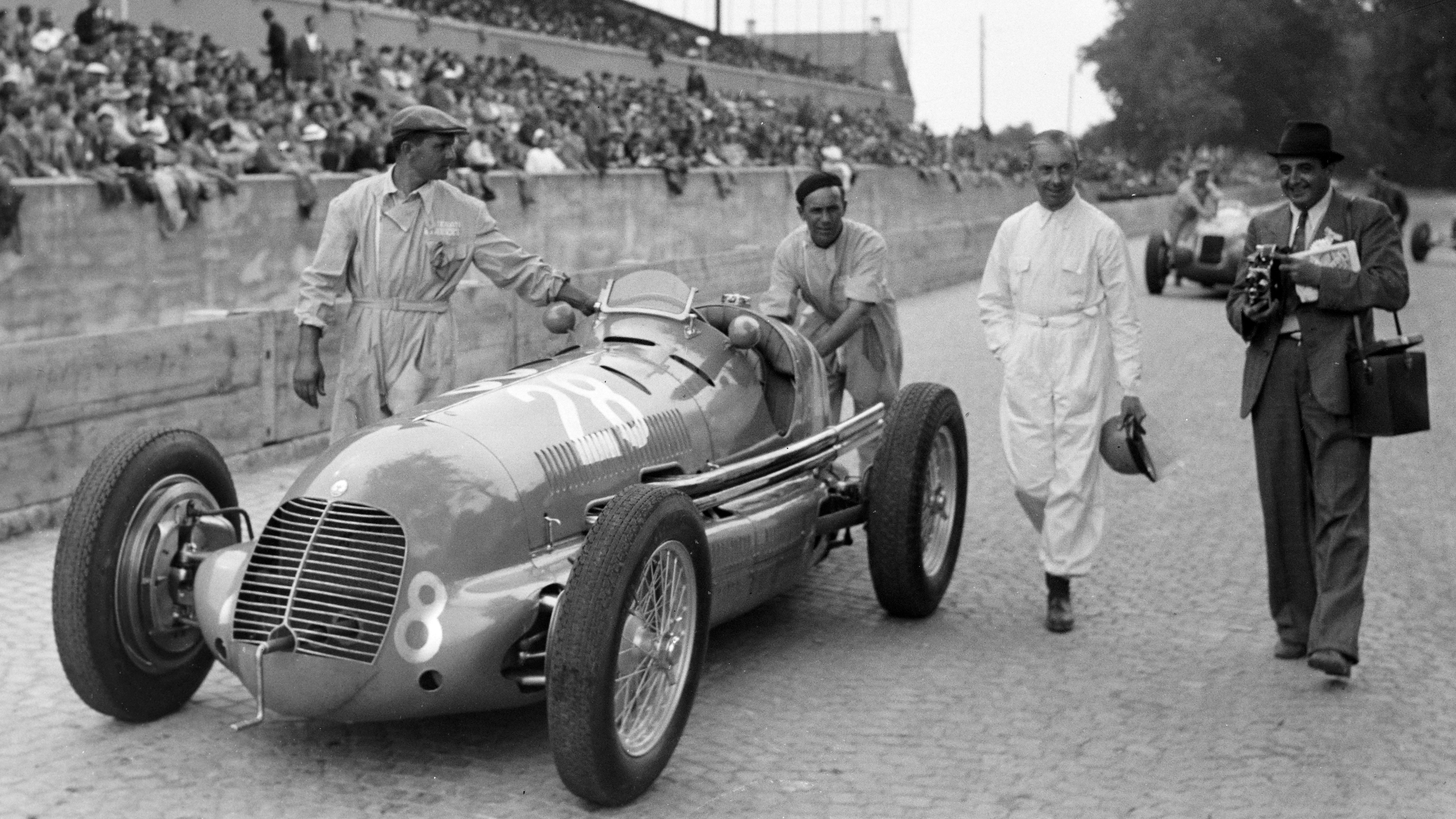
René Dreyfus walks besides his Maserati 8CTF at the Swiss Grand Prix at Bremgarten, August 1939.
Image credit: Getty ImagesBut it was a few years prior to that result in Bremgarten that Dreyfus and Écurie Bleue crossed paths, united by a growing desire to compete with the state-funded German marques. The Frenchman successfully drove an O’Reily Schell-designed Delahaye 145 to the Grand Prix du Million, a one-million-franc prize offered up in 1937 to any French manufacturer whose car could cover 200km at a speed over 91mph. Dreyfus later won the Pau Grand Prix in 1938 in the same car, besting the Mercedes W154 of Rudolf Caracciola and Hermann Lang to become a hero in his homeland.
Dreyfus’ talents behind the wheel meant that, though he enlisted as a truck driver at the outbreak of World War II, the French government sent him to America to drive at the Indy 500. He was joined on the Écurie Bleue team by countryman René Le Bègue, and while Shaw got ready to take his third victory in Indianapolis, the French pair’s time in the state was slightly less straightforward.
Overall, they were less familiar with the 8CTF than Shaw, as was the case regarding the rules of the Indy 500. That they didn’t speak English, and the partisan crowd had no desire to see a foreign team succeed meant that the odds were stacked against them.
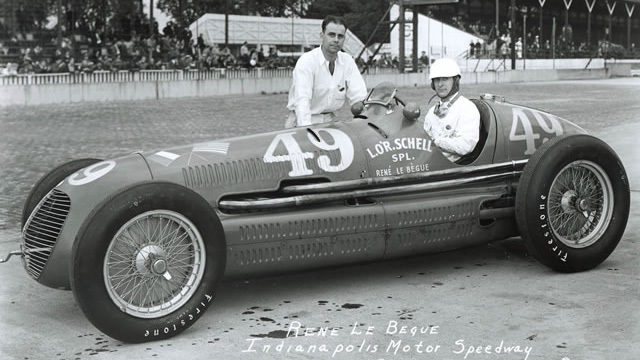
René Le Bègue sits in the O'Reilly Schell 8CTF at the 1940 Indy 500.
Image credit: IndyCarLe Bègue qualified 31st in chassis 3030, while Dreyfus’ car — chassis 3031 — suffered a broken con rod. With one car ruled out, the team were given permission to swap the engine from 3031 into Le Bègue’s car, and for the two to share the drive on race day, each completing two stints of 50 laps.
But that wasn’t the end of the team’s struggle. The car had been mistuned back in France because the mechanics hadn’t considered the lower gearing required for maximum acceleration out of the turns. Yet, despite all of that, the duo finished the race — the only non-American drivers to do so — in tenth place. Such a pioneering achievement is impossible to understate, but Écurie Bleue’s Maserati 8CTF chassis 3030 was ultimately overshadowed by the success of Wilbur Shaw and his history-making 8CTF ‘Boyle Special’.
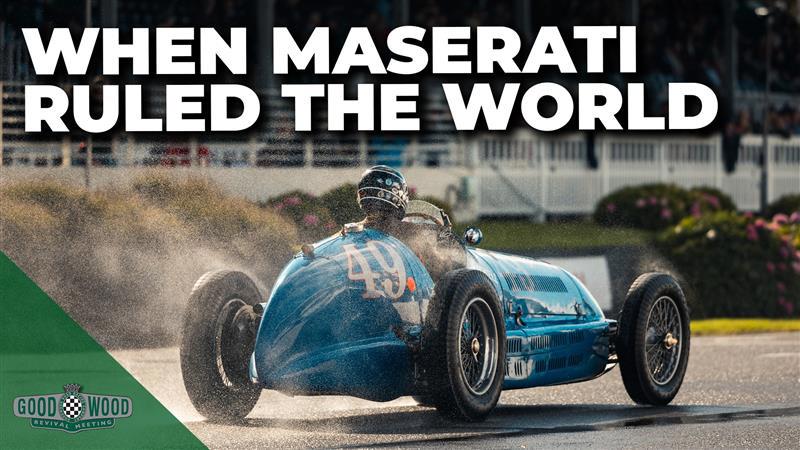
O’Reily Schell sold off the Maseratis after their exploits at the 1940 Indy 500. Chassis 3030 took on a new life as a hillclimber, proving its versatility when Louis Unser drove it to victories at Pikes Peak in 1946 and ’47. Its last race appearance came at Watkins Glen in 1952, the same year that Dreyfus raced at Le Mans for the third and final time.
Dreyfus’ life took a turn after competing at the Brickyard, with the Nazi occupation of France simultaneously occurring in May 1940. He chose to stay in America, and when the country joined the Allied efforts he enlisted in their army. Dreyfus subsequently became a citizen — aided by O’Reily Schell, and then a restaurateur. The venue he established in New York with his brother Maurice, Le Chanticlair, became an unofficial meeting spot for the motorsport community, with later visitors including Phil Hill and Carroll Shelby.
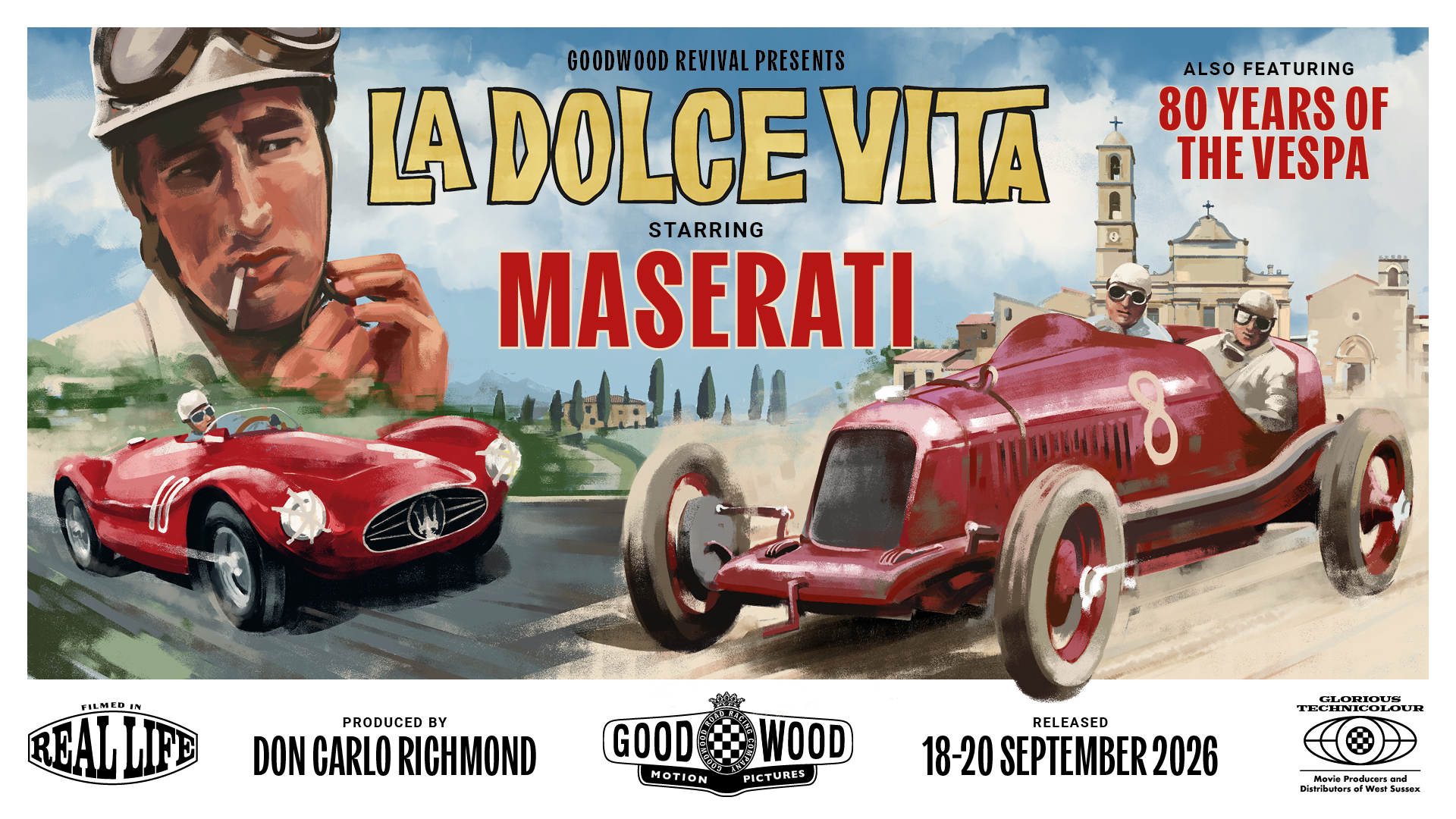
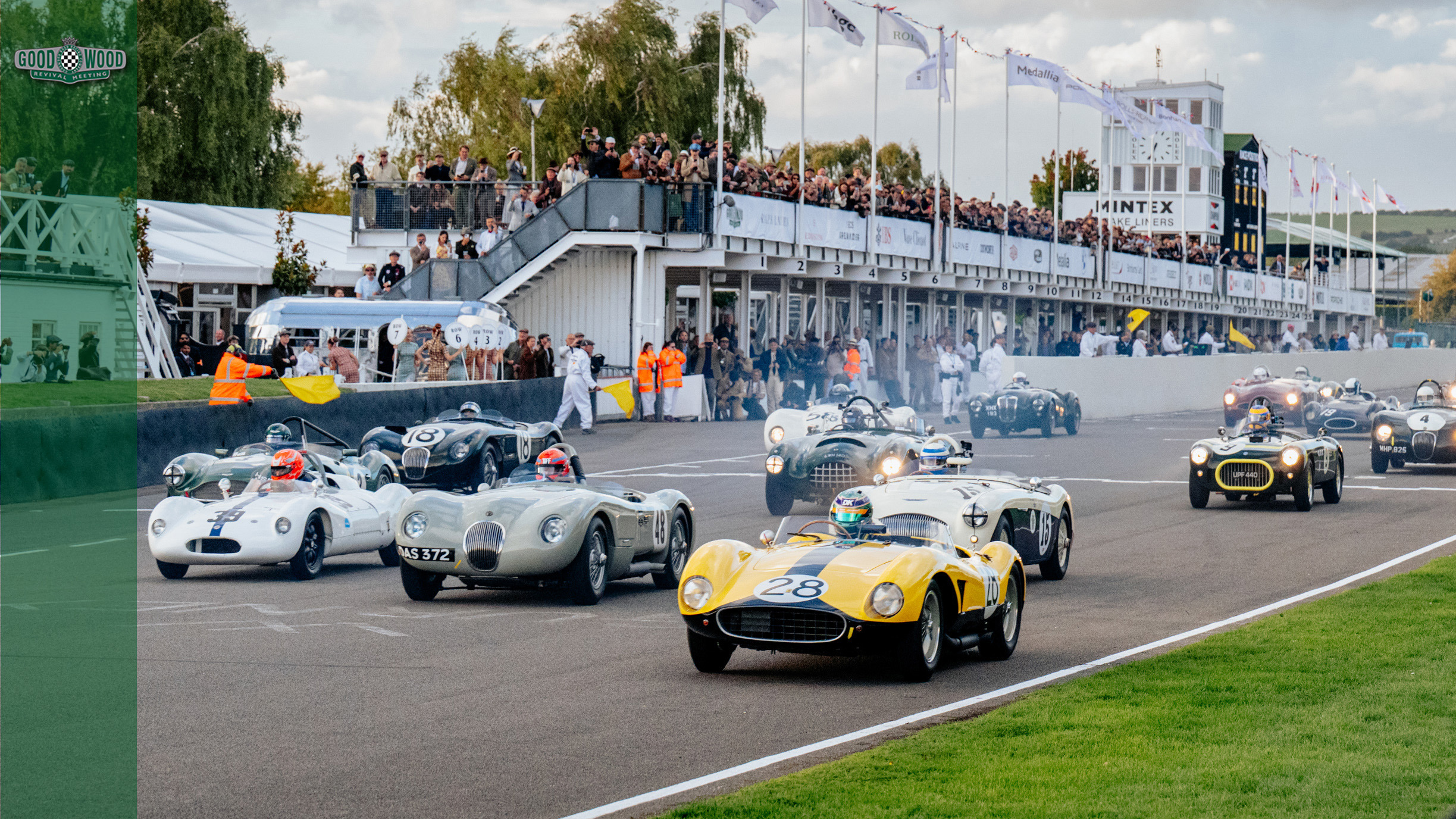
Écurie Bleue may not have taken the headlines at the 1940 Indy 500, but its two Maserati 8CTFs equally secured their place in history thanks to the tenacious defiance of the team. It’s stories like this that we’ll commemorate with the celebration of Maserati at the 2026 Goodwood Revival.
Tickets for the 2026 Goodwood Revival are now on sale. If you’re not already part of the GRRC, you can sign up to the Fellowship today and save ten per cent on your 2026 tickets and grandstand passes, as well as enjoying a whole host of other on-event perks.
Main image photography by Tom Shaxson.
race
historic
maserati
8CTF
Rene Dreyfus
indy 500
Maserati Celebration