What it’s like to drive a Ford GT40 | Frankel’s Insight
 Andrew Frankel
I always wondered what a Ford GT40 would be like to drive. Being 6ft 3in is quite prejudicial when it comes to driving most racing cars but being only 40 inches off the ground as its name attests, and with almost all having coupé body, few are less likely to accommodate than this.
True, Dan Gurney raced one and we were about the same height, but he had Phil Remington design a bump in the door top — the famed Gurney bubble — to house his noggin, not a request I felt I’d be able to level at anyone kind enough to let me have a go in theirs.
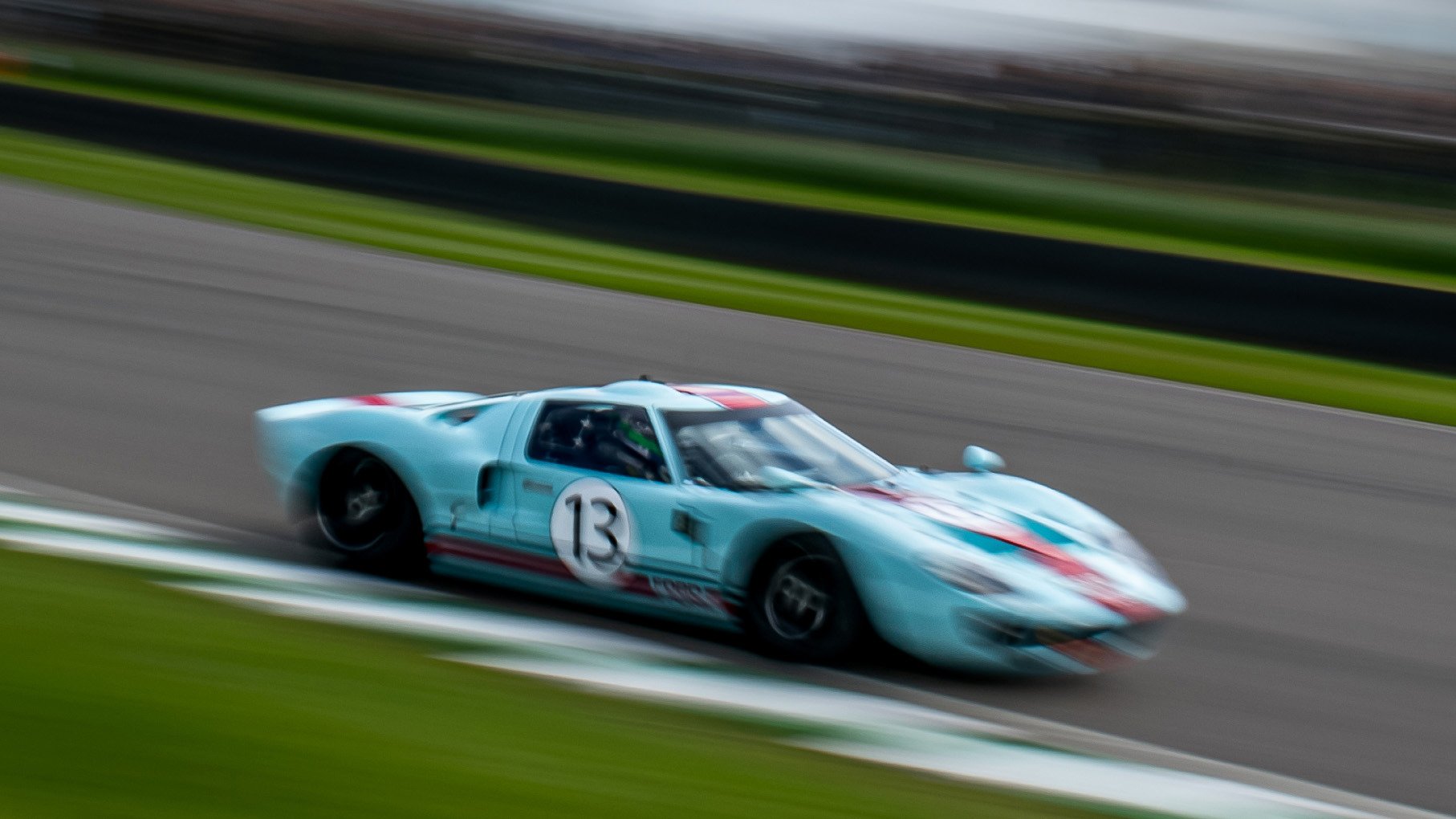
But where there’s a will… There are a few cars I’ve been unable to drive — an early Porsche 936 was one, a Lotus 49 and a Lotus 18 that had to be dismantled around me just to get me out — but usually with a lot of pulling and pushing, I and the poor, patient saps trying to squeeze the quart that is me into the pint pot that is most racing car cockpits have somehow managed.
As a result I have now driven four GT40s, one road and three race and I thought I might tell you what these unique Anglo-American hybrids are like.
The road car, sadly, I did not care for. It felt like a lion with its claws clipped and teeth blunted. The centre gearshift, required to enable sales of left and right drive cars (all racers are on the right) is pretty poor. It skitters about on road tyres, the engine’s been detuned and the looks have been compromised. With 310PS (228kW) it was less powerful than a Ferrari 365GTB/4 or Lamborghini Miura, lacked their 12-cylinder engines and, frankly, exotic Italian status, but it cost about the same. Perhaps it’s not too surprising then, that Ford only ever built seven, at least one of which never left factory ownership.
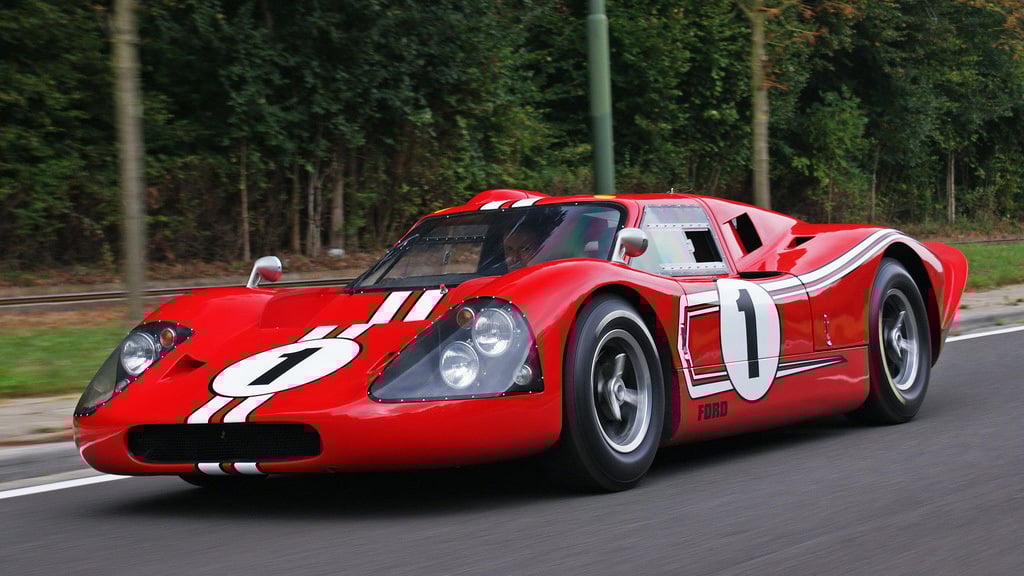
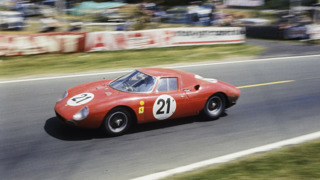
To be clear, I’ve not driven a 7-litre GT40, or a Mk IV, which some refer to (incorrectly in my view) as a GT40 because they’re unbelievably rare (and never raced at Goodwood), but of the kind of GT40s you see being flung around the track come Revival time, I have some experience.
Once you’re in and have not decapitated yourself when the door shuts, the cockpit is very inviting. It’s snug, but well laid out with a decent driving position. It looks like it was designed to not intimidate amateur drivers, largely because it was, non-professionals making up the majority of people who raced them.
The engine is predictably loud, but even in modern day tune where perhaps 477PS (350kW) or more is being prised from what should be a 4.7-litre capacity, there’s enough torque not to make a twit of yourself pulling away. And the gearbox follows Porsche tradition of using synchromesh to extend transmission longevity at the expense of pure gearshift speed. In the world of gentleman drivers, where a car’s least reliable component was the bloke behind the wheel, it made sense to build them that way.
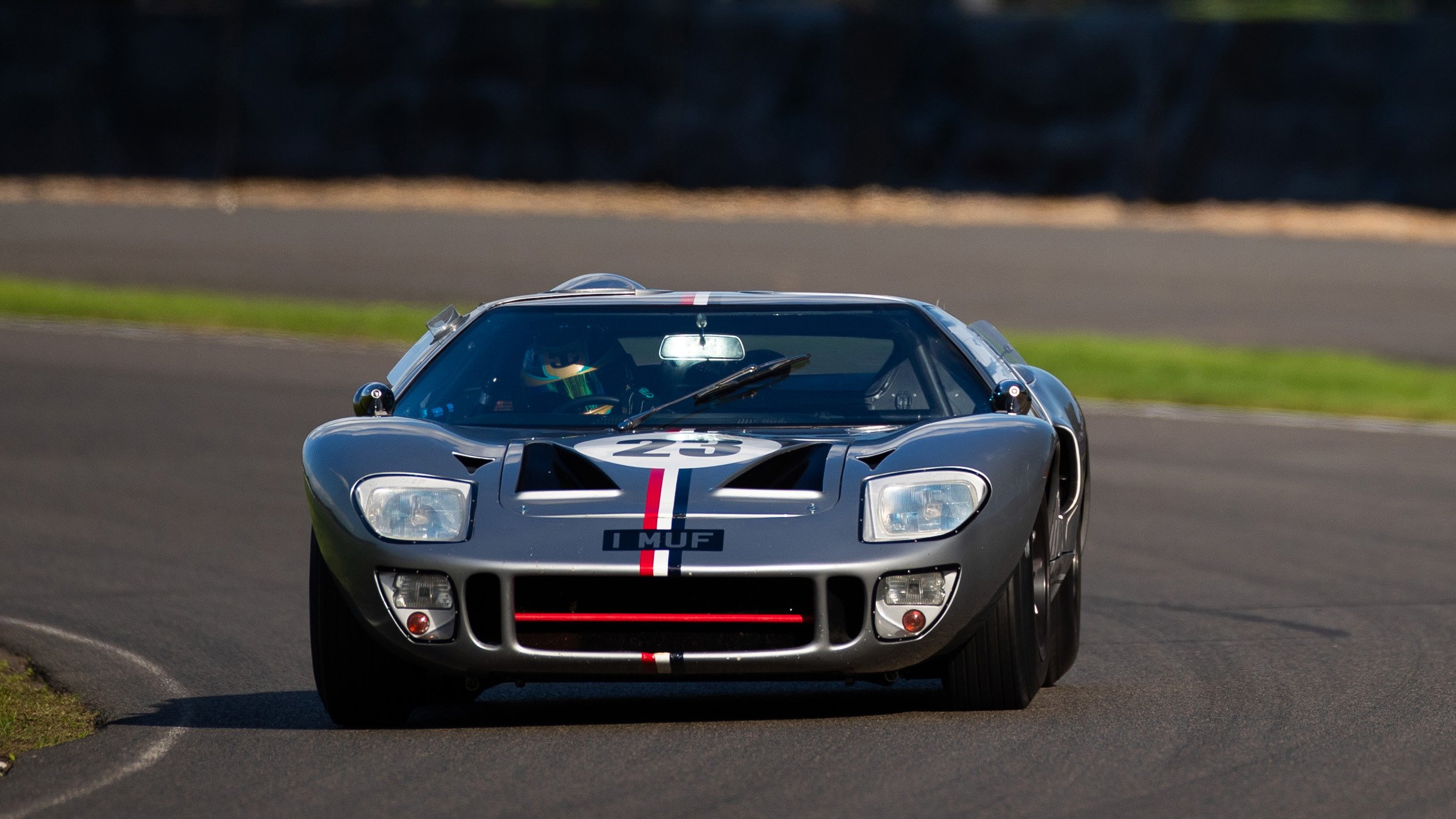
Above all, they feel strong in a way you’d perhaps not expect of a 1960s racing car, and I expect that’s what mostly endeared them to their drivers. My friend (and successful Goodwood regular, both in period and the Revival era) the late Michael Salmon raced them and always said he found them quite heavy and cumbersome, but liked their robustness.
Some may recall that at the 1967 Le Mans 24 Hours he was badly burned in the JW Automotive GT40 he was sharing with Brian Redman, but as that was a fault at a pitstop, not one of the car, I don’t think that coloured his judgement. I think it’s just a highly experienced racer’s point of view.
They are of course fantastically fast, but not overwhelmingly so. Anyone familiar with, say, the performance of a modern Porsche 911 Turbo would probably not have much difficulty getting their heads around it, though it comes with a certain manic relentlessness, largely a function of the sound of nearly five litres of V8 breathing through four twin choke downdraft Weber IDA carburettors just behind your left ear and race ratios in the gearbox.
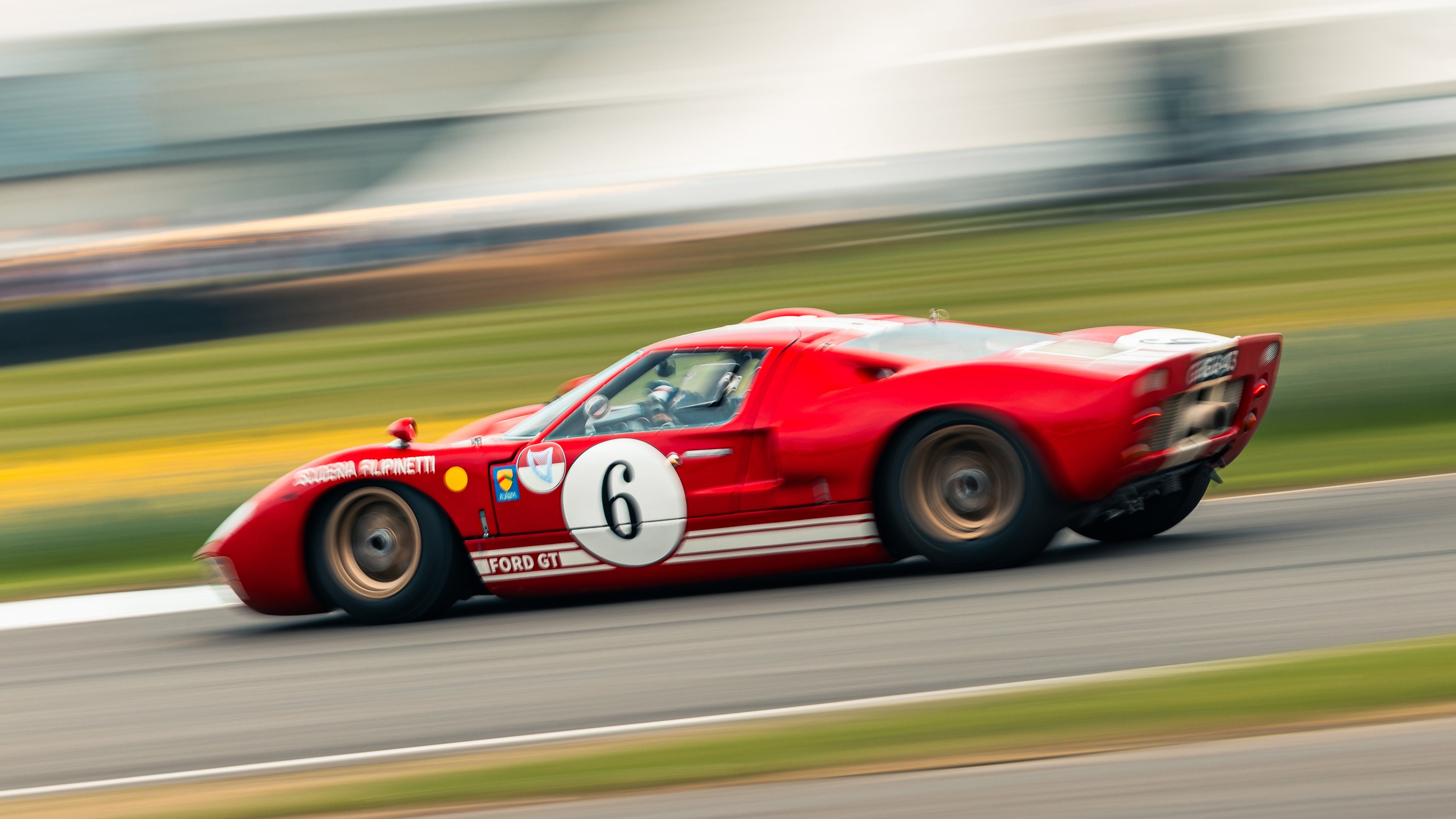
The handling? That might perhaps take a little more learning. A lot depends on the tyres its wearing, which might be a radial like an Avon ZZ or, if it’s racing at Goodwood, a rather less grippy and distinctly livelier Dunlop crossply. In either event, a GT40 is a car requiring a firm hand and stout heart, to be driven quickly and requiring far less slip angle than you might routinely see in cars using the same engine ahead of the driver, like a Cobra.
They’re not inherently untrustworthy, but you need to be aware of the likely consequences if you let quite a lot of V8 go swinging around too much behind you on tyres designed a lifetime ago.
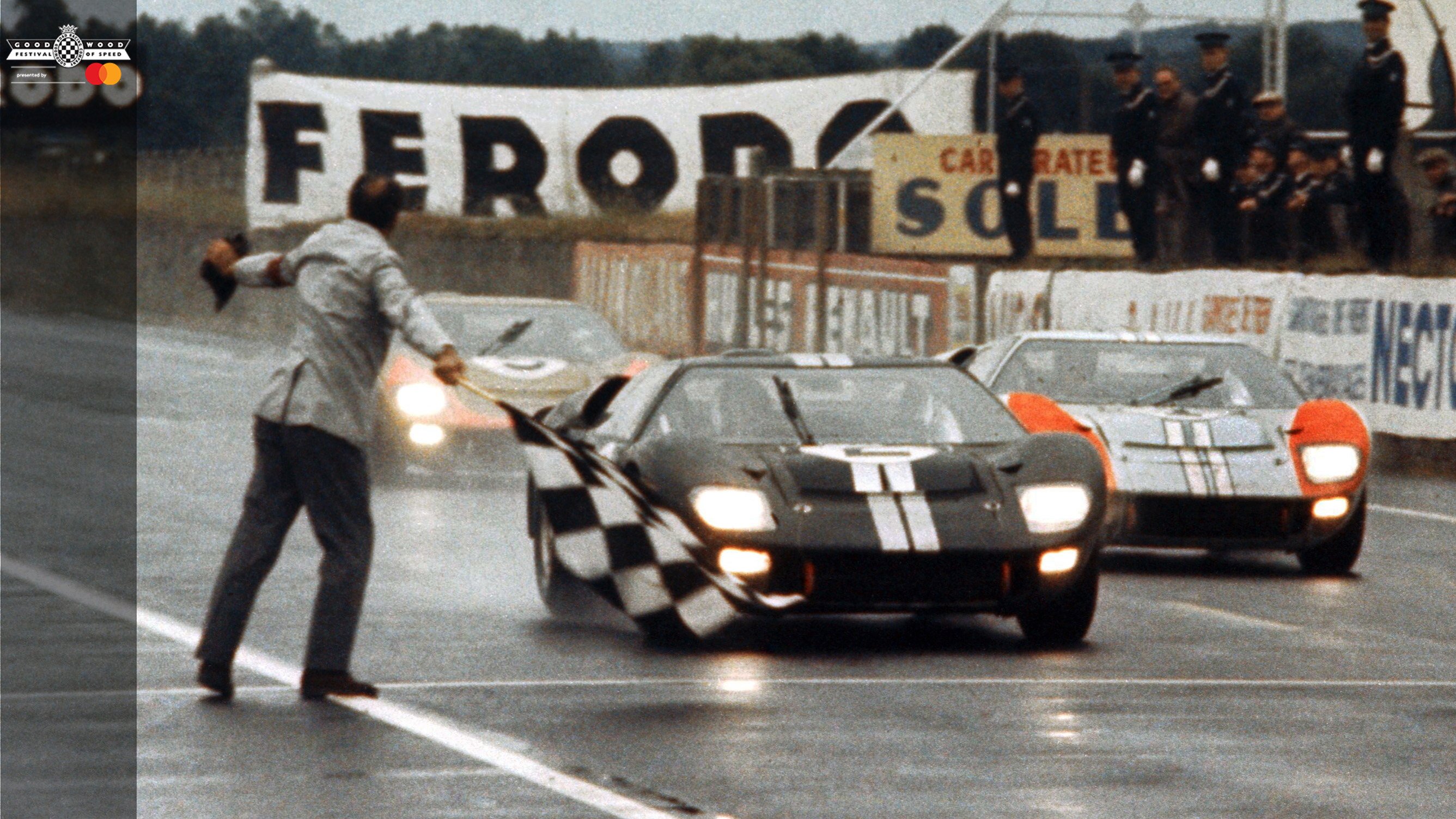
I love these cars, and the story of how they came to be, which started with Eric Broadley’s tiny Lola company designing the Mk6 GT, the very first sports racing car to combine massive, American V8 power with the latest mid-engined, monocoque thinking, and ended with Ford, one of the world’s largest companies, winning Le Mans four times on the trot and changing sportscar history on the way.
Goodwood photography by Lou Johnson, Tom Shaxson and Drew Gibson.
race
historic
ford
GT40
frankel's insight