How Concorde’s ‘droop snoot’ advanced the aerodynamic advantage | Axon’s Automotive Anorak
With the excitement of the successful NASA Artemis II mission still fresh in our memories, the dream of making supersonic flight a reality also comes to mind as we recall the 50th anniversary of Concorde making its maiden commercial flight from the UK to the USA in May 1976.
The dream of supersonic flight was first examined by a team of British aviation engineers in Bristol the early 1950s. These ambitious Filton engineers soon discovered that a group of French aviation engineers were also working on a similar idea for supersonic flight, and given the immense costs and complexity involved the two begin joint development of a suitable supersonic flying machine. The name ‘Concorde’ came from this partnership, with the added ‘e’ reflecting its pan-European nature.
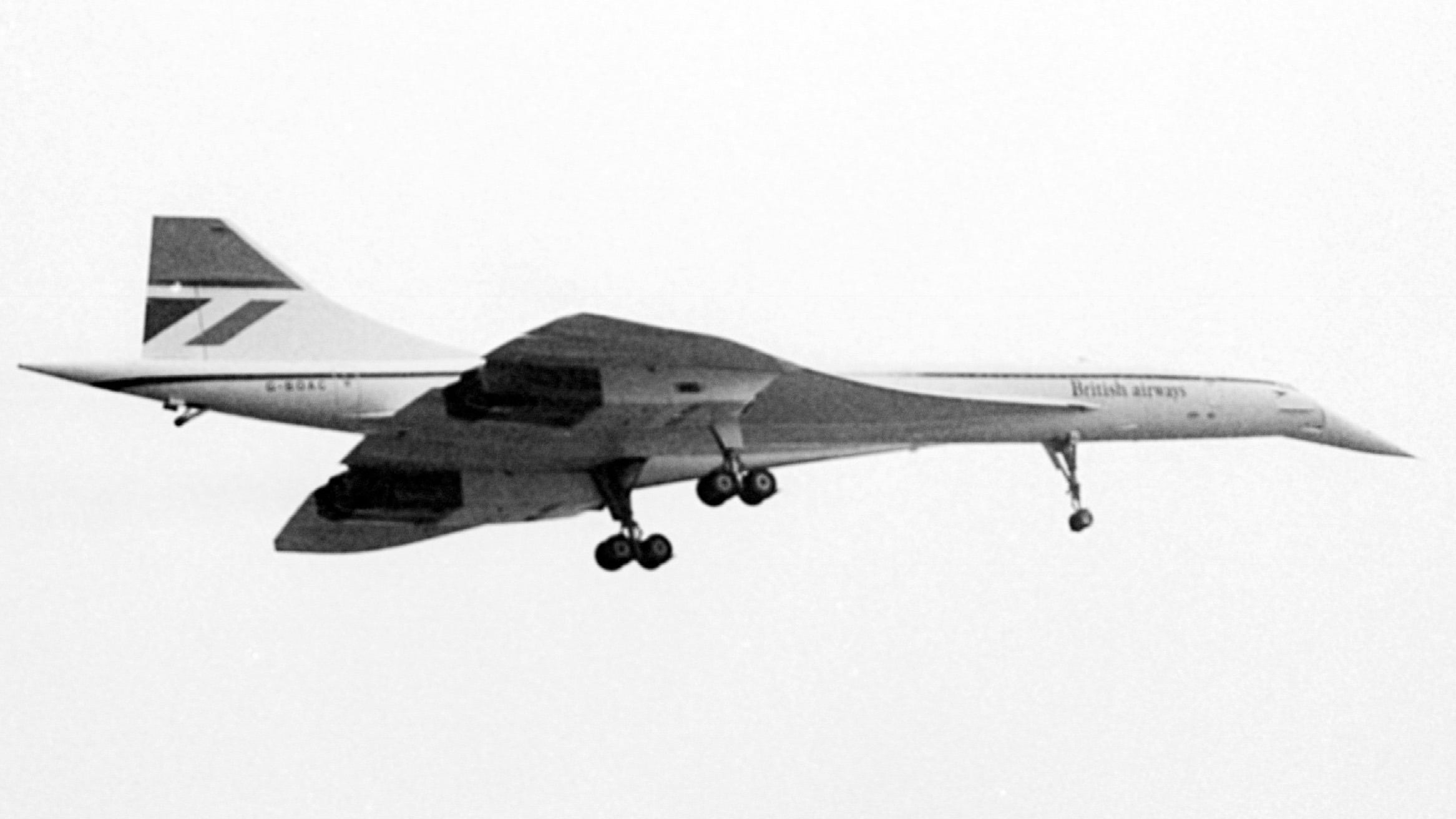
Project Concorde’s first commercial fights took to the air in 1969, with the first supersonic trip to Washington DC setting off seven years later. The aircraft’s slender aerodynamic profile was achieved in part by an adjustable droop snoot nose cone that enabled it to switch from being streamlined to reduce drag during flight to not obstructing the pilot's view when manoeuvring.
But cleaving efficiently through the air has never been just the aim of the aviation industry; it's something long sought after by the automotive sector, too. Car spoilers front and rear have been around since the 1950s, and the ‘fad’ for Concorde-inspired enhanced automotive aerodynamics with add-on ‘nose cone’ extensions as first seen on the early 1950s aircraft proposals actually pre-date the actual Concorde.
Competition pioneers racing in the Le Mans 24 Hours were some of the first to realise the aerodynamic advantages of a more slippery, replacement lowered nose cone, with others detailed below following the example of their designs into the 1970s.
1960s British Works Le Mans Entries
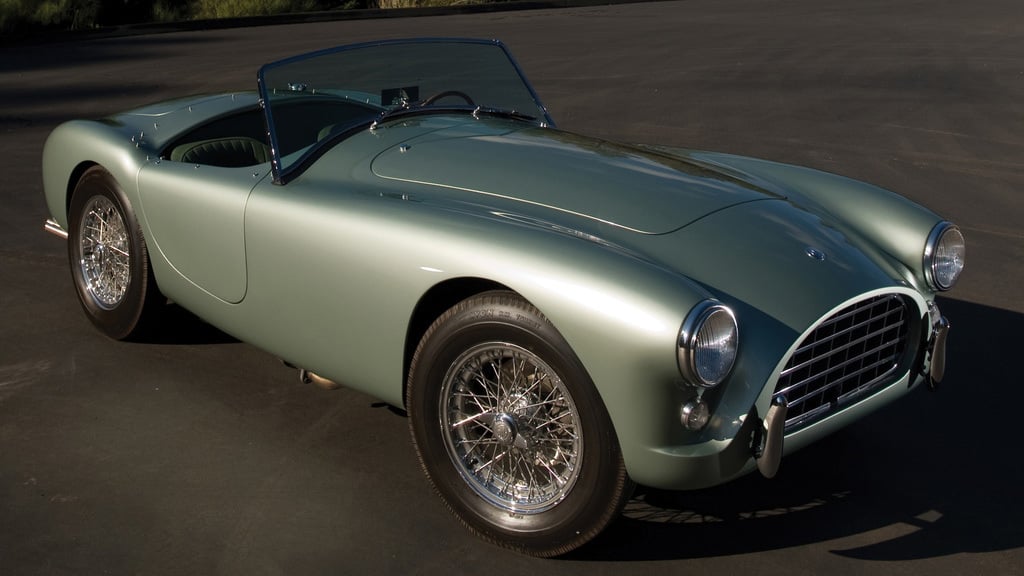
Thames Ditton-based AC were the first to fit a lowered aerodynamic front appendage to its Bristol-engined Ace in 1960, with another droop snoot front also added to its 1962 Ace Le Mans entry.
Inspired by AC’s aerodynamic aide, BMC followed this practice for the 1961 Le Mans for its works MGA and Austin-Healey Sprite entries in the Sport category, with slopping noses and smoother covered headlights. BMC continued with a lower revised sloping front end for its works MGBs in the GT category of the 1963 event.
For 1964 and ’65, Triumph also added a longer and lower droop snoot front end to its Le Mans Spitfires, these ultimately leading to the later Triumph GT6 production models. Rootes also used the same trick for its works Sunbeam Alpines, helping it to take a class team win.
1969 and ’70 American Muscle Cars
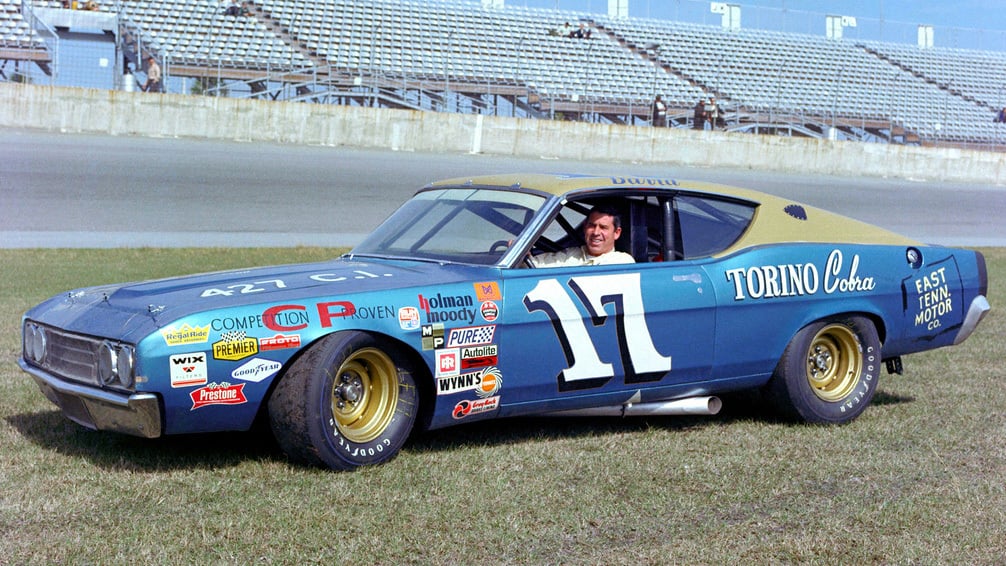
In the late 1960s, two of the Detroit ‘Big Three’ car makers, Ford and the Chrysler Group, were locked in a very fierce battle for American sedan superspeedway supremacy. For the 1969 NASCAR North American racing season, Ford’s slippery fastback Torino and Mercury Cyclone sedans had a distinct aerodynamic advantage on the high-banked oval NASCAR tracks.
The Chrysler Group’s bluff-fronted Dodge Charger was hampered by its poorer wind resistance when compared to its Ford rivals, so its Dodge division concocted the slicker Charger 500 by mounting a flush-fitting pointed nose cone and a towering rear spoiler to reduce drag and enhance downforce, eliminating lift at the three-digit speeds achieved on the oval circuits.
Over the Road
Read more
To make the car legal for NASCAR competition eligibility, Dodge had to build a minimum of 500 road-going examples available to the public. The wild Dodge Charger Daytona was the result, the model winning many NASCAR cups from Ford, with Chrysler also offering a more extreme Road Runner-derived ‘Superbird’ for the 1970 season for its sister Plymouth brand.
Not for shy retiring types, the Plymouth Superbird featured an elongated metal matt black nose cone with pop-up headlights, plus billboard-sized Plymouth stickers and florid collar schemes.
Building on the success in NASCAR in 1969 with its Torino Talladega model, for 1970 Ford revealed its Torino King Cobra as a radical prototype design featuring a sloping nose and covered headlamps in a bid to outperform its droop snoot Chrysler Group NASCAR rivals. Using the same powerful 429 V8 Boss engines as fitted to its earlier 1969 Talladega model, just a handful of the more swoopy King Cobras were made, though this more slippery Torino never actually used in anger in competition.
Vauxhall Firenza HP ‘Droopsnoot’
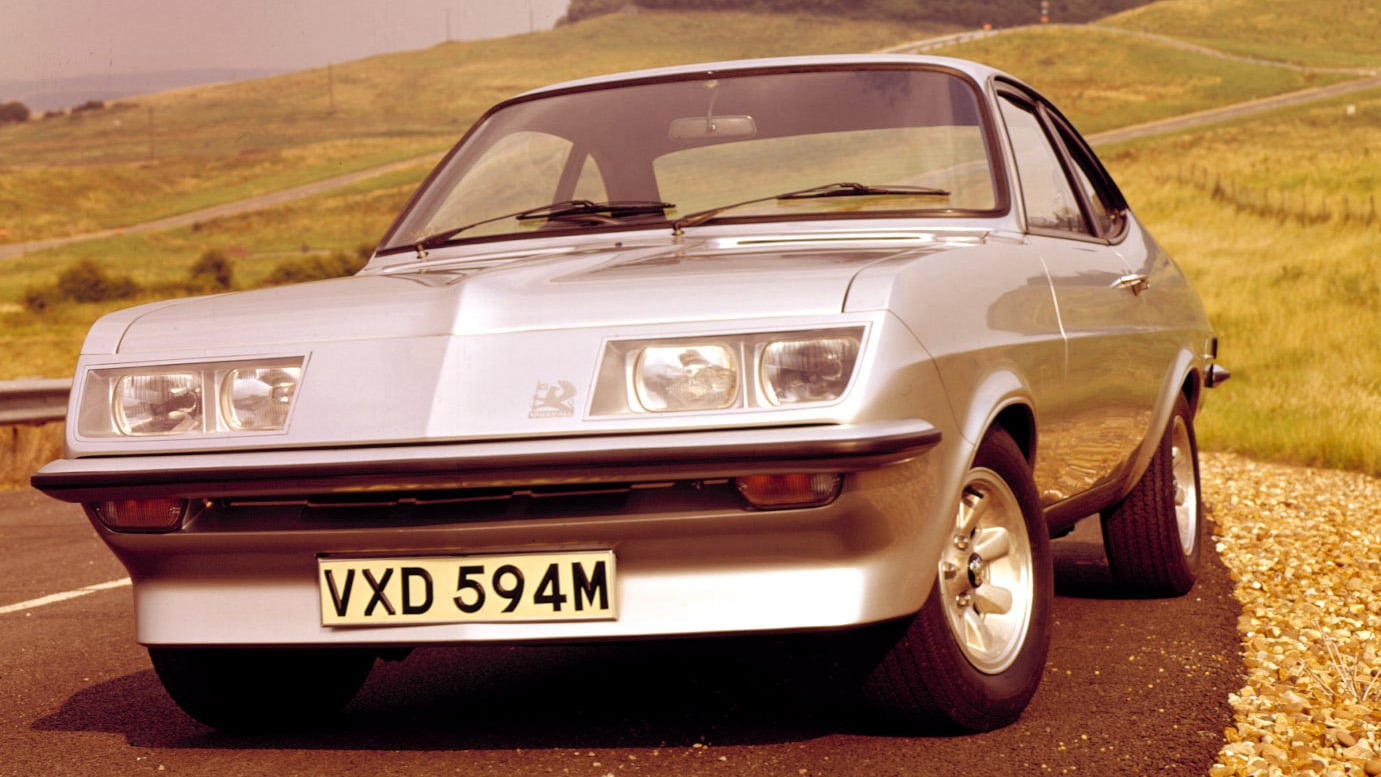
To add some much-needed excitement to its early 1970s product range, Vauxhall launched a very special high-performance version of its HC Viva-based Firenza HP coupé. Debuting at the 1973 Earls Court Motor Show, this special Firenza HP wore a distinctive ’droop snoot’ nose cone allied to a boot lid spoiler and alloy wheels. The tuned slant-four 2.3-litre engine produced 133PS (98kW) to give a top speed of 114mph, mated to bespoke five-speed ZF gearbox and all finished in metallic Silver Starfire.
Despite much promise, the droop snoot Firenza failed to live up to Vauxhall’s sales expectations of up to 1,000 per annum, not helped by the mid-‘70s fuel crisis nor Vauxhall’s inability to automate the grafting of the fibreglass nose cone into position on the bluff Viva front end, causing unplanned production delays as each car had to be hand finished. Only 204 Firenza HPs were built, with a sole LHD example.
To help use up the remaining 200 or so left over GRP droop snoot nose cones, a few were sold as aftermarket accessories for go-faster Vivas, and Vauxhall cunningly fitted 197 cones to some special 2.3-litre Magnum estates, sold as the Sportshatch. These were all painted black with red trim to create an under-publicised and now forgotten special edition Sportshatch in 1976. Both this and the original droop snoot Firenza have become much sought collectors’ items today.
Ford Escort MKII RS2000
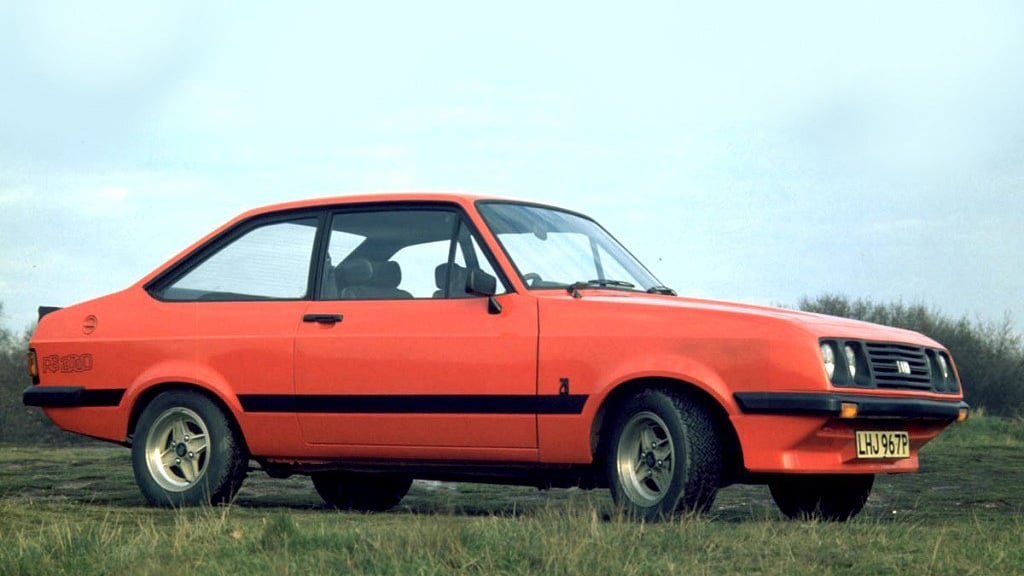
The second-generation Ford Escort RS2000 was introduced 50 years ago at the 1976 Geneva Motor Show and could be easily identified by its unique shovel-nosed styling, taking inspiration from the above Vauxhall.
The RS2000 was the third of the Mark 2 Escort performance Rallye Sport (RS) derivatives, the model following the Escort RS Mexico and scarce UK-only RS 1800 (which is now worth a small fortune) with the sloping droop snoot-nosed styling, making the RS2000 16 per cent more aerodynamically efficient than a standard bluff fronted Escort MK 2.
Power came from a 2.0-litre ‘Pinto’ four-cylinder engine to give 112PS (82kW), reaching a top speed of 108mph and 0-62mph acceleration in nine seconds flat.
Main image courtesy of Getty Images.
road
news
Axon's Automotive Anorak