Santa's reindeer but make them cars | Axon's Automotive Anorak
Hark the Triumph Herald sings; it’s looking a lot like Christmas. Taking festive inspiration from Santa Clause’s sleigh and the eight reindeer that whisk the jolly, white-bearded man in his red and white suit around the world, distributing gifts to all the well-behaved children just in time for Christmas Day, just for fun here is a selection of cars named after varieties of the deer family.
Mercury Comet
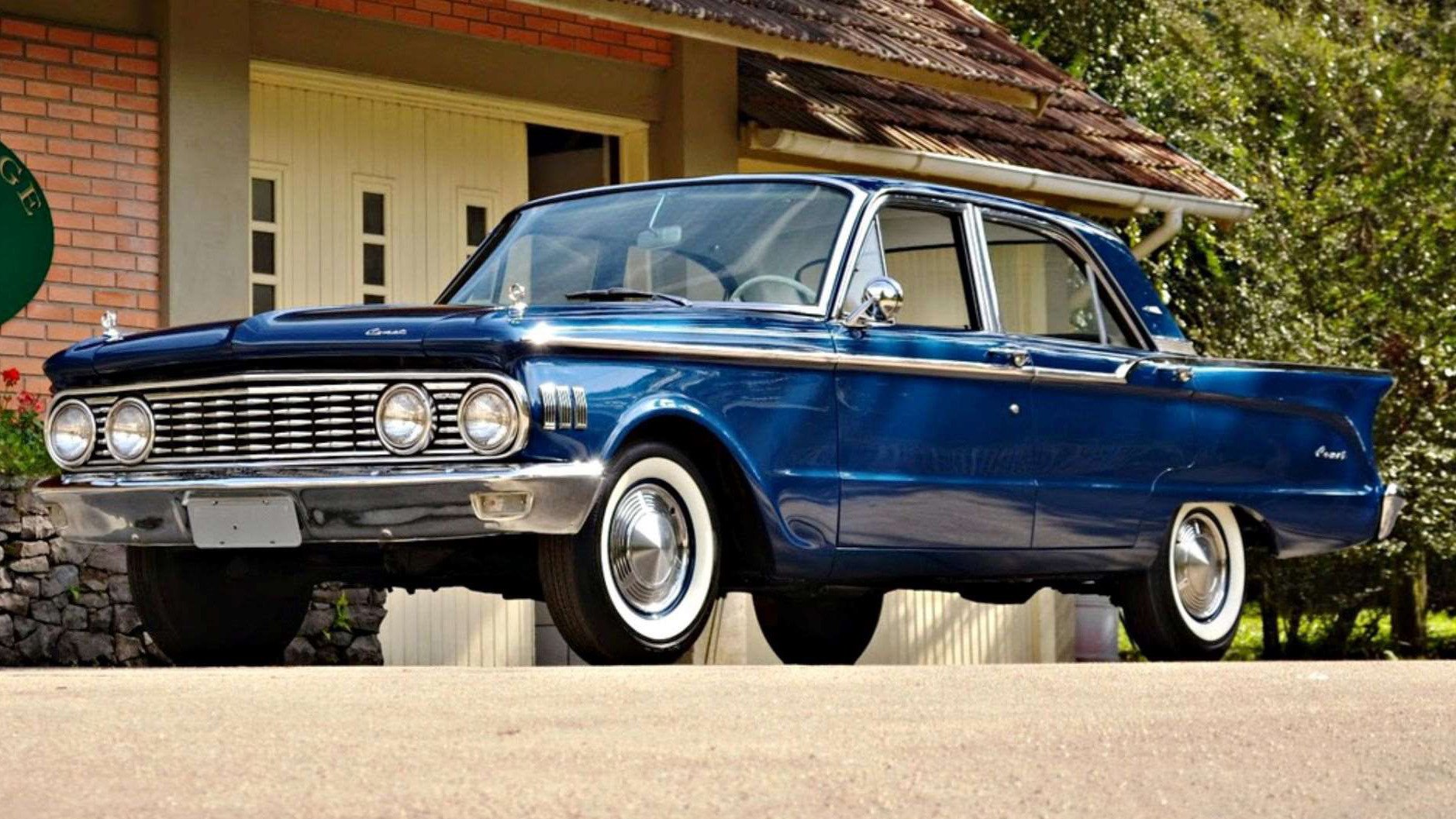
The 1960-68 Mercury Comet was a more expensive, premium version of Ford’s economy ‘compact’ 1960s Falcon sedan. After being dropped from the North American range in 1968, Mercury revived the Comet name from 1971-78, this time basing the model on the more modern 1970s Ford Maverick range.
In its initial form, the entry Mercury soon became a surprisingly unlikely performance machine, powered by a wide selection of six-cylinder and V8 engines, including drag strip specials with lightweight GRP and allow panels, these now being highly sought collector's items. Prior to the 1960 Mercury model, Ford had previously used the Comet name (as Comete) for its French-built subsidiary, with a rare but handsome Facel-made coupe.
Volkswagen Dasher
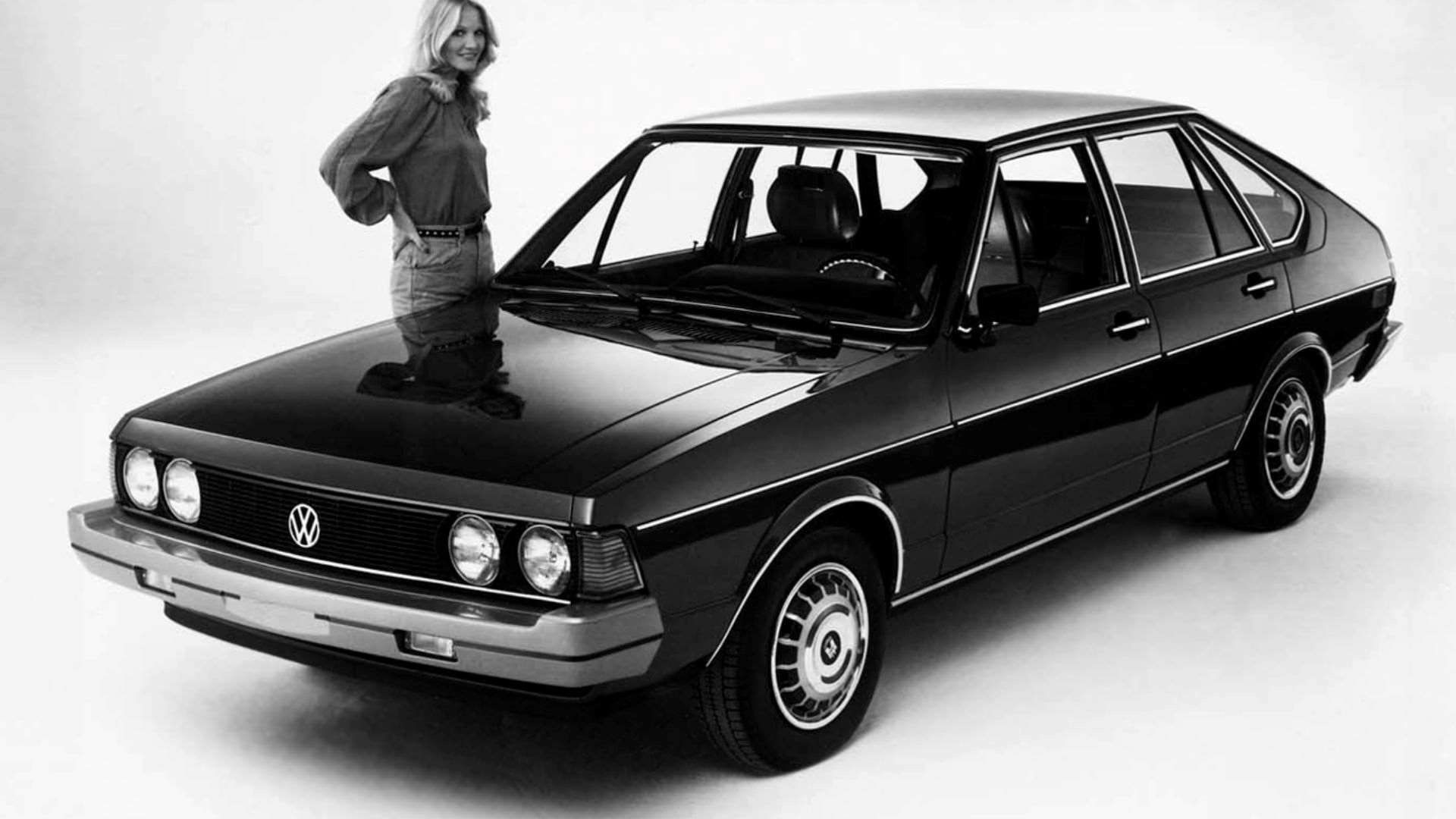
The Volkswagen Dasher was the North American name given to the first-generation Passat. Sold in North America from 1974-81, the Dasher (Passat) was the first of a trio of landmark Giugiaro/ItalDesign-styled Volkswagens, launching ahead of the subsequent Scirocco coupe and standard-setting Golf of 1974.
The range-topping Dasher/Passat was also the first VW-engineered water-cooled, front-engined, front-wheel-drive model for the Wolfsburg marque. When the second-generation Passat was introduced in 1981, VW USA dropped the Dasher model name and fell in line with the rest of the VW world by applying Passat badging.
Rudolph Perfect Roadster GmbH
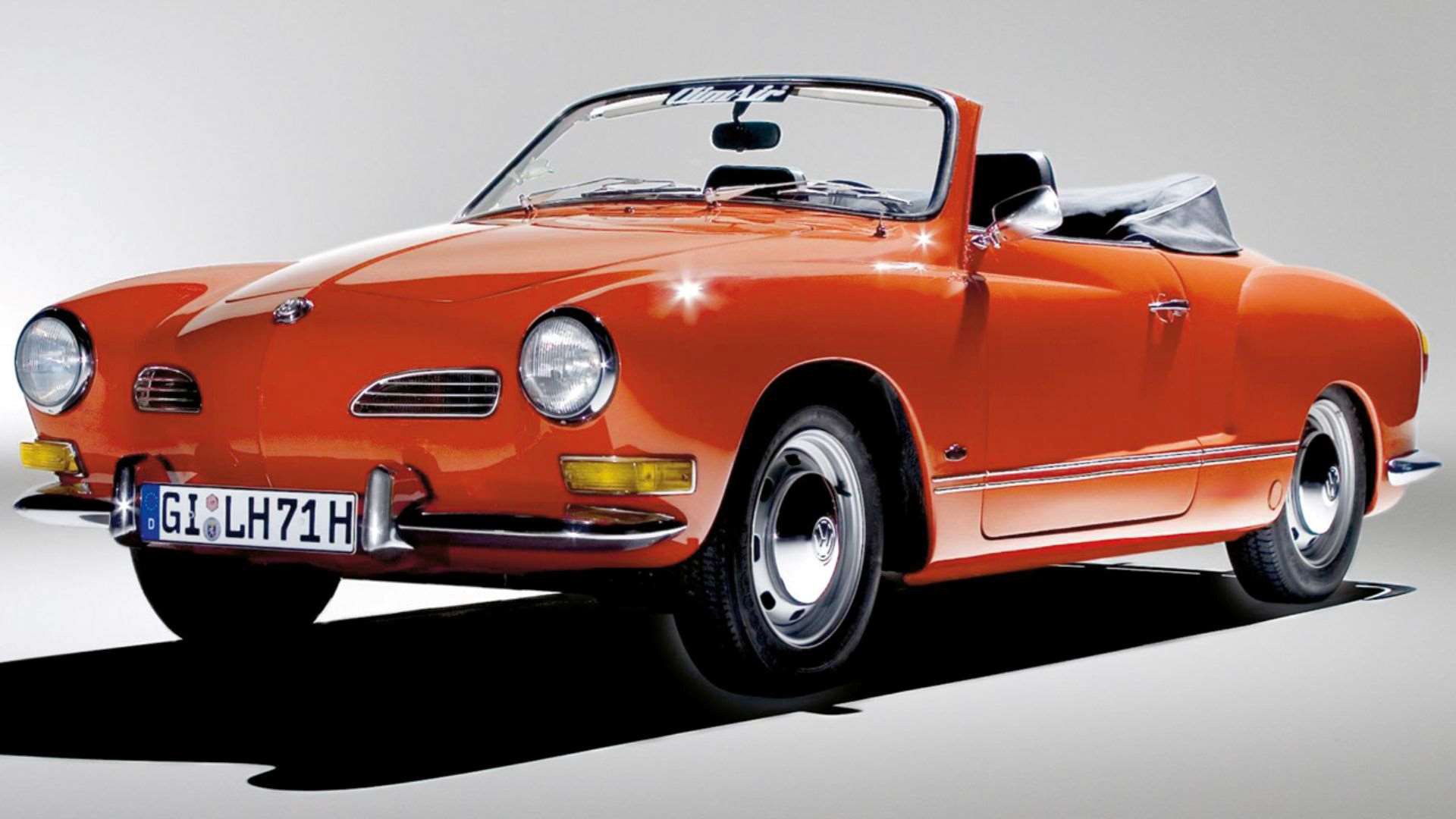
The Rudolph Perfect Roadster GmbH might seem an odd name for a car company. Rudolph was founded in 1992 as a German self-built specialist sports car maker, based in Mechernich. For more than 25 years, most of Rudolph’s limited production focus on was on an accurate self-build glass fibre toolroom replica of the second-series Volkswagen Karmann Ghia Convertible, called the Rudolph Classic Roadster. It was appropriately built around a Volkswagen Beetle chassis, with a choice of a VW Beetle or Subaru boxer engine.
Rudolph also later added a pleasing Porsche 550-inspired Spyder S and C two-seater roadster to its range, this being powered by a modern Audi 1.8 turbo motor. By way of contrast, it then introduced the wild Rudolph Diardi, a modern roadster take on the classic Lotus Seven theme, powered by BMW 3-Series-sourced four-or six-cylinder motors, ranging in power from 150-343 PS. With self-assembly kit cars being something of a rarity in Germany, Rudolph threw in the towel and stopped making cars in 2018.
TVR Vixen
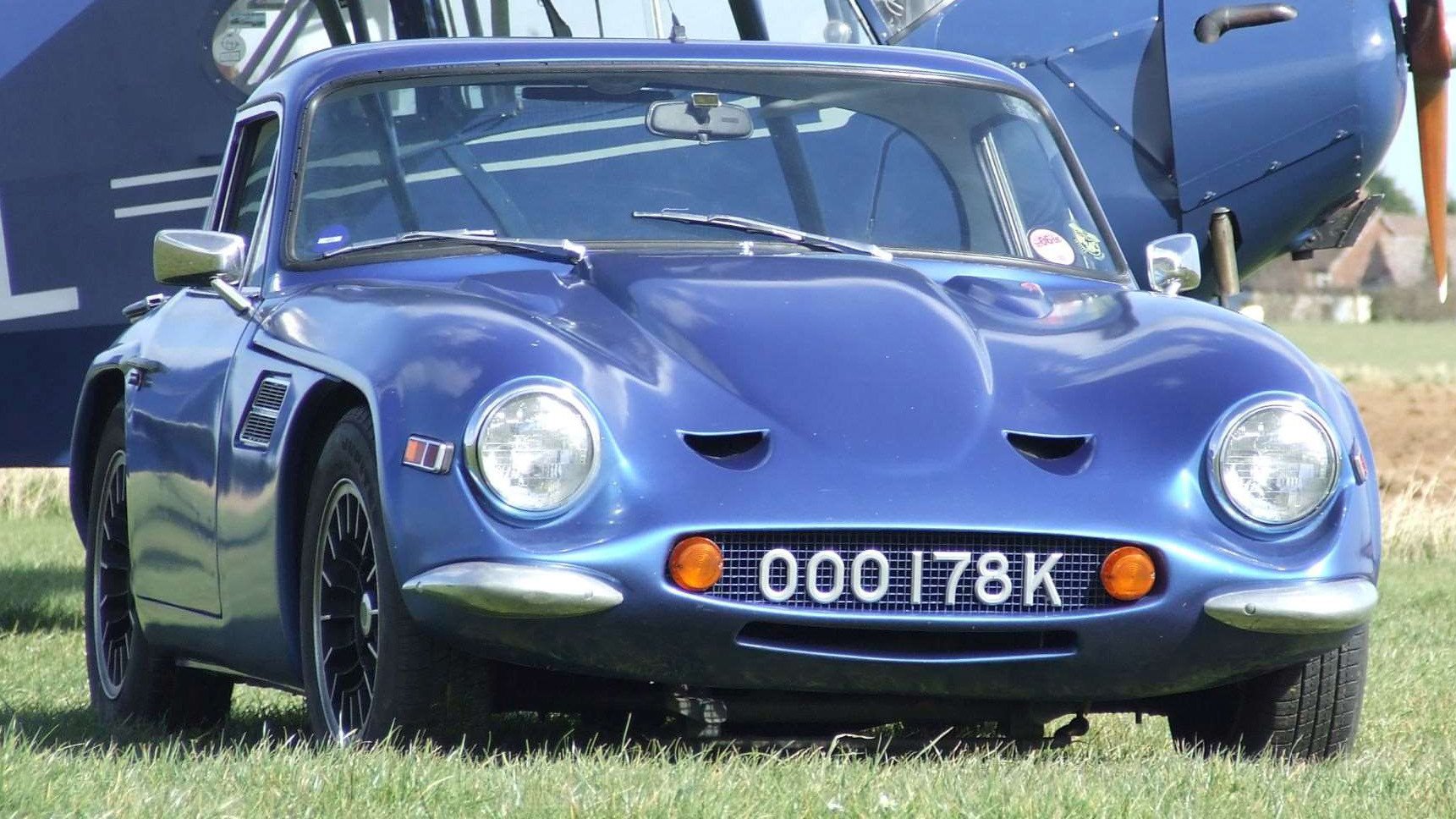
First seen in 1967, and built in small numbers (less than 750 examples), the purposeful TVR Vixen survived until 1973 via four Series updated forms as a close-couple GT coupe. An evolution TVR’s signature chubby 1960s coupe, the bolt-on GRP-bodied Vixen sat on an extended Grantura chassis, but used a variety of more-affordable five-bearing Ford Cortina GT 1.6-litre engines, with a few earlier examples adopting the 1.7 MGB motor.
Over time, the Vixen evolved with more luxurious specifications, such as standard alloy wheels, trim and ventilation upgrades. This quartet of Santa’s reindeer substitutes will be shared by five other cars, each one named to honour a variety of Capreolinea.
Singer Chamois
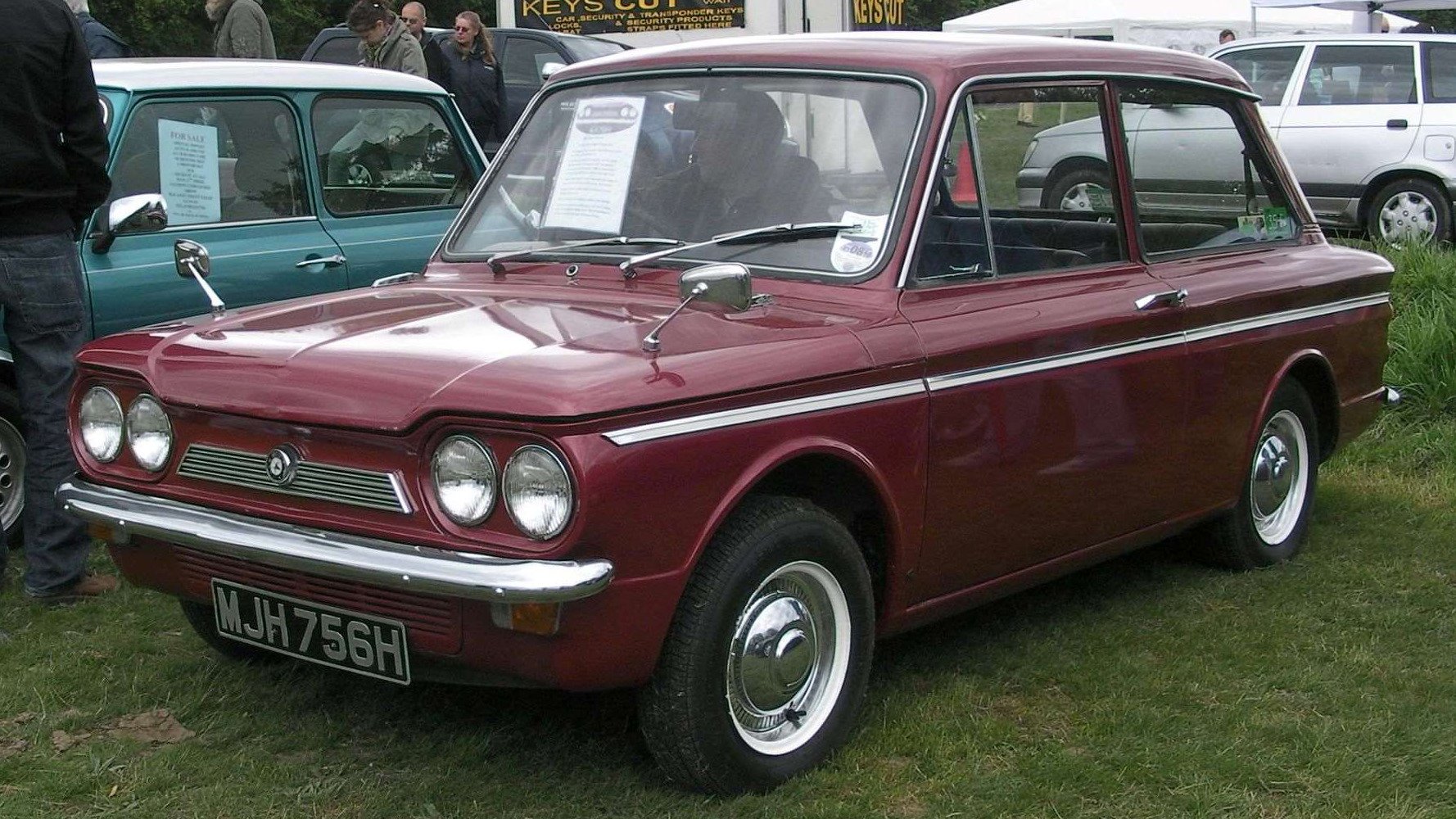
Back to Singer for another deer-inspired model name; the Chamois as a smaller sibling to the Gazelle. In motorised form, the Chamois was one of the many up-market badge-engineered Hillman Imp derivatives sold from 1964 until 1970 in standard rear engined 875cc form, with 40PS (30kW), wood interior trim and wider wheel rims.
This as well as the hotter 56PS (41kW) Chamois Sport from 1966, plus the short-lived (1967-70) low-roof Chamois Coupe. In its four-legged form, the Chamois is an agile antelope native to the mountains of Europe and Asia.
Chevrolet Impala
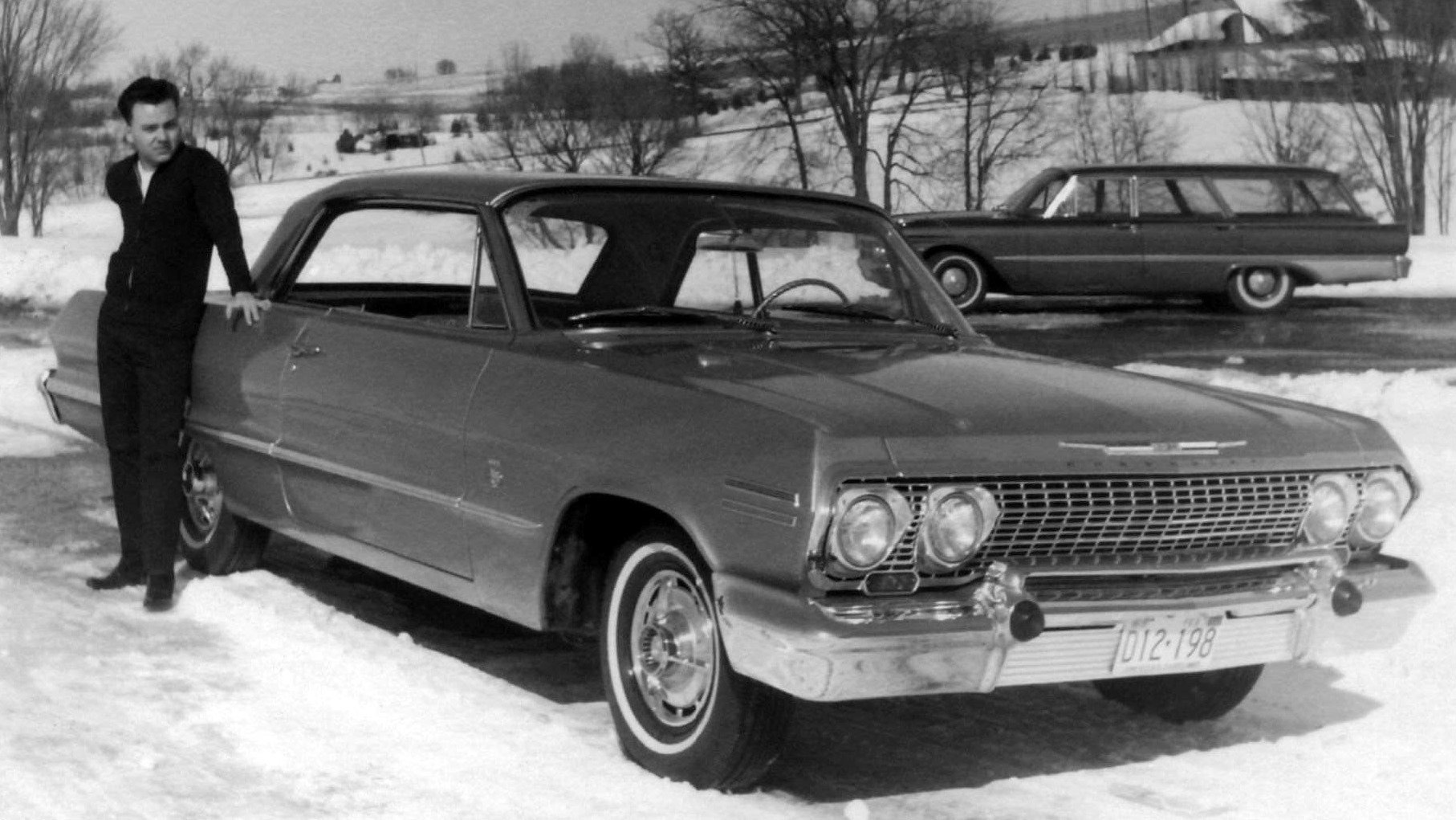
The Impala name was first used by Chevrolet on a one-off show car in 1956, the nomenclature returning in production form for the 1958 Model Year in the large range-topping family sedan (saloon).
Chevrolet then used the Impala name sporadically over a further nine generations of big sedan models, the most recent examples only being dropped in 2020. In the mid-90s, a British Fiat 500-based Impala utility beach car was available in self-build kit form car, too, but in the wild, an Impala is a medium-sized African antelope capable of making long and high jumps.
Sunbeam Gazelle
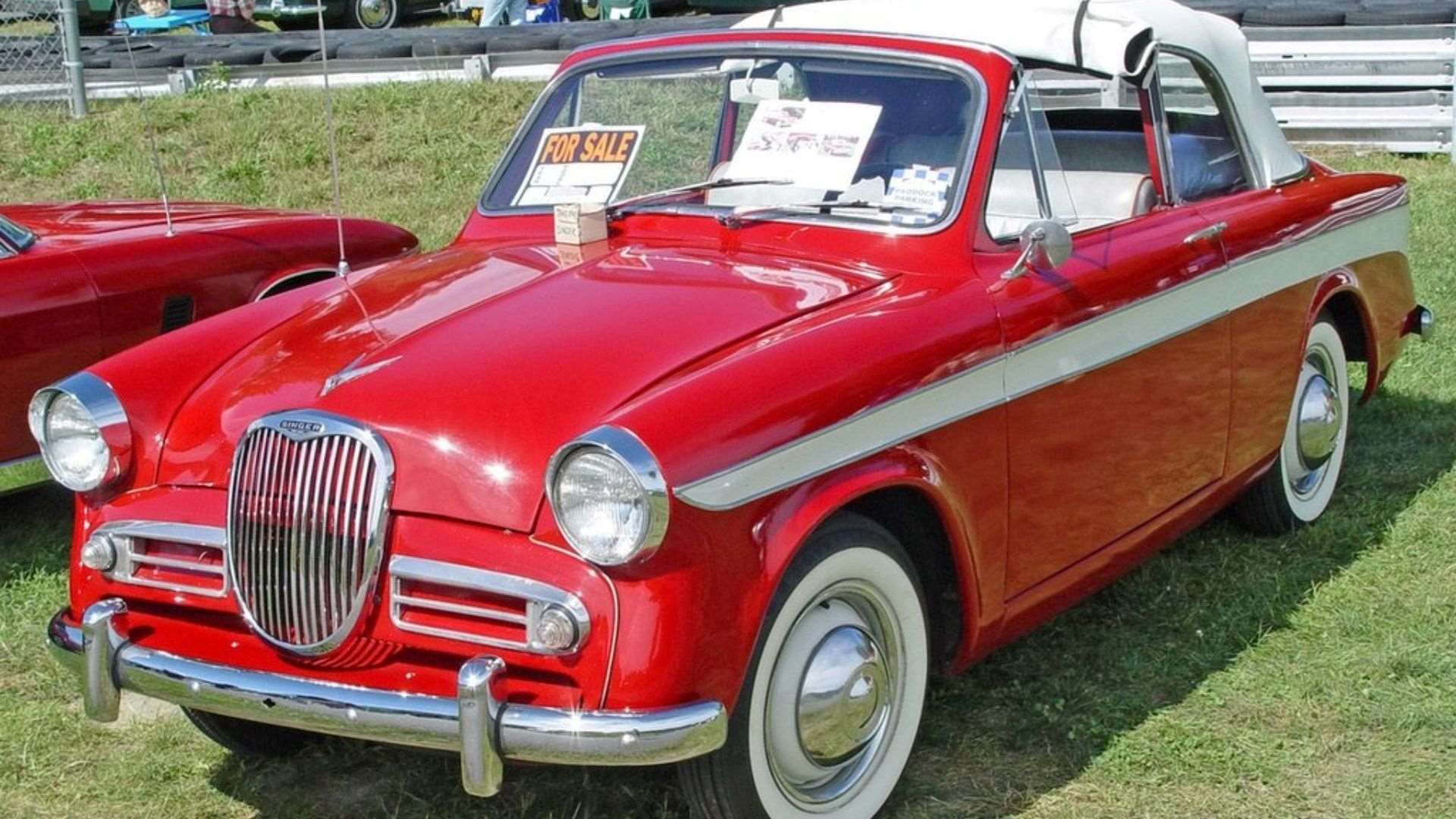
In the mid-1950s, the successful Rootes Group took over the historic but ailing Singer marque, adding it to its existing Hillman, Humber and Sunbeam-Talbot rooster by taking over production of the ageing SM Roadster and struggling slab-sided SM1500/Hunter saloon. In 1955 Rootes replaced these slow-selling Singer cast offs with a single Singer-badged model; a Hillman Minx-derived Gazelle as an upmarket saloon, convertible and estate.
Initially the new Gazelle retained Singer’s 1,497cc engine in a Minx-based bodyshell to keep loyal Singer enthusiasts happy, but just three years later Rootes replaced the older Singer motor with a Hillman-based 1.5 unit for the updated Series III Gazelle. In this form, and five updates later, the Gazelle continued until 1967. It was then replaced by a new Rootes Arrow range (Hillman Hunter) version, which survived until 1970 when Rootes became Chrysler UK and the old Singer brand name was pensioned off. In animal form, the Gazelle is a small and graceful soft-eyed antelope, originating in Asia and Africa.
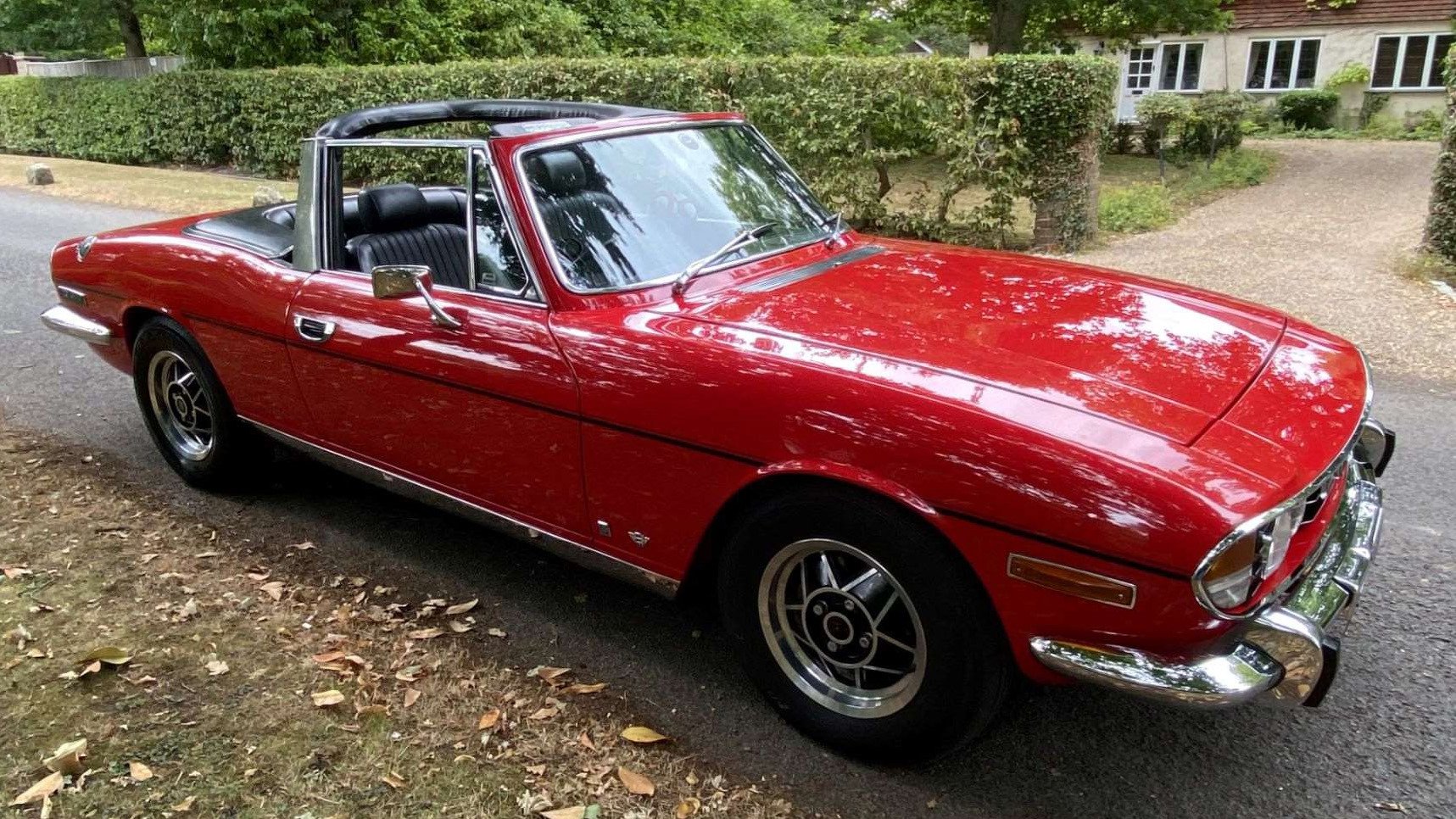
Triumph Stag
During the development phase of its pre-launch new car programmes, traditionally Triumph used four letter project names, such as Barb for the Triumph 2000 project of 1963, Bomb for the Spitfire, Zobo for the Herald and Ajax for the 1300, with Stag being the code name for its exciting new prestige V8 sportscar. Unlike previous Triumph project names, the Stag name stuck for the production 2+2 convertible.
Built between 1970 and 1977, the Stag was a ‘nearly’ car, blighted initially by a troublesome self-developed V8 engine that ‘lunched’ its head gaskets and quickly harmed the Stag’s reputation throughout its short, 25,000-unit production run. In four-legged form, the Stag is an adult male deer, usually with an impressive set of antlers, as depicted on the sporting Triumph’s badge.
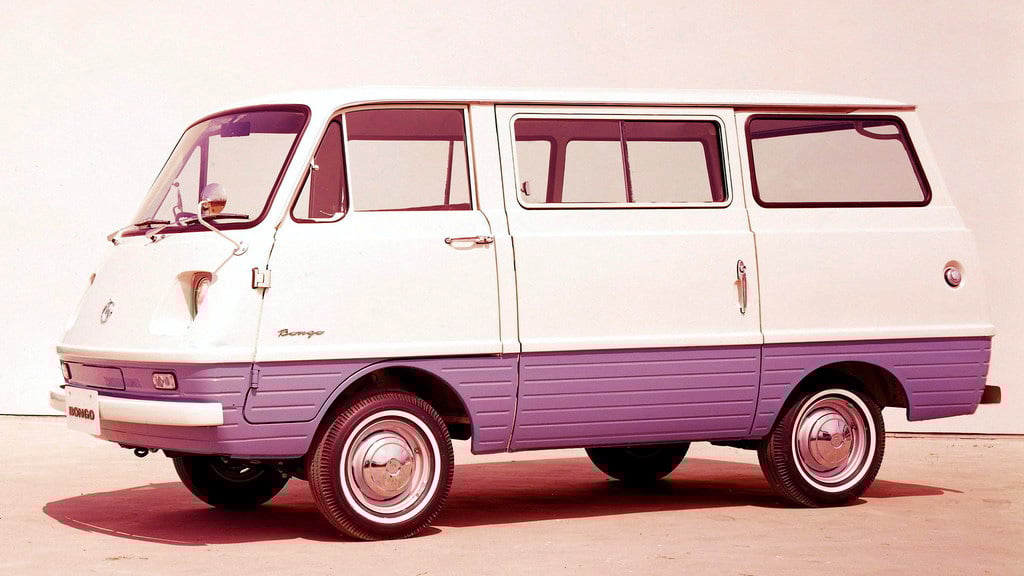
Mazda Bongo
Although rarely officially exported outside of its domestic Japanese hot market, the oddly named Mazda Bongo has become a familiar sight on UK roads in recent years as a popular JDM grey-import, usually sold as a versatile everyday estate/camping car.
The first Bongo was introduced by Mazda into its domestic Japanese market in 1966 as an adaptable panel van. Contrary to popular belief, this Mazda was not named after a clown or a set of drums, but rather from a breed of deer. A Bongo is a rare antelope variety native to the forests of Central Africa. It is identifiable by its spiralled horns and a chestnut-red coat with vertical white stripes.
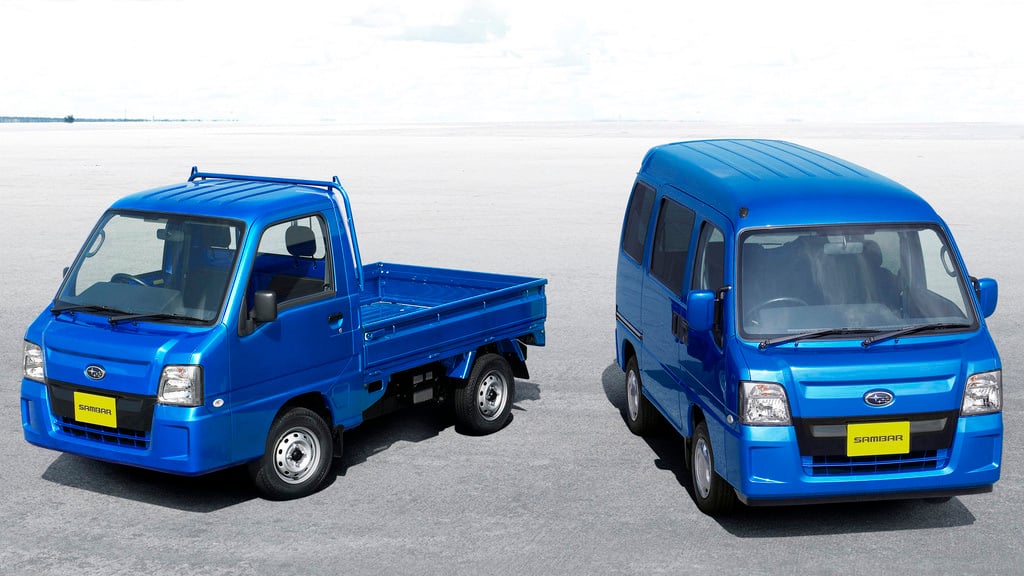
Subaru Sambar
The Subaru Sambar is something of a pioneer. First seen in 1961 and still available today in its Japanese home market, the Sambar is Subaru’s tiny ‘kei car’ van and mini people carrier rival to the similar Daihatsu Hi-Jet, Suzuki Carry and Honda Acty that it aped the small Subaru’s format, sold under various other model names outside of Japan, such as the Subaru Jumbo and Libero.
The Sambar name is believed to be inspired by the costly Samba version of the cult Volkswagen Type 2 (Transporter) passenger van, with a row of multiple small roof-mounted windows. In animal form, a Sambar is a large member of the deer family, native to South Asia.
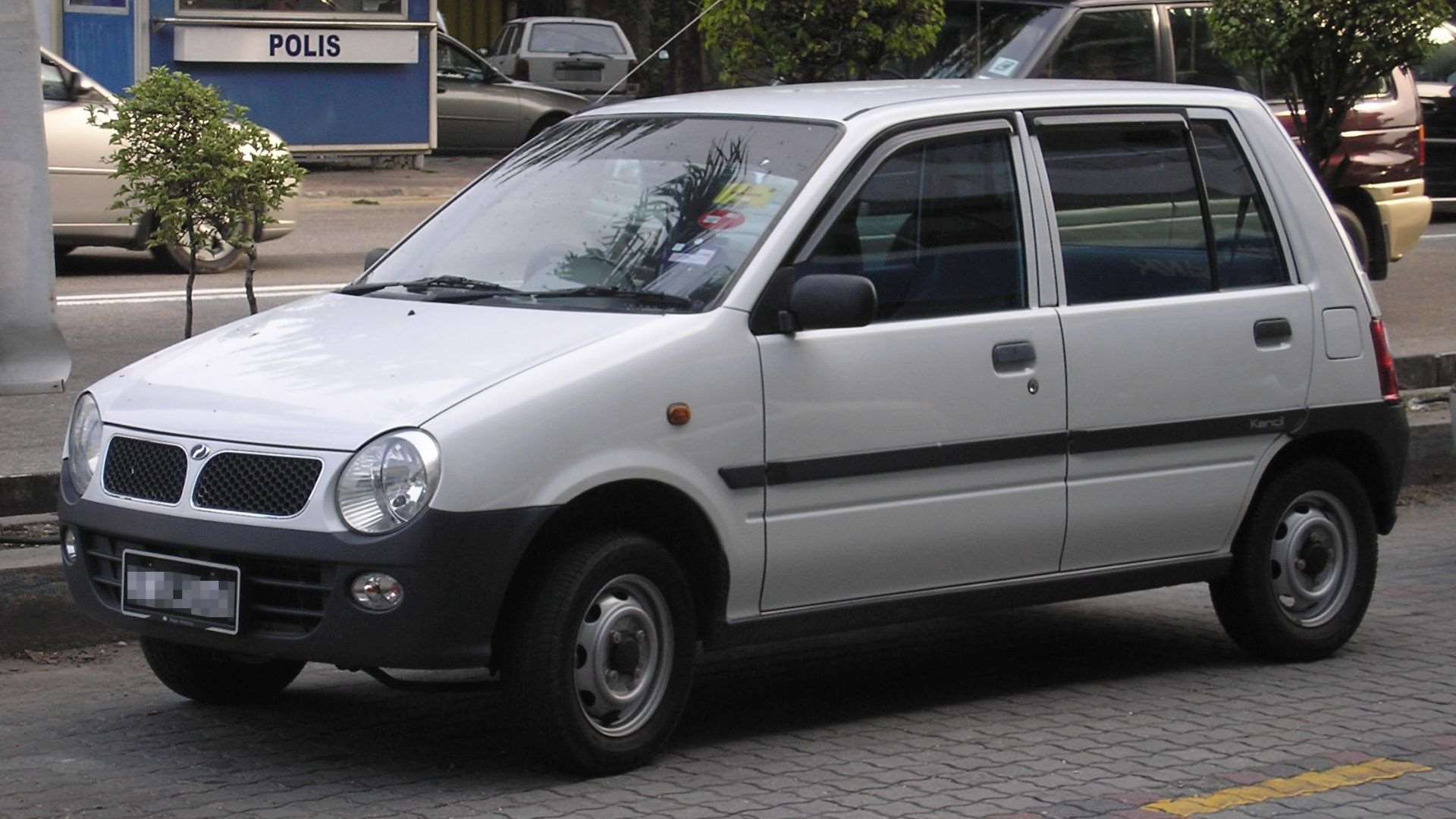
Perodua Kancil
The tiny Perodua Kancil (L200) city car was named after the Kanchil (a.k.a., the Mouse Deer, although it has no connection with the small rodent), or Malay chevrotain (Ragulus Kanchil) to give it its correct biological name. It is a small single-toed member of the Traguildae deer family, commonly found in the Malaysian jungle, this inspiring the Malaysian-built Perodua logo, as found on the grille of the Kancil.
The first 1994-2000 Kancil model was a rebranded version of the Daihatsu Mira kei car. It was sold in the UK as the Nippa, with the Kancil badge subsequently used in the marginally larger one-box mini-mpv model over here, a re-branded Daihatsu Move. Designed by Marcello Gandini, author of more notable machines such as the Lamborghini Miura, Countach, Diablo and Lancia Stratos, the original Malaysian 850cc city car was Perodua’s very first model, launched just after the Company’s founding in 1993.
So deer reader, have a very Merry Christmas. Thank you for your continued Anorak support throughout 2025 and all the very best for a happy and healthy New Year. See you in 2026 for more motoring history, fun and trivia….
Road
News
Axon's Automotive Anorak