

Artemis II: FOS Future Lab stars return to the Moon
More than 50 years after Apollo 17 became the last crewed mission to leave Earth’s orbit, four astronauts are preparing to travel further from our planet than any humans before.
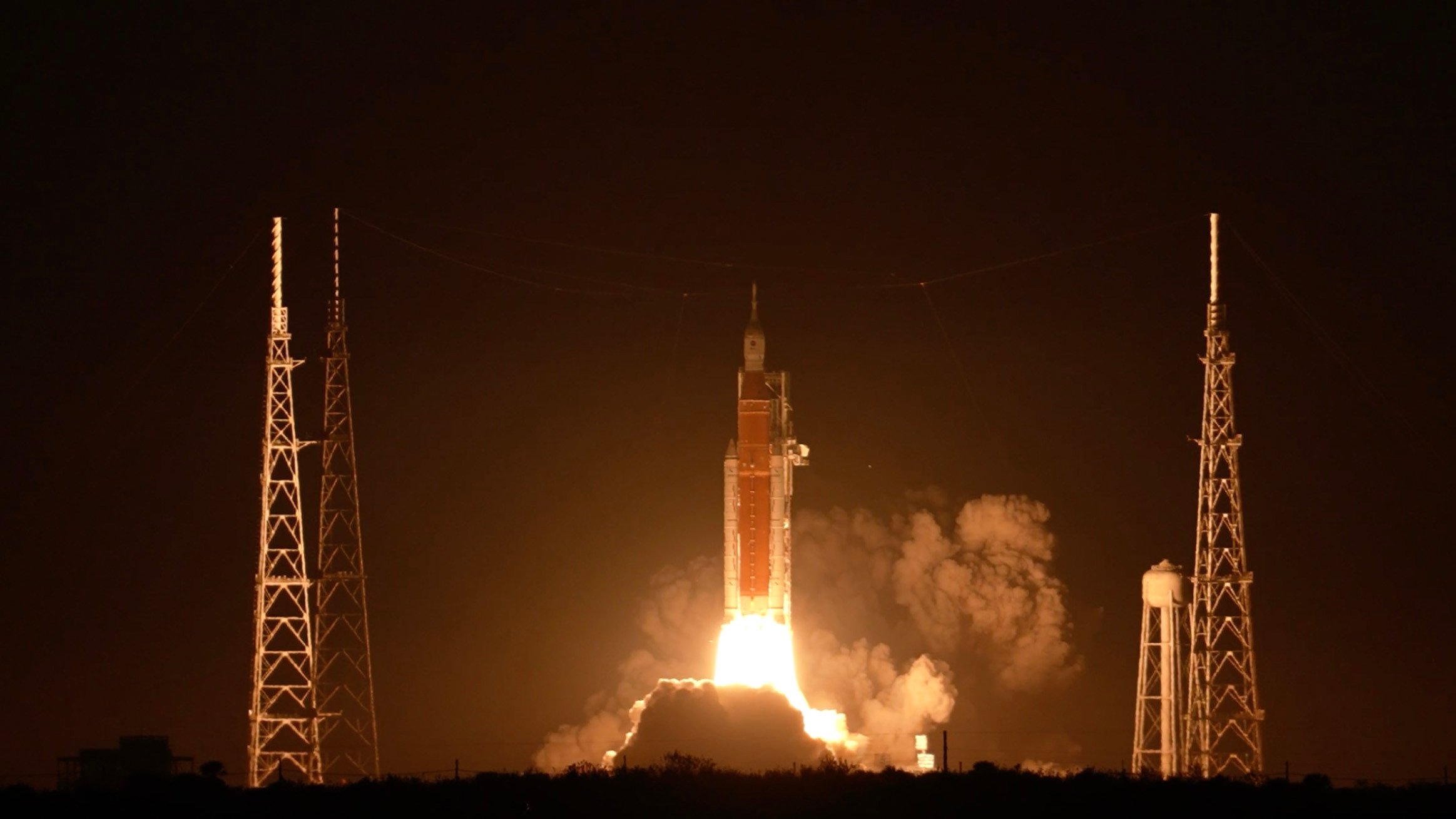
Artemis II will send a crew on a ten-day mission around the far side of the Moon, marking the first time since 1972 that astronauts have ventured beyond low Earth orbit. It will also carry the first woman, the first person of colour and the first non-American ever to make that journey.
If Apollo showed we could reach the Moon, Artemis is about proving we can stay there. The next giant leap involves validating the spacecraft and life-support systems with a crew on board, clearing the path for a fresh lunar landing and a sustained human presence.
NASA says it is 'on track' for an early April blast off after repairing a helium leak discovered during a wet dress rehearsal in February. Meanwhile, the crew has remained quarantined during this period.
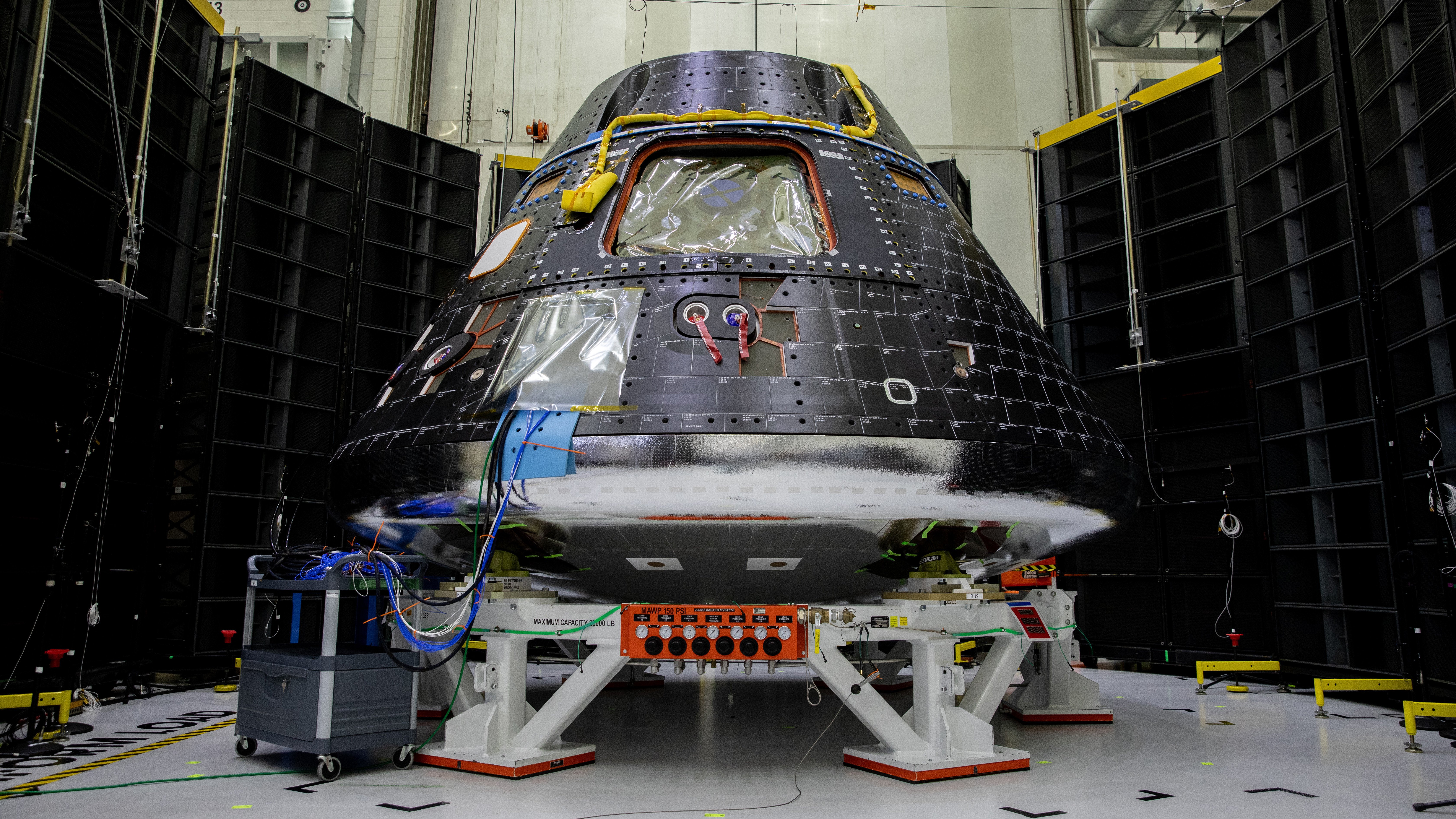
While the Space Launch System (SLS) rocket will lift off from Florida, much of what keeps the Orion capsule operational has been built on a different continent. The spacecraft’s European Service Module was assembled by Airbus for the European Space Agency (ESA) and supplied by teams across ten European nations.
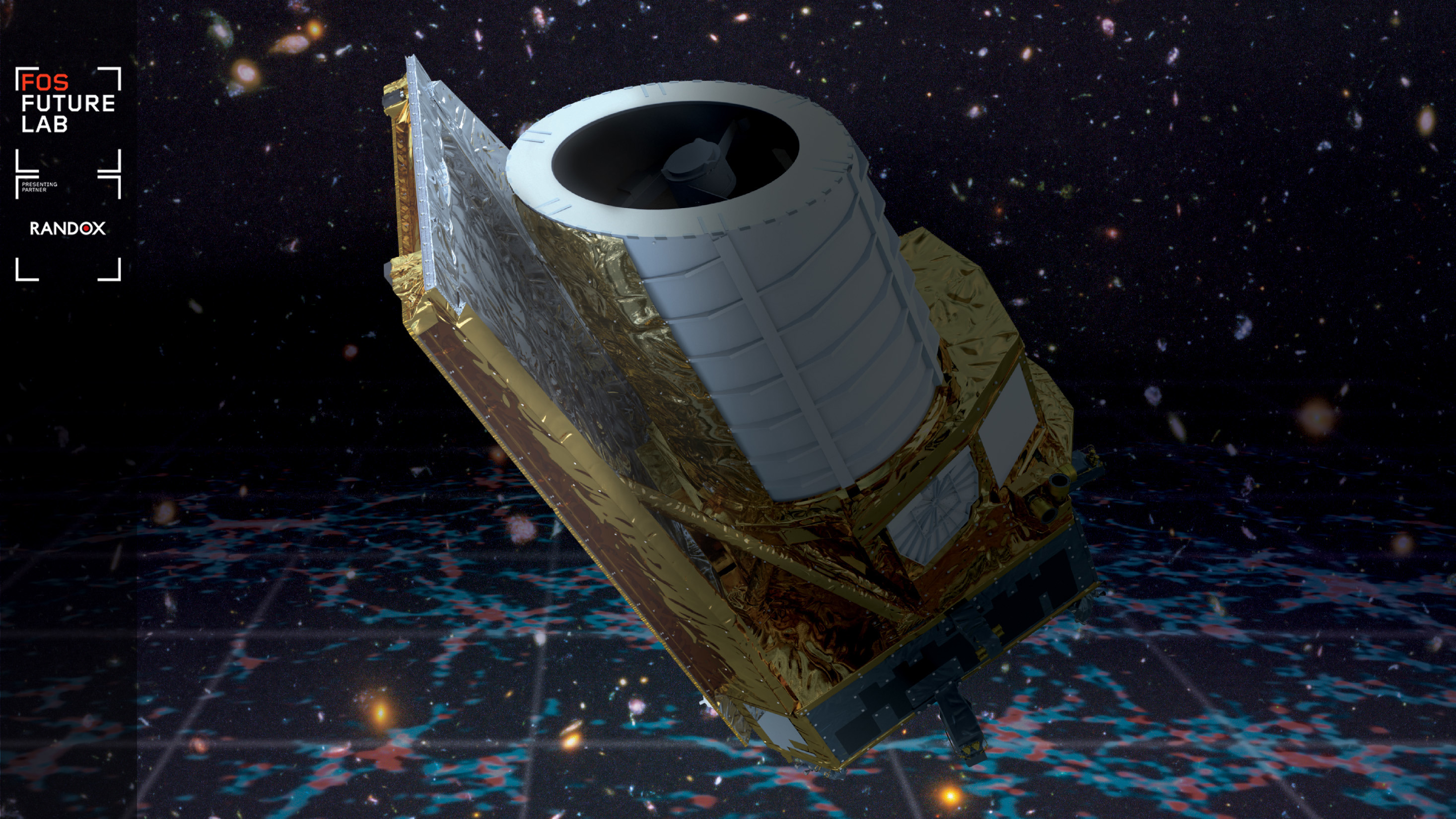
It provides the propulsion, power and life-support consumables needed for deep-space flight, and is one of the reasons Artemis II will be at the heart of this year’s FOS Future Lab presented by Randox. By the time the 2026 Festival of Speed presented by Mastercard arrives, we’ll know whether the mission has been successful, and with the help of NASA, the ESA and Airbus, we’ll bring you closer than ever before to what actually happened.
Goodwood might be 380,000 kilometres away from the lunar surface, but with astronaut Sir Tim Peake in attendance, we’ll not only walk the Moon walk, but talk the talk, with a series of interactive experiences for all the family. We may even have something out of this world to take on the famous Goodwood Hillclimb.
For now, here’s everything you need to know about Artemis II, including why NASA has been beaming cat videos down to Earth using lasers.
Watch Artemis II live
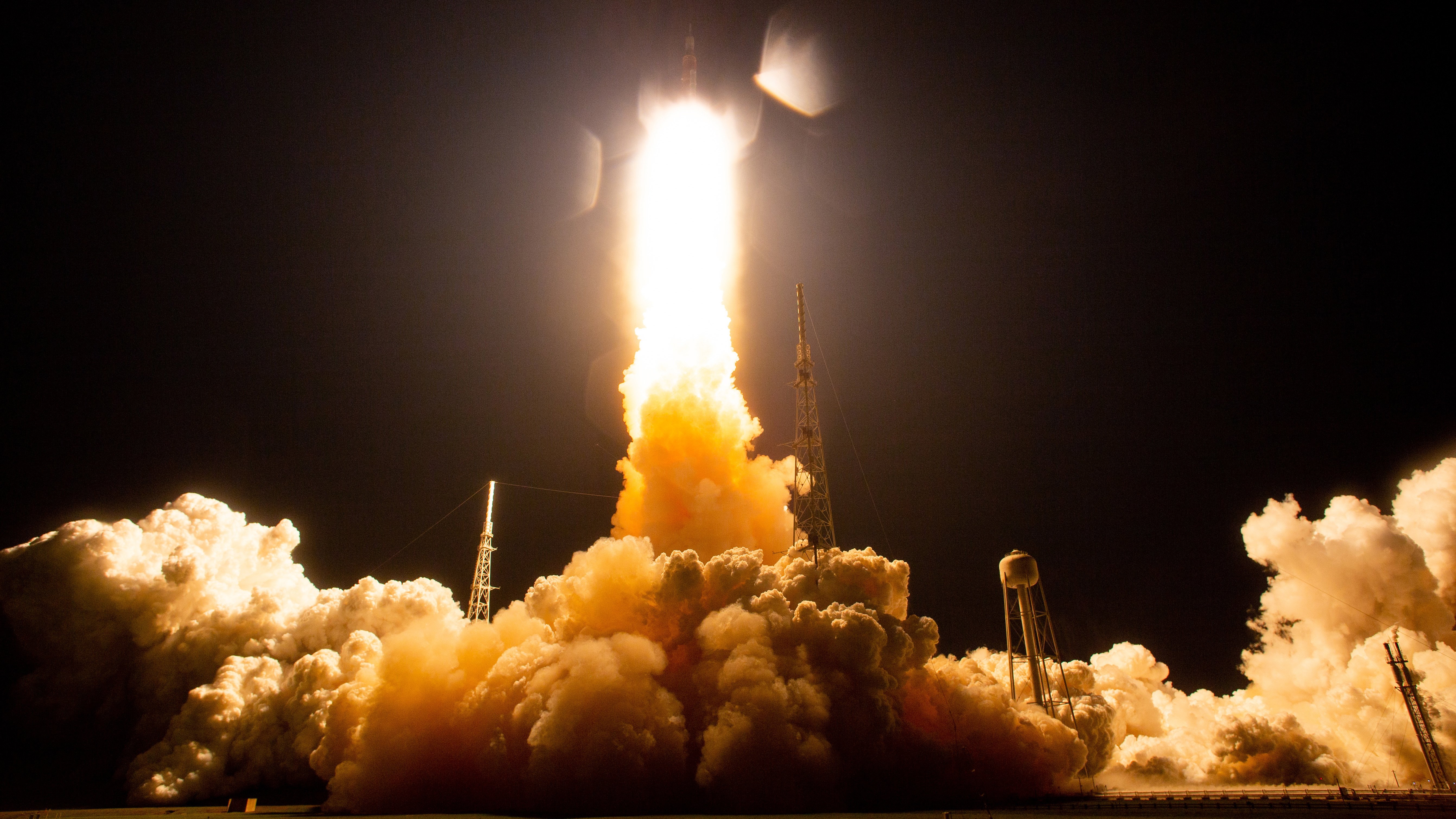
The first crewed mission beyond Earth orbit in more than 50 years could launch on 1st April 2026. NASA is targeting lift-off at 18:24 Eastern Daylight Time — that's 23:24 in the UK.
If the launch is delayed, backup windows are available on the 2nd, 3rd, 4th, 5th and 6th April, with a final opportunity on 30th April if all earlier windows are missed. You can watch the launch live on NASA's YouTube channel.
Why Artemis II matters
Artemis I, which flew uncrewed in 2022, proved the Space Launch System rocket and Orion spacecraft could make the journey around the Moon and return safely. Artemis III, now targeted for 2027, has been repurposed as a crewed Earth orbit test flight, with the first actual lunar landing pushed to Artemis IV in 2028. Artemis II is the step between, the first time hardware is tested in deep space with people on board.
It’s one thing to fly a spacecraft autonomously; it’s quite another to support four humans for ten days beyond Earth orbit. Life-support systems must regulate air composition, temperature and waste. Power systems must perform without interruption, propulsion must be precise and communications must be resilient.
If Artemis III is to land astronauts on the Moon and future missions are to remain there for extended periods, Artemis II has to prove the architecture works. It also reflects a shift in how space exploration is structured. Apollo was designed as a geopolitical sprint. Artemis is being built as an international programme.
NASA might be leading, but the ESA supplies the European Service Module; Canada provides key robotics; private contractors design landers. NASA has now confirmed it is cancelling the Lunar Gateway orbital station, redirecting the hardware and international partner commitments toward building a permanent base on the lunar surface — a $20billion programme intended to establish what the agency calls a "continuous human foothold' on the Moon".
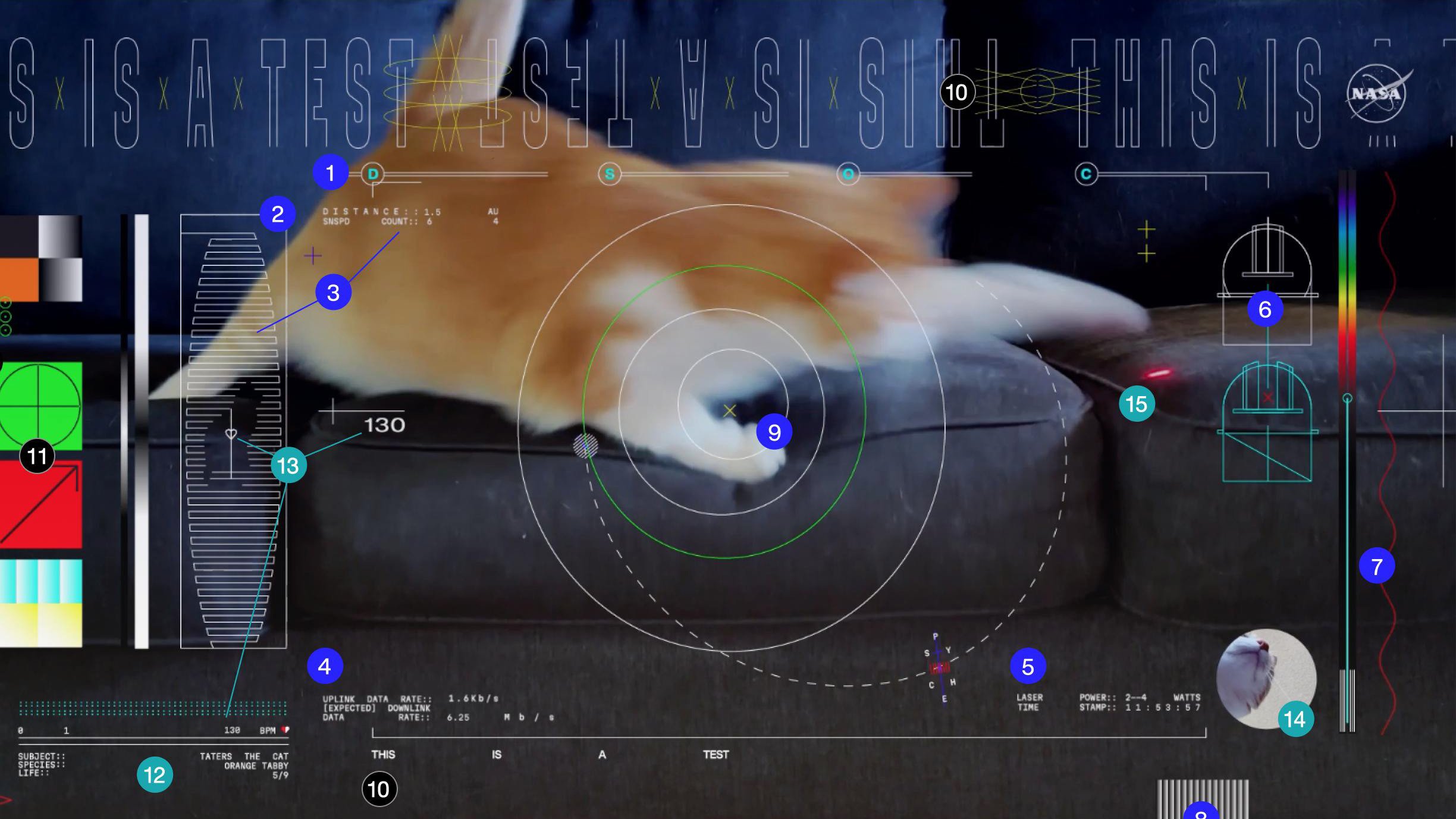
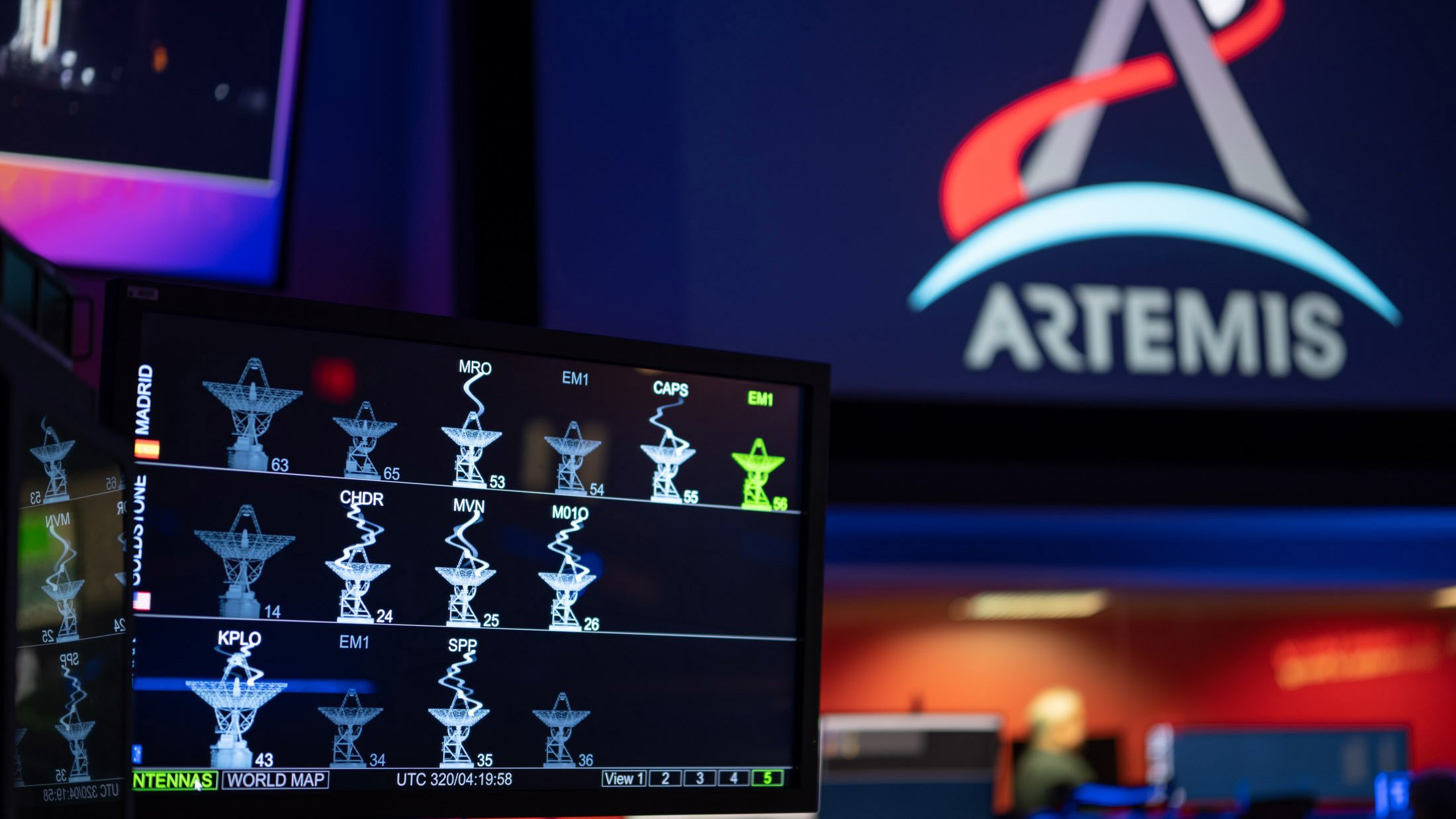
Underpinning the future of Artemis are optical communications — laser-based data links capable of transmitting far more information than traditional radio. NASA has been testing these systems by transmitting large data files over vast distances, experimenting with some of the vital content to humankind — yes, cat videos.
Step forward, Taters, the tabby pet of a Jet Propulsion Laboratory employee, who unwittingly volunteered to star in a 15-second test video chasing, you guessed it, a laser pointer. Using a cutting-edge flight laser transceiver, NASA sent the cat content across 19 million miles — about 80 times the Earth-Moon distance — taking just 101 seconds to reach Earth.
The system's bit rate of 267 megabits per second might not sound especially impressive on Earth, but in deep space the bandwidth and distances covered can transfer navigation, science and live communications from the Moon to Earth with the immediacy of a car sat nav or livestreaming a football match.
By the time Artemis II flies, the programme will either have demonstrated that this infrastructure is viable or revealed where it still falls short. Or in other words, can humans hotdesk from the Moon?
Ten days beyond Earth
The Artemis II mission sounds deceptively simple. The Space Launch System will lift Orion into orbit before a powerful translunar injection burn sends the spacecraft towards the Moon. The crew will not enter lunar orbit. Instead, they will follow a free-return trajectory, looping behind the Moon and using its gravity to sling them back towards Earth.
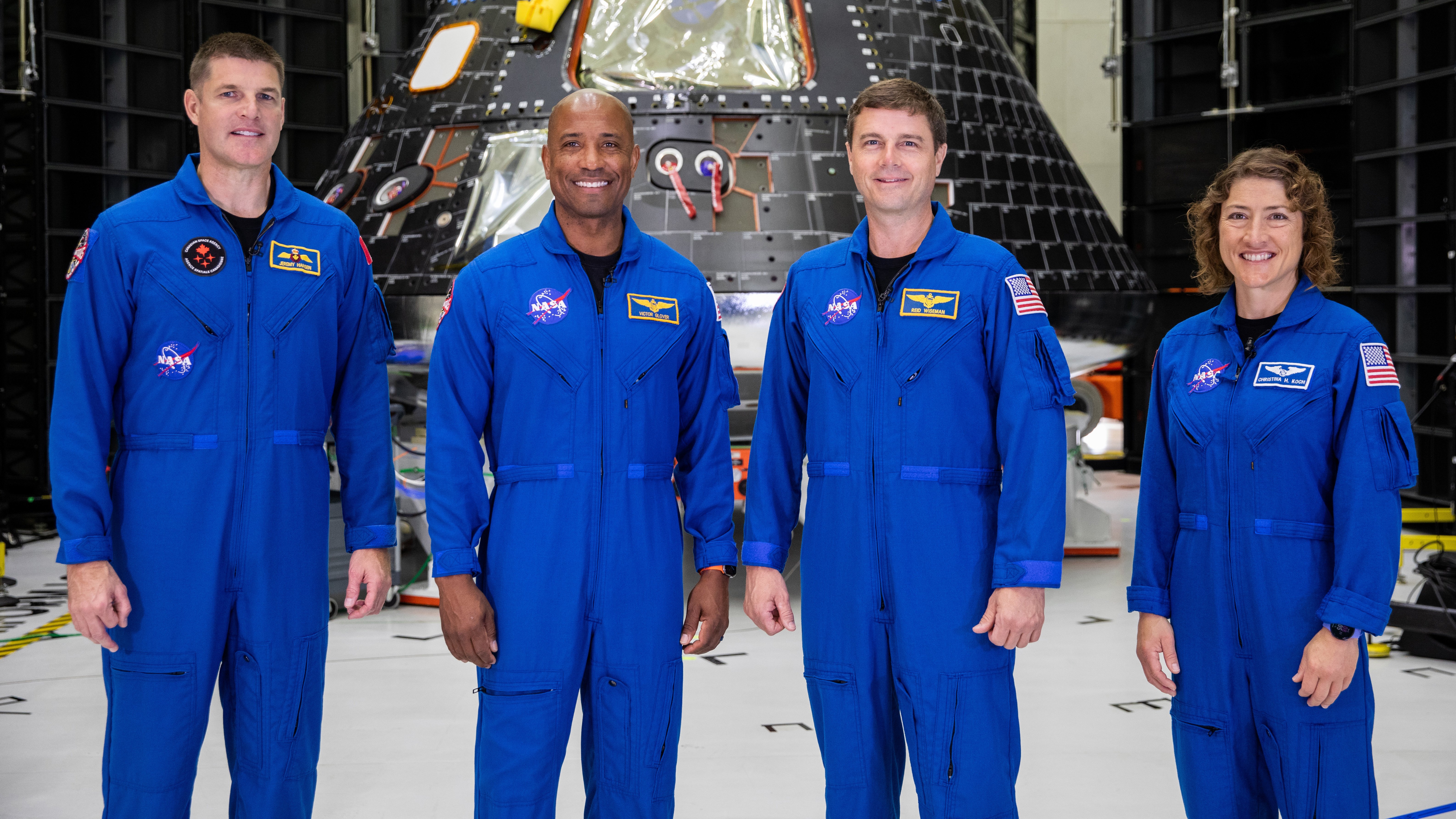
Inside Orion, astronauts Reid Wiseman, Victor Glover, Christina Koch and Jeremy Hansen will share a pressurised space not much larger than a family SUV. There is no quick return option. Once the translunar burn is complete, they are committed.
Artemis II will test more than hardware. The crew will evaluate Orion’s environmental control systems, navigation displays and manual piloting capability. They will monitor radiation exposure beyond Earth’s protective magnetosphere, operate the spacecraft during key burns and practice procedures future crews will rely on in lunar orbit and, eventually, on the surface.

The free-return path is deliberate. If major propulsion systems fail, gravity can still carry Orion home. But it also exposes the crew to the full reality of deep space travel: distance, delay and isolation. At its furthest point, communication with Earth will not drop out entirely, but the sense of separation will be very real.
Sir Tim Peake has spoken previously about how spaceflight compresses perspective. Artemis II will take that compression further than any mission in half a century. The crew’s experience, including their physiological responses, workload management and even how they move inside the capsule will inform the design of Artemis III and beyond.
Europe’s role in the return
It’s tempting to frame Artemis as American with international guests, but without the European Service Module, Orion does not manoeuvre, generate power or regulate key life-support consumables. It does not get to the Moon, and it does not get home.
The module was assembled by Airbus in Bremen, Germany, on behalf of the European Space Agency, with components supplied by countries including Italy, Switzerland, France, Belgium, Sweden, Denmark, Norway, Spain, and the Netherlands.
It’s Europe’s largest single contribution to human deep-space flight in decades, and part of what will be explored at this year’s FOS Future Lab. Spaceflight is often presented as spectacle — launches, countdowns, heroic photography. What tends to receive less attention is the tech and talent that make everything work, and that a career in the space industry isn’t as alien as it sounds.
By the time the Festival of Speed arrives, Artemis II will not simply be about distance travelled, but about whether we possess the skills as humans to sustain life beyond Earth orbit.
Meet the Artemis II crew
Artemis II is about systems… systems designed to keep four astronauts alive in one spacecraft for ten days. So, who is NASA sending?
Reid Wiseman, aged 50 (Commander, NASA)
A former US Navy test pilot and veteran astronaut, Wiseman will oversee the mission’s execution, including key propulsion burns and decision-making during the lunar flyby. He’s also a keen go-kart driver.
Victor Glover, aged 49 (Pilot, NASA)
A naval aviator who previously flew to the International Space Station on SpaceX Crew-1, Glover will help operate Orion’s flight systems during critical manoeuvres beyond Earth orbit. He was also Ontario High School's 1994 ‘Athlete of the Year’.
Christina Koch, aged 47 (Mission Specialist, NASA)
Koch previously set the record for the longest single spaceflight by a woman. On Artemis II, she will support spacecraft operations and systems evaluation during the mission. She has a pet cat called Cocoa, which is yet to star in a NASA video.
Jeremy Hansen, aged 50 (Mission Specialist, Canadian Space Agency)
A Royal Canadian Air Force fighter pilot, Hansen will become the first non-American astronaut to travel around the Moon. Hansen is also a cavenaut and aquanaut, so really, he’s completing the set.

Randox is a global leader in diagnostics, revolutionising patient outcomes through innovative technologies, including its patented biochip technology. This pioneering diagnostic platform allows for the simultaneous detection of multiple biomarkers from a single sample, delivering faster, more accurate, and comprehensive results. Operating in over 145 countries, Randox develops advanced laboratory instruments, high-quality reagents, and innovative testing solutions to improve global healthcare.
Randox Health brings this cutting-edge technology directly to individuals, offering bespoke, preventative health testing programs. With world-class laboratories and personalised health insights, Randox Health enables early detection of a wide range of conditions, helping individuals take control of their health.
Together, Randox and Randox Health are redefining diagnostics and preventative healthcare. For more information, visit www.randox.com and www.randoxhealth.com.
Images courtesy of NASA.
festival of speed
fos
event coverage
future lab
fos future lab
artemis



Subscribe to Goodwood Road & Racing
Thank you, you’re now subscribed

How many hay bales are used at FOS?
For the last two years, 5,800 bales have been recylced into the biomass energy centre to be used for energy generation