

Expanding the universe with Cosmos Unseen: Black Holes
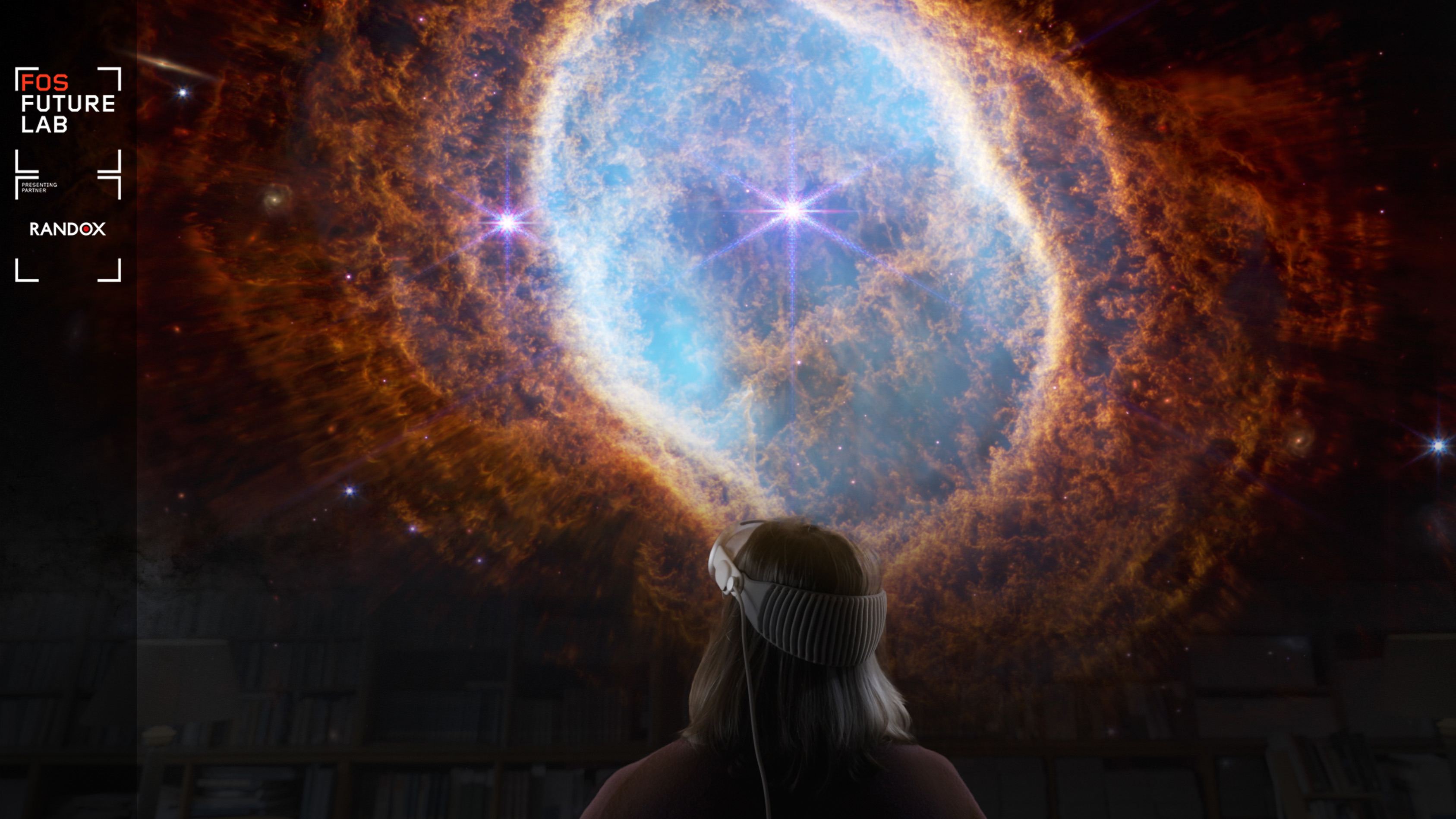
Last year at FOS Future Lab presented by Randox, Cosmos in Focus did something quite radical. It took groundbreaking data and stunning images from NASA’s James Webb Space Telescope and rendered them experiential with Apple Vision Pro headsets. Visitors didn’t so much peer at the universe as stand inside it.
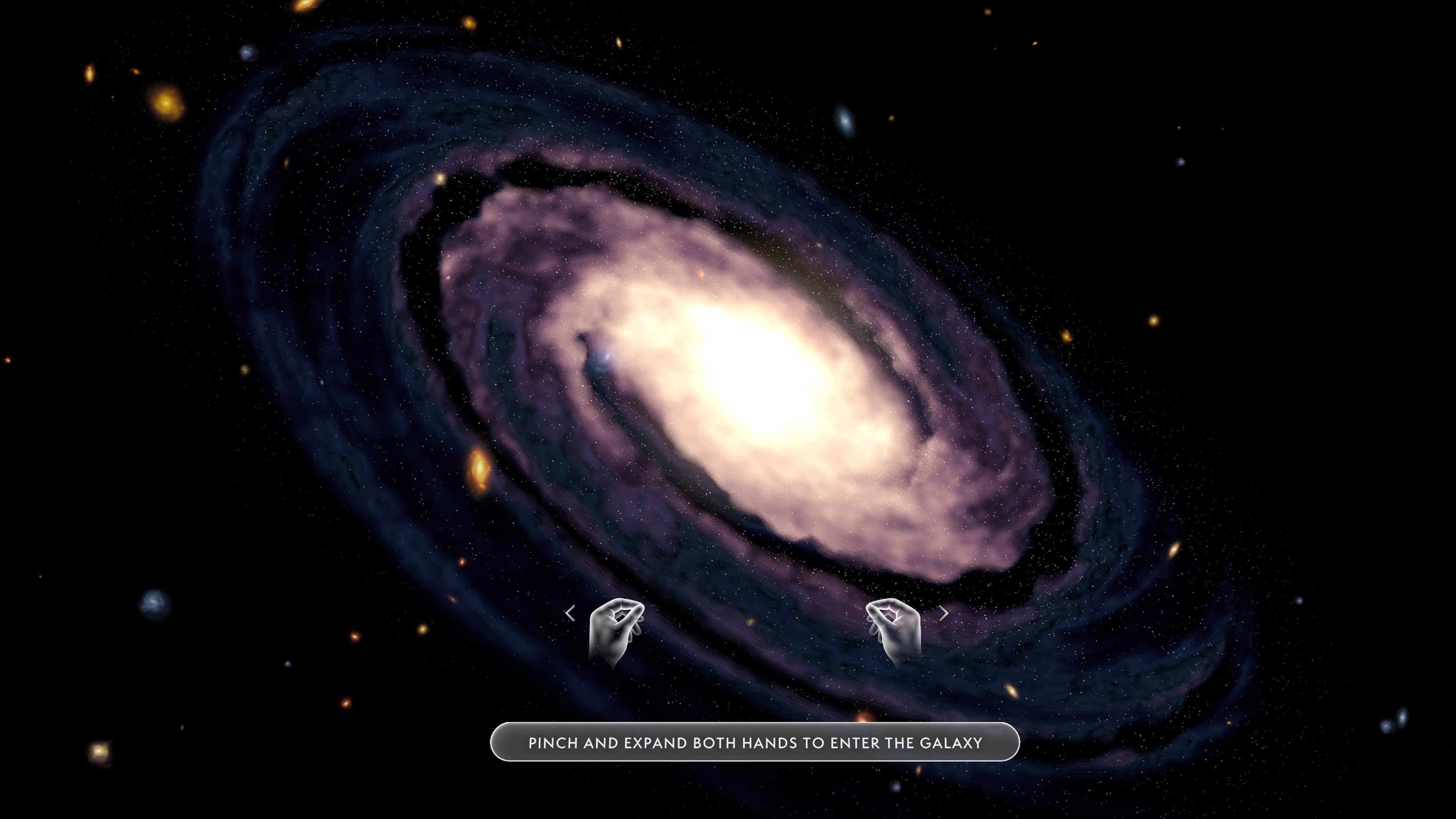
Cosmos Unseen: Black Holes is the next chapter, expanding on the same premise but turning its attention to the most extreme, counter-intuitive objects we know, places where gravity bends time, light disappears and the rules we rely on simply stop working.
If Cosmos in Focus was about revealing what we can see, Cosmos Unseen: Black Holes is about confronting what we can’t. The latest immersive experience, created by Atlantic Studios for Google and released exclusively on the new Samsung Galaxy XR AI headset, uses real astronomical research, simulation and visualisation to explore how black holes are studied and understood.
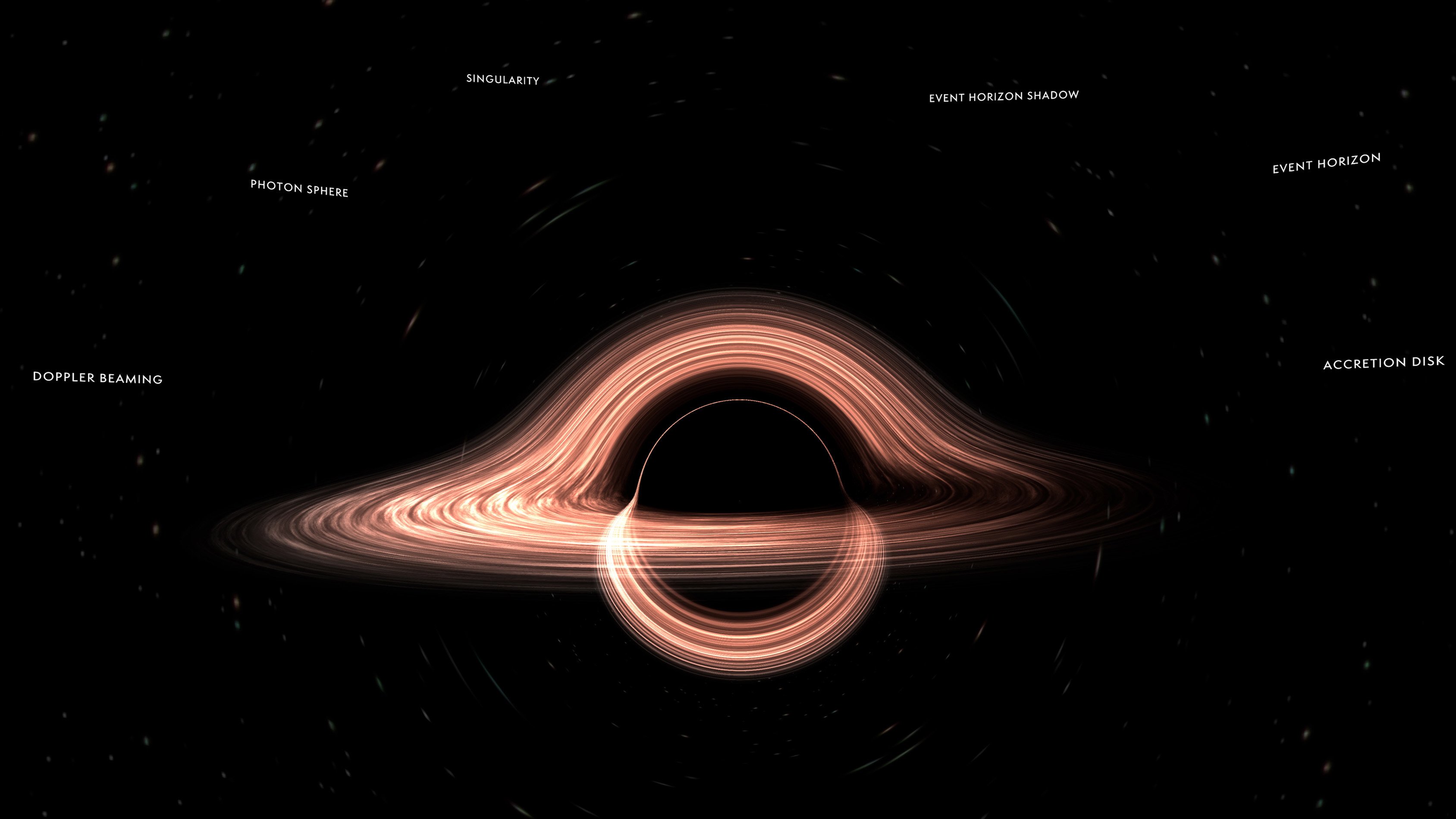
These interpretations are grounded in established scientific models and observations, helping visitors understand how black holes are identified and analysed through their effects on surrounding space, rather than through direct images of the objects themselves.
Let there be light
At the 2025 Festival of Speed presented by Mastercard, Cosmos in Focus centred on what modern astronomy can now see. Using imagery and data from the James Webb Space Telescope, it examined how advances in optics, infrared sensing and image processing are revealing regions of the universe that were previously hidden from view.
Webb’s mirrors and instruments do not simply produce photographs in the traditional sense. They collect faint infrared light from the earliest galaxies, distant star-forming regions and dust-shrouded nebulae, which is then processed, calibrated and colour-mapped to make those observations intelligible to the human eye.
Cosmos Unseen: Black Holes picks up from there by turning to phenomena that resist imaging altogether, exploring how scientists visualise, model and interpret objects that cannot be seen directly.
Back in black
We’re living through a golden age of black hole discovery. Astronomers using the James Webb Space Telescope recently reported a supermassive black hole tearing through space at over two million miles per hour, effectively fleeing its host galaxy while dragging a wake of star-forming material behind it.
Discoveries like this underline why they’ve moved from theoretical curiosities to front-line science and are now central to how we understand the universe — from the first galaxies forming after the Big Bang, to the fate of matter at the edge of physics itself. Cosmos Unseen: Black Holes draws directly from this.
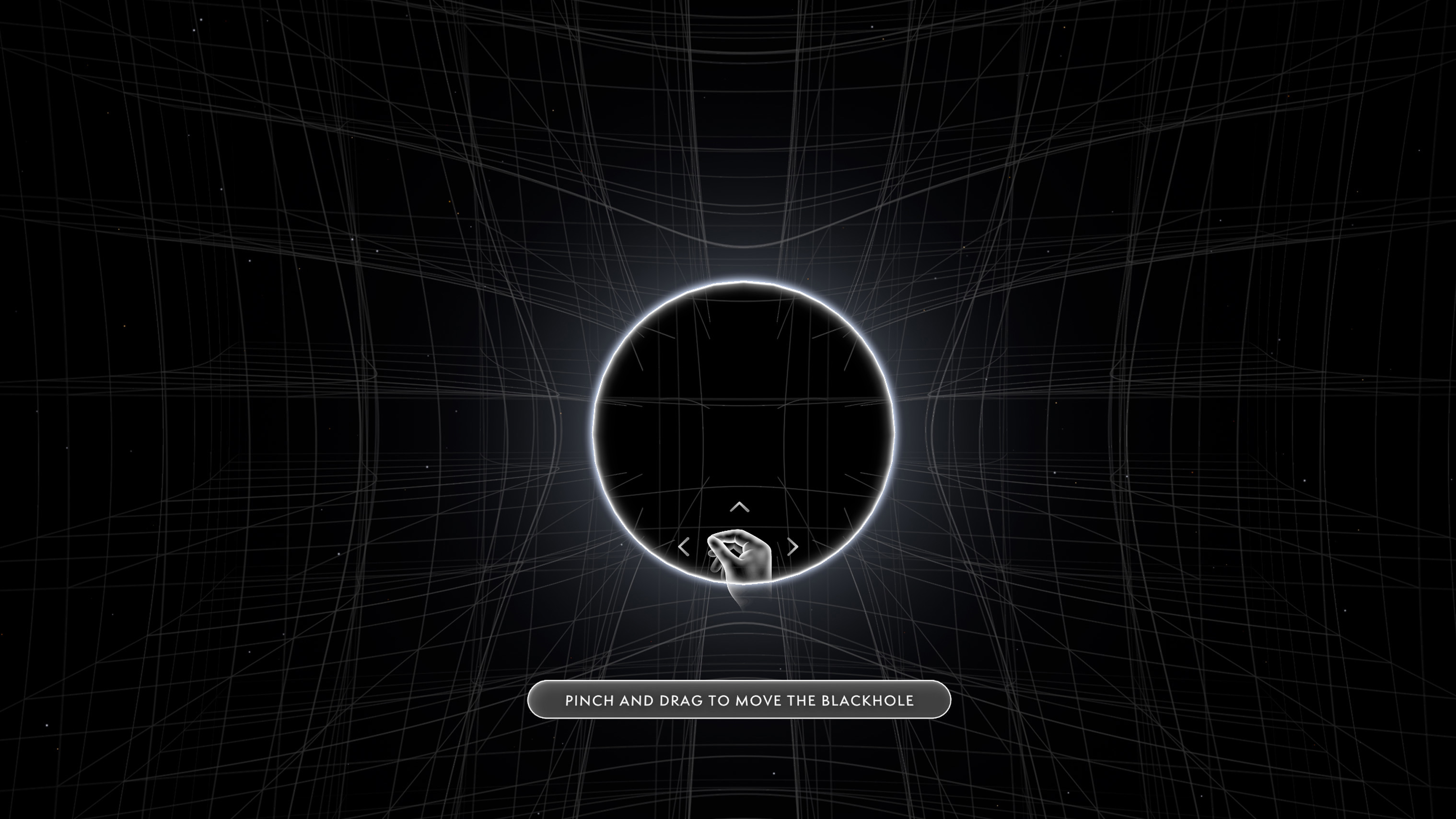
Black holes are often explained using metaphors, like whirlpools, drains, cosmic or vacuums, because even those of us who paid attention in science class still struggle with spacetime curvature and relativistic physics.
Immersive technology, such as Apple Vision Pro or Samsung Android XR, allows audiences to experience its simulated consequences. You don’t need to understand Einstein’s equations to feel what it means for light to bend, time to stretch or matter to spiral past the point of no return.
This is precisely why Cosmos in Focus was such a hit with visitors to the Festival of Speed, and why FOS Future Lab will be back, bigger and better than ever for 2026.
While the famous Goodwood Hill celebrates mechanical performance, FOS Future Lab looks further ahead, at how technology reshapes perception, creativity and understanding. From space exploration to sustainable engineering, it’s where complex ideas are made tangible for all ages.
Cosmos Unseen: Black Holes sits at the intersection of cutting-edge science, real-time data processing, visualisation and storytelling, demonstrating how future technologies won’t just move faster or compute more, but help us see differently. It’s also a reminder that the same tools shaping autonomous vehicles, simulation and AI are now fundamental to modern science.

Randox is a global leader in diagnostics, revolutionising patient outcomes through innovative technologies, including its patented biochip technology. This pioneering diagnostic platform allows for the simultaneous detection of multiple biomarkers from a single sample, delivering faster, more accurate, and comprehensive results. Operating in over 145 countries, Randox develops advanced laboratory instruments, high-quality reagents, and innovative testing solutions to improve global healthcare.
Randox Health brings this cutting-edge technology directly to individuals, offering bespoke, preventative health testing programs. With world-class laboratories and personalised health insights, Randox Health enables early detection of a wide range of conditions, helping individuals take control of their health.
Together, Randox and Randox Health are redefining diagnostics and preventative healthcare. For more information, visit www.randox.com and www.randoxhealth.com.
festival of speed
fos
fos future lab
future lab
event coverage
cosmos in focus





Subscribe to Goodwood Road & Racing
Thank you, you’re now subscribed

How many hay bales are used at FOS?
For the last two years, 5,800 bales have been recylced into the biomass energy centre to be used for energy generation