

Robots are levelling up: What the latest breakthroughs mean for 2026
If 2024 and 2025 felt like years when robotics became interesting again, 2026 may well be the moment when they truly enter public life.
Stories of humanoids backflipping, robots playing competitive basketball, expressive theme-park characters and machines capable of walking marathon distances are dominating headlines. At the same time, researchers have pushed the boundaries of what robots can learn, how fast they can adapt and how safely and reliably they can operate in everyday spaces.
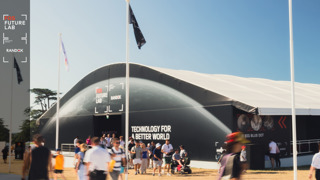
For anyone curious about where robotics is going next, these developments aren’t lucky one-off experiments — they’re a sign the technology is crossing an inflection point, and in 2026, visitors to FOS Future Lab presented by Randox will have the chance to experience this new era first-hand.
Here is a closer look at some of the latest stories shaping the next chapter of robotics, and what they could mean by the time the 2026 Festival of Speed presented by Mastercard rolls around.
Home robots can finally lend a hand
The dream of a home robot that can genuinely help with everyday tasks — not just vacuuming rooms in straight lines — has felt frustratingly distant. But a recent WIRED report suggests this vision is finally becoming realistic.
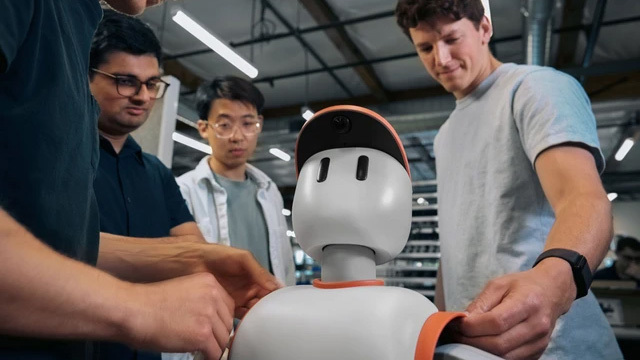
At the centre of the story is Memo, a home robot from a start-up called Sunday Robotics. Rather than being programmed line-by-line, Memo learns by imitation: engineers put on motion-capture gloves, perform everyday chores, and the robot studies their movements. The result is a machine that can already load a dishwasher and make coffee in tidy test kitchens. Turning those neat demos into something robust enough for family life is the challenge Sunday is tackling next.
Instead of rigidly following instructions, these machines are beginning to interpret the intent of a task. They can navigate clutter, identify objects and act with increasing autonomy. Crucially, the training methods now mimic how a human might learn: by observing, adjusting and adapting to new environments.
By 2026, we may see early versions of these domestic robots entering consumer trials. At the Festival of Speed, visitors could witness the early foundations of what many believe will become the ‘personal computer’ moment for household robotics — the first robots designed not for novelty, but for genuine daily assistance.
Humanoids come of age — and leave the lab
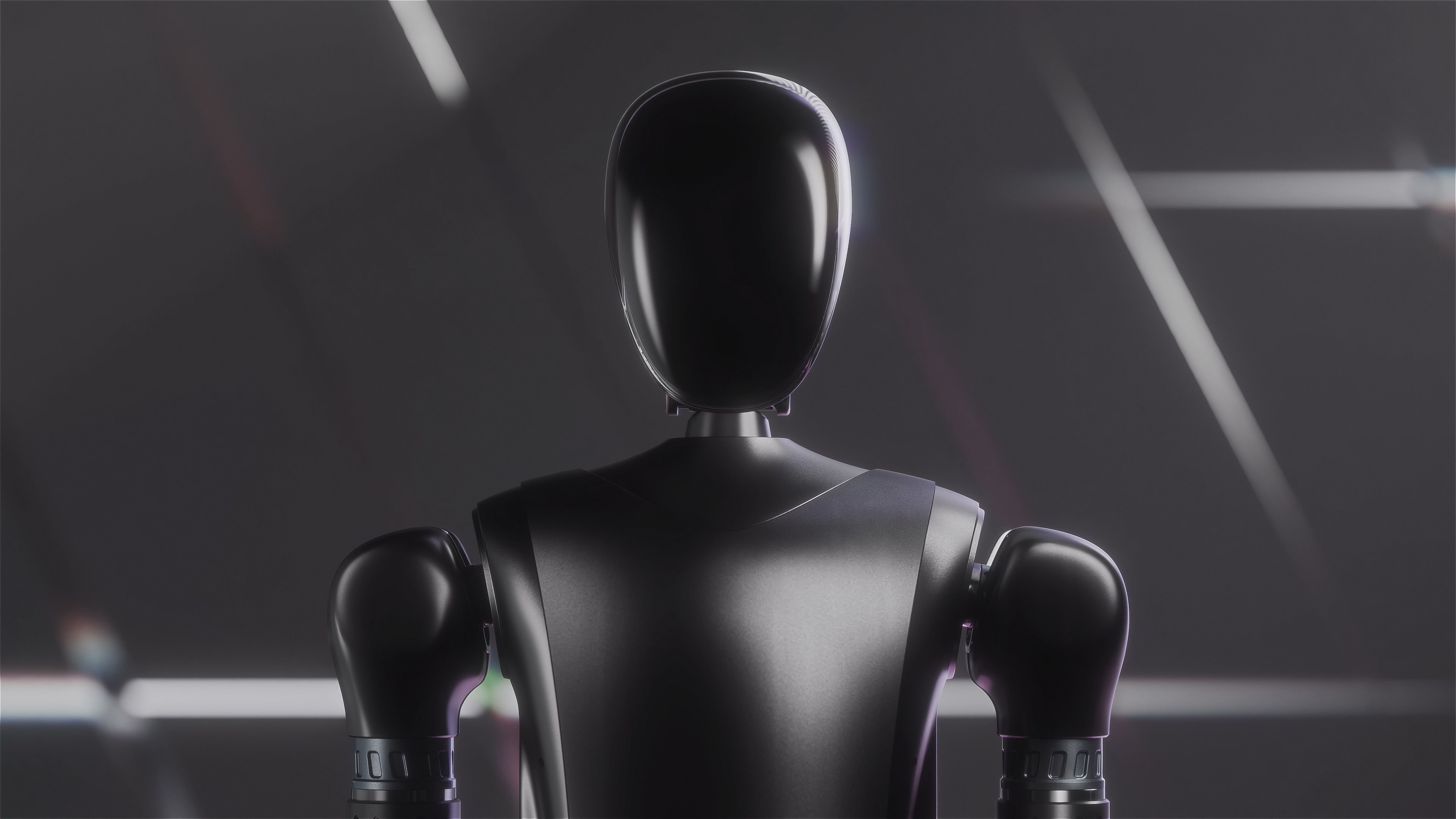
If one person symbolises the journey from wobbly bipedal machines to dynamic humanoids, it’s UCLA roboticist Dennis Hong. Hong has traced two decades of work on humanoids, from early testbeds crawling across lab floors to today’s robots capable of balancing, jumping and performing complex manipulation tasks. His timeline underscores a point echoed across the industry: the field has matured.
This is reinforced by recent dramatic stories. First, a backflipping humanoid completing a controlled somersault with a “Superman landing”. Backflips may not be an essential skill for daily life, but they are a demanding benchmark of mechanical design and real-time control.
Second, factories around the world are exploring humanoids not as curiosities but as practical workers. Interesting Engineering’s report highlights the arrival of robots capable of navigating factory floors, lifting items, opening doors or working in spaces originally designed for humans. These systems could reduce the need for costly factory redesigns, making humanoids an efficient way to automate tasks without rebuilding entire production lines.
These deployments are still limited trials rather than full-scale replacements, but Goodwood visitors may see humanoids that don’t just walk and wave, but perform functional demonstrations — lifting, carrying, assembling or collaborating with people in controlled environments. For future engineers, this is where inspiration becomes a career path.
Robots that play, perform and entertain
Robotics isn’t only transforming manufacturing and research labs — it’s also sneaking into leisure, culture and entertainment. One viral example shows a robot playing basketball with surprising finesse. Unlike heavily choreographed machines of the past, this robot could dribble, shoot, track the ball and react dynamically to the court. The Unitree G1 humanoid was programmed to pick and roll by researchers at the Hong Kong University of Science and Technology.
Sports robotics is a proving ground for “physical intelligence”, demonstrating rapid decision-making, spatial awareness and predictive control — the same capabilities that could make future household or workplace robots feel naturally responsive.
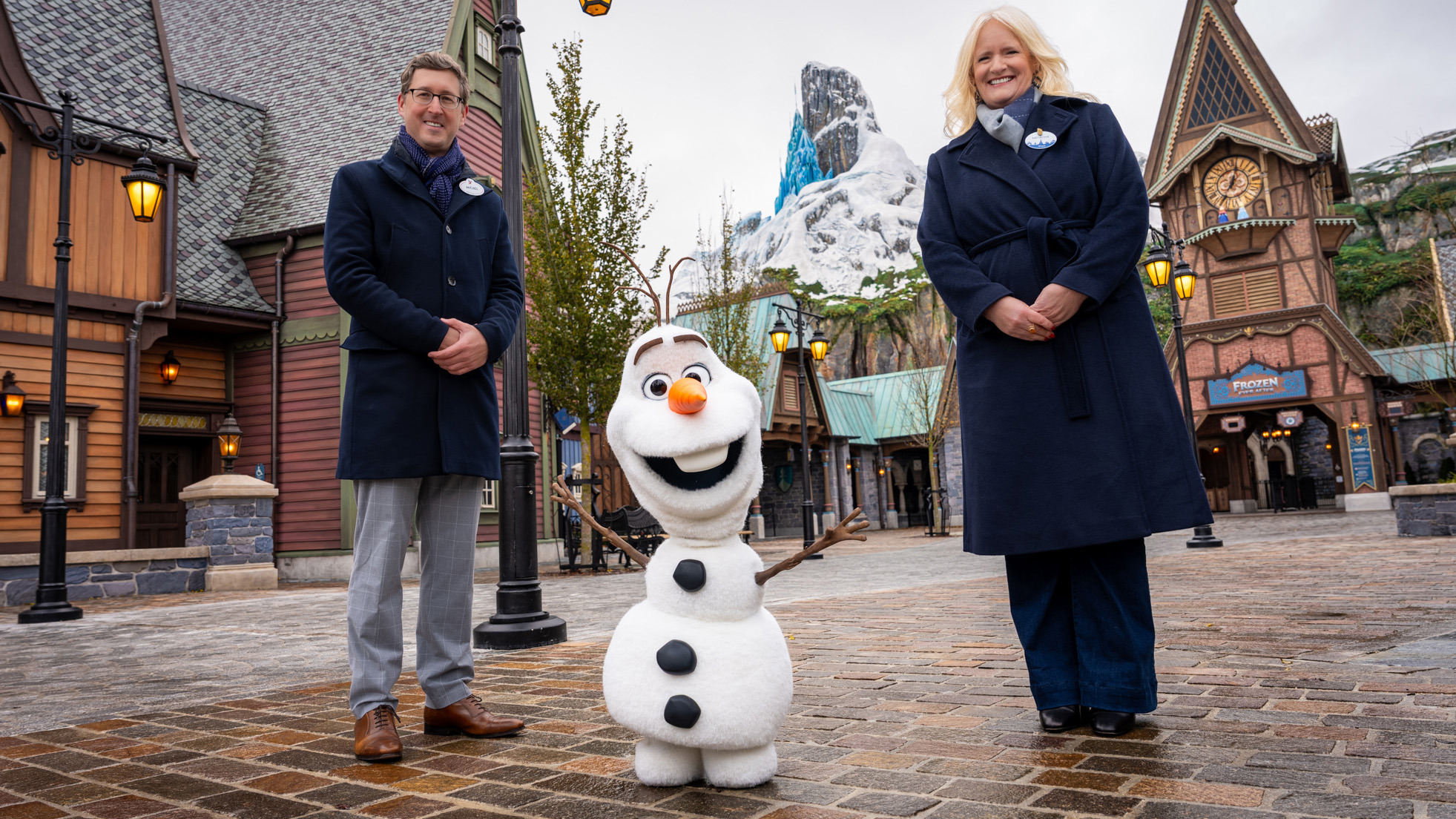
Meanwhile, Disney is pushing the boundaries of expressive robotics, which, for once, has nothing to do with Star Wars. Walt Disney Imagineering, the entertainment giant’s robotics and animatronics division, revealed a next-generation robotic Olaf at Disneyland Paris and Hong Kong Disneyland. Unlike traditional animatronics, which are rooted to the spot, Olaf can roam freely, gesture fluidly and interact with guests in ways that feel uncannily alive.
The engineering behind the performance includes compact actuation, advanced sensor fusion and finely tuned motion planning that results in movement with character rather than cold precision. This new era of “performance robotics” hints at future worlds where robots occupy not just factories, but theme parks, museums and public spaces.
Endurance and reliability reach new heights
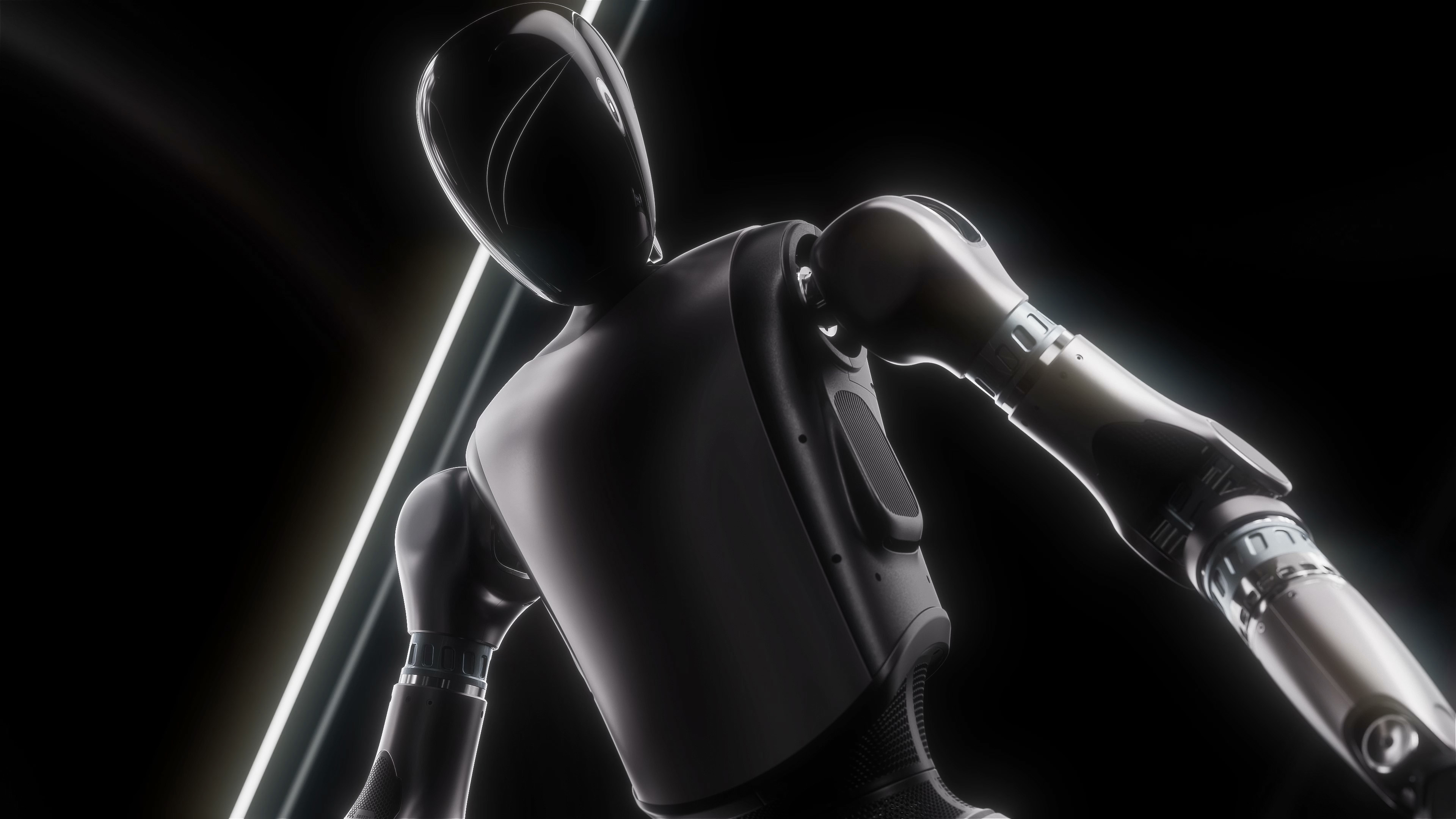
Perhaps the most quietly impressive recent development is an AgiBot A2 humanoid setting a Guinness World Record by walking over 66 miles on a single charge. That’s the equivalent of more than two and a half marathons — a feat signalling huge leaps in battery efficiency, gait optimisation and thermal management.
Endurance is the invisible backbone of robotics. Flashy demonstrations grab headlines, but the ability to run continuously without overheating or breaking down is what ultimately determines real-world usefulness. This milestone suggests that the humanoids of 2026 could be dramatically more dependable, functional and capable of multi-hour tasks in warehouses, hospitals or even disaster-response scenarios.
The road to 2026: A robot revolution you can experience
Across all these stories — agile humanoids, expressive performers, reliable walkers and household helpers — a clear pattern emerges: robotics is evolving faster, becoming more human-centred and increasingly ready for everyday life.
As FOS Future Lab returns in 2026, these developments offer a preview of what visitors may encounter: robots that move with grace, collaborate intelligently, express emotion or handle tasks once thought too complex for machines. The robot revolution is no longer theoretical. It’s happening now.

Randox is a global leader in diagnostics, revolutionising patient outcomes through innovative technologies, including its patented biochip technology. This pioneering diagnostic platform allows for the simultaneous detection of multiple biomarkers from a single sample, delivering faster, more accurate, and comprehensive results. Operating in over 145 countries, Randox develops advanced laboratory instruments, high-quality reagents, and innovative testing solutions to improve global healthcare.
Randox Health brings this cutting-edge technology directly to individuals, offering bespoke, preventative health testing programs. With world-class laboratories and personalised health insights, Randox Health enables early detection of a wide range of conditions, helping individuals take control of their health.
Together, Randox and Randox Health are redefining diagnostics and preventative healthcare. For more information, visit www.randox.com and www.randoxhealth.com.
Main image courtesy of Sunday Robotics.
festival of speed
fos
event coverage
future lab
fos future lab
robotics




Subscribe to Goodwood Road & Racing
Thank you, you’re now subscribed

How many hay bales are used at FOS?
For the last two years, 5,800 bales have been recylced into the biomass energy centre to be used for energy generation