

Jack Brabham will be celebrated at the 2026 Goodwood Revival
The 2026 Goodwood Revival will celebrate the life and legacy of Sir Jack Brabham, a unique figure in motorsport who remains to this day the only person to win the Formula 1 World Championship with an eponymous car.
Born John Arthur Brabham on 2nd April 1926, Jack learned to drive his family car at the age of 12 but made his first forays into motorsport as an engineer. His story is one of tenacity and a drive for perfection, a unique tale in history that Goodwood will tell through his family, those who knew him and the cars that he made famous.
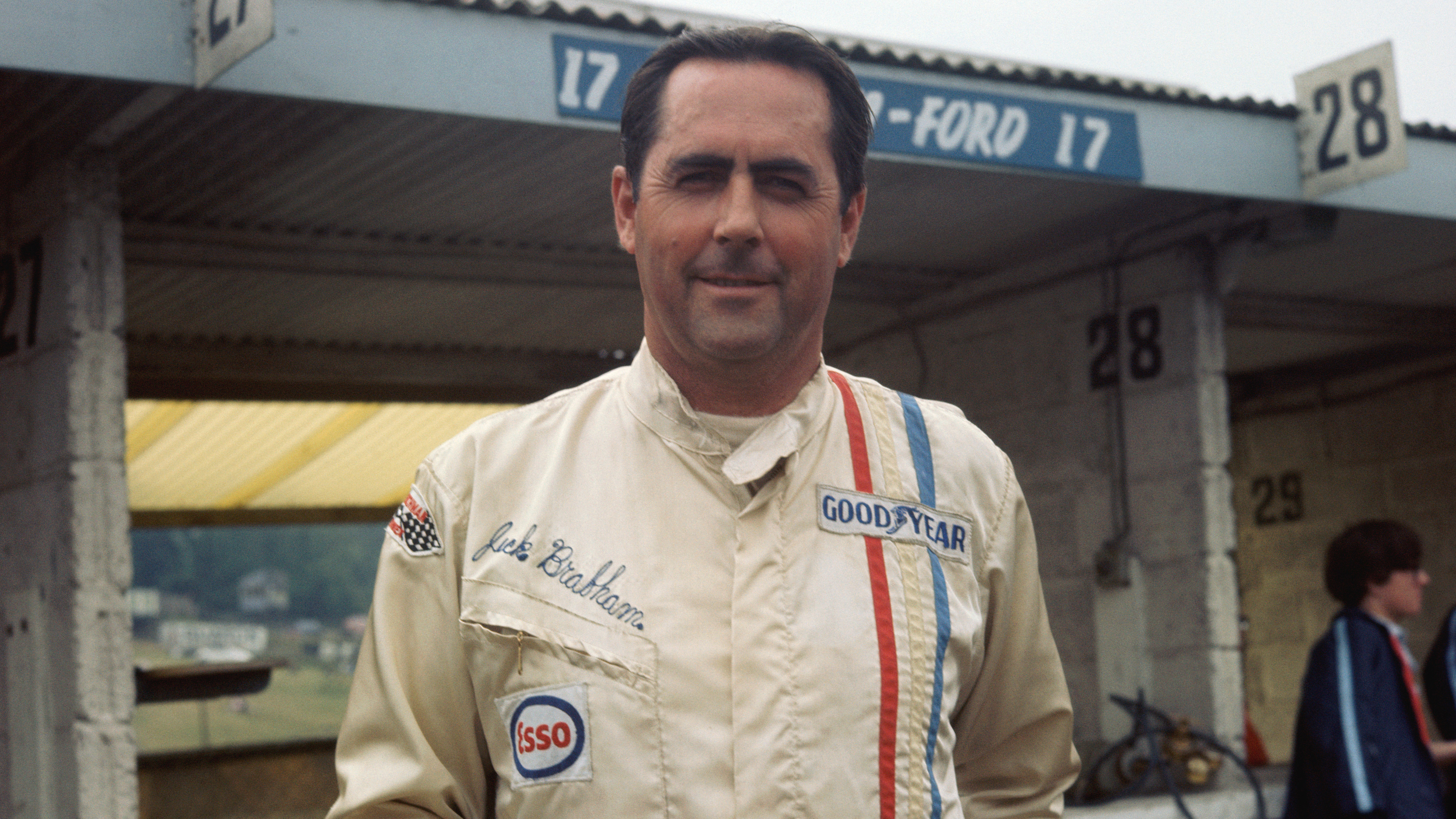
After working through his late teenage years as a motorcycle salesman, Brabham enlisted into the Royal Australian Air Force in 1944. There he once again put his skills as a mechanic to good use, honing his craft before his discharge in 1946. It was around that time that he joined his friend Johnny Schonberg on a trip to a midget car race meeting.
After appraising the drivers as ‘lunatics’ he agreed to help Schonberg build a car, even providing a JAP motorcycle engine he’d built in his workshop. After his friend decided to stop racing in 1948, Brabham took over driving duties of his self-built car and immediately discovered his penchant for peddling.
Foreshadowing the kind of success he went on to enjoy in later years, Brabham quickly reeled off several Australian Speedcar Championships at the wheel of his own car before eventually making the move to road racing during the early 1950s.
By 1953, he’d taken ownership of his first Cooper racing car and became a prolific winner all over Australia and New Zealand, earning the nickname ‘Black Jack’ and a reputation as a fast and determined racer.
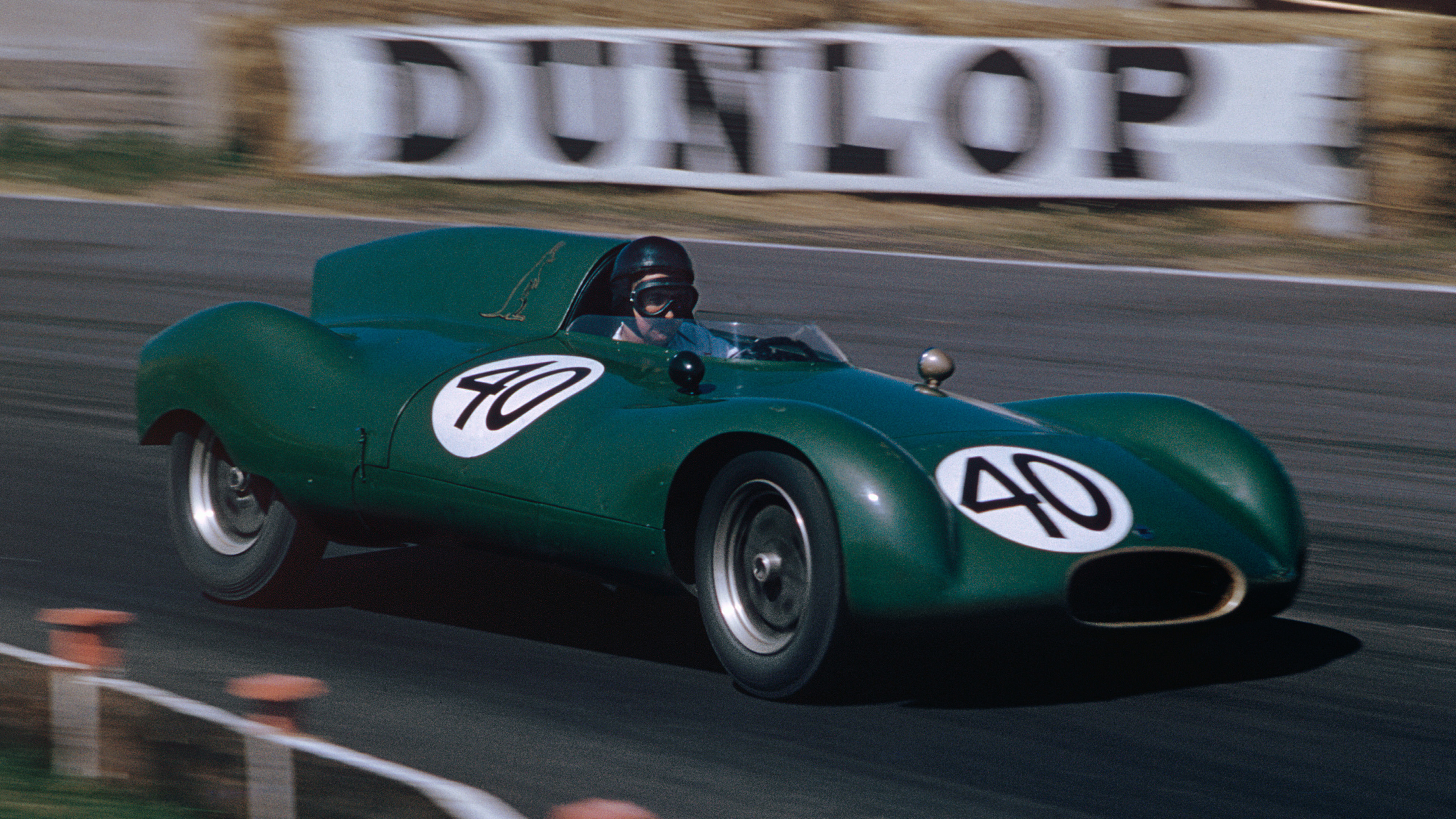
Jack Brabham made his Grand Prix debut at Aintree in 1955 with a Cooper T40 Bristol.
Image credit: Getty ImagesHe moved to the UK in 1955 with his mind set on forging a career in motor racing, and quickly forged a friendship with John and Charlie Cooper, the family behind the car he had driven to so much success back home.
Although not an employee, Brabham quickly entwined himself into the fold at Cooper and persuaded them to let him begin work on a bespoke Bristol-engined sportscar for use in Formula 1. It was based on the T39 ‘Bobtail’, with the engined mounted behind the driver, and Brabham completed the car virtually on his own. He went on to make his Grand Prix debut at the wheel of his creation at Aintree, aged 29.
He went on to race in various F1 events throughout the rest of that year, proving to himself and others that he could compete against the very best in the world. The likes of Stirling Moss, Roy Salvadori and Mike Hawthorn all took note of Brabham’s performances, even in a car that was horribly outmatched by the might of Maserati and Mercedes-Benz.
After shipping his Bobtail back to Australia, Brabham claimed his first victory at the wheel of an F1 car at the 1955 Australian Grand Prix, for Formula Libre cars. It was a historic moment for many reasons, amongst them a first triumph in the event for a rear-engined car.
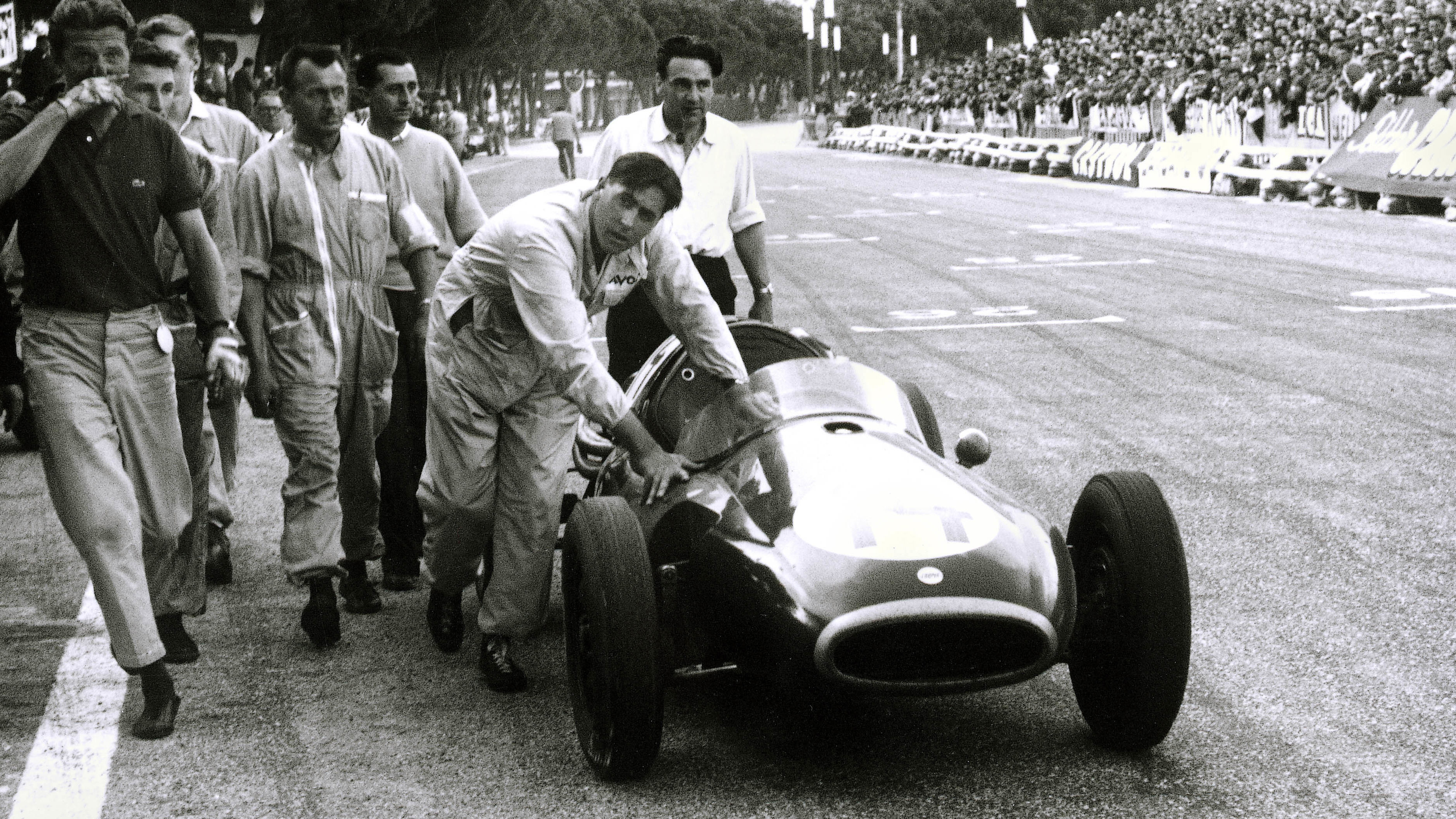
Brabham pushed his Cooper T46 over the line at the 1957 Monaco Grand Prix for a sixth place finish.
Image credit: Getty ImagesHaving won the race, Brabham sold the Bobtail and used the funds to move himself and his family into a permanent residence in the UK. From a solid and comfortable foundation, he along with so many other privateer racers of that time, briefly tried his luck with a Maserati 250F he purchased off another driver, but his fleeting forays with Italian machinery lasted only a single season before he returned to what he knew best.
In 1957, Brabham returned to become a regular competitor at the helm of rear-engined Coopers, racing wherever he could in F1, Formula 2 and sportscars.
In May of that year, he was running an excellent third at the Monaco Grand Prix, only for his car to suffer a mechanical failure and grind to a halt with five laps to go. Refusing to accept defeat, Brabham pushed his stricken car the length of the harbour to reach the finish, albeit five laps down.
A month later, he finished third in class in the Le Mans 24 Hours at the wheel of a Cooper T39 not mechanically dissimilar to the Bobtail that had started it all.
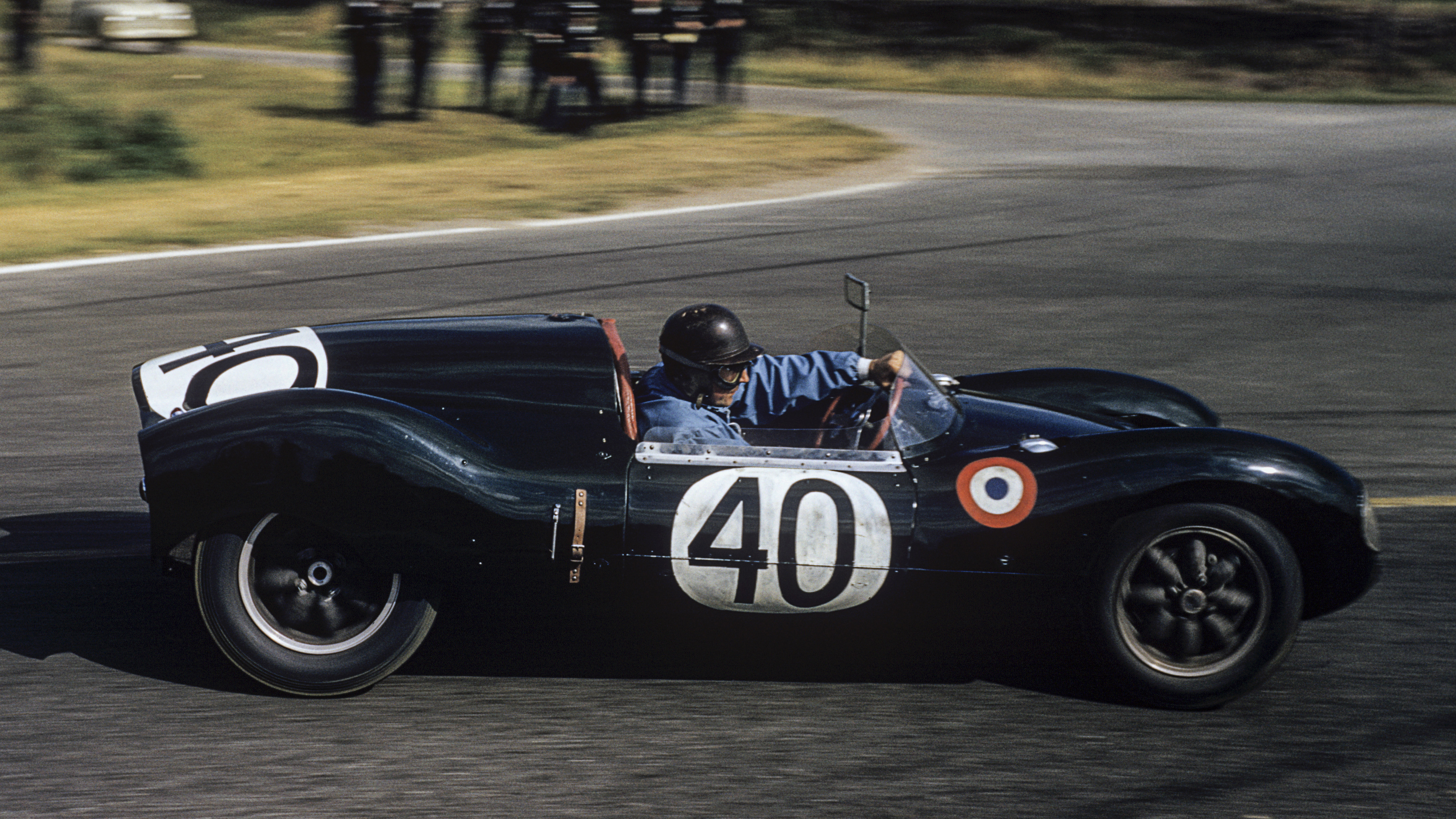
Brabham drove a Cooper T39 at the 1957 Le Mans 24 Hours with Ian Raby. The pair finished third in class.
Image credit: Getty ImagesThe potential was undoubtedly there for Brabham and Cooper to achieve something astronomical, but up until then the cars had been held back by their inferior 2.0-litre engines.
In 1958 Cooper did claim its first Grand Prix victories, albeit with Stirling Moss and Maurice Trintignant driving for Rob Walker Racing, but neither were truly representative of the car’s outright speed.
Brabham managed to score his first World Championship points at Monaco, but he had to wait until 1959, and the introduction of the revolutionary Cooper T51 complete with its new 2.5-litre Climax engine, to complete his long-awaited rise to the top of the world.
He claimed his first F1 victory at the opening round of the season in Monaco and followed it up with a second triumph at Aintree, sandwiching two further podium finishes to give himself a commanding 13-point lead in the standings with four races to go. Consecutive retirements at AVUS and Monsanto — where he suffered a terrifying crash — threatened his ascendancy, but another third-place finish at Monza put him in a great position to score his first World Championship.
What set Brabham apart from many of his contemporaries was his abilities as a mechanic and engineer. The season’s leading driver insisted he continue to work on his car even the day before the title-deciding race at Sebring. He led convincingly until the final lap, but after running out of fuel he again pushed his car over the line to claim fourth place and the title.
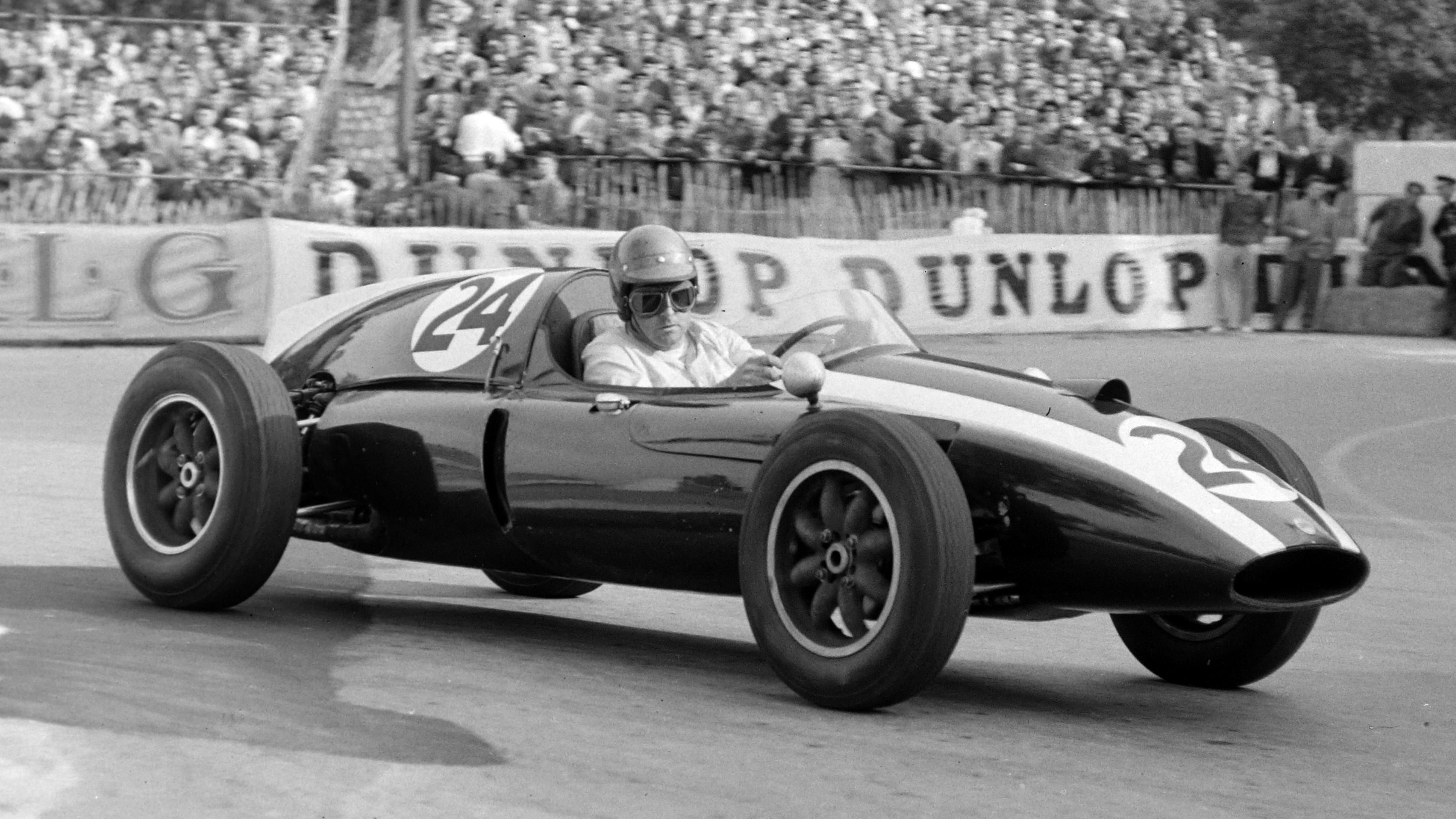
Brabham won both his and Cooper's first F1 race at the 1959 Monaco Grand Prix, driving the Cooper T51.
Image credit: Getty ImagesHaving travelled halfway around the world to become Australia’s first F1 World Champion, there was no chance Brabham was going to stop there. He persuaded his long-time friend Ron Tauranac to join him in the UK and start work at his road car dealership, with the ambition that together they would progress to develop their own racing cars.
Cooper was never really equipped to compete at the very top level of motorsport; it was only thanks to its pioneering use of the rear-engine configuration that the Championship was ever possible. A lack of funds, combined with what Brabham perceived as a dearth of ambition, caused the World Champion to lose faith in the project.
Against the will of the Cooper team, he energised the development of the new T53, a lower and slimmer version of the title-winning T51, and after a tricky start went on an extraordinary run of five straight victories to confirm himself as a double-World Champion.
His performances through 1960 were notable for their consistency and superiority. He qualified on pole position on three occasions, but it was his relentless speed in races that saw him consistently win by the best part of a minute. It was his performances in 1960 more than any other year that highlighted Brabham’s skill, not only at the wheel, but as an engineer perfecting his car setup.
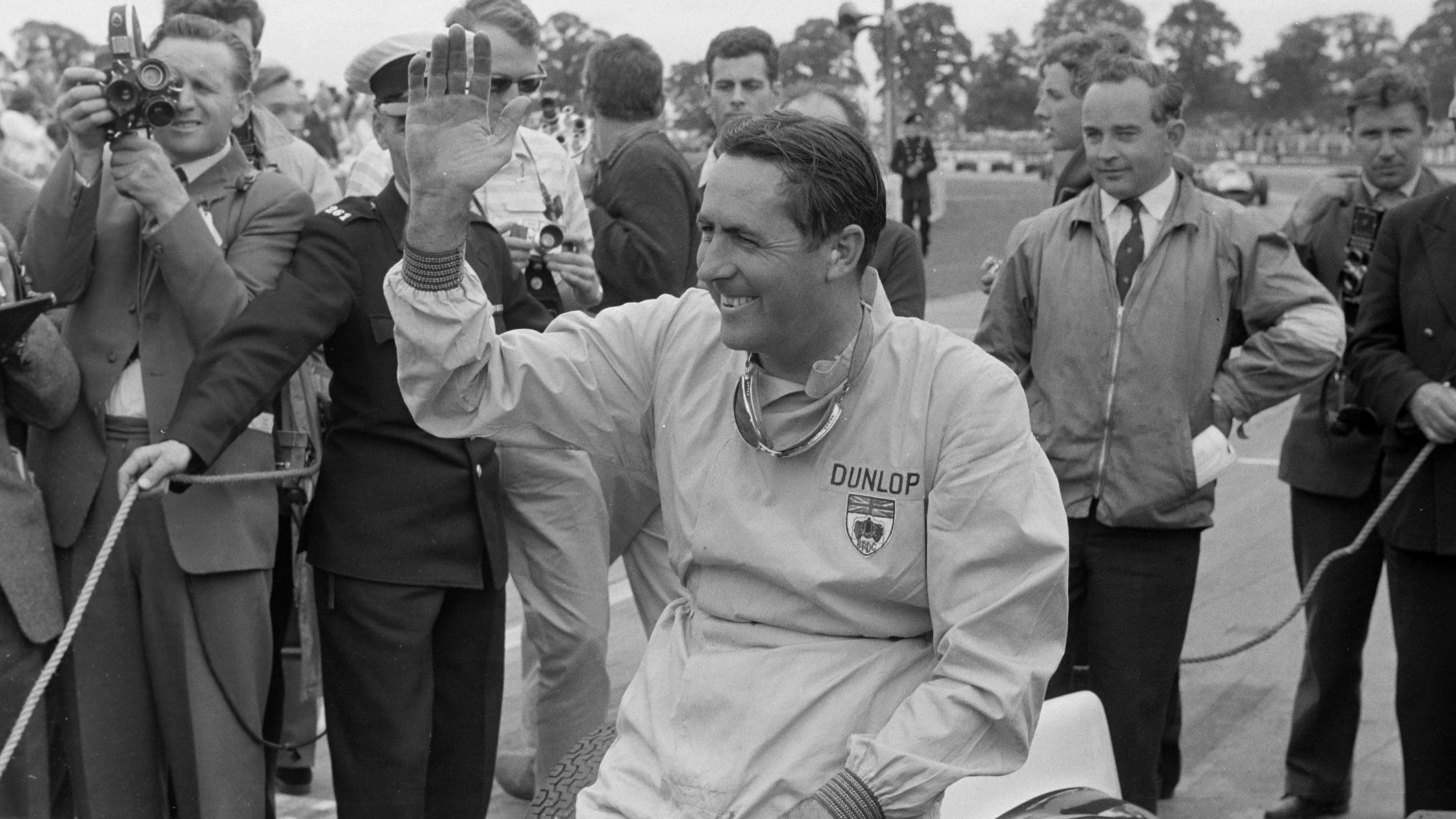
Brabham won his second World Championship in 1960, winning five races that season including the British Grand Prix at Silverstone.
Image credit: Getty ImagesCooper’s advantage had all but dried up by 1961, and Brabham was powerless to stop the charge of Ferrari and Lotus as he accrued to a disappointing haul of only four points. He did at least score three non-Championship victories and enjoyed his first experience of the Indianapolis 500, but it was during this season that he decided to initiate his masterplan.
Together with Tauranac, Brabham formed Motor Racing Developments and began building racing cars for customer drivers. The first car of their creation was a Formula Junior machine, but it didn’t take long for the pair to begin work on more powerful projects.
By 1962, Brabham was in a position to leave Cooper and drive for his own brand-new team, Brabham Racing Organisation, albeit initially in customer Lotus cars until the company’s first F1 car, the Brabham BT3, was ready.
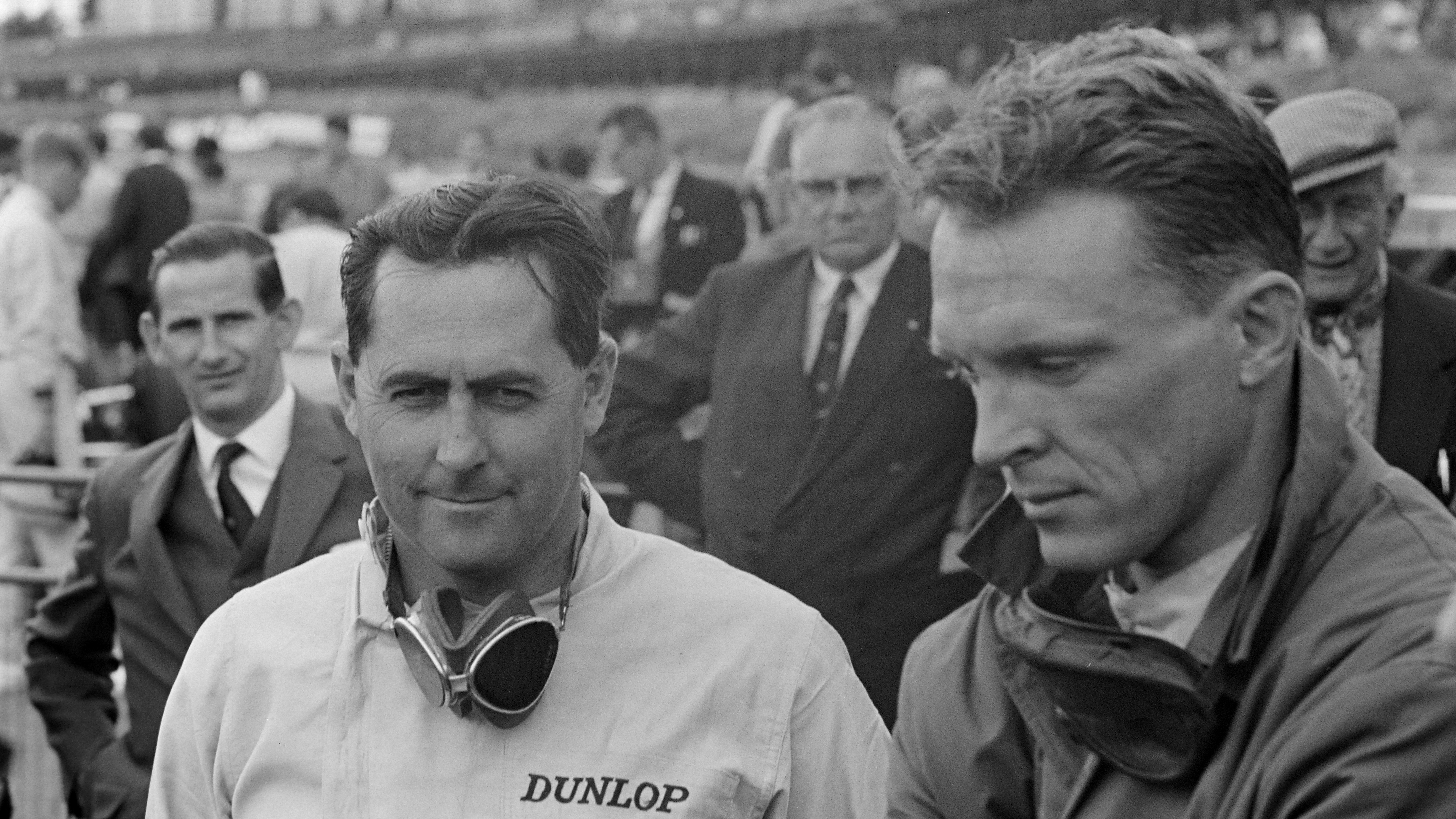
That first season was an acclimatisation exercise, to confirm the proof of concept that the Motor Racing Developments could feasibly build its own car to race with the Brabham team.
He enlisted the services of Dan Gurney for the 1963 season, the pair now both racing Brabham cars for a full season and scoring a handful of podium finishes between them.
Those podiums turned to victories in 1964, as Gurney took the BT7 to Brabham Racing Organisation’s first win at the French Grand Prix in Rouen and followed that up with a second triumph in Mexico at the final race of the year.
For whatever reason, the 1.5-litre engine formula that had been introduced in 1961 never quite suited Brabham’s driving style, and he struggled repeatedly throughout the early ‘60s. He even considered retirement in 1965 as he stepped aside for Denny Hulme to race at several Grands Prix, but Gurney’s own decision to head off and start his own team at the end of the season necessitated that Brabham continue for another year.
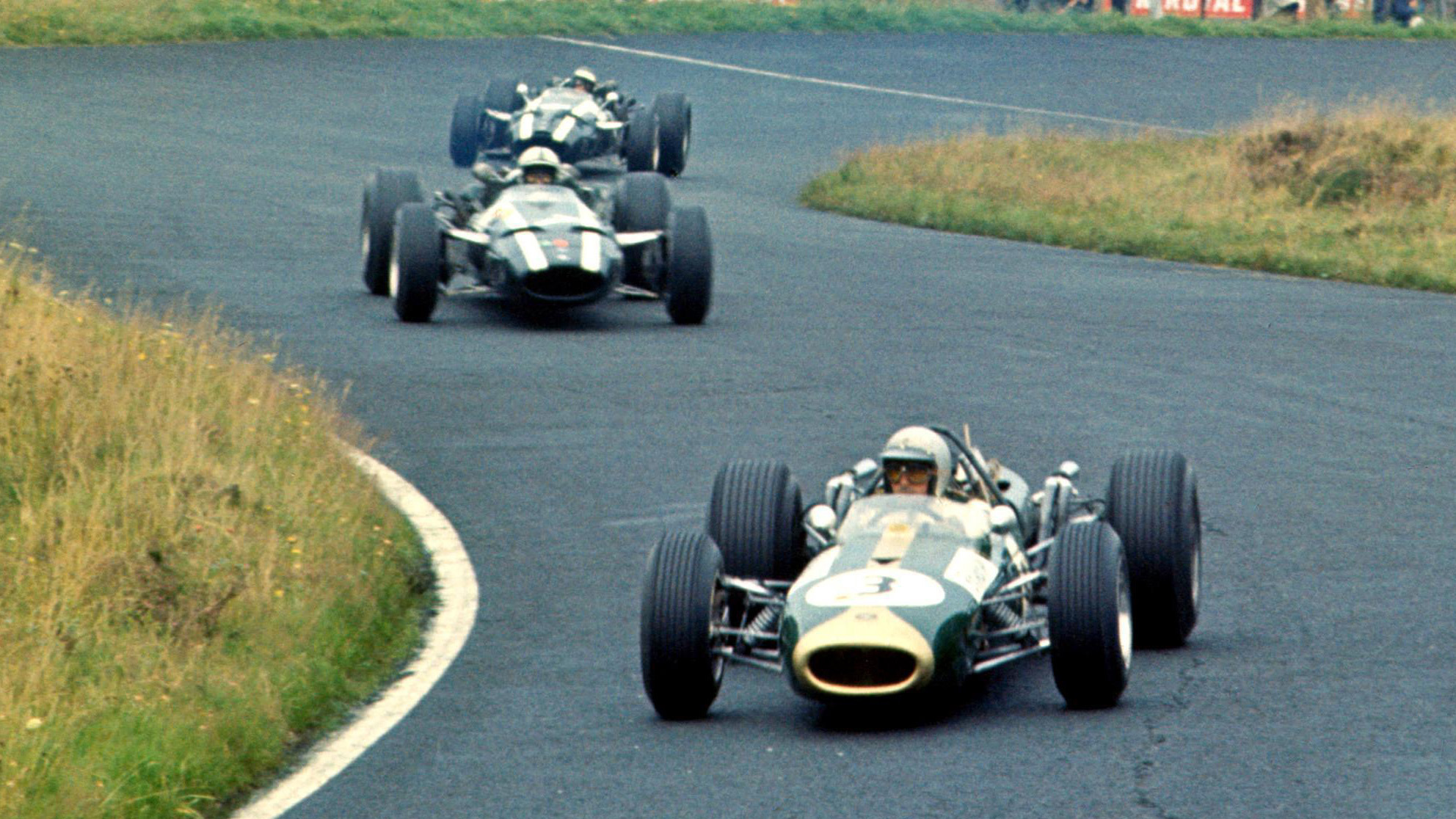
The BT19 of Brabham leads John Surtees and Jochen Rint at the 1966 German Grand Prix. It was his fourth win of the season.
Image credit: Getty ImagesThat turned out to be a very good decision, because 1966 saw the inauguration of a new 3.0-litre engine formula. Suddenly, Brabham was back in his comfort zone. Much like it has in 2026, new engine regulations in the 1960s introduced a clean slate for all the teams, and while many were trying to get along with cumbersome 12-cylinder lumps, Brabham turned to his commercial partner Repco to develop a new 3.0-litre V8.
He identified a block from Oldsmobile as the ideal basis for the new engine, a decision made primarily in the name of lightness and reliability to pre-empt the early struggles of other teams.
Brabham combined his Repco engine with Tauranac’s new BT19 chassis, and the results were legendary.
At 40 years of age, he was considerably older than the other leading drivers of the time; the likes of Gurney, Hulme, Jim Clark, Jackie Stewart, Graham Hill and John Surtees. Having not won a World Championship Grand Prix since 1960, pundits and spectators might have been forgiven for considering Brabham’s best years behind him.
Rather than listen to his detractors, he defiantly led his own team to a World Championship double in 1966.
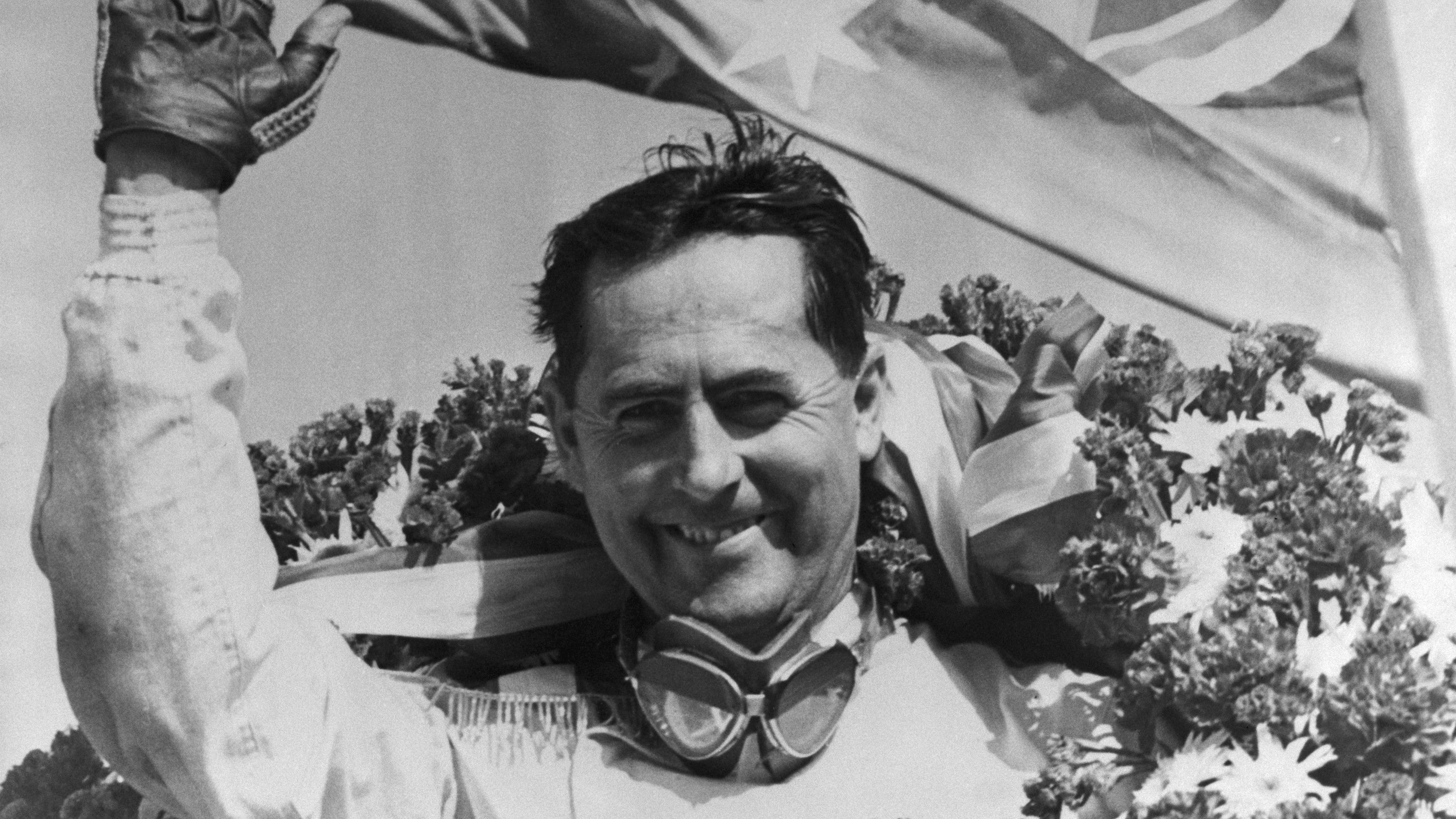
Jack Brabham made history when he secured both the Drivers' and Constructors' Championships in 1966.
Image credit: Getty ImagesOnce again, his engineering prowess matched to his relentless speed behind the wheel, saw him dominate the season with four straight victories and a further second place in Mexico.
His first win of that season was the first of two historic achievements in 1966, as he became the first driver to win a Grand Prix in a car bearing his own name and ultimately the first World Champion at the wheel of his own car.
Only Bruce McLaren can match Brabham’s claim to have won a Grand Prix in a car of his own, but no one before or since has driven an eponymous car to the title.

At this stage, another driver might have considered calling time on such an illustrious career, but Brabham continued to strive for further glories. The Repco engine had been developed to produce more power, and the BT19 was set to be replaced by Tauranac’s next creation, the BT24. Brabham and his team were at the top of their game.
Brabham Racing Organisation’s performance in 1967 was one of the most dominant of the era. Only twice did the team fail to finish with at least one car on the podium, and both Brabham and Hulme claimed two victories apiece to seal the Manufacturers’ Championship at a canter, while it was Hulme who took the Drivers’ title.
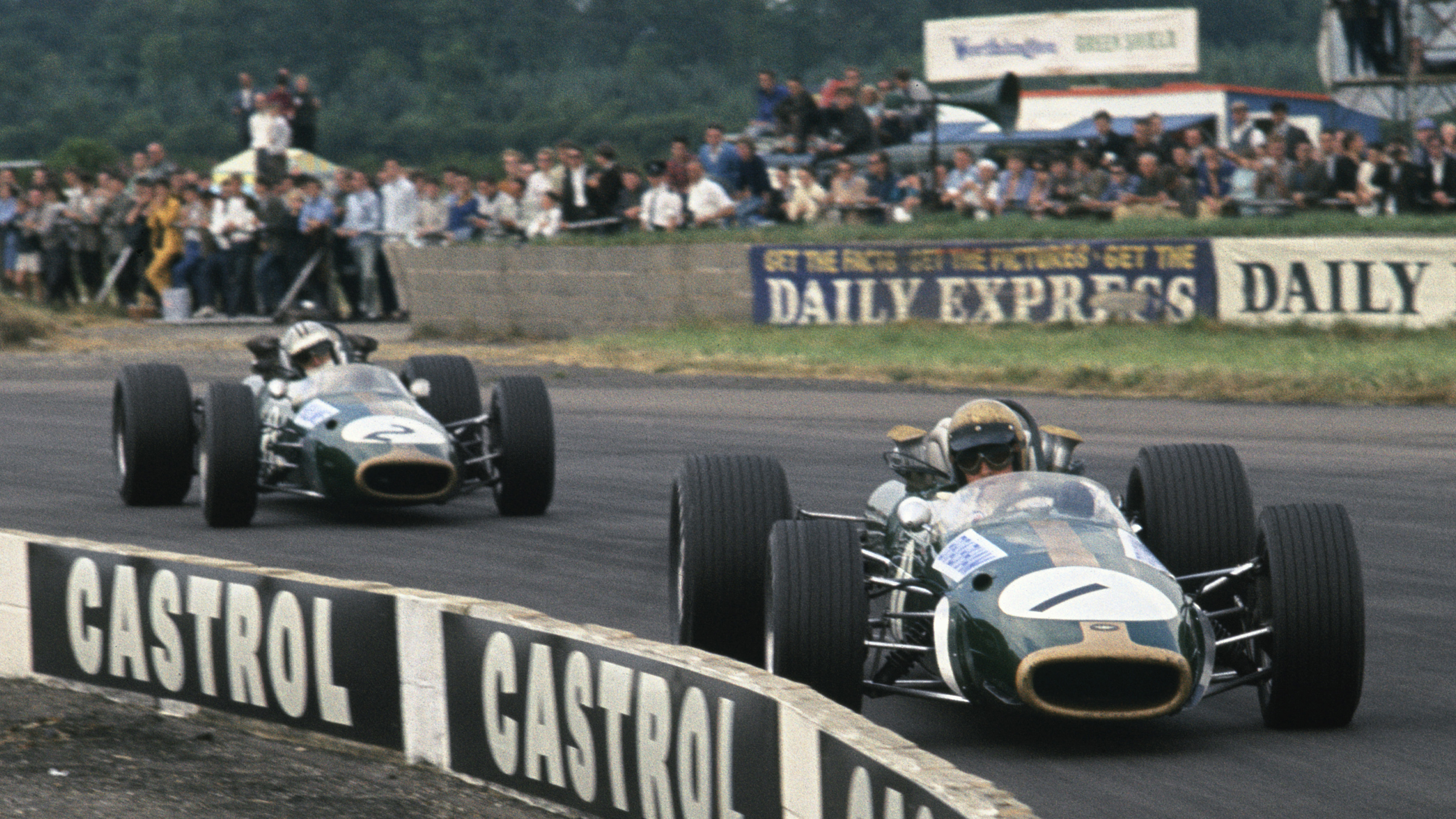
Brabham leads team-mate Denny Hulme, both driving Brabham BT24s, at the 1967 British Grand Prix.
Image credit: Getty ImagesThe team’s momentum was stifled, however, in 1968, when Repco engine’s incredible run of reliability finally deteriorated. We will never truly know how good the Brabham BT26 was, because it only finished one race in ‘68, when Brabham’s new team-mate Jochen Rindt drove to third place at the Nürburgring.
That unfortunate run of form continued in 1969, and Brabham suffered the first major accident of his career while testing. He sustained a substantial foot injury that required him to miss three Grands Prix, and he returned to the grid only after promising to his wife that he’d retire when the season was over.
Did the story end there? Of course not. True to his word, Brabham sold his share of the Brabham Racing Organisation team to Tauranac with the intention of calling it a day, but upon trying to leave the team he found there were no drivers available to replace him.
So, in typical Jack Brabham fashion, he climbed back into the cockpit and duly won the opening race of the 1970 season in South Africa. Just a handful of days short of his 44th birthday, Brabham was still capable of beating absolutely anyone.
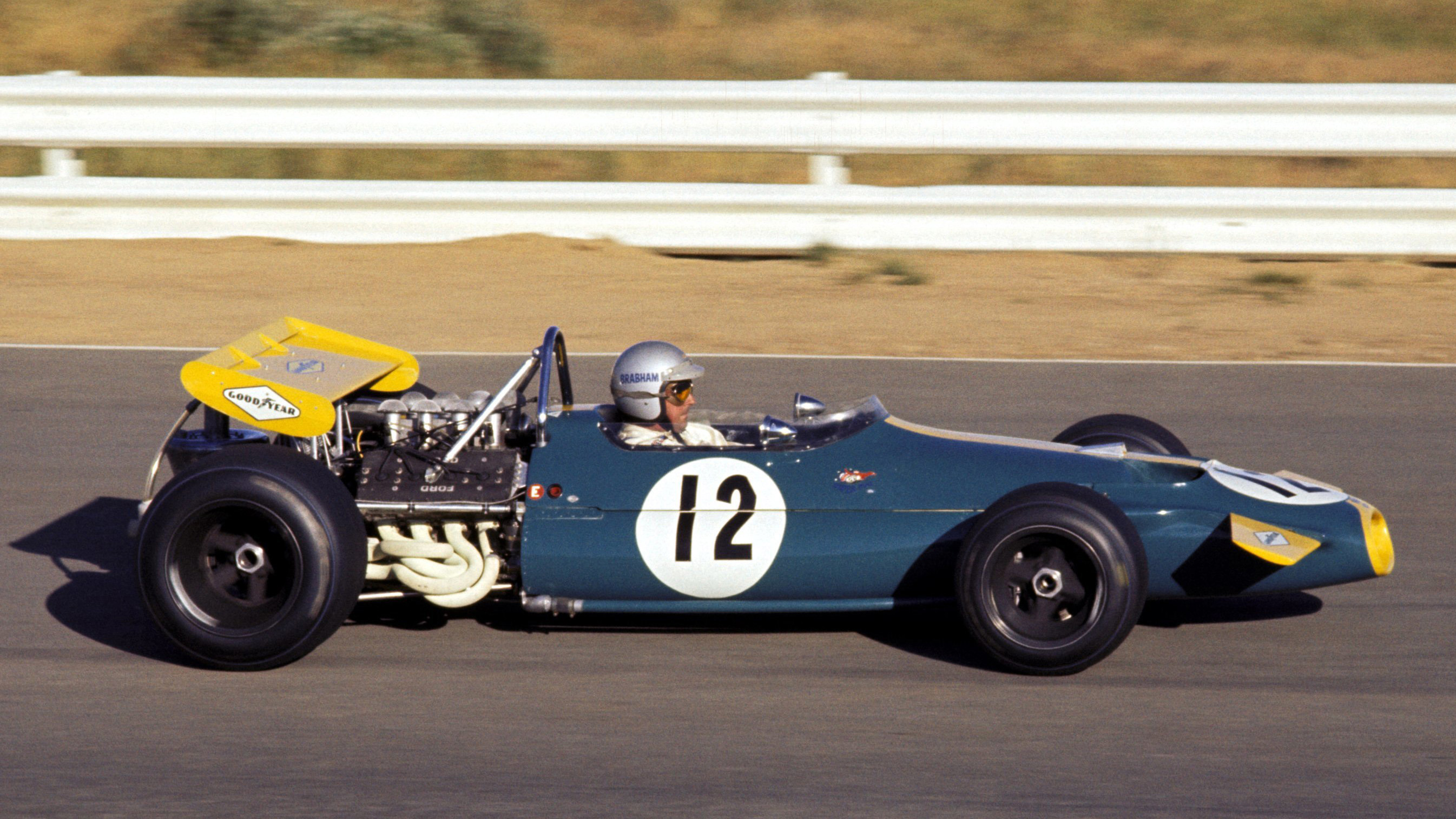
The final victory of Brabham's F1 career came at the opening race of the 1970 season, at Kyalami, South Africa, with the BT33.
Image credit: Getty ImagesIt wasn’t just a fluke either, he scored more podiums in Monaco, France and Great Britain, and even went on to claim in later years that he should have won the title in 1970. A disappointing second half of the season saw him score no points and retire four times, and he ended up sixth in the standings.
Brabham left the sport of F1 at the end of that year in a very different place to how he found it. He’d been a key figure in the introduction of rear-engined cars; he’d given Cooper, a small team from Surbiton in Surrey, two World Championships; he’d co-founded Brabham, a team that would go on to innovate and dominate in a fashion wonderfully reminiscent of the man himself, a team with whom he himself made history.
And he continued to make history after retirement, when he became the first racing driver to be knighted when he became Sir Jack Brabham in 1976.
There will never be anyone else like Sir Jack Brabham, he was and remains a unique character in motorsport whose irrepressible drive for perfection carried him to the very top of the world. We cannot wait to celebrate Jack, and his Brabhams, at the 2026 Goodwood Revival.
Tickets for the 2026 Goodwood Revival are now on sale. If you’re not already part of the GRRC, you can sign up to the Fellowship today and save ten per cent on your 2026 tickets and grandstand passes, as well as enjoying a whole host of other on-event perks.
Main image courtesy of Getty Images.
revival
revival 2026
event coverage
Jack Brabham
Jack Brabham Celebrations


Subscribe to Goodwood Road & Racing
Thank you, you’re now subscribed

How many hay bales are used at FOS?
For the last two years, 5,800 bales have been recylced into the biomass energy centre to be used for energy generation