

Hunt & Sheene: Champions and kindred spirits
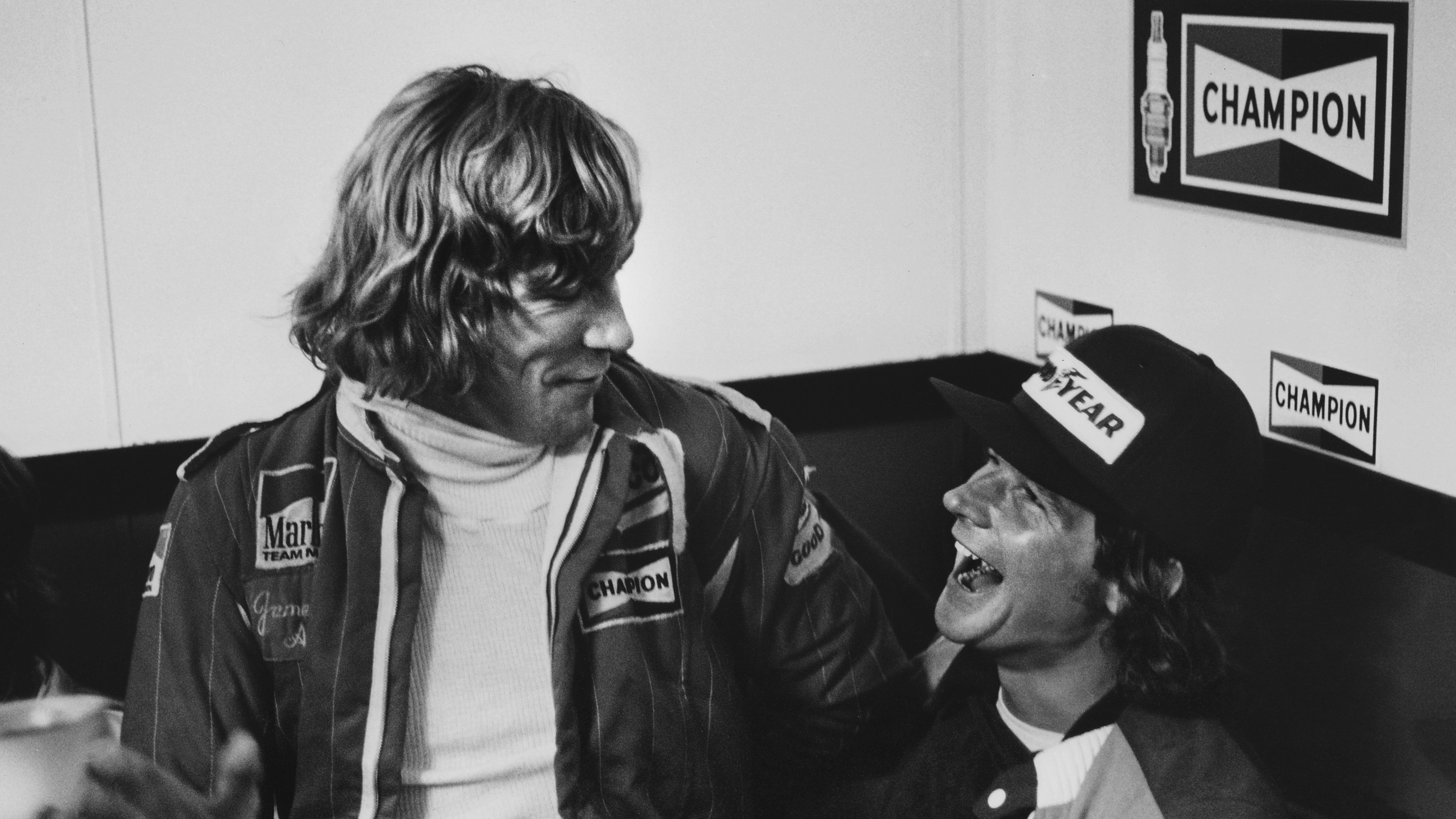
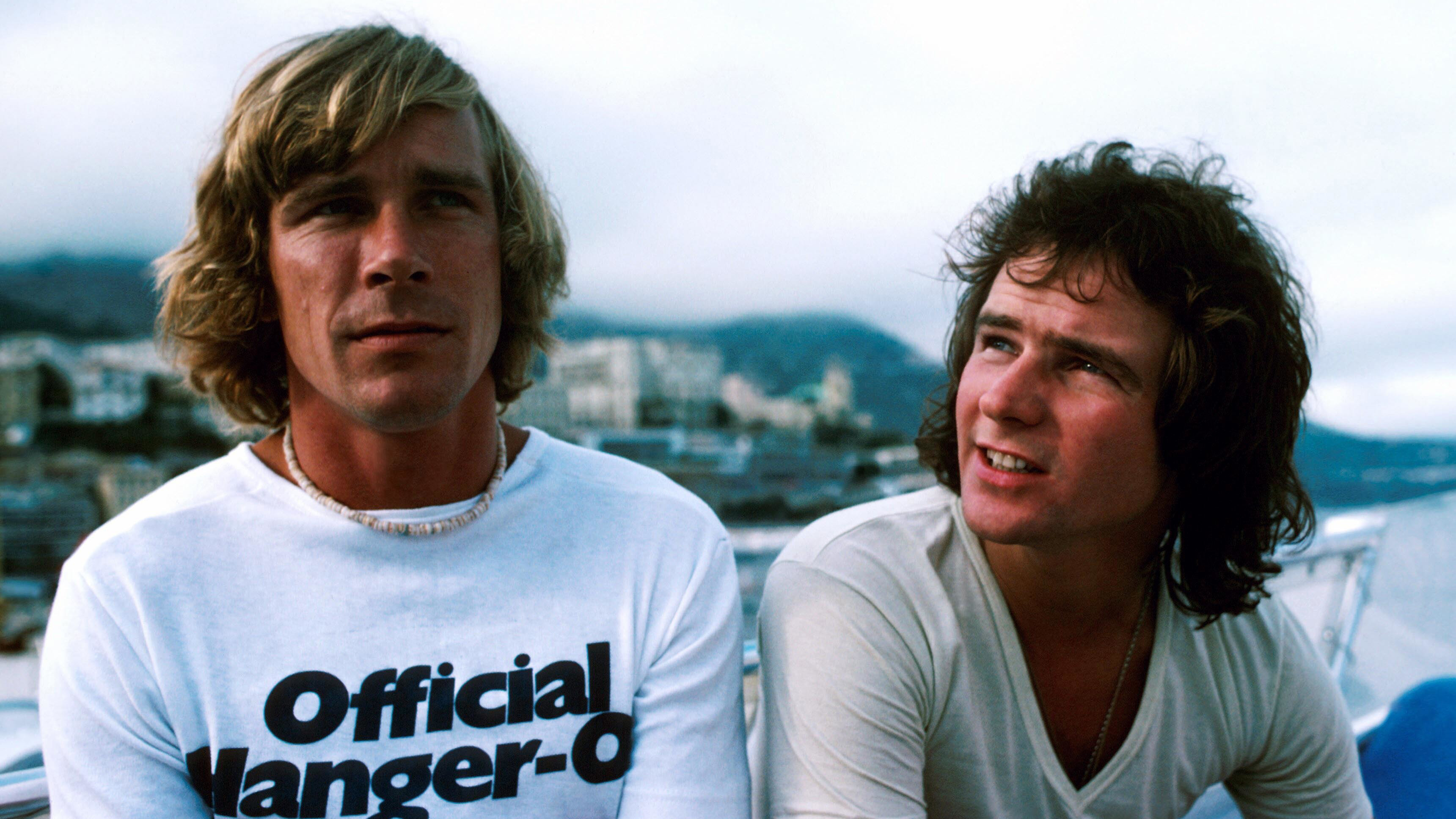
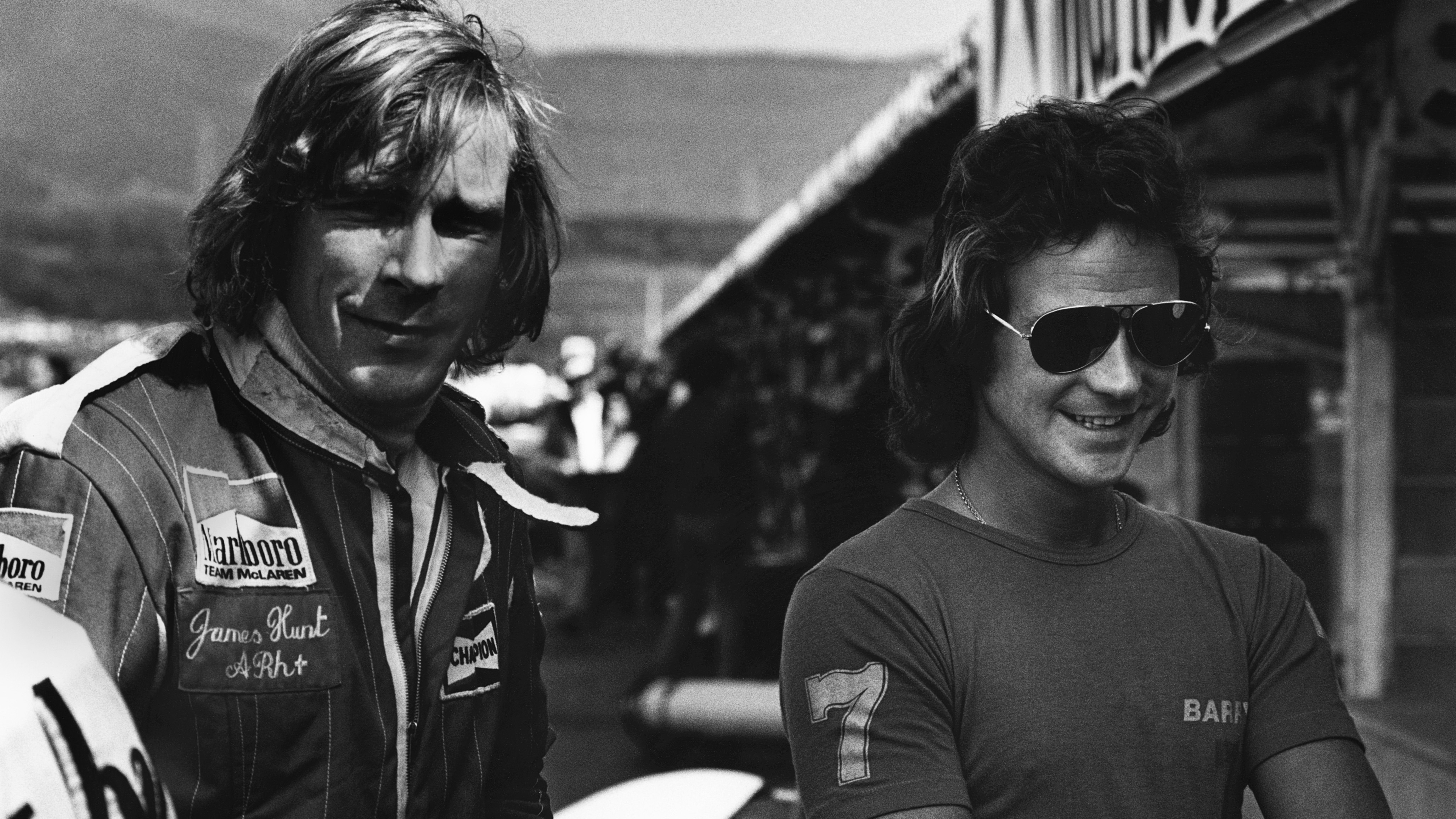
Is it really any surprise that James Hunt was great mates with Barry Sheene? Champions at the same time, the Formula 1 star and motorcycle hero were (and remain) British sporting icons who shared more than shaggy 1970s manes, a love for mischief and a voracious appetite for cigarettes, alcohol, women and generally having a good time.
As we look forward to celebrating ‘The James Hunt Years’ at the 83rd Members’ Meeting presented by Audrain Motorsport, let’s remind ourselves why Hunt and Sheene were two peas in a pod.
Champions in parallel
Most obviously, Hunt and Sheene were direct contemporaries whose victories on track catapulted them into far wider fame, via the front pages of the tabloids as much as the back.
Hunt became World Champion in 1976 after what remains arguably F1’s most dramatic season, with Sheene crowned in more dominant fashion that same year. Sheene won his first title for Suzuki so comfortably that he missed the final three rounds, and was able to travel to Fuji to support his mate in his F1 title quest.
The following year, Hunt might well have defended his Championship with a fairer wind — he certainly drove as well in 1977 as he did in ’76 — while Sheene retained his title (before Kenny Roberts arrived on the Grand Prix scene in 1978 and changed the game).
Great car, great bike
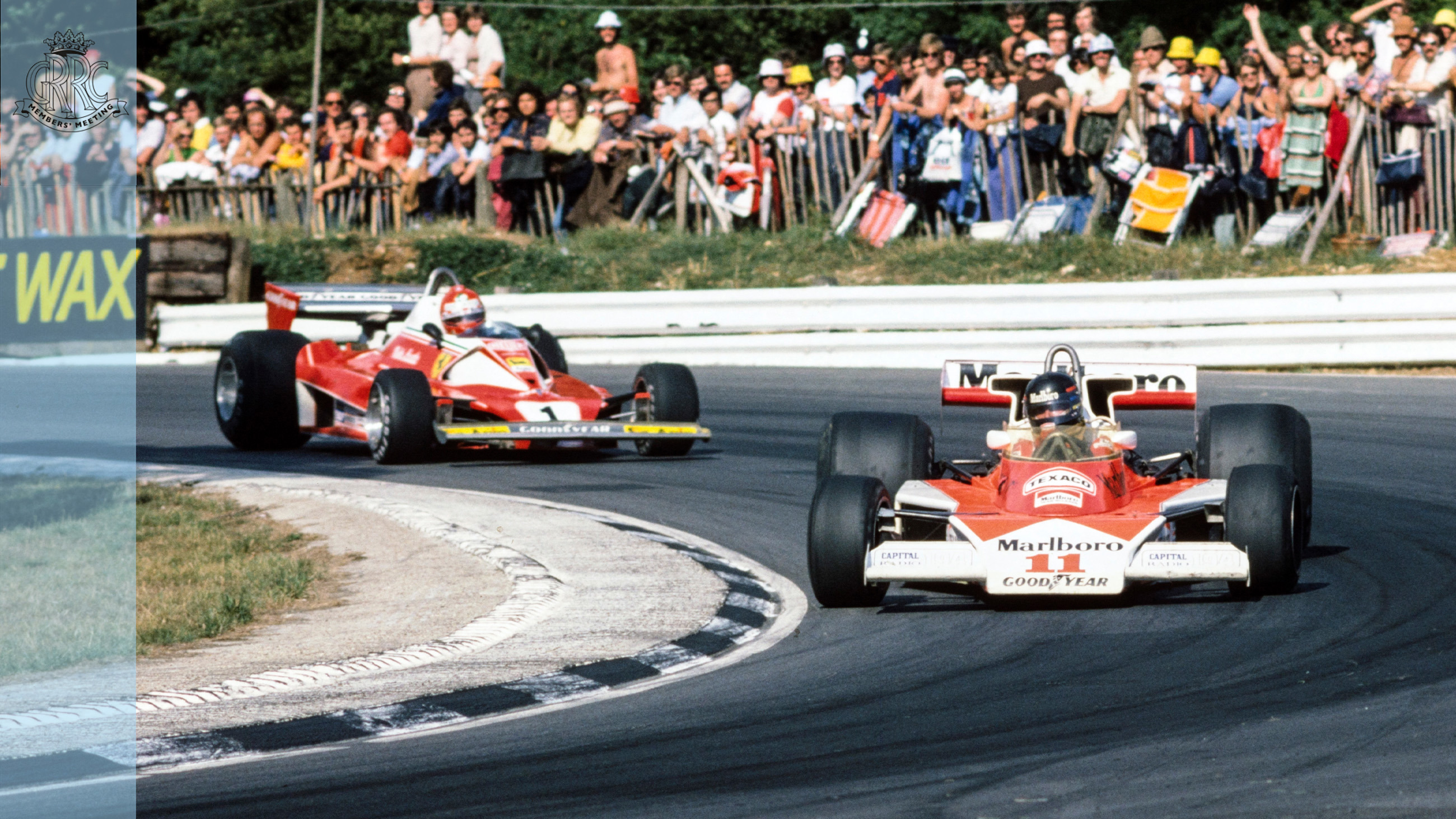
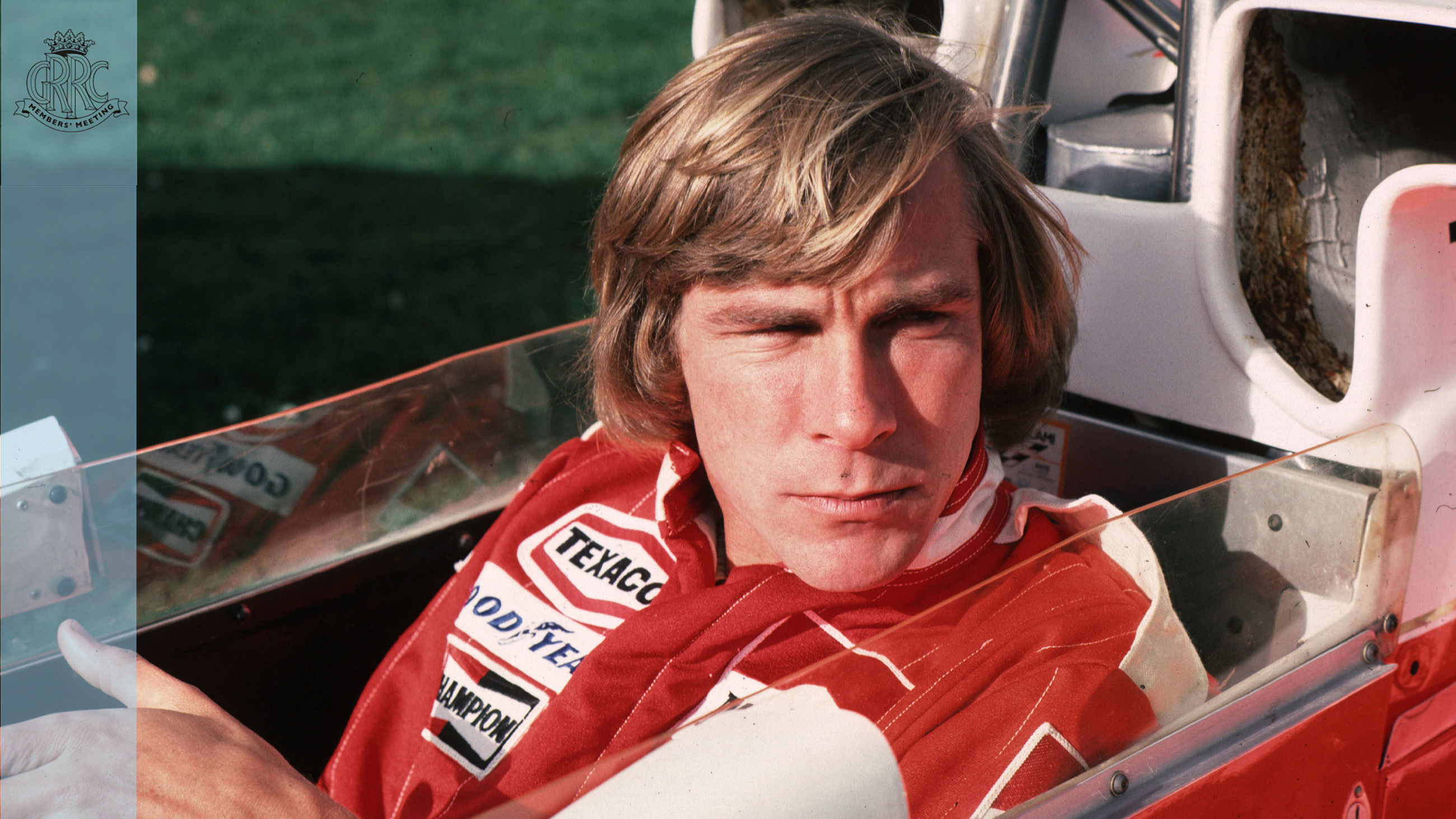
Both enjoyed their heydays driving and riding two of the greatest respective machines in Grand Prix history. In Hunt’s case, he became Champion in the McLaren M23, which served the team so brilliantly from its genesis in 1973 all the way through to 1977.
Emerson Fittipaldi won McLaren’s first Constructors’ Championship in a M23 in 1974, and it was his shock departure for his brother’s Copersucar-backed team that opened the door for Hunt to take a top drive in ’76, following Hesketh’s withdrawal. He scored six of his ten Grand Prix wins in the glorious M23 during his title year.
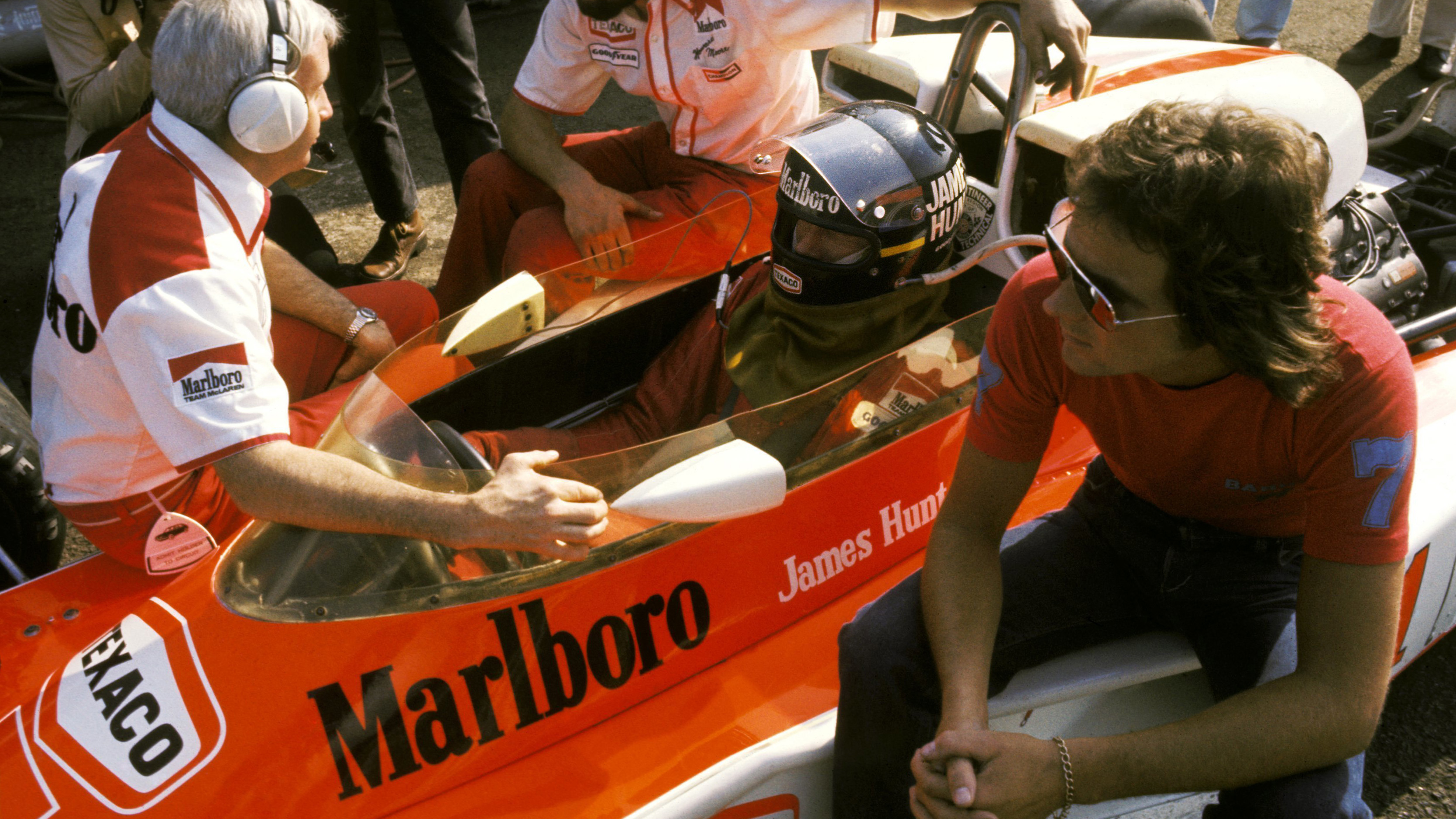
Sheene sits with Hunt in his M23 at the title-clenching Japanese Grand Prix, October 1976.
Image credit: Getty ImagesAs for Sheene, he was instrumental in the development of the Suzuki RG500, the two-stroke screamer that did so much to show the door to the old four-strokes. Unlike Hunt, who hated testing, Sheene put in the hours to make the RG500 a contender, spending five weeks in Japan at the end of 1974 to perfect it. That sacrifice paid off when he rode to back-to-back Championships on the bike in 1976-77. In total, the Suzuki won 50 Grands Prix and seven consecutive Constructors’ titles between 1976 and ’82.
Brave beyond measure
They raced in the 1970s, a deadly era. So perhaps you might take this for granted, but it’s worth noting how bravery manifested itself in Hunt and Sheene.
Hunt showed courage in his stoic perseverance. His years racing in the junior categories were punctuated by so many accidents he earned the unfortunate nickname of ‘Hunt the Shunt’. Somehow, he never hurt himself badly and such setbacks didn’t thwart his ambition. He was learning as he made his mistakes and remains a prime example of a racing driver who got better the higher he climbed.
In contrast, Sheene had the smoother rise to the top, and early on took a stand that in retrospect was braver than he might have been given credit for at the time. He almost won a World Championship in his debut Grand Prix season, riding in the 125cc class in 1971, when the Isle of Man TT was still a part of the scene. He rode on the island and was appalled at the danger — so never did again. Shades of Niki Lauda at Fuji in ’76.
As for any suggestion Sheene was running scared of the TT, that would be a lazy assumption. If any proof is needed of his bravery, don’t forget he still holds a special record: in July 1977, at the fearsome old Spa, he scored a Grand Prix win at what’s still the fastest average speed on a motorcycle — 137.1mph.
Challenging authority
Hunt and Sheene had contrasting childhoods and backgrounds. Hunt’s, it must be said, matched his famously plummy accent. Born in 1947 and brought up in Surrey, he benefited from a privileged education at Wellington College, although it should be noted there was no silver spoon when out of nowhere he decided to be a racing driver. Sheene, born in 1950, was a Londoner with a cockney persona to match. His father Frank was a former motorcycle racer and mechanic and that interest quickly rubbed off on Barry, who learnt young how to spanner a bike.
For all their differences in this regard, what Hunt and Sheene shared was a natural inclination to push back against authority. Neither liked to be told what to do, so no wonder both were happy to leave their school days behind them. That tendency to refuse to conform carried into adulthood, with both gaining gleeful reputations for turning up at formal occasions in what had to be considered unsuitable attire…
They knew they could get away with cut-off denim at a posh function, simply because of who they were. But it’s also true that their penchant for pricking pomposity was an attitude in tune with their time. There was something in the air, whichever side of the tracks you were born on. Don’t forget, during the years as Grand Prix Champions the filth and fury of the Sex Pistols was also at its anarchic height.
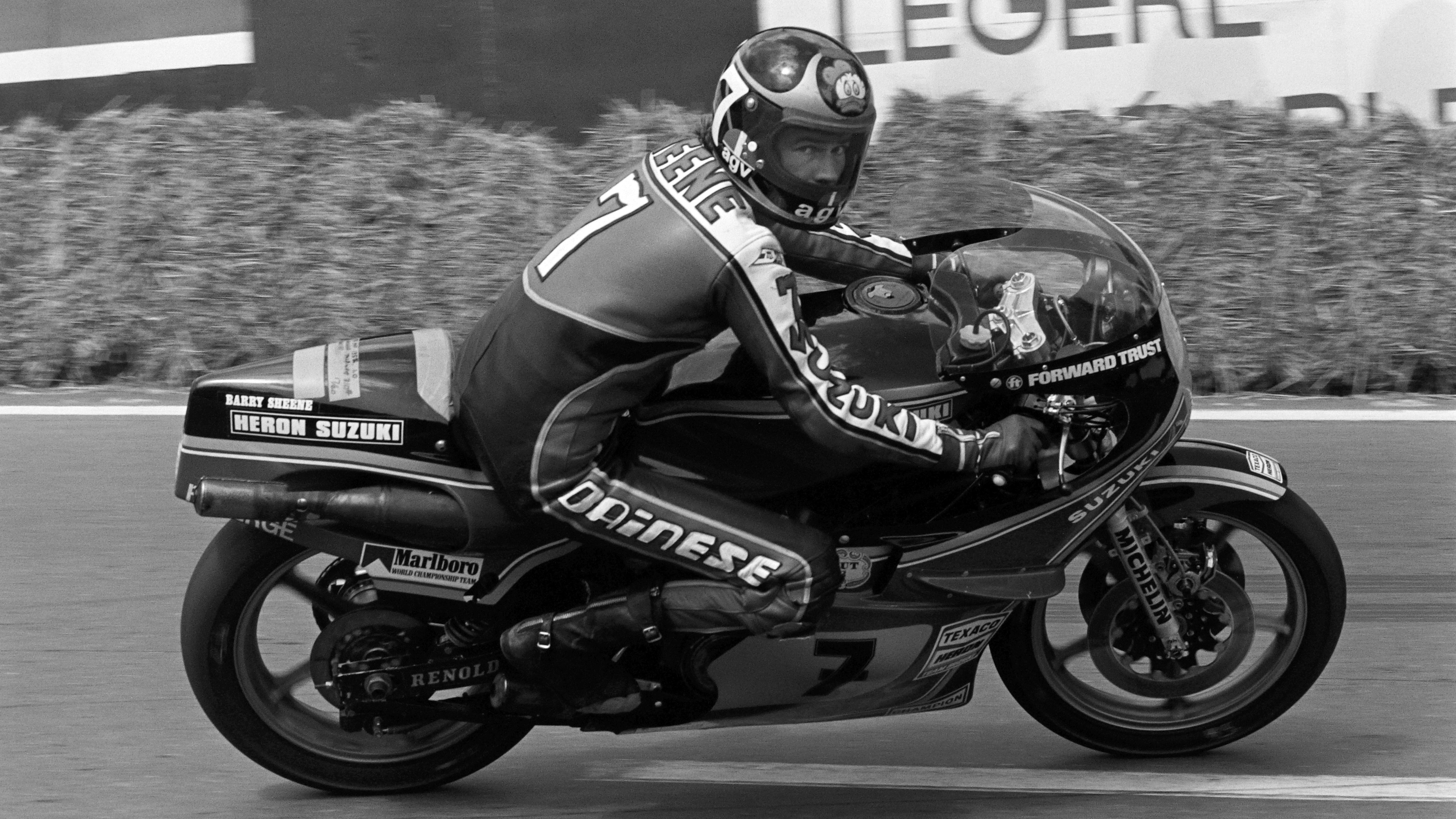
Sheene spies the camera while riding his Suzuki RG500 at the 1978 Belgian 500cc Motorcycle Grand Prix at Spa-Francorchamps.
Image credit: Getty ImagesGlint-in-the-eye characters
Mischief, drinking every last drop from life and heavy smoking habits were other ‘attributes’ these two shared, and their devil-may-care characters are at the heart of why Hunt and Sheene remain so popular. But they weren’t completely alike.
“If I ever got irritated with James — and I did get irritated with James often — I would remind myself that there was a very nice bloke hiding inside,” Murray Walker, a friend to both, once said. “It was impossible to dislike Barry. It was possible to dislike James.”
That seems to sum up the distinction between the two men. Hunt had a reputation for at times acting a little boorish. John Watson witnessed such behaviour but says: “James had a lot of ability and some excellent qualities. He was generally a good guy, a loving father and he loved his dog, Oscar, who was his best companion in his early years living outside of England. There was this split personality.”
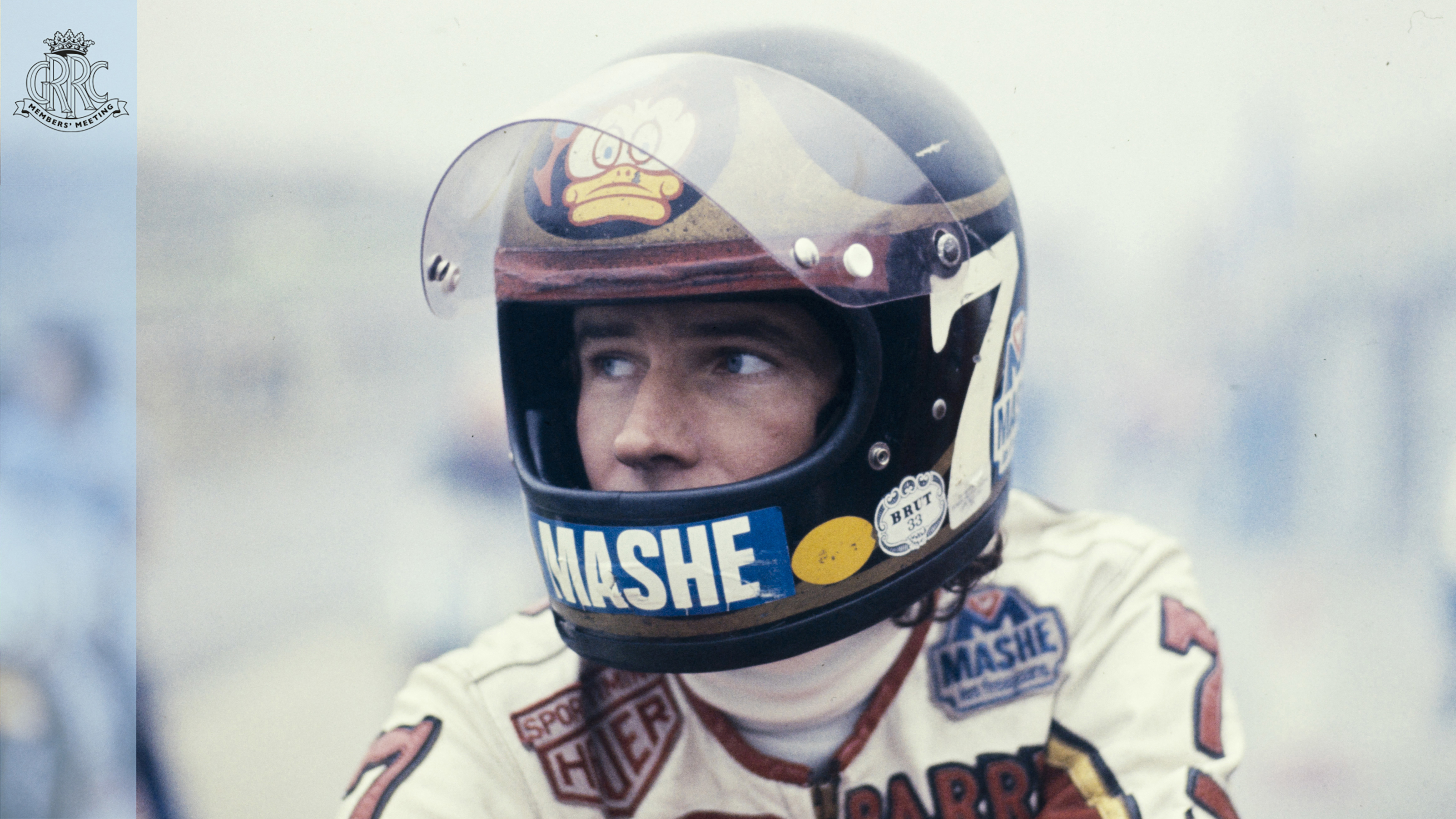
In contrast, Sheene was much more predictable, an ‘everyman’ character who treated everyone he met in the same manner. Here, I can’t help but draw on a personal anecdote. Sheene and his wife Stephanie lived in a big house in Charlwood, close to the end of Gatwick Airport’s runway. Sheene regularly passed through the airport, where my dad — on duty in his capacity as a security guard — met him often. Every time, without exception, there would be a quip, a wink and a cheeky grin. As Murray Walker said, you just couldn’t dislike the man who carried Donald Duck on his skid lid.
Fame (or should that be infamy?) also brought commercial benefits. Both became the faces of celebrated advertising campaigns, Hunt for Texaco, and Sheene for a certain aftershave… he swapped the whiff of Castrol R for Brut 33 and teamed up with British boxing icon Henry Cooper for a series of comical commercials. Pungent stuff.
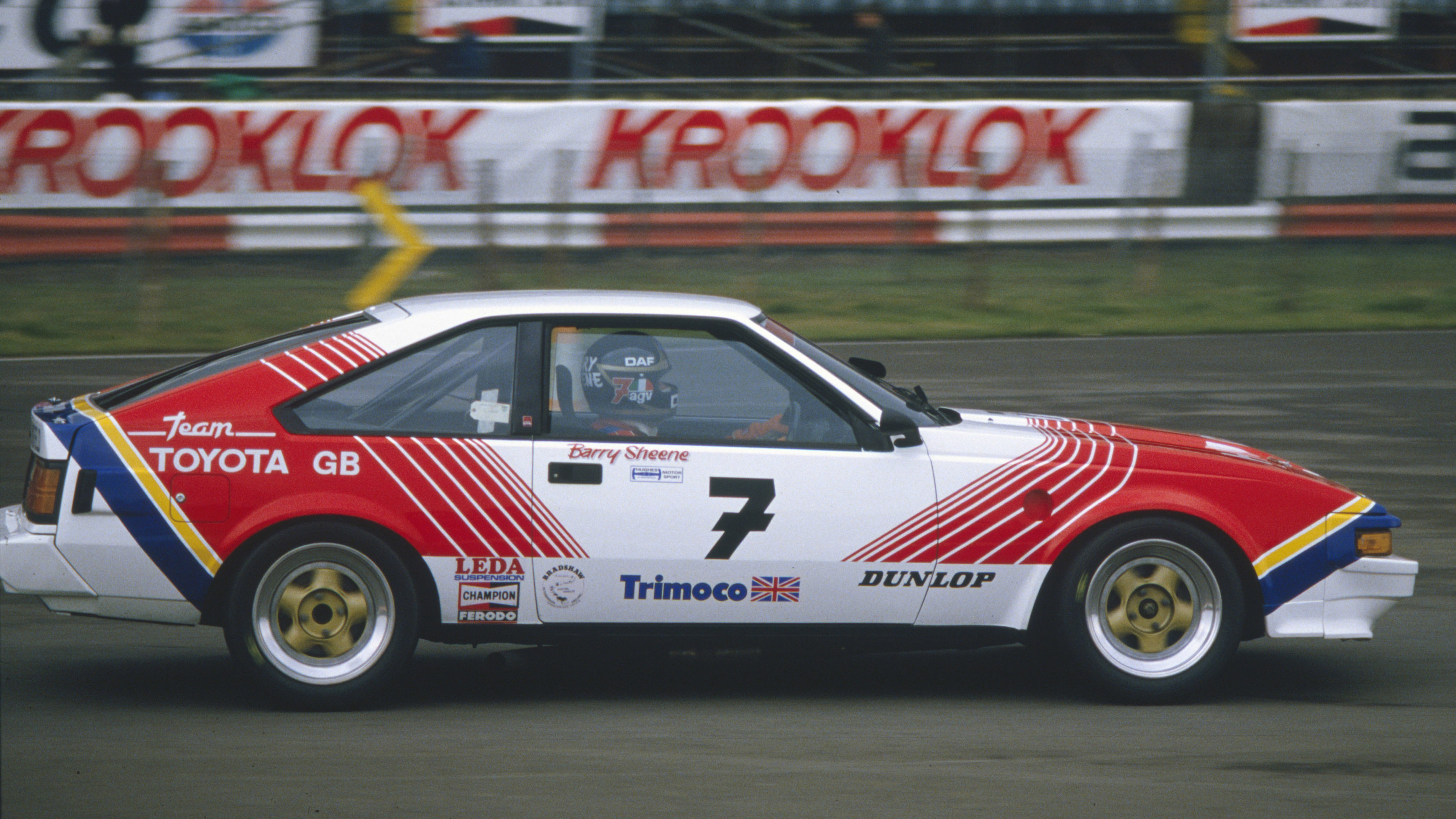
Swapping two wheels for four, Sheene competes in the 1985 British Touring Car Championship in a Toyota Supra.
Image credit: Getty ImagesThe post-racing TV careers
After retiring abruptly mid-season in 1979, Hunt never raced seriously again. Sheene flirted with four wheels, testing F1 cars, then racing in the British Touring Car Championship and also truck racing, which was booming in popularity in the mid-1980s.
Sheene even returned to two wheels when the Goodwood Revival was born in 1998, proving a popular winner in our races which are now named in his honour.
But both Champions transitioned naturally into TV broadcasters, and both were brilliant at it — even if Hunt stretched Murray Walker’s patience beyond snapping point when they combined on the BBC to make one of the greatest TV double-acts in sport.
Sheene became a star of the small screen in Australia after emigrating Down Under, where he joined Channel Nine as an F1 commentator. For both, their second careers brought an extra layer of popularity. Modern-day pundits owe them a debt of gratitude for setting the path from racer to expert broadcaster.
Both died young… and they’re never forgotten
Sadly, the last thing Hunt and Sheene share is that both were taken from us far too soon. Hunt died in his sleep at his home in Wimbledon on 15th June 1993. He was just 45 years old. Ten years later, on 10th March 2003, Sheene succumbed to cancer at the age of 52.
These twinkle-in-the-eye heroes remain as revered today as they ever were in life — arguably more, in fact. It’s such a damn shame they’re gone. But Hunt and Sheene will never be forgotten.
The 83rd Members' Meeting presented by Audrain Motorsport takes place on the 18th & 19th April 2026. Tickets are on sale now for GRRC Members and Fellows
You can sign up for the Fellowship now. Click here to find out more.
Main image courtesy of Getty Images.
members' meeting
83rd members' meeting
83mm
event coverage
james hunt
barry sheene
The James Hunt Years


Subscribe to Goodwood Road & Racing
Thank you, you’re now subscribed

How many hay bales are used at FOS?
For the last two years, 5,800 bales have been recylced into the biomass energy centre to be used for energy generation