

The name behind the race: Peter Collins
Few figures in post-war motorsport occupy the same, almost mythical space as Peter Collins. Good looking, gifted, modest to a fault and brave in a way that feels almost otherworldly, Collins embodied an era when Formula 1 was transforming rapidly from a gentleman’s pursuit into a fiercely professional, cut-throat battleground.
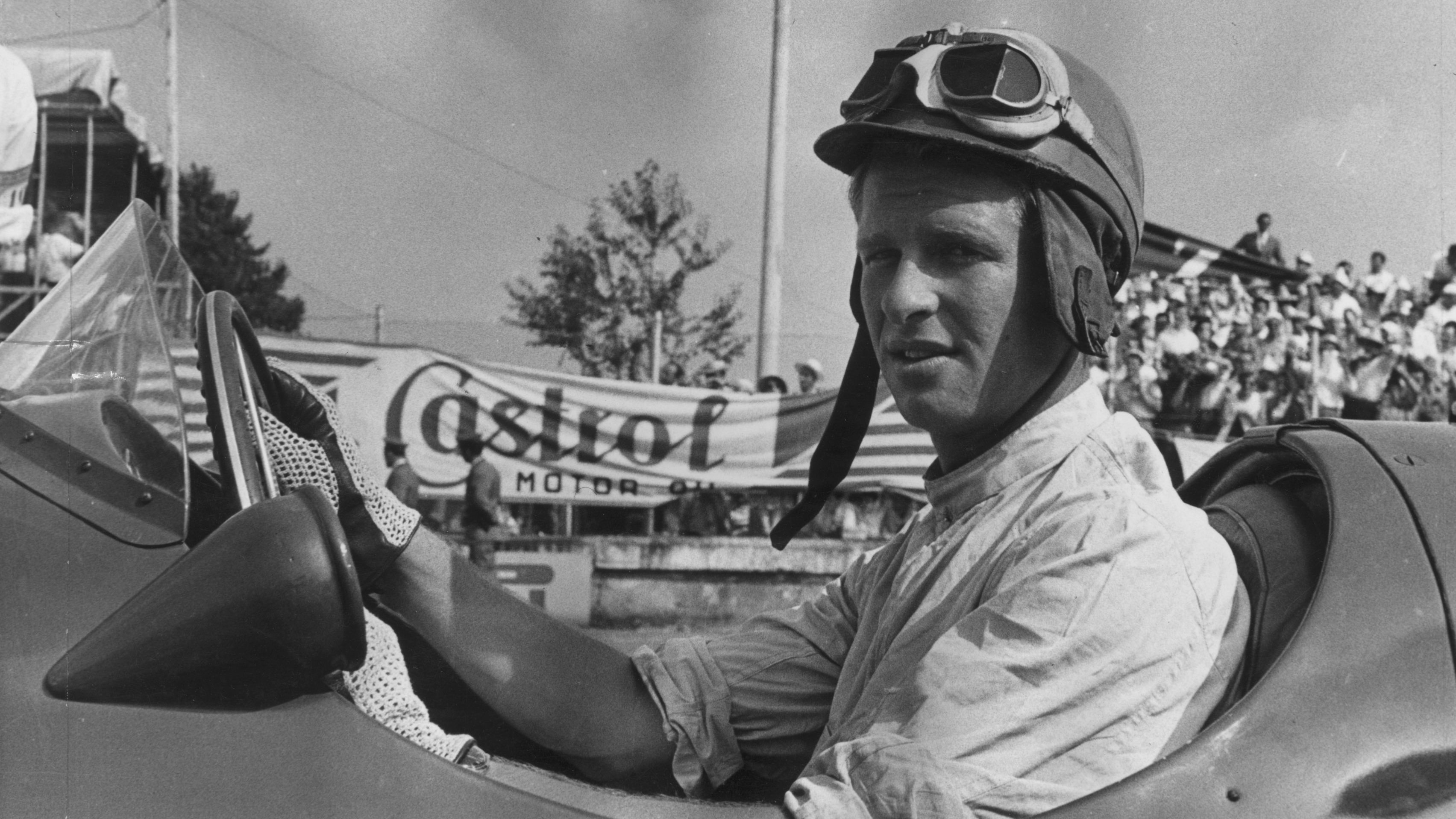
Peter Collins was born on 6th November 1931 in Kidderminster, Worcestershire, into a comfortable family with strong engineering ties. His father ran a garage, giving young Peter the perfect environment to develop a deep mechanical understanding and an unshakeable fascination with motor vehicles. He spent long hours around cars, tools, and mechanics, absorbing details that would later give him an uncanny mechanical understanding.
Friends recalled him as polite and unassuming but highly competitive — and adventurous. The post-war British motor scene was bustling with improvised machinery and ambitious young drivers itching to prove themselves, and Collins grew up at precisely the right moment to seize those opportunities. By his mid-teens, he was already competing in motorcycle events and trials, demonstrating precocious balance and courage.
His career in car racing began in earnest in 1948, when he was just 16, competing in the 500cc Formula 3 category, a breeding ground for future stars. Driving a Cooper-JAP, he impressed quickly. The lightweight, minimalist machines demanded razor-sharp car control and unflinching commitment, qualities that Collins possessed in abundance. His mechanical sympathy, combined with his smooth driving style, earned respect early on.
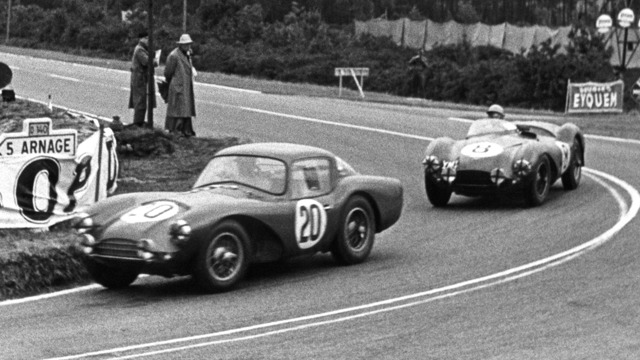
By 1952 he’d secured works drives for ambitious British constructor (Hersham & Walton Motors Racing, alongside other promising contemporaries including Stirling Moss. HWM cars were rarely the quickest, so Collins learned racecraft the hard way, battling reliability issues and faster rivals while still carving out a reputation for speed and level-headedness.
His breakthrough came in sportscars. Driving for Aston Martin in the early 1950s, he delivered gritty performances in endurance events that caught the eye of team managers up and down the paddock. His pace during long stints was remarkable, victories included the Goodwood 9 Hours with Pat Griffith in 1952 and a second place finish at the Sebring 12 Hours with Reg Parnell in 1953.
By 1954, Collins was among Britain’s best-regarded young drivers. A short-lived Formula 1 stint with BRM brought little success, largely due to mechanical fragility, but it did reinforce one vital point: Peter Collins could extract speed from any machine, no matter how temperamental.
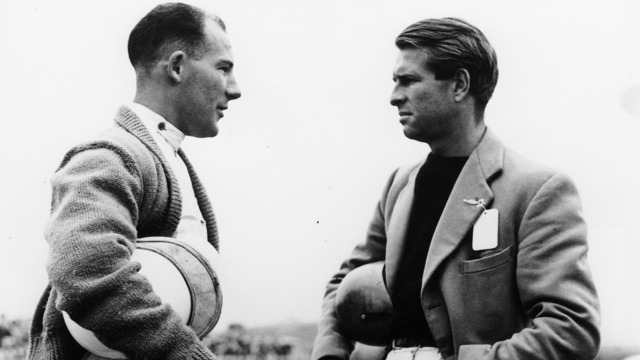
Enzo Ferrari admired two types of drivers above all others: those who were fast, and those who were loyal. Peter Collins was both. He joined Ferrari in 1956, and almost immediately became one of Enzo’s favourites. Enzo referred to Collins like his son, especially after the death of his own son Dino that same year.
He also delivered results. In his first season at Ferrari, Collins won the Belgian and French Grands Prix and became a genuine title contender.
Although performances like in Spa and sublime sportscar drives at the Nürburgring and Sebring deserve recognition, many regard the 1956 French Grand Prix at Reims as Collins’ masterclass. A fearsome, high-speed circuit, to win there required not only sheer pace but exquisite mechanical sympathy.
With the Ferrari D50, Collins delivered a masterclass in controlled aggression. From the start, he circulated with astonishing consistency, pacing himself perfectly while Fangio and others battled mechanical gremlins. When opportunities opened, he attacked decisively, overtaking with precision at corners where few dared to attempt moves.
He won by a comfortable margin, but it was the manner of the victory that cemented his reputation. Many commentators wrote that day that Collins had the makings of a future World Champion. Even Fangio privately admitted that Collins was the fastest of the next generation.
Beyond his skill at the wheel, other drivers, even those whose careers overlapped only briefly with his, often spoke of Collins’ sense of honour. He was known to share setup notes, offer driving tips and help teammates in ways that might be unthinkable today.
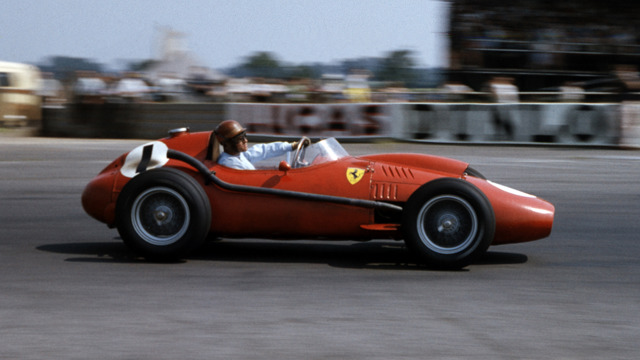
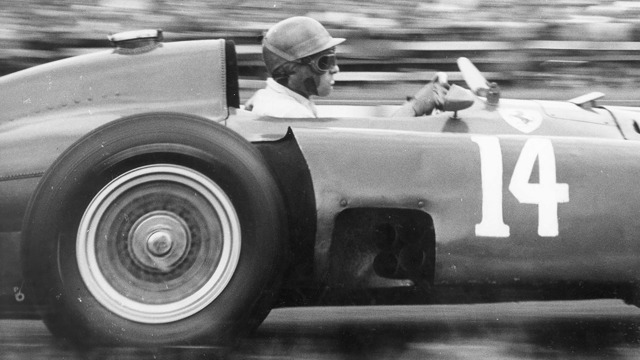
His character became global news at the 1956 Italian Grand Prix, when Collins voluntarily handed over his Ferrari to teammate Juan Manuel Fangio mid-race, surrendering his own shot at the World Championship. It became one of the most famous acts of sporting generosity in motor racing history.
Collins felt Fangio deserved the title, and that his own time would come. Tragically, fate would decide otherwise. On 3rd August 1958, at the German Grand Prix held on the Nürburgring Nordschleife, Collins was killed after losing control at Pflanzgarten, one of the circuit’s most treacherous sections. He was 26 years old.
The racing world was devastated. Collins was not only a star driver but a universally liked figure whose warmth transcended team colours and national loyalties. After his death, Ferrari wrote movingly of him, saying that his loss felt like “losing a son for the second time.”
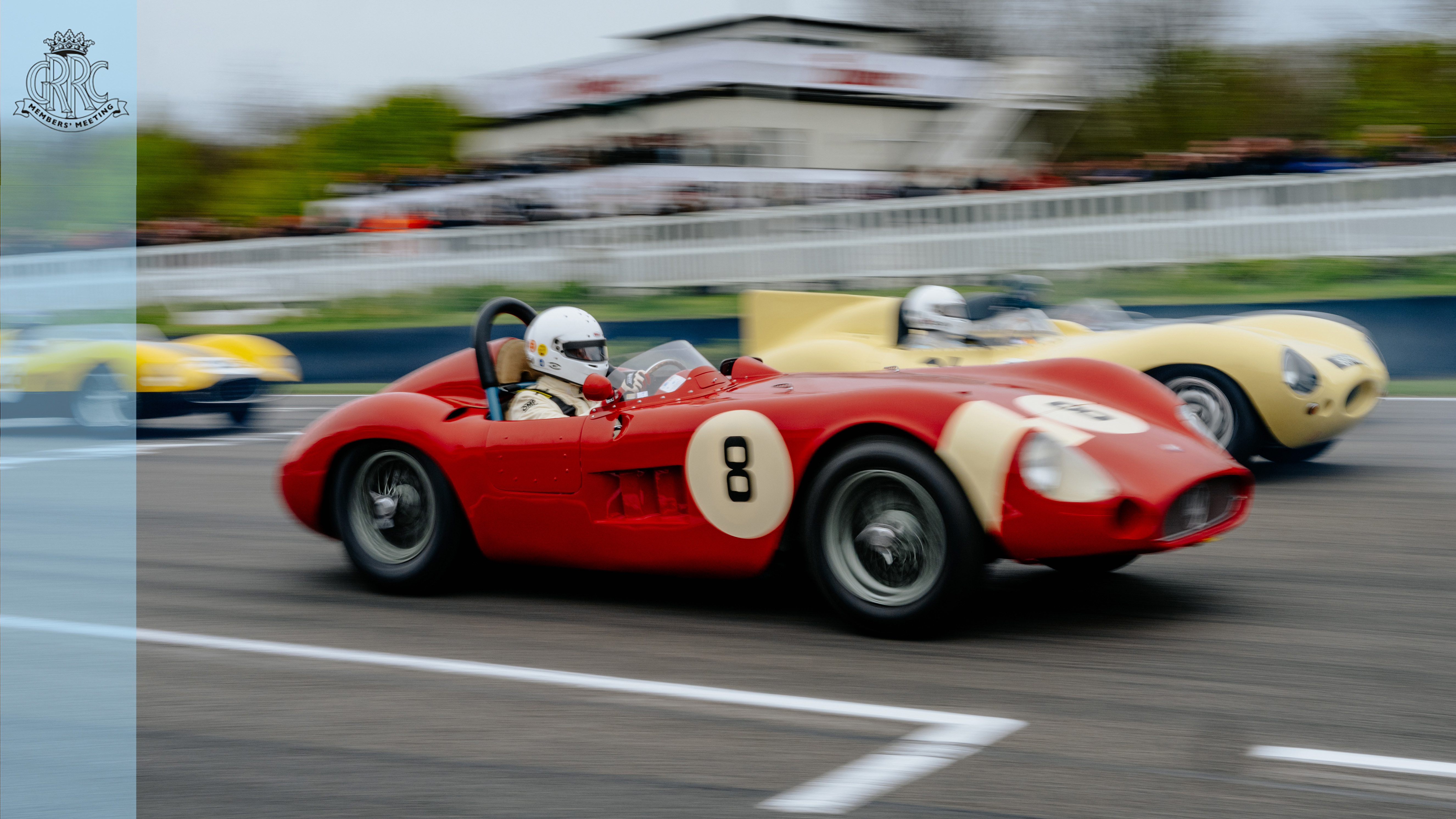
Though Peter Collins never won a World Championship and claimed only three Grand Prix victories, his legacy rests on deeper foundations; his 1956 Italian Grand Prix gesture remains one of the most celebrated acts of selflessness in motorsport. His career burned brightly, in his short time at the top he forged a reputation as one of Ferrari’s finest drivers and one of Enzo Ferrari’s most beloved racers.
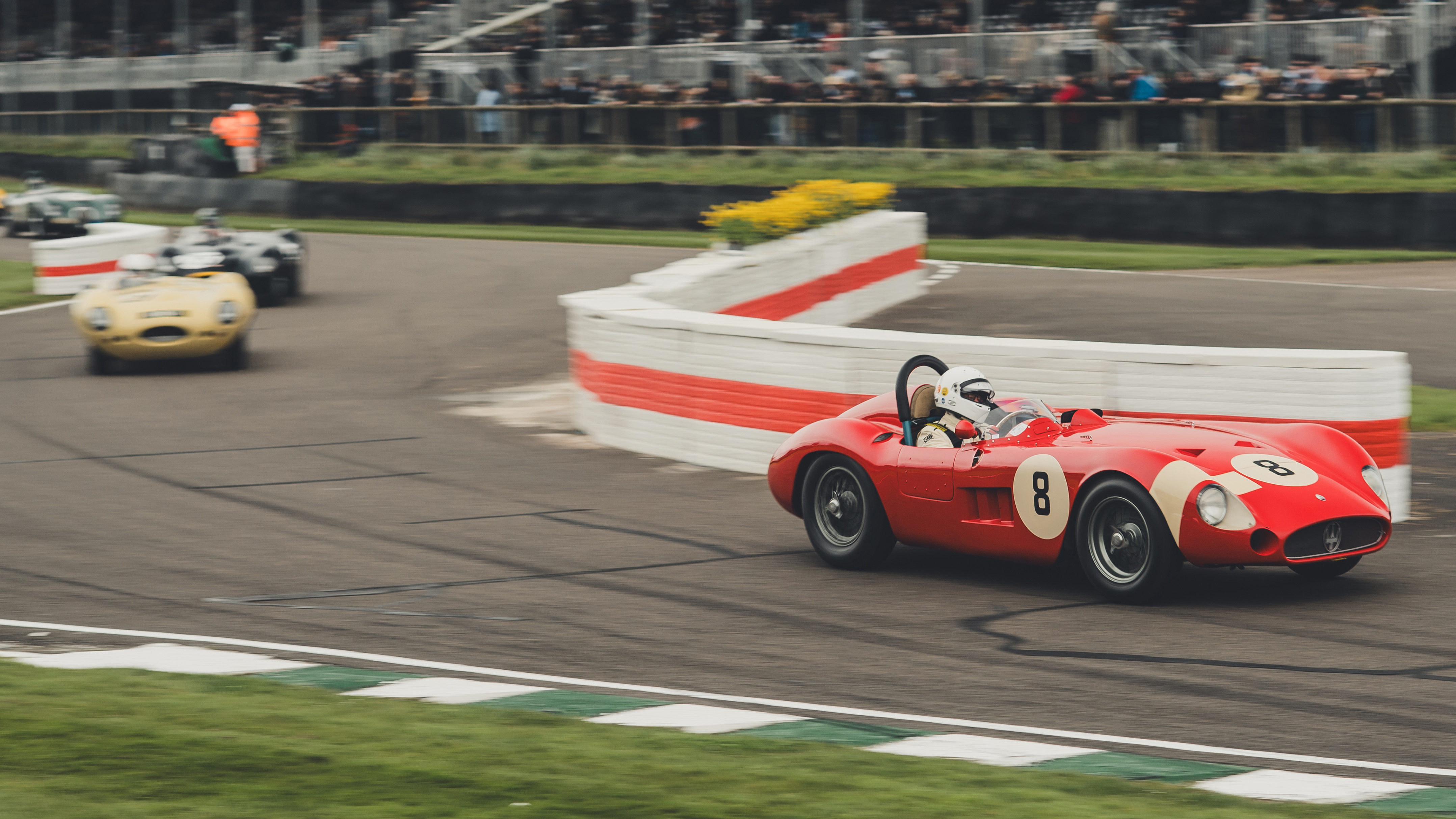
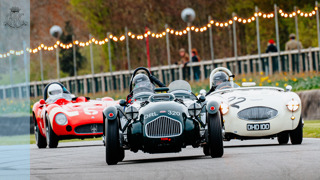
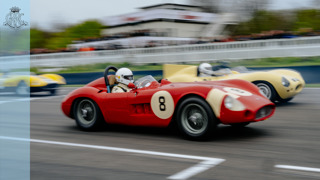
At the 83rd Members’ Meeting presented by Audrain Motorsport, the Peter Collins Trophy for sportscars built in the first half of the 1950s pays the perfect tribute to Collins who, as well as his victory at Goodwood in 1952 also won the RAC Tourist Trophy race at Dundrod, County Antrim, in 1953, had two second-place finishes at Le Mans in 1955 and ’56, and also won the 1955 Targa Florio. He wasn’t just a great sportsman; he was a truly accomplished racer.
The 83rd Members' Meeting presented by Audrain Motorsport takes place on the 18th & 19th April 2026. Tickets are on sale now for GRRC Members and Fellows
You can sign up for the Fellowship now. Click here to find out more.
Images courtesy of Getty Images.
members' meeting
83mm
event coverage
peter collins
Peter Collins Trophy
Peter Collins Trophy info
Subscribe to Goodwood Road & Racing
Thank you, you’re now subscribed

How many hay bales are used at FOS?
For the last two years, 5,800 bales have been recylced into the biomass energy centre to be used for energy generation