

Why nobody wanted to drive the 1988 Le Mans winning Jaguar XJR9
In 1986, Jaguar returned to the Le Mans 24 Hours in partnership with Tom Walkinshaw Racing in an effort to rekindle the glory days of the D-type from more than two decades previously.
Two years later, all the elements were there for a tilt at victory over the might of Porsche, but one of the five XJR-9LM models entered wasn’t a driver favourite. As we look ahead to celebrating the achievements of TWR Jaguar at the 84th Members’ Meeting presented by Audrain Motorsport, let’s revisit the story of its Le Mans-winning XJR-9LM — chassis 488.
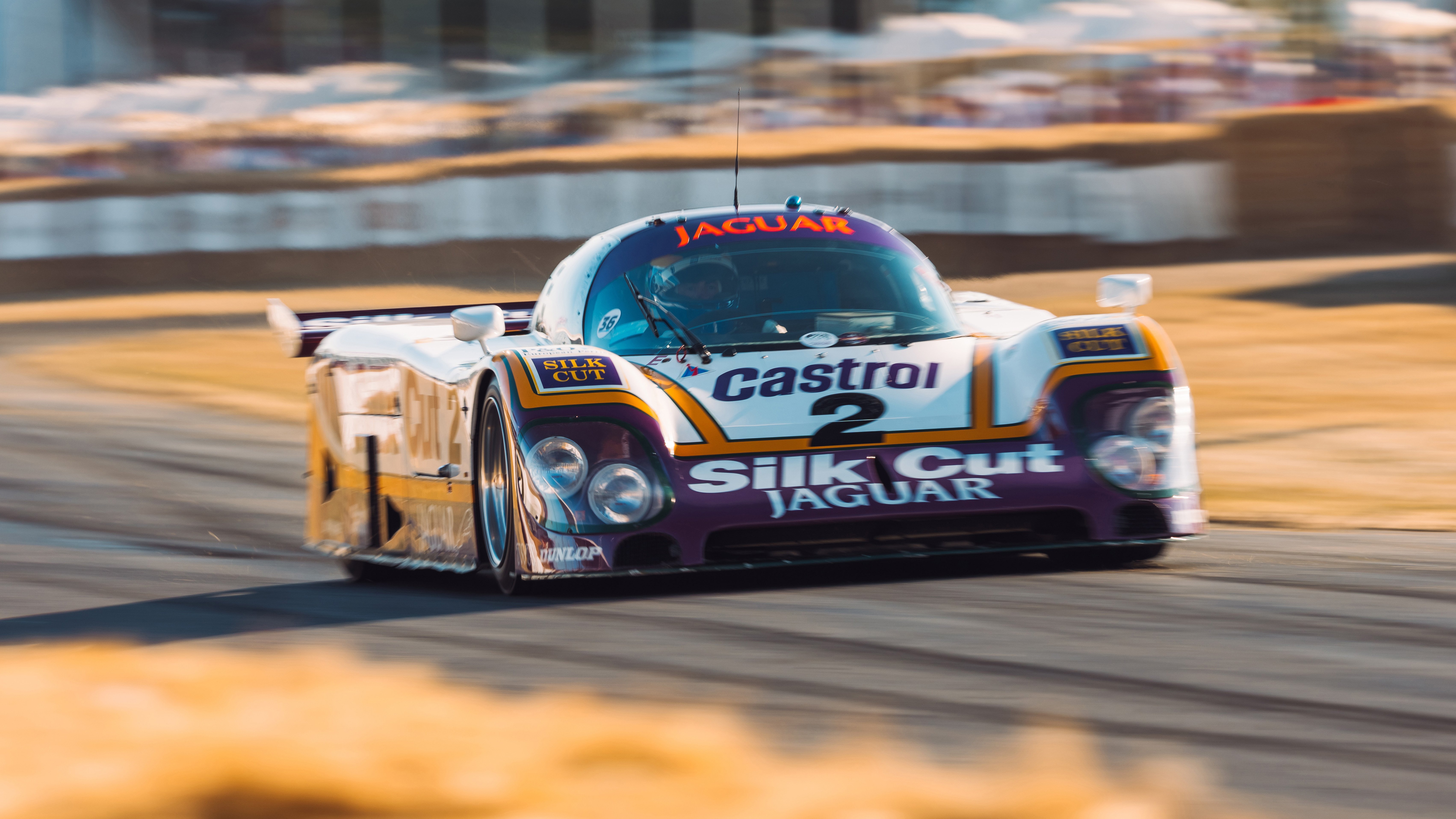
Chassis 488 had failed to finish every race it had entered ahead of Le Mans. It was deemed unlucky, and of Jaguar’s five cars it was naturally the one that none of the 14 drivers were eager to pilot. Relative newcomers Johnny Dumfries and Andy Wallace had drawn the short straw, together with the more experienced Jan Lammers. Why would anyone think the unlucky car could change its fortunes over a 24-hour period in June 1988?
The build-up to this achievement began for Jaguar in 1984 when it joined forces with the American Group 44 team for an initial return to Le Mans. The two XJR-5 cars that entered the race failed to finish, but 12 months later things improved for Group 44 as one car claimed a GTP class win and 13th place overall.
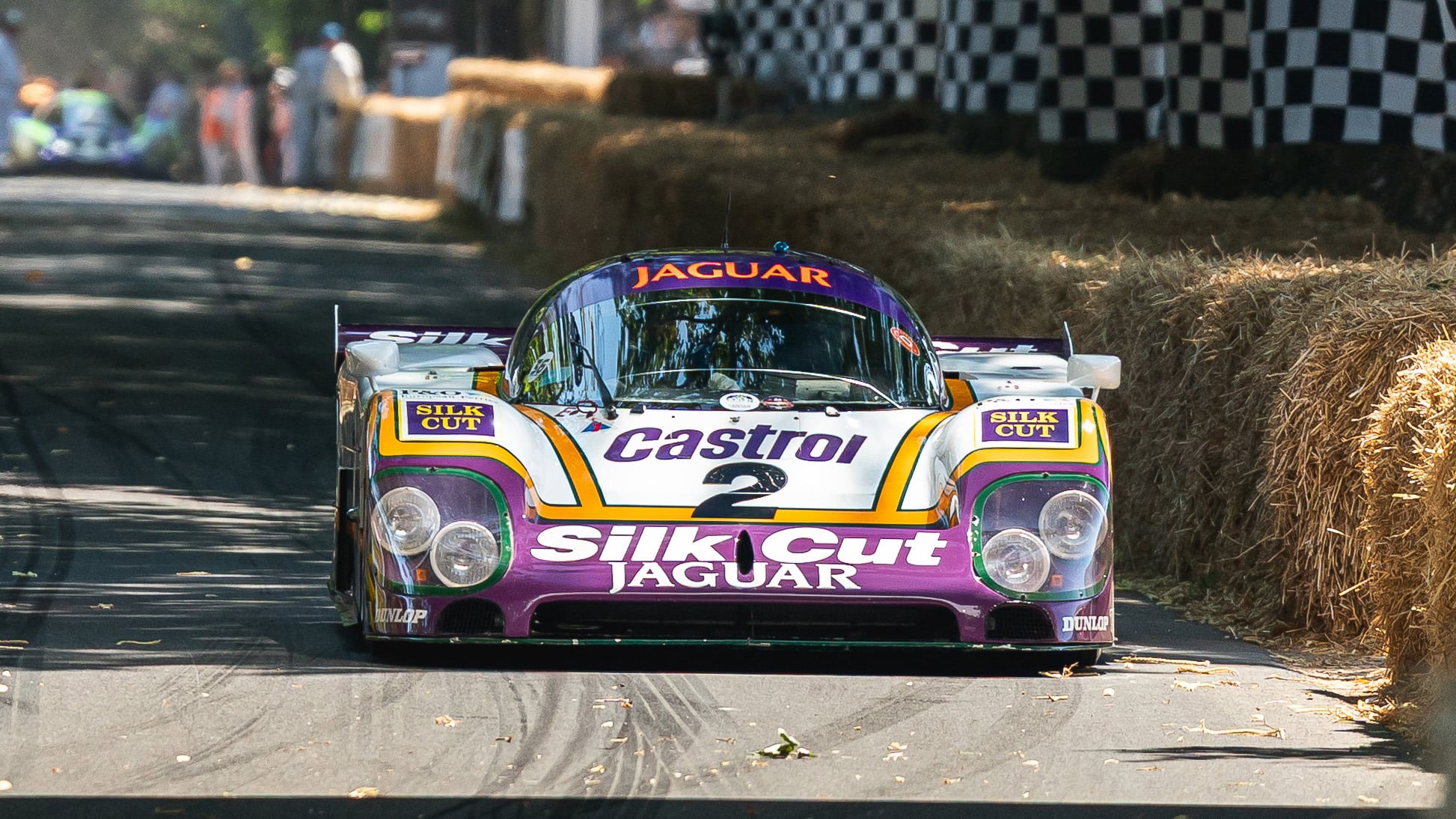
For 1986, Jaguar returned as a full works team and enlisted TWR to run the cars. Peripheral failings led to DNFs for the three XJR-6 entries. The XJR-8LM achieved a fifth place finish the following year with Eddie Cheever, Raul Boesel and Jan Lammers, and to build on this a full force was deployed for 1988 with five Jaguar XJR-9LMs entered.
For all the superstition around chassis 488, it was the ‘unlucky’ car that made history for Jaguar by achieving the team's sixth victory at the legendary race. The car took the lead from the Porsche 962C of Derek Bell, Hans-Joachim Stuck and Klaus Ludwig in the tenth hour and never looked back. Of the other four Jaguar entries, two came fourth and 16th respectively, while the other two were forced to retire.
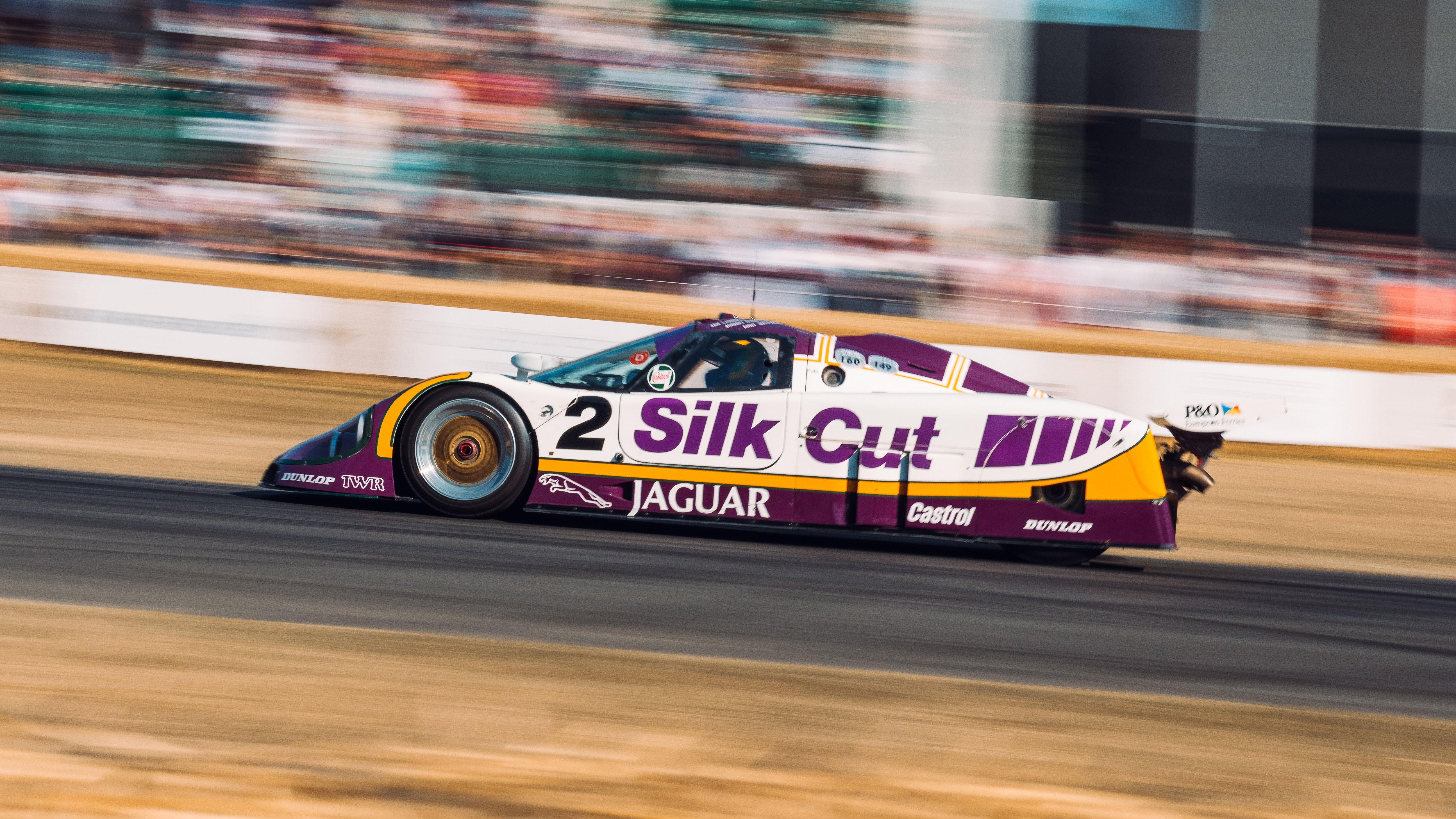
It wasn’t all down to luck, however. Lammers knew that one of his stable’s retirements had been caused by a gearbox failure, so he nursed his car as the 394 laps counted down to the chequered flag using only fourth gear.
“He had to have a pit stop without the Porsches knowing he was stuck in fourth gear,” said Matthew Davis of the Jaguar Heritage Trust, who was looking after the car when we visited it at the 2026 Festival of Speed presented by Mastercard.
“In the melee of the final pitstop, the mechanics were able to kind of help it on its way, which is totally illegal, so it could restart and forth. Walkinshaw instructed the drivers of the two other cars that were still running just bunch up behind Lammers. Everyone thought it was for a photo finish, but it wasn’t. It was in case the gearbox failed. They were just going to physically push it over the finish line.”
With a large contingent of British racegoers in the crowd ready to see the win they travelled to Le Sarthe for, chassis 488 did manage to cross the line to secure the win over Porsche. It is an edition of the Le Mans 24 Hours that has gone down in motorsport lore as one of the most memorable in over than a century of history.
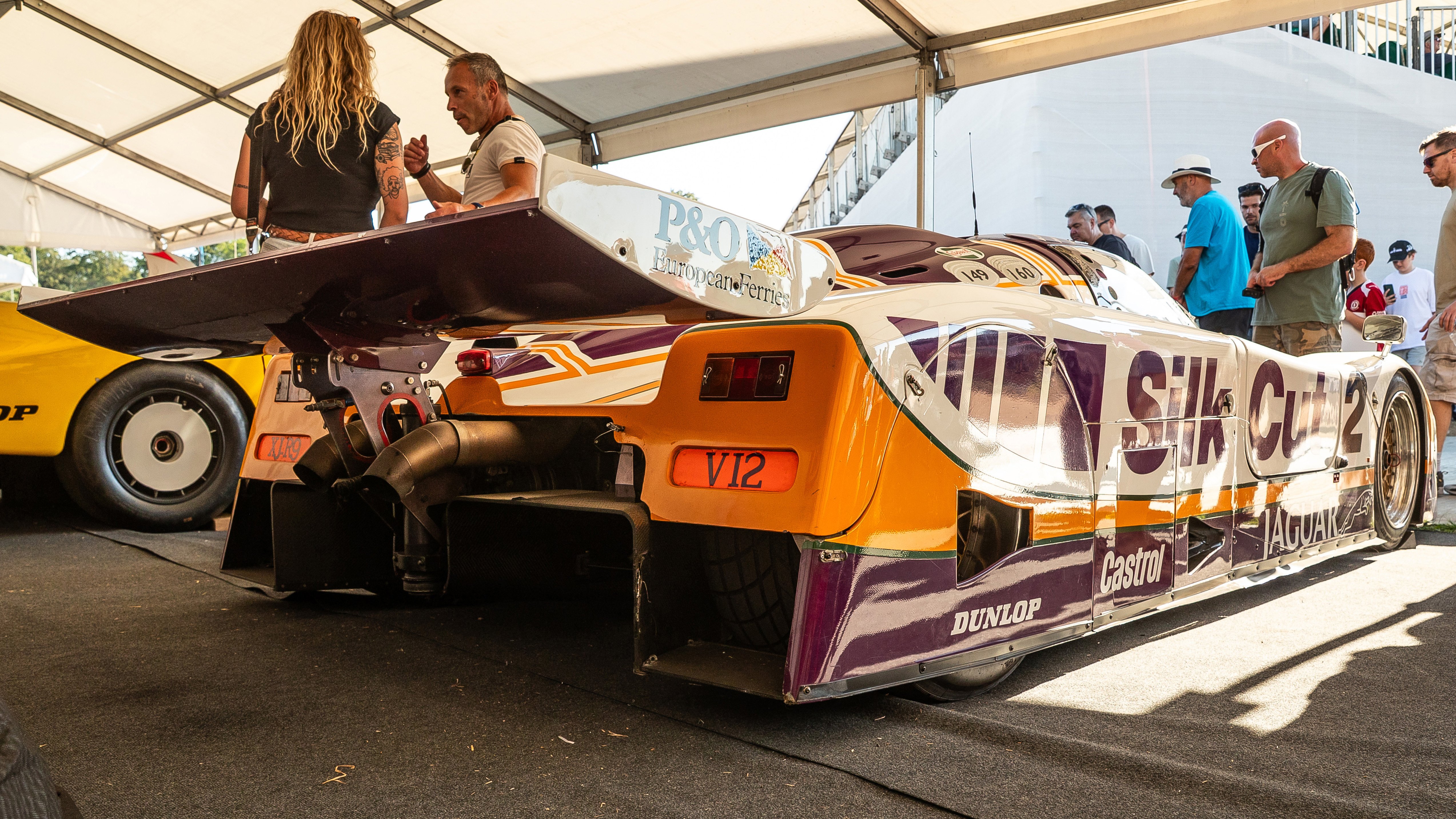
In the same year, Jaguar won six out of ten World Championship rounds, and chalked up another Le Mans victory in 1991 as was a World Championship title. But when you think Silk Cut Jaguar, you think of 1988.
After its one and only race win, chassis 488 was shipped straight to the Jaguar Daimler Heritage Trust. It was established in 1983 before Jaguar was floated to protect its fleet of historically significant cars, and it continues to fulfil that brief today.
“The XJR9 is safe here,” assured Davis. “The watchword is preservation, keeping it as close to that specification as we can.” It’s a car that they love to bring out because the reaction it receives is always special. “Whenever we put it in front of the British public, people just love seeing it,” Davis said.
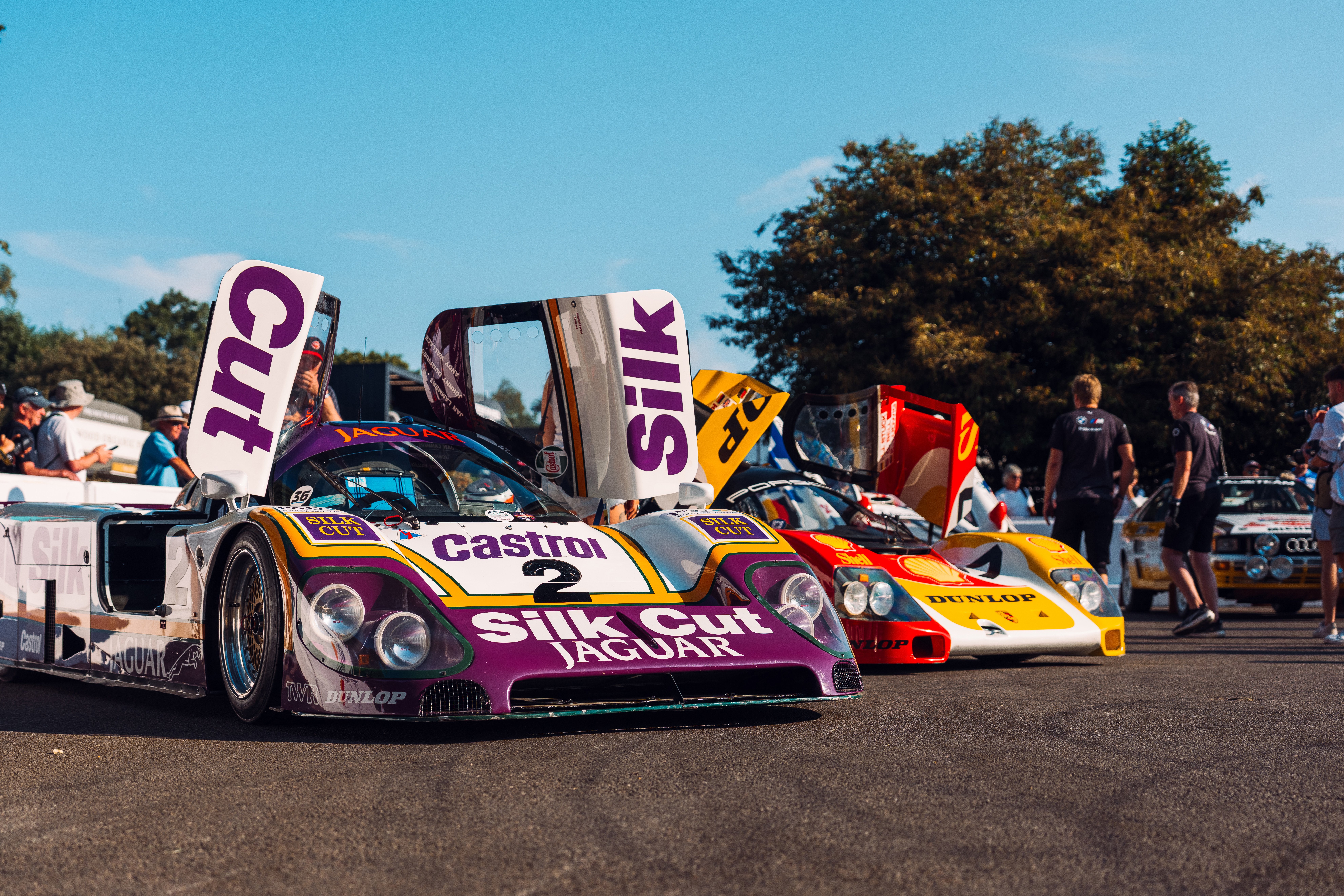
“There’s always so much warmth. Everyone has their story about how they were there or that they were there in 1990. It’s just such an important car to British people that we love being here and having it in front of it its public.”
It’s this level of passion that will make our celebrations of TWR Jaguar at Members’ Meeting all the more special, we can’t wait to see what’s in store of us on 10th-11th April 2027.
Photography by Joe Harding, Charlie Brenninkmeijer, Rob Cooper and Sam Milton.
The 84th Members' Meeting takes place on 10th and 11th April 2027. Tickets are now on sale to GRRC Members and Fellowship Members at the early bird price.
If you’re not already part of the GRRC, you can sign up to the Fellowship today to save ten per cent on your 2027 tickets and grandstand passes, as well as enjoying a whole host of other on-event perks.
Members' Meeting
84th members' meeting
84MM
Jaguar
TWR
XJR-9
le mans
Le Mans 1988
TWR celebration

Subscribe to Goodwood Road & Racing
Thank you, you’re now subscribed

How many hay bales are used at FOS?
For the last two years, 5,800 bales have been recylced into the biomass energy centre to be used for energy generation