
Alberto Ascari: Italy’s greatest Formula 1 star
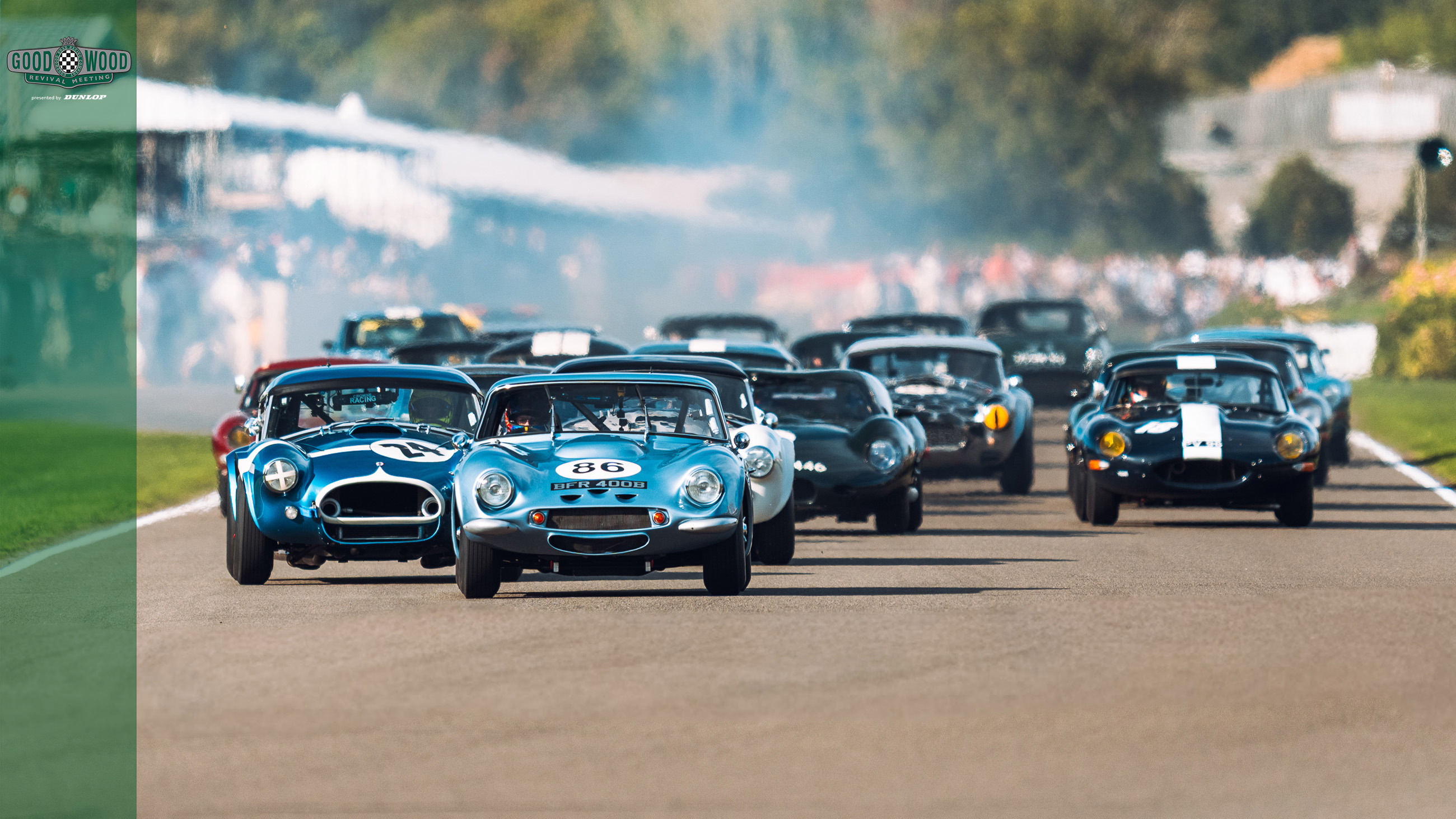
The Goodwood Revival presented by Dunlop is diving into all things Italian in 2026, from celebrations of 100 years of Maserati success, to the trident-badged cars being pitted against Ferraris in the Lavant Cup’s ‘Battle of Modena’ and the stylings of ‘La Dolce Vita’ woven through it all.
As we reflect on the glamour of Italian culture and motorsport heritage, we can’t help but think of one of the country’s greatest ever racers: two-time Formula 1 World Champion Alberto Ascari.
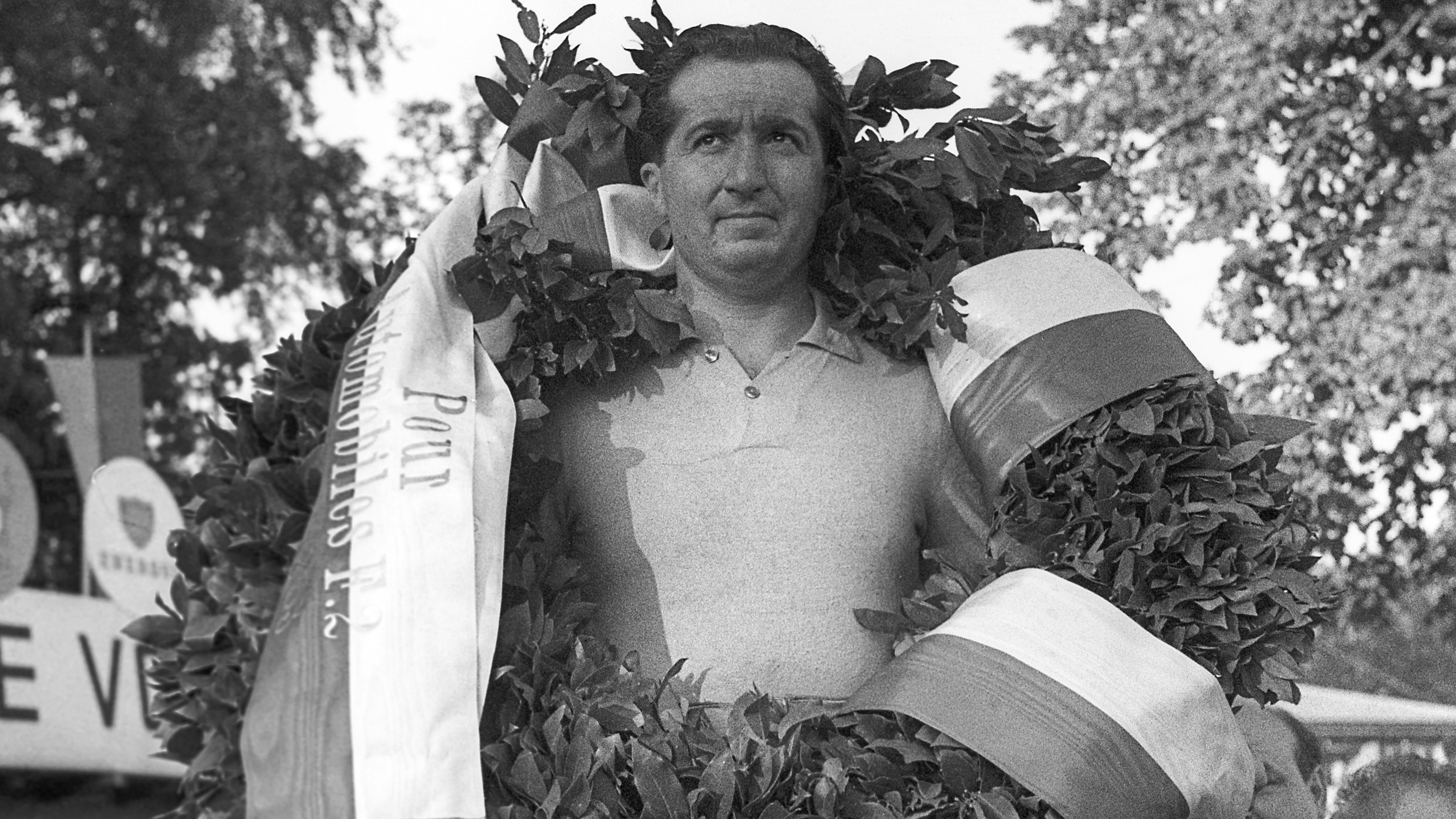
Ascari’s journey into motorsport started in tragedy. His father, Antonio — one of Italy’s greatest pre-war drivers — was killed at the 1925 French Grand Prix when he was only seven years old. Yet, despite the heavy loss, the young Ascari was still drawn inexorably to speed. He began his motorsport journey with the purchase of a Bianchi motorcycle with the help of his mother immediately after leaving school in 1937.
Over the next three years, Ascari established himself as a formidable factory racer for Bianchi, and four wheels finally beckoned in, when Enzo Ferrari, a close friend and former teammate of Ascari’s father, offered him a seat for the 1940 Mille Miglia.
Though Ascari failed to finish that race, the spark was lit. World War II forced his racing ambitions into a temporary freeze, but he returned with a vengeance in 1947 behind the wheel of a Maserati A6GCS, clinching his first career victory in Modena. The stage was set for a spectacular rise.
After the war, Ascari raced a Maserati 4CLT with team-mate and business partner Luigi Villoresi across circuits in Italy. Now a husband and a father of two, Ascari was growing hesitant to tempting fate in such a dangerous sport, but it was Villoresi who encouraged him to continue.
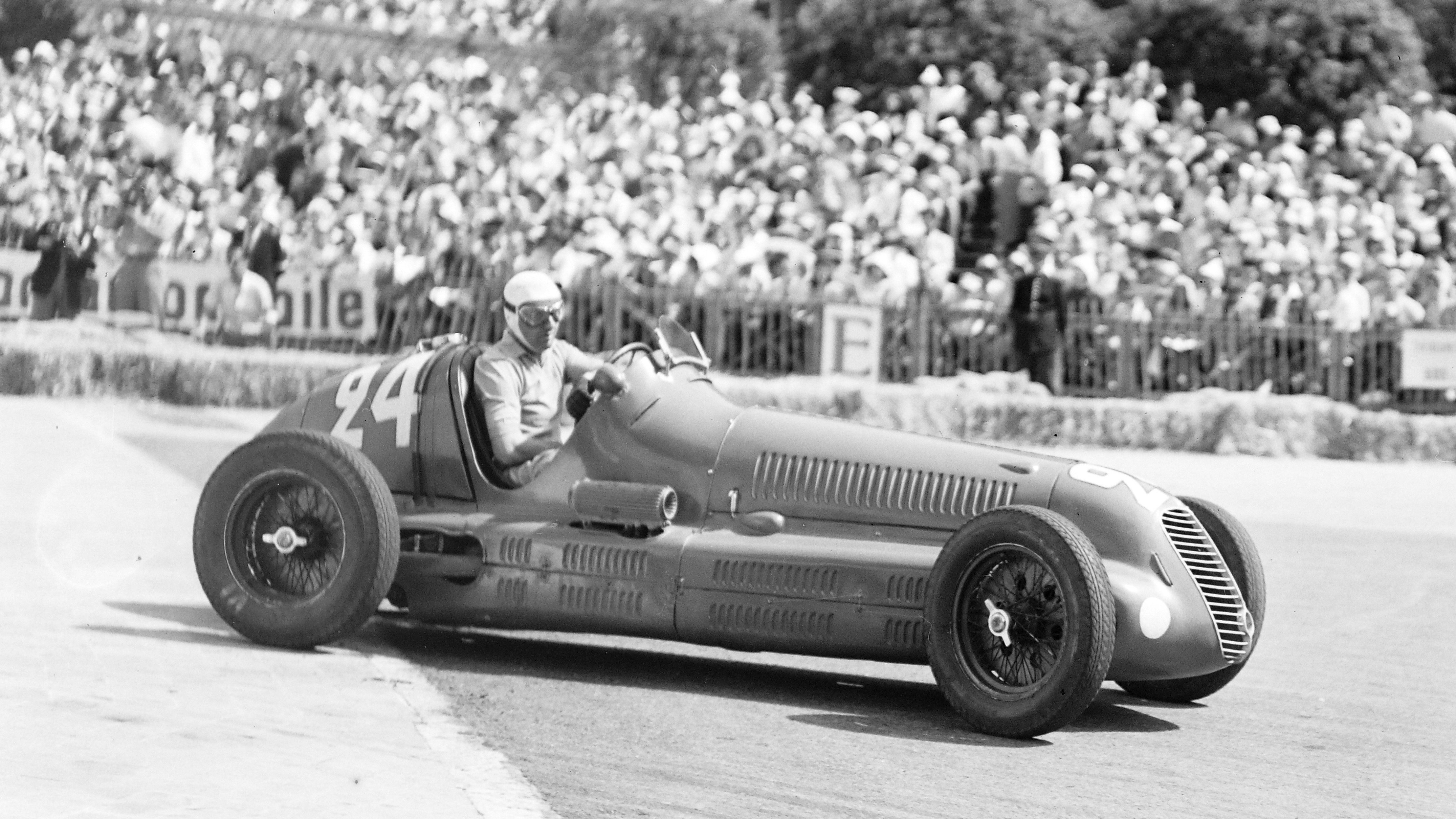
The Maserati 4CLT of Ascari and Villoresi during the 1948 Monaco Grand Prix. The pair finished fifth, while the 4CLT of Giuseppe Farina took the win.
Image credit: Getty ImagesA first Grand Prix win came at San Remo in 1948, followed by a second-place finish at that year’s British Grand Prix at Silverstone and the inaugural victory at the 1949 Buenos Aires Grand Prix, all in the Maserati 4CTL.
Later that year, Ascari and Villoresi were signed for Scuderia Ferrari, and with Enzo Ferrari providing elite machinery Ascari’s career went into overdrive. He dominated the 1949 season with five international Grand Prix victories, and as the modern Formula 1 World Championship began in 1950, victories continued to flood in in various Ferrari machinery.
In 1952 he captured a maiden F1 World Championship, sweeping the Belgian, French, British, German, Dutch, and Italian Grands Prix aboard the Ferrari 500 to become Italy’s first, and today still only, Drivers’ Champion.
He defended his title in 1953 — the first driver to do so and a feat at Ferrari only replicated by Michael Schumacher. It wasn’t until Jack Brabham in 1960 that another back-to-back Champion was crowned.
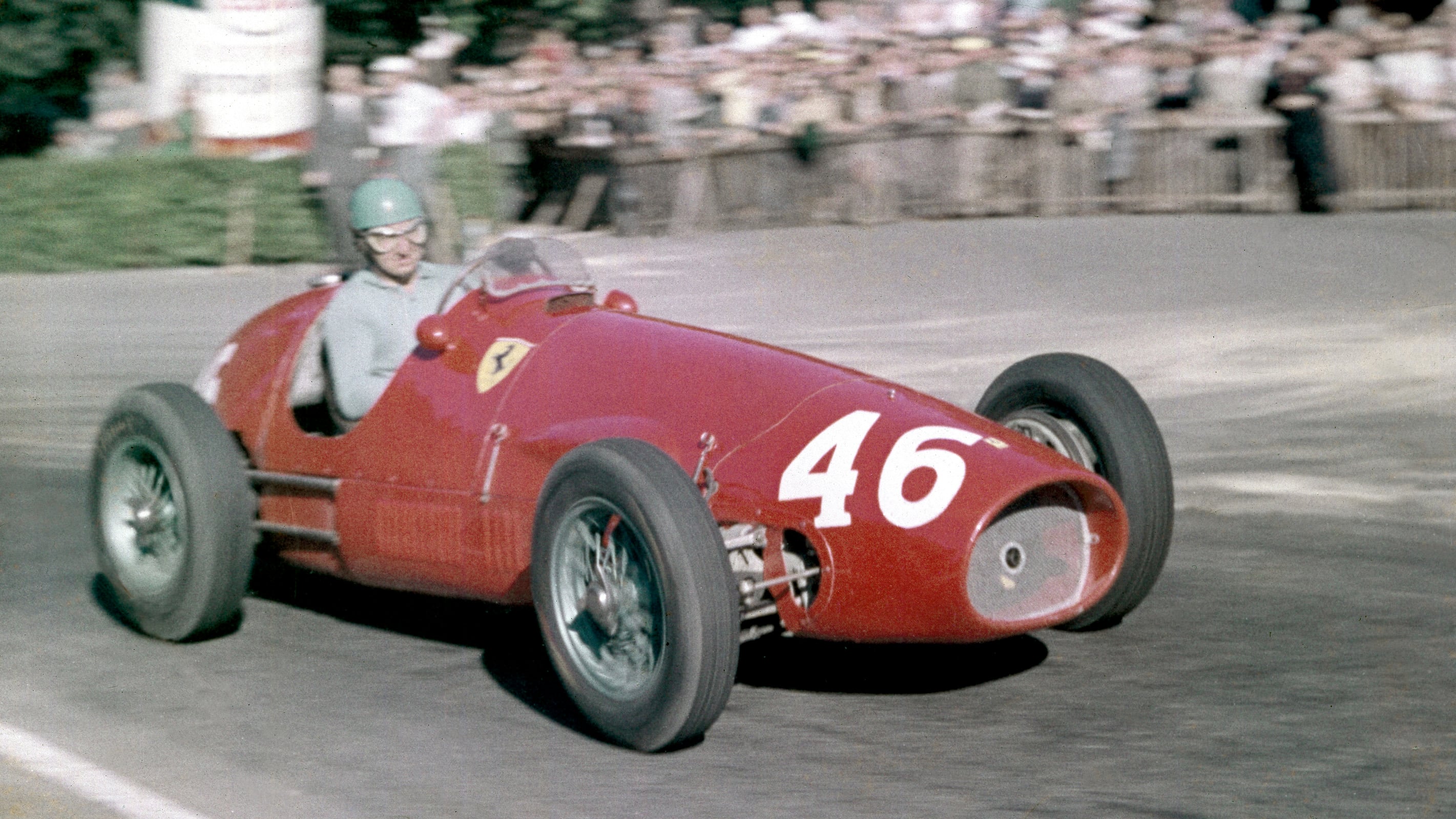
Ascari races his Ferrari 500 to victory at the 1953 Swiss Grand Prix, on his way to retaining the World Championship. It proved to be his final win.
Image credit: Getty ImagesAscari was universally revered for his calculated precision and surgical accuracy. Enzo Ferrari himself once noted his “precise and distinctive driving style”. This clinical approach made him one of the safest competitors in an era where death was a regular visitor to the paddock.
At the end of 1953, seeking fresh motivation, Ascari parted ways with Ferrari on amicable terms to anchor Lancia's ambitious new racing project. His impact was instant. He won the gruelling 1954 Mille Miglia with the Lancia D25, secured the marque’s first Grand Prix triumph at the non-Championship Valentino Grand Prix in 1955 and followed it up with a masterful victory at the Naples Grand Prix, another non-Championship race, all at the wheel of the Lancia D50.
Then came the infamous 1955 Monaco Grand Prix. While leading the race on lap 81, the front brakes of Ascari’s D50 locked at the chicane, and in a terrifying blur the car punched through the wooden barriers and plunged directly into the harbour, a spectacular 110-mph launch into the Mediterranean.
While his Lancia sank into the sea, Ascari miraculously bobbed to the surface, escaping with little more than a broken nose and a soaked racing suit. His luck would shortly run out, however.
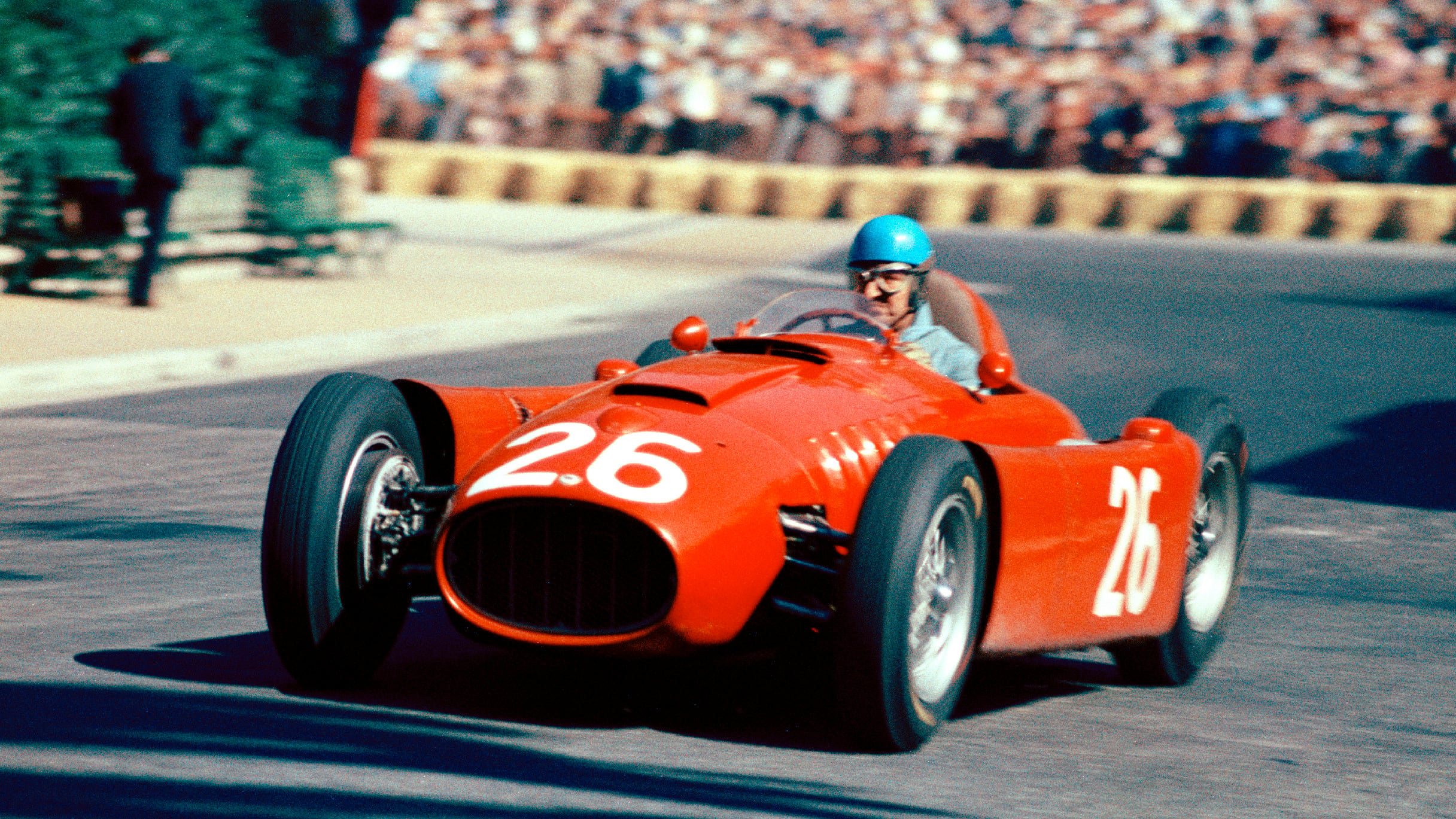
Both Ascari and his Lancia D50 made an unwanted splash at the 1955 Monaco Grand Prix. This was his last Grand Prix appearance before his untimely death, four days later.
Image credit: Getty ImagesBeneath Ascari’s calm exterior lay a man driven by fierce superstitions. He avoided black cats religiously, refused to race on the 26th day of any month (the date his father died) and would never get into a racing car without his sky-blue helmet.
It was the 26th May 1955, just four days after his harrowing plunge into the Monaco harbour, that Ascari arrived at Monza with the intention of watching close friend Eugenio Castellotti test a new Ferrari 750 Monza. Desperate to conquer his lingering anxieties from the harbour crash, Ascari decided on a whim to turn a few casual laps, superstitious forgotten.
Wearing Castellotti’s white helmet, on his third lap, while navigating a fast, sweeping bend, the Ferrari inexplicably broke traction and somersaulted twice at high speed. Ascari was thrown onto the tarmac and succumbed to his injuries on the way to the hospital. He was 36 years old – the same age his father had been when he killed, on the same day of the month.
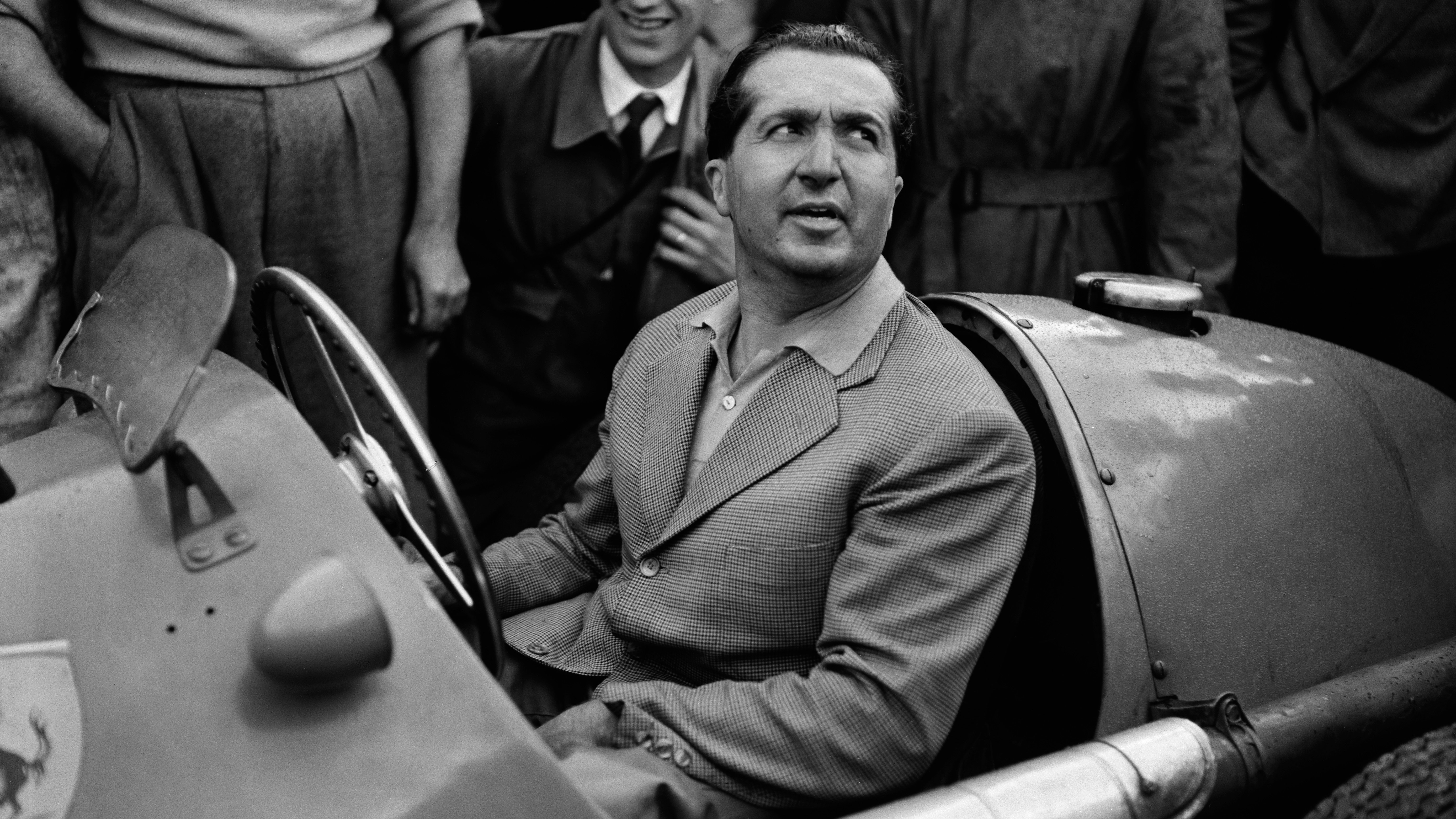
Ascari's death was deeply mourned in the racing community. His legacy remains as a giant of Italian motorsport.
Image credit: Getty ImagesThe motorsport world was shaken by the loss. Ascari’s chief rival, Juan Manuel Fangio, mourned deeply, stating: "I have lost my greatest opponent. Ascari was a driver of supreme skill, a great man." Lancia withdrew entirely from motor racing just three days after his funeral, handing over all their cars and equipment to Enzo Ferrari. It’s never been confirmed if this was out of grief, or due to their considerable financial trouble at the time, but it was seen as monumental act.
Alberto Ascari's legacy is woven tightly into the fabric of Italian racing. As the Goodwood Revival gathers an immense line-up to celebrate the country’s iconic machinery, we’ll be echoing the world Ascari conquered. He remains a timeless icon of a golden, dangerous and utterly captivating era of speed.
Main image courtesy of Getty Images.
The 2027 Goodwood Revival will take place on 17th-19th September 2027. Sign up for ticket alerts to make sure you don’t miss out.
If you’re not already part of the GRRC, you can sign up to the Fellowship today to save ten per cent on your 2027 tickets and grandstand passes, as well as enjoying a whole host of other on-event perks.
formula 1
f1
Alberto Ascari
Subscribe to Goodwood Road & Racing
Thank you, you’re now subscribed

How many hay bales are used at FOS?
For the last two years, 5,800 bales have been recylced into the biomass energy centre to be used for energy generation