
The top 10 F1 team bosses | Axon’s Automotive Anorak
The debate about who is the greatest Formula 1 driver will rage on for all time, as fans passionately make their cases for their personal favourites (for what it’s worth, Prost gets my vote for his cool-headed cunning and calculated consistency).
Ask the same group of F1 enthusiasts their thoughts on the best team bosses of all time, however, and after some deeper contemplation and head scratching, you’re likely to get very different responses regarding the sport’s outstanding team leaders.
Narrowing down your picks is no easy task, but after much consideration, here are my top ten of the greatest F1 team leaders from the last 75 years of modern Grand Prix racing.
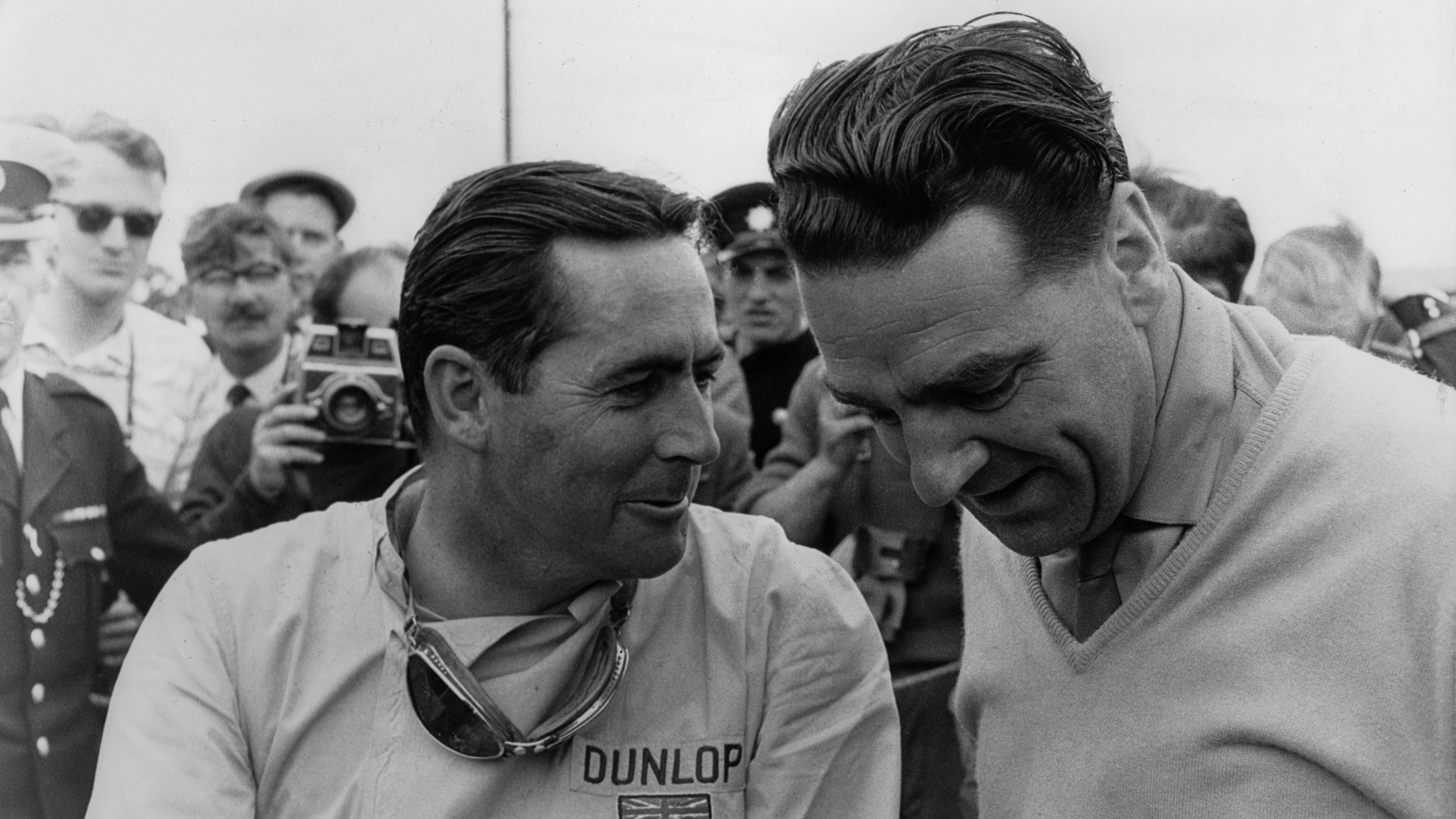
10. Flavio Briatore
The flamboyant Flavio Briatore ran the Benetton F1 team twice, from 1990-1997, plus a brief return between 2000-01, and led the team to its sole Constructors’ Championship in 1995 and Michael Schumacher’s first two Drivers’ Championships. He left Benetton to successfully head up the Renault F1 outfit from 2002-2009, winning the Constructors’ Championship for the French team in 2005 and 2006. In addition to his F1 duties, the entrepreneurial Briatore also ran restaurants, nightclubs, holiday resorts and even the QPR football team.
9. John Cooper
John Cooper inherited both the motor racing bug and engineering gift from his ‘rough diamond’ father Charles, who ran a small engineering works near Surbiton. John Cooper built and ran his first 500cc (later classified as Formula Junior) racing car immediately post-war in 1946. Using surplus Fiat Topolino mechanicals, this simple 500cc racer was pioneering in that the engine was placed centrally in the car for optimal weight distribution and superior handling.
Following dominance of hillclimbing and Formula 2 Championships, Cooper continued his success in Grand Prix racing, being the first to introduce game-changing and influential mid-engined F1 racing cars and winning both the Drivers’ and Constructors’ World Championships in 1959 and 1960. After a few race wins in the latter 1960s using Maserati and Honda power, pioneering Cooper withdrew from all works racing support in 1969.
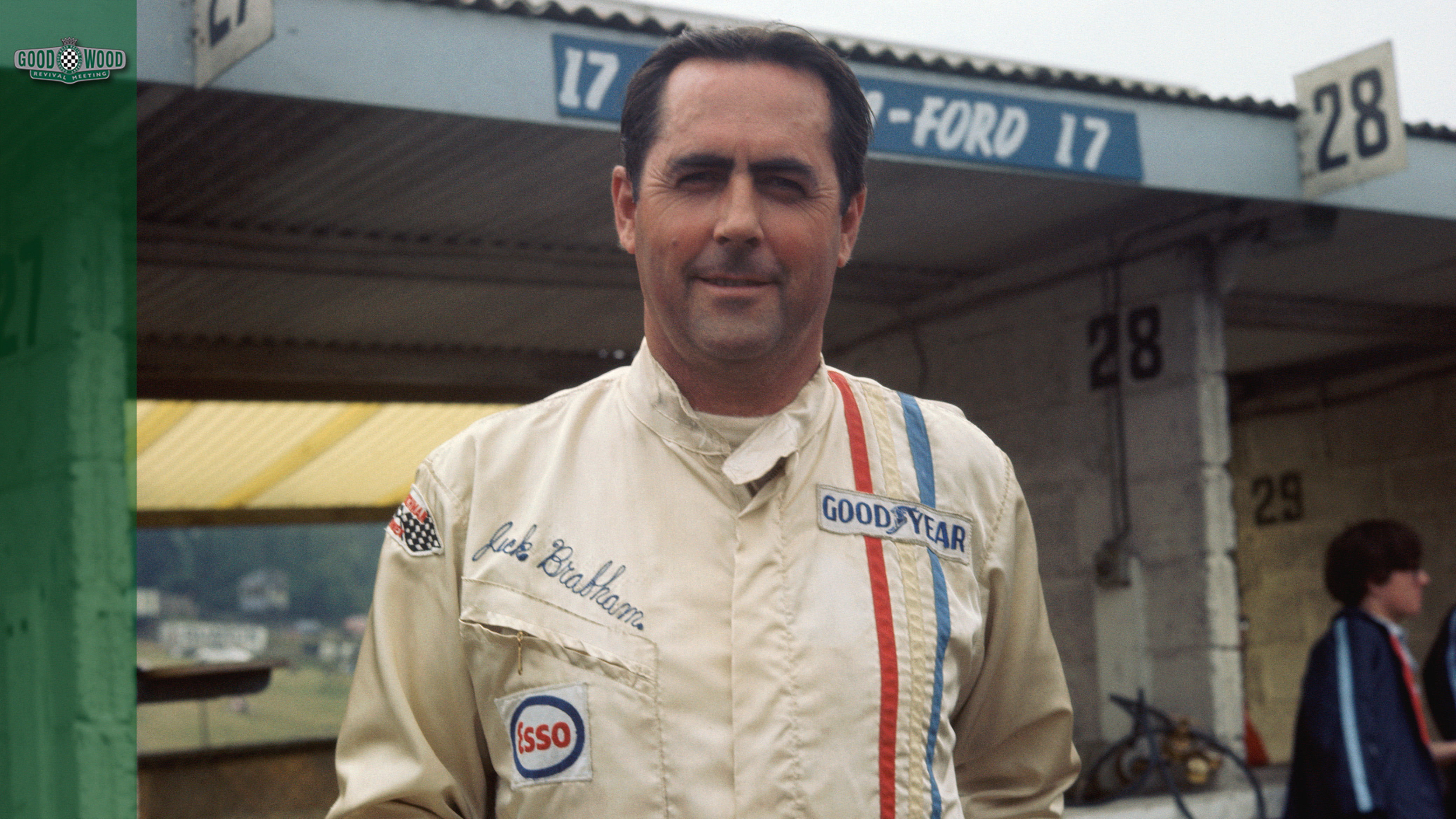
8. Jack Brabham
Australian Jack Brabham won a trio of World Champions as driver, his first two in a Cooper-Climax in 1959 and 1960. His third in 1966 came in a car bearing his own name, making Brabham the first driver to win the Formula 1 World Championship with an eponymous car. A Brabham-built machine won a further three Drivers’ Championships, with Denny Hulme in 1967 and Nelson Piquet in 1981 and ’83, by which time Jack Brabham had sold his team to Bernie Ecclestone.
7. Ken Tyrrell
Ken Tyrrell famously worked out of a wooden shed in Surrey that is now relocated for all to see here at the Goodwood Motor Circuit. Tyrrell had an uncanny knack of spotting motor racing talent early on, such as three-time F1 World Champion Jackie Stewart — who he discovered at Goodwood — plus many other fine drivers including John Surtees and Jody Scheckter. Tyrrell initially joined forces with the ambitious French F1 team of Matra, securing Stewart’s first Drivers’ Championship in 1969.
Matra’s F1 activities were later rebranded under the Tyrrell name, Ken’s team taking two more Drivers’ Championships in 1971 and 1973 for Stewart, along with a further Constructors’ title. Following Stewart’s retirement in 1973, the Tyrrell team lost its competitive edge and gradually slipped out of contention, although Ken Tyrrell remained a very active and vocal F1 team boss and campaigner right up to his death in 2001.
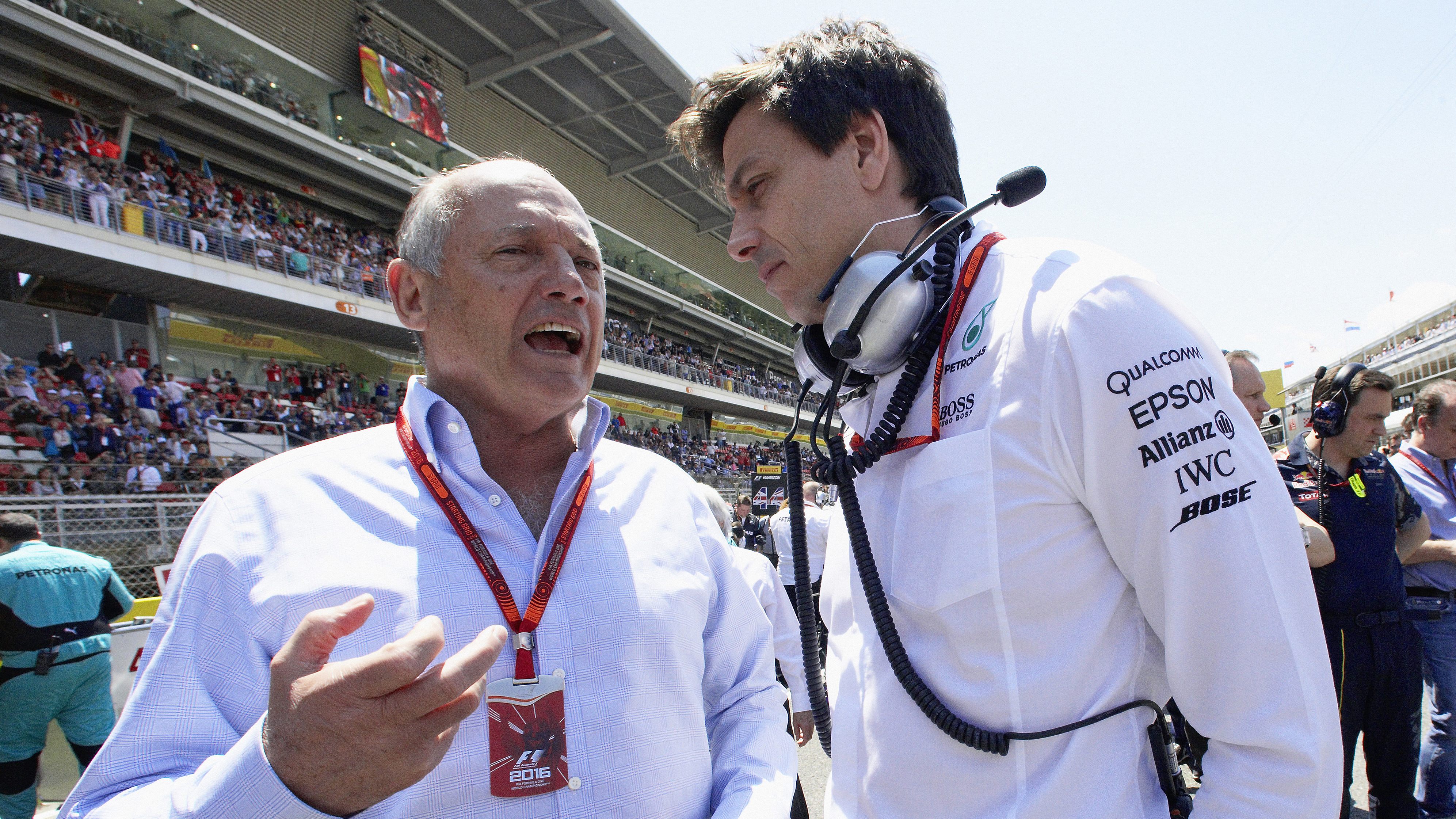
6. Ron Dennis
Having come up through the ranks as a lowly technician at McLaren, the melancholy Ron Dennis held the position of Team Principal at the world-leading Woking team for an astonishing 29 years, from 1980 until 2009, only to return to the role for another two years between 2014-16. Single-minded, ruthless with an obsessive attention to detail, Dennis’ thoughtful and focused leadership lead to McLaren achieving seven Constructors’ Championships, plus an unprecedented ten Drivers’ Championships, achieved by pilots as diverse at Ayrton Senna, Niki Lauda, Alain Prost and Lewis Hamilton.
5. Toto Wolff
Following a mixed stint as a German Formula Ford driver in the 1990s, Torger ‘Toto’ Wolff successfully took control of Mercedes-McLaren’s motorsport operations in 2013. Between 2014 and 2020, under Wolff’s direction, Mercedes won eight F1 Constructors’ Championships, beating the long record previously held by Ferrari. Mercedes also delivered seven Drivers’ World Championships, largely thanks to Lewis Hamilton. Although Hamilton was just beaten to the 2021 title, Wolff retained the Constructors’ crown for Mercedes that year to give it its unrivalled eighth win, beating its closest rival Red Bull Racing by a hefty 28 points to further his winning influence.
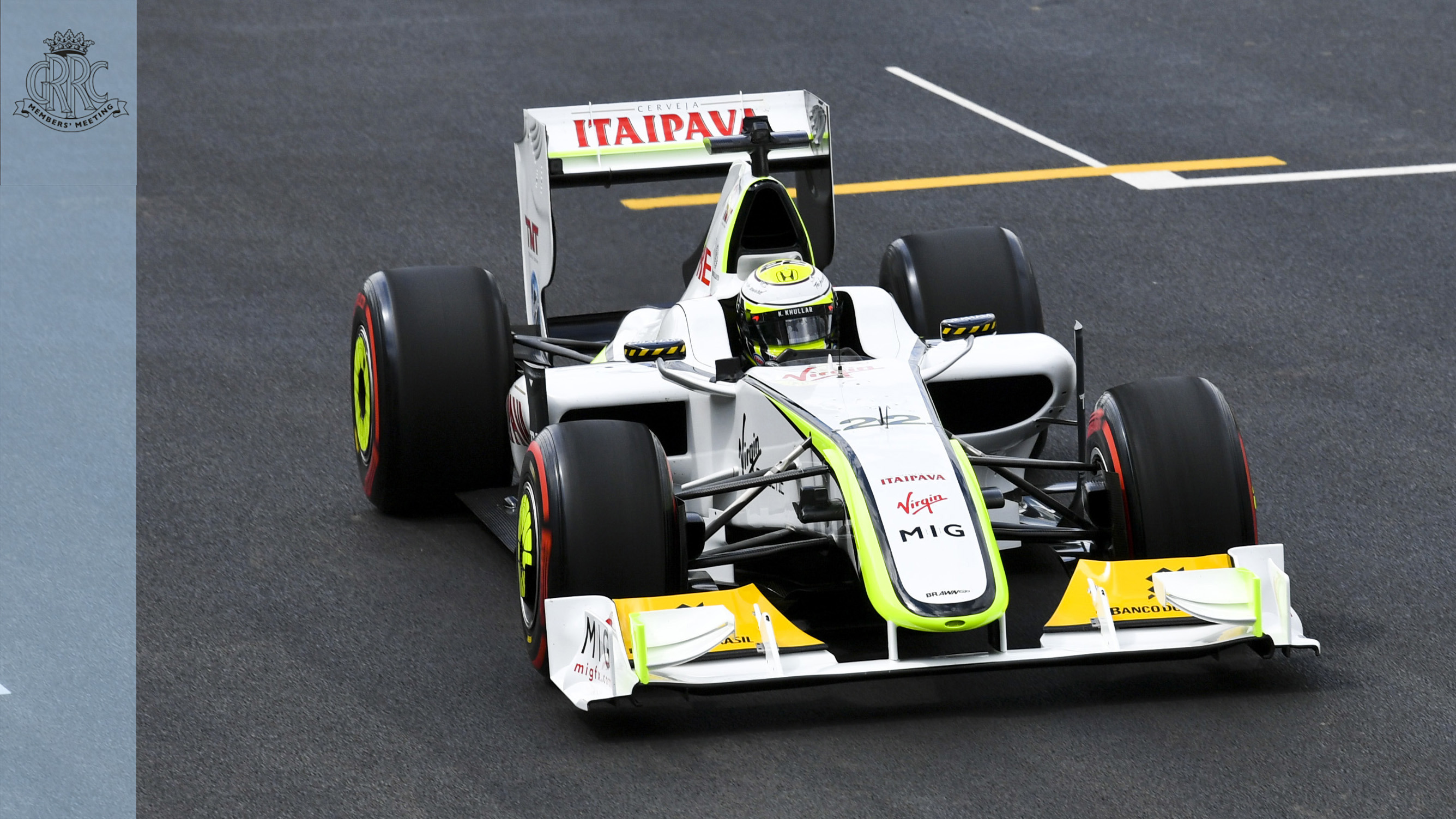
4. Ross Brawn
A gifted motor racing engineer, Ross Brawn has just one Constructors’ Championship to his name. The unforgettable 2009 season — the only campaign the Brawn team contested — delivered both the Constructors’ and Drivers’ Championships, the latter won by Jenson Button in a fairytale story we’re unlikely to ever see again.
Brawn deserves his high placing in this list as a talented and influential F1 engineer, responsible for no less than eight Constructors’ and eight Drivers’ Championships. When Mercedes rejoined F1 in 2010, Brawn headed up the new team’s first three years in the sport, leaving at the end of 2013 to successfully hand over the leadership to Wolff. Post-Mercedes, Brawn became the MD and Technical Director of the Formula One Group.
3. Frank Williams
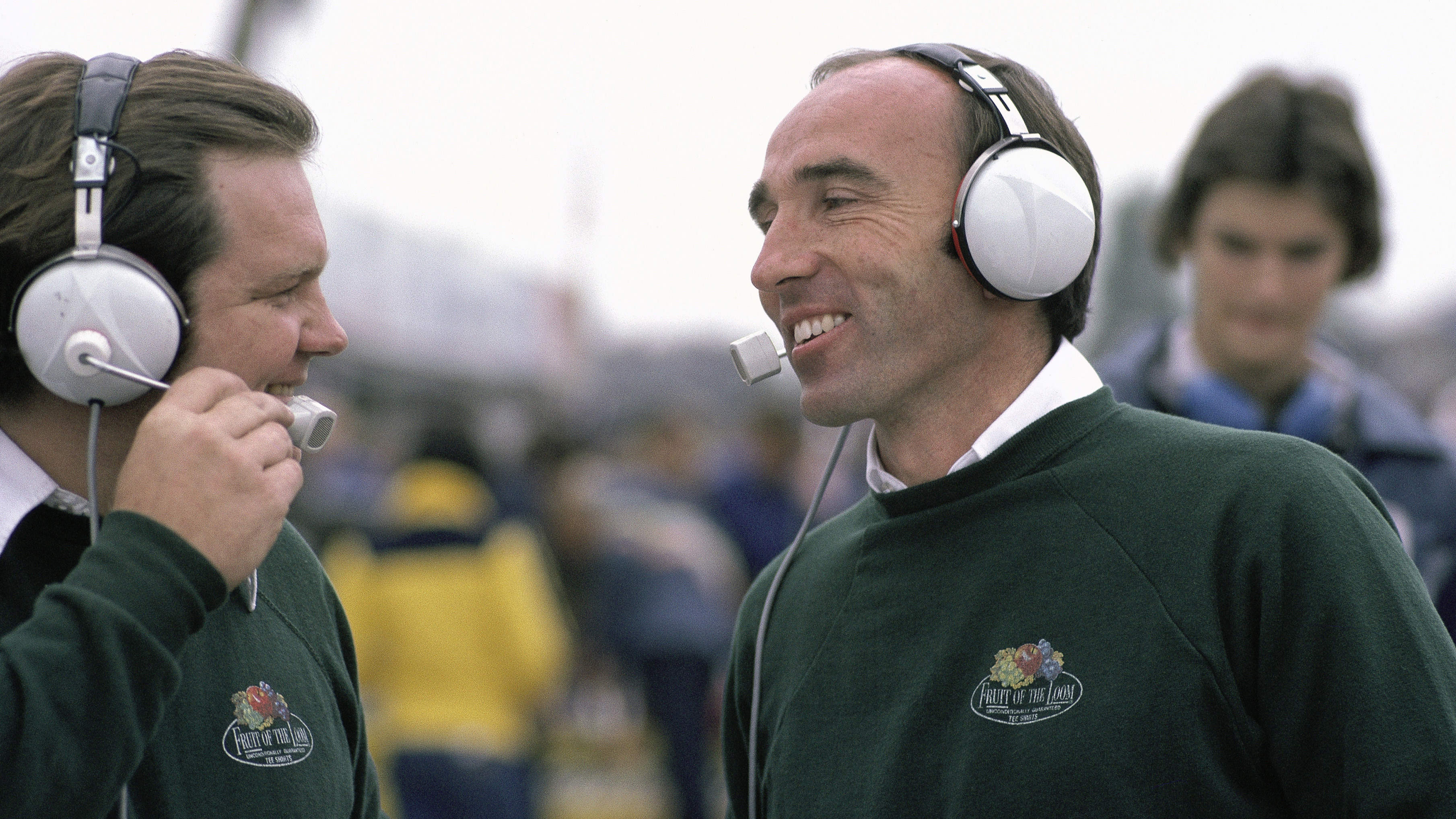
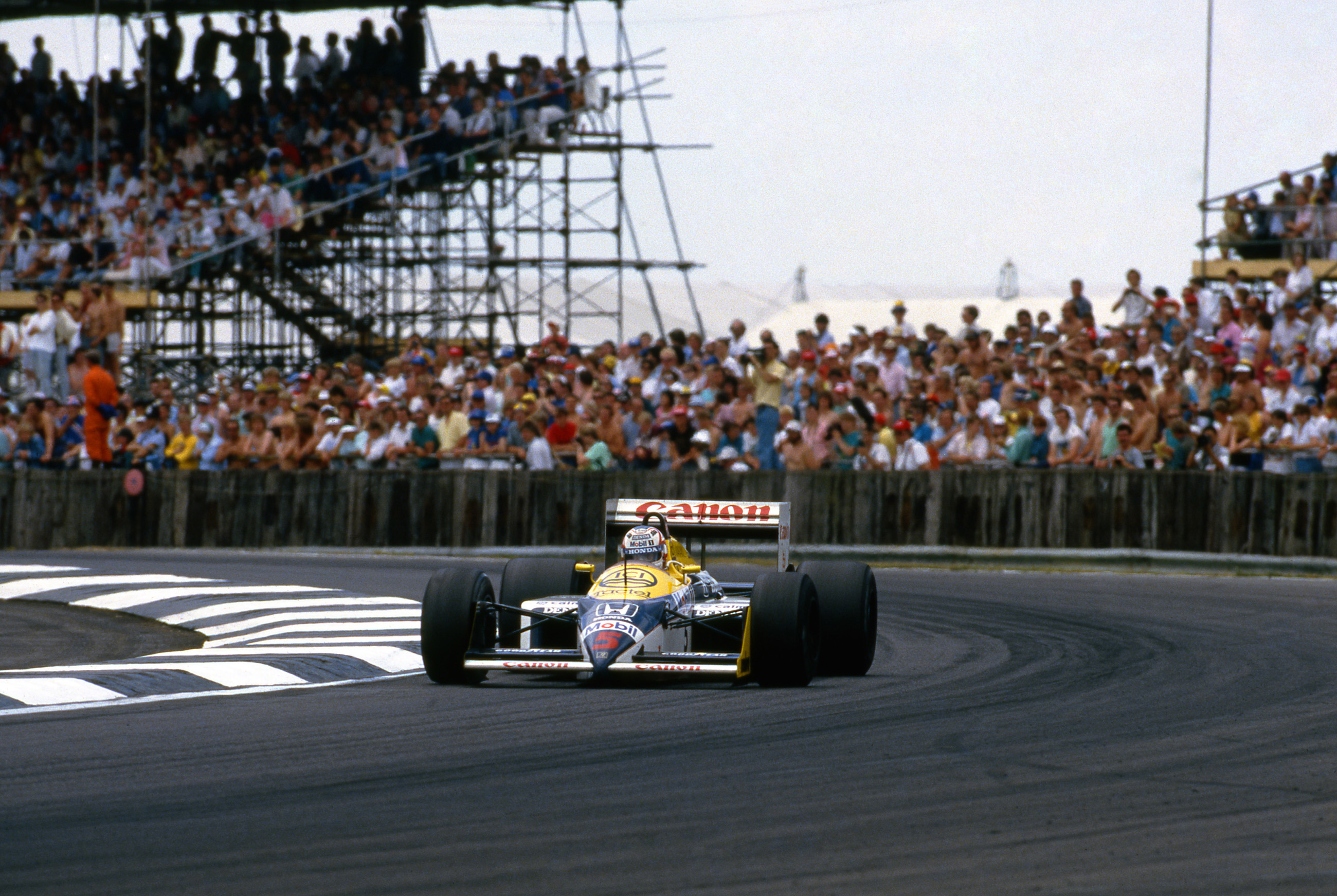
With no motor racing background or experience, Frank Williams arrived on the F1 scene in 1969 to privately run a Brabham-Ford for his friend Piers Courage. Williams failed to make much of a dent in the Grand Prix circus throughout the early 1970s, running the seriously underfunded Italian De Tomaso and ISO teams. Eventually in 1977, Williams teamed up with talented F1 engineer Patrick Head to found Williams Grand Prix.
Often struggling to find financial support, Frank Williams overcame more obstacles than most to go on to win nine Constructors’ Championships between 1980-97 and seven Drivers’ Championships. In March 1986, driving a Renault 25 hire car from the Paul Ricard Circuit to Nice airport, Williams had a serious road accident, leaving him close to death on more than one occasion, tetraplegic and in a wheelchair. His exceptionally strong determination saw him fight back to successfully run the Williams team with increased energy to snub the adversity he faced, this making Frank Williams a truly remarkable man.
2. Enzo Ferrari
Arguably the most revered name in Grand Prix team management, the charismatic but autocratic Enzo Ferrari was always a substantial force in Grand Prix racing. Ferrari remains the only team to have contested the F1 World Championship since its inception, winning a 16 Constructors’ titles and 15 Drivers’ Championships to make it the sport’s most successful team. The sometimes petulant but inspired Enzo Ferrari first made his name racing and then running the Alfa Romeo racing team before WWII through his Scuderia Ferrari operation.
Post Enzo’s death in August 1988, a handful of great team bosses have since continued Maranello’s F1 fame and victorious prestige, such as Jean Todt (1994-2007) and later Ferrari President Luca di Montezemolo, who have helped to revive and restore Ferrari’s many earlier Enzo-era glories with further race victories and Championships to continue the legacy that Enzo began decades earlier.
1. Colin Chapman
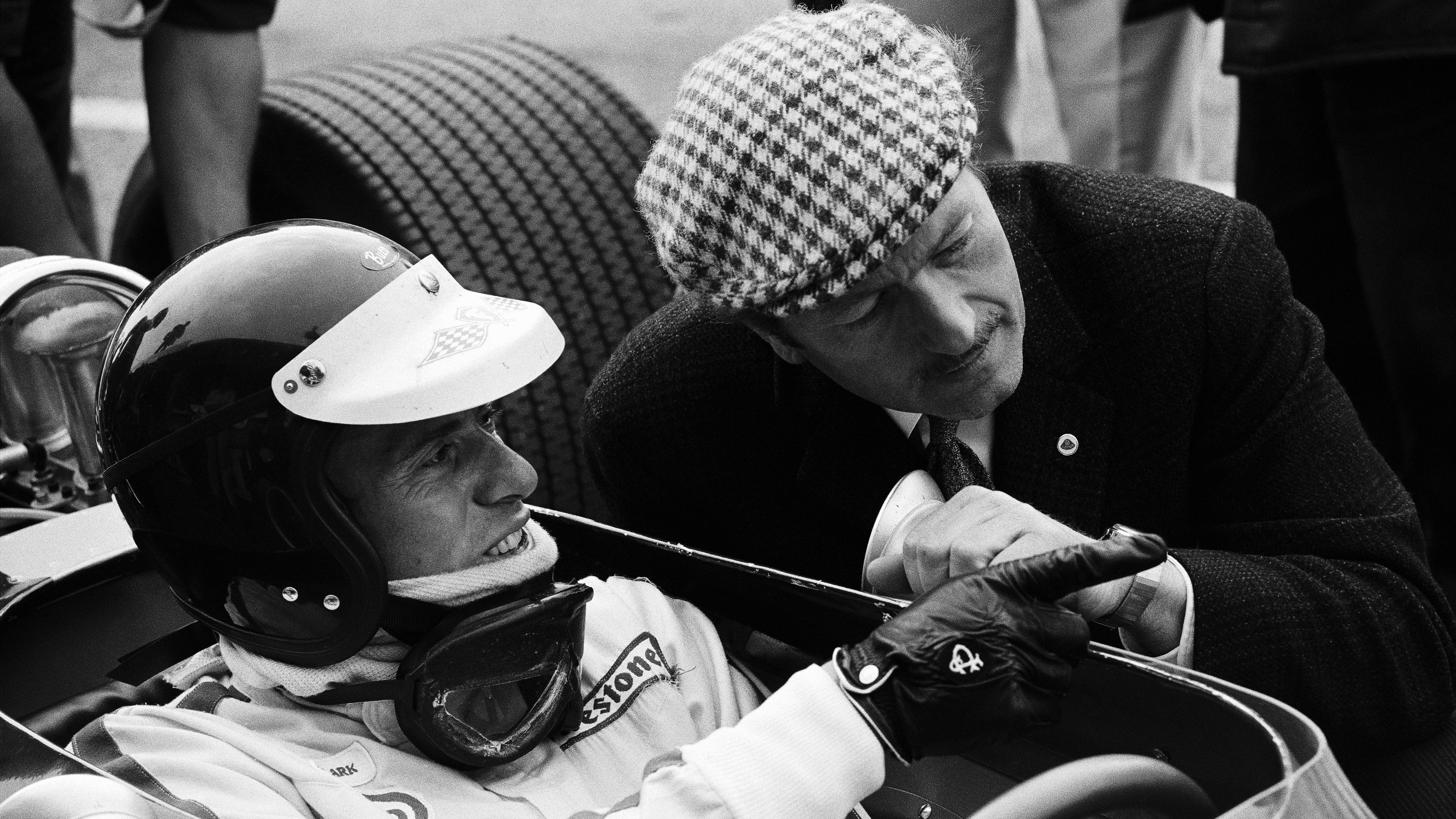
When gifted but flawed engineering genius Colin Chapman founded Lotus in the mid-‘50s he had F1 involvement firmly in his sights. Within just a few years, Chapman was actively competing at the highest level, using the sale of his road-going component-build and fully built road going cars, such as the Seven, Elite and Elan to help fund his F1 participation. Chapman was quick to follow John Cooper’s designs into mid-engined F1 cars, soon taking that lead a giant leap forward with the simple but inspired lightweight monocoque-chassis Lotus 25 in 1962.
The Type 25 was a real game changer, proving that where Chapman lead, his rivals were soon forced to follow just to remain competitive — his team won a total of seven Constructors’ Championships and six Drivers’ Championships between 1963-78. Never one to rest on his laurels, Chapman followed the pioneering 25 in 1967 with the influential Type 49, which used the new Ford Cosworth DFV engine (that he helped to develop) as part of the stressed structure the car.
He followed the 49’s dominance with aerodynamic wedged Type 72 in 1970, introducing side-mounted radiators to reduce drag. Seven years later saw Chapman reveal the Type 78, introducing ground effect to F1 racing, with the successful Type 79 appearing just one season later with pioneering under-car downforce to dominate that year’s World Championship. Controversial active suspension, plus extensive use of carbon fibre, were later Chapman brainwaves before his untimely death in 1982.
Images courtesy of Getty Images.
formula 1
f1
list
flavio briatore
John Cooper
Jack Brabham
Ken Tyrrell
Ron Dennis
Toto Wolff
Frank Williams
Enzo Ferrari
Colin Chapman
Ross Brawn


Subscribe to Goodwood Road & Racing
Thank you, you’re now subscribed

How many hay bales are used at FOS?
For the last two years, 5,800 bales have been recylced into the biomass energy centre to be used for energy generation