
The 8 best F1 cars of the 1960s
Jack Brabham’s 1966 Championship success in a car bearing his own name was a landmark achievement in Formula 1 — one that’s yet to be matched. But the 1960s was a period full of innovation in the sport, and as we look ahead to celebrating Jack and his Brabhams are the 2026 Goodwood Revival, here we consider some of the decade's greatest machines.
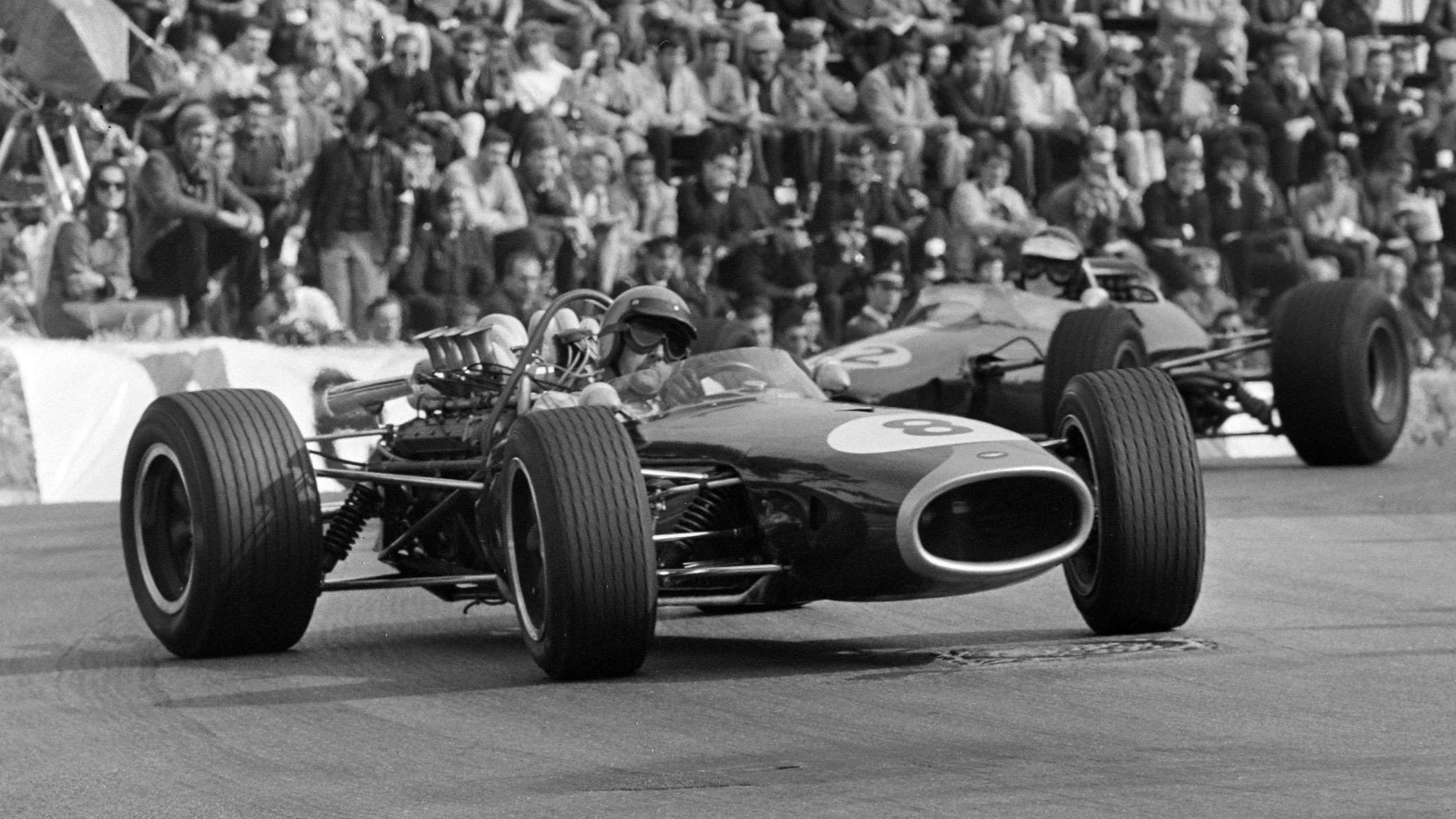
Brabham BT19
The 1966 season was a good one for F1, as after years of racing with 1.5-litre engines the rules were relaxed, finally allowing bigger, 3.0-litre engined cars with big wheels and generally more racing car looks, to race. The king of that first season was the Brabham BT19.
The change in engine regulations meant all teams needed new motors, and in most cases new chassis in which to fit them. Jack Brabham and designer Ron Tauranac disagreed over direction, and ended up having to shoehorn a new 2.9-litre Coventry Climax V8 into a chassis designed for the old regulations.
Despite being a bit of a bodge job, the BT19 was the class of the field and brought Brabham four consecutive wins to deliver both the Drivers’ and Constructors’ Titles. The following year the BT19 would help the team, alongside the BT20 and BT24, to win a second consecutive pair of F1 crowns, too.
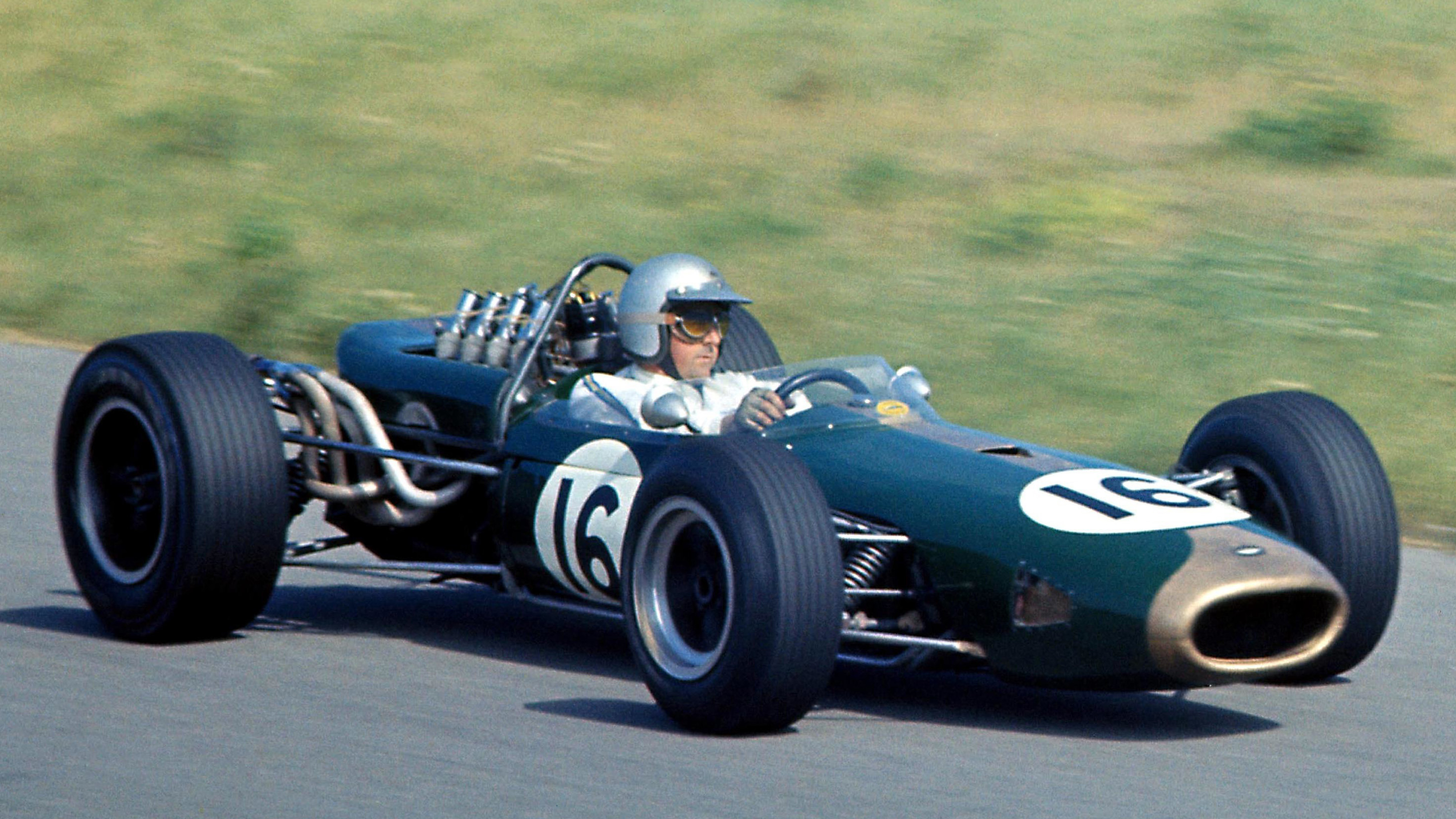
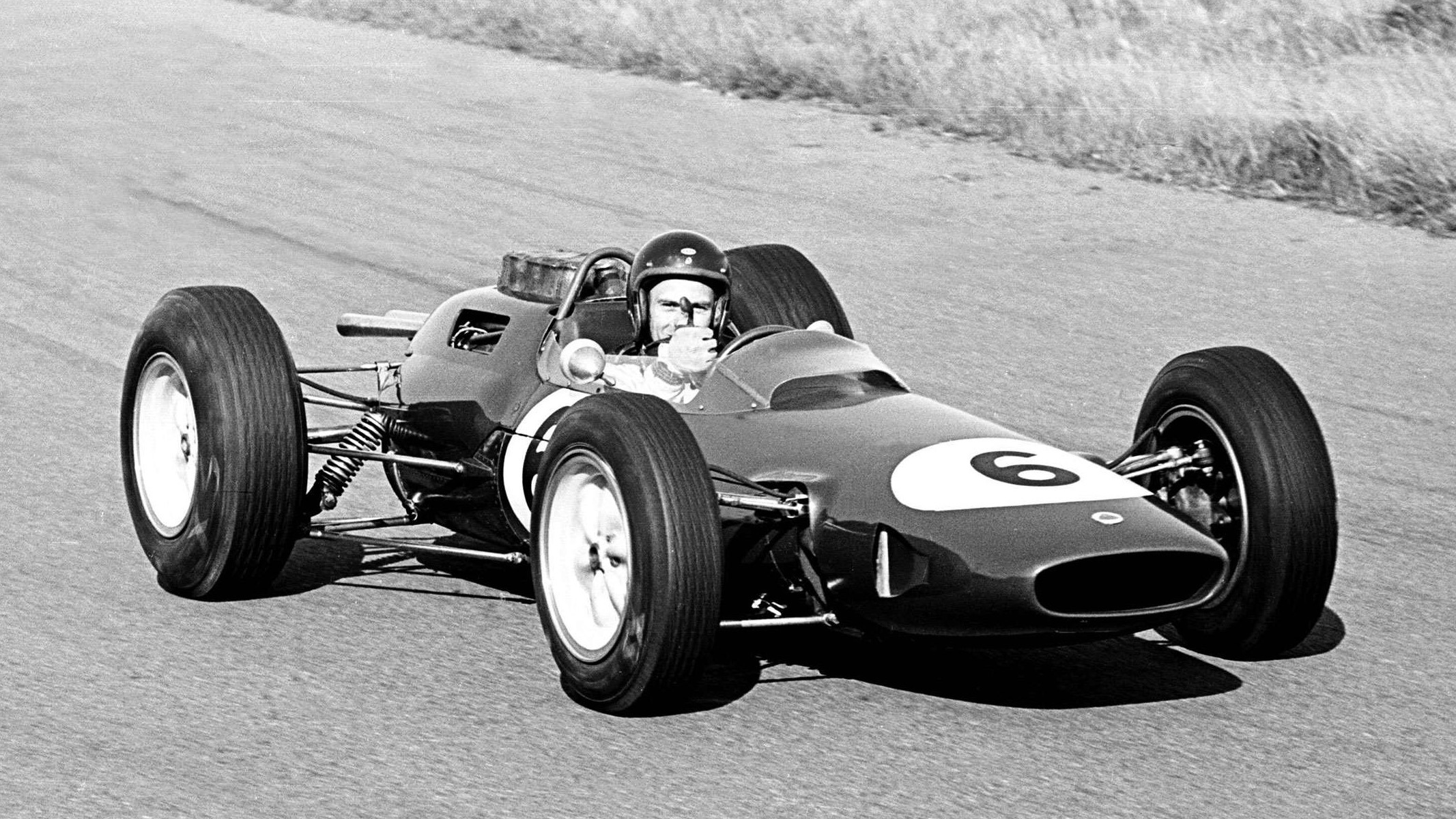
Lotus 25
When Lotus sold a series of 24s to teams including Brabham, they promised that the cars would remain pretty much identical to the new car Team Lotus would run. When the 25 did turn up, the teams that had bought 24s stared at it and immediately began to wonder if they’d been lied to.
The Lotus 25 was the first F1 car to use a stressed monocoque chassis, making it three times more rigid than the old car, while also being extraordinarily half the weight. With its lower frontal area for better aerodynamics and inboard dampers, it was a revolution. Over the next six years the Lotus 25 would win 14 of 49 races entered and hand the team four titles — two Drivers’, both to Jim Clark, and two Constructors’.
In 1963, the second season Lotus fielded the 25, Clark won seven of the ten races, only finishing off the podium once. In reality, the only reason that the 25 didn’t win two more titles was engine reliability — a part not made by Lotus.
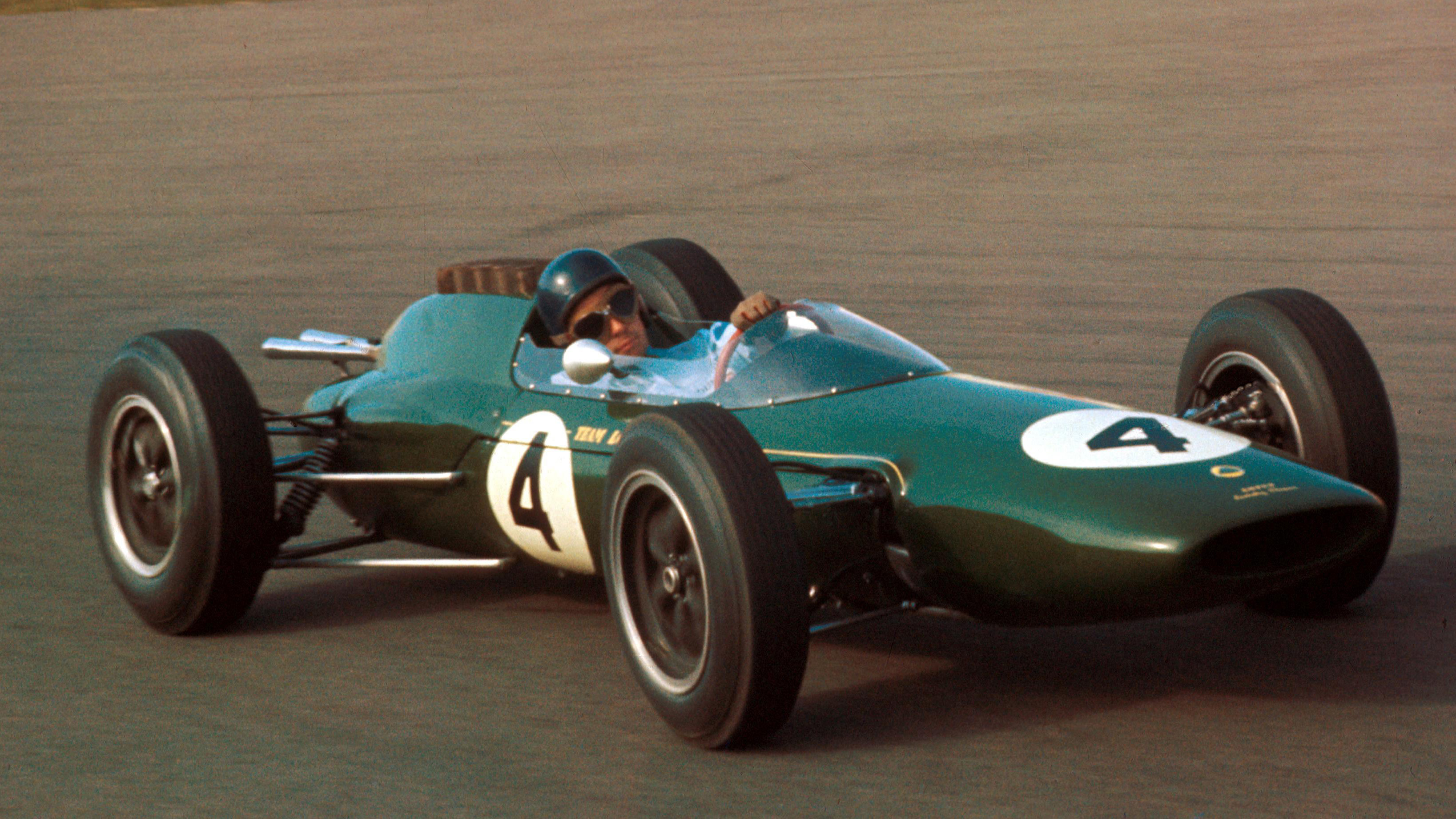
Ferrari 156
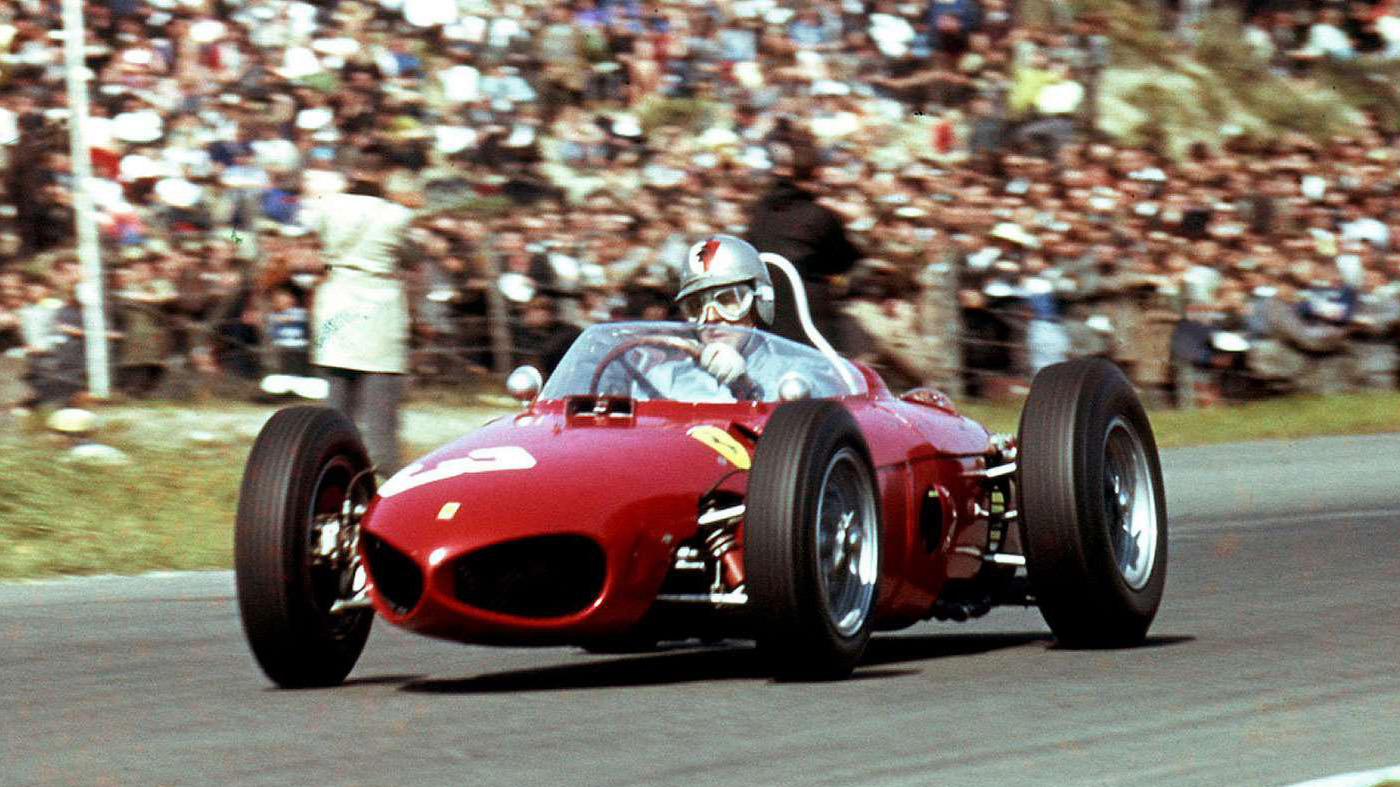
One of those titles surrendered by Lotus when Climax engines gave out was handed over the Scuderia Ferrari and the Ferrari 156, which was by then a bit of a venerable old beast, helping the team to its second title of the decade. Four years earlier, the 156, with its iconic “Sharknose” shape, had led the field.
The car itself was good, but it was a change of engine that really sparked the 156 into life. Originally fitted with a 65-degree Dino engine, designer Carlo Chitti was adamant that a new engine with a bigger vee was needed to make the 156 competitive. When Enzo Ferrari eventually relented, Chitti would be proved right. With the new 120-degree V6 in place, the 156 was not only 10PS (7kW) more powerful, it also delivered its power in a much more manageable way.
After the engine change, the 156 won five of the next six races as the Championship boiled down to a two-horse race between Ferrari drivers Phil Hill and Wolfgang von Trips. Trips would die in an accident at the Italian Grand Prix — a race that Hill won, and with it the Drivers’ Title. While the 156 continued to compete for three more seasons (without its famous ‘Sharknose’), it would only win two more races, one for Lorenzo Bandini and one for John Surtees.
BRM P57
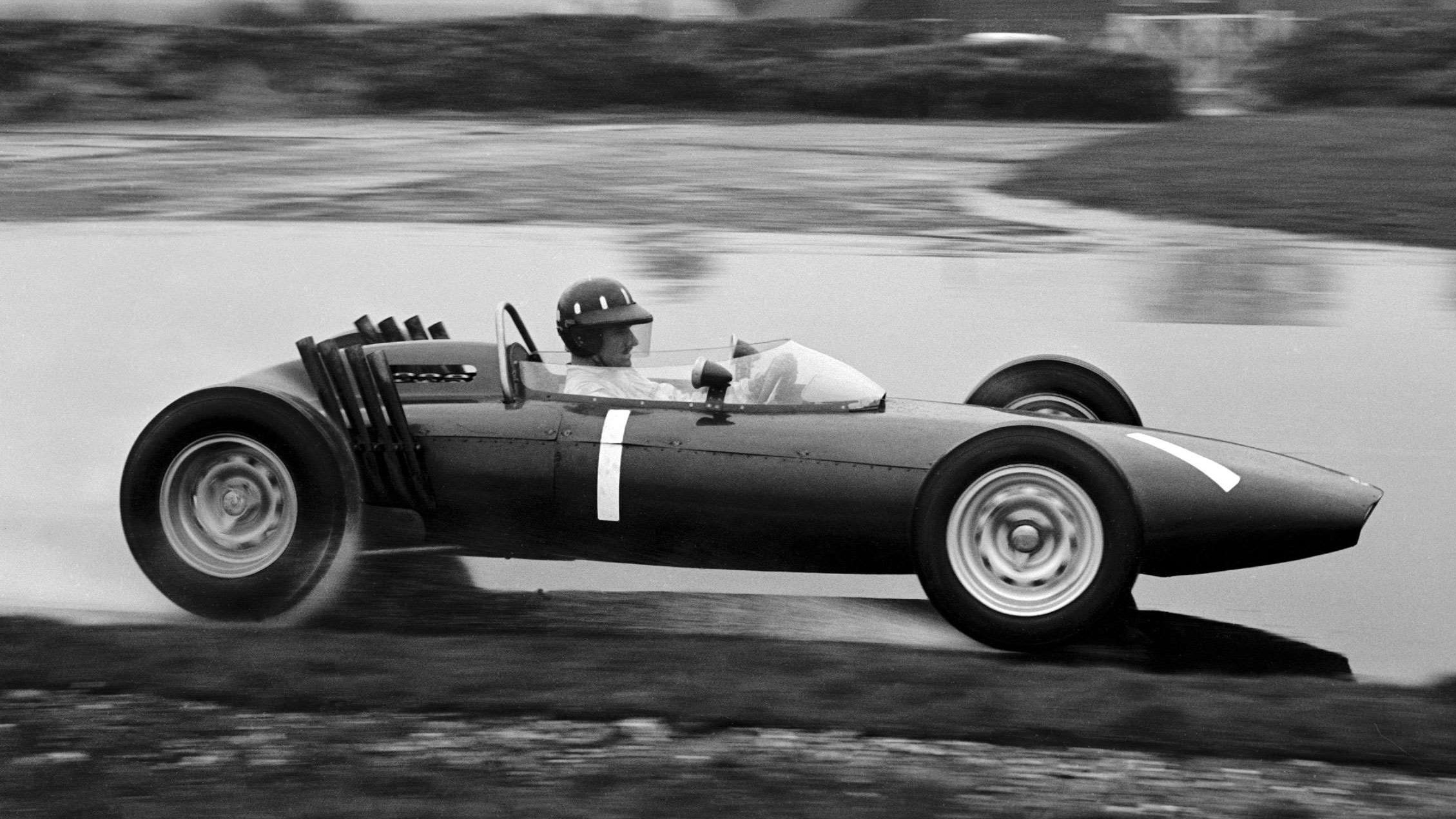
A comparably rather unwieldy looking thing, the BRM P57 was much more successful than it looked. Blindsided by a regulation change that limited engine size to 1.5-litres, the heavy P57 was initially lumbered with a four-cylinder Coventry Climax engine that did not suit it — it only managed to score points four times in 1961.
By 1962, BRM had been able to develop its own, in-house P56 V8 engine, which the car had always been designed to have. Now called the P578, the BRM was much more worthy of competition. In the hands of Graham Hill it won four races and the Drivers’ Championship, while Richie Ginther pitched in a few more podiums to bring BRM the Constructors’ Title.
The P578 would go on to race for three more seasons, in both factory and privateer hands, helping BRM to three more runners-up spots in the Constructors’ Championship and a pair of race wins for Hill in 1963. While the successor P261 was undoubtedly more successful for race wins, it would never clinch either title, settling for bridesmaid positions in both 1964 and ’65.
Porsche 804
Today Porsche and F1 really isn’t a known partnership. You’re probably more likely to think about the TAG-badged engines it designed for McLaren rather than its own team. But in the 1960s the company from Stuttgart hadn’t established itself as a sportscar superpower yet. In fact, in 1962, Porsche’s first Le Mans victory was the best part of a decade away.
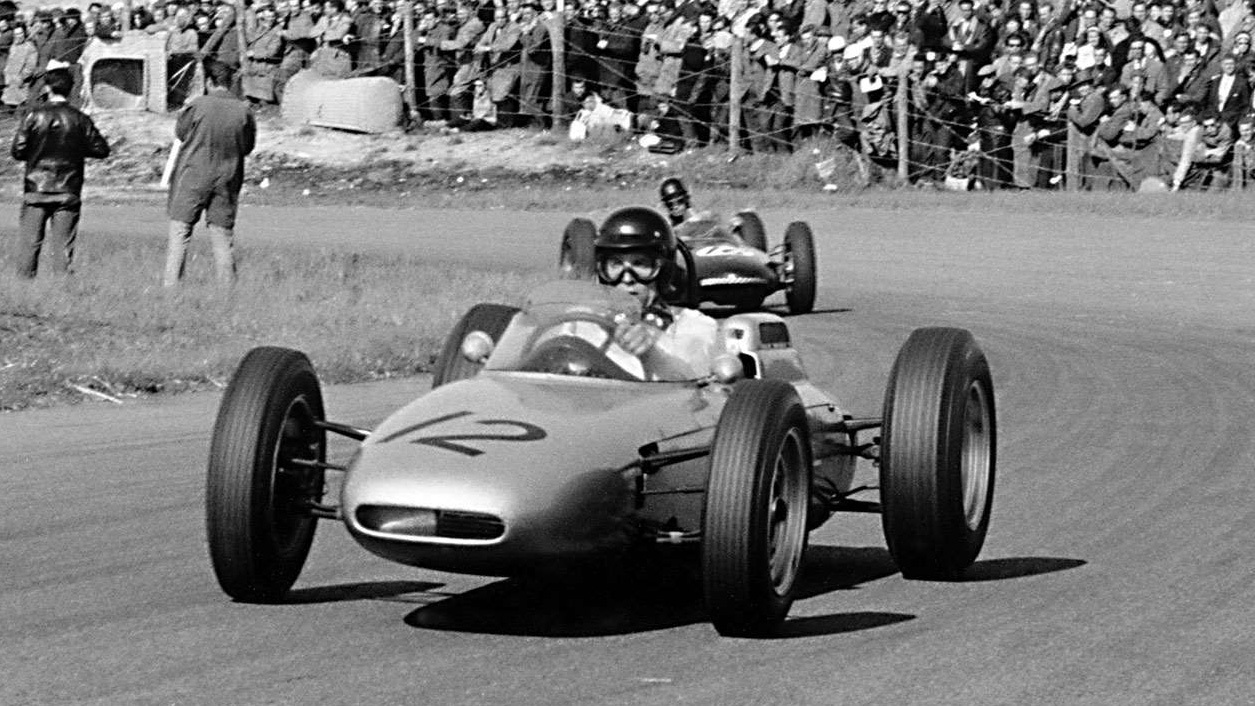
Initially Porsche had entered closed-wheeled cars into F1, taking advantage of a rule change in 1957. To all intents and purposes these cars were just the Porsche sportscars of the day with mild modifications. Eventually however, following more regulation changes, Porsche built some proper F1 cars, leading to the Porsche 804 of 1962.
Narrow, with a horizontal cooling fan to reduce size and a low flat-eight engine, the 804 was advanced for its age but still only managed a single victory – for Dan Gurney at the French Grand Prix. It makes this list not for being one of the true greats, but for its “what if” potential, as Porsche canned all F1 activities following the 804’s single season.
Lotus 18
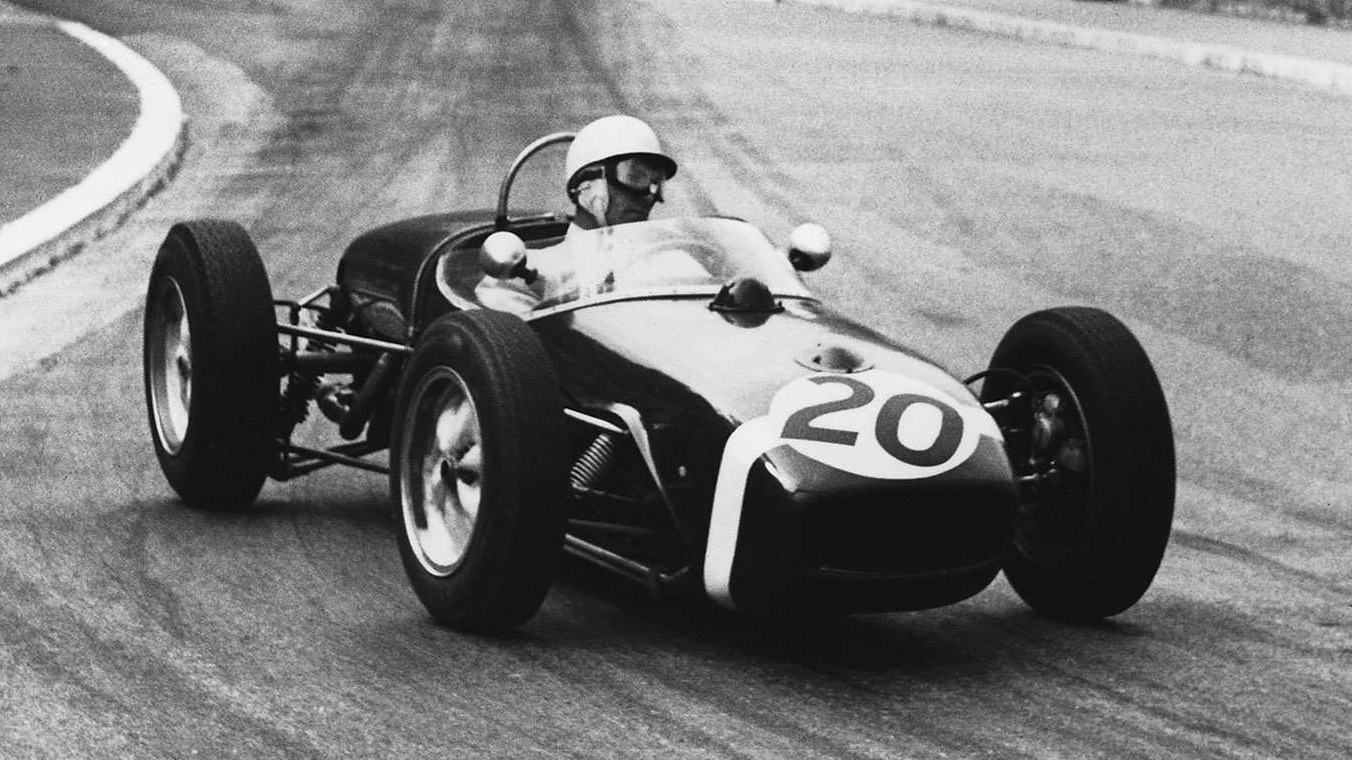
Second in the Championship was all the Lotus 18 would ever manage, and it would never actually win a full Championship Formula 1 race when fielded by Team Lotus themselves. But in the hands of Stirling Moss and Rob Walker’s eponymous outfit, it was a true Championship contender.
With a Climax inline four-cylinder engine, the Lotus 18 was the first mid-engined F1 car built by Lotus and would be the first of the firm’s cars to win a Grand Prix – Moss claimed perhaps his greatest victory in its second ever race at Monaco.
So popular was the lightweight and simple-to-use Lotus 18 that a total of 14 different teams fielded them at various stages of the 1961 season. While it would never win a Championship, it set Lotus up for a decade of success.
Matra MS80
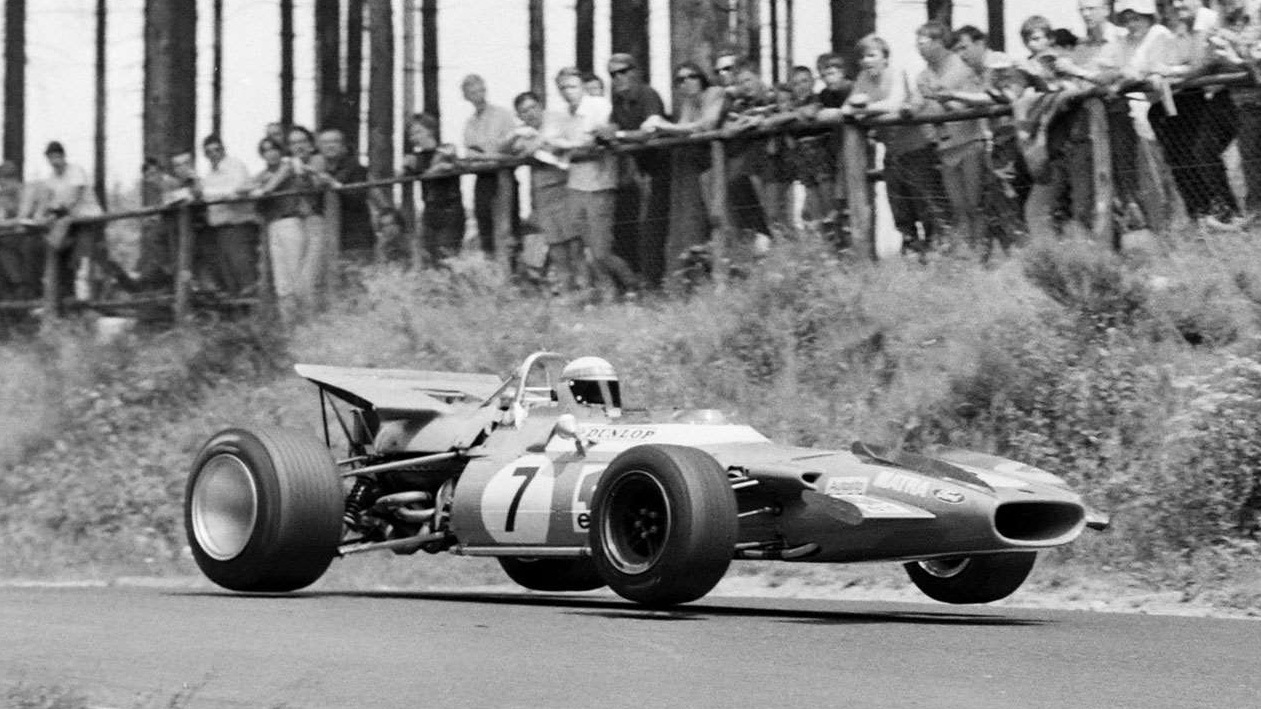
In Jackie Stewart’s first three seasons in F1 — all with BRM — he had proven himself to be incredibly fast, but also decidedly unlucky. In that time he only finished 12 races, but of those 12 he was on the podium eight times and won twice. For 1968 he joined Ken Tyrrell’s fledgling team, then running Matras for the French manufacturer, and finally discovered reliable cars, winning three races and finishing second in the Championship with the team’s MS10 car. This was followed up in 1969 with the MS10 with the DFV-powered MS80.
The key features of the MS80 were the side-mounted fuel cell and the introduction of wings. These new aerodynamic aids arrived in the middle of 1968 season, mounted via spindly high sticks directly onto the suspension. The MS80 initially raced with such high-mounted wings, in some cases both front and back, before a series of accidents involving broken wings led to new, lower wings being mounted to the bodywork.
In Stewart’s hands the MS80 was nearly untouchable, winning five of the 11 races that season and securing both Championships for Stewart and Tyrrell. So dominant was the Scot that his total of 67 points was nearly double that of his closest rival, Ferrari’s Jacky Ickx.
Eagle Weslake
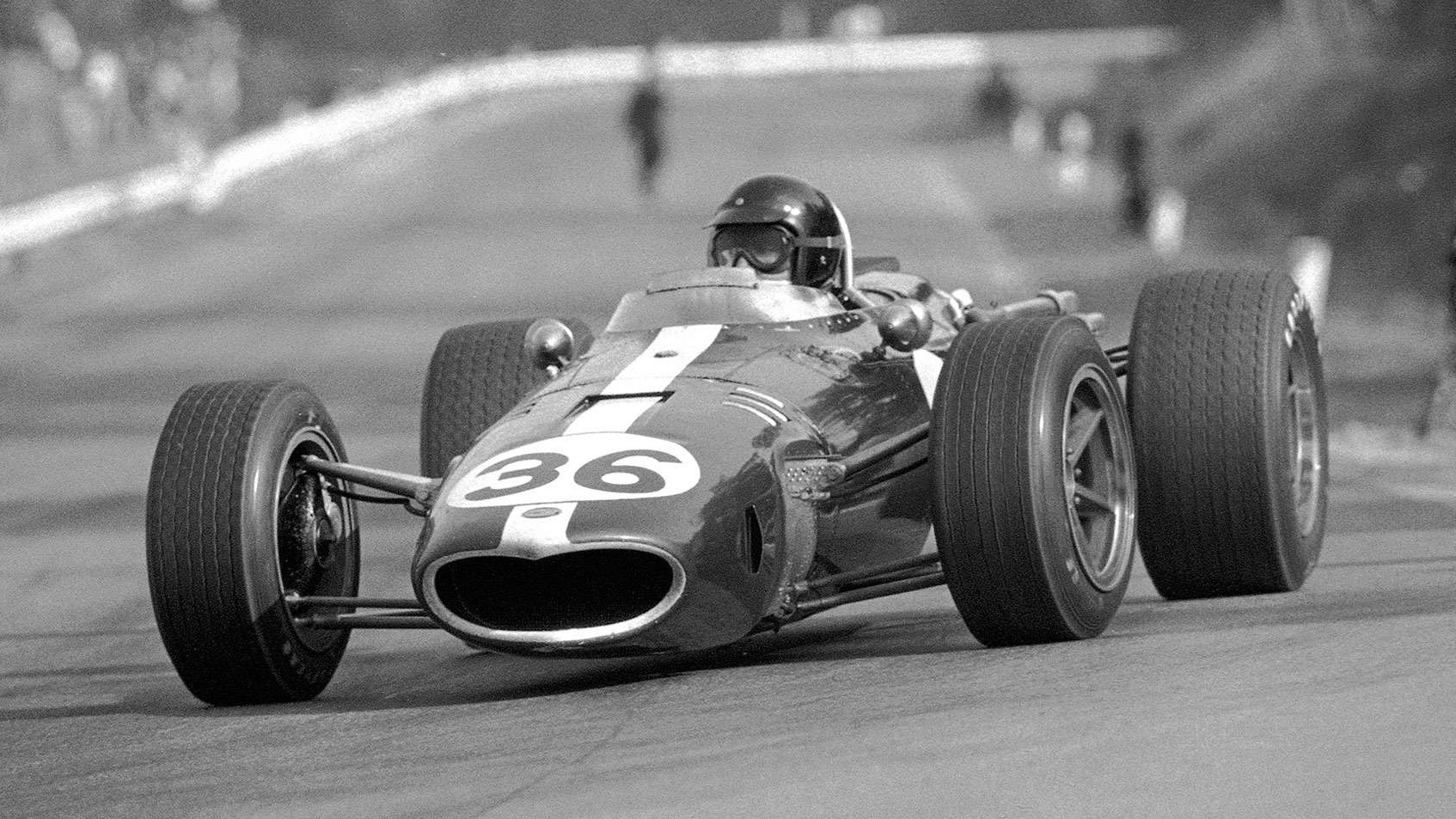
The Eagle Mk1 was not a successful car. In fact, out of 26 races it started it finished just six. But it makes this list for two reasons: firstly, it was born out of the work of an American racing icon — the great Dan Gurney. Secondly, it was simply the very prettiest car of the cigar-shaped era.
Using a Weslake V12, the Eagle was designed and built at All American Racers, USA, then shipped to Anglo American Racers, an arm of the home company with the same initials in the UK for final assembly. Designed by Len Terry, who had just left Lotus, it was closely modelled on the Indianapolis 500 winning Lotus 38. When it was finally mated with its Weslake engine the Mk1 was very competitive, but hideously unreliable.
Allegedly manufactured using surplus WWI tools, it had a habit of pooling oil in the sump and had awful tolerances. So poor was the reliability that it could well have been a story that ended with nothing for Gurney, until everything worked, just once, when Gurney put in the performance of his career to take victory at the Belgium Grand Prix in 1967. The Eagle is another ‘what if’ story, but this time just ‘what it if had worked?’.
Tickets for the 2026 Goodwood Revival are now on sale, with Saturday and 3-Day admission now limited and Friday and Sunday tickets selling fast. Book now to save before the final price rise.
If you’re not already part of the GRRC, you can sign up to the Fellowship today and save ten per cent on your 2026 tickets and grandstand passes, as well as enjoying a whole host of other on-event perks.
Images courtesy of Getty Images.
Formula 1
Lotus
Ferrari
156
25
Brabham
BT19
BRM
P57
Porsche
804
18
Matra
MS80
Eagle
Weslake
Dan Gurney
Carroll Shelby
Jackie Stewart
Stirling Moss
Graham Hill
Richie Ginther
Jack Brabham
Phill Hill
Wolfgang von Trips
Lorenzo Bandini
John Surtees
Jim Clark
List
Jack Brabham Celebrations
Subscribe to Goodwood Road & Racing
Thank you, you’re now subscribed

How many hay bales are used at FOS?
For the last two years, 5,800 bales have been recylced into the biomass energy centre to be used for energy generation