
When Hill pipped Clark to the F1 title
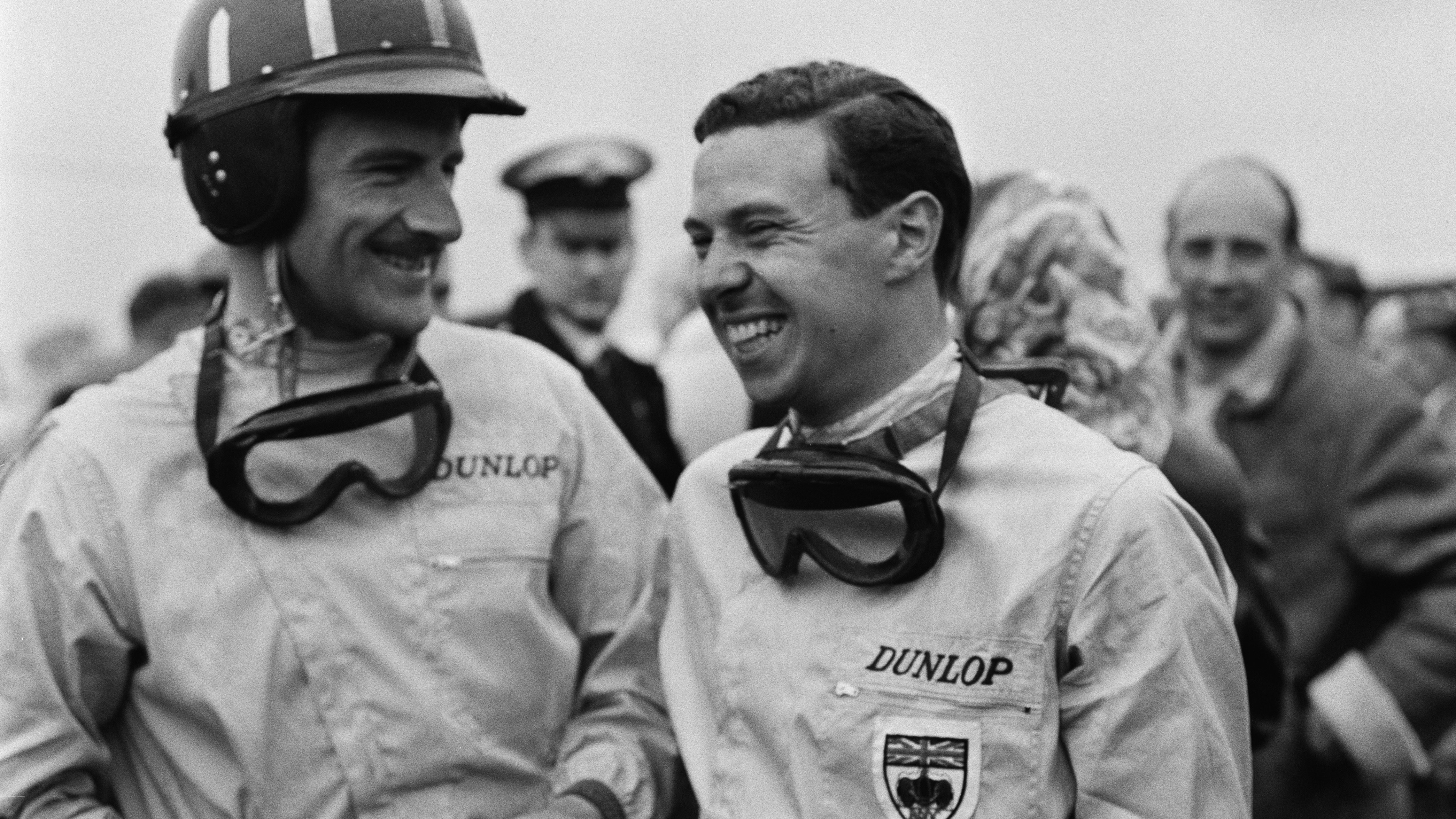
They were emblematic of the 1960s, these two. Jimmy Clark, the understated benchmark, the one they all looked up to; Graham Hill, the all-round crowd pleaser, comfortable in the public glare — and a serial winner who had true grit as well as that twinkle-in-the-eye charm.
As Goodwood prepares to honour ‘The Rivals — Epic Racing Duels’ at the Festival of Speed presented by Mastercard, let’s look back at their shared breakout season of 1962, when these two contrasting sportsmen found themselves head-to-head for the Formula 1 World Championship — in a Lotus vs. BRM battle of Britain.
Before they were Fab
They were friends, of course. That’s just how it was for the band of brothers who raced through what’s now considered motor racing’s golden era.
Before the 1960s truly got into its swing, both had to earn their stripes if their racing lives were to converge. Born in 1929, Hill was seven years older than Clark and had more of a graft to establish himself. The man who wore the distinctive colours of the London Rowing Club on his crash helmet made his Grand Prix debut in 1958, fittingly at Monaco, where he’d eventually win five times.
But such heady results would have been impossible to predict as he struggled through two seasons of dreadful unreliability at the nascent Team Lotus. He quit for BRM, just as Colin Chapman began to find his groove with the boxy but potent Type 18.
A near-miss at the 1960 British Grand Prix, when Hill spun his near-brakeless BRM out of the lead in the closing stages, was the closest he’d ever get to winning his home race as Cooper made the early running in the British F1 revolution.
At Lotus, that was the year Clark broke through, and while John Surtees’ switch from two wheels to four took more of the initial limelight, Colin Chapman couldn’t miss the talent that had landed in his Type 18. The team owner/driver partnership that would define the decade took a grip.
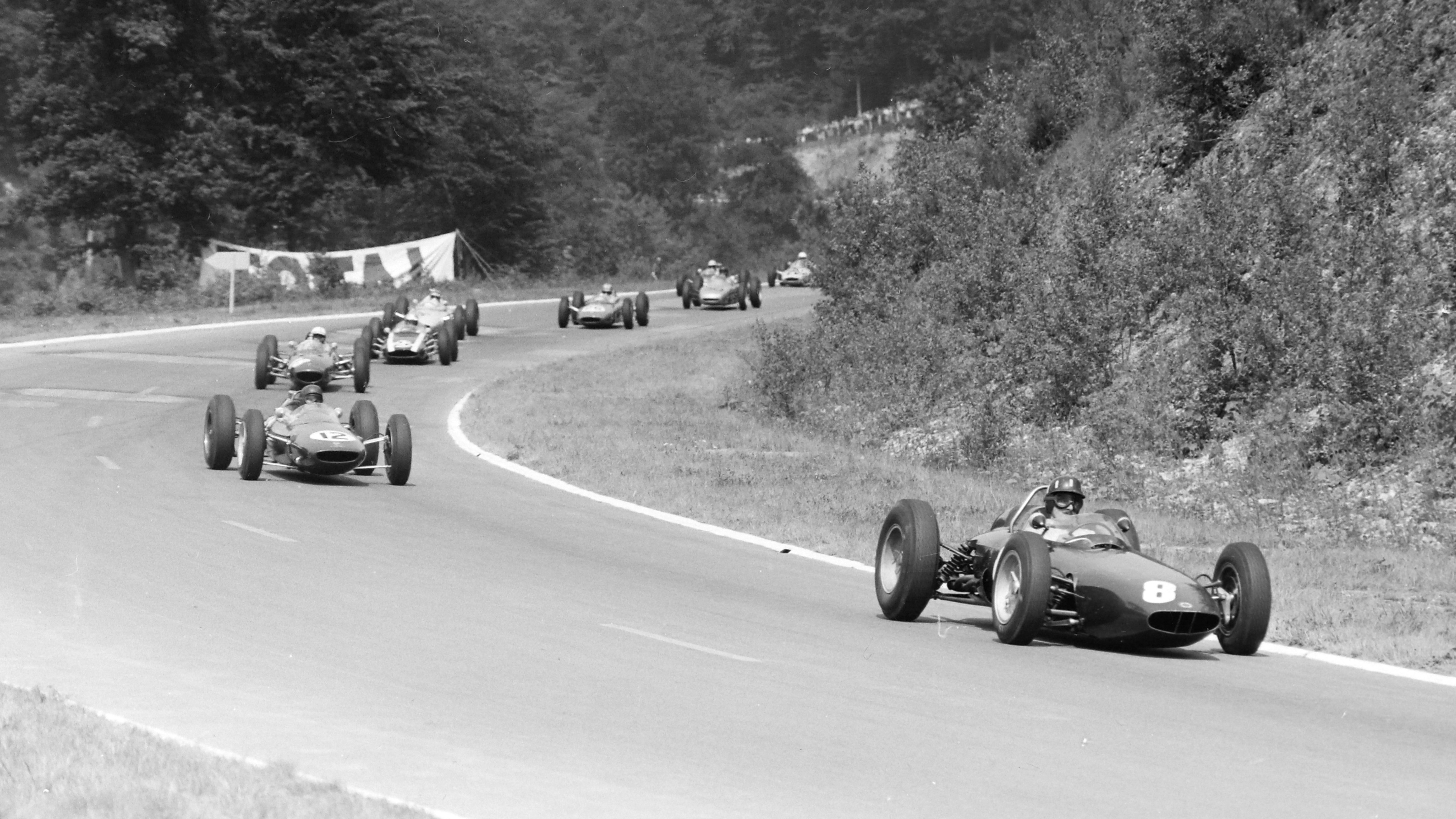
Graham Hill’s BRM P57 leads the Lotus 25 of Jim Clark during the French Grand Prix at Rouen-Les-Essarts, July 1962.
Image credit: Getty ImagesBRM vs. Lotus
The availability of Coventry Climax’s new V8 upped the stakes and swung the momentum away from Ferrari as the 1.5-litre F1 headed into its sophomore year. BRM had taken time to get a handle on rear-engined single-seaters, but from the start of 1962 Hill gave notice that finally Britain’s unofficial national team was finding the sweet spot.
After finishing tenth in the Monte-Carlo Rally in a Sunbeam Rapier shared with Peter Jopp, Hill kicked into the F1 season with a heat win at the non-Championship Brussels Grand Prix. OK, a disqualification for a push-start undid his second heat, but it was clear that this new V8 was just the ticket.
Meanwhile, Clark too was making strides in the slimline Lotus 24. Victory in the Lombank Trophy at Snetterton and the Aintree 200 showed glimpses of the quiet superiority that would soon become so familiar, but at the Daily Express International Trophy at Silverstone, Hill tore up the script. Clark appeared unstoppable as he opened up a lead of nearly half a minute, but then Hill began to close, the gap diminishing in clumps once rain set in.
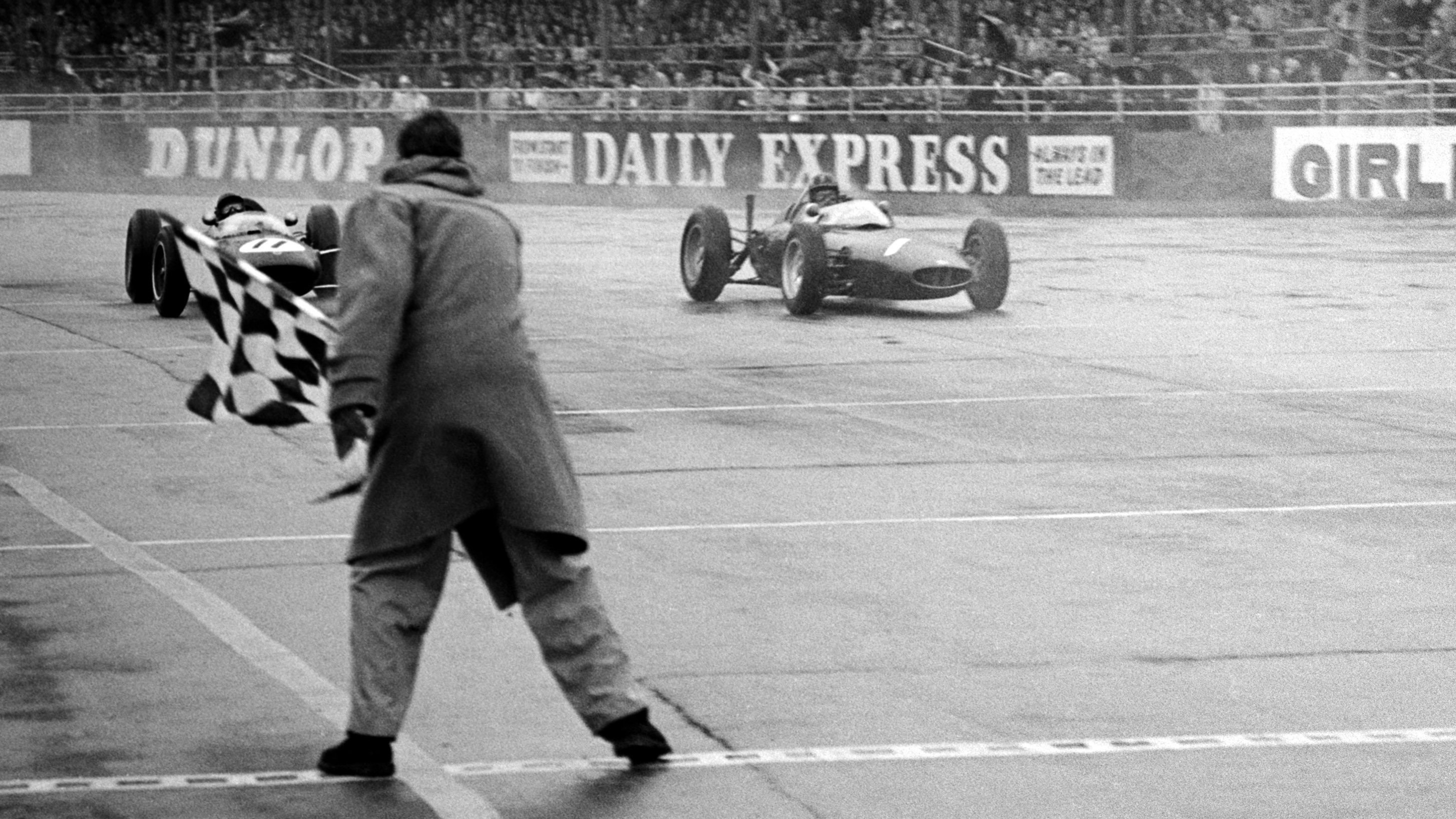
Hill and Clark race to the chequered flag at the BRDC International Trophy at Silverstone, May 1962. The two were recorded the same time but Hill took the win.
Image credit: Getty ImagesOn the final lap the BRM loomed, and into Woodcote for the final time it slithered around the Lotus on the outside, crossing the finish line barely half a car’s length to the good. One of the greatest F1 finishes — and the nod had gone to Hill.
Hindsight is a wonder, but you could say it was a premonition of what was to come.
Lotus changes the game
Chapman then upped the ante. When he rolled out the Lotus 25 at Zandvoort at the Dutch Grand Prix, customer teams who’d bought the 24 were up in arms. Here was something else entirely: the first fully monocoque single-seater. A gamechanger.
Five years later at the same circuit he’d do it again, with the DFV-powered Lotus 49 which won first time out. But that wasn’t the case with the Type 25 in ‘62. Clark was an early retirement as Hill followed up his International Trophy ‘steal’ with a first World Championship-counting victory.
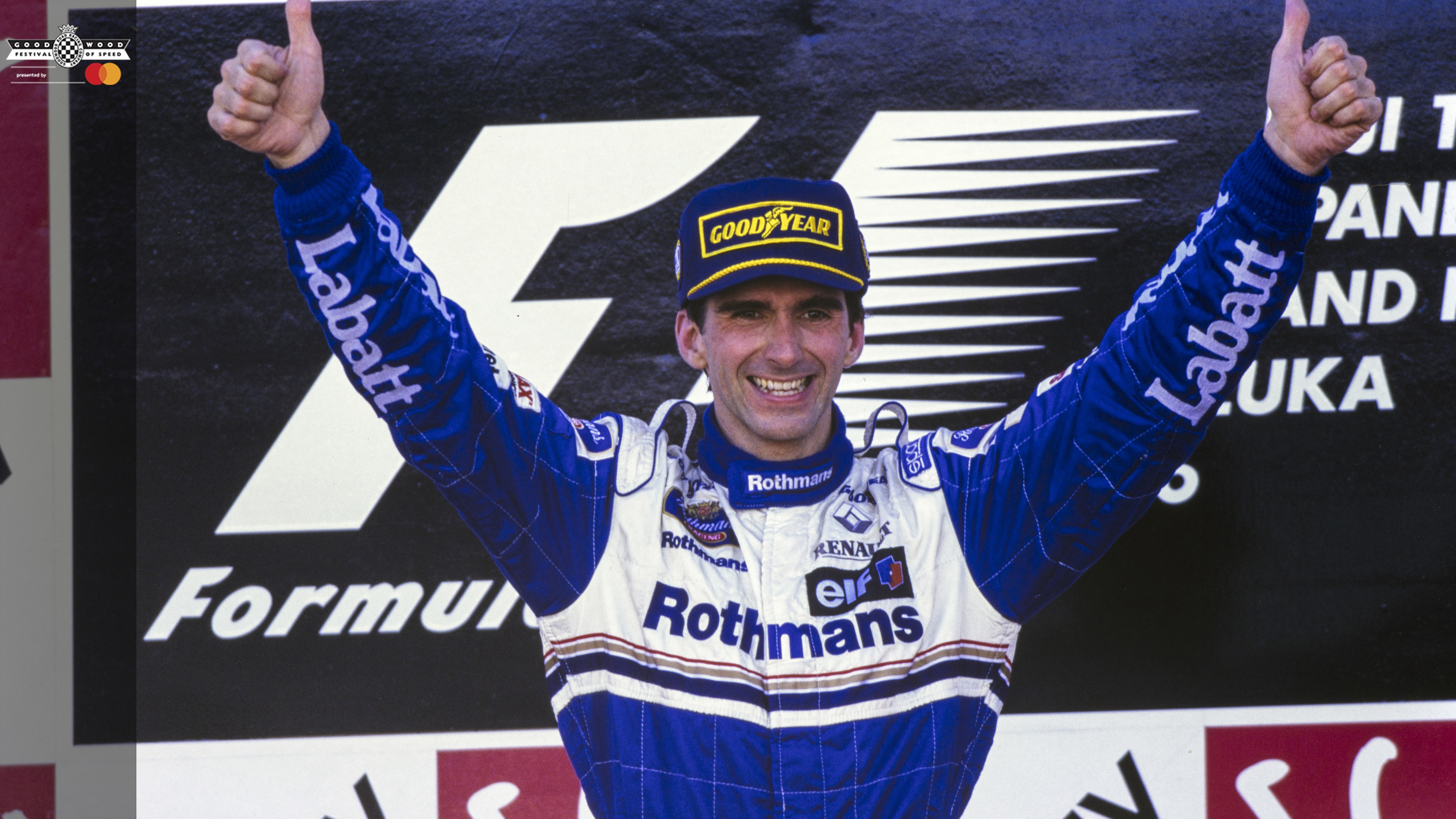
The pair then duelled at Monaco, only for both to suffer engine troubles. Hill’s winning streak in the principality wouldn’t start yet as his Climax seized on lap 93, leaving a gift for Bruce McLaren and Cooper.
At Spa, it was Clark’s turn to score his first points-paying Grand Prix victory and the first for a monocoque Grand Prix car. But Hill had taken pole and still finished second. At this stage he led Phil Hill, 16 points plays 14, with Clark now off the mark on nine.
But reliability continued to be a Lotus bugbear. At Rouen for the French Grand Prix, Clark was spooked by a steering failure in practice, then suffered a suspension breakage in the race. Still, Hill too was in bother when backmarker Jack Lewis tagged him into a spin before more engine trouble forced him out, leaving Dan Gurney to score a historic win for Porsche. Despite Chapman’s masterpiece, the Championship looked wide open.
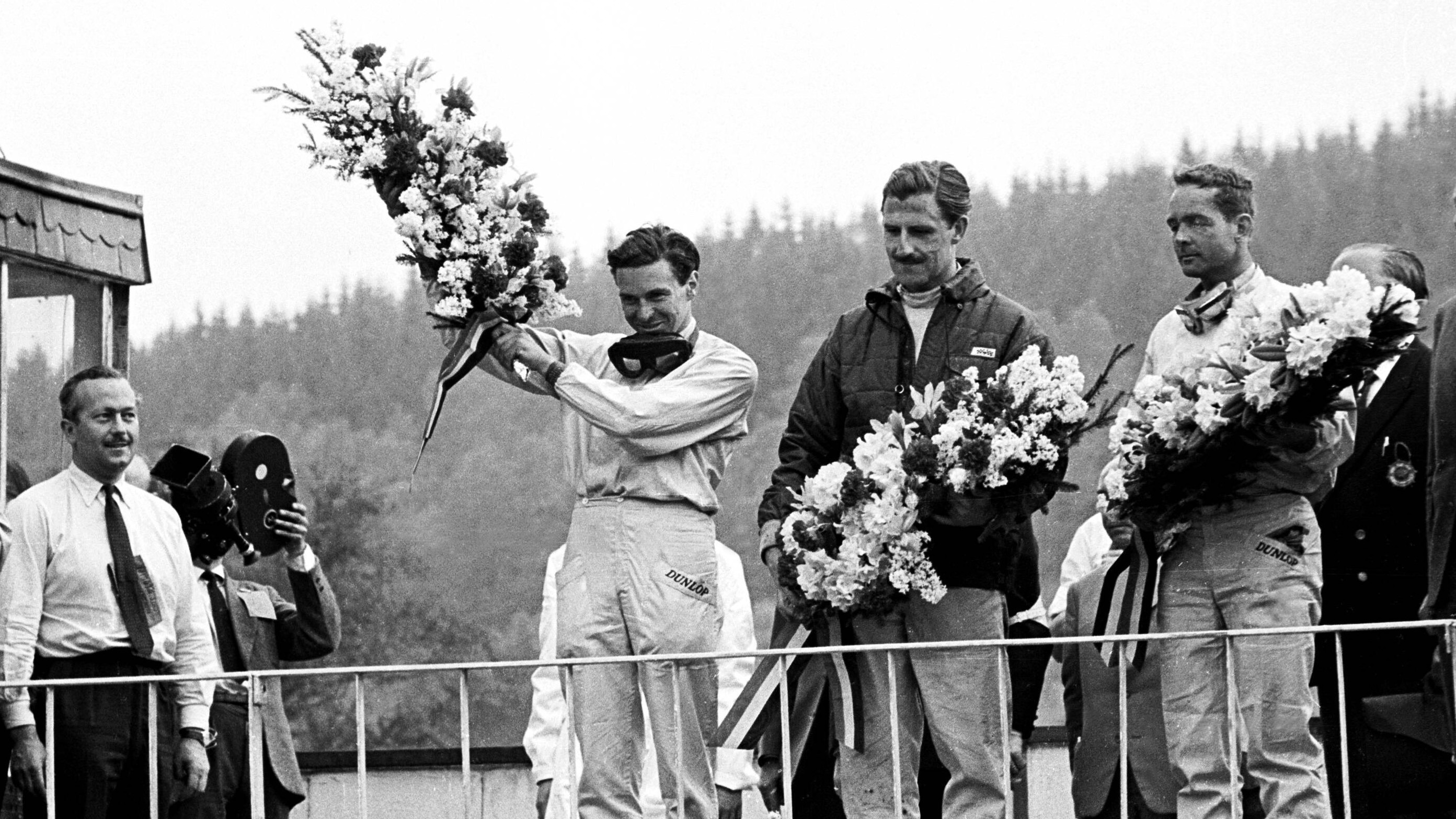
Colin Chapman looks on as Clark celebrates his first F1 victory, at the 1962 Belgium Grand Prix. Hill finished second, with Ferrari’s Phill Hill completing the podium.
Image credit: Getty ImagesBrilliance from both
Clark scored a comfortable win, in a class of his own at the British Grand Prix at Aintree, where Hill could only finish fourth. Now there was just a single point between them.
But in Germany momentum swung again in one of the greatest races of the era. It was one of those rare days when Jim Clark made a mistake: he was left kicking himself by forgetting to switch his fuel pump on at the start and was left swamped.
As Clark put in a fine recovery drive, Hill delivered what was perhaps the finest performance of his whole F1 career, seeing off Surtees’ Lola and Gurney’s Porsche in a battle of the 1960s masters. Clark came through to finish fourth, but Hill now held a seven-point lead in the Championship — which became 15 when he won convincingly at Monza and Clark again retired, this time with gear selection bothers.
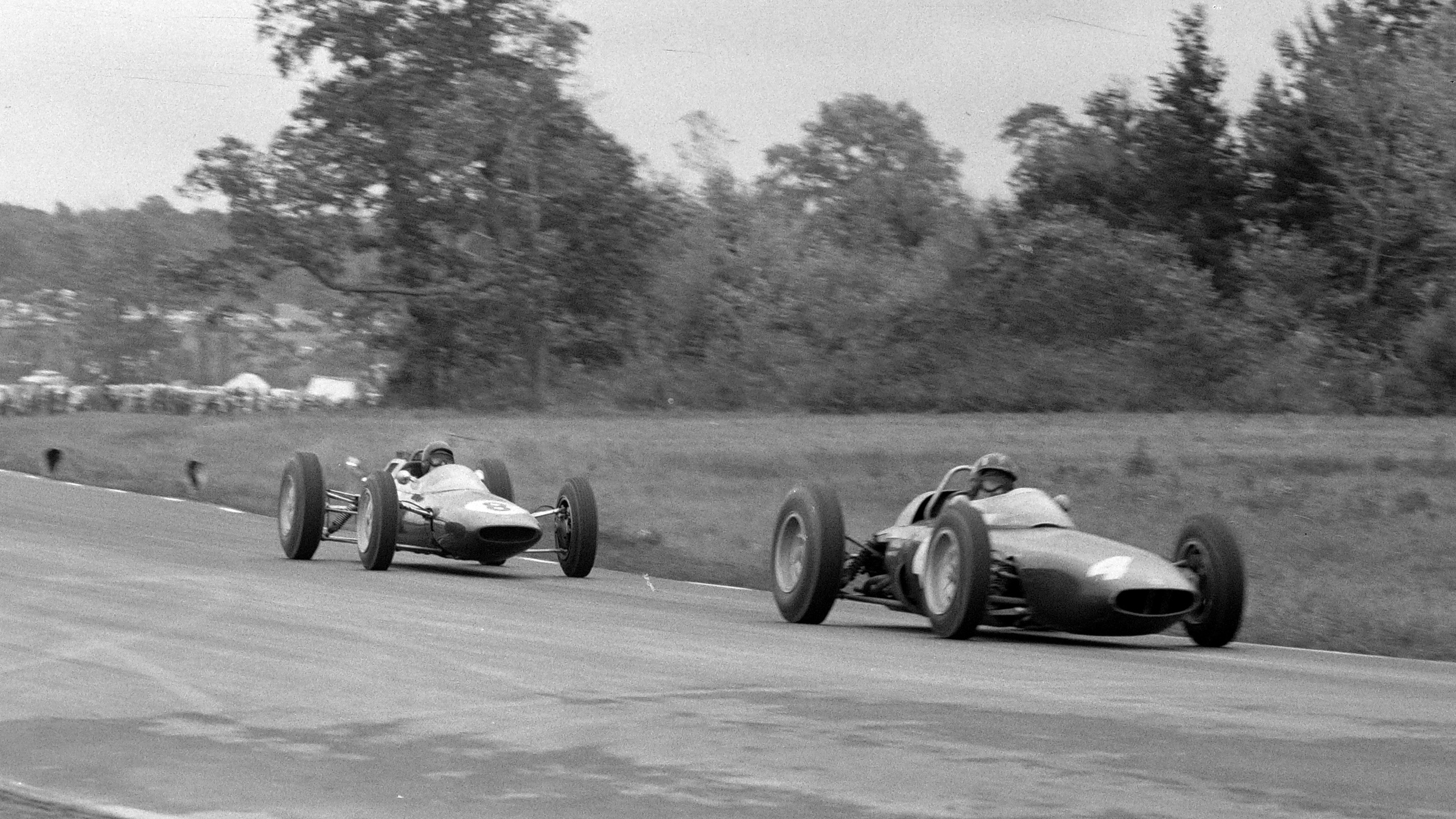
Hill leads Clark during the United States Grand Prix at Watkins Glen, but Clark came out on top to take his third win of 1962.
Image credit: Getty ImagesHill headed for Watkins Glen with one hand seemingly on the Championship. But little in F1 usually comes so easily. Clark kept the fight alive with a victory in which he combated losing his clutch, plus late-race engine and gearbox worries. Hill chased him all the way, but admitted to his friend this had been “one of your outstanding days”.
The finale in East London
South Africa, that is. And not until 29th December.
The drawn-out wait for the finale was a frustration for Hill. After a couple of non-Championship races pre-Christmas, the F1 community gathered at the East London circuit with Hill holding a nine-point lead. But with only five scores counting from the nine races, if Clark won he would be World Champion.
The title appeared to be slipping away from Hill as Clark dominated the race. By lap 60 he was nearly half a minute up the road. But what was that? Tell-tale whisps of smoke. A bolt had dropped out of the V8’s crankcase, the Climax lost its oil and Clark trailed in for yet another retirement.
In that moment, as Chapman shook hands with BRM chief engineer Tony Rudd and owner Sir Alfred Owen, Graham Hill knew he was World Champion. BRM also claimed what would be its only F1 Constructors’ Championship too — final vindication after all those disappointments in the 1950s.
Best of team-mates
Beyond 1962, Lotus ironed out (some of) its unreliability habits to allow Clark to fully shine. He would have been a three-time consecutive World Champion, were it not for a late split oil line in the nail-biting 1964 finale in Mexico City.
Following the first season of ‘return to power’ 3.0-litre engines in 1966, Clark and Hill were united at Lotus as Graham returned to the team — just in time for the epochal Type 49.
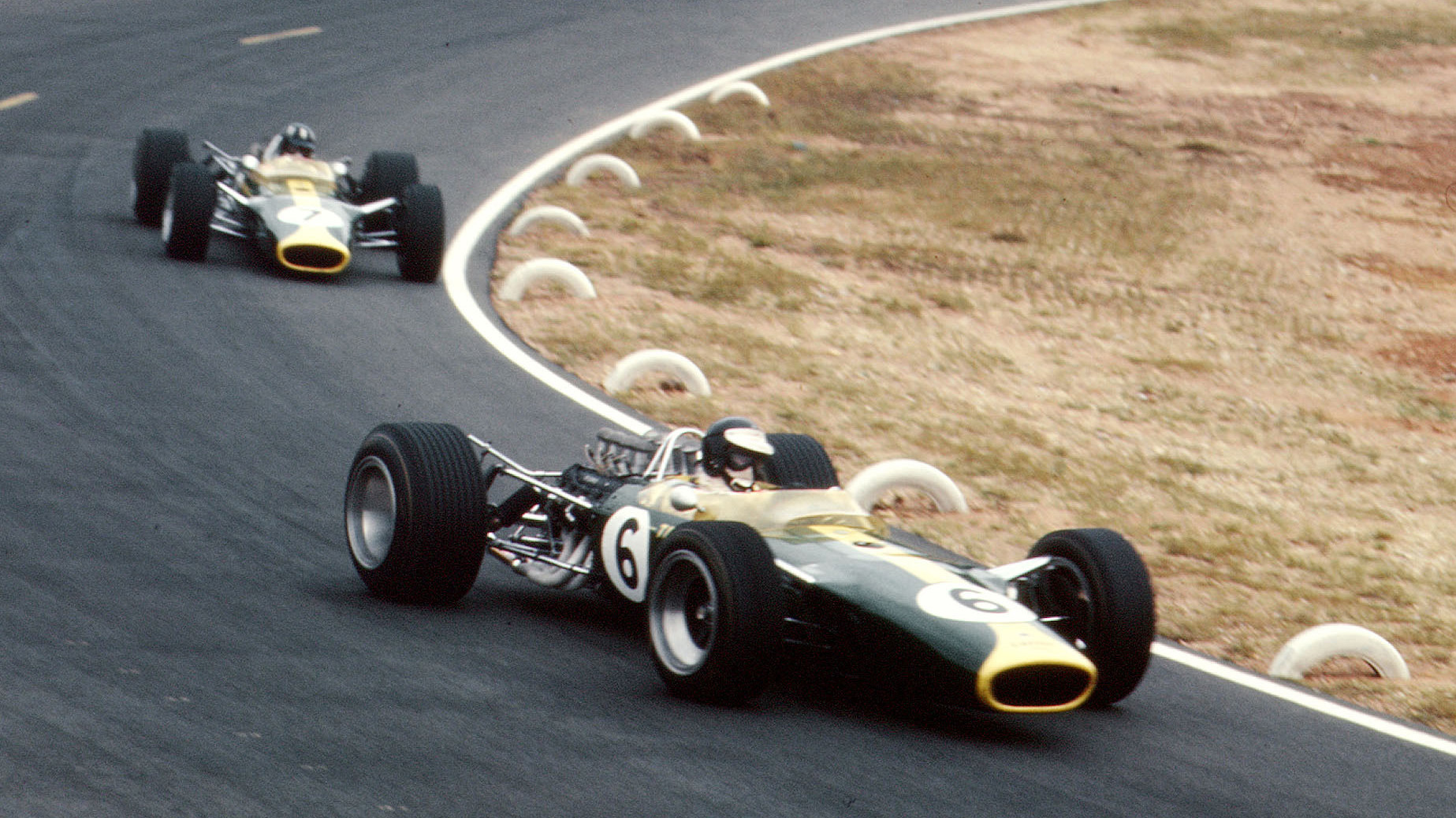
Now team-mates at Lotus, Clark leads Hill at the 1967 French Grand Prix, both at the wheel of a Type 49.
Image credit: Getty ImagesThey formed what will always be considered one of the great driver partnerships, before Clark was ripped away so cruelly at Hockenheim on 7th April 1968. How Hill then galvanised a devastated Chapman and Team Lotus to clinch his second title only underlined the tenacity of a driver too often underrated on talent alone.
It’s true that Hill wasn’t a match for Clark on pure ability — then again, who was? But he did have his days. And in 1962 he strung enough together to outscore his friend and rival to carry BRM to its greatest season.
Tickets for the Festival of Speed are limited. Only Thursday admission remains but hospitality packages for all four days are available. Missed out on a ticket for Friday or Saturday? Find out how you can access our sold-out days with one of our new packages.
If you’re not already part of the GRRC, joining the Fellowship means you can save ten per cent on your 2026 tickets and grandstand passes, as well as enjoy a whole host of other on-event perks.
Main image courtesy of Getty Images.
formula 1
f1
fos 2026
the rivals
Graham Hill
Jim Clark
Subscribe to Goodwood Road & Racing
Thank you, you’re now subscribed

How many hay bales are used at FOS?
For the last two years, 5,800 bales have been recylced into the biomass energy centre to be used for energy generation