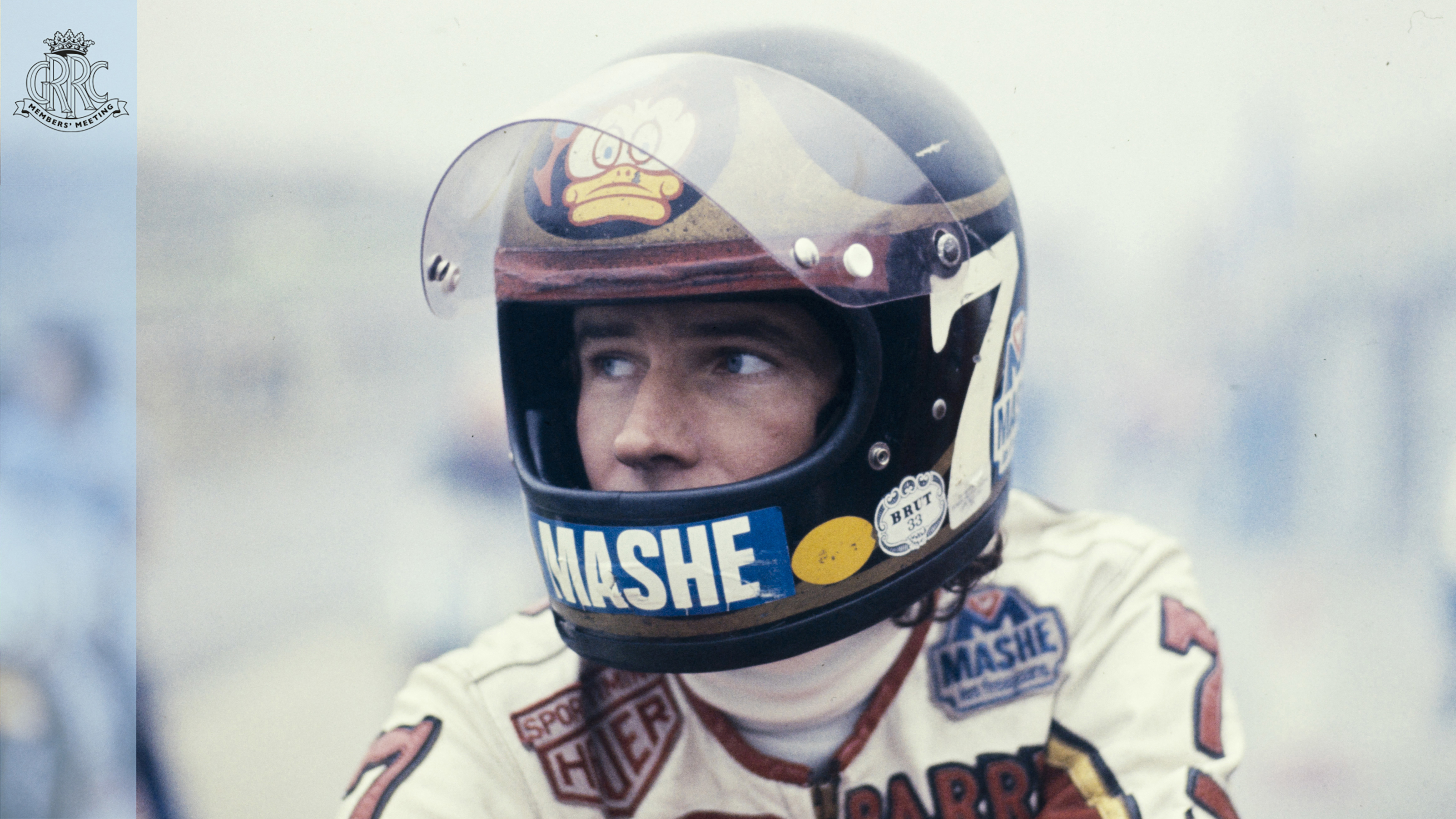
Barry Sheene’s winning machines
Barry Sheene cut his teeth competing in motorcycle trials, but he quickly discovered more joy in riding on tarmac between the off-road competitions. In 1968, when he was 17 years old, his father Frank entered him into his first circuit race at Brands Hatch on a 250cc Bultaco. The engine seized and Sheene crashed, but he was undeterred. Just a week later, he was back at the same venue and claimed his first ever win. The die had been cast — Sheene started high and his trajectory was set to rise further.
As Goodwood gets set for a year of Sheene, celebrating the great champion across all three motorsport events in 2026, here are the bikes upon which he made his name.
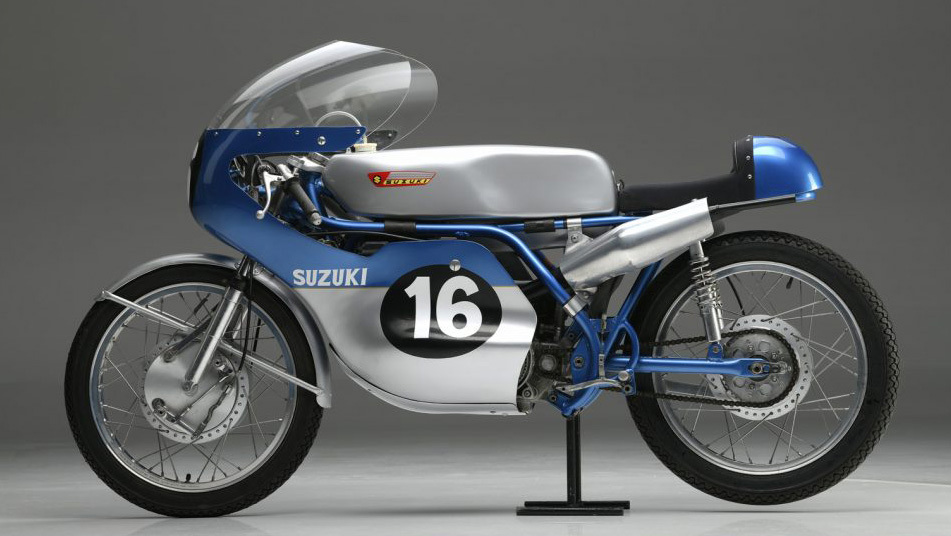
Suzuki RT67
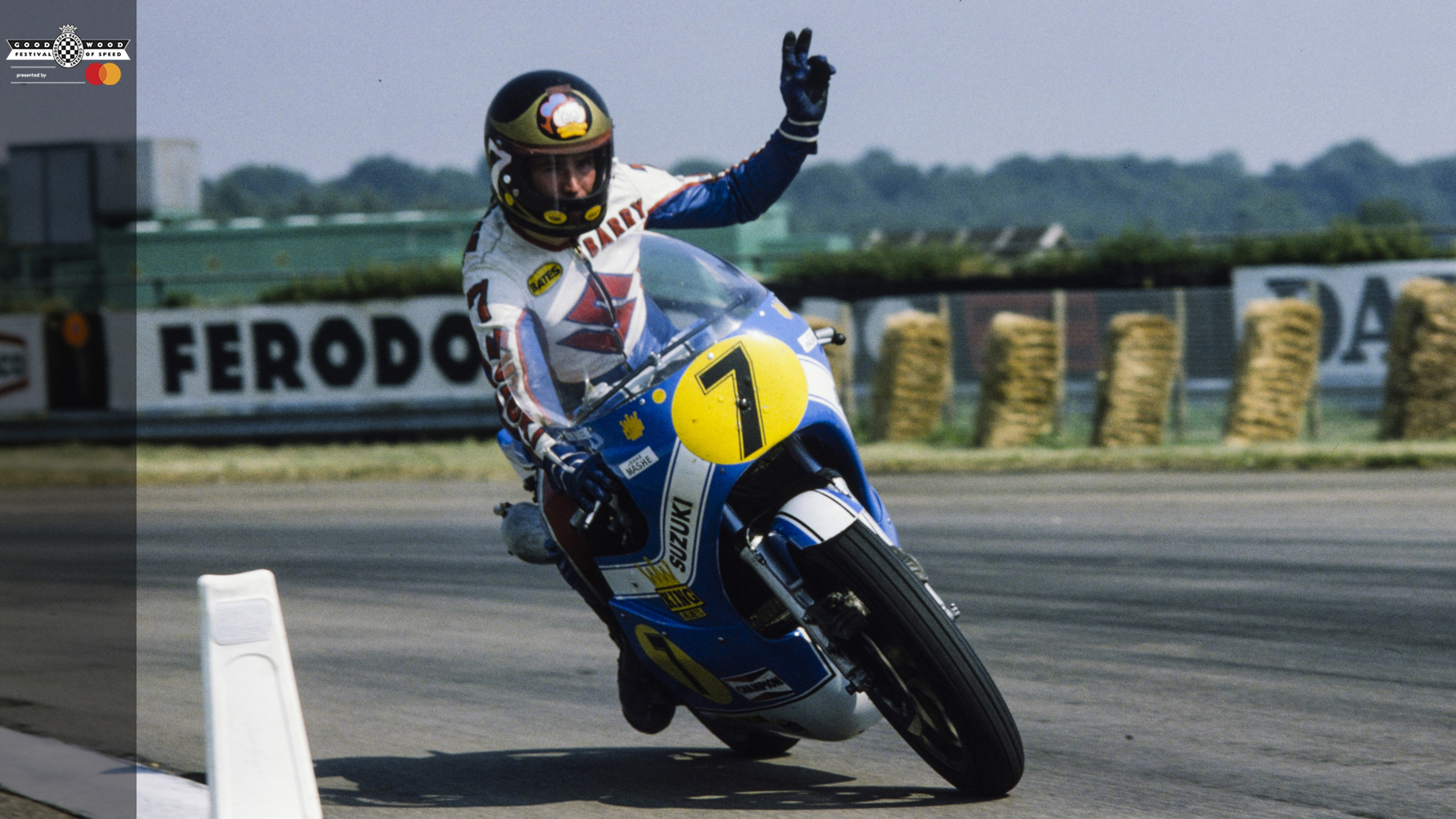
From 1968-70, Sheene would continue to develop his skills on two wheels and, for 1971, Frank Sheene took out a £2,000 loan (close to £30,000 today) to buy the ex-Stuart Graham Suzuki RT67. This was the motorcycle on which Sheene took his first win in a World Championship race at Spa-Francorchamps. He took further victories in Sweden and Finland on the 125cc machine. In the same year he also took a win in Czechoslovakia on a Kreidler 50.
If 1971 put Sheene on the international map, 1972 would prove to be something of a fallow year. He moved to Yamaha where he was very vocal on his opinion of an uncompetitive YZ635. A crash at Imola then meant he missed seven rounds of the World Championship, resulting in no victories all year.
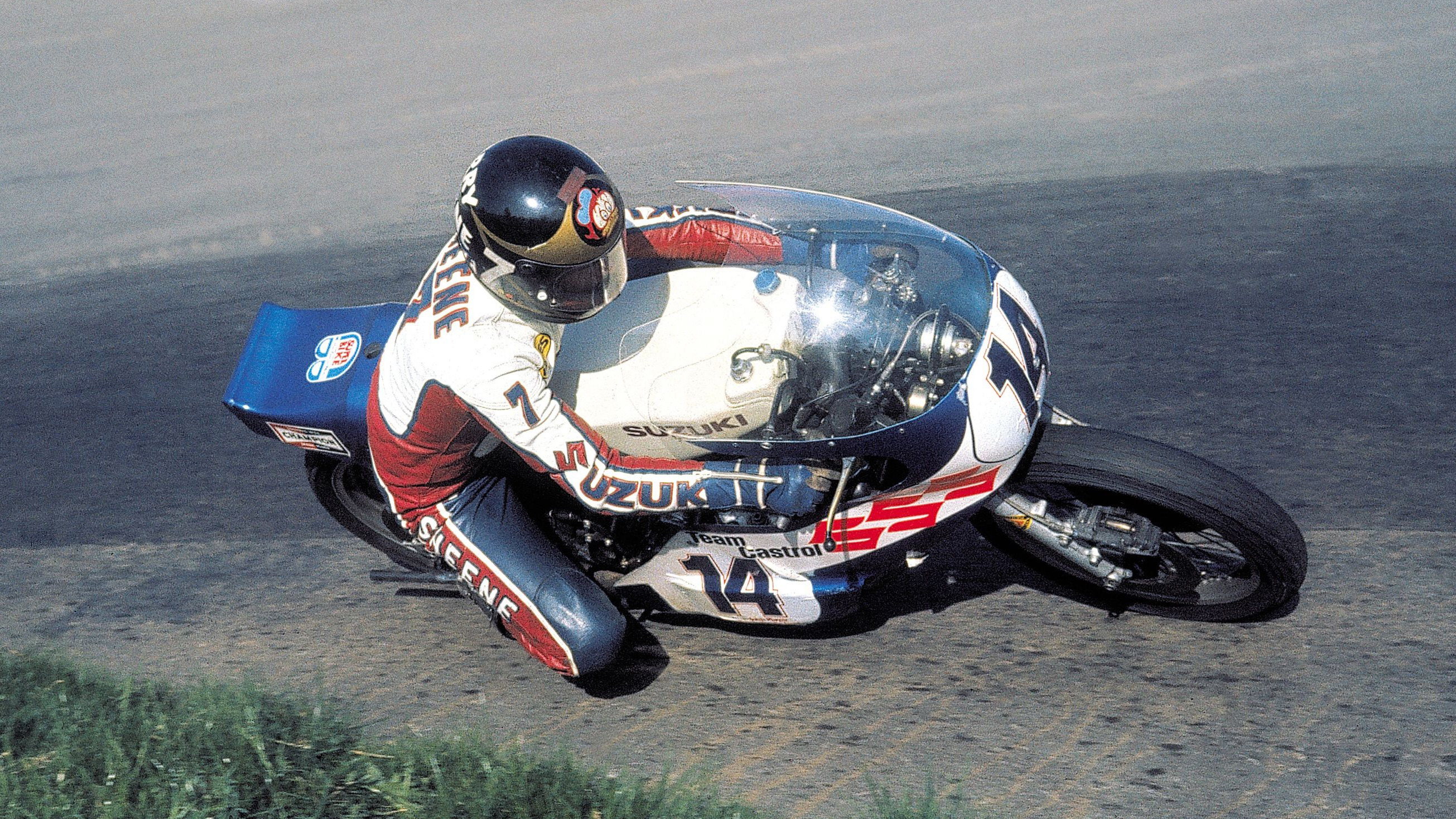
Suzuki TR750
Sheene took a gamble in 1973. He was offered a ride by MV Augusta who had claimed the previous 16 500cc World Championships, but he knew that Suzuki was working on a new 500cc motorcycle and he wanted be in at the ground floor for that. While that was going on in the background in Japan, Sheene chalked up a win with the TR750 that year in France, and three more 1975, but by then the promised RG500 was coming on stream. Not that it was plain sailing to begin with...
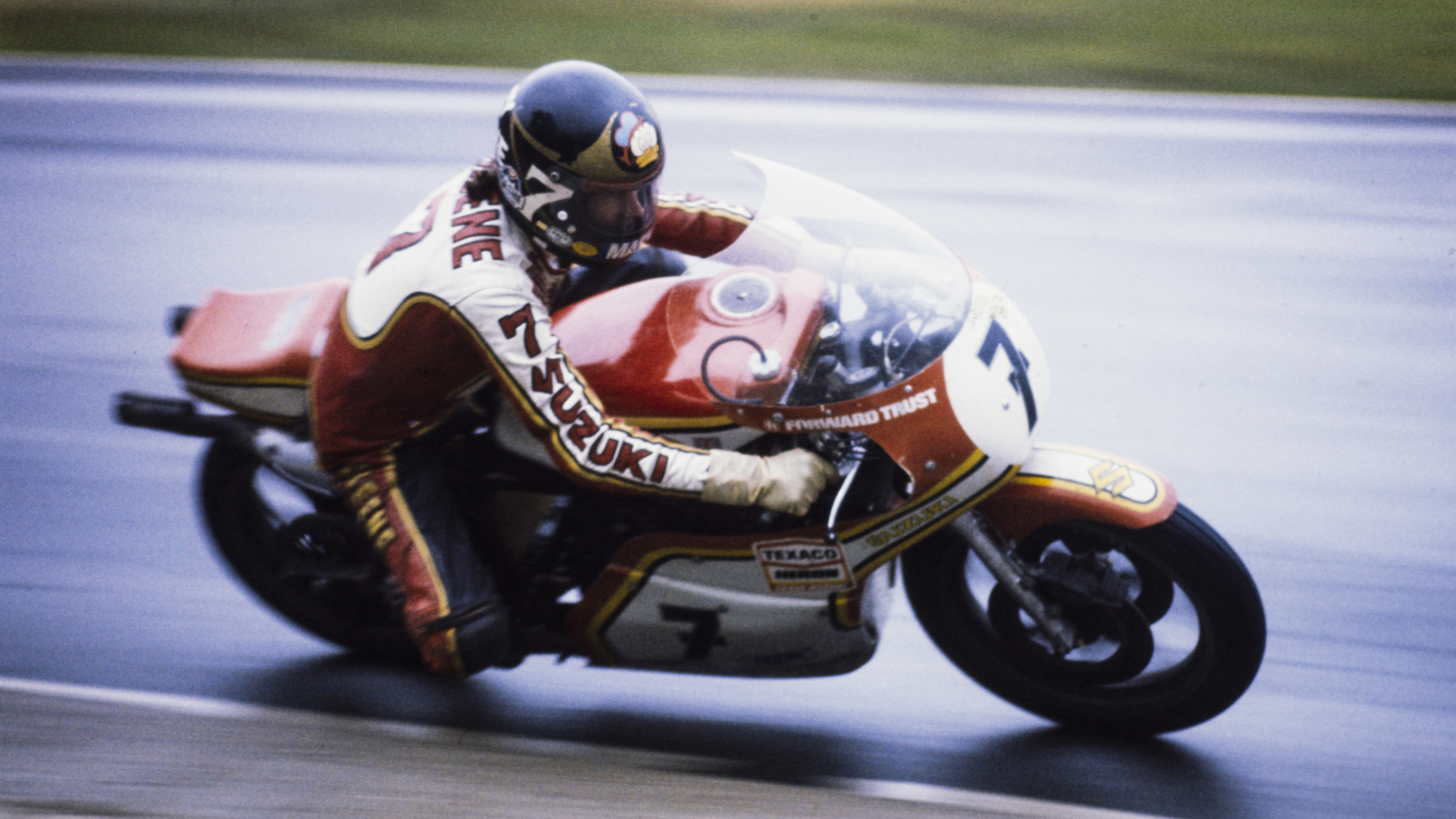
Suzuki RG500
In its first season in 1974, the RG500 was in a rather raw, mid-developed state. Sheene managed to get it sixth in the Championship but there were no wins for the entire season. Suzuki intended to drop it, but Sheene persuaded his Japanese paymasters to persist with the project. He put his back into it, too, spending five weeks of the off-season in Japan to develop the bike for the following season.
The wins started coming in 1975, but things really stepped up in 1976. Suzuki had followed Yamaha out of the Championship as a works team, but the British importer stepped in to fill the void. Sheene built a team of mechanics around him including his father, Frank. The RG500 was now at the cutting edge, and that year he walked away with the World Championship. Proof this was no fluke, Sheene repeated the feat in 1977 — achievements that warrant his year-long celebrations at Goodwood in 2026. Sheene’s decision to turn down MV Agusta had been vindicated, in a large part down to his own efforts in developing the Suzuki.
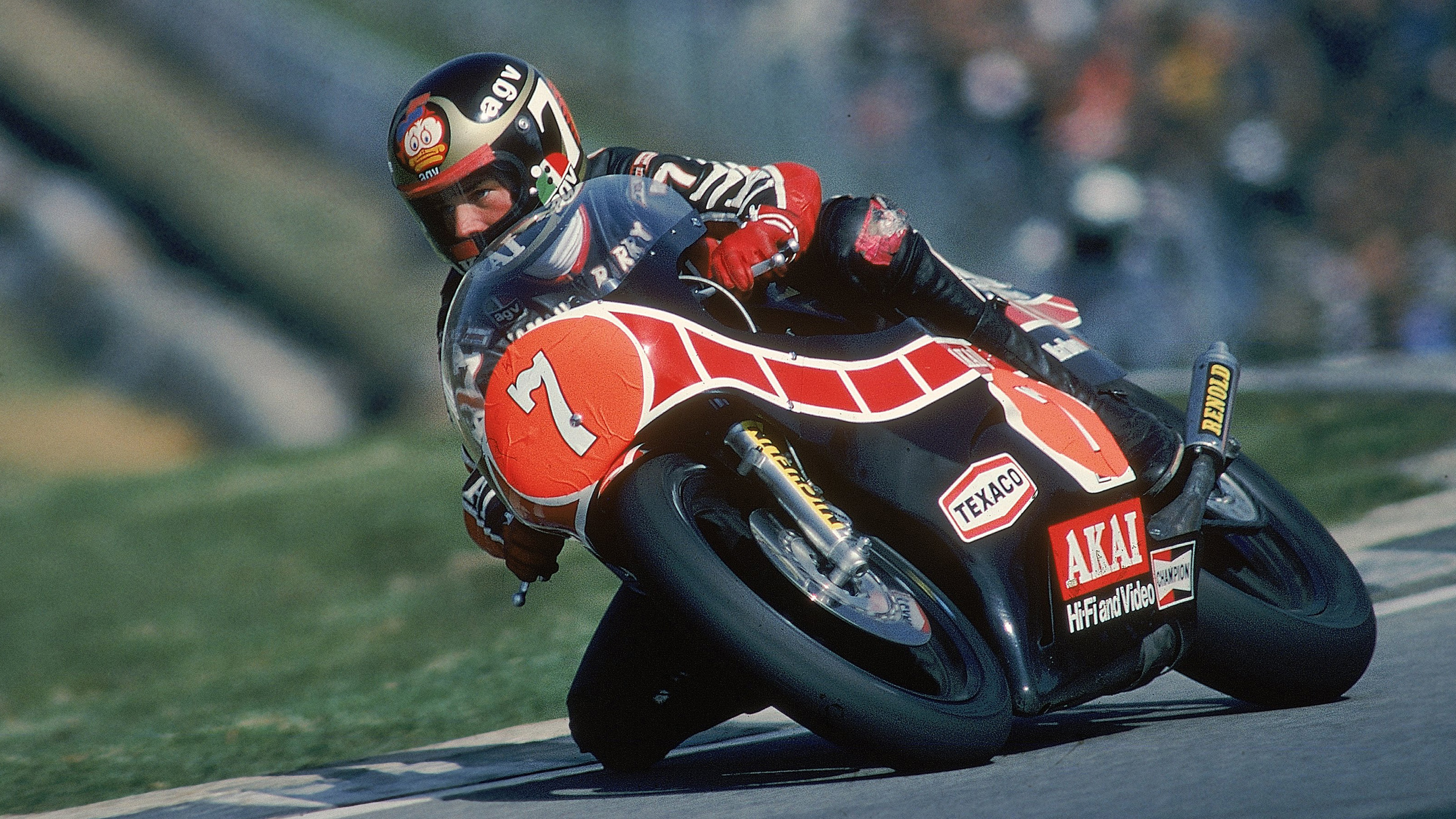
Yamaha YZR500
A decision to switch to Yamaha for the 1980 campaign was motivated by Sheene’s belief that he was receiving inferior machinery compared to his Suzuki team-mates.
Kenny Roberts was top dog at Yamaha in those days, and it hadn’t forgotten Sheene’s earlier criticism of the YZ635. He campaigned on a privateer Yamaha YZR500, but the best was reserved for Roberts, who won his third consecutive Championship in 1980. Sheene continued with Yamaha for the 1981 season where he managed to claim one win in Sweden.
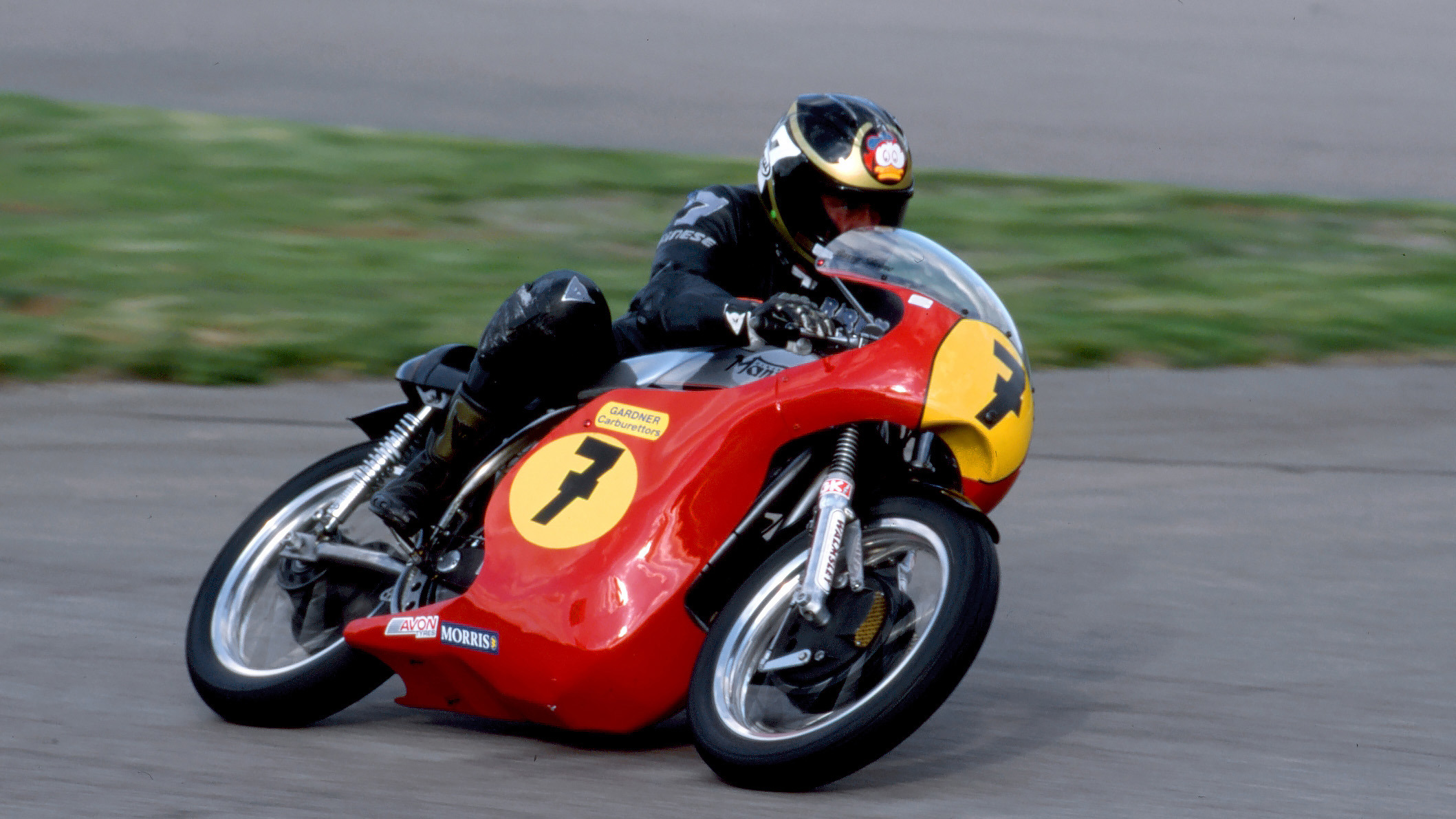
Manx Norton
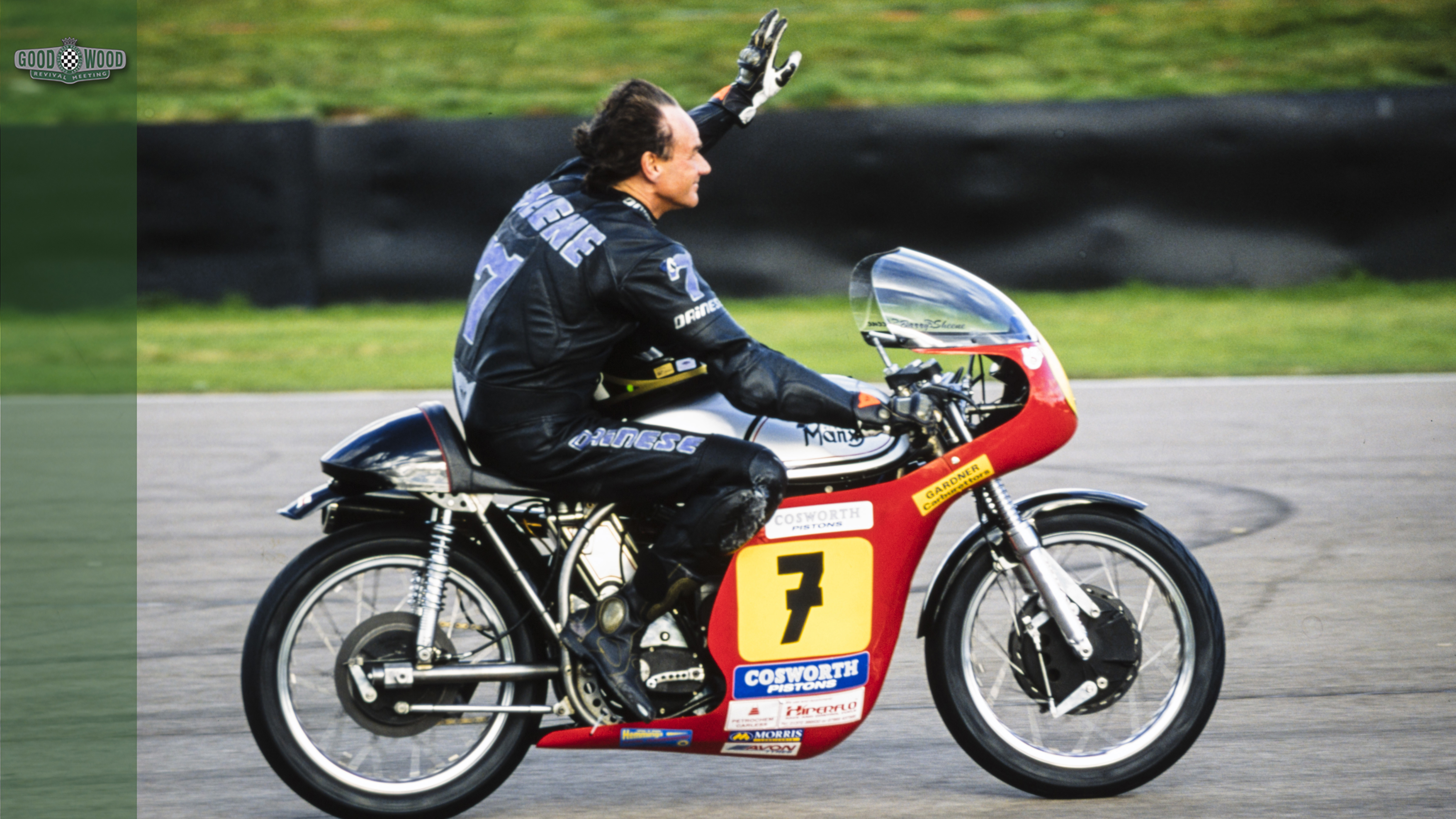
Sheene’s final ever race came at the 2002 Goodwood Revival, where he won the Lennox Cup aboard a Manx Norton. It was a highly emotional event as Sheene had terminal cancer and would only live for a further six months. In Sunday’s race, he had a close battle with fellow World Champion Wayne Gardner, taking the flag by a margin of just 0.156 seconds. Since then, the Revival’s motorcycle racing has been proudly named in Sheene’s honour, celebrating the legacy of one of motorcycling’s most significant racers.
Main image courtesy of bikereview.com.au.
race
historic
Barry Sheene
Suzuki
Yamaha
Manx Norton