Brands that celebrate double automotive anniversaries | Axon’s Automotive Anorak
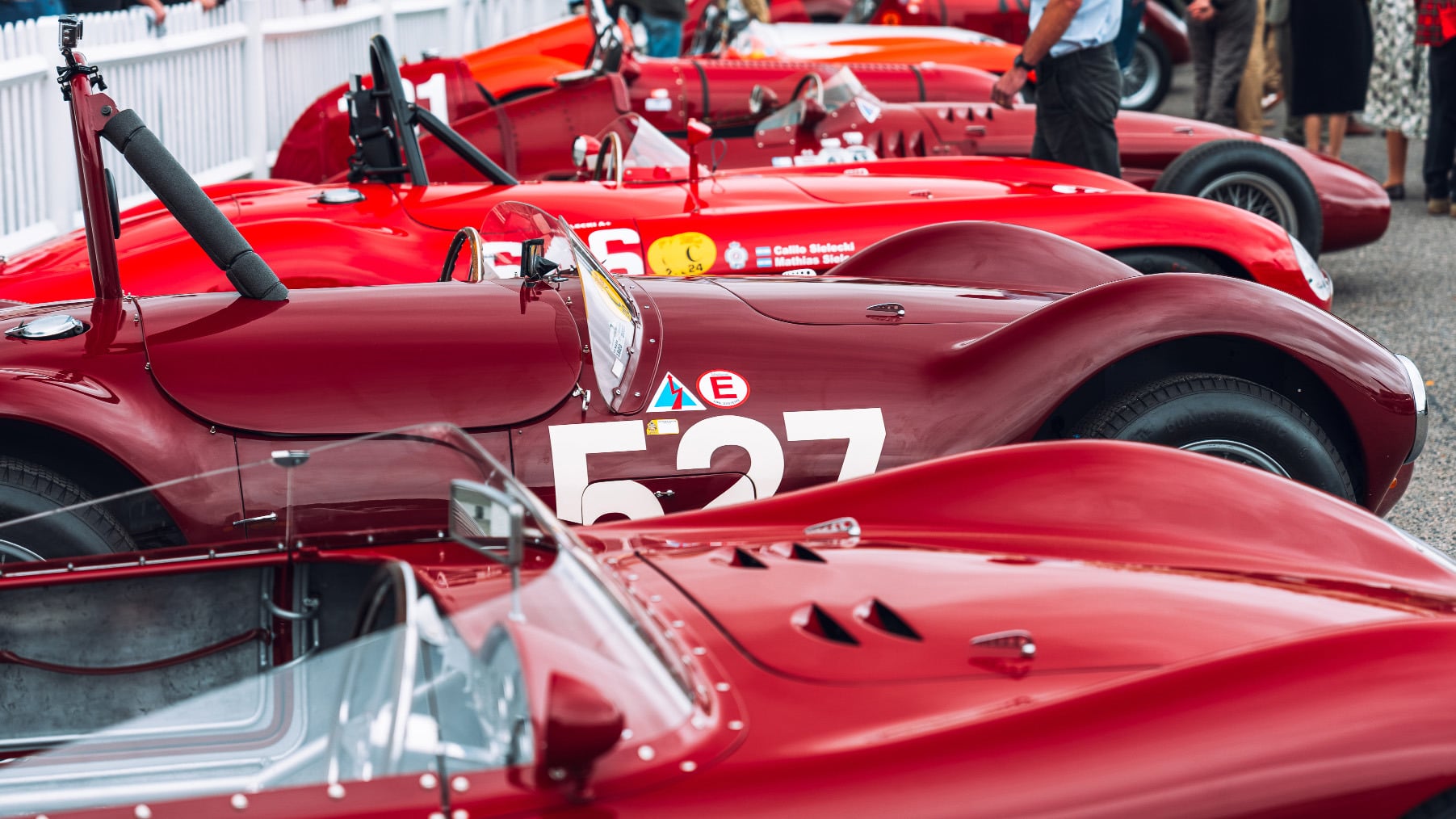
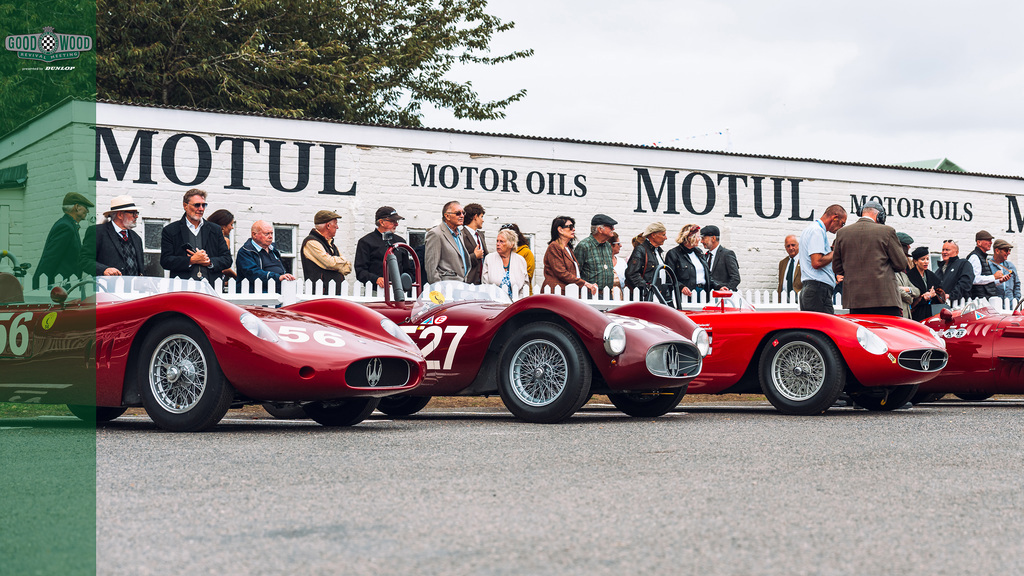
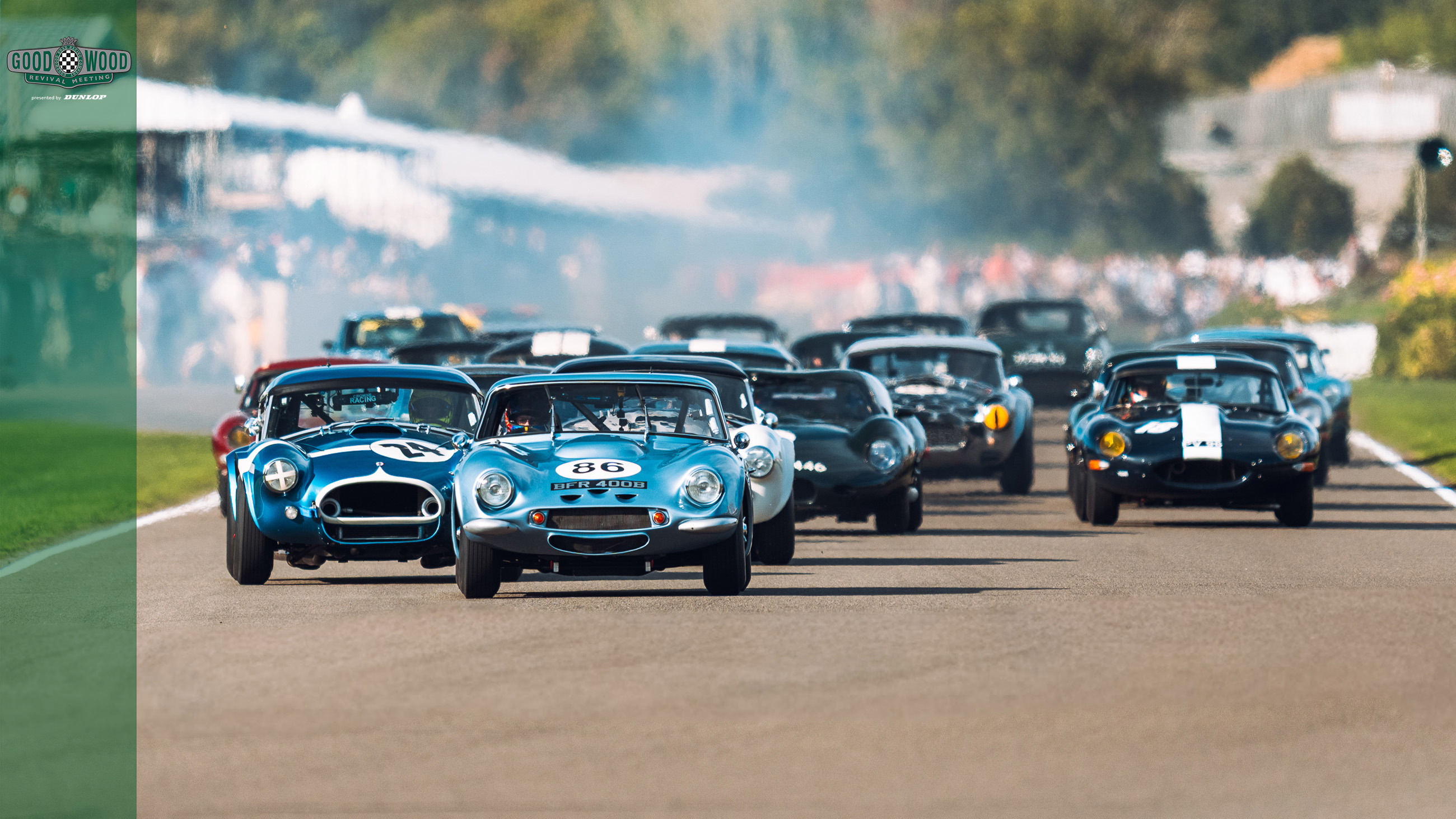
If you were fortunate enough to attend this year’s Goodwood Revival presented by Dunlop, you were treated to a real Italian flavour as Goodwood celebrated a century of Maserati motorsport success with a mouth-watering collection pre-1966 Maserati competition cars.
Maserati, the evocative Bologna sporting marque is celebrating its century for the second time as it also marked its 100th jubilee within the last dozen or so years. Maserati made a great play of turning 100 in 2014, with its celebrations lasting at least two and a half years and culminating in the achingly beautiful Alfieri concept GT. Now, Maserati marks its centenary for the second time again, 12 years on. Confusing? You bet, but let me explain…
Maserati was initially founded in December 1914 by one of seven Maserati brothers. Alfieri, along with two of his siblings, Ettore and Ernesto, established a garage and automotive workshop in Bologna. Alfieri cut his teeth working with Isotta Fraschini on its early motor racing exploits, and while World War I interrupted the Maserati brothers’ workshop business, all three returned from the hostilities older and wiser, having gained useful hands-on engineering experience during the conflict. Alfieri in particular mastered the engineering and production of spark plugs.
Ultimately though, Alfieri wished to return to motor racing, so he bought an Isotta Fraschini chassis, fitted a Hispano Suiza engine, a SCAT gearbox and went racing in his ‘Tipo Speciale.’ He and his brothers enjoyed some competition success with the car and their reputation soon spread across Italy. Sportscar maker Diatto appointed the Maserati brothers as consultants to manage and maintain its competition machines.
For the inaugural World Racing Championship for car constructors in 1925, Diatto entrusted the Maserati workshop with running its GP 8C cars. Strong competition from Alfa Romeo and mechanical problems lead Diatto to severe its relationship with Maserati, so for the 1926 season the brothers took the bold decision to build their own Maserati-branded racing car using a 1.5-litre straight eight engine; thus was created the first of 43 competition 26M racers.
The Maserati 26M quickly earned a reputation as a winning competitor car, cementing Maserati’s stature and sought by many wealthy gentlemen drivers and many of the finest professional drivers of the era. Success followed Maserati right up to the break out of WWII, notching up numerous important Grand Prix victories with top draw drivers such as Nuvolari, Ascari and Villoresi.
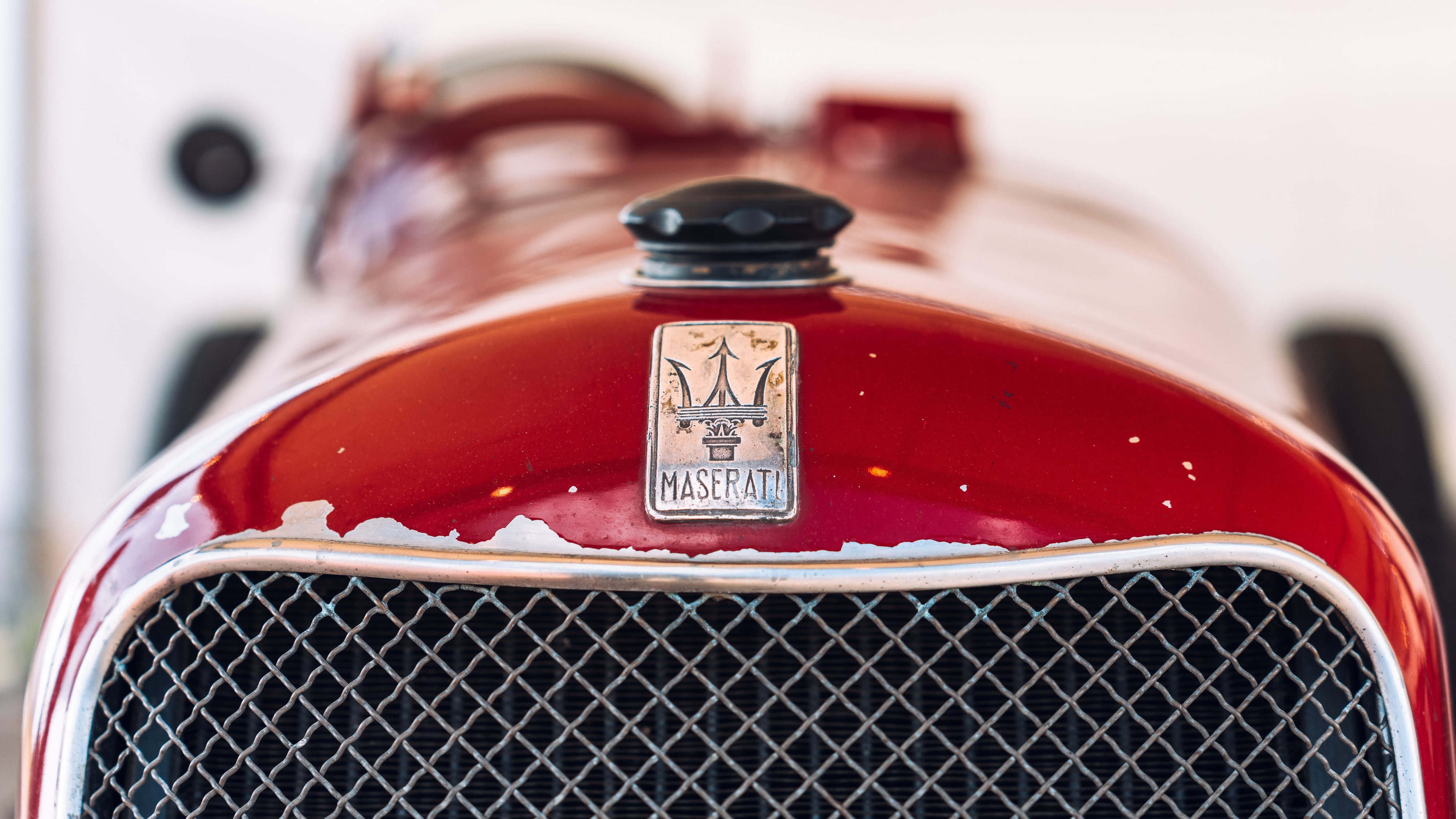
Immediately after the war, Maserati continued to dominate the early Grand Prix seasons with its competition single seater GP cars and A6GCS racers. It wasn’t until 1947 though that Maserati actually presented its first true road-going model, 21 years after the construction of its first competition car and 33 years after the brothers began their workshop business. The A6 1500 with GT coachwork by Pininfarina and Frua was the first purpose-built production Maserati, with just 61 examples made.
Many significant and sublime production Maseratis have followed since 1947, including road going A6GCSs, the 3500 GT, 5000 GT, Sebring, Mistrale, Ghibli, Indy, Bora, Merak, 3200 GT, and so on.
Maserati is not unique in having multiple anniversaries in the automotive sector, however. A few other car makers had notable gaps and created other goods in other sectors before eventually giving their name and turning their main business over to car production.
BMW
BMW was first formed in March 1917 out of the remains of several smaller engineering concerns, clustered around Eisenach in the Eastern part of Germany. Initially BMW built aero engines but were banned from doing so after WWI. To survive, it began to produce small capacity motors for the automotive sector, but this still wasn’t enough to make a healthy living, so in 1922 BMW presented its first two-wheeled motorcycle. Still floundering, in 1928 BMW bought the ailing Dixi Motor Werke, which had been building the Austin Seven under license for the German market.
This small and affordable English family car saved BMW, the firm continuing to make the ex-Dixi Austin Seven though until 1932. In 1933 BMW introduced its first completely original design; the 303, which also introduced BMW’s signature double kidney radiator grille. Having survived near-bankruptcy in 1959, today BMW is one of the European motor industry’s true success stories, ironically now owning the rights to the MINI, the true modern-day ancestor to the Austin Seven.
Bugatti
Creative engineering genius Ettore Bugatti found his feet working on motorised cycles and trikes for Prinetti & Stucci between 1898-1900, and the following year he moved to French automobile maker de Dietrich where he began to engineer cars before moving over to Mathis between 1904-05 and then Deutz from 1906 to 1909.
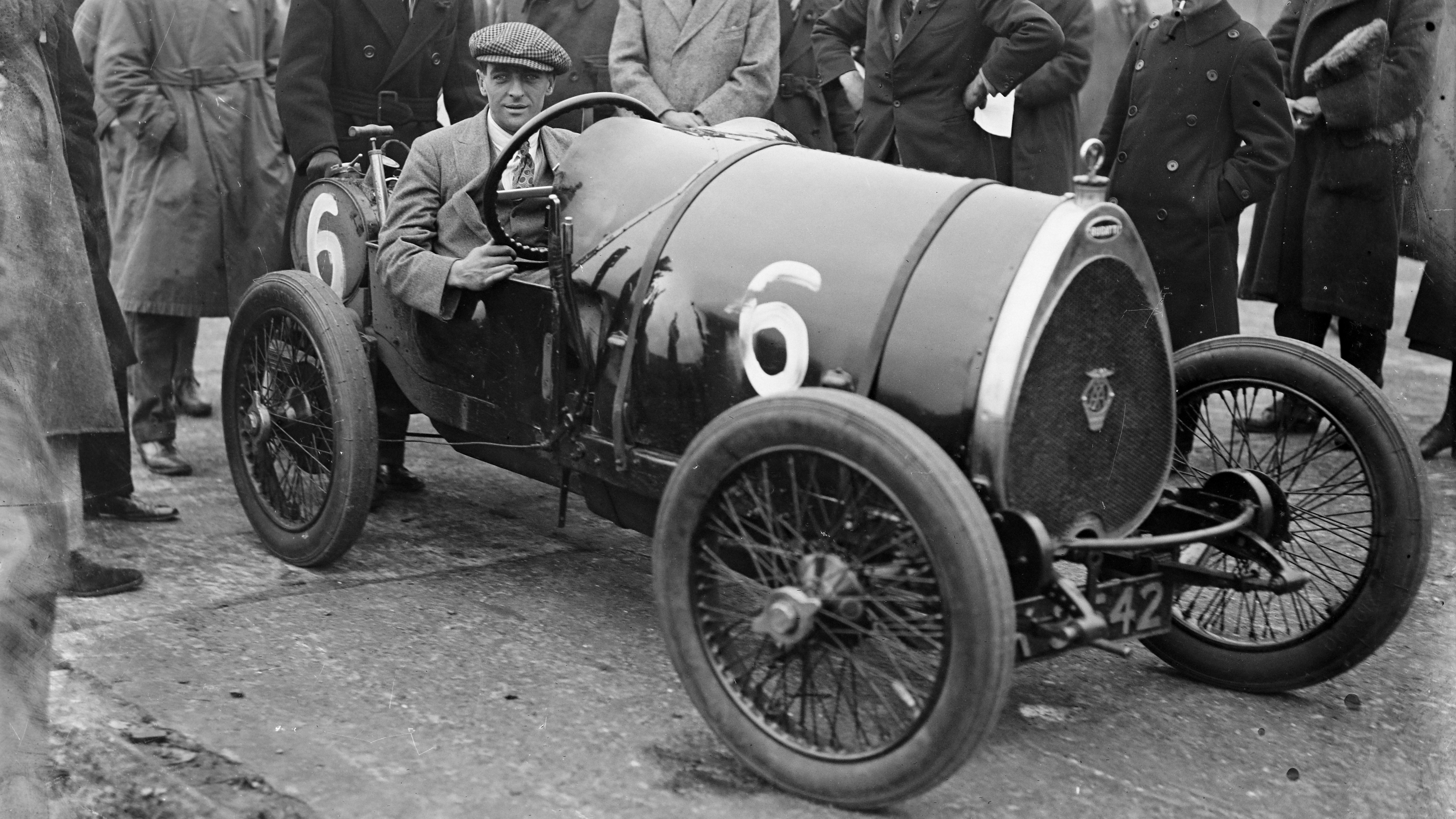
Tired of creating motor cars for others though, in 1910 Bugatti revealed his first self-branded car, the ’Pur Sang,' quickly followed by the famed Bugatti Type 13 of 1911, developed whilst working on the acclaimed 1912 Bebe model for Peugeot.
Bugatti of course went on to achieve huge acclaim for his exquisite and victorious raids and race cars, including the infamous Type 35, the ambitious Royale and sublime Type 57, ahead of his early death in 1947, after which the Bugatti marque withered, dying off by 1957, only to briefly be revived in Italy the 1990s with eh EB110 and later brought back to live by the mighty VW Group in the with the staggering Veyron.
Porsche
By the time Professor Ferdinand Porsche had founded his technical design studio in Stuttgart in 1930, he had already developed a number of vehicles, including the pioneering LOHR electric wagon at the turn of the 20th century, plus the pioneering mid-engined Type 22 Auto Union Grand Prix racer, the Tiger tank and the Hans Lehmann-inspired Type 60 KdF for Adolf Hitler — the car that ultimately became the Volkswagen Beetle (for which he was later jailed by the French as a Nazi collaborator).
After such a long career in automotive engineering, the first Porsche-branded model to bear his name didn’t actually appear until 1947 as the rotund 365 sportscar, the car that put Porsche on the map with c.76,500 built between 1947 and 65.
Main image photography by Charlie Brenninmeijer.
race
historic
maserati
Axon's Automotive Anorak