How Jaguar’s first golden endurance spell led to another | Frankel’s Insight
 Andrew Frankel
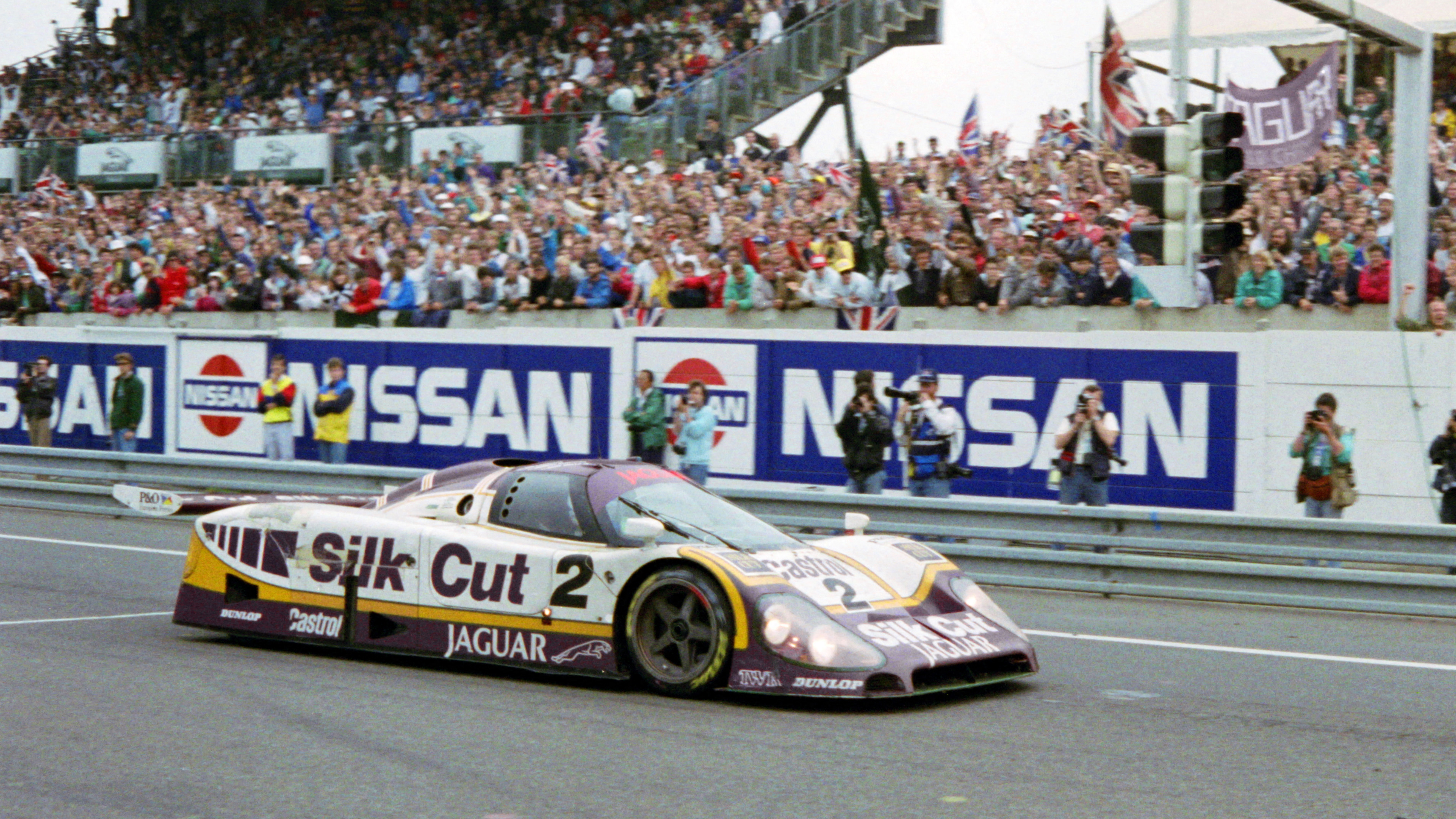
If you know Jaguar racing history, you’ll know this: it had essentially two eras. The first was the 1950s when the C and D-types won half of all the Le Mans 24 Hours held that decade; the second came in the late 1980s and early 1990s when the Group C Jaguars won the race twice more and claimed the World Sportscar Championship three times in five attempts.
Except it wasn’t really like that. With just a little bit of creative thinking you can draw a line directly from the C-type winning Le Mans in 1951 to the XJR-14 taking its final win 40 years later. The decades between the eras may not have been quite so golden or dripping in trophies, but to regard them as barren is to miss out on a far less known but in certain ways no less interesting period of Jaguar racing history.
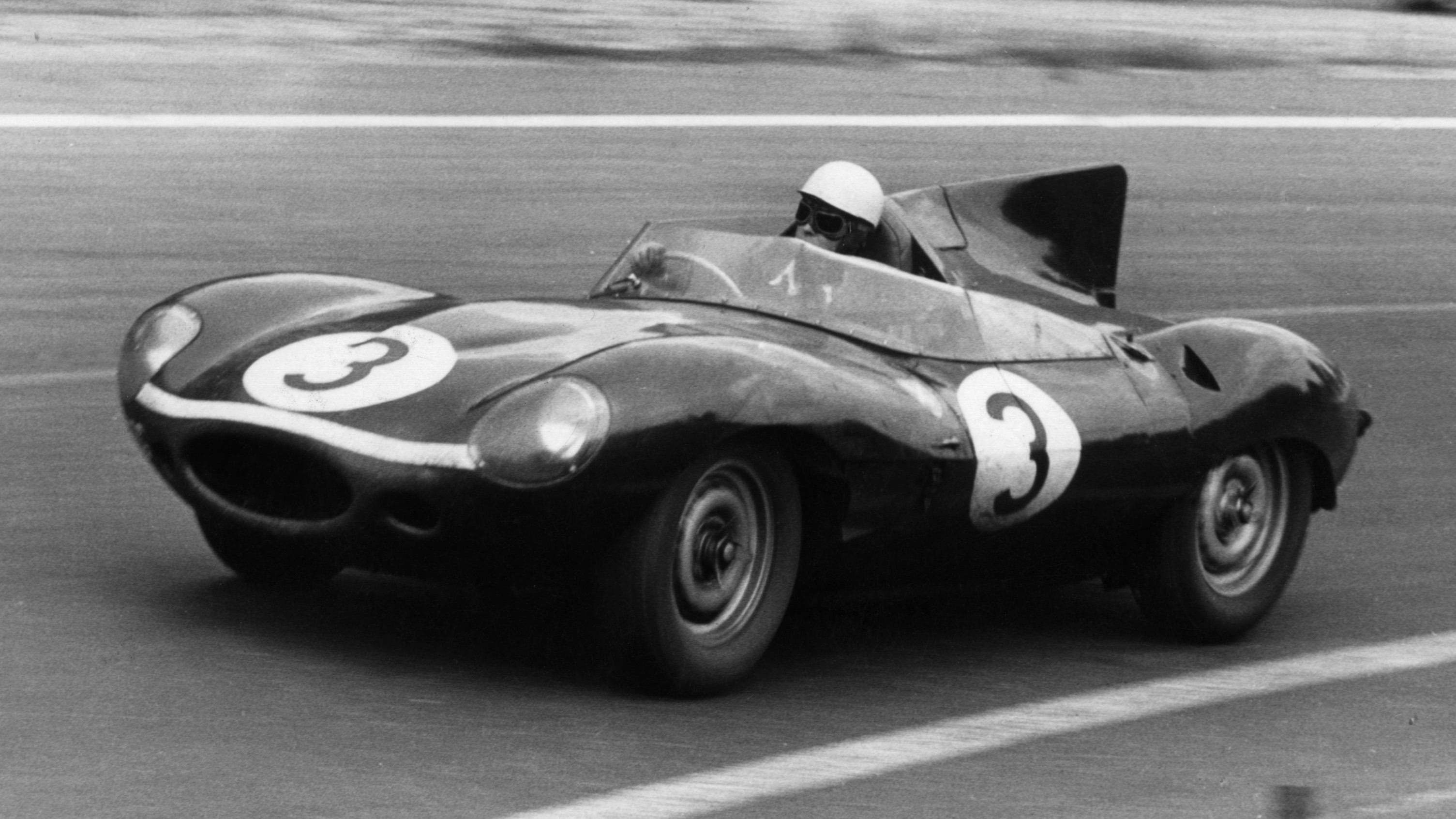
The last Jaguar win at Le Mans in that first era came in 1957, courtesy of an Ecurie Ecosse D-type. But the last D-type to actually race at Le Mans did so in 1960, the year before the global unveiling of the E-type.
Despite its success at Goodwood today, in period the 1960s E-types were not all-conquering race winners. But right at the other end of the car’s life, it enjoyed an Indian summer like few others. By 1974 Jaguar had no fewer than 6,000 unsold E-types in North America alone, so the region’s Marketing Director Mike Dale appointed teams on both east and west coasts to race the E-type in their respective SCCA Championships.
The cars were dominant from the off and in 1975 completely demolished the Corvettes that had ruled the roost for the previous 17 seasons. By the time the east coast car had ended the season, driven by Bob Tullius and run by his Group 44 race team, it had entered 17 races and won all but five of them.
It is perhaps no coincidence that Jaguar sought to repeat the feat in Europe the following year, and had appointed Ralph Broad’s Broadspeed company to create a race version of the XJ12C coupe. It should, of course, have been the XJS, but it was too new and unhomologated.
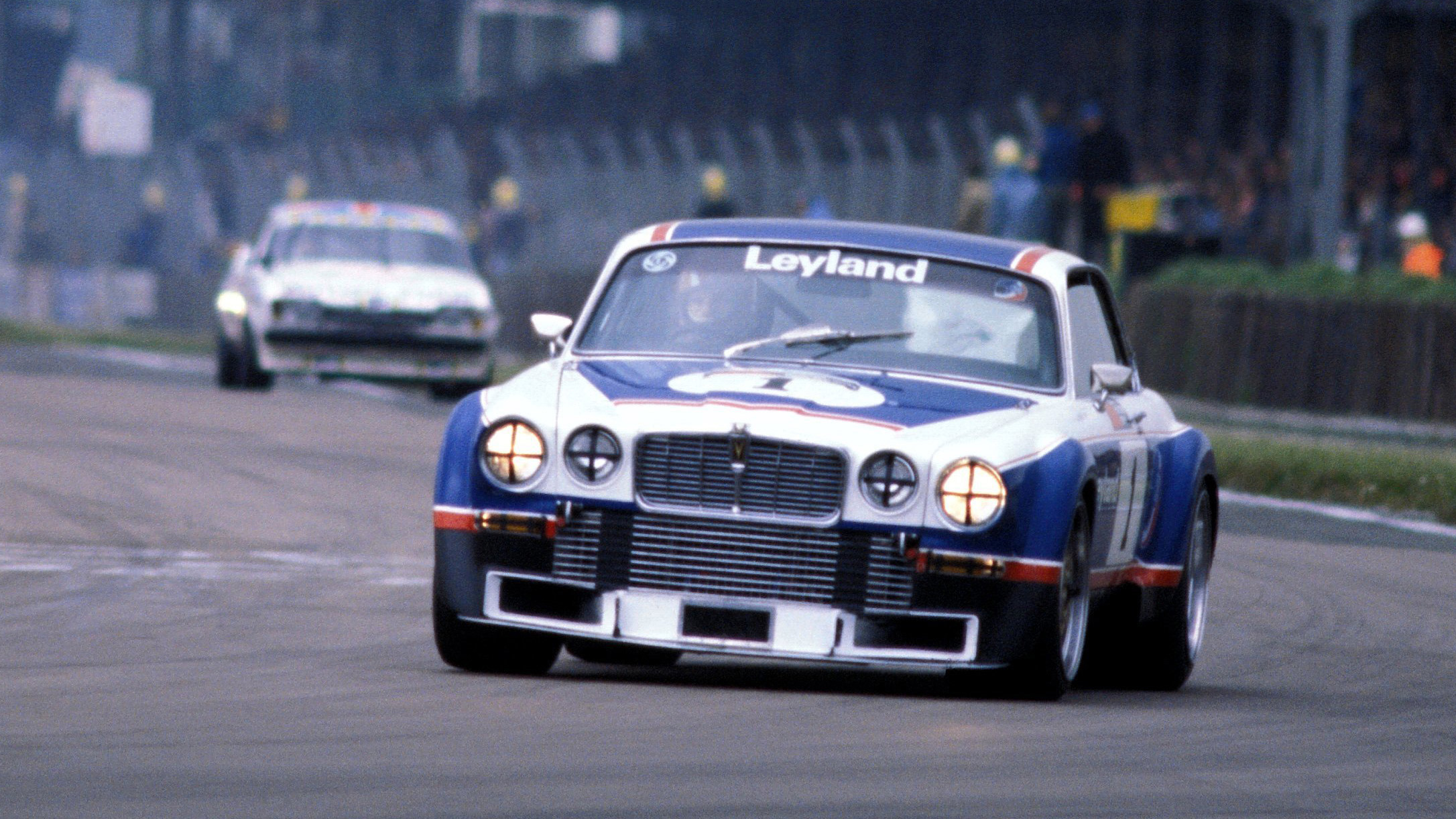
The Broadspeed Jaguar XJ12 leads at Silverstone during the 1977 European Touring Car Championship.
Image credit: David Phipps/Getty ImagesThe Broadspeed Jaguar has gone down as something of a blot on the Jaguar escutcheon; it hardly ever finished a race because Leyland-run Jaguar announced it too early and didn’t give the team time to develop it properly. Eleven retirements from 14 starts and just one podium is not a record to crow about.
What this conceals however is just how fast the car really was. Despite its excess weight and Highclere Castle frontal area, it only failed to start from pole once in its career, thwarted by wet weather at Zandvoort. A bit of a farce though its reputation now has it, the truth is that with perhaps one more year of development, it could have been a world-beater.
Instead, that job was left to the car that Broad wanted to race all along: the XJS. In the early 1980s Jaguar was now led by John Egan, who took a very different approach. With no fuss or fanfare he instructed Tom Walkinshaw’s TWR Racing to develop a racing XJS to compete in the European Touring Car Championship.
In 1982, its very first season of competition, it won three times. The following year there were four victories, losing the title to BMW at the title decider, but there’d be no near miss in 1984. The big Jaguars won nine out of 12 rounds, including the Spa 24 hours — the company’s first ‘twice around the clock’ win since Le Mans 1957 — and claimed the Championship unopposed.
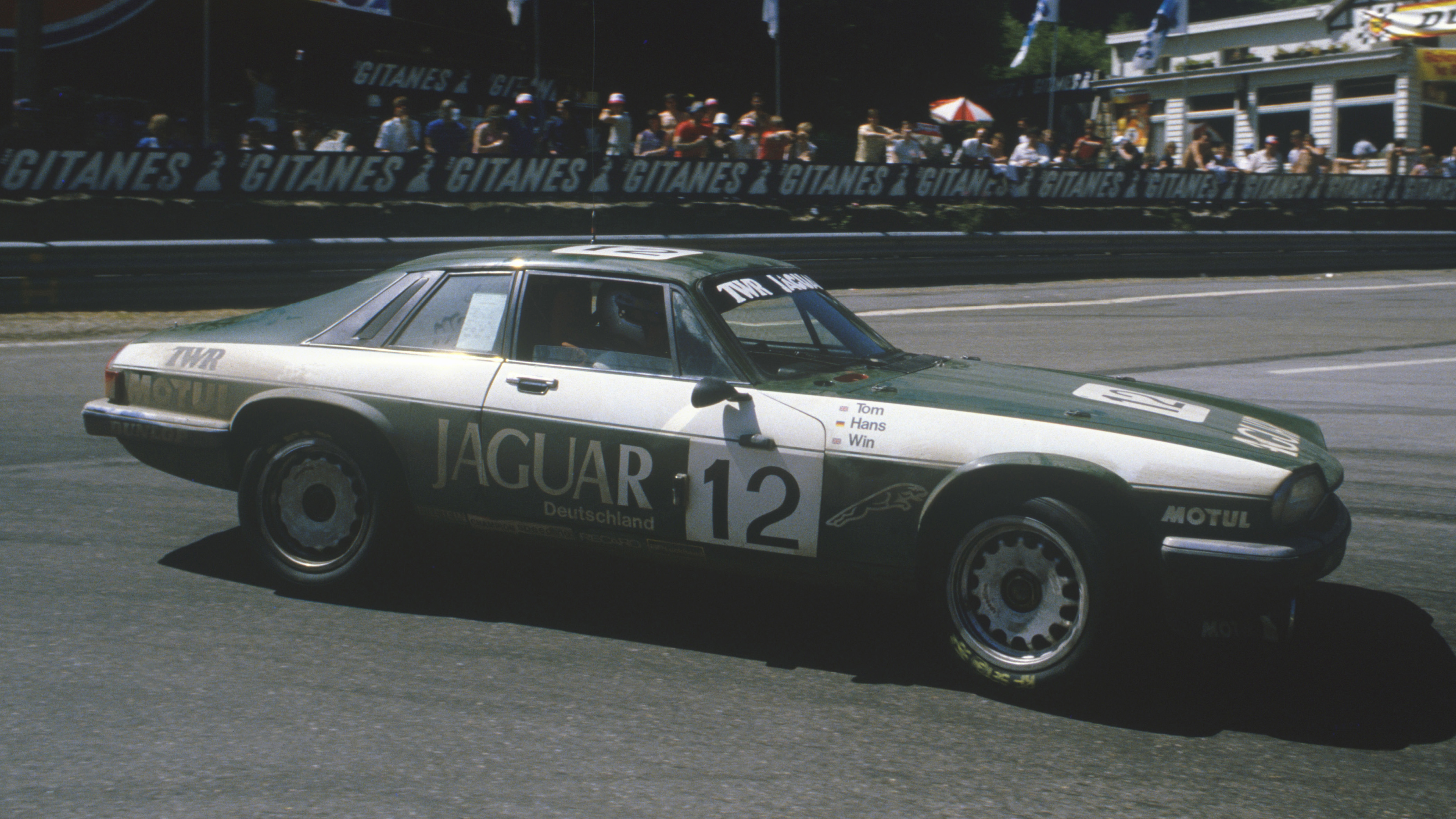
The TWR Jaguar XJ-S of Walkinshaw, Heyer and Percy proved Jaguar’s endurance credentials once more with victory at the 1984 Spa 24 Hours.
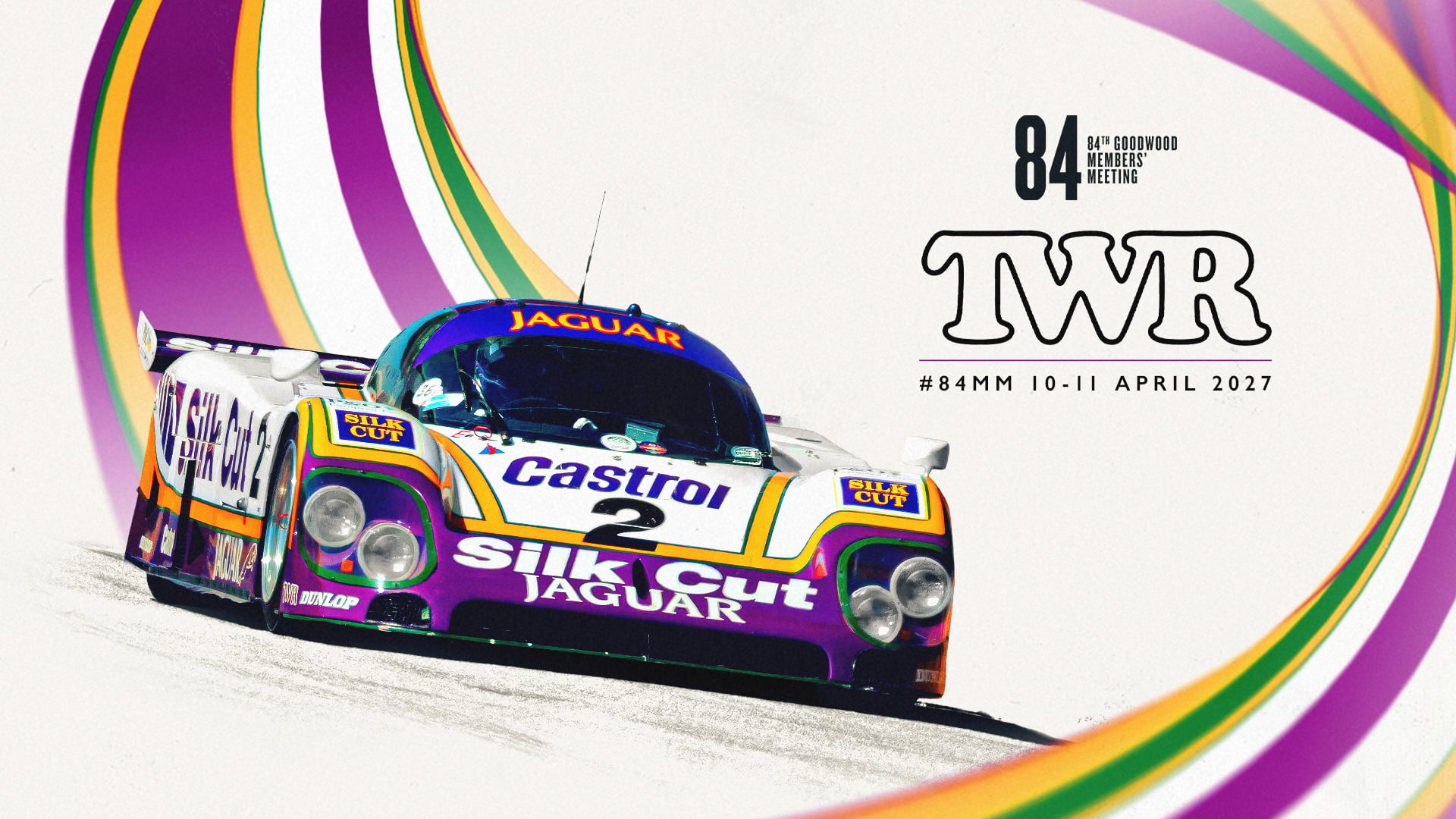
Image credit: LAT Images / Stringer via Getty ImagesBack across the Atlantic, Dale, Tullius and Group 44 were simultaneously taking the next big step, the one that would lead Jaguar directly back to Le Mans. And that step was to build a true Jaguar racing prototype — a low volume, track only, purpose-built racer. The result was the XJR-5 and, after the stillborn XJ13, it was the first to race with the famed V12 engine mounted behind its driver. It was also the first Jaguar to race at Le Mans for fully 20 years.
It was a better car than its reputation suggests, built primarily for IMSA racing in the US, but successful enough there to warrant a return to France in 1984, though unable to stay the pace of the mighty turbocharged Porsche 956s.
The XJR-5 was necessarily a quite conservative car, and its relative success did suggest that an all-out attempt to recapture former sportscar glories could be viable. Fully funded by Jaguar, with a carbon-fibre chassis and aerodynamics drawn up by a Formula 1 designer, an enlarged and far more powerful version of the V12 and a headed up by a team already with a major championship under its belt, it would be Tom Walkinshaw and not Bob Tullius who’d finally deliver that precious sixth Le Mans win to Jaguar.
Main image courtesy of Heritage Images via Getty Images.
race
historic
TWR celebration
frankel's insight
jaguar
D-Type
C-type
E-type
XJ12C
XJS
XJR-5