The Fabulous Hudson Hornet: The pinnacle of American automotive heritage
The dawn of American stock car racing was a wild era defined by raw grit, flying mud and unlikely heroes. At the peak of this golden age stands the Fabulous Hudson Hornet — a machine that didn't just compete, it humiliated the competition.
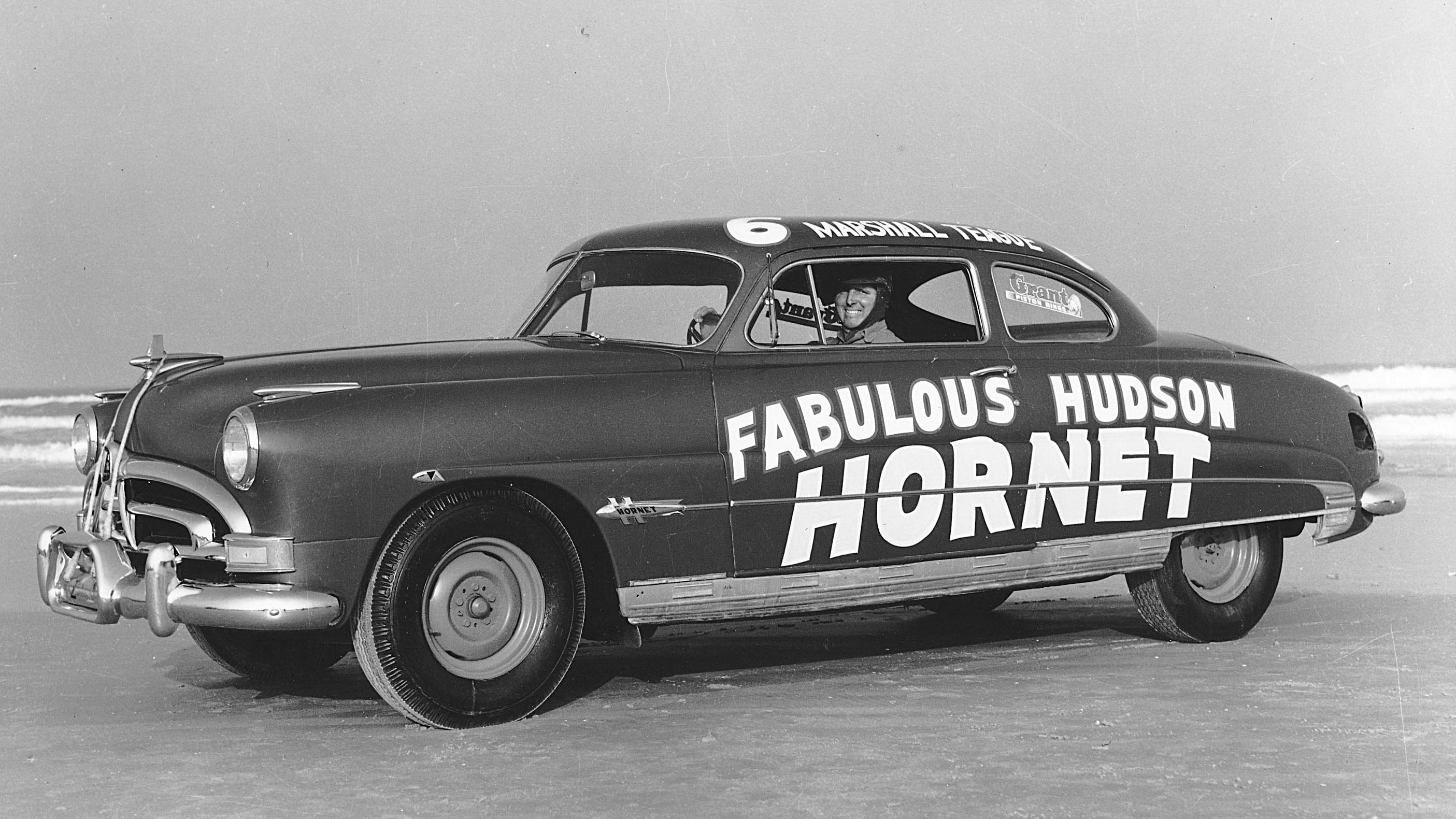
Long before the age of purpose-built stock cars, this unlikely star dominated the track, snatching three consecutive NASCAR Manufacturers’ Championships from 1951-53 and racking up an astonishing 81 race wins. It forged its legendary status through revolutionary engineering, fierce track battles and the fearlessness of its drivers.
Over the Road
Read more
Much of that success traces back to Marshall Teague, the legendary Florida racer crowned ‘King of the Beach’ for his dominance on Daytona's brutal sands. It was Teague who first convinced the suits at the Hudson Motor Car Company to weaponise motorsport. Arriving at their Michigan factory ahead of the 1951 season, he boldly argued that victory on Sunday meant massive sales on Monday.
Teague proved his point instantly. The Hornet stormed to victory on its Daytona debut, and Teague quickly vindicated his own blind faith in the machine. While critics openly mocked the car’s bulbous shape as an “upturned bathtub,” Teague and his legendary crew chief Smokey Yunick recognised its hidden brilliance.
Its secret weapon was a low-slung, "step-down" chassis design paired with a torquey 5.0-litre straight-six engine. This lethal combination gave it a low centre of gravity, making it practically unstoppable as it slid around the treacherous dirt ovals of early NASCAR.
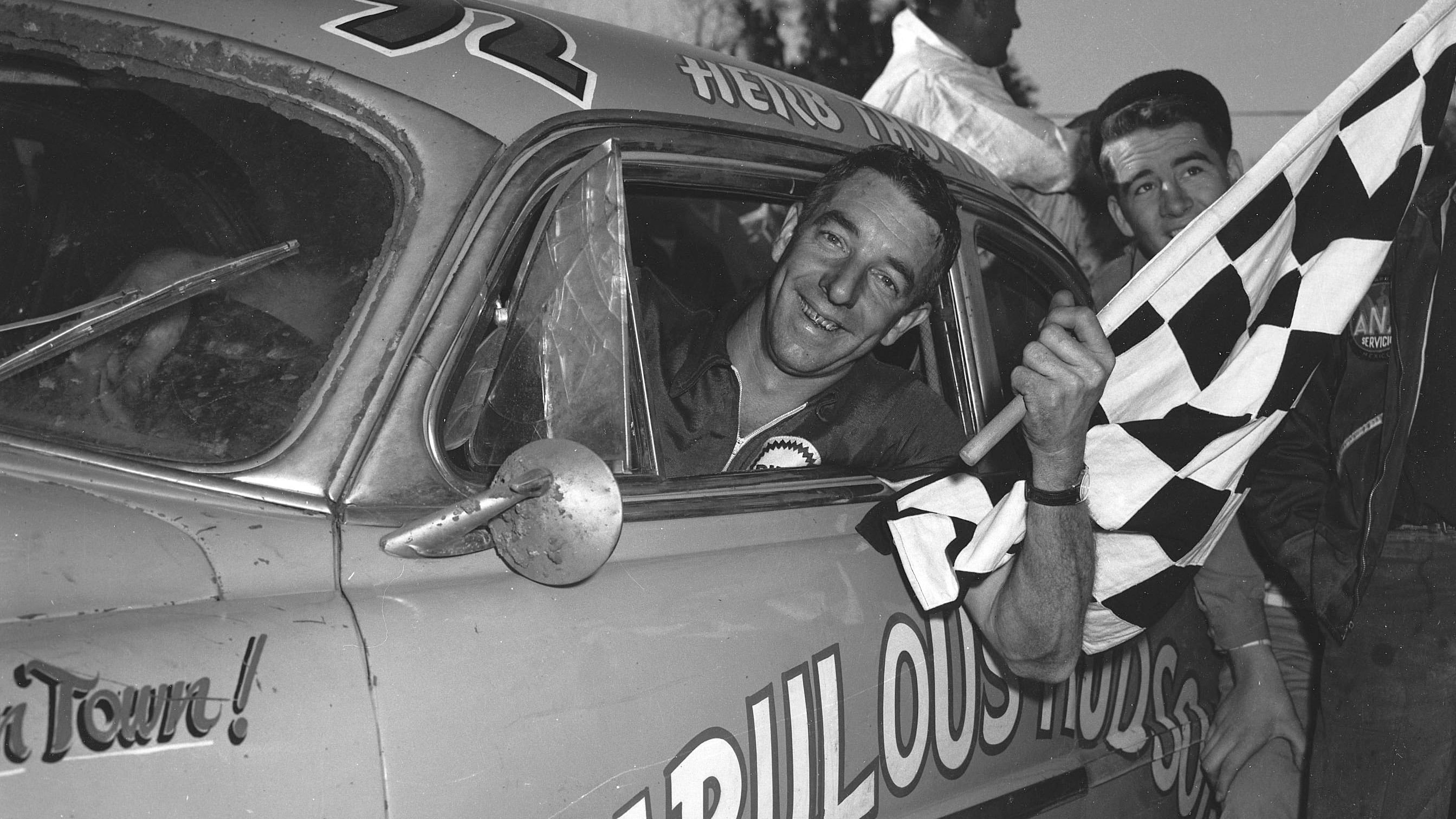
With his Hudson Hornet, Herb Thomas won the NASCAR Grand National Championship in 1951 and ‘53 with team-mate Marshall Teague.
Image credit: Getty ImagesIf Marshall Teague launched the Hornet’s racing story, Herb Thomas confirmed its legendary status. A self-taught racer, Thomas drove the Hornet to NASCAR Drivers’ Championships in 1951 and ‘53, establishing an astonishing 21.05 win percentage that remains unbeaten to this day. Watching this independent underdog punch corporate automotive giants in the mouth was a sight to behold, as the Hornet tore through the 1952 season to win 27 of the 34 major races.
The holy grail of this legacy is a 1952 Hudson Hornet once driven by Thomas and tuned by Yunick. Today, it stands alone as the only known factory racing Hornet in existence, and the oldest surviving NASCAR-winner on the planet. Its immense historical weight was formally recognised in 2022 when it was enshrined in the National Historic Vehicle Register, permanently preserving its story within the Library of Congress. Far more than a beautifully restored racer, it’s a priceless link to the chaotic, formative years of American speed.
The Hornet stands as the absolute testament to American automotive history — an era where engineering boundaries weren't simulated on computers but pushed by hand on dirt tracks.
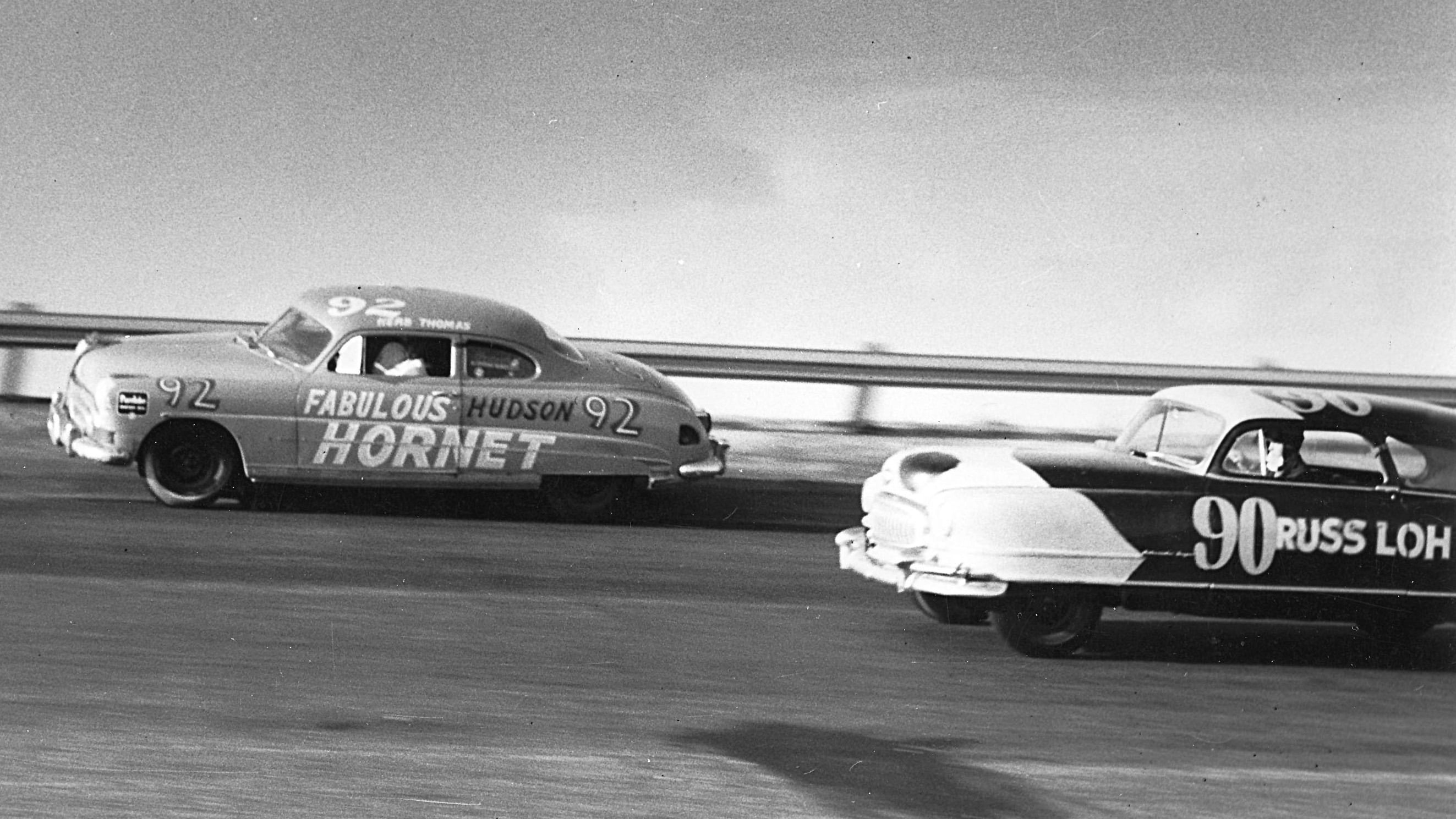
Thomas races his Hudson Hornet to victory at the Southern 500 NASCAR Cup at Darlington Raceway, September 1951.
Image credit: Getty ImagesWe can’t wait to unleash more of this incredible legacy of homegrown speed and innovation at the 2026 Festival of Speed presented by Mastercard this July, where the loudest and proudest of historic American motorsport takes centre stage as part of the Americana Celebration presented by Bank of America.
Tickets for the Festival of Speed are limited. Only Thursday admission remains but hospitality packages for all four days are available. Missed out on a ticket for Friday or Saturday? Find out how you can access our sold-out days with one of our new packages.
If you’re not already part of the GRRC, joining the Fellowship means you can save ten per cent on your 2026 tickets and grandstand passes, as well as enjoy a whole host of other on-event perks.
Main image courtesy of Getty Images.
race
historic
NASCAR
americana celebration
hudson hornet