The world-class Jaguar XJR-9 needs a world-class driver | Frankel’s Insight
 Andrew Frankel
Allow me to let you into a secret, one most people who drive racing cars tend to be somewhat reticent to impart: most racing cars are easier to drive than they look. And in that I include some really quite scary looking machines with rather formidable specifications, at least until you’re trying to drive them at qualifying speed.
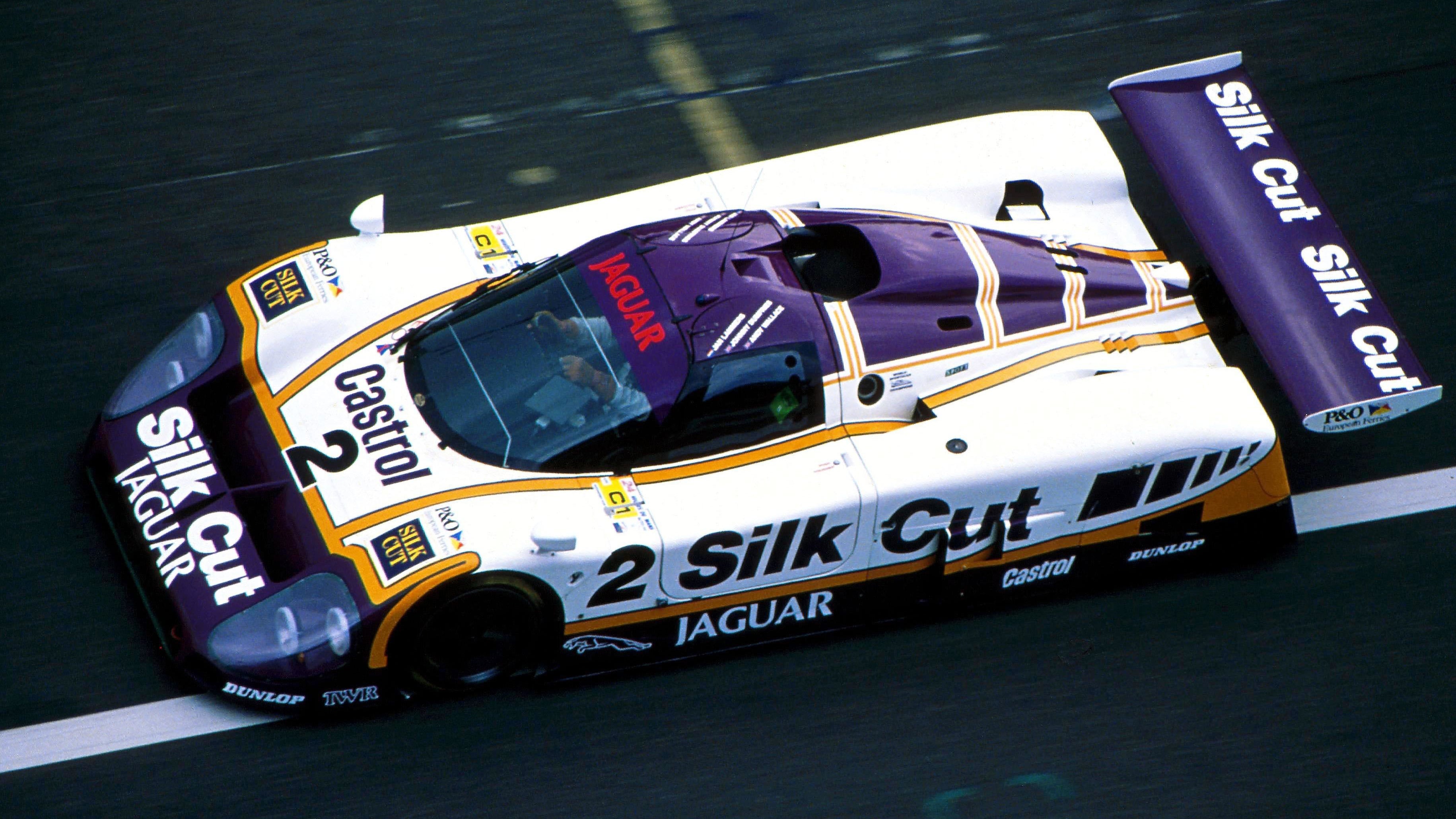
And if you think about it, it makes sense. If all a racing car tried to do was chuck itself and its driver into the nearest Tecpro barrier, it wouldn’t be a very good (or successful) racing car. I’ve driven GT4 and GT3 cars that are actually easier to drive fast on track than the road going machines from which they are derived. Even in the realms of prototypes generating huge downforce with vast slicks, they’re easier to manage than you might think.
But then there are the exceptions, which fall into two categories: those that are just not very good and might have a fundamental design flaw, and those that are absolutely world-class, just so long as it has one of the finest drivers of its era at its wheel. Such cars are the Jaguar XJR-8 and XJR-9, the former winner of the 1987 World Sports Car Championship, the latter winning Le Mans for Jaguar the following year for the first time in 31 years.
It is my barely believable fortune to have driven both — not just examples, but the actual cars that delivered the championship to Raul Boesel, and Le Mans to Andy Wallace, Jan Lammer and the late Johnny Dumfries.
However, to start, I don’t fit, which I concede is a problem more with me than the car, but still doesn’t help. I only drove both with my helmeted bonce canted to one side and only just enough clearance around the pedals and wheel for feet and hands.
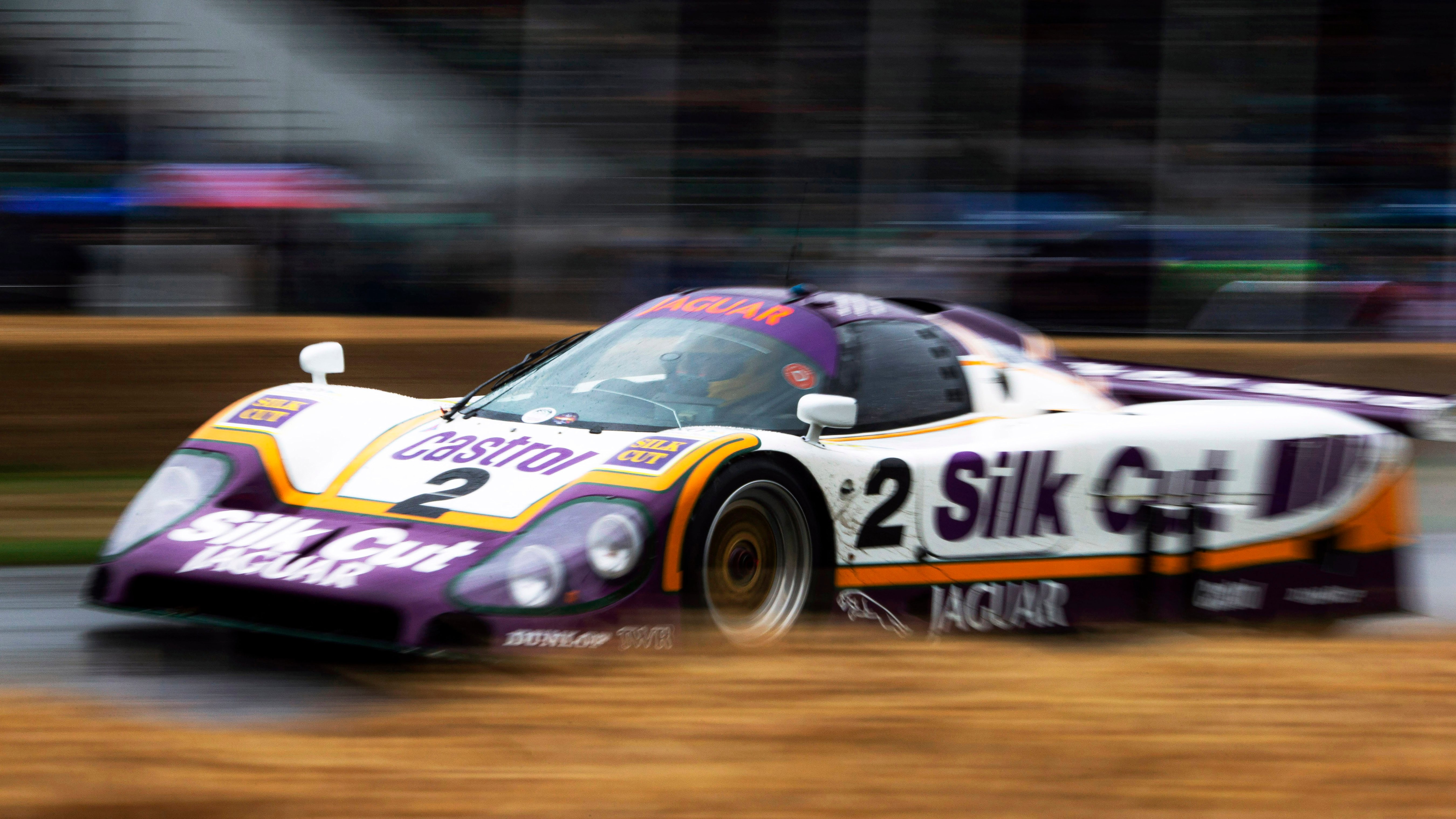
You need to remember also what kind of car this is, namely one shaped like an inverted wing with massive ground effect venturi underneath generating implausible amounts of downforce. To support its body under such massive forces it therefore needs also to be very, very stiffly sprung, and it has a spool-type differential which means the back axle is essentially locked solid.
The result is a car capable of generating levels of grip in fast corners that your eyes, brain and heart can scarcely conceive, which also feels about as at home in slow corners as a Grand National winner around a dog track. If you fail to bear this in mind, you will crash.
Then there is the engine and transmission. The latter was made by March and is a traditional dog box. In theory it provides very quick changes, but in reality it’s very easy to damage with an imprecise shifts. During the last laps of the 1988 Le Mans the leading Jaguar dropped its pace, and everyone just assumed it was controlling the race as it was effectively in the bag.
Au contraire; the gearbox was almost completely shot. Had the chasing Porsche realised the outcome might have been somewhat different. And the engine? A tall, 7.0-litre V12 with a block from a road car, mounted about an inch behind your head. John Watson once described it to me as being akin to ‘an enormous land anchor waving about just behind your head'.
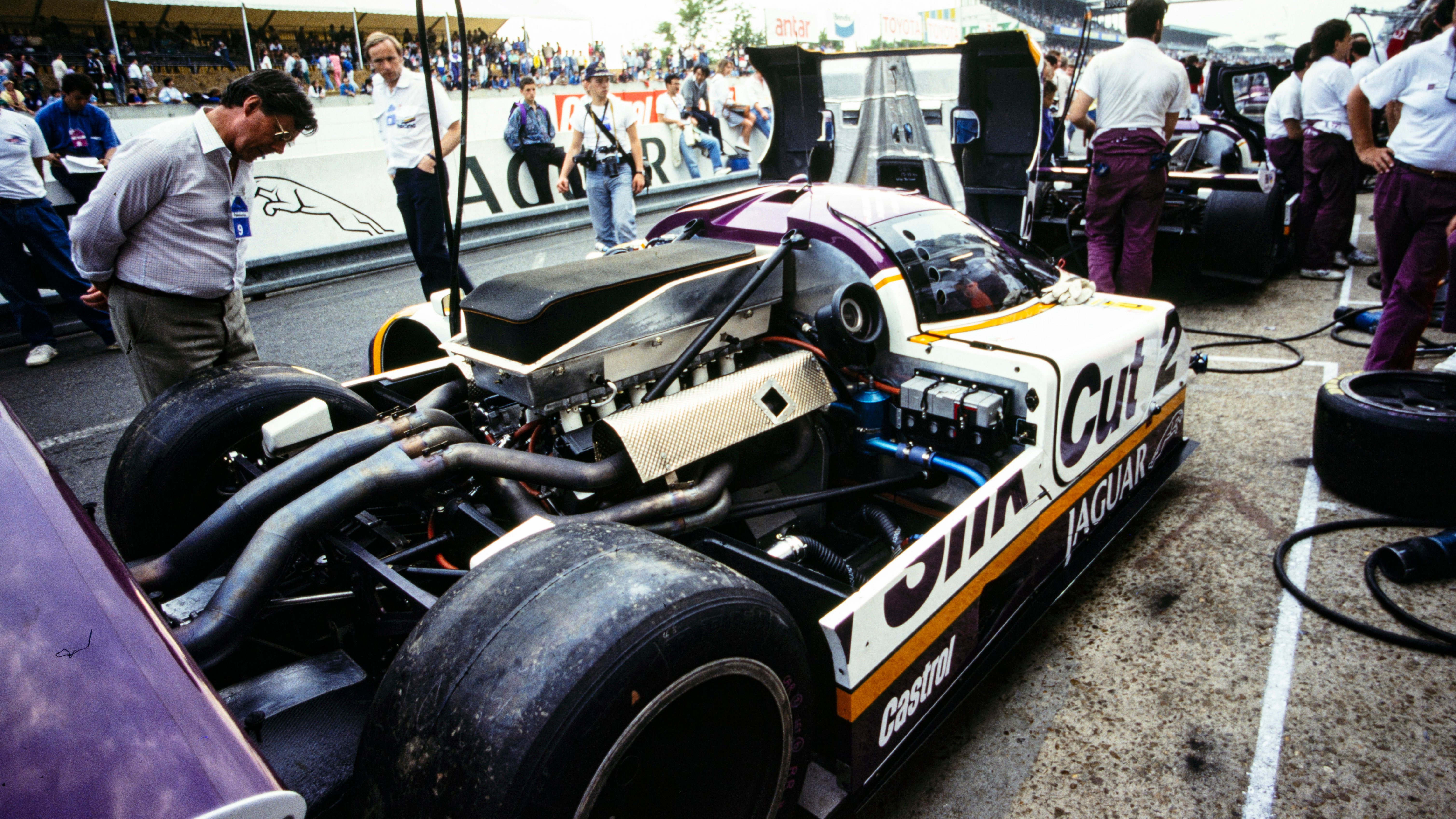
The engine doesn’t so much start as explode behind your head. It has 710PS (522kW) and is fitted to a car weighing less than the lightest Kia Picanto on sale today. The steering is entirely unassisted, requiring you to drive the car with your shoulders and elbows as much as your fingers and wrists. The clutch and brakes are absurdly heavy. You have to recalibrate your brain to accept the sheer physicality of simply driving this car before you have any chance of working out how to safely make it go fast.
And you do that by taking charge, making clean positive inputs into all the controls. Don’t try and be gentle with the gearbox; be precise instead. Don’t be progressive with the brakes when slowing from high speed; hit that middle pedal with all the force your thigh can muster.
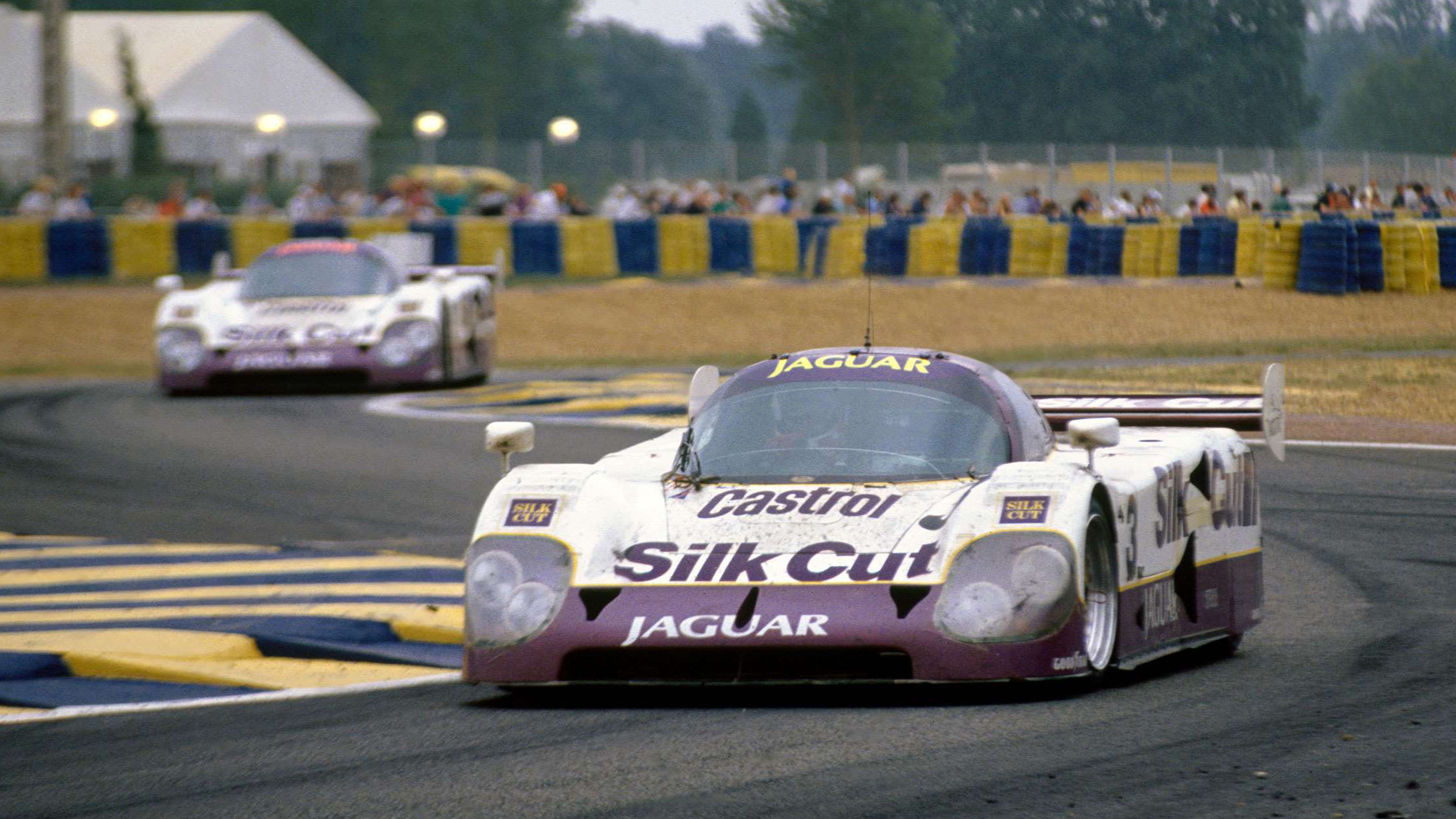
But while doing all of this, also be very, very careful. Because not only will too much throttle spin the car on the way out of the corner, so high and heavy is that engine that if you’re over-ambitious with your entry speed, back off and the break the back loose, you can spin it on the way in, too.
As mentioned, I’ve driven its greatest rival, the Porsche 962 quite a few times and, on those occasions (most memorably in the all 956/962 parade at the 2022 Members’ Meeting presented by Audrain Motorsport) I’ve often thought I’d quite like to race one. I never got that feeling in the Jaguar, not even after a dozen laps of Thruxton going as fast as I could in the ’87 Championship winner.
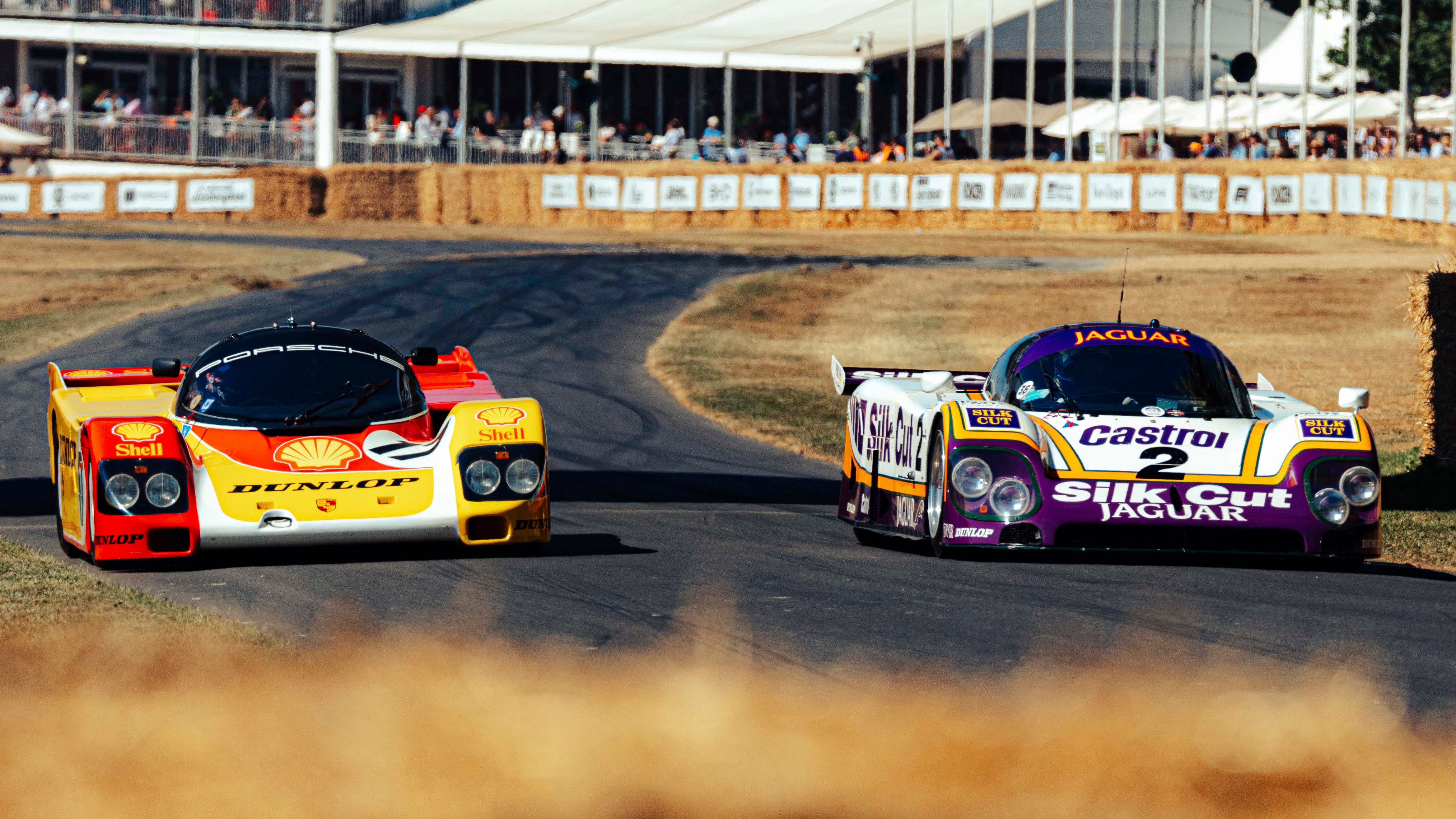
Unlike the Porsche — most of which were sold to and raced by amateurs — the Jaguar was for the pros only. It’s a difficult car to drive, period, let alone drive fast enough to be competitive and I’m just not good enough. But put someone of talent commensurate with its abilities behind the wheel and magic is the result.
This is the car that ended Porsche’s five year run the World Sportscar Championship and seven consecutive victories at Le Mans. It is rightly regarded as a true motor racing legend. I just hope that Jaguar will one day return to its spiritual home in northwest France and show it still has what it takes to do it all over again.
Main image courtesy of Getty Images.
race
historic
frankel's insight
jaguar
XJR-9
TWR celebration