When Michèle Mouton conquered the clouds
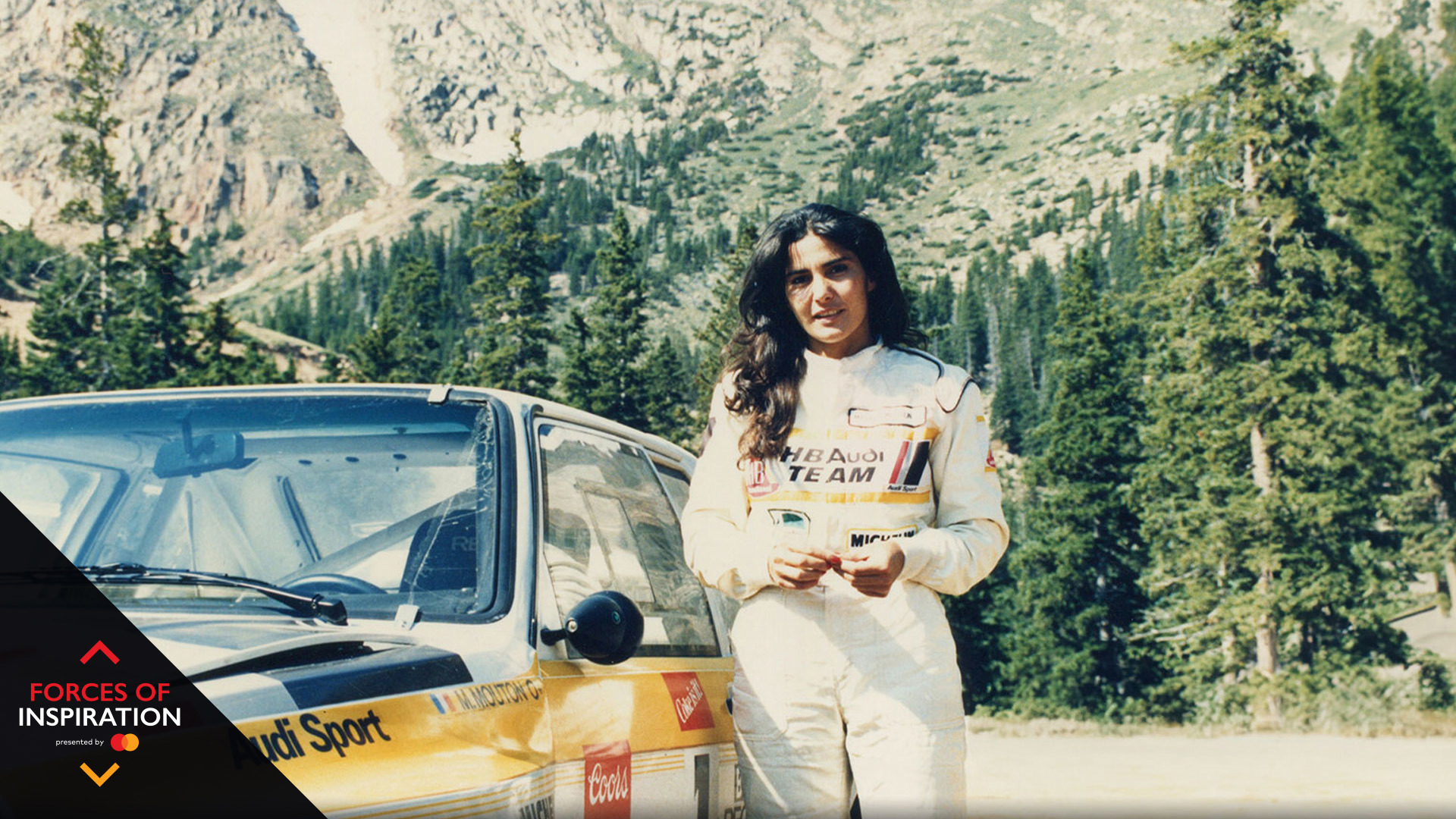
For decades, the clouds above Pikes Peak International Hill Climb were conquered exclusively by American drivers. The Unser dynasty had their flag firmly planted in Colorado Springs, until the 1980s bought with it European competition, and Michèle Mouton took the King of the Mountain moniker for herself.
The second-oldest motorsport fixture in the United States, Pikes Peak was first contested five years after the inaugural Indianapolis 500, in 1916. But unlike the Midwestern fixture, which crowned scatterings of foreign winners since its earliest editions, Pikes Peak was steadfastly an all-American affair.
It was entrepreneur Spencer Penrose and his business partner, Charles Tutt, who had the 12-mile road to the summit of Pikes Peak constructed at the cost of $283,000 (£6.4million today). The intention was to promote tourism to the area, though Penrose also organised the motor race, awarding the Penrose Trophy to its first winner, Rea Lentz.

Over the Road
Read more
In the years that followed it came to be understood that an Unser always won. Louis Unser took nine wins between 1934-53 (taking into account a four-year gap during World War II), before passing the baton to his nephew, Bobby, who repeatedly broke his own record time in the process of earning ten victories from 1956-86. Bobby’s younger brother, Al, also picked up two wins, in 1964 and 65. When Mouton first arrived at the mountain in 1984, the time to beat was 11:38.300, set by Al’s son, Al Unser Jr. the year prior.
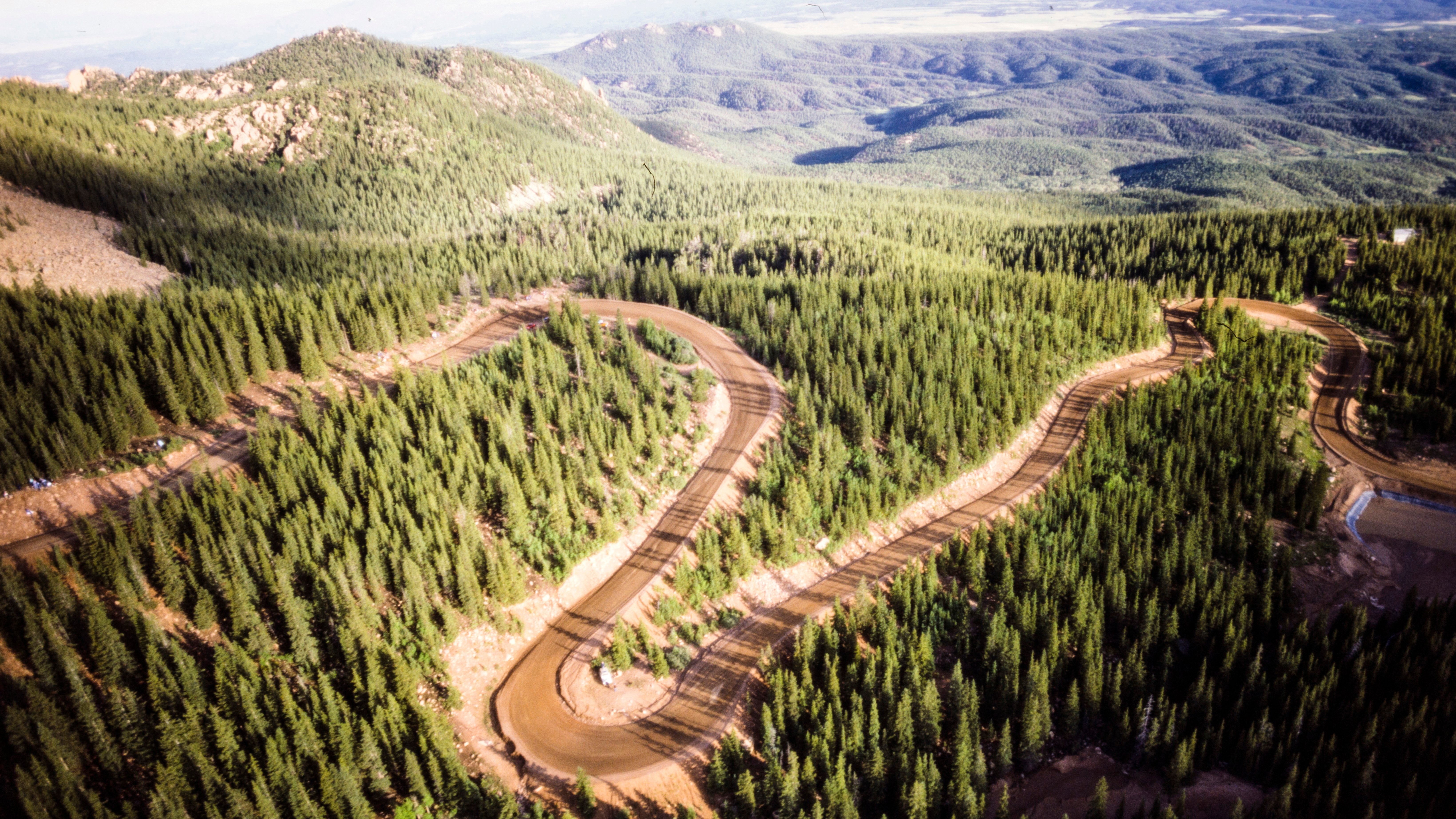
The Pikes Peak International Hillclimb, photographed in March 1986.
Image credit: Getty ImagesAround this time Audi was enjoying its prime in the World Rally Championship, winning the Manufacturers’ title in 1982 and ’84, and sensing the publicity opportunities the Race to the Clouds could offer it was Audi of America who lobbied for the Ingolstadt outfit, and specifically Mouton — who’d made her name during her championship challenge in ’82 — to come to Colorado.
Her first outing in 1984 marked the arrival of European competition to this American institution, and Mouton and trusty co-driver Fabrizia Pons steered their Audi Quattro up the course in 12:10.38. Though that time was 17 seconds slower than Mouton’s practice efforts, it was ten seconds faster than John Buffum’s best run in a Quattro the year before, and was good enough for victory in the Open Rally category of the competition and second overall.
This was a warning for her opponents. In 1984 the Quattro had already bested many machines with specialised V8 engines that were used to dominating the course, but Audi’s preparations for the following year took things to the next level.
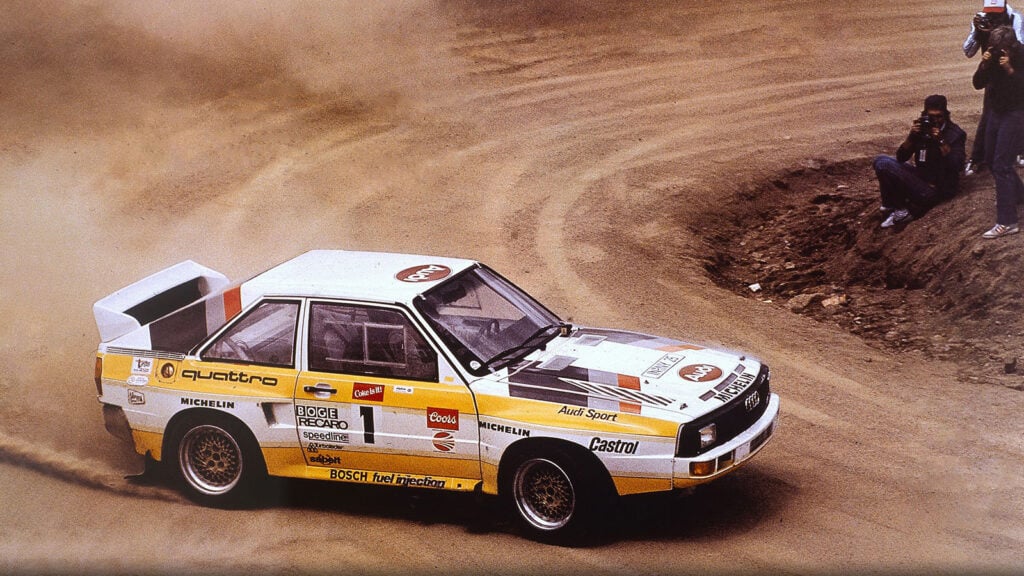
Mouton tackles the course in 1985 in her developed Audi Quattro.
Image credit: Audi Club North America/Audi TraditionMouton’s Quattro for 1985 was the same chassis Walter Röhrl used in the Corsica Rally the month before, equipped with an aluminium block five-cylinder turbocharged engine that could produce around 507PS (373kW) and 480Nm (354lb ft) of torque. Audi learned lessons concerning the impact of the high altitude — a rise from 9,400ft to a peak of 14,000ft — and had worked on the electrics, introduced new Michelin tyres fitted to BBS modular alloys, and utilised lightweight titanium and Kevlar to reduce the car’s weight to just over 1,000kg.
Finally, the assessment from team boss Roland Gumpert was that Mouton would have had enough to win outright in 1984, if it wasn’t for the extra weight of co-driver Pons, so seeking the competitive edge she was forsaken the following year.
But not everyone was thrilled at the idea of Mouton conquering the climb. It seemed as though events were conspiring against her when she was handed penalties ‘one of the boys’ may likely have escaped.
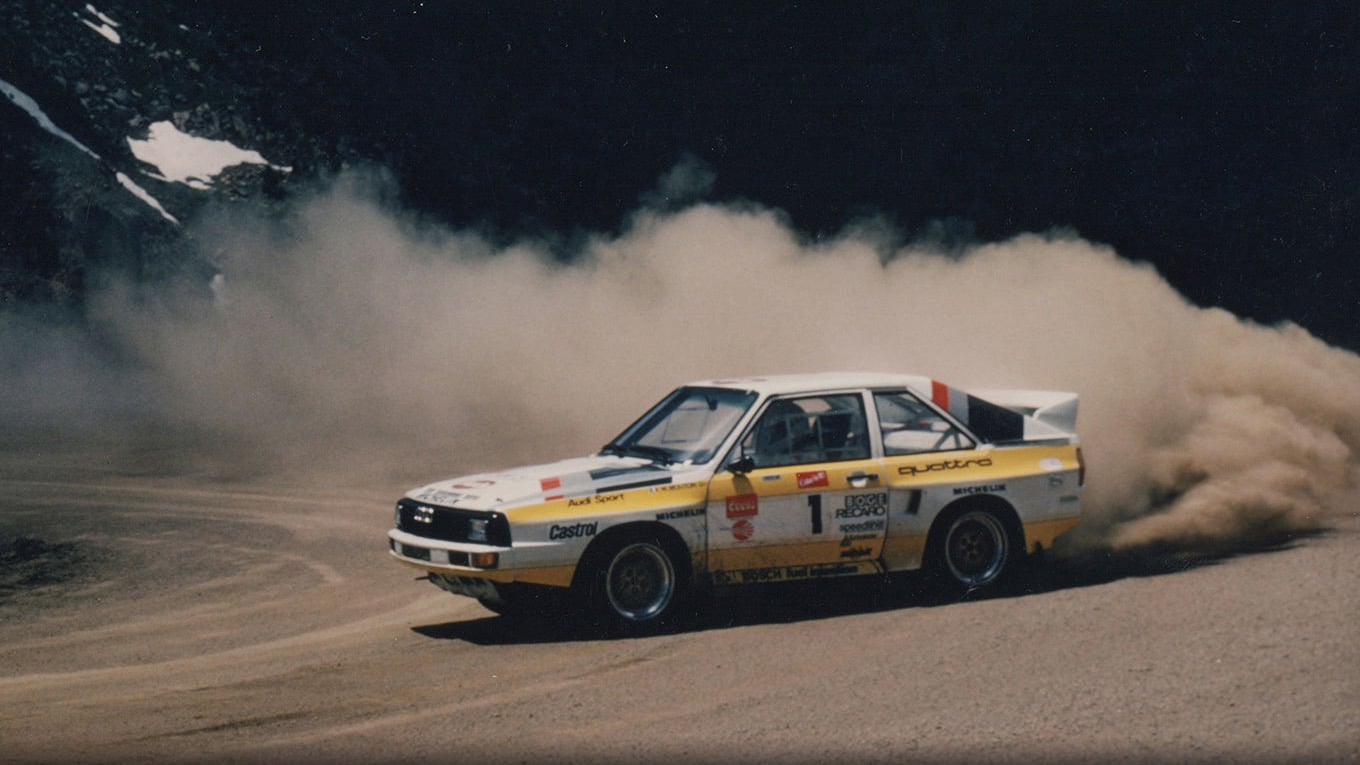
Fuelled by the frustration of her penalties, Mouton smashed Al Unser Jr.'s time to set a new course record.
Image credit: Audi Club North America/Volkswagen AGShe was first fined for speeding in a practice session having gone 5mph over the limit, then later fined again for throwing up gravel at marshals when spinning her wheels to build up heat at the start — a hack commonplace in the WRC.
For this she was also denied a flying start for her run and banned from driving anywhere other than the hillclimb, meaning Mouton’s mechanics had to push the car with her inside to the start.
She later said to the press: “Both incidents were really harmless. I don’t understand how you could make such drama of it. But not everyone was happy that we had come back to Pikes Peak. A European car that drives circles around the competition, and with a woman at the wheel – that went against the grain of some people.”
Furthermore, on race day a hailstorm had transformed conditions and greatly reduced grip, but Mouton had never been more determined and persisted in taking the winding course flat out.
"If you put pressure on me, I will only become stronger," she had vowed, and so it proved; she crossed the finish line in 11:25.39, smashing Al Unser Jr.’s record by 13 seconds. Afterwards she approximated that she would have been able to go another ten seconds faster if she had run in the wet conditions before.
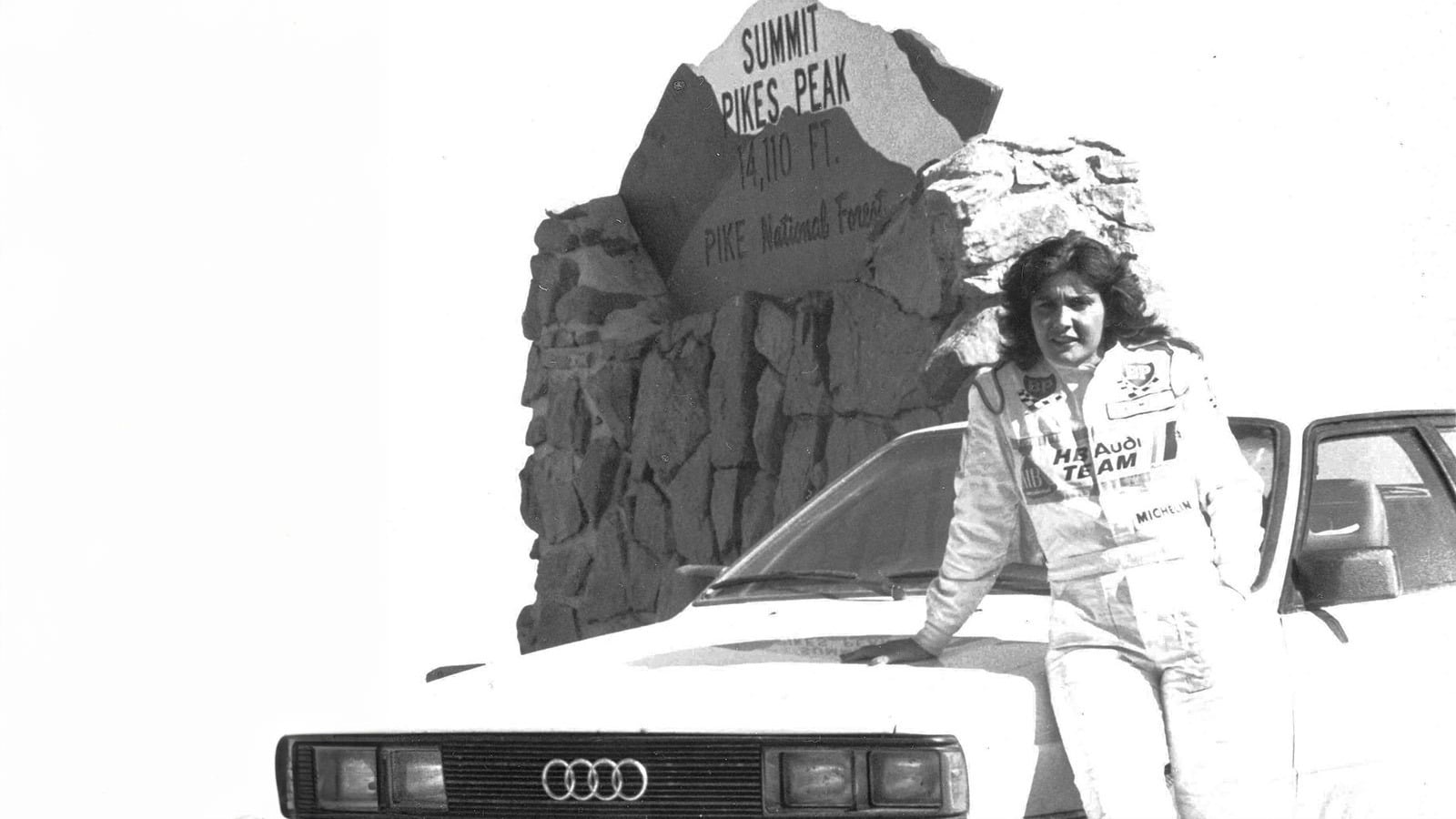
Mouton reached the summit of Pikes Peak in 11:25.39, 13seconds faster than the previous best.
Image credit: Audi Club North America/Audi AGUnser Jr. was naturally unhappy at surrendering the family record — and to a French woman — but as Mouton understood, in rallying, time is the most important thing. "If you have the balls you can try to race me back down as well," was her famous retort.
As for her other competitors, Mouton was surprisingly warmed by their response to her success. “They came to me after the race and congratulated me,” she said. “They were happy that we came. They drive at Pikes Peak because they enjoy it and they want you to share this fun with them.”
Audi of America were more than happy to share in the occasion, and boss Joe Hoppen started dreaming up a future contest between Mouton and Unser Jr. in identical Audis. But it wasn’t to be. Mouton left the team at the end of the year after Audi’s limitations to its WRC programme for the 1985 season sidelined her and Hannu Mikkola to test roles for the majority of the year.
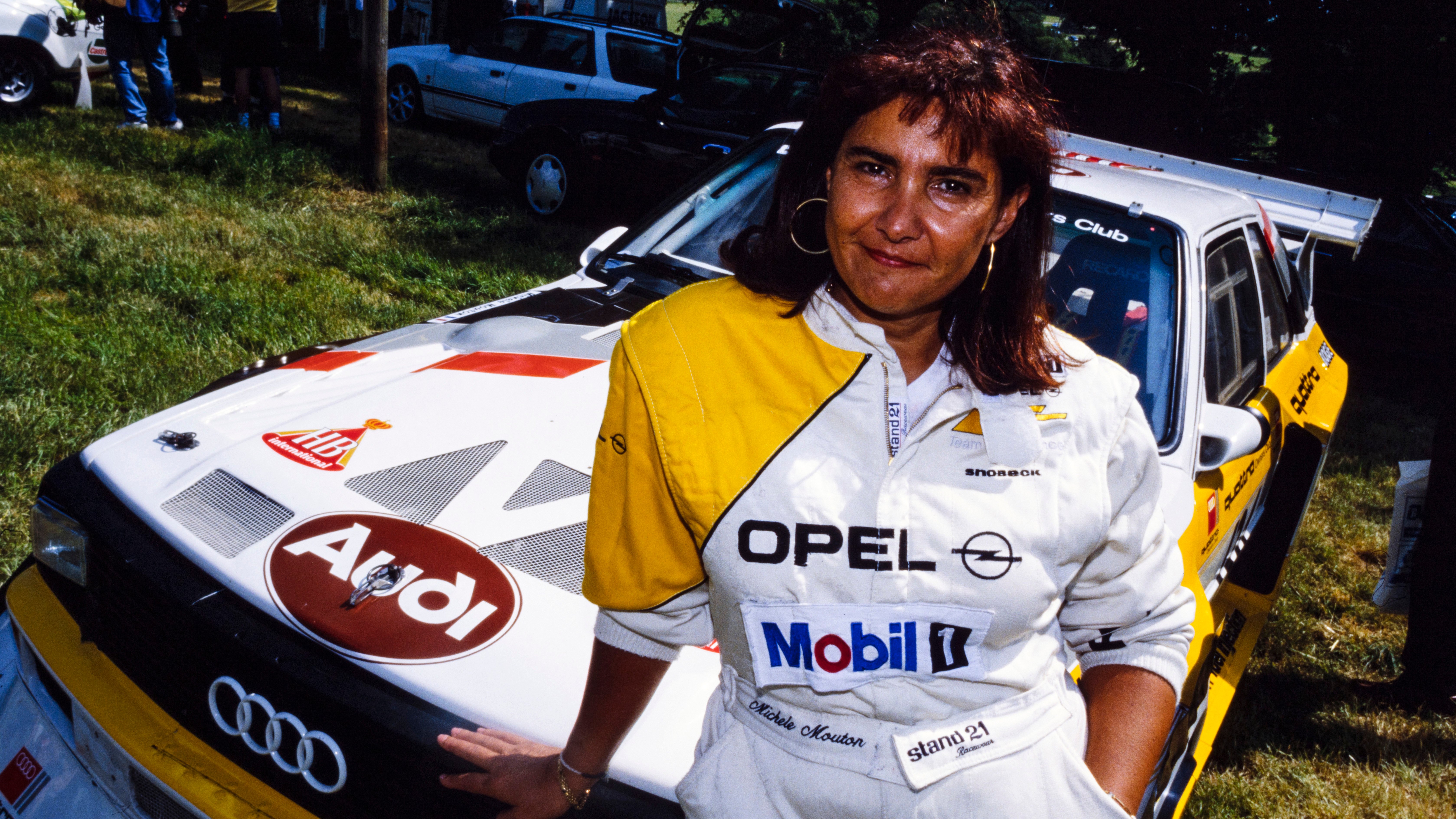
At the 1996 Festival of Speed, Mouton was reunited with her '85 Quattro for a run up the Hill.
Image credit: Getty ImagesBut Mouton left her mark in America, becoming the first and only Queen of the Mountain, and was inducted into the Pikes Peak Hall of Fame in April 2025. We’ll be celebrating the storied history of Pikes Peak and far more besides with the Americana Celebration presented by Bank of America at the 2026 Festival of Speed presented by Mastercard.
Tickets for the Festival of Speed are limited. Only Thursday admission remains but hospitality packages for all four days are available. Missed out on a ticket for Friday or Saturday? Find out how you can access our sold-out days with one of our new packages.
If you’re not already part of the GRRC, joining the Fellowship means you can save ten per cent on your 2026 tickets and grandstand passes, as well as enjoy a whole host of other on-event perks.
Main image courtesy of Volkswagen AG.
race
historic
Michele Mouton
Pikes Peak
americana celebration
fos 2026