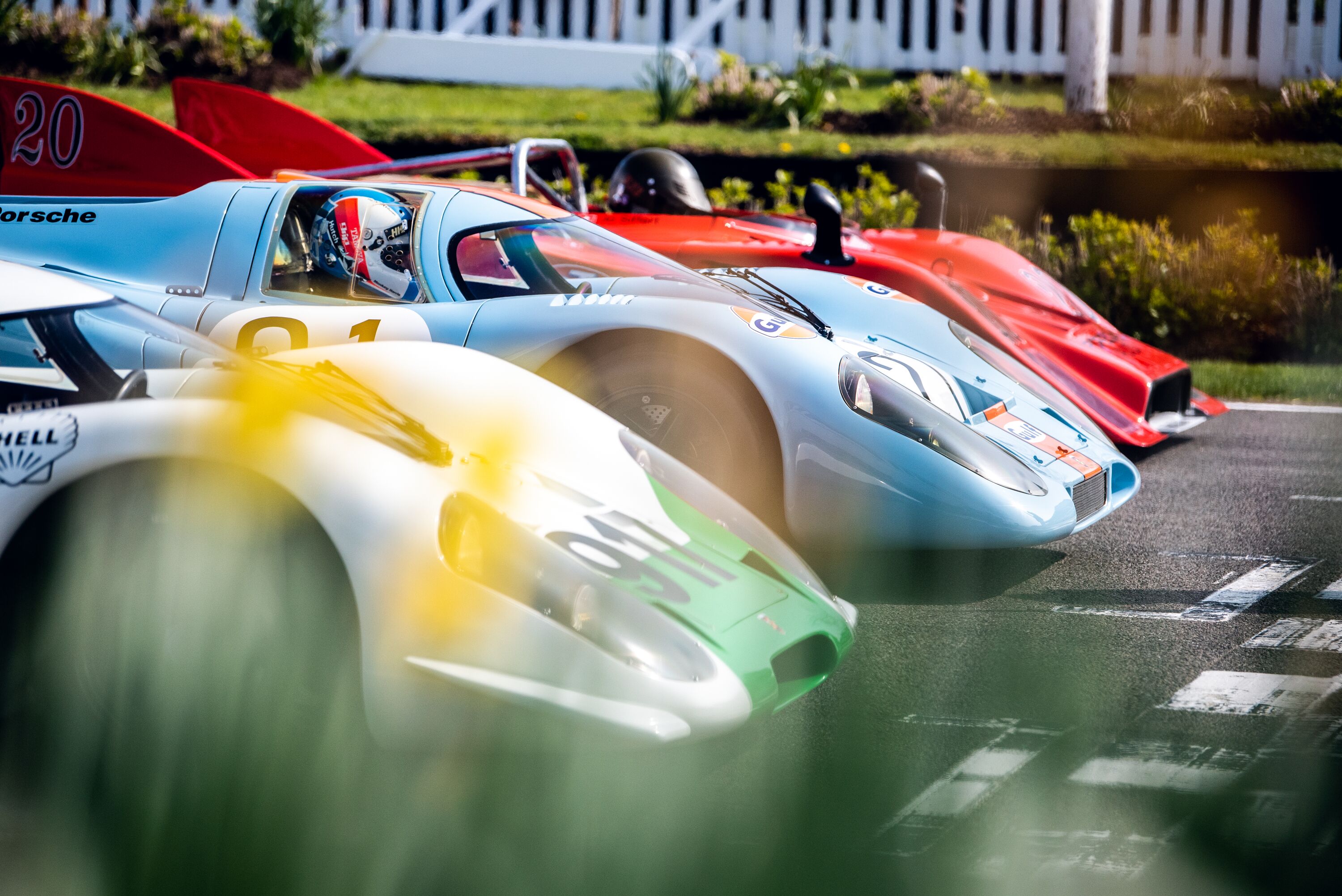
The Indy 500: America’s most prestigious race
Drivers, start your engines! The 110th running of the Indianapolis 500 will fire into life this coming Sunday, 24th May. A sellout crowd of approximately 350,000 will pack into the grandstands around the historic 2.5-mile Motor Speedway to witness who next will have their facial likeness sculpted on to the 5ft-tall Borg-Warner Trophy, as the latest conqueror of the self-styled ‘Greatest Spectacle in Racing.’ Predictions regularly prove to be futile…
NASCAR’s Daytona 500 is huge, but for most Americans, the Indy 500 is still surely the biggest and most famous motor race of them all. Internationally, it certainly counts for more — which is why the great race at the track they call The Brickyard will be centre stage at the Festival of Speed presented by Mastercard this July, as part of our Americana Celebration presented by Bank of America.
Better than a championship
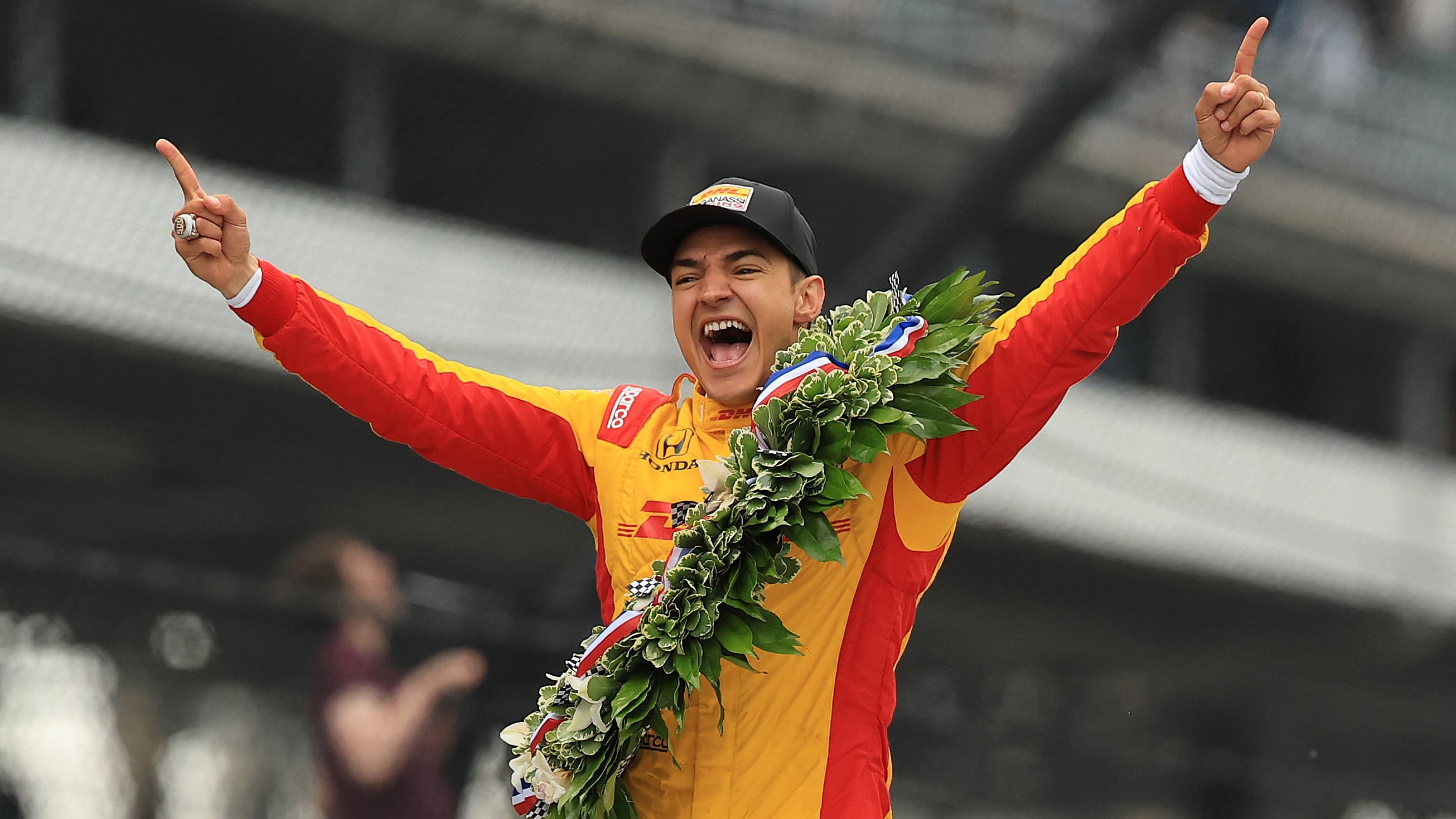
At 29, Álex Palou is already a four-time IndyCar Champion. The Spaniard is well on his way to becoming one of the all-time greats of US single-seater racing, yet until May last year he hadn’t won the Indianapolis 500.
Without that victory in 2025 — at the sixth time of trying — Palou knew he could have no claim to a place among the pantheon. Victory at Indy changes everything.
Now he needs to do it again, and perhaps even a couple more times in the years to come, if he is to truly stand tall among the legends of the past. The reality is, as much as racing drivers crave championships, the big races matter more. In sportscars, a win at the Le Mans 24 Hours has a greater status than a World Endurance Championship crown, and the same is emphatically the case for IndyCar aces when it comes to the season title or the Indy 500. If they had to, we know which one they’d choose.
Over the Road
Read more
Tradition counts for everything
“I won in 2025, but who cares?” says Palou. “I need to do it again in 2026. The Indy 500 is different. Once you win and experience everything that comes with winning the Indy 500 you want more… I need more.”
A win at the 500 is life-changing, as Palou admits. “I still live in the same house and I still wake up at the same time. But now I’m happier,” he says. “And when they introduce my name they say ‘Indy 500 winner’. Also a lot more people recognise me. The love for that race is huge.”
It’s been that way for more than a century. First run in 1911, the Indy 500 quickly established itself as America’s Great Race with its own unique traditions. Originally laid with what must have been a teeth-chatteringly rough surface made from bricks (hence the nickname), its consecutive run has only been interrupted by two World Wars.
It’s a staple of America’s Memorial Day holiday weekend; ‘Back Home in Indiana’ is sung before the start; the winner always drinks a quart of milk after stepping from their car. These are traditions set as solidly as the yard of bricks that remain imbedded on the start/finish straight.
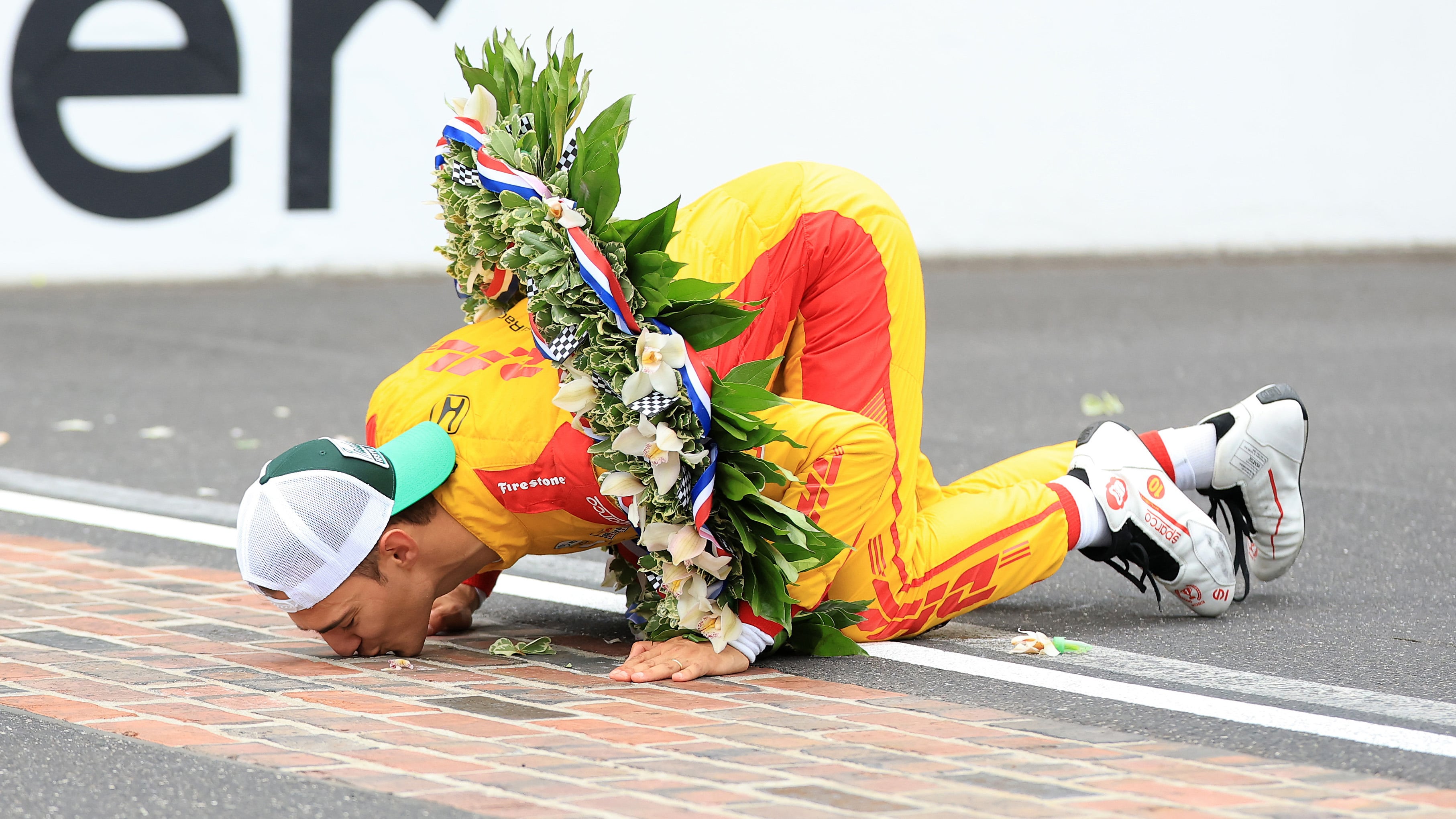
Alex Palou kisses the bricks after taking his first win at Indianapolis in 2025.
Image credit: Getty ImagesIt’s also worth remembering that, much like Le Mans, the Indy 500’s high status was established quickly. The anomaly of the Indy 500 counting as a round of the Formula 1 World Championship through the 1950s is well-known, but it was also included in the original Manufacturers’ World Championship that ran between 1925-28, too.
While on one hand US racing has often appeared insular in its outlook, the Indy 500 was always on the radar for Europeans, even if for decades their forays across the Atlantic to tackle it were sporadic and rarely successful.
The rear-engined revolution
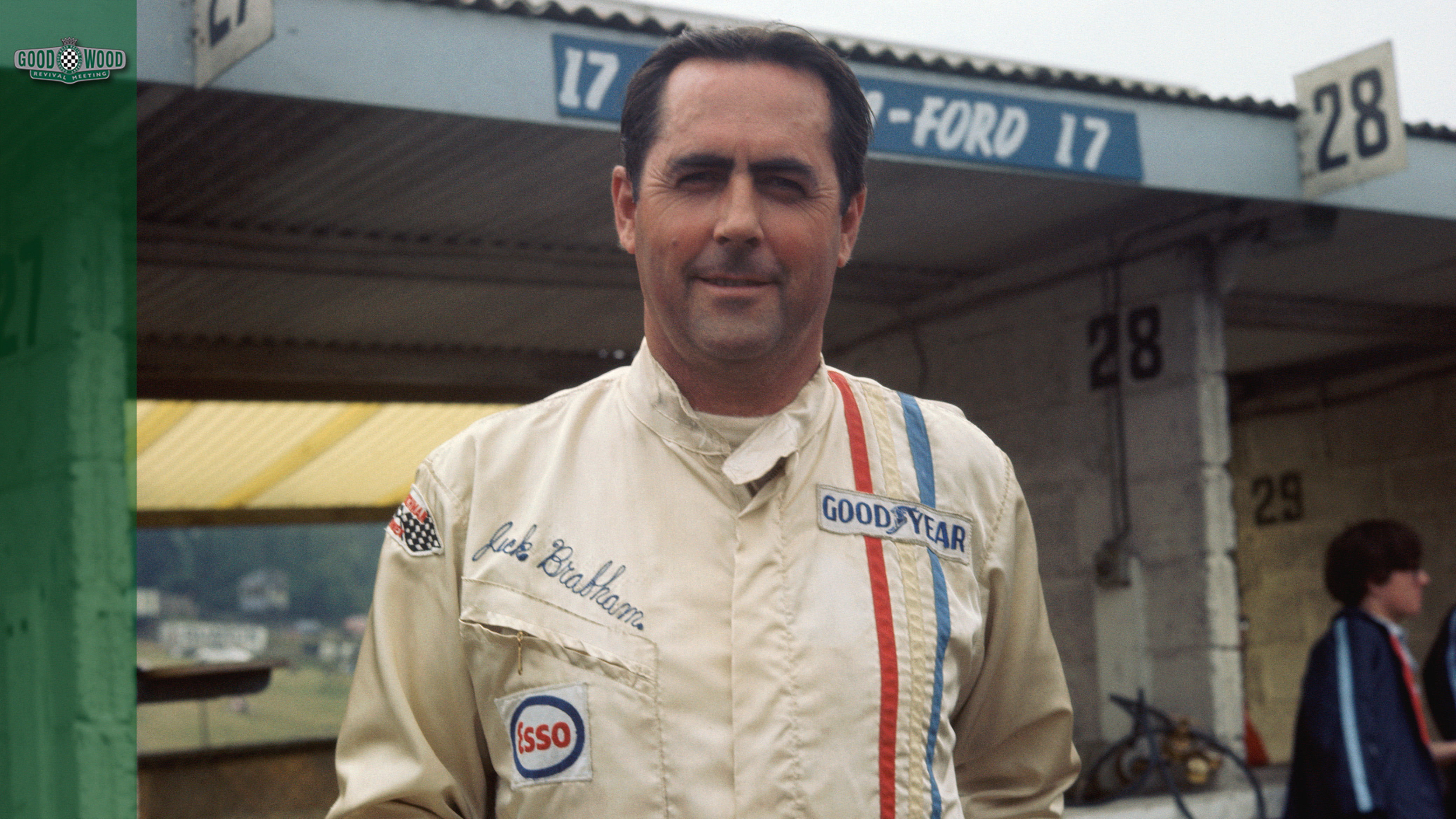
That changed dramatically in the 1960s when British-based F1 teams recognised an opportunity with their ‘funny little cars with the engines in the back’. Cooper and Jack Brabham were the pioneers in 1961. The seed was sown two years earlier at the Sebring F1 Grand Prix when Brabham wrapped up his first World Championship. In that race, Indy 500 winner Rodger Ward turned out in a Midget oval racer — F1 was a different world back then! Ward was impressed by the performance of the Coopers and convinced Brabham to pay Indy a visit.
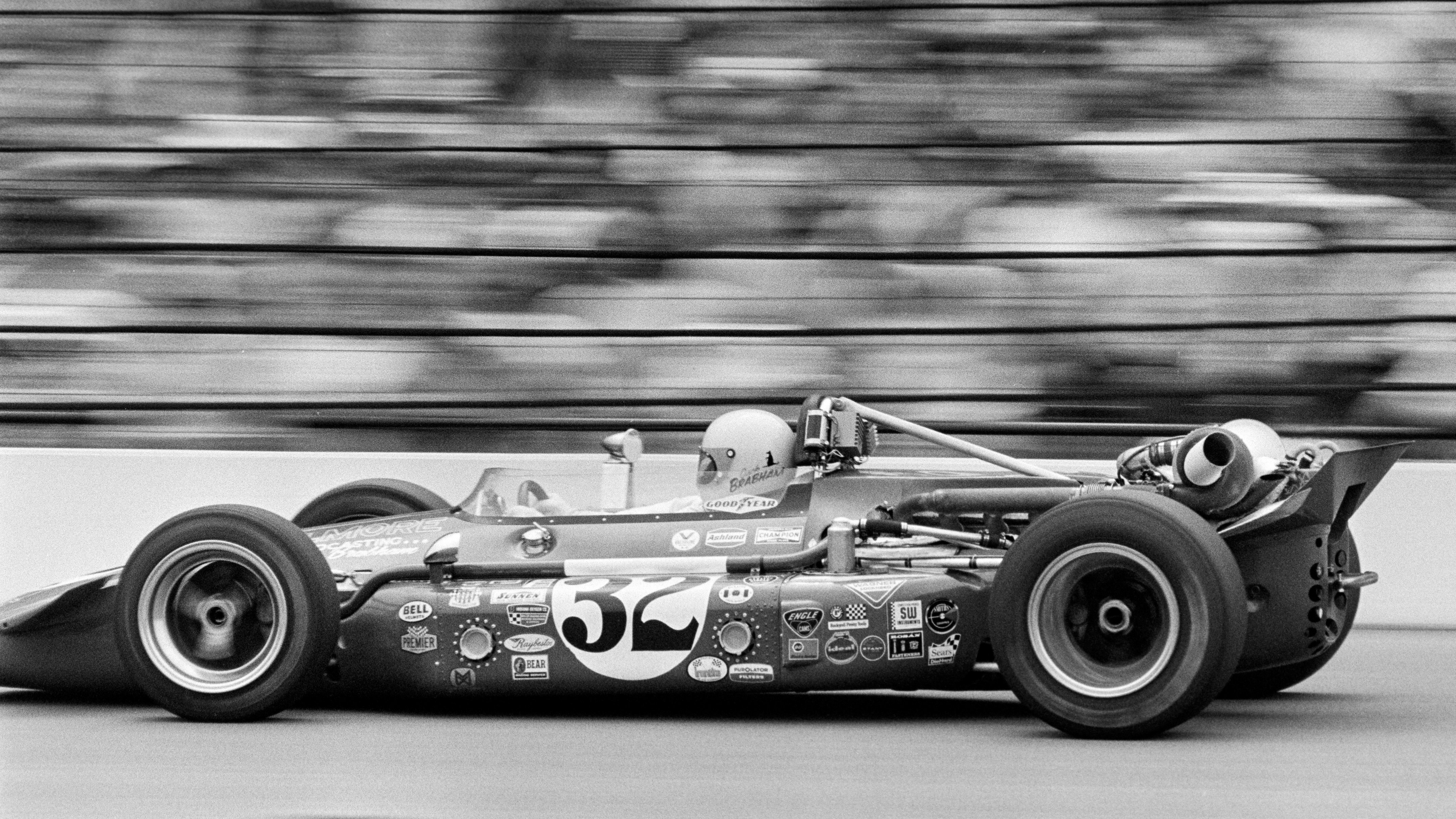
Jack Brabham contested the Indy 500 for the fourth and final time in 1970. His best finish at The Brickyard was ninth in 1961.
Image credit: Getty ImagesA test the following year in his Cooper ‘Lowline’ F1 convinced Brabham that a concerted effort for such a car to win the 500 was worth pursuing. First time out, in a specially adapted Cooper, Brabham finished ninth on his Indy debut in 1961. Higher than expected tyre wear and a crossed thread pitstop problem delayed his progress, but amid the behemoth front-engined roadsters the little Cooper had shown obvious potential. And crucially Brabham had earned $9,000 in prize money.
Colin Chapman at Lotus took note and, within four years Jim Clark scored the first victory for a rear-engined car. The glorious old roadsters were made obsolete.
Roll-call of Indy heroes
Through the following decades, speeds rose far north of 200mph as advances in aerodynamics and engine power raised the game — and American racing heroes largely claimed back their race from the European invaders of the 1960s.
But in recent decades, the pendulum has swung again and IndyCar has evolved into a much more international arena. Since the turn of the millennium, only five Americans have won the 500: Buddy Rice (2004); Sam Hornish Jr. (2006); Ryan Hunter-Reay (2014); Alexander Rossi (2016) and Josef Newgarden (twice consecutively in 2023 and ’24).
In terms of most wins, Palou needs three more to match the quartet who currently share the record of four: AJ Foyt — arguably Indy’s greatest folk-hero (1961, ’64, ’67 and ’77); Al Unser (1970, ’71, ’78 and ’87); Rick Mears (1979, ’84, ’88 and ’91); and Brazilian interloper Helio Castroneves (2001, ’02, ’09 and ’21). At 51, Castroneves is bidding to strike out alone and win for a fifth time this year, with Meyer Shank Racing.
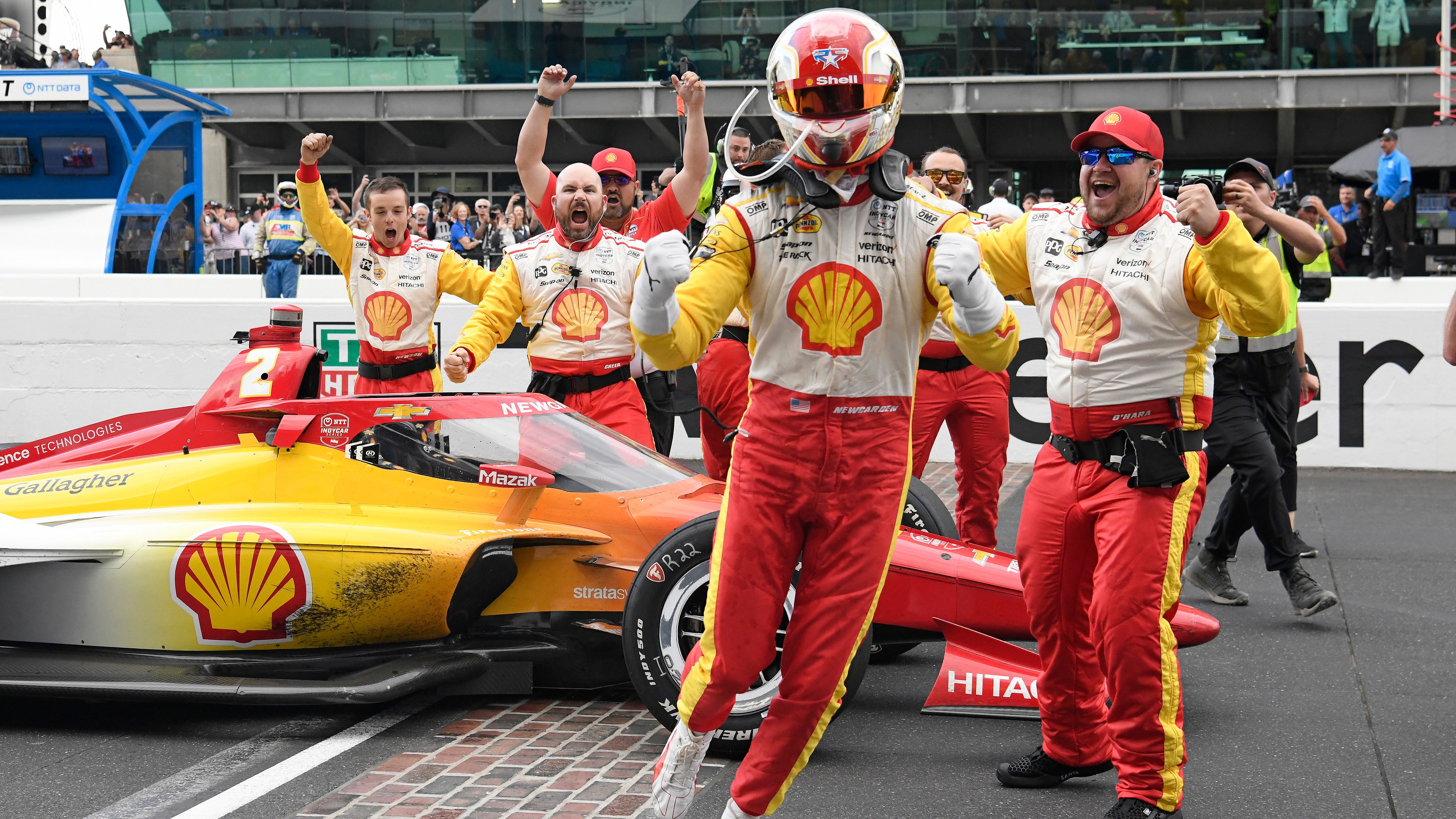
Josef Newgarden's second success in 2024 marked the dominant Penske team's 20th Indy 500 victory.
Image credit: Getty ImagesIn terms of teams, Penske is by far and away the most successful at the 500, with Newgarden’s twin victories ensuring ‘The Captain’ Roger Penske’s tally sits at 20, all since the team’s first in 1972. Penske’s closest challengers are Andretti Autosport and Palou’s Chip Ganassi Racing team, on six each.
What to look out for on Sunday
Along with Palou’s bid for a second consecutive victory, the field of 33 cars and drivers this year includes seven other previous winners: Castroneves, two-time winners Takuma Sato and Newgarden, Scott Dixon, Americans Hunter-Reay and Rossi, Will Power and Marcus Ericsson.
It’s no surprise that Americans outnumber the other nationalities, with 12, but there are also three Brits who should be on the grid this year: Louis Foster, Jack Harvey and Katherine Legge.
The last-named is the latest to attempt a special double. Guildford-born Legge, 45, drives for AJ Foyt and will be attempting to make her fifth appearance at the 500 — then she’ll fly direct to Charlotte to drive a Chevrolet in NASCAR’s Coca-Cola 600 on the same day. Only one driver, Tony Stewart in 2001, has managed to finish all 250 laps at Indy and all 400 at Charlotte, for the gruelling total of 1,100 miles.
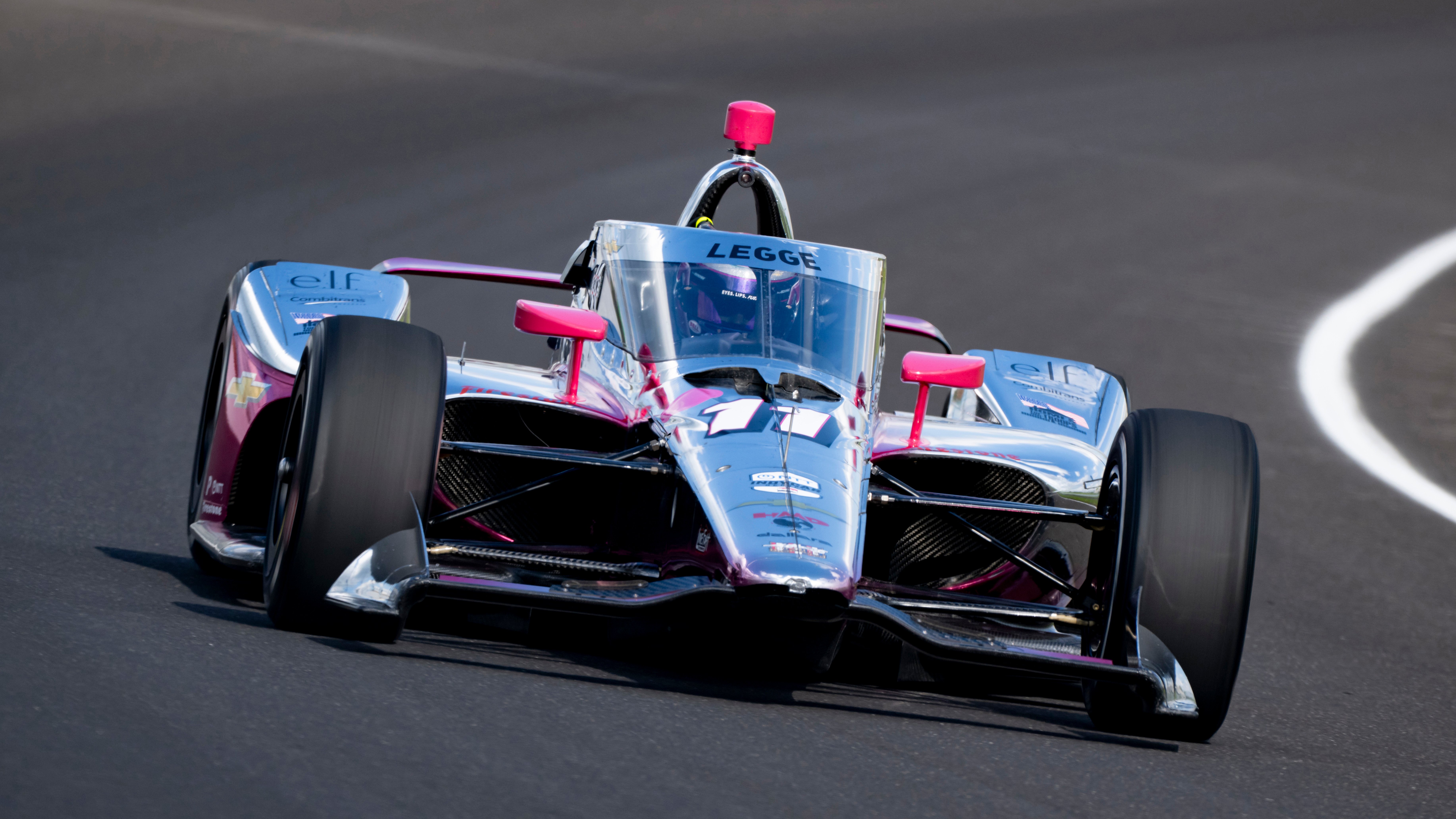
Britain's Katherine Legge will take part in her sixth Indy 500 in 2026.
Image credit: Getty Images“Very few drivers ever get the opportunity to attempt ‘The Double,’ and I do not take that opportunity lightly,” Legge has said. “This challenge is about pushing through perceived limits, betting on yourself, taking risks and trying to do something unique.”
At the sharp end, that man Palou lines up on pole position, having set a four-lap average in qualifying on Sunday at a heady 232.248mph. He is clearly the hot favourite. The Spaniard leads the IndyCar standings, having won three of the six rounds this year, and has a second victory in his sights at the one that stands far clear of the rest.
But over 500 miles and in a race that always throws up a curveball or three, nothing can ever be certain, even for Palou. Destiny awaits for someone.
Tickets for the Festival of Speed are limited. Only Thursday admission remains but hospitality packages for all four days are available. If you’re not already part of the GRRC, joining the Fellowship means you can save ten per cent on your 2026 tickets and grandstand passes, as well as enjoy a whole host of other on-event perks.
Main image courtesy of Getty Images.
race
modern
indy 500
Indianapolis 500
americana celebration