Cars that are dying in 2026
The car industry is moving faster than ever, driven by electrification, changing regulations and the need for manufacturers to streamline their ranges. As a result, 2026 will mark the end of the road for several well-known models.
Some of these cars were niche favourites, others were mainstream sellers and some never fully lived up to their potential. Here we take a detailed look at the cars being retired in 2026 and why their manufacturers have decided to move on.
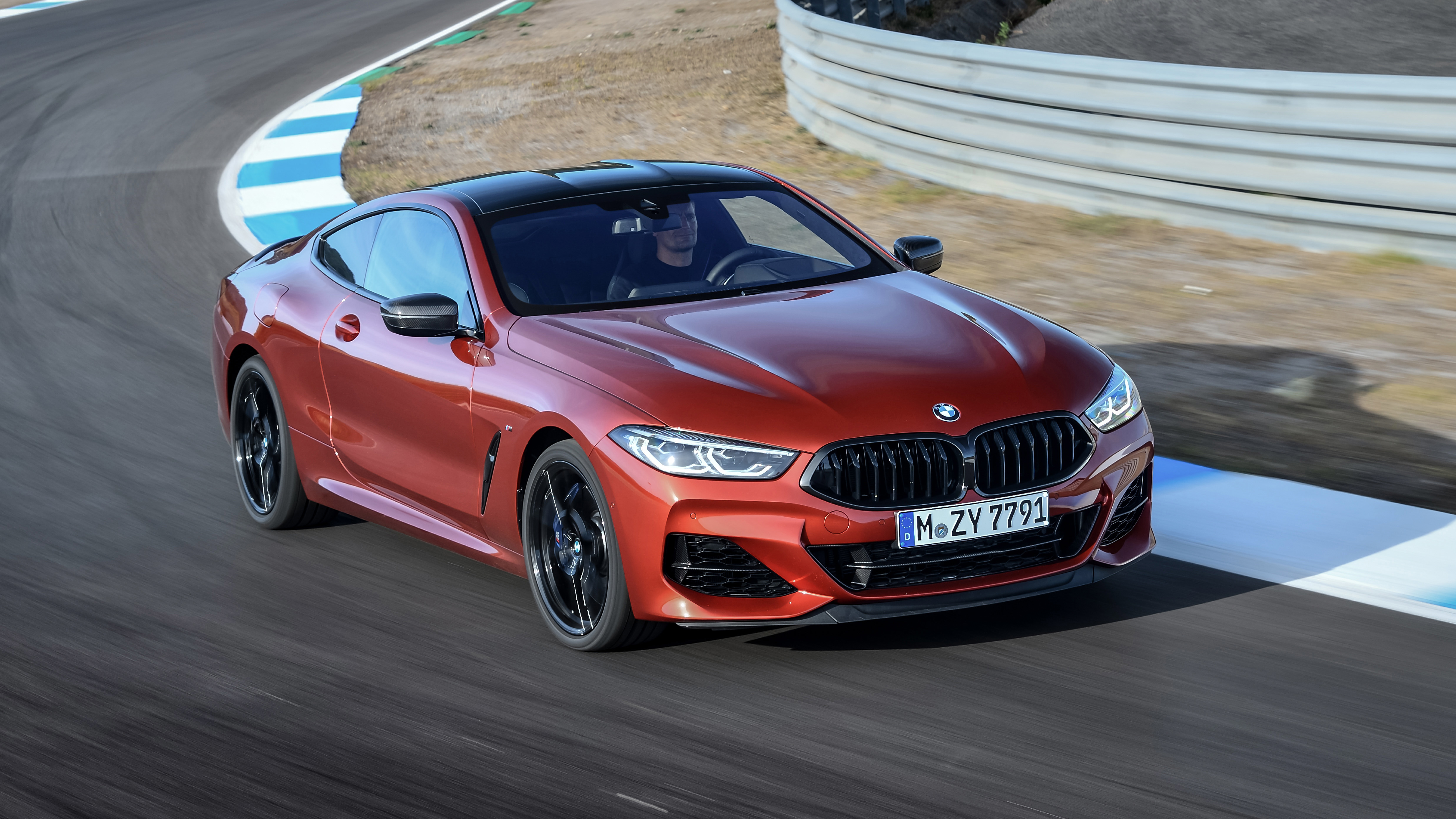
BMW 8 Series Gran Coupe
BMW’s flagship 8 Series Coupe will bow out for 2025, taking the Gran Coupe and Convertible versions with it. Although the 8 Series looked promising on paper — with smart looks, decent handling and an excellent engine — it struggled to capture the magic of rivals like the Lexus LC500 and Porsche 911.
By comparison, the 8 Series felt like a slightly sportier 5 Series saloon in a sharper suit. BMW has not yet confirmed whether a direct replacement is coming, leaving the future of a large BMW GT car uncertain.
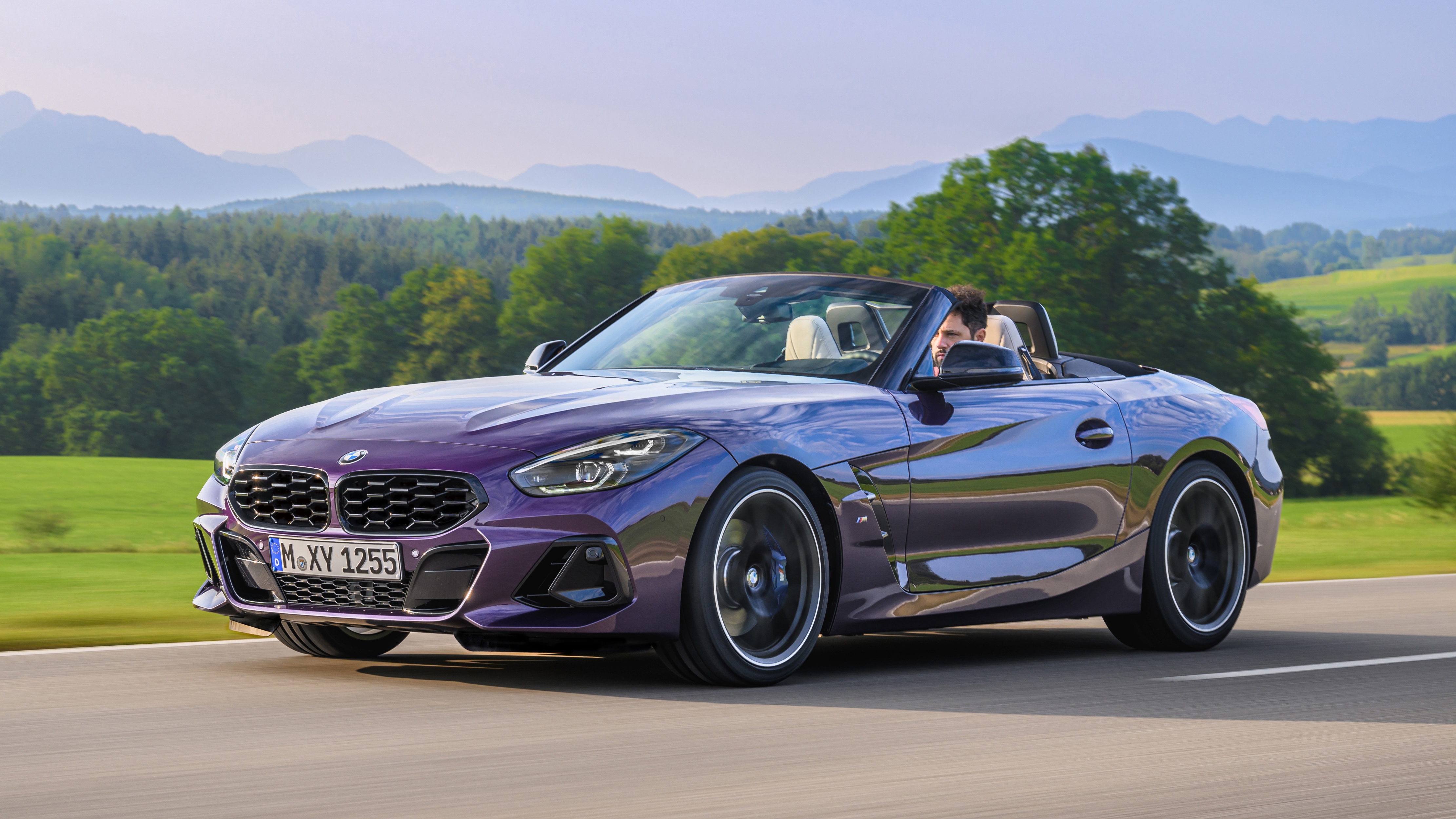
BMW Z4
The Z4 follows the same fate as its bigger brother. Another BMW that came close to greatness but didn’t quite land, it often felt more like a convertible 3 Series than a fully committed sportscar. Its soft and slightly rubbery handling filtered out the engagement buyers expect from rivals such as the Porsche Boxster.
Even its standout feature, the charismatic six-cylinder M40i engine, was dimmed when Porsche brought the flat-six back to the Boxster range. With the appetite for compact sportscars shrinking and BMW focusing heavily on electrification, the brand has yet to announce any plans to replace the Z4.
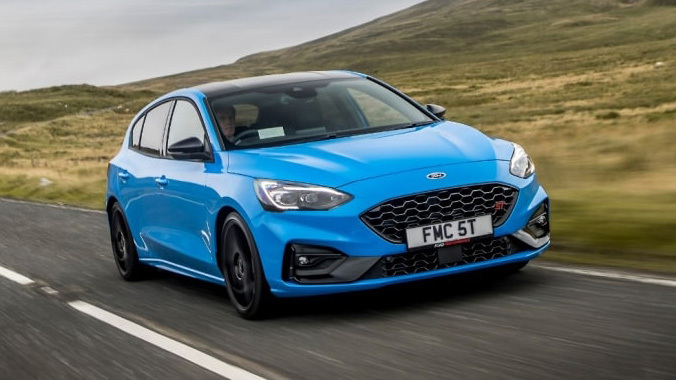
Ford Focus ST
Ford’s decision to axe the standard Focus also spells the end for the much-loved Focus ST hot hatch. Known for its muscular 2.3-litre turbo engine, the ST delivered huge torque that made it one of the punchiest cars in the hot hatch class.
However, that same power sometimes overwhelmed the chassis, especially when compared with the precision of the Honda Civic Type R. Many thought the ST was intentionally held back to avoid overshadowing a Focus RS that Ford never ended up producing. It’s unlikely we will see another Ford hot hatch like the Focus ST.
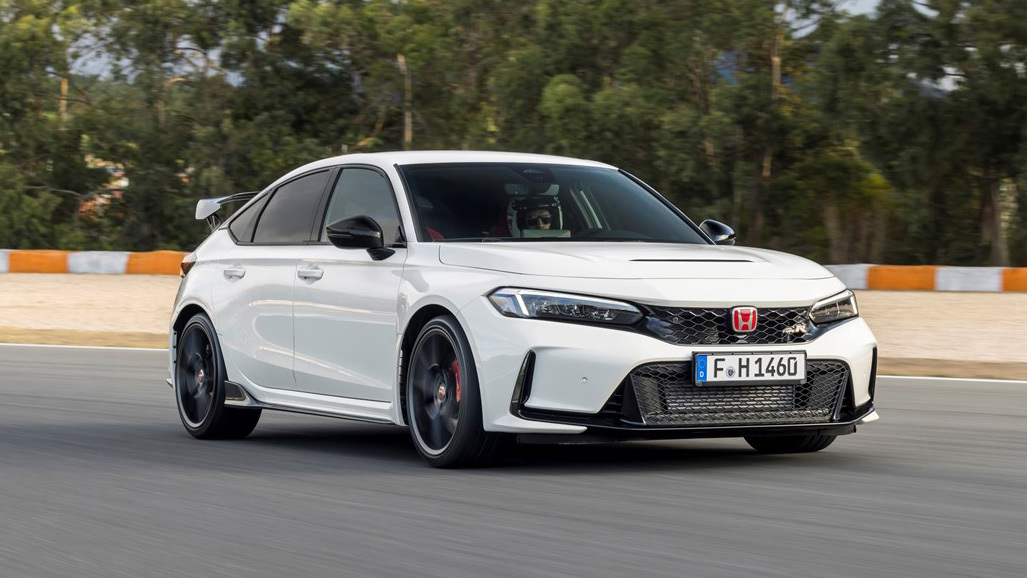
Honda Civic Type R
Perhaps the biggest heartbreak on this list is the loss of the Honda Civic Type R. Honda has confirmed that production ceases in 2026, bringing an end to one of the most celebrated hot hatches of the past two decades. The Type R was the definitive hot hatch — an engineer’s car that rewarded commitment: the harder you pushed, the better it became.
Its chassis was exceptional, its engine punchy and responsive, its brakes strong and its manual gearbox arguably the best in the business. It is unlikely that future Hondas (particularly as the brand leans towards electrification) will replicate the raw, mechanical purity that made the Type R so special.
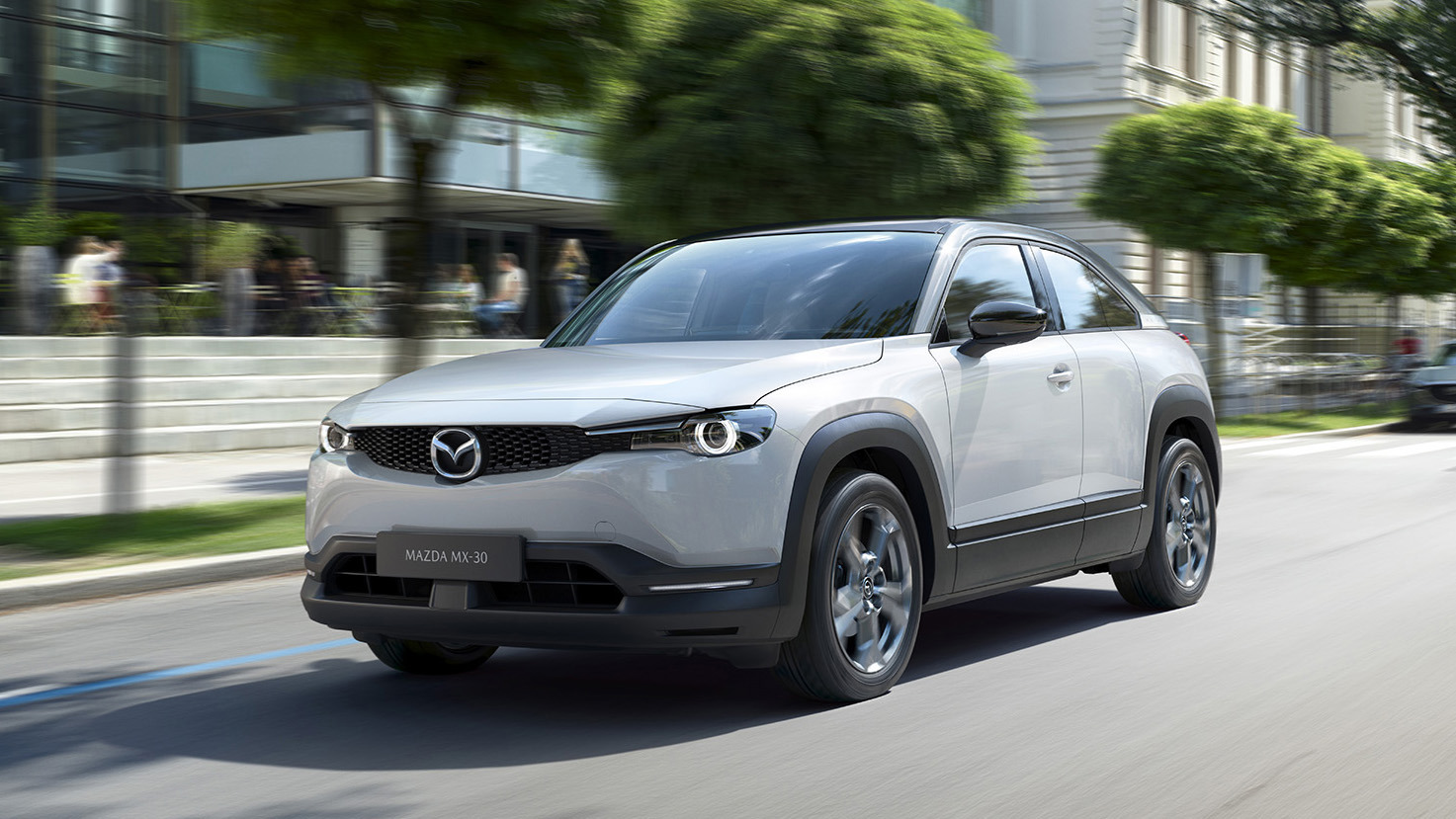
Mazda MX-30 EV
Mazda’s MX-30 EV set out to challenge EV conventions. Instead of a large battery, it used a compact pack to keep weight down, with the aim of delivering agile handling. In theory it was a compelling idea, but in reality buyers were reluctant to spend more than £30,000 on an EV that struggled to achieve 100 miles of real-world range.
Those who did buy one faced steep depreciation, though this now makes the MX-30 something of a bargain on the used market. Mazda will continue to offer the R-EV version, which uses a small rotary engine as a generator, giving it up to 400 miles of range and resolving the biggest complaint about the original car. The pure-electric version, however, will not survive into 2026.

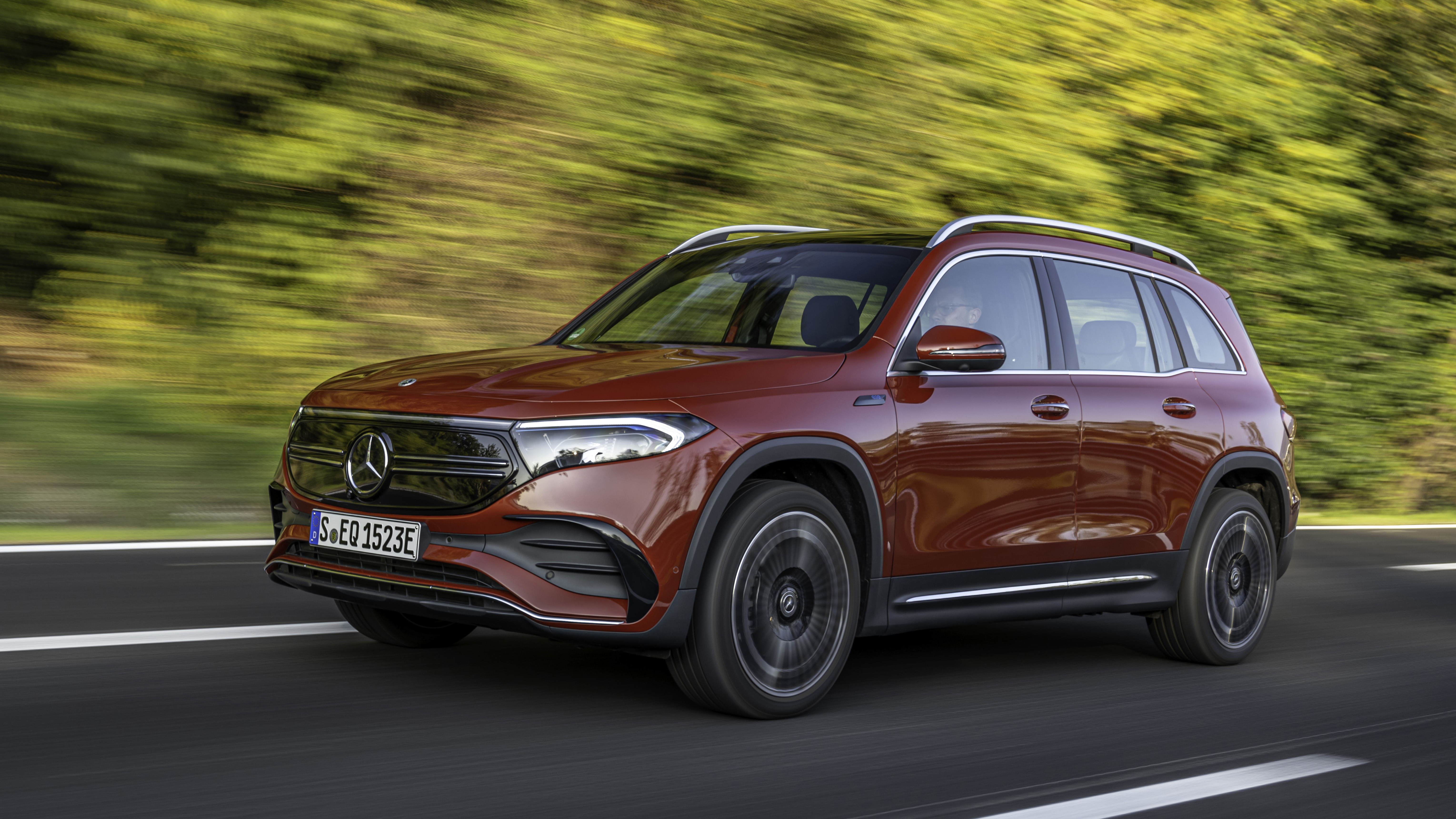
Mercedes EQB
Mercedes is phasing out the EQB badge in 2026 following the launch of the new GLB. Rather than being marketed as a standalone electric model, future EV versions of the GLB will use the same name as the rest of the range, signalling Mercedes' shift away from the ‘EQ’ branding.
The upcoming model rides on an 800V architecture, allowing significantly faster charging speeds. Buyers will be able to choose from single-motor rear-wheel drive or more powerful dual-motor all-wheel-drive setups. The retirement of the EQB name marks the beginning of the end of Mercedes’ first generation of electric SUVs.
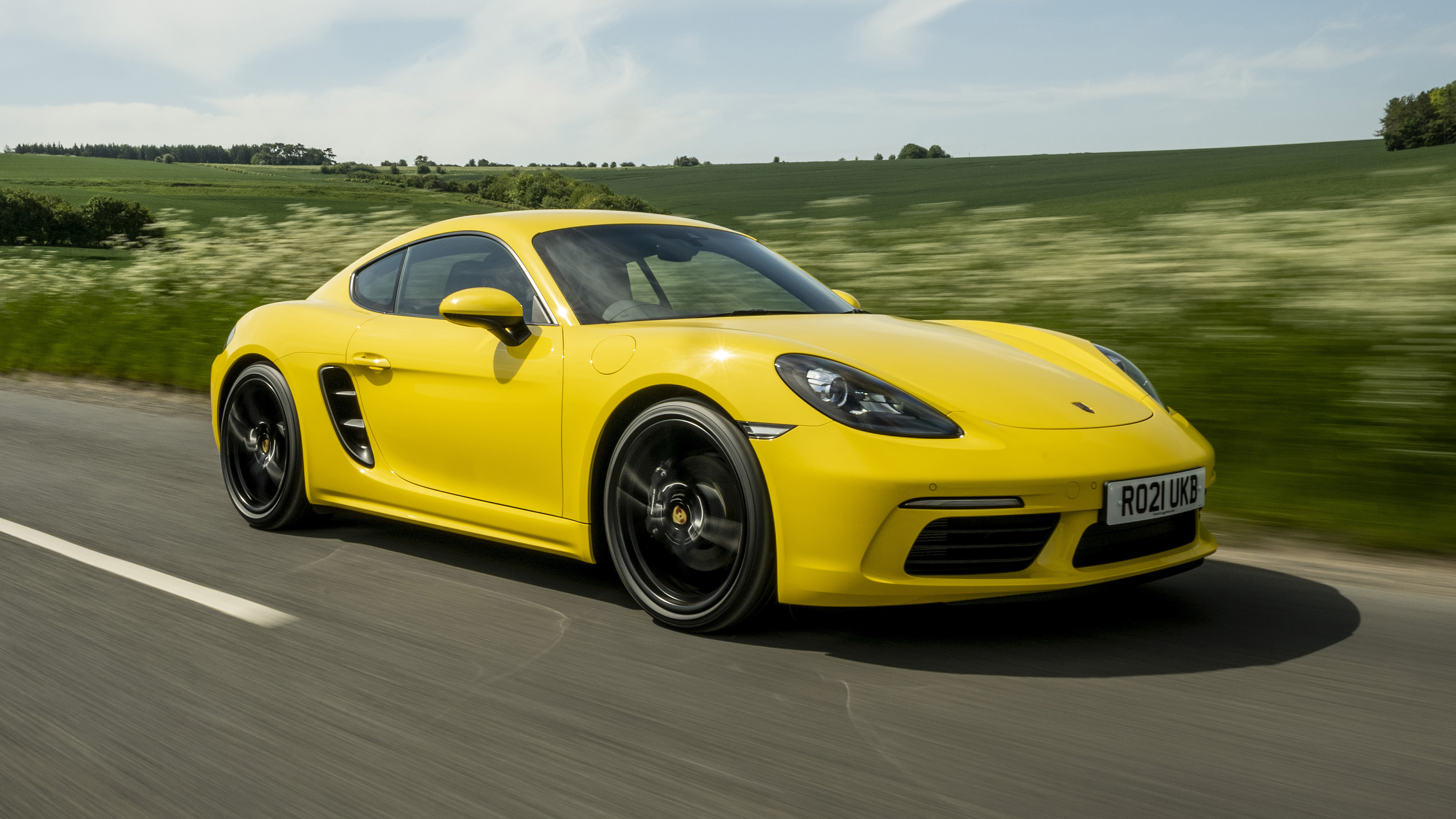
Porsche 718 Boxster and Cayman
Speculation surrounding the future of the Porsche 718 Boxster and Cayman has been swirling for years. Porsche initially planned an all-electric successor, but disappointing sales of electric sportscars industry-wide have prompted a rethink. Instead of going fully electric, Porsche is now expected to take a mixed approach.
The next-generation 718 will likely offer high-performance petrol versions alongside fully electric models, allowing the brand to hedge its bets as the sportscar market evolves. Something of a relief as the current 718 models are some of the most engaging sportscars on sale. The replacement is expected to debut in 2026.

Subaru Outback
The Subaru Outback has always been a niche but beloved choice — an estate car with genuine off-road credentials, rugged build quality, and Subaru’s trademark flat-four engines and symmetrical all-wheel drive. Its departure will disappoint loyal fans who appreciate its dependability and capability.
But there is a silver lining: Subaru is expected to replace it with a pure-electric model, ushering the Outback name into a new era while keeping its adventurous spirit alive.
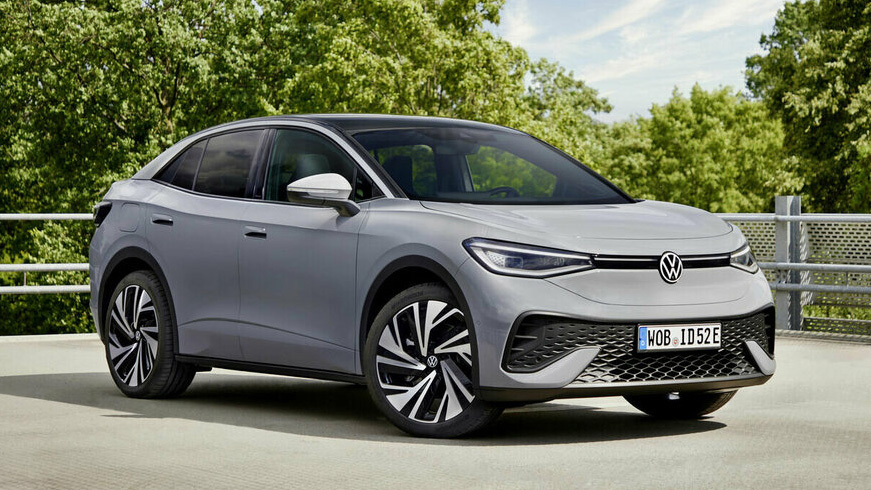
Volkswagen ID.5
The ID.5, with its coupe-style roofline, aims to be a more stylish alternative to the ID.4. But it struggles to justify itself. It costs essentially the same as the ID.4 yet offers less practicality and feels almost identical on the road.
Families overwhelmingly chose the ID.4 instead, leaving little demand for the sleeker sibling. With VW rationalising its EV lineup and preparing new-generation electric platforms, the ID.5 will not be replaced.
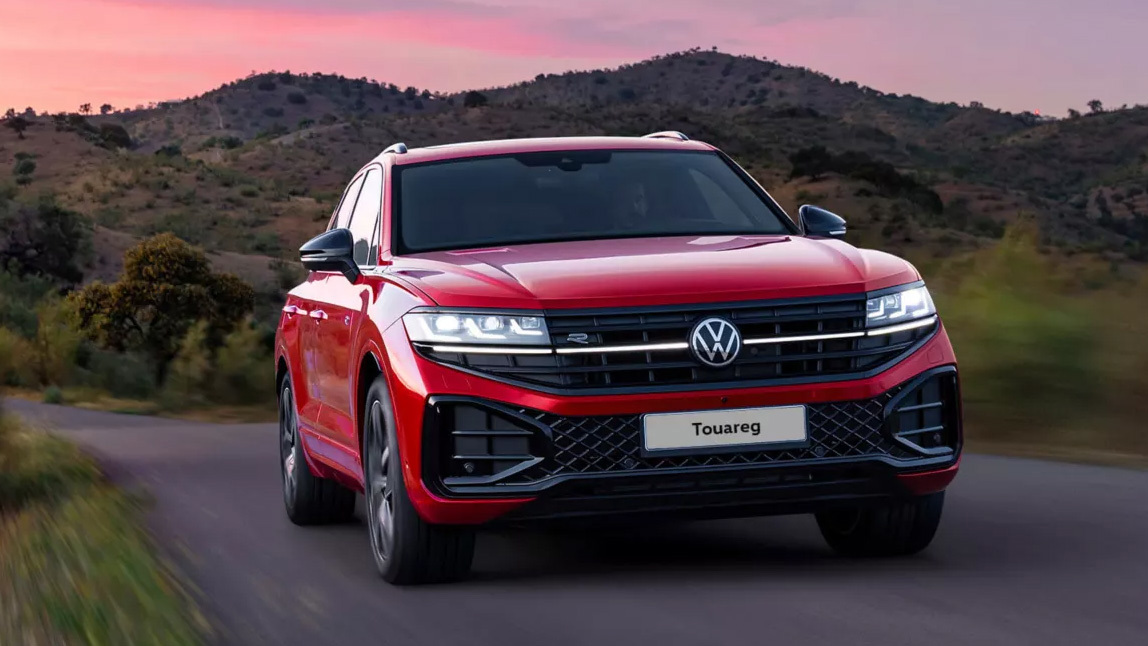
Volkswagen Touareg
While the Volkswagen Phaeton famously struggled in the luxury saloon market, the Touareg carved out a more successful niche as a cheaper alternative to the Audi Q7. Sharing engines, technology and platforms, it delivered a premium feel at a lower price. Its smooth, torquey six-cylinder diesel engine was a particular highlight.
However, Volkswagen appears ready to move away from large, expensive combustion SUVs. The brand expects the new Tayron — cheaper, available with seven seats and better aligned with VW’s future strategy — to fill the gap left by the Touareg. A direct replacement seems unlikely.
road
news
bmw
8 Series
z4
ford
Focus ST
honda
Civic Type R
mazda
MX-30
mercedes
eqb
porsche
718
Boxster
Cayman
Subaru
Volkswagen
ID.5
Touareg