The 10 best Maseratis of all time
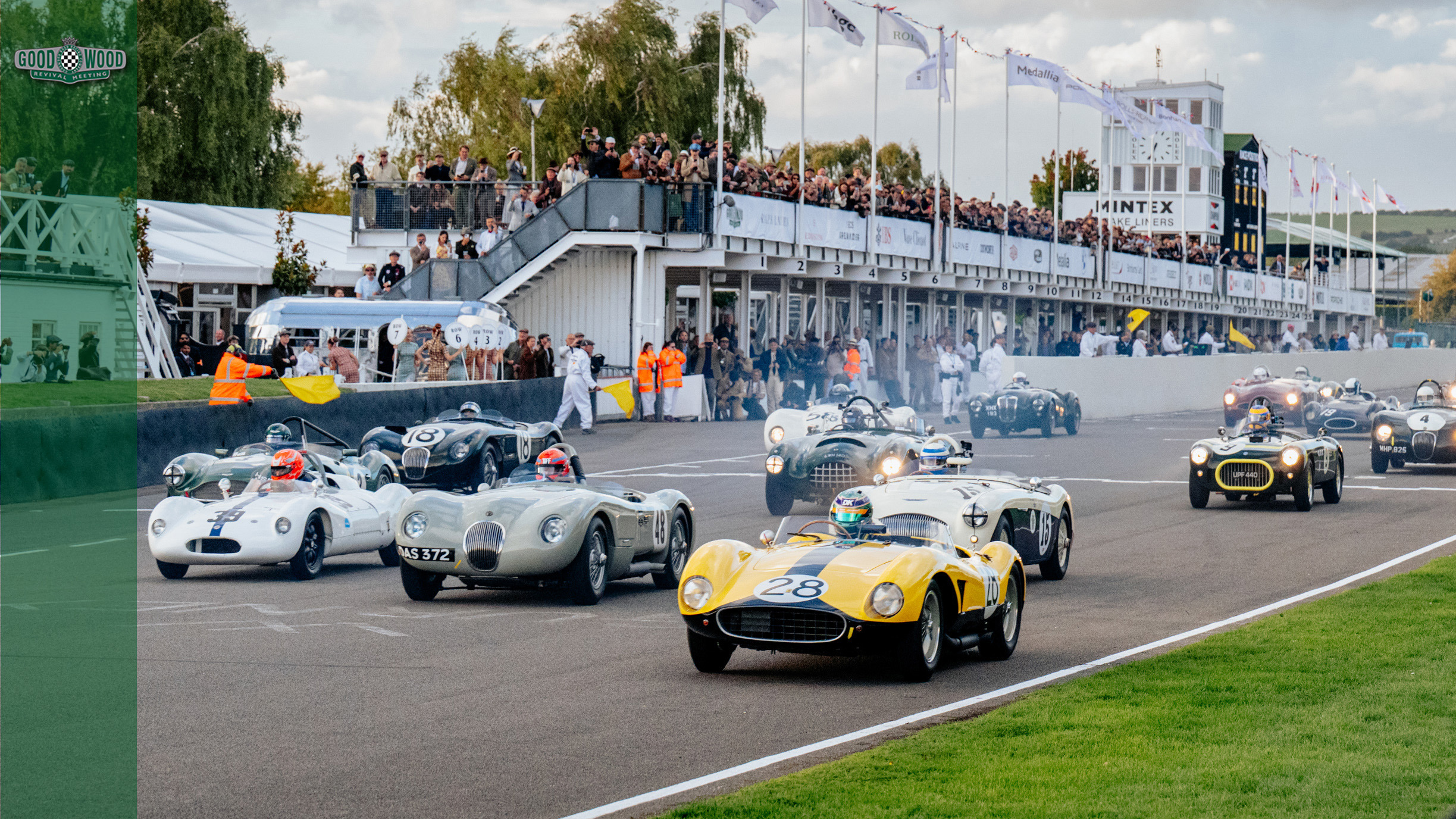
'La Dolce Vita' is the theme of the 2026 Goodwood Revival, which means the entire weekend will have an Italian thread running through it. As part of that, Maserati will be the celebrated marque, 100 years after its first major motorsport success. That's all the excuse we needed to come up with our favourite Maseratis of all time, and a good number of them come from the Revival era.
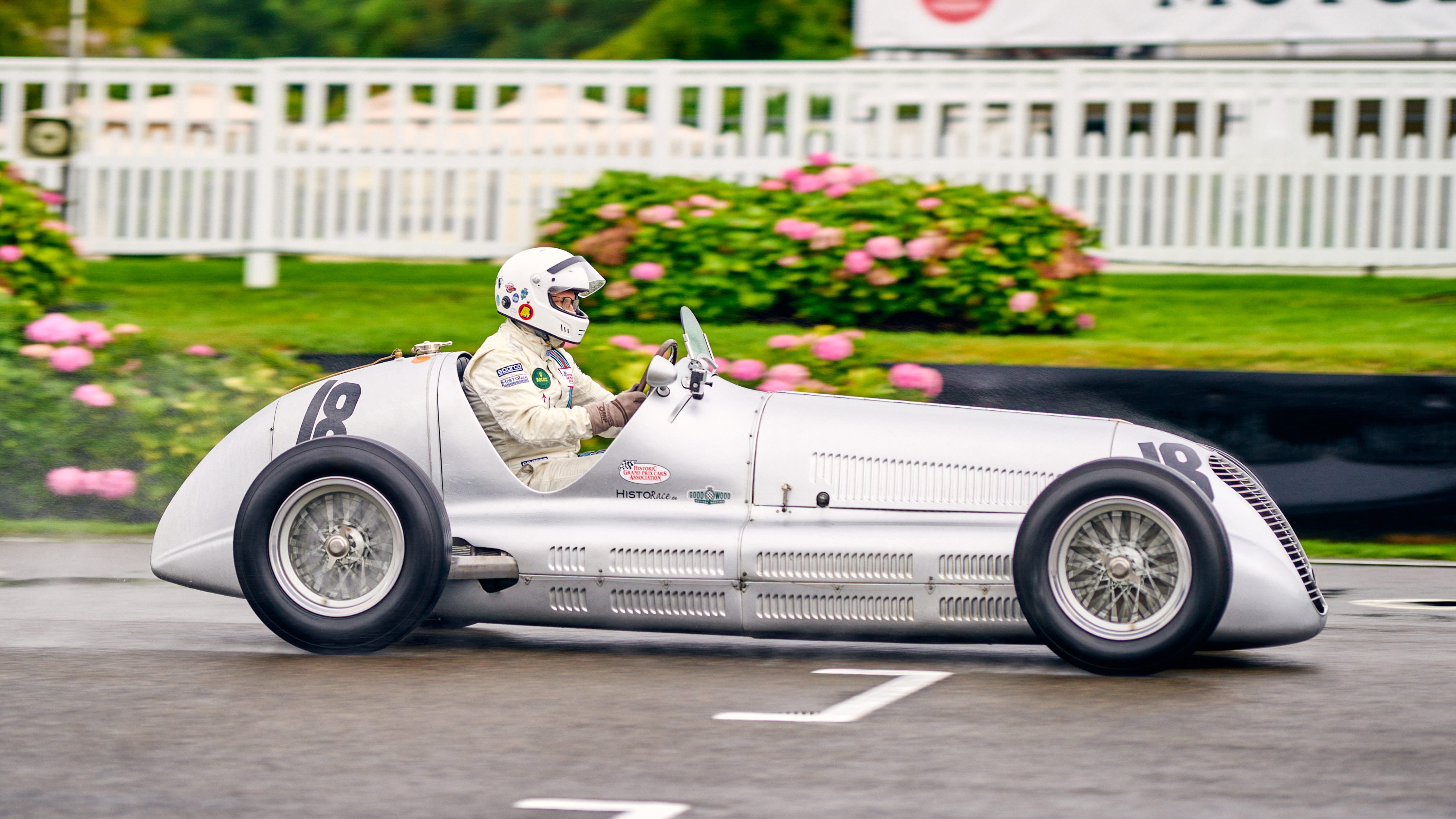
Maserati 6CM (1936-1940)
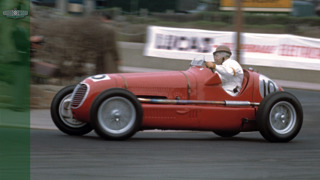
The Maserati brothers enjoyed much success in Grand Prix racing, but that began to wane in the 1930s. For one thing, Alfa Romeo was better funded, but then stiffer competition came from Germany, with the state funding of Daimler and Auto Union.
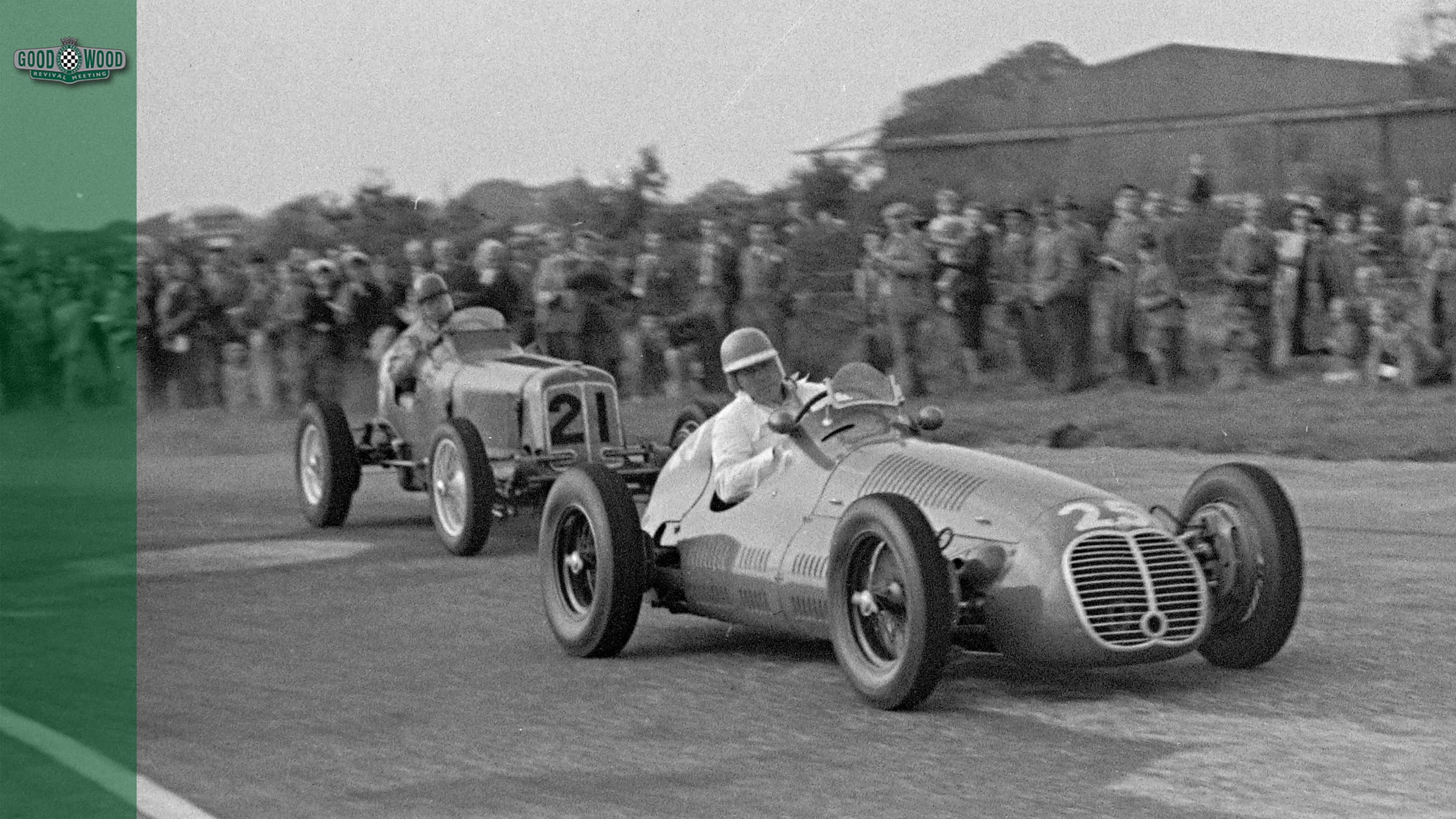
Maserati's response was to pursue success in lower formulae, and 6CM voiturette was introduced in 1936. It borrowed the 4CM's frame and combined it with the front suspension from the V8RI. It was a success both on track and commercially – with 27 sold, it was the most numerous pre-war Maserati model.
Pure design also means it looks utterly spectacular, and will be fitting part of the Maserati celebratons at this year's Goodwood Revival.
4CLT (1948-1951)
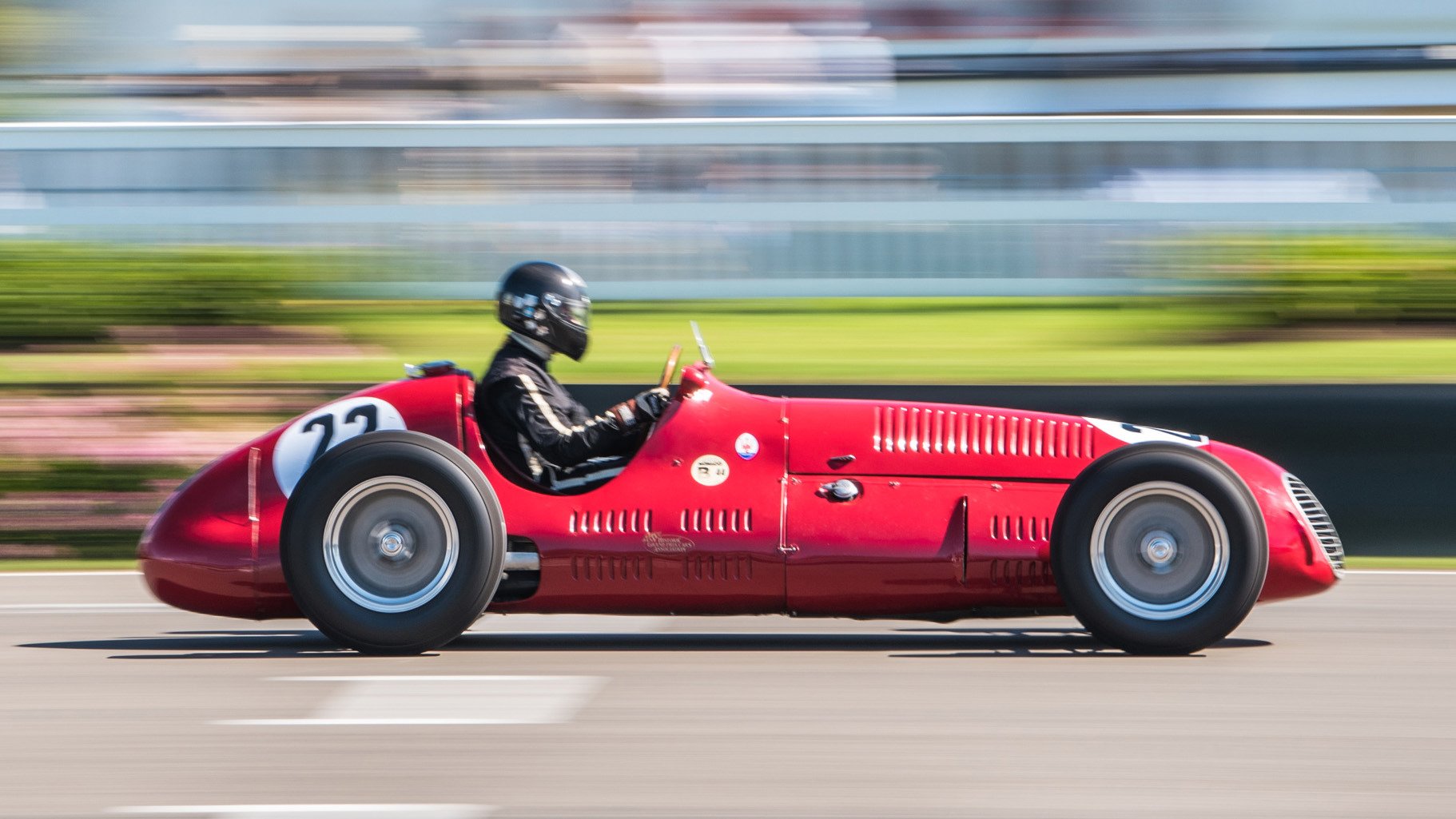
The Maserati 4CLT was an evolution of the pre-war 4CL, originally designed to beat Germany’s dominant Silver Arrows in the late-1930s.
While the 4CL returned after the war and dominated the competition, it wasn’t long before the revised 4CLT made its debut in 1948, complete with a tubular chassis construction, a 260bhp, 1.5-litre straight-four, and two-stage supercharging.
Following a couple of years of development, the 4CLT/50 was introduced for the inaugural year of the Formula 1 World Championship in 1950. In its heyday, the 4CLT was the car of choice for many privateer entrants, and was driven by many famous names, including the first ever Formula 1 world champion Giuseppe Farina and five-time championship winner Juan Manuel Fangio.
250F (1954-1960)
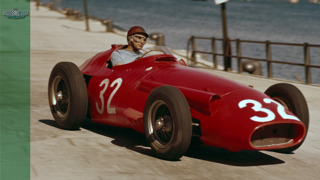
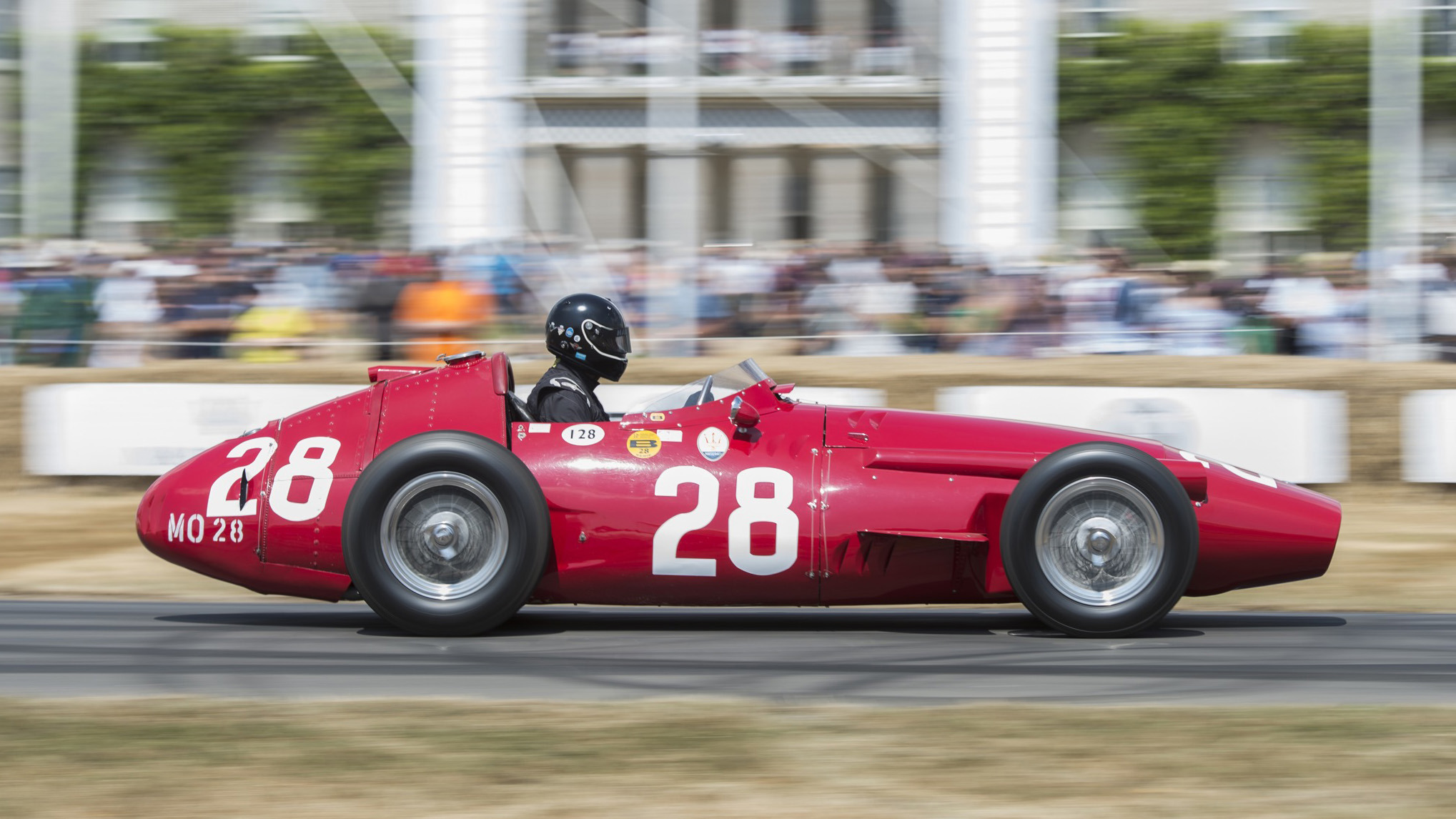
Just 26 examples of the Maserati 250F were built, primarily featuring the 223PS (164kW), 2.5-litre Maserati A6 straight-six engine. Designed to race in the 2.5-litre Formula 1 championship, it made its winning debut at the 1954 Argentine Grand Prix in 1954 in the hands of Juan Manuel Fangio.
Two years later, in 1956, Stirling Moss piloted works 250Fs to victory in both the Monaco and Italian Grands Prix. He was later quoted as saying that the 250F was ‘the best front-engined F1 car he drove’. In 1957, after some engine modifications, Juan Manuel Fangio drove the model to four more Formula 1 World Championship victories, including his legendary 1957 German Grand Prix win in which he broke the lap record at the Nürburgring 10 times.
By the 1958 season, the 250F was unable to match the new mid-engined F1 cars. However, the Maserati continued to be used by privateers until 1960, the end of the 2.5-litre era. Over its six-year career, 277 250Fs competed in 46 Formula 1 World Championship races, notching-up eight outright wins.
A6G CS/53 (1947-1953)
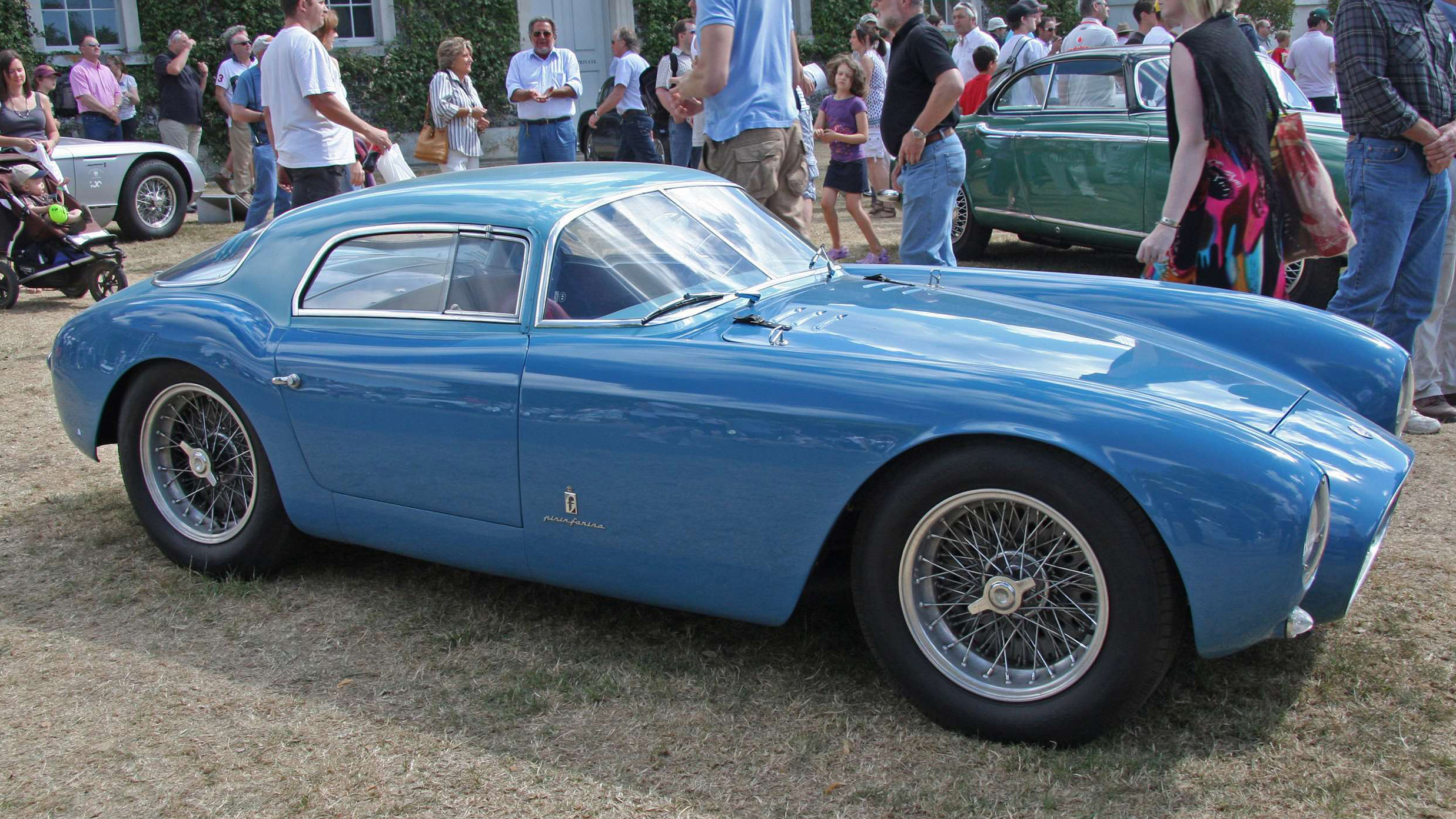
A derivative of Maserati’s A6 sportscar, the A6G CS/53 was widely regarded as being one of the seminal sportscars of the 1950s. The first true production Maserati – the manufacturer had only ever made race cars pre-war – the A6G CS had different coupé bodies designed by coachbuilders such as Pininfarina and Zagato.
One of Maserati’s true greats, the A6G CS/53 was extraordinarily powerful and extremely noisy, offering a rough but exhilarating ride...
Tipo 61 'Birdcage' (1959-1961)
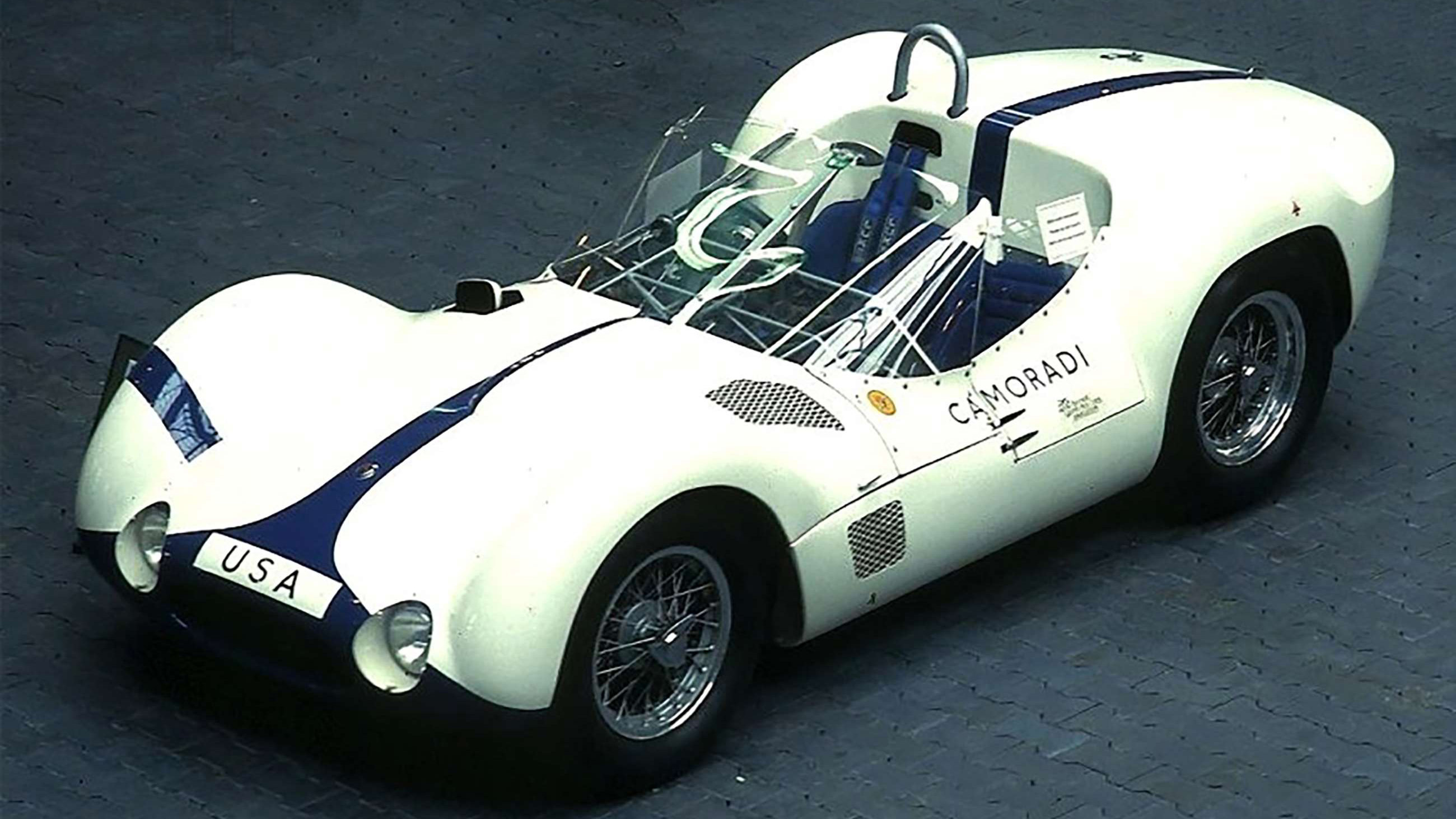
Nicknamed for its tubular space frame chassis, the Tipo 61 ‘Birdcage’ was built between 1959 and 1961 for events like the Le Mans 24 Hours. The intricate chassis featured more than 200 chro-moly steel tubes welded together, giving a more rigid and lighter structure than other methods available at the time, hence ‘Birdcage’.
Just 16 examples of the Birdcage were built, designed by Giulio Alfieri, and powered by a 2.9-litre inline-four. Producing 253PS (186kW), the 600kg, front-engined machine could reach speeds of up to 177mph.
Notably, Stirling Moss won the Tipo 61’s first race in 1959, a feat that encouraged various teams to take them racing. Lloyd "Lucky" Casner created his Casner Motor Racing Division to enter three Tipo 61s in the 1960 Le Mans 24 Hours, however reliability issues meant they never took home the title. More successful, however, was the Camoradi team, who in both 1960 and 1961 won the Nürburgring 1,000km.
3500 GT (1957-1964)
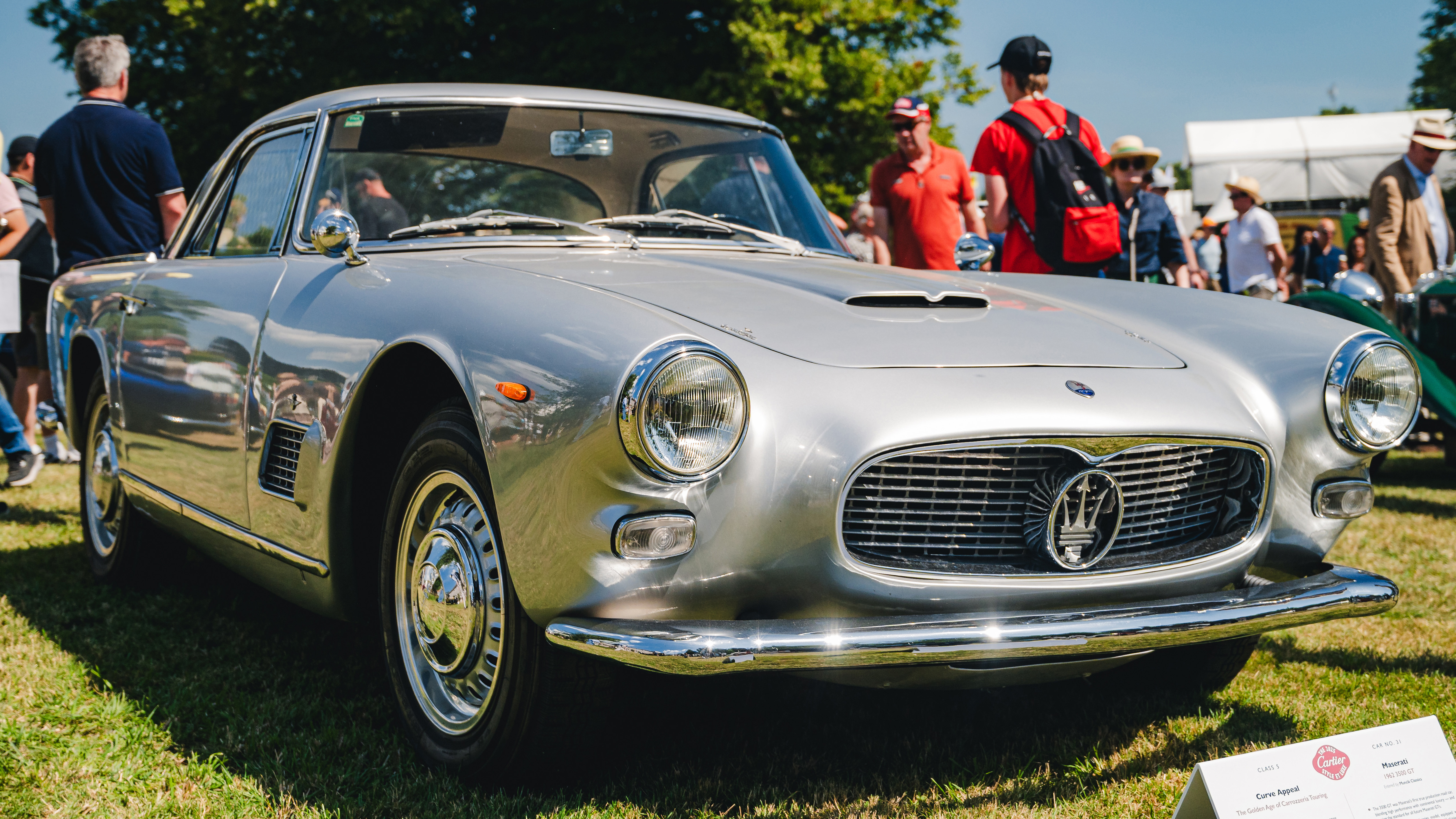
Maserati’s first foray into Gran Turismo and ‘regular’ series production cars, the 3500 GT was produced from 1957 to 1964. It featured Touring of Milan and Vignale coachbuilt bodies and came in two-door coupé and the more frequent drop-top form.
The handsome 3500 GT was powered by a modified version of the DOHC, 12-valve straight-six engine of the endurance racing Maserati 350S, which had been modified to suit a touring car by switching to a wet sump oil system.
Tipo 151 (1962-1963)
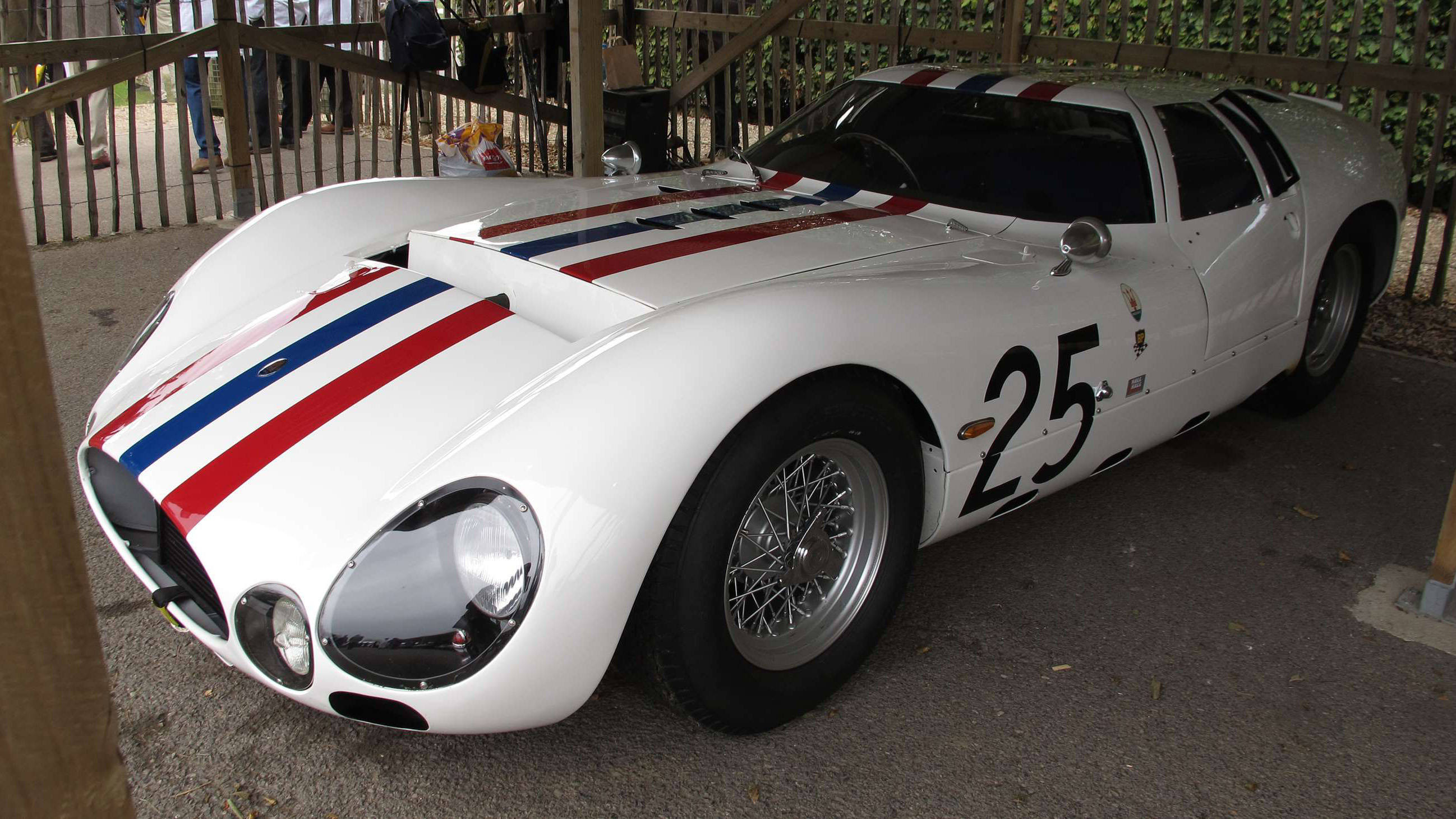
One of the most beautifully sleek and elongated Maseratis of all time, the Tipo 151 was designed by Giulio Alfieri and refined in a wind tunnel at Milan University.
It featured a 4.0-litre V8 engine and bodywork derived from the World Sportscar Championship 450S, but with a sharply-truncated Kamm tail to enhance airflow
Produced during 1962 and 1963, it competed in endurance racing events, notably Le Mans in the hands of Maserati France.
Ghibli (1967-1973)
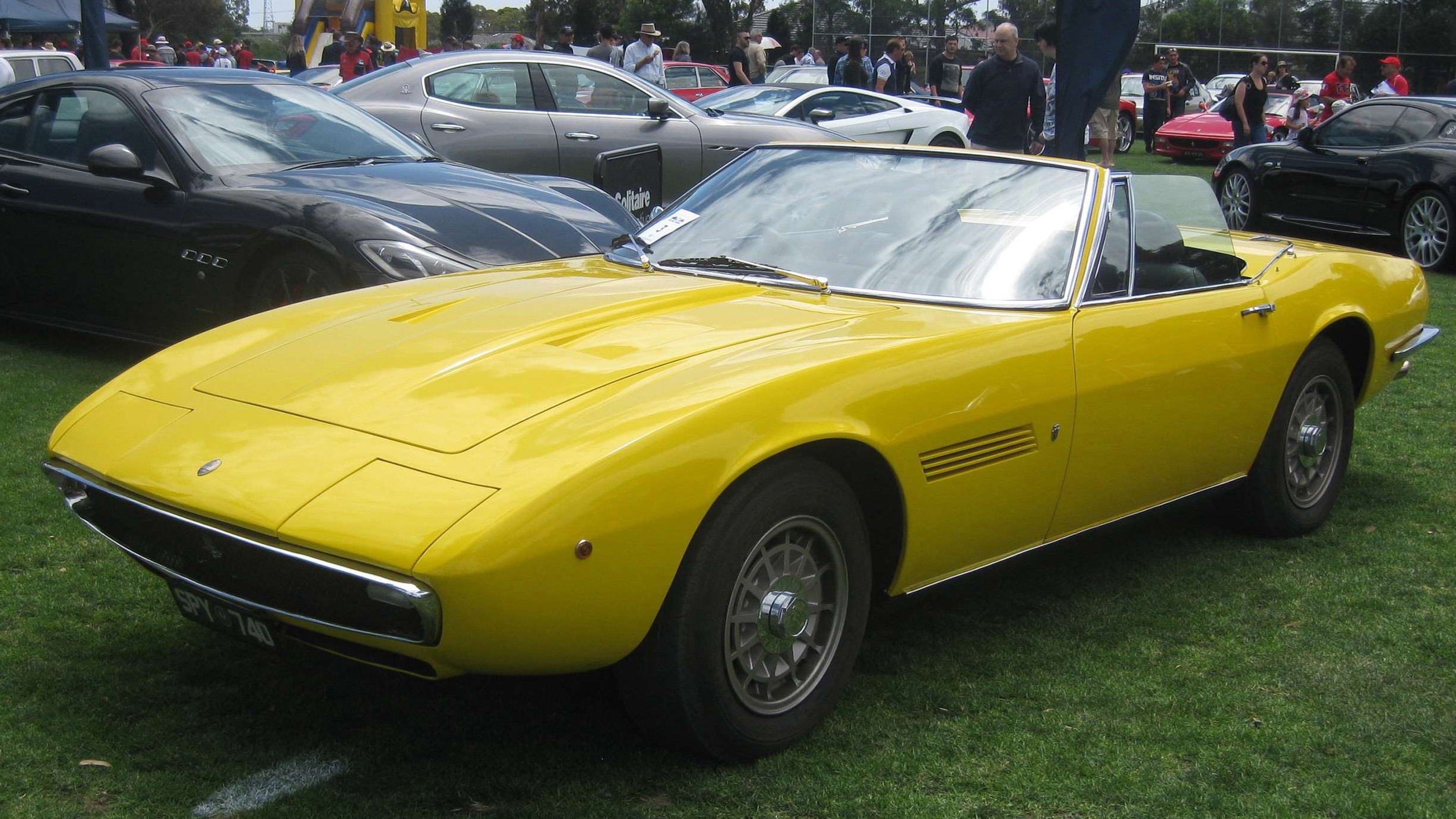
One of the most admired GT sports cars of the 1960s, the original Ghibli (1967-1973) was designed by a young Giorgetto Giugiaro while working at Ghia. Featuring a steel body, a long nose and a 4.7-litre dry sump V8 engine mated to a five-speed ZF manual transmission, the Ghibli was aimed squarely at contemporary rivals such as the Ferrari Daytona, Lamborghini Islero, Monteverdi High Speed and Aston Martin DBS. Making 310PS (228kW), it could accelerate from 0-60 mph in 6.8 seconds and boasted a top speed of 155mph.
The front-engined, rear-wheel-drive GT tourer was available in Fastback and Spyder body styles, and a sporty variant, with a stroke increased by 4mm thus making it a 4.9-litre with 335PS (246kW) and 481Nm (355lb ft), was introduced in 1969. Maserati revived the Ghibli name in the 1990s for a more purposeful BiTurbo-based variant, and once again more recently for its current smaller four-door executive saloon.
Bora (1971-78)/Merak (1972-1983)
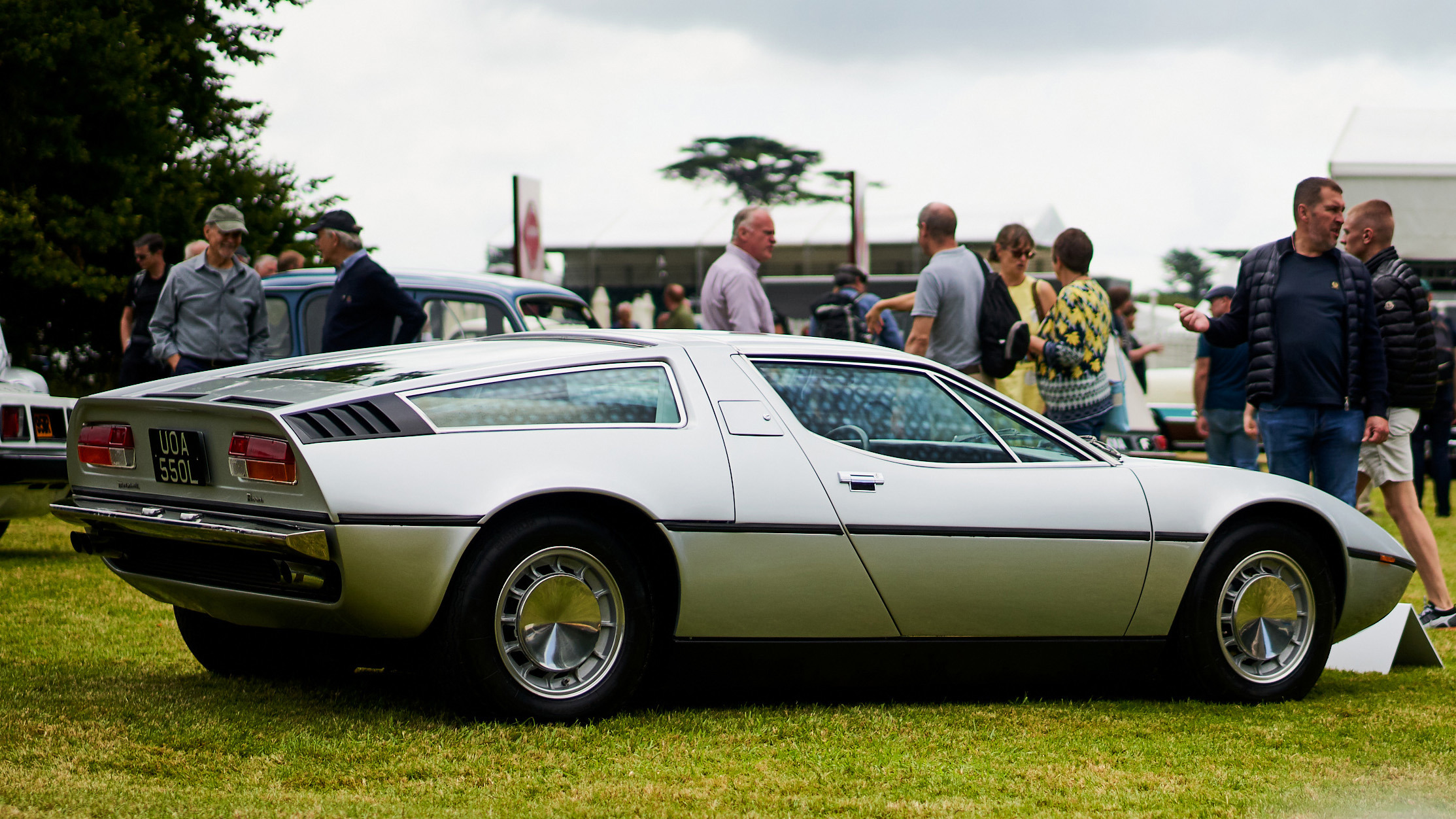
Maserati’s first mid-engined supercar, the Bora, predated the production Ferrari Berlinetta Boxer and Lamborghini Countach.
Like the earlier Ghibli, the Bora was styled by Giugiaro, who by that time had gone independent and founded Ital Design. The Bora was the first Maserati to be launched under Citroën’s brief ownership of Maserati, with the model therefore borrowing lot of Citroën technology such as pneumatic brakes and hydraulically-adjusted seats. Nonetheless, the car still featured the potent Maserati 4.7- and 4.9-litre V8 engines.
A more affordable version of the Bora, the Merak, was launched in 1972, with much of the same styling and coachwork, albeit a differing rear end. The Merak also replaced the V8 with a smaller V6, allowing space for two extra (very cramped) seats in the rear.
MC12 (2004-2005)
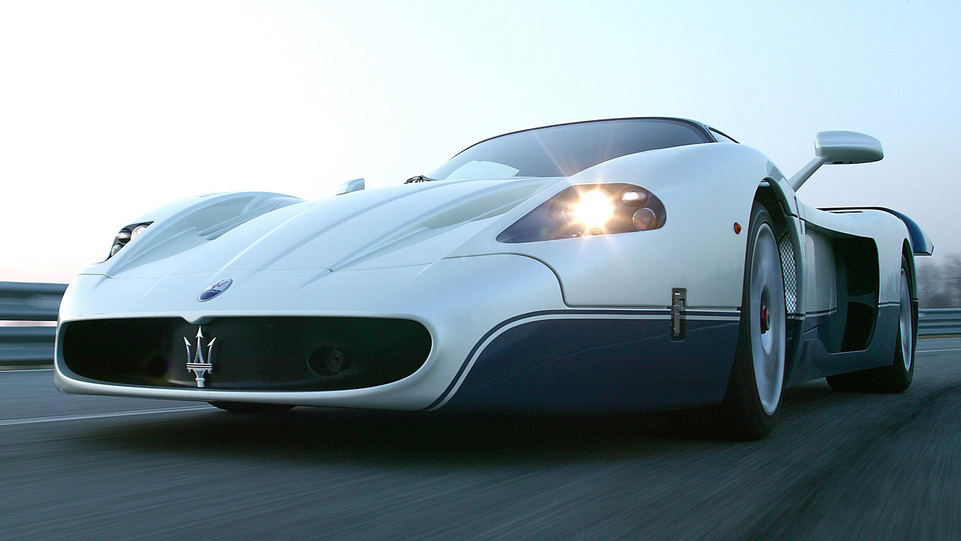
The MC12 was an obvious choice for this list. Produced by Maserati to allow a racing variant to compete in the FIA GT Championship, this striking model was effectively a Ferrari Enzo underneath with that potent 6.0-litre, F140 V12, and a wide, race-inspired body on top.
However, while Ferrari made 400 Enzos, only 50 of these fearsome Maseratis were built in 2004 and 2005, each selling well in advance of production for €600,000. Meanwhile, 12 of the racing MC12s were developed to signal Maserati's return to racing after a 37-year hiatus.
The MC12 was only available painted blue and white in homage to the ‘Birdcages’ of the 1960s.
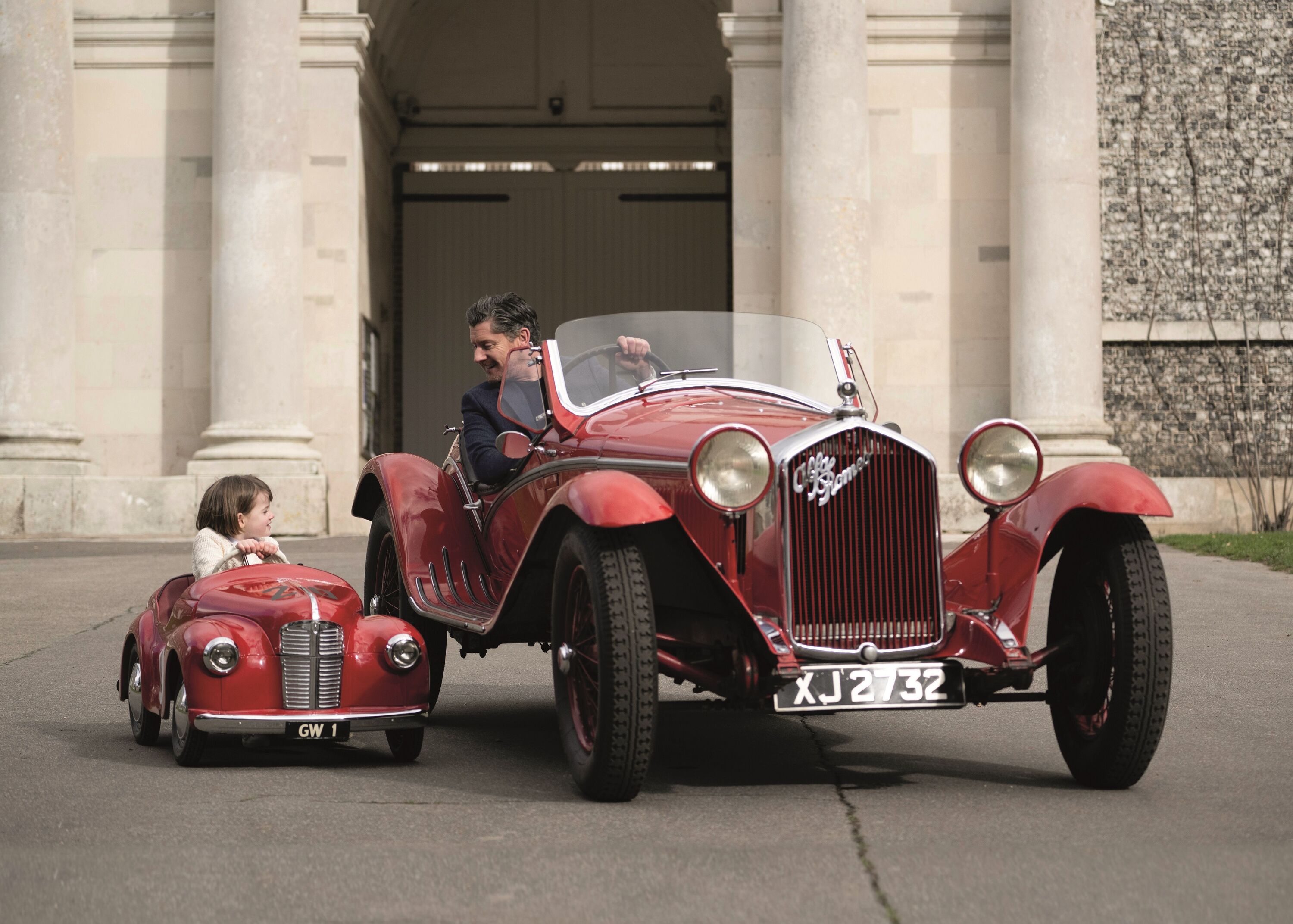
Main image photography by Dominic James.
Maserati
250F
MC12
Khamsin
Bora
Ghibli
Tipo
GT
Supercar
6CM
road
news
list
2026 revival
Maserati Celebration