The best Italian cars to buy in 2025
Few countries have Italy’s passion for cars. It’s home to some of the biggest names in the business – Ferrari, Lamborghini, Pagani, and Maserati – brands that have defined what a supercar should be for decades. But Italy’s contribution to the automotive world goes beyond the exotic and unaffordable. This is the country that gave us everyday heroes, too – clever, stylish machines from Alfa Romeo, Fiat, and Lancia that brought Italian flair to the masses.
So, on this list of the Best Italian Cars to buy in 2025, you won’t just find a generous serving of supercars and sportscars. You’ll also meet family wagons and electric newcomers that still have Italian coursing through their veins. Let’s get to it.

Ferrari F80
The Ferrari F80 is like the transit of Mercury – a once-in-a-decade event where everything aligns perfectly. It represents the absolute cutting edge of what Ferrari can do right now. Unsurprisingly, it borrows heavily from the company’s Formula 1 programme – Ferrari being one of the few marques that can genuinely claim a link between its race and road cars.
Underneath, you’ll find a hybrid twin-turbo V6 sending its power through a maze of aerodynamic wizardry. The F80 has more aero than a Nestlé factory and uses 3D-printed suspension components that make even an F1 car’s wishbones look a touch medieval. Its tiny lightweight battery might sound like a weakness, but the F80 gets around it by learning a circuit and deploying its electric boost and active aero exactly where they’re needed to achieve the fastest possible time.
And if you’re mourning the loss of Ferrari’s V12, don’t. The F80 laps Fiorano a full four seconds quicker than the LaFerrari it replaces. And that, folks, is progress.
Fiat Grande Panda
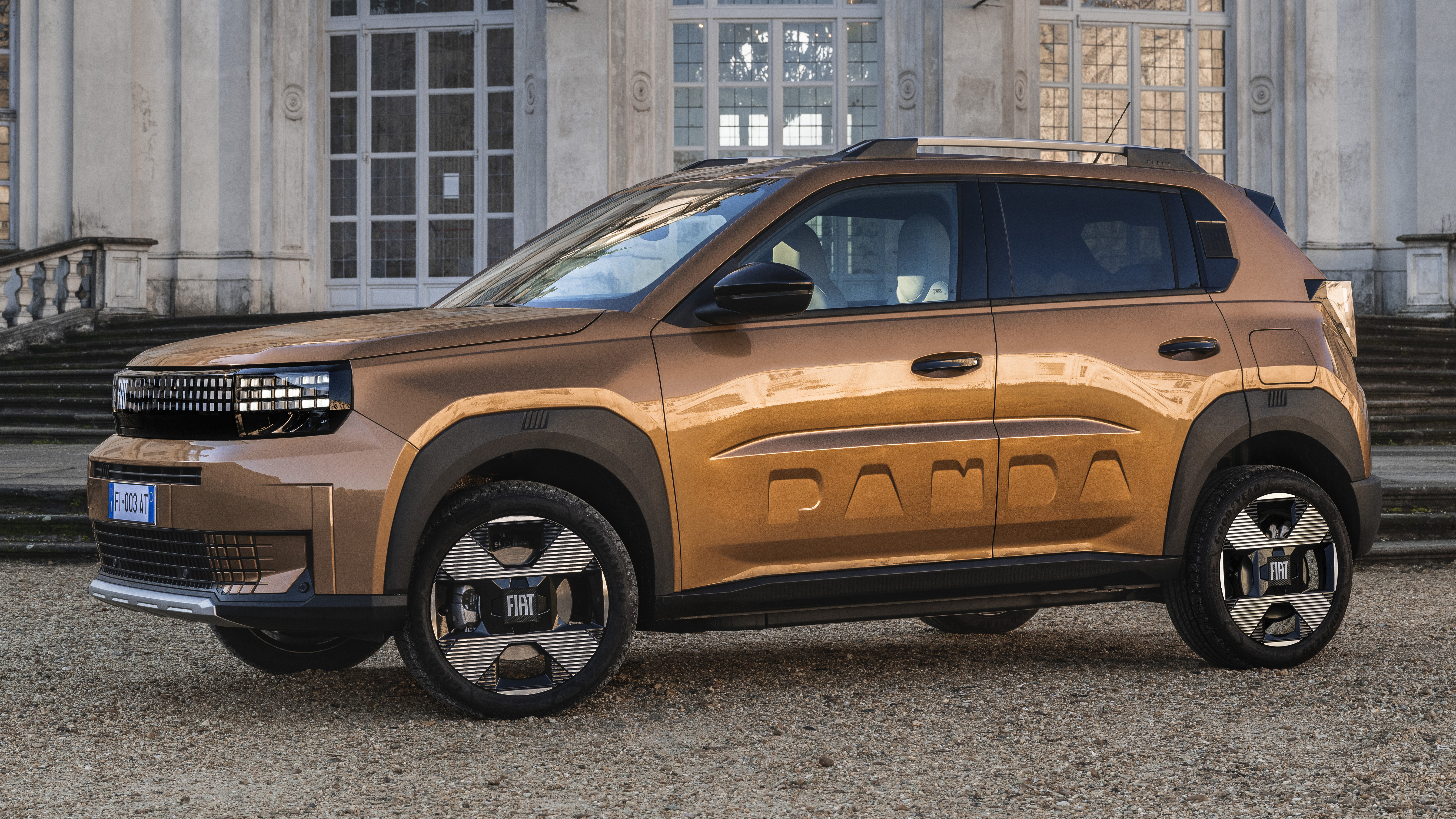
The Fiat Grande Panda could have ended up looking like a generic Stellantis product, but instead we have a 2025 tribute to Giugiaro's 1980 original hellbent on turning itself into a one-car tribute to right angles. 'Panda' is stamped into the doors, and sprinkled around the exterior are other tributes to Fiat. All in all, it looks great.
Inside, the news is just as positive. The Grande Panda (a smaller 'Panda' model is on the way) has space for four adults, and the interior is a mix of sharp new colours – denim blue and luminous yellows – with throwback touches like the open storage bin on the passenger side of the dashboard.
The Grande Panda isn't swift, but it's good enough in corners and surprisingly comfortable for a small EV. The Panda's 199-mile range should be perfect for the city and longer trips. As the cheapest full-sized EV on sale, you'll not find more charm for your pound anywhere else.
Alfa Romeo Giulia Quadrifoglio
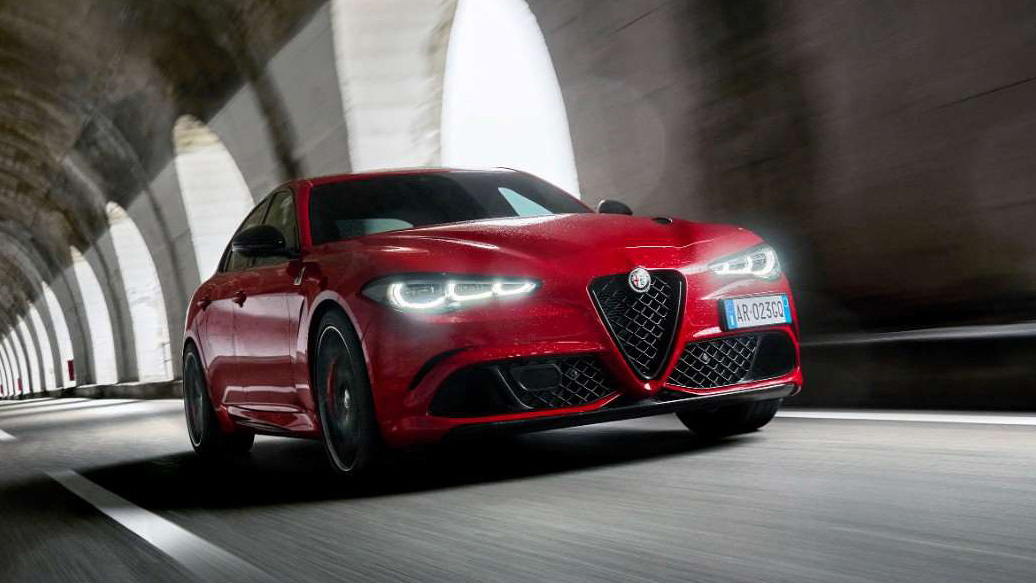
With the V8 Mercedes-AMG C63 gone, replaced by a 2.0-litre hybrid that's compromised in so many ways, there's arguably never been a better time to get your hands on an Alfa Romeo Giulia Quadrifoglio. Particularly after it's been facelifted.
The Quadrifoglio blew us away when it firrst launched in 2018, packing a free-revving 2.9-litre V6 engine with hefty punch and handling that was, for once, as good as the looks. The updated model improves in all areas. You get a fettled face, powerful matrix LED headlights, power up 10PS to 520PS (382kW) – for 0-62mph in 3.9 seconds and a 191mph top speed – and tweaked suspension with a new mechanical LSD.
Maturo Stradale
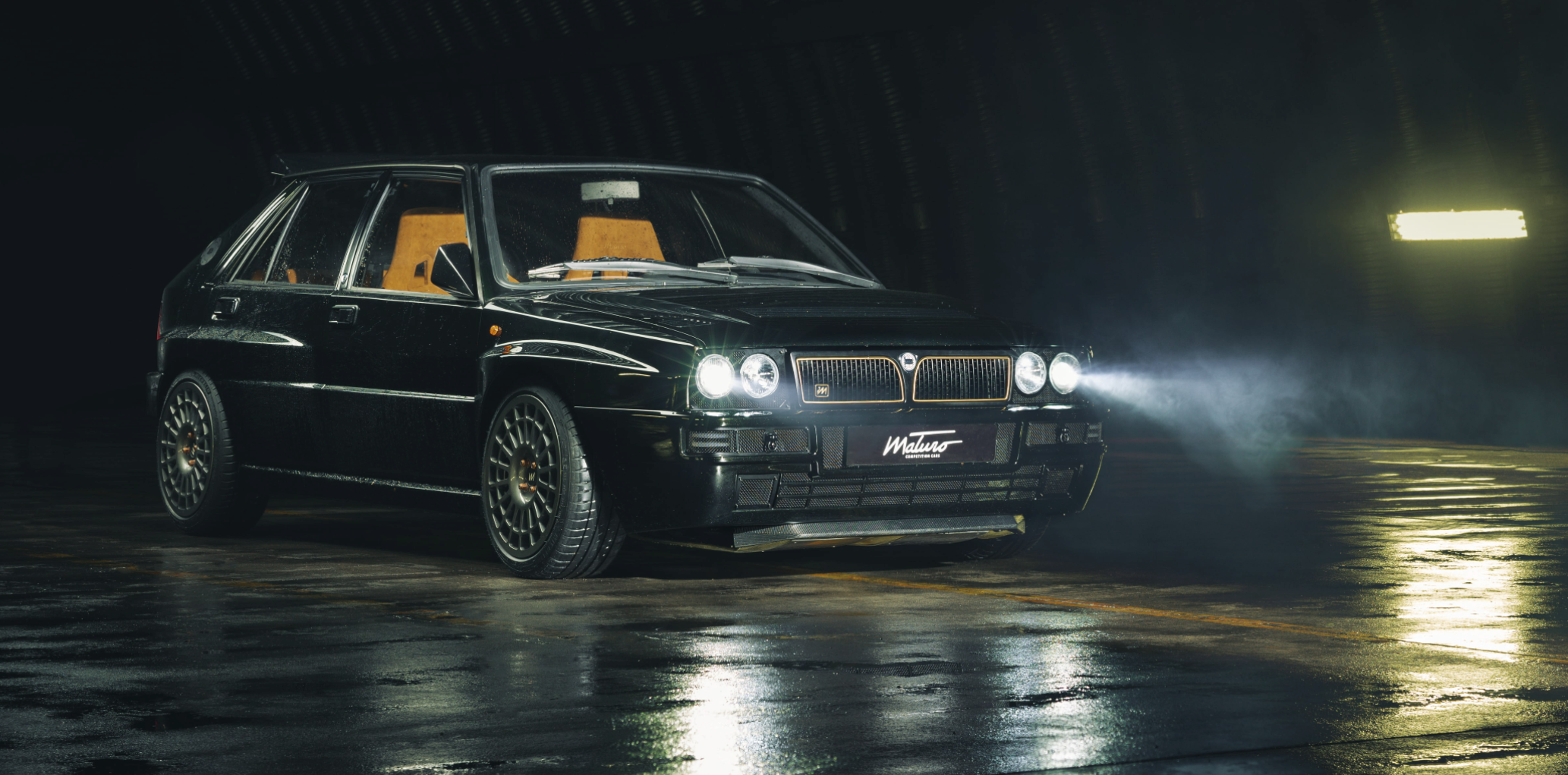
The Maturo Stradale is a restored Lancia Integrale that sings from the same hymn sheet as the Kimera EVO37, ironing out the foibles of a much-loved classic without diminishing its character.
To build it, Maturo Competition Cars (based in the Netherlands) takes a standard Delta Integrale, strengthens the shell and drops the steel body in favour of a carbon fibre replacement. The engine is also updated, ironing out known weak points with a steel head gasket, improved oil pump and stronger timing belt. New engine management means there's no need for balancer shafts, while the Garrett T3 turbo gets updated internals.
The result? A 406PS (298kW) rally raider that handles as the Integrale always should have.

Abarth 600e
Abarth’s rebirth as Fiat’s performance arm back in 2007 was… inconsistent. The Punto was decent if dated, the 500 was characterful but never as sharp as a Mini, and the 124 Spider, charming as it was, couldn’t quite match the Mazda MX-5.
So expectations for the 600e, an electric SUV, were understandably low from a driver’s point of view. And yet against the odds it’s fun, properly fun. Even the base model packs more than 200PS (147kW), and both versions come with a mechanical torsion differential as standard, a detail that tells you Abarth still cares about the art of handling.
It’s practical too, with usable rear seats and a decent-sized boot, but it’s in the bends where it really shines. The steering is crisp, the chassis eager, and the rear end happy to rotate if you lift off mid-corner – just as an Abarth should. It looks good, it’s priced cleverly to dodge the UK’s luxury car tax, and while the 200-mile range could be better, the 600e proves electric cars can be enjoyable.
Ferrari 296 Speciale
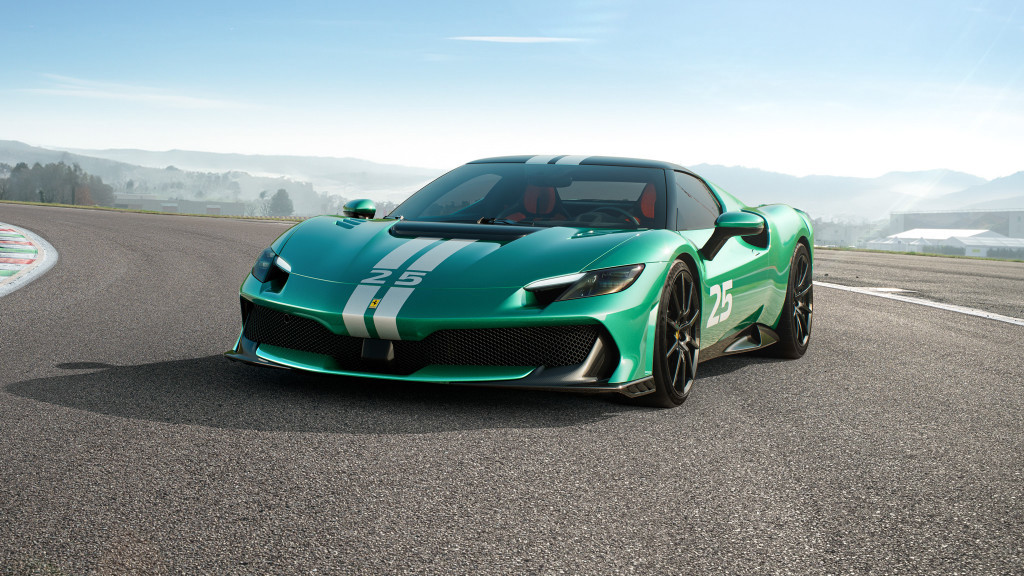
Supercar makers are in a bind. Emissions legislation means average CO2 figures must fall, but customers haven’t always embraced hybridisation with open arms. Ferrari knows this better than anyone – the SF90 had colossal power and advanced four-wheel drive, but it never truly captured enthusiasts’ hearts.
Enter the Ferrari 296, the car that shows how hybridisation should be done. Its compact, sonorous V6 and rear-wheel-drive layout bring back the purity fans craved, yet it’s still savagely quick. The 296 Speciale takes things a step further – more power, less weight, and still just two driven wheels.
It sounds like a recipe for chaos, but Ferrari has tuned it with remarkable balance. It’s one of those rare modern cars that feels alive beneath you – a hybrid that somehow channels the analogue magic of the firm’s classic ICE models. Proof that progress and passion don’t have to be opposites.
Kimera EVO37 Martini 7
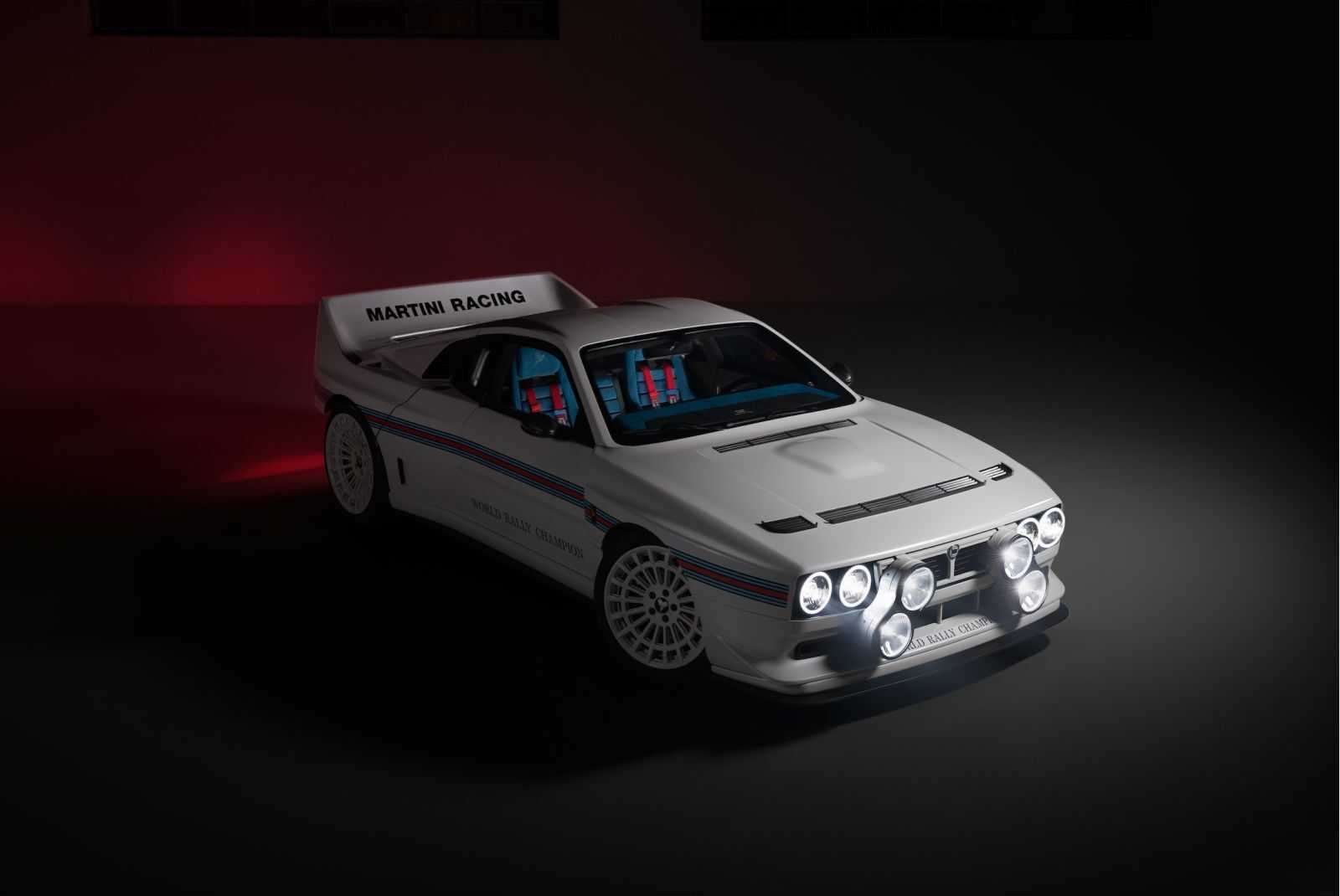
Like a remastered version of an all-time hit, the Kimera EVO37 Martini 7 is a Lancia 037 with the imperfections smoothed out and finished in a paint job that pays tribute to the original Group B rally cars.
Under its carbon-fibre body, you'll find a tubular steel chassis, with subframes welded on either side and forged double wishbone suspension held up by dual Ohlin dampers. Power comes from a new version of the 2.1-litre four-cylinder fitted to the original but with an electrically operated supercharger that doesn't scavenge energy from the motor.
The resulting 550PS (404kW) is a lot in isolation, but even more proming given the Martini's 1,100kg kerb weight. Just 37 examples of the Martini 7 will be built.

Pagani Utopia
When the company responsible for Zonda and Huayra builds a car called the Utopia, you know it will be good. The Utopia is Pagani's celebration of the internal combustion engine; there are no electric motors, no batteries and definitely no manufactured noises.
Instead, you get a twin-turbocharged 6.0-litre V12 that's good for 876PS (644kW), and while early cars got an Xtrac automatic gearbox, a seven-speed manual followed. Pagani's trademark titanium-intertwined carbon fibre tub underpins the Utopia, with CrMo alloy steel subframes and forged aluminium suspension wishbones. Braking comes from ventilated carbon-ceramic discs with six-pot front, four-pot rear brake callipers.
According to Horacio, the Utopia excels at "simplicity, lightness and the pleasure of driving" – you just need £2.2million to get your hands on one.
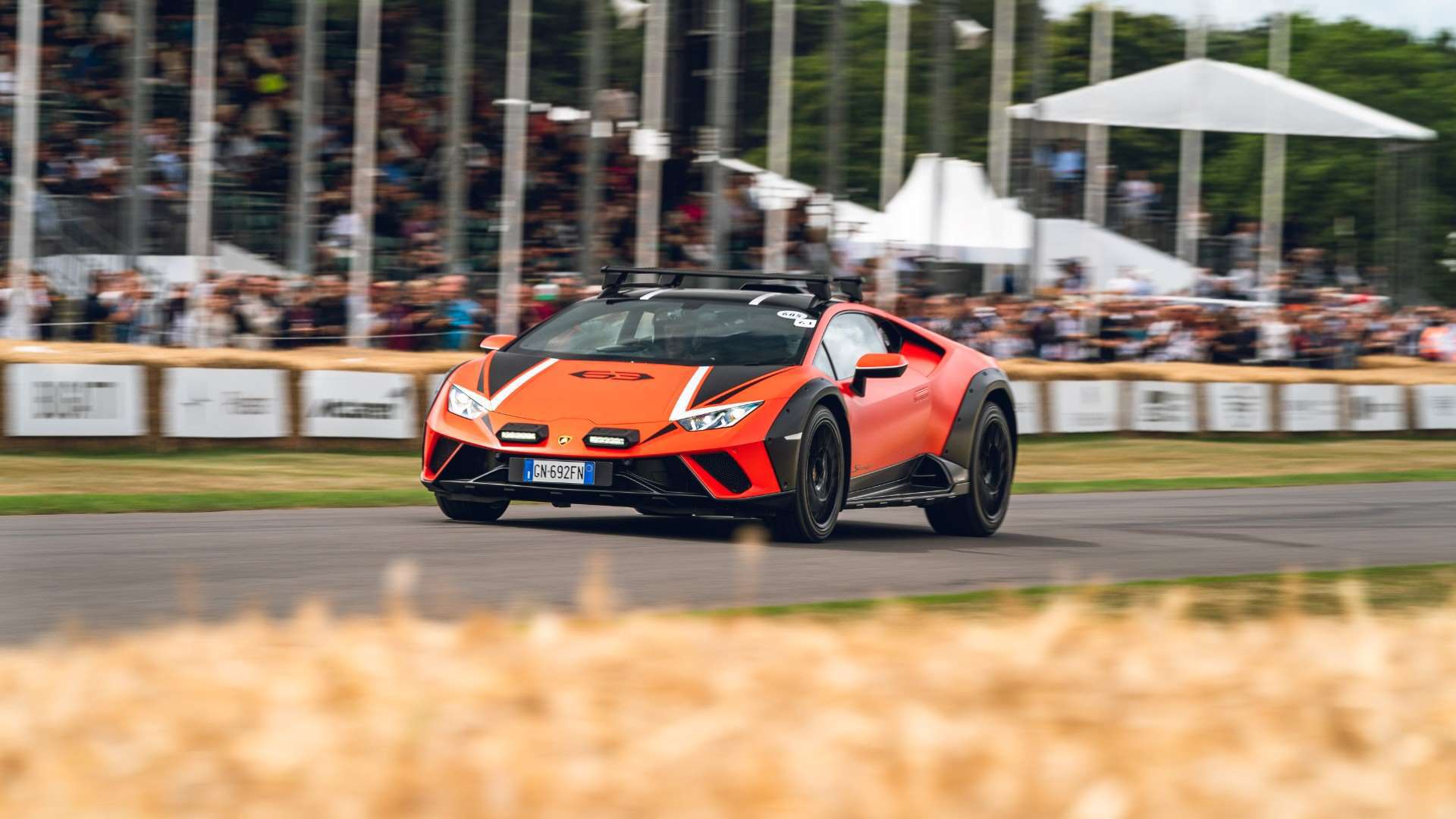
Lamborghini Huracan Sterrato
If you thought the Porsche 911 Dakar was as extreme as offroaders could get, you probably didn't reckon on Lamborghini building the Huracan Sterrato. Next to the standard Huracan, the Sterrato gets suspension that's raised 44mm and offers 35 per cent more wheel travel, with new bumpers that give better approach and departure angles.
Bridgestone Dueler tyres on relatively modest 19-inch wheels serve up plenty of all-terrain grip, and a roof-mounted air intake helps the engine gulp clean air on the kind of loose-surface rally stages it is designed for (while also – in the fine tradition of the brand – ruining rear visibility).
Power comes from the STO's 610PS (448kW) 5.2-litre V10 that's good for 0-62mph in 3.4 seconds, and a Rally mode sends most of the AWD's power to the rear wheels for lairy handling.
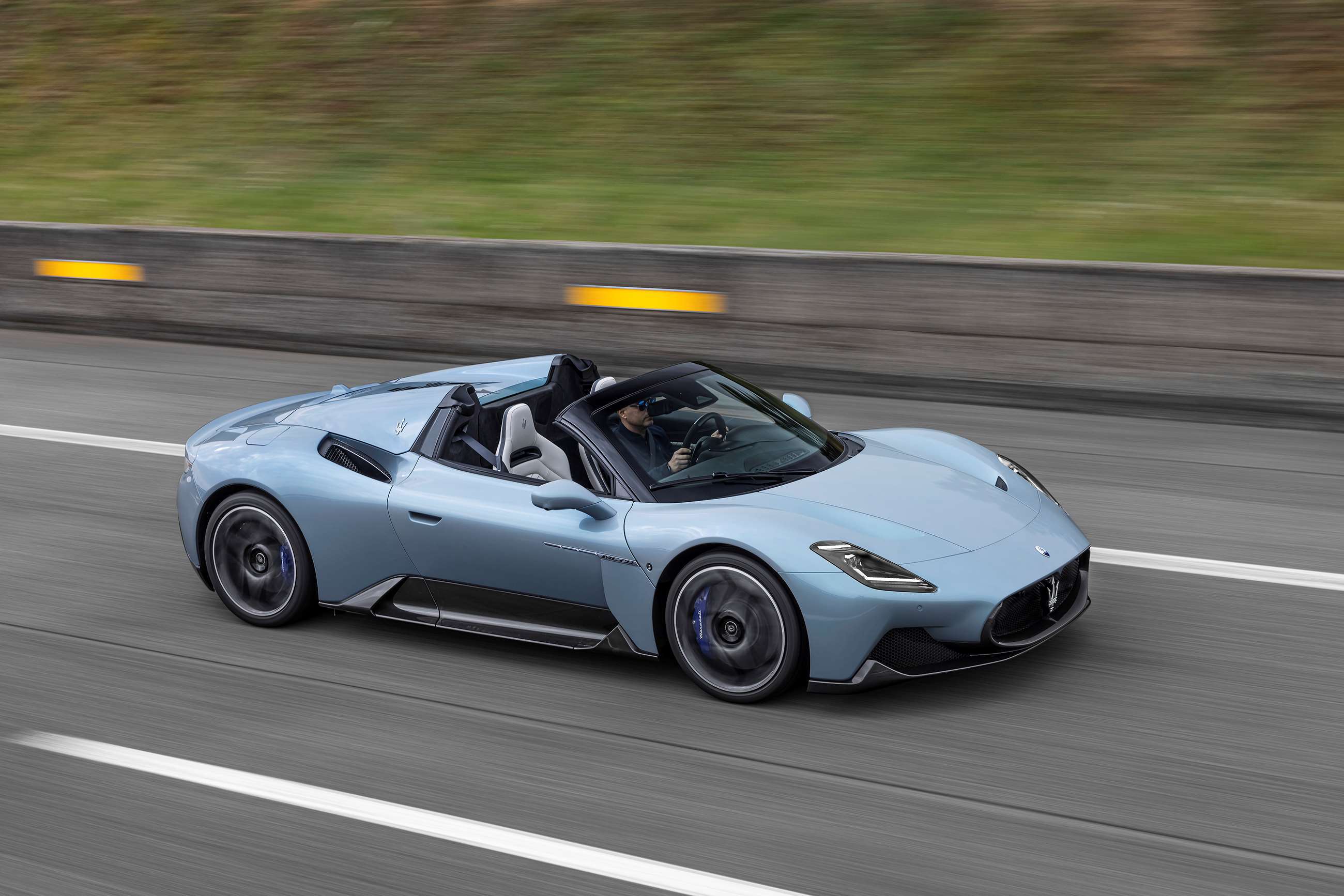
Maserati MC20 Cielo
The Maserati MC20 Cielo, with its folding hard top roof that drops in 12 seconds at speeds of up to 31mph, brings a level of interaction absent in the surprisingly mild-mannered hard top.
Power comes from the same twin-turbocharged 630PS (463kW) 3.0-litre V6 fitted to the coupé, which gets the Cielo – which weighs an extra 65kg thanks to its use of thicker carbon fibre tub – from 0-62mph in 2.9 seconds and onto a top speed 199mph.
Despite the performance on offer, the Cielo is a mild-mannered supercar that gives you the confidence to push it to its limit, while a comfortable ride and decent roof-down refinement mean it could double as a GT.
Ferrari
Lamborghini
Maserati
MC20
Fiat
500
Abarth
Alfa Romeo
Giulia
List
F80
296
Huracan
Pagani
Utopia
Grand Panda
road
news