
The sporting British car brand that became truly global | Axon’s Automotive Anorak
A neighbour recently knocked on my front door, excitedly beckoning me to quickly come and look at the new car that she’s just bought. “It’s an MG,” she excitedly declared. “My father had an MGB GT when I was a little girl in the mid-70s. I always loved that car and promised myself that one day I would also buy an MG.”
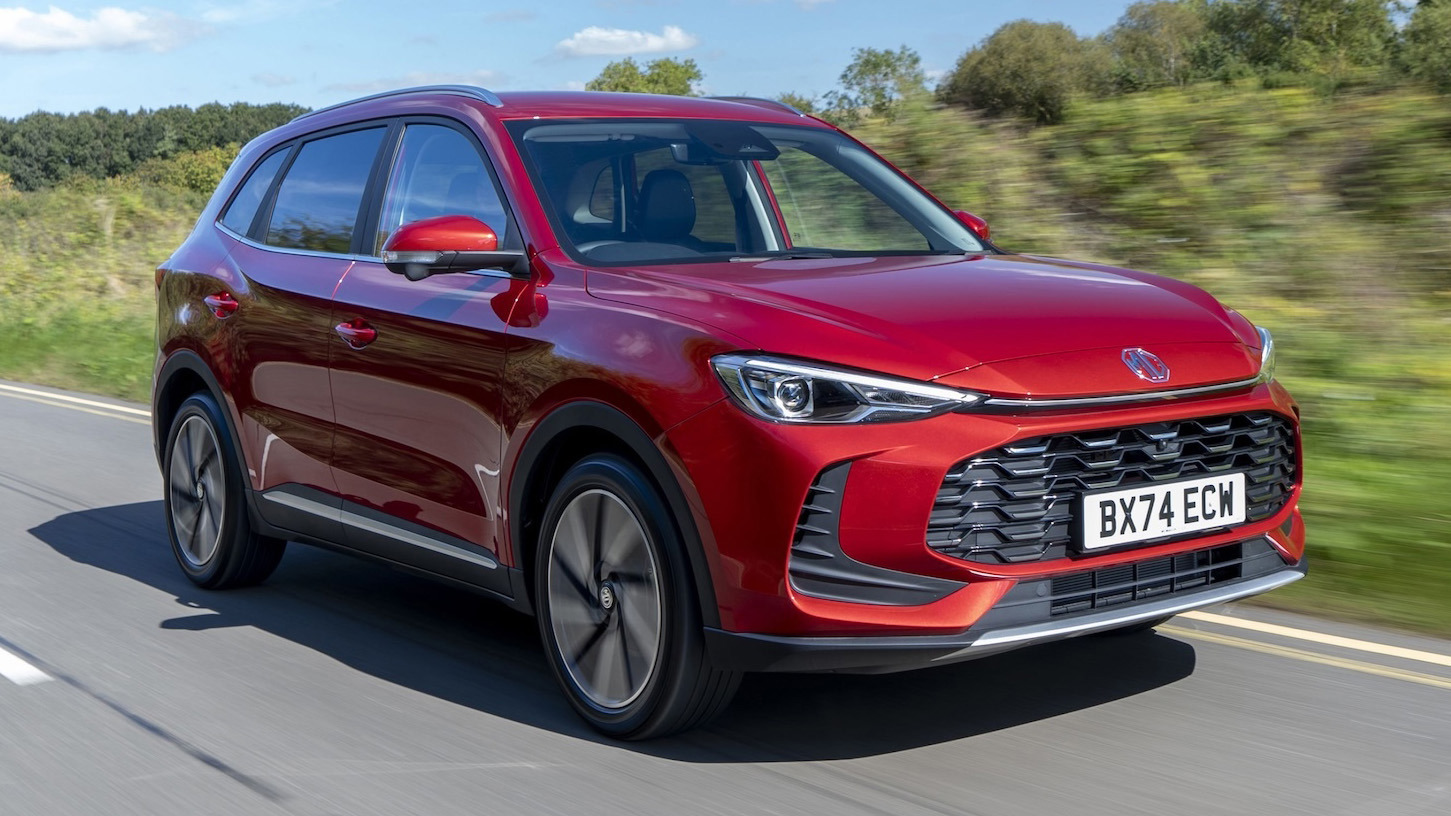
She had just taken delivery of a ZS, the second SUV made by MG in 2017 after China’s SAIC Motor took over ownership of the brand in the early 2000s.
SAIC relaunched a number of ex-MG Rover models into the domestic Chinese new car market, with Rover 75 becoming the Rowe 75 and the Rover 25 rebranded as the MG 3. SAIC briefly retained a limited UK production and engineering base at the former MG Rover Longbridge plant in the Midlands.
Initially, only the MG 3 and 6 were sold in Britain, and not offered on the continent. Gradually though, SAIC dribbled out the new Chinese version of MG into mainland Europe, with a series of bargain-price crossover SUVs and smaller electric hatches. Less than a decade on, the MG brand has now become a significant force in the European new car market, with its vehicles finding new bargain hunter buyers across the continent.
It was recently announced that MGs are going to be built in Europe again, though not at Longbridge, but in Spain. A Coruña, in the Galicia region of Spain, has been chosen as the site of a new MG factory, with production planned to commence in 2028 with a planned annual capacity of 120,000 MGs.
This new Spanish plant is expected to create more than 2,000 jobs and will become MG’s strategic European hub, encompassing R&D, production, key component sourcing and logistic operations. MG plans to expand its technological partnerships with research institutions and local suppliers in the area of next-generation batteries (particularly solid-state), intelligent mobility systems and clean energy solutions.
Until its acquisition, MG was arguably one of the most British of all car marques, making all of its models the UK (with the odd exception). Outside of its historic Abingdon Longbridge plants, the only other MGs to be built outside of Britain were a handful of MGB GTs assembled at the old British Leyland plant in Australia in the early 1970s, plus ironically, the front-wheel-drive MG 1300 in Spain.
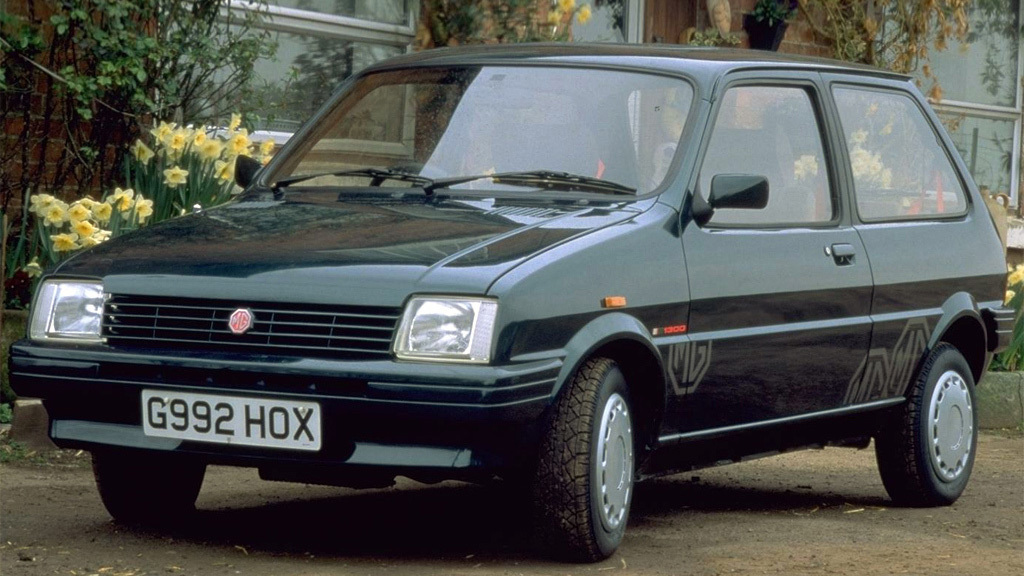
The MG 1100/1300 — a popular MG derivative of the best-selling BMC/BL Austin-Morris 1100/1300 ADO16 — was also built in Leyland’s Spanish AUTHI factory at Landaben, Barcelona.
First made by AUTHI (Automoviles de Turismo Hispano Ingleses) from September 1967, the MG 1100 and later MG 1300 were popular sporting derivatives of the mainstream Morris 1100 models in Spain, offering family drivers a more sporting alternative of the ‘regular’ 1100 and smaller Mini.
A livelier MG 1300 S was produced in Spain up until AUTHI’s 1975 demise, comfortably outliving the UK-built MG 1300 derivative that British Leyland ended UK production of in 1971. Due to British Leyland’s financial collapse, UK Government bailout and nationalisation in 1975, the Spanish AUTHI plant was sold of to Seat in early 1976, this factory still remaining as Seat’s main production facility to this day.
Though I would have liked to have seen a return home to the UK, given MG’s brief production history in Spain the brand’s manufacturing return in 2028 will doubtless be a welcome one across Europe.
road
news
MG
Axon's Automotive Anorak

Subscribe to Goodwood Road & Racing
Thank you, you’re now subscribed

How many hay bales are used at FOS?
For the last two years, 5,800 bales have been recylced into the biomass energy centre to be used for energy generation