

INTERVIEW: Gabriela Jílková on Formula E, Porsche and FOS Future Lab 2026
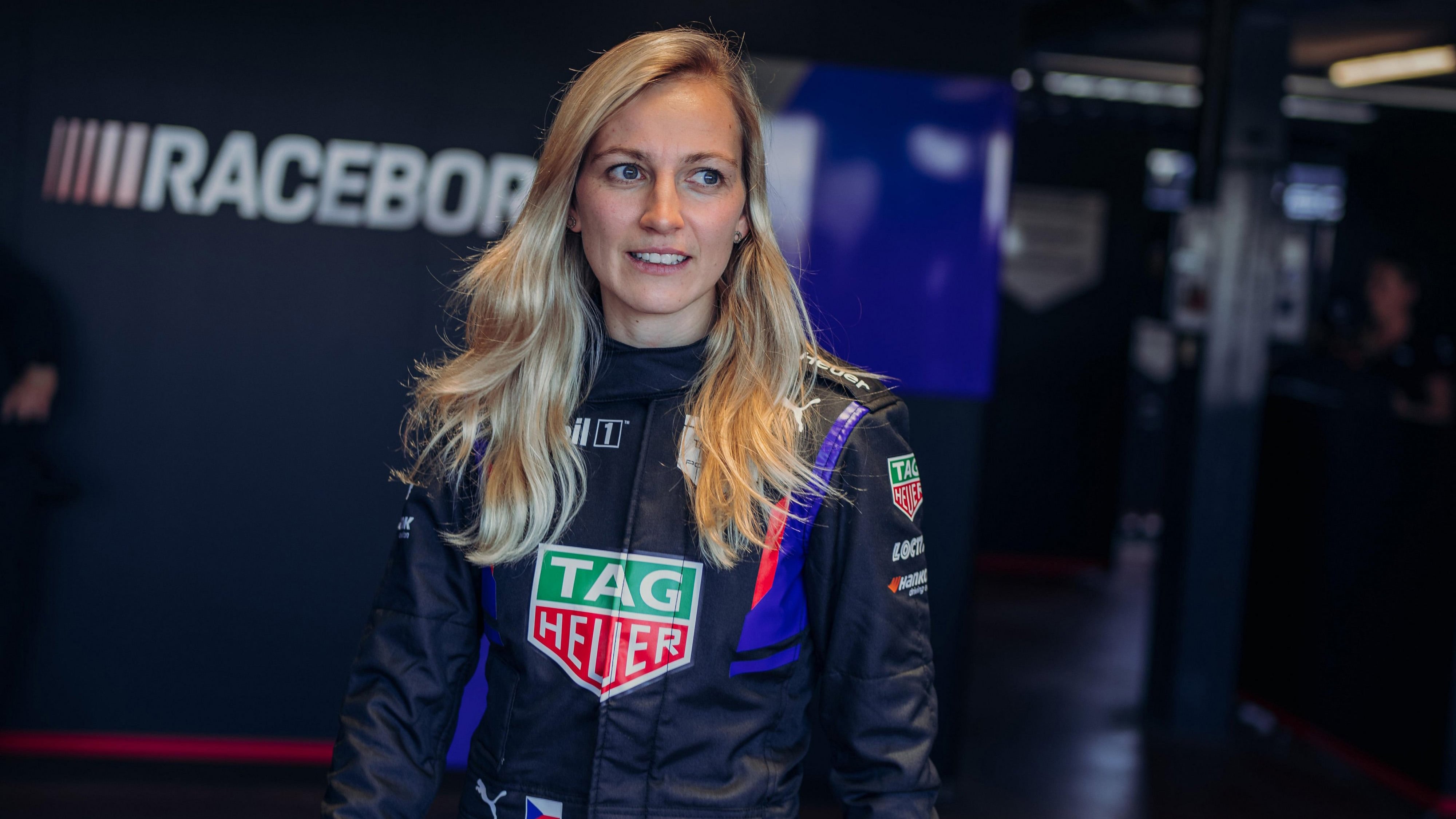
Gabriela Jílková is a development driver for the Porsche Formula E Team, spending most of her time in simulators to ensure its racing car is on point.
Ahead of Formula E’s appearance as a partner of FOS Future Lab presented by Randox, Quick Gabi’, as she’s affectionately known, talked us through her formative years racing go-karts in Croatia and life behind the scenes of a factory motorsport programme.
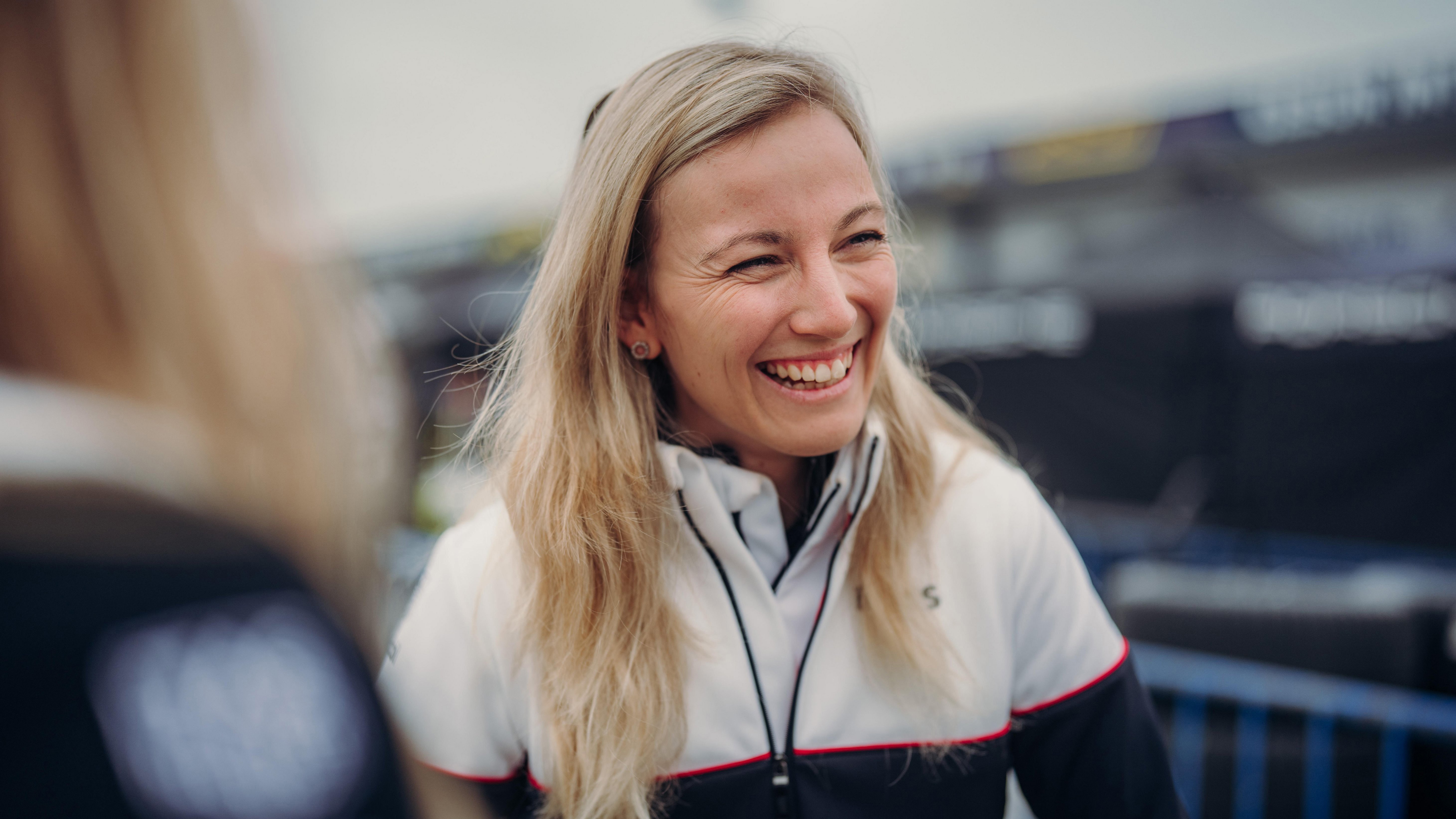
No stranger to Goodwood, Jílková returns for this year’s event after driving a prototype Cayenne Electric up the world-famous Hill in 2025. This year, she’ll switch to a Cayenne Turbo Electric Coupe as it makes its UK dynamic debut.
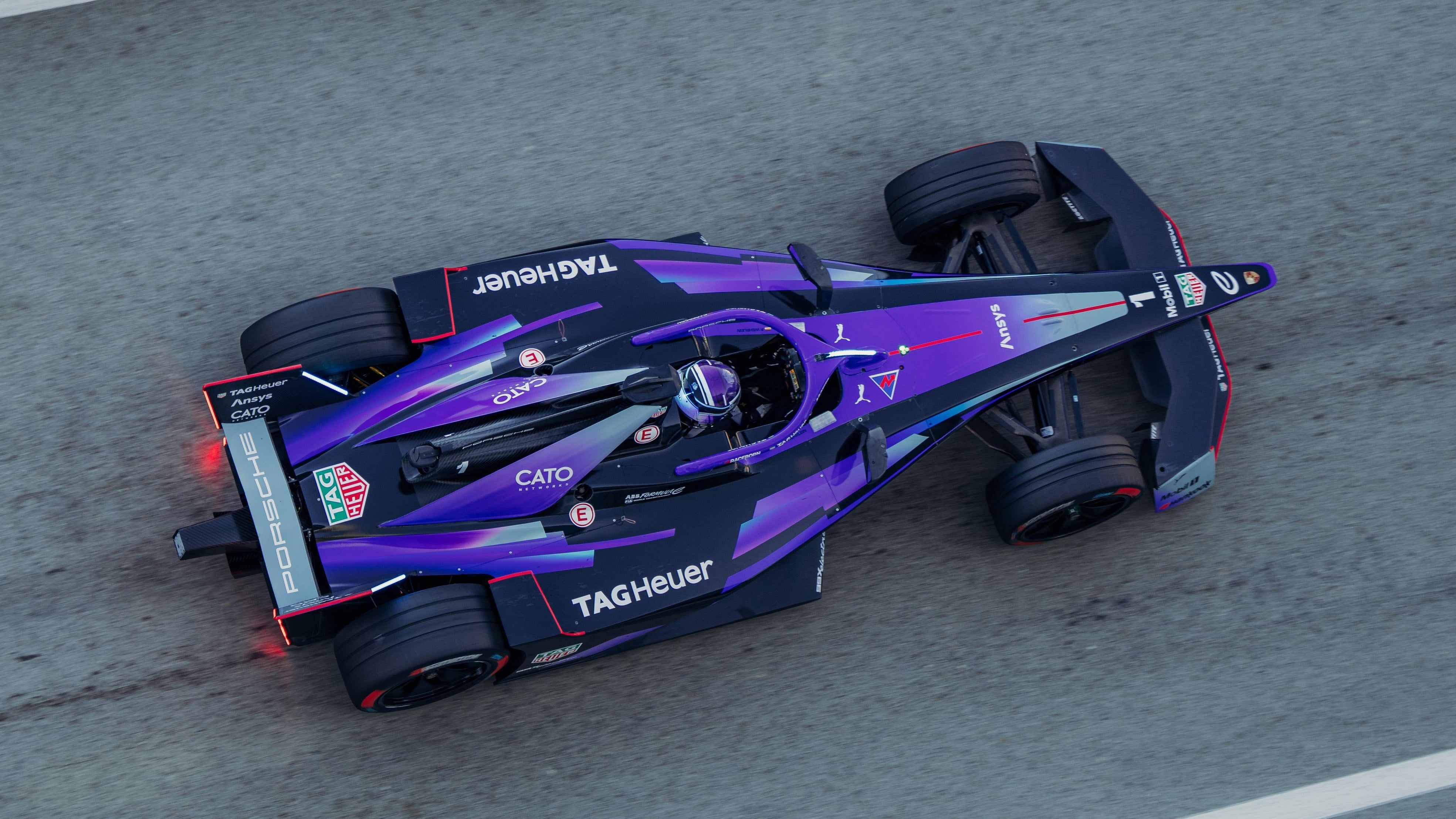
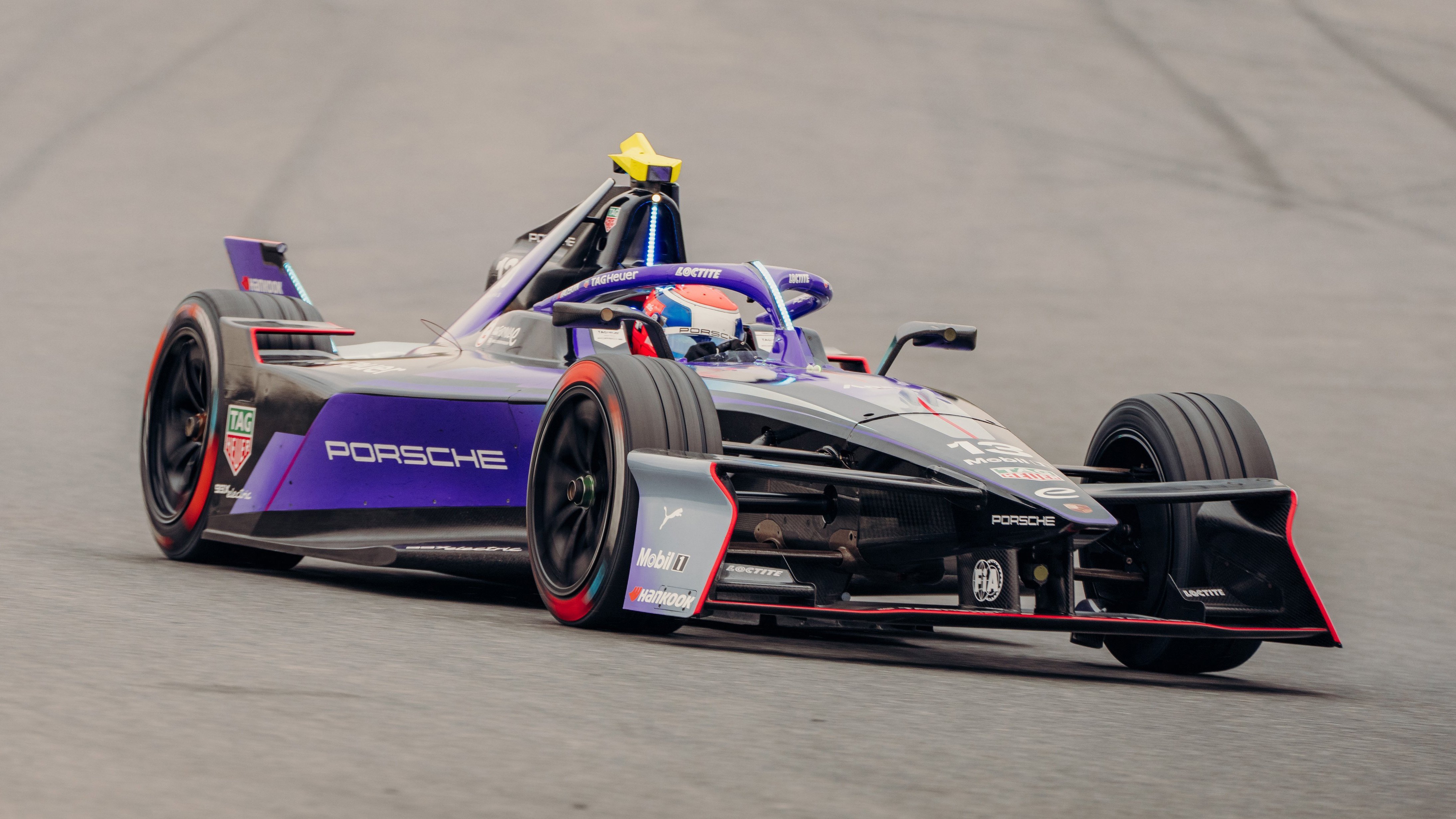
Meanwhile, Formula E arrives at FOS Future Lab 2026 as an official partner, unveiling the GEN4 car, the fastest the series has ever built.
How did you get into go-karting?
I was on holiday with my parents, and every time we drove from the hotel to the sea we passed some rental go-karts. I was five and wanted to try everything. At first they said it wasn’t really for me, but I kept pushing them. Eventually they gave in, and it became a bit of a tradition. We had to stop there every time we went to the beach and every time we came back. The owner of the track noticed and told my parents I was doing pretty well, and that I was fast. I had no idea there were kart races at the time and I’d never even heard of Formula 1. It was purely about the fun of driving.
What happened next?
We started doing go-kart races, just me and my dad, who became my mechanic, because we never had the budget to join a proper team. We learned together; I didn’t know much about racing, and he didn’t know much about being a mechanic. In the first year we got a lot of tips from other teams. By the third year I won the whole championship. I think I won it four or five times in total, and we even went to a world final where we finished third. My mum was cooking in the camper van the whole time.
Do you remember the day you landed that first Czech title?
I remember the last race clearly. It was so close on points, neck and neck. Then it started raining, which I liked. I won the race, and that won me the championship. I’ve always been good in the wet.
Your dad raced motorbikes. Did he push you towards racing?
It was just a hobby for him. He liked bikes, which is a completely different world to karts. He’d sometimes try to give me advice, and I’d have to tell him it’s not the same on two wheels as it is on four.
Where did the nickname “Quick Gabi” come from?
It came a bit later, around 2018 or 2019. Friends just started calling me that, and I thought, actually, that’s a cool nickname, I should use it more.
You’re a development driver for the Porsche Formula E Team. What does that actually involve?
I work mostly backstage, in a way people don’t really see. I spend a lot of time on the simulator in Weissach, Germany, preparing for races, strategy, car setup, all the situations that might come up, like a safety car during a race. I work closely with the race engineers more than with the other drivers. After a race weekend, we correlate the data from the simulator against what actually happened on track.
How much can you experiment on a simulator compared with a race weekend?
Much more than you’d think. A setup change on the sim is done quickly. Sometimes you don’t even need to get out of the cockpit; you just try one thing after another. That’s impossible in real life. In Formula E, you can’t even test on a real racetrack outside a race weekend, so the simulator is really where we get to push things.
Formula E is bringing its fastest car yet to FOS Future Lab this year, the GEN4. What can you tell us about it?
I haven’t been in the GEN4 car myself yet, so I can’t tell you from experience. I’ve seen it, just not driven it. From what I’ve heard, though, it’s a big step forward. That’s something I’m looking forward to as much as any visitor to Goodwood.
What impact does Formula E have on real road cars?
Motorsport is like a laboratory for road cars; whatever we test, we can improve. We try it on the simulator, then later on the racetrack, and you pick out the best parts, whether that’s something mechanical or something in the software. You’re testing it under the hardest conditions there are, and then that finds its way into a road car.

You drove a Porsche Cayenne Electric up the Goodwood Hill last year, and you’re back again this year. What was that first run like?
It was amazing, and it was my first time at Goodwood, my first time driving that track, though not my first time in the Cayenne. The torque and the launch control are incredible. It’s not a secret that the car isn’t light, but you don’t feel that, even on a narrow track like the [Goodwood Hill]. It’s really responsive, and I enjoyed it a lot. Every time I looked over at my passenger, they had a huge smile on their face.
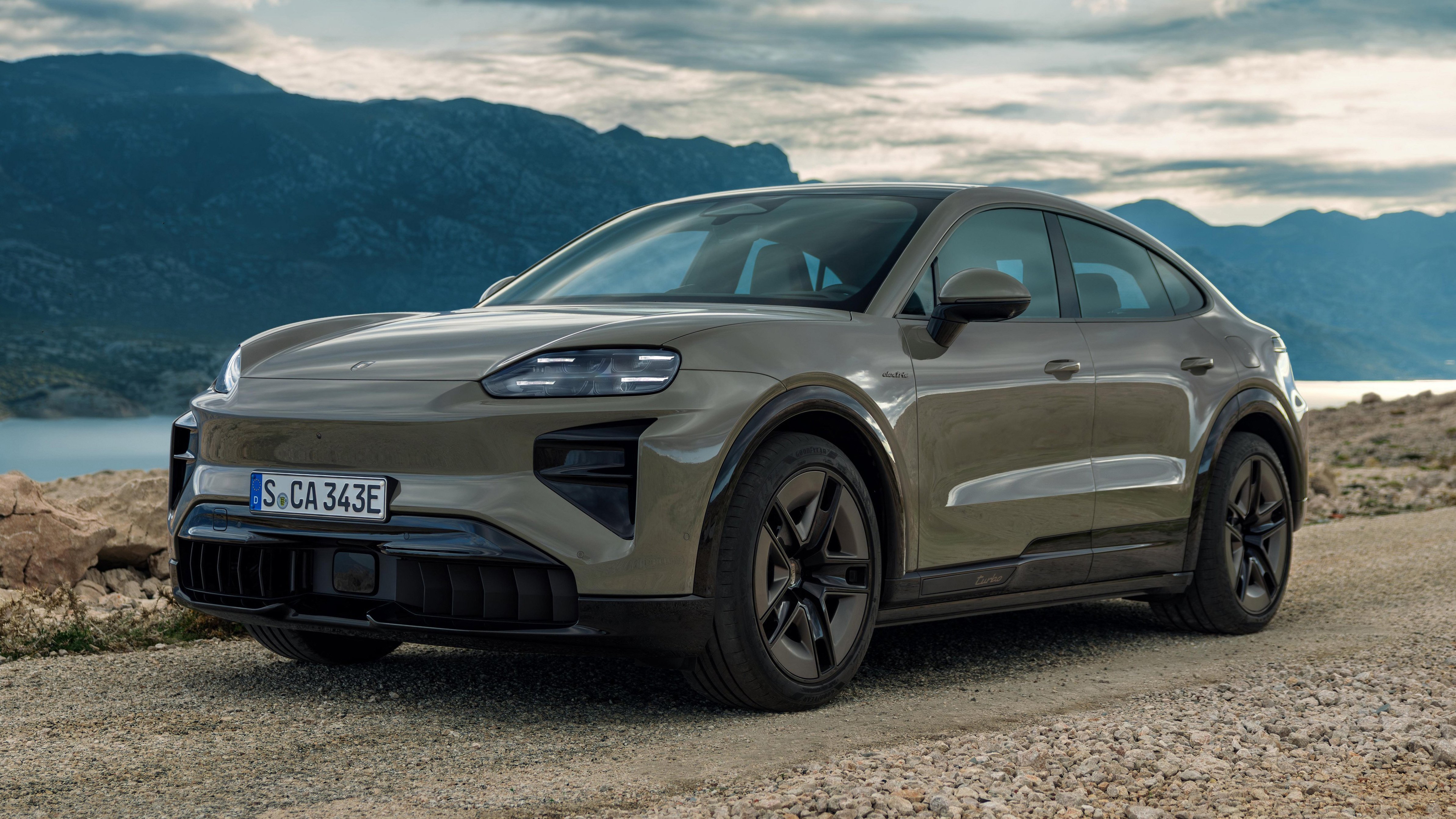
Jílková drove a Porsche Cayenne Electric up the Goodwood Hill in 2025.
Launch control on a big electric SUV sounds like a contradiction. Why does it work so well?
My first real experience of launch control was in a Taycan. Most of the time I was just cruising through the city on the way to my parents’ house. Then, on a side road near their place, I tried launch control properly for the first time and I was amazed. I immediately called my parents and told them they had to try it, too.
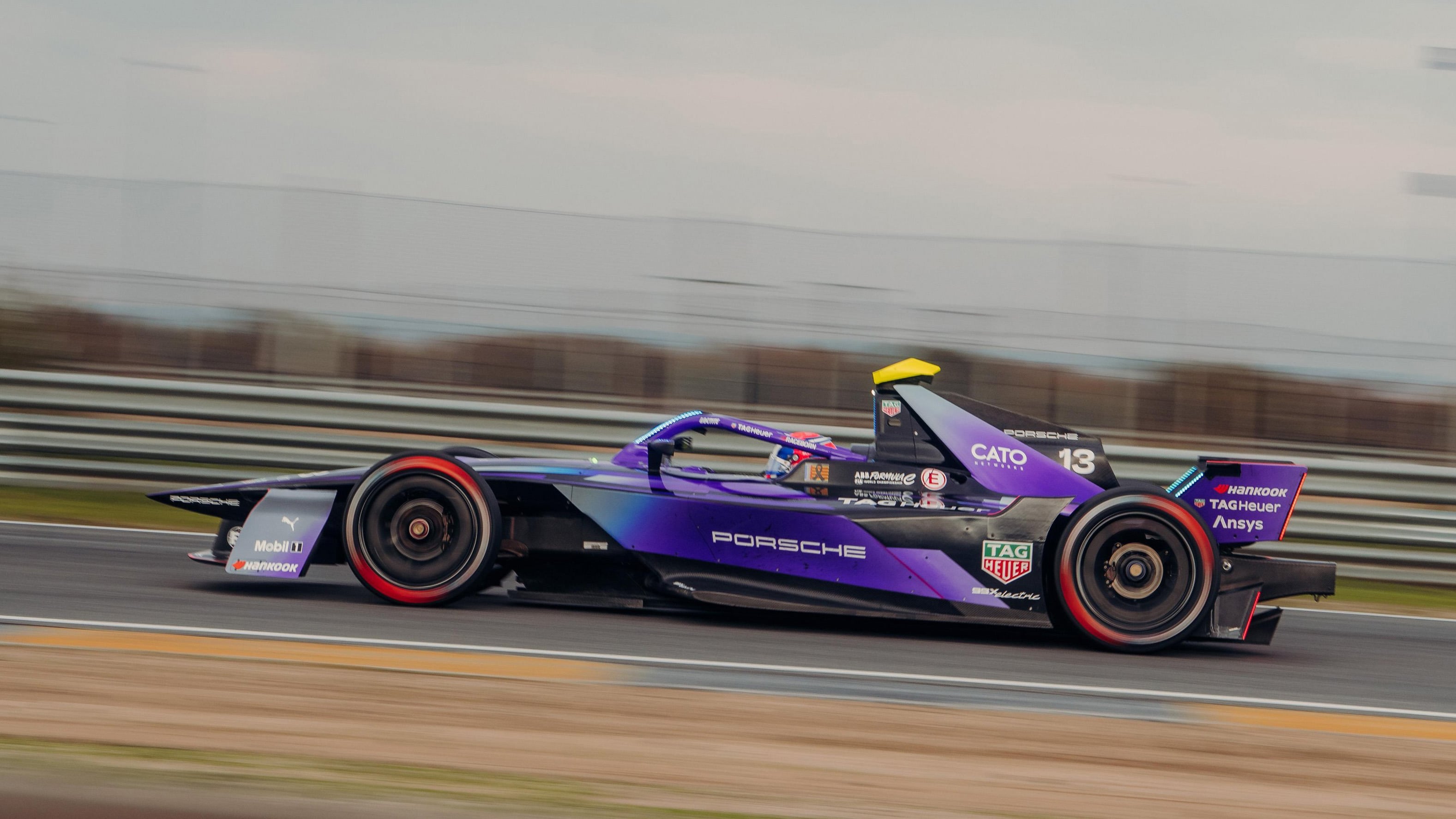
In Formula E, when you do a race start, it’s quick, but you know it’s coming. With a road car like this, you don’t expect it at all, and the feeling is incredible. It’s hard to put into words. A Cayenne Turbo Electric clocks 0- 62 mph in 2.5 seconds, pretty quick for a two-and-a-half-tonne SUV, when Formula E’s own GEN3 Evo race car does it in 1.82 seconds.
You’ve spoken about wanting more women in motorsport. What advice would you give to young visitors to FOS Future Lab?
When I look back to when I started karting, it was pretty much just me and maybe one other girl. Today, when you go through the paddock, even in karting, you see so many more girls racing, which is amazing. It’s a bit of a cliché, but never give up. It wasn’t easy for me either. Yes, I’m a girl, but there are far more paths into this world than people think. If it’s not racing, maybe it’s data engineering, or something else entirely. There are definitely more opportunities now than ever before.

Where do you think electric racing goes in the next five to ten years?
Formula E is still a young Championship, but it’s growing all the time. I’d put the current driver line-up alongside a lot of current Formula 1 grids. With more power and development in the car, it’s getting more interesting for everyone.
If you compare the current car with the very first generation, it’s such a huge step in a pretty short time, and I’m curious myself how it’ll look in another five or ten years. In a combustion engine, there’s not much room left to change. This is a completely new world, and it’s improving so fast. That’s what makes it exciting to keep learning.
Randox is a global leader in diagnostics, revolutionising patient outcomes through innovative technologies, including its patented biochip technology. This pioneering diagnostic platform allows for the simultaneous detection of multiple biomarkers from a single sample, delivering faster, more accurate, and comprehensive results. Operating in over 145 countries, Randox develops advanced laboratory instruments, high-quality reagents, and innovative testing solutions to improve global healthcare.
Randox Health brings this cutting-edge technology directly to individuals, offering bespoke, preventative health testing programs. With world-class laboratories and personalised health insights, Randox Health enables early detection of a wide range of conditions, helping individuals take control of their health.
Together, Randox and Randox Health are redefining diagnostics and preventative healthcare. For more information, visit www.randox.com and www.randoxhealth.com.
Tickets for the Festival of Speed are now sold out, with a limited number of hospitality packages still available.
If you’re not already part of the GRRC, joining the Fellowship means you can save ten per cent on your tickets and grandstand passes, as well as enjoy a whole host of other on-event perks.
festival of speed
fos
fos 2026
event coverage
future lab
fos future lab
formula e
Gabriela Jílková
interview
porsche
intelligent systems

Subscribe to Goodwood Road & Racing
Thank you, you’re now subscribed

How many hay bales are used at FOS?
For the last two years, 5,800 bales have been recylced into the biomass energy centre to be used for energy generation