

Mercedes-Benz: 100 years of world-class engineering | Frankel’s Insight
 Andrew Frankel
At this year’s Festival of Speed presented by Mastercard, Goodwood will be celebrating the centenary of Mercedes-Benz as part of the Cartier Style et Luxe, at which news I’m betting that at least a few of you are wondering whether, for the first time in a third of a century, the organisers have got their dates wrong…
To no-one’s great surprise, they have not. The early history of the companies that came to form Mercedes-Benz 100 years ago is complex to say the least. Before then there were Daimlers, Benzs, Mercedes and even Daimler-Mercedes engines. But it was only after the merger of Benz & Cie and DMG (Daimler Motoren Gesellschaft) in 1926 and formation of Daimler-Benz that the first Mercedes-Benz vehicles were produced. And that’s what’s being celebrated.
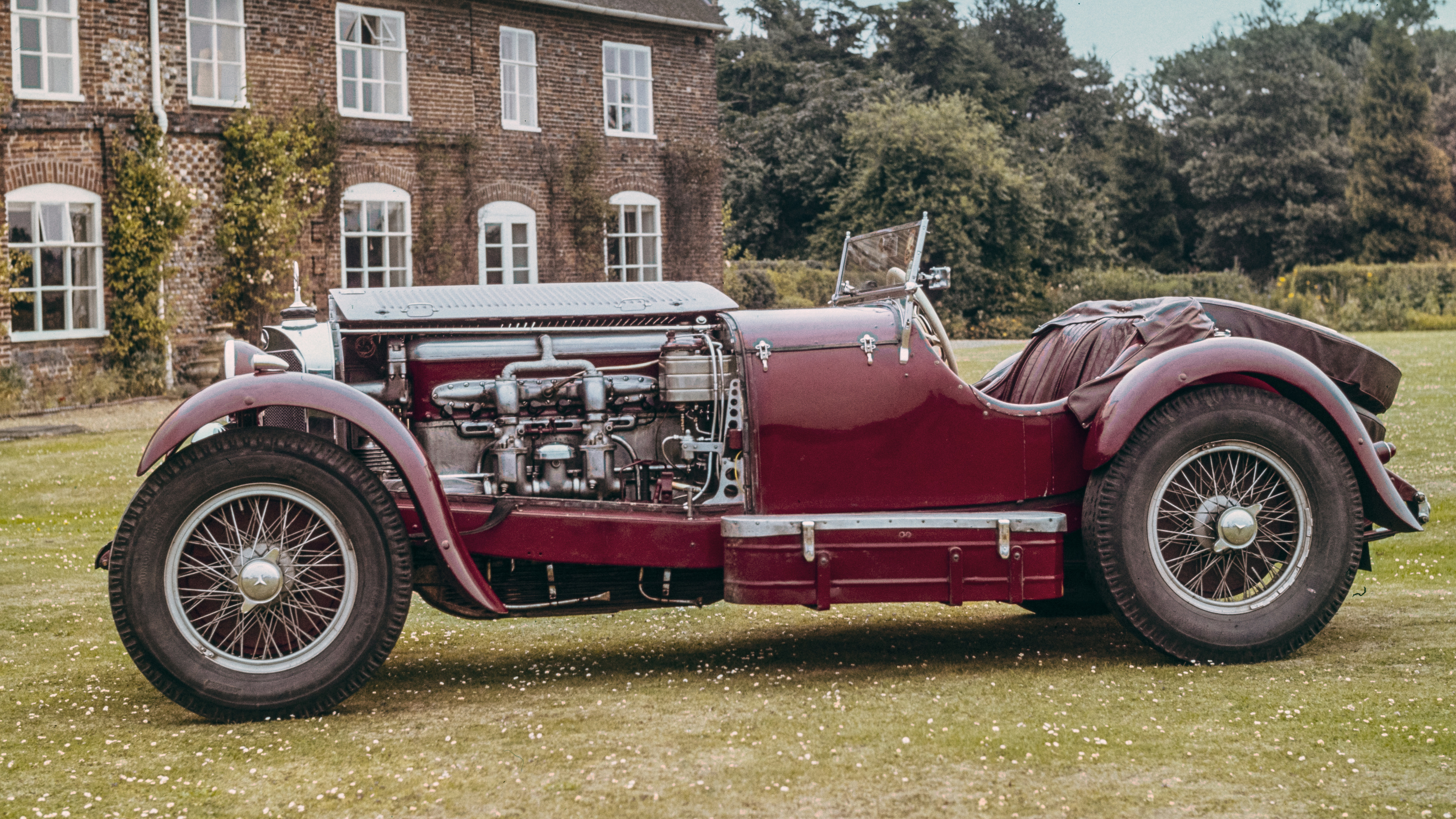
Incidentally, the Mercedes name came from Austrian entrepreneur Emil Jellinek who entered DMGs into races under his daughter’s name Mercédès. Ironically enough, Mercédès herself had no interest is cars whatsoever and is reputed never to have owned one.
Both companies already had stellar reputations, DMG’s Mercedes being Grand Prix winners and Benz having broken the Land Speed Record, so it’s perhaps no great surprise that it was in competition that the new Mercedes-Benz cars first started to shine.
The first to really capture the world’s attention was the SSK, with its 7-litre, supercharged, six-cylinder engine. Designed by Ferdinand Porsche, it won everywhere from Argentina to the Isle of Man and, notably, the 1931 Mille Miglia. But given what was to follow, it looks almost like a practice car.
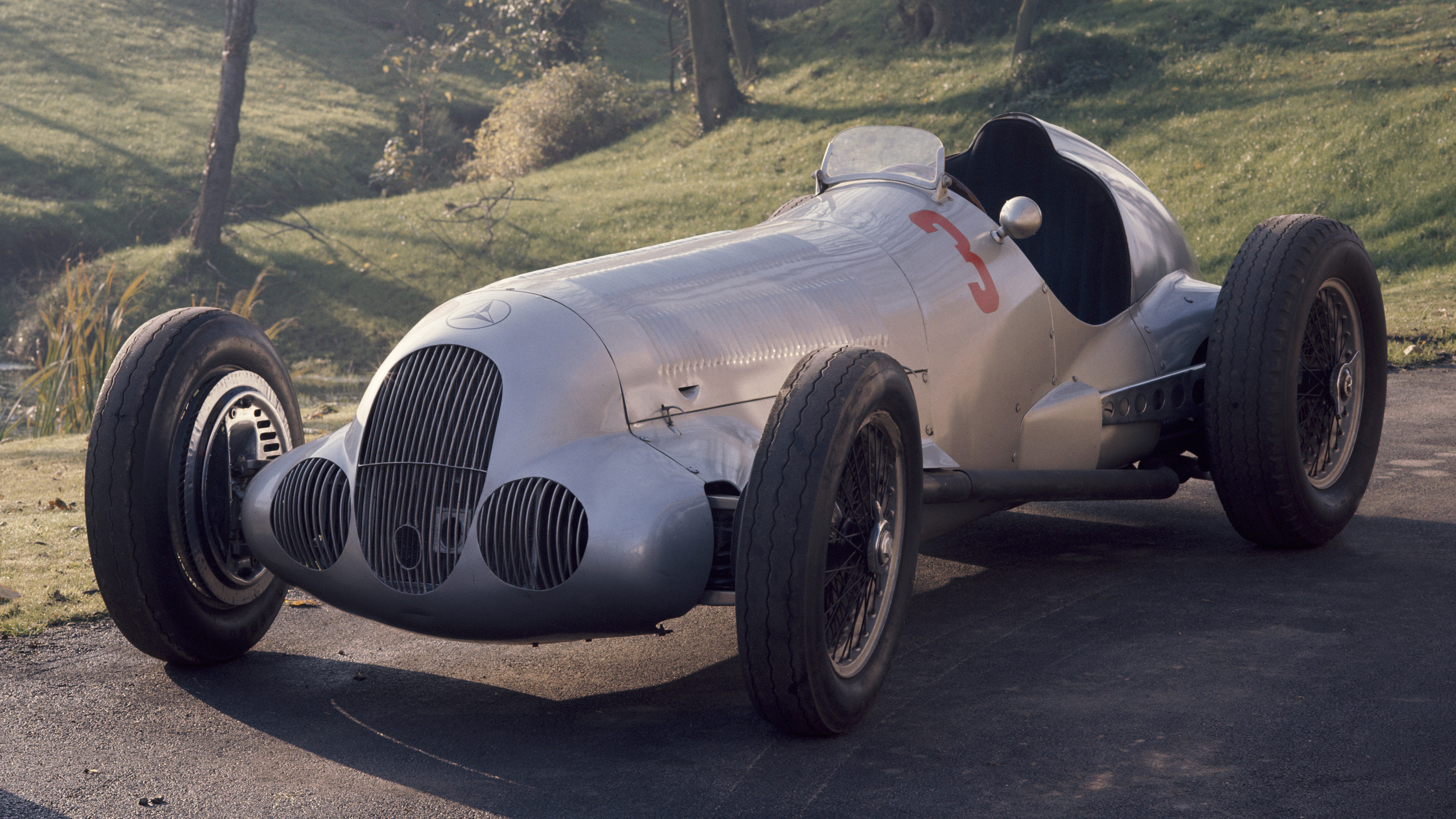
It was succeeded by the Silver Arrows, that series of cars — the W25, W125, W154 and W165 — which came to utterly dominate Grand Prix racing in the pre-war era. Only Auto Union came close, and even then, not often.
But the war left the company in a desperate position, and it wasn’t until the 1950s that it was able even to look at a return to competition. When it did, with the W194 in 1952, it was with the engine and gearbox from the sedate 300 saloon because there simply wasn’t the budget to build bespoke race powertrains anymore.
Even so, up against vastly more powerful V12 Ferraris, in 1952 it still managed to win Le Mans, the Carrera Panamericana, the Eiffelrennen at the Nürburgring and come second in the Mille Miglia. If the World Sports Car Championship had been introduced a year earlier, it would have won that too, its combination of extreme aerodynamic efficiency, lightweight and torsional rigidity besting the best Maranello could offer.
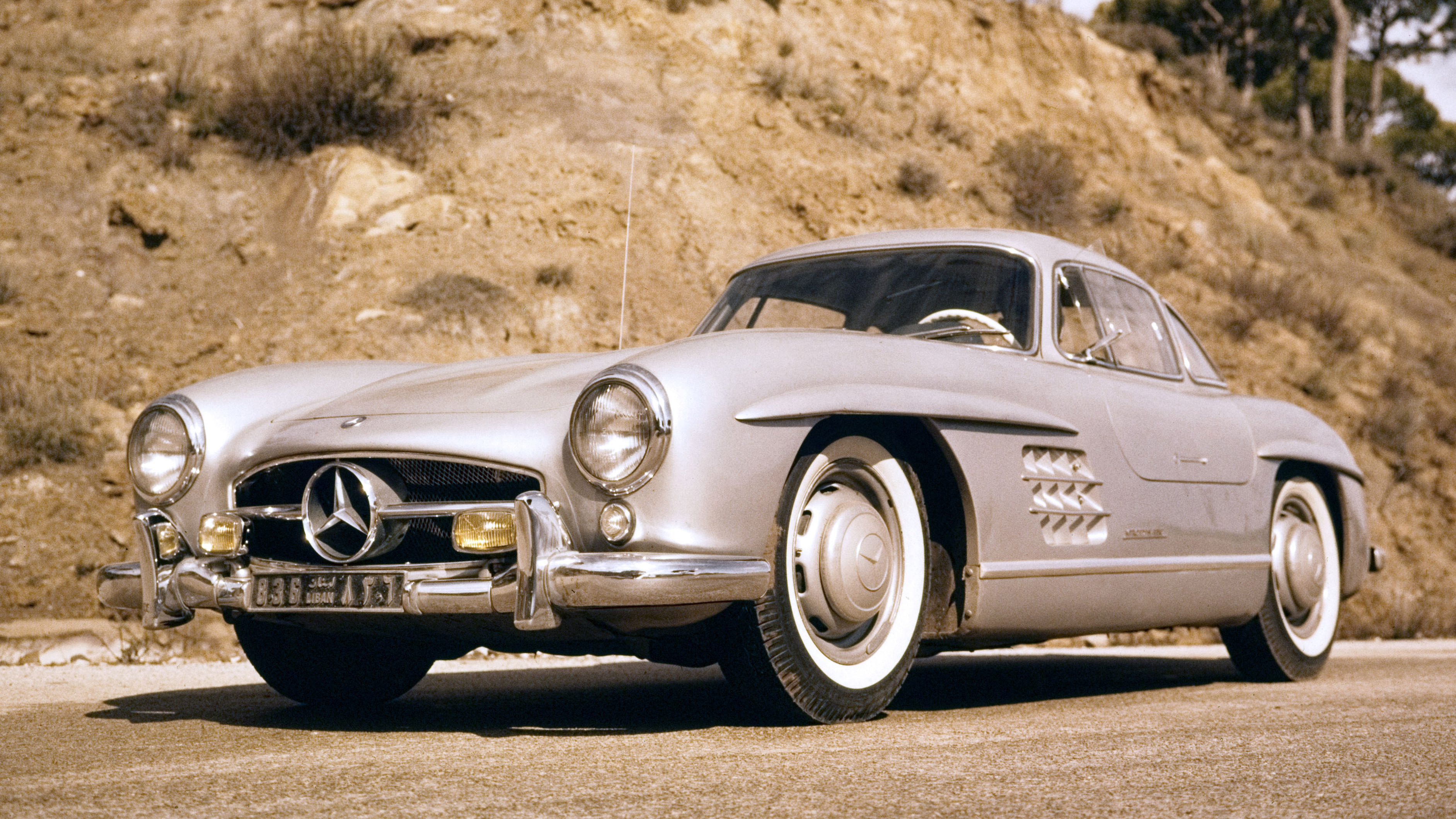
I dwell on this comparatively little-known car because from it sprang everything else: the utterly dominant W196 Formula 1 car of 1954-55 and the legendary 300SLR that spawned. On the road side, the gullwinged 300SL was simply a street version of the W194 and was the fastest, most glamorous road car the world had known until that time. Today it is regarded by many as the world’s first supercar.
And I think today that people too easily forget what an extraordinary innovator Mercedes-Benz has been over the years (even if you don’t include the half of the company that actually invented the car). The first diesel powered car? The first car with direct fuel injection? The first with crumple zones, the first with anti-lock brakes; the first with airbags; and the first with ESP? All Mercedes-Benz.
No other car company has a history as long or as remarkable as Mercedes-Benz. Here is a marque with a brand so broad it can on one hand rule over Formula 1 for years at a time, but also account for surely at least nine out of every ten taxis parked outside Munich airport.
A company which will sell you a little electric hatchback, or a hypercar powered by a 1,000PS engine genuinely and directly derived from an F1 unit. The S-class limousine has been the world’s most successful luxury car ever since it appeared over 60 years ago, while the new CLA is one of the most efficient and effective EVs yet to come to market. And the indestructible G-class, or G-wagen as it is known to all, remains the toughest, go-anywhere fashion accessory on the planet.
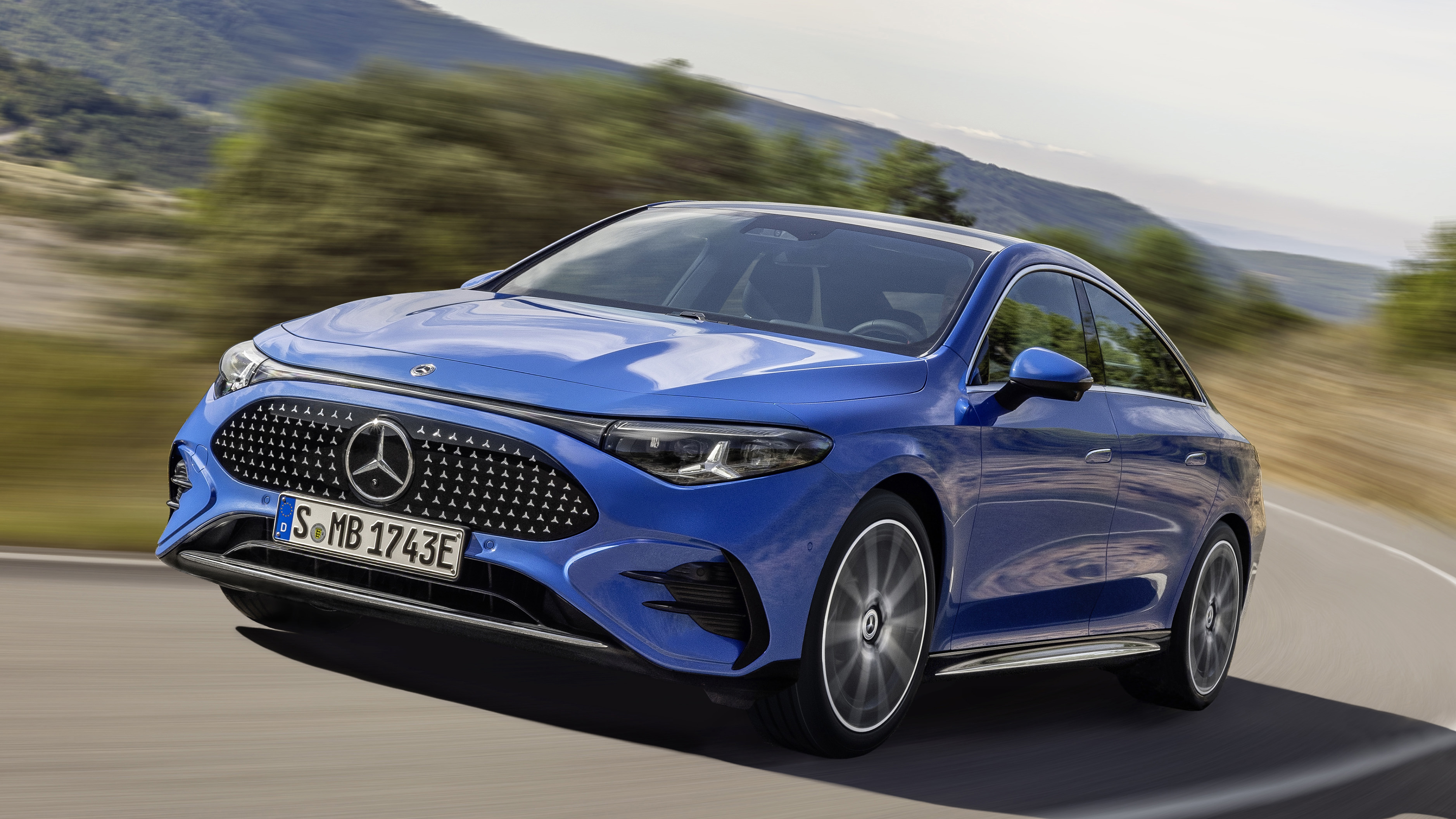
It’s not always been plain sailing for the company, and the mid-1990s decision to spend less pursuing sheer engineering excellence resulted in reputational damage that took years (some might say decades) to repair. And the original A-class, arguably the most innovative and clever compact car of the last 30 years, was not built to the same quality standard expected of the brand.
But Mercedes-Benz has long since put all that behind it and now boasts a product line up of which Messrs Benz, Daimler and Jellinek would doubtless be endlessly proud. It would be nice to think that even Mercédès would allow herself a moment’s pride at all that has been achieved in her name.
Tickets for the Festival of Speed are on sale. Saturday and four-day passes are now sold out and Friday tickets are limited. If you’re not already part of the GRRC, joining the Fellowship means you can save ten per cent on your 2026 tickets and grandstand passes, as well as enjoy a whole host of other on-event perks.
festival of speed
fos
fos 2026
event coverage
cartier style et luxe
Mercedes-Benz
frankel's insight

Subscribe to Goodwood Road & Racing
Thank you, you’re now subscribed

How many hay bales are used at FOS?
For the last two years, 5,800 bales have been recylced into the biomass energy centre to be used for energy generation