

Vespa on the silver screen: the birth of a cultural icon
When Roman Holiday arrived on screens in 1953 it introduced two new stars to the world: Audrey Hepburn, and the Vespa. The short sequence of Princess Ann finding her freedom whizzing around Rome’s winding streets on the scooter with Gregory Peck’s Joe Bradley encapsulated everything the Vespa has since come to be associated with — romance, style and carefree adventure.
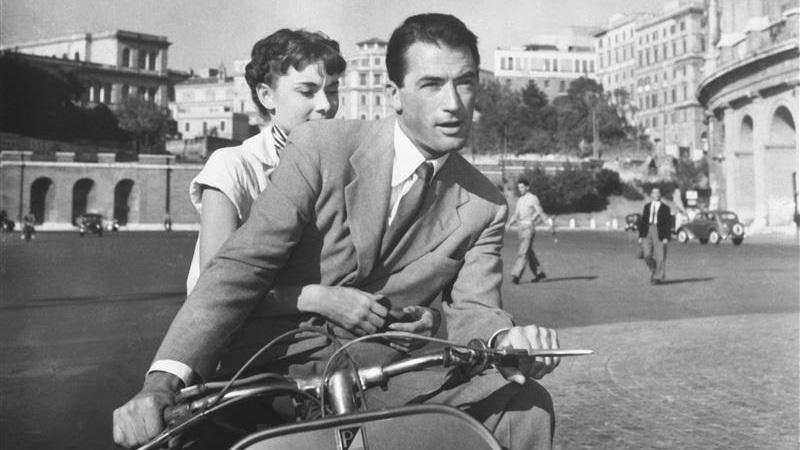
The Vespa would not be the cultural icon it is today, 80 years after it first went into production, without the mythologising effect of Hollywood.
Not long after Piaggio’s first model was released, the American film industry began using Rome and its Cinecittà studios as a major filming location. And, unlike the local cinema industry, these English-speaking films would be seen by a global audience, introducing them to Italian aesthetics and sensibilities that captured imaginations.
None more so than Roman Holiday — one of the first pictures to be made in this ‘Hollywood on the Tiber’ era. Images of the effortlessly chic protagonists finding their own way around Rome’s alleyways exudes an infectious feeling of playfulness and charm. Freedom, romance and adventure became synonymous with the Vespa, who could be immune to its appeal?
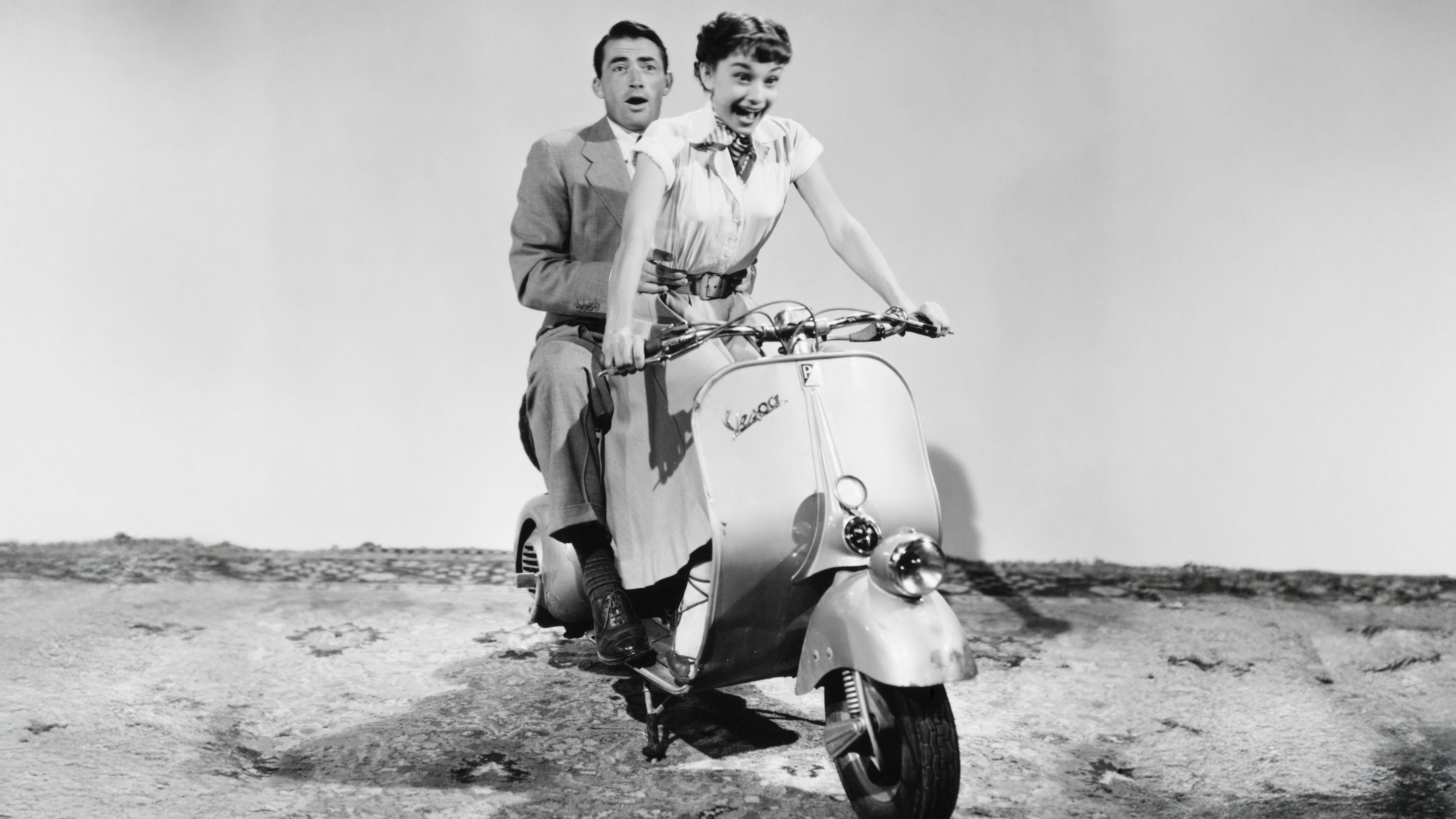
In one of the most impactful organic product placements to come about, it’s said Hepburn’s scooter ride encouraged over 100,000 Vespas to be sold in the aftermath of the film’s release. The company went from modest sales to surpassing one million units sold by 1956. Now with an enduring dream it could sell, the Vespa’s place in the public imagination was cemented.
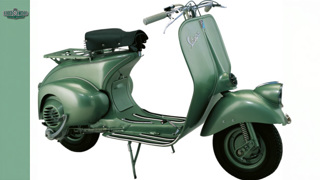
And as Hepburn so fashionably demonstrated, the Vespa carried a specific female appeal, thanks to its step through frame allowing women to ride one whilst wearing a skirt. Moreover, the concealed engine helped to keep the rider’s clothes free from any oil or dirt. The Vespa became an extension of personal style, but more than that, the scooter was also a tangible symbol of greater independence for many Italian women, as one of the first vehicles they started commanding in the 1950s.
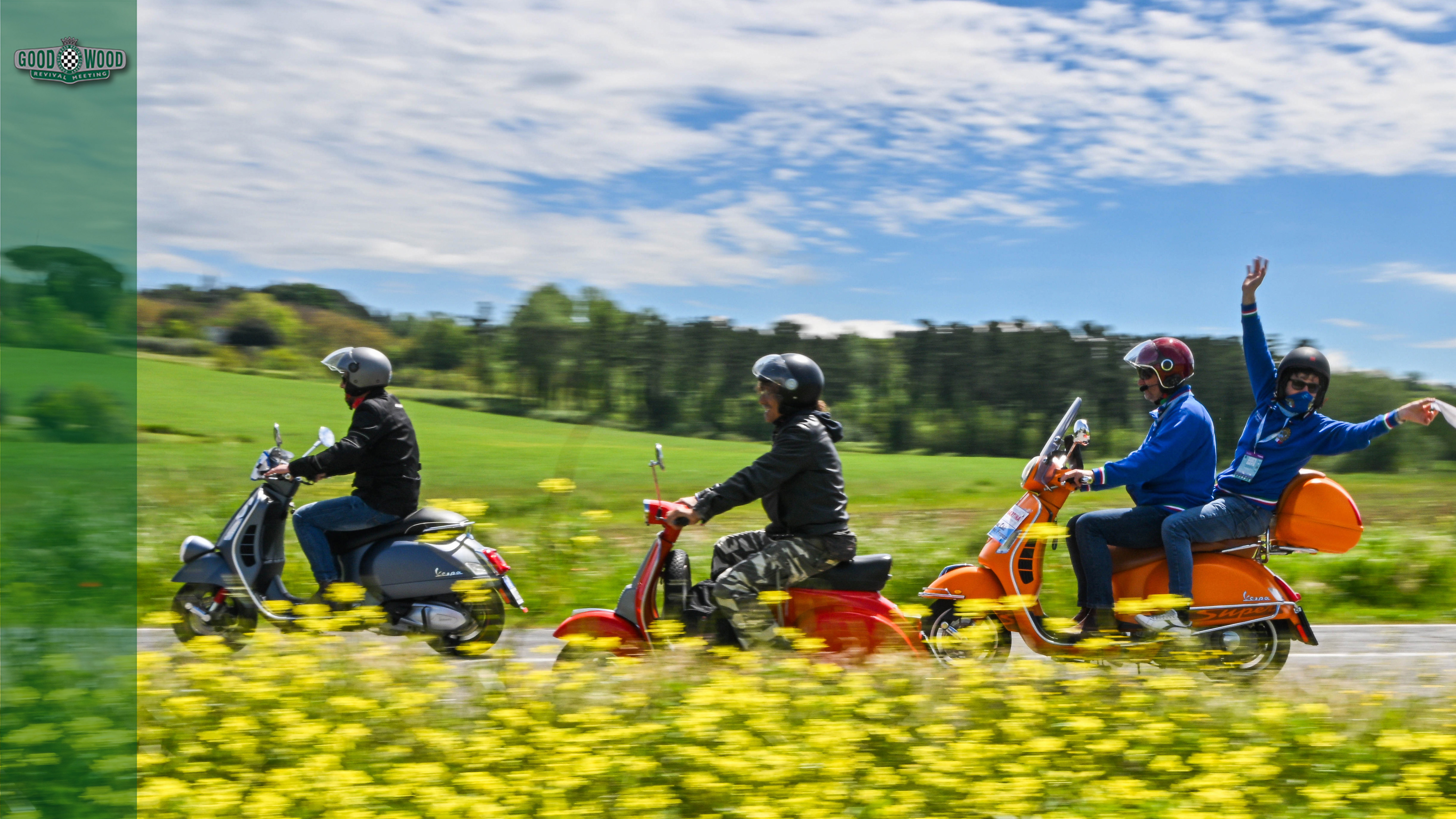
From the idealistic to the political, the notions of freedom the Vespa took to representing were varied, but its association with La Dolce Vita strikes the most for this year’s celebrations at the Goodwood Revival.
Federico Fellini’s film — capturing the decadence of high society in 1960s Rome — gave the name to the feelings it conveyed, a focus on slow living and an enjoyment of life’s small pleasures sparked by a sense of renewal following the war (in no small part helped by the Cinecittà-led industrial boom).
While no Vespa pulls focus in this film as it did in Roman Holiday, the scooters are visible in the background, used as a staple of daily Italian living. The elegant, carefree lifestyle projected is the nostalgic feeling that keeps the Vespa as alluring as it is today.
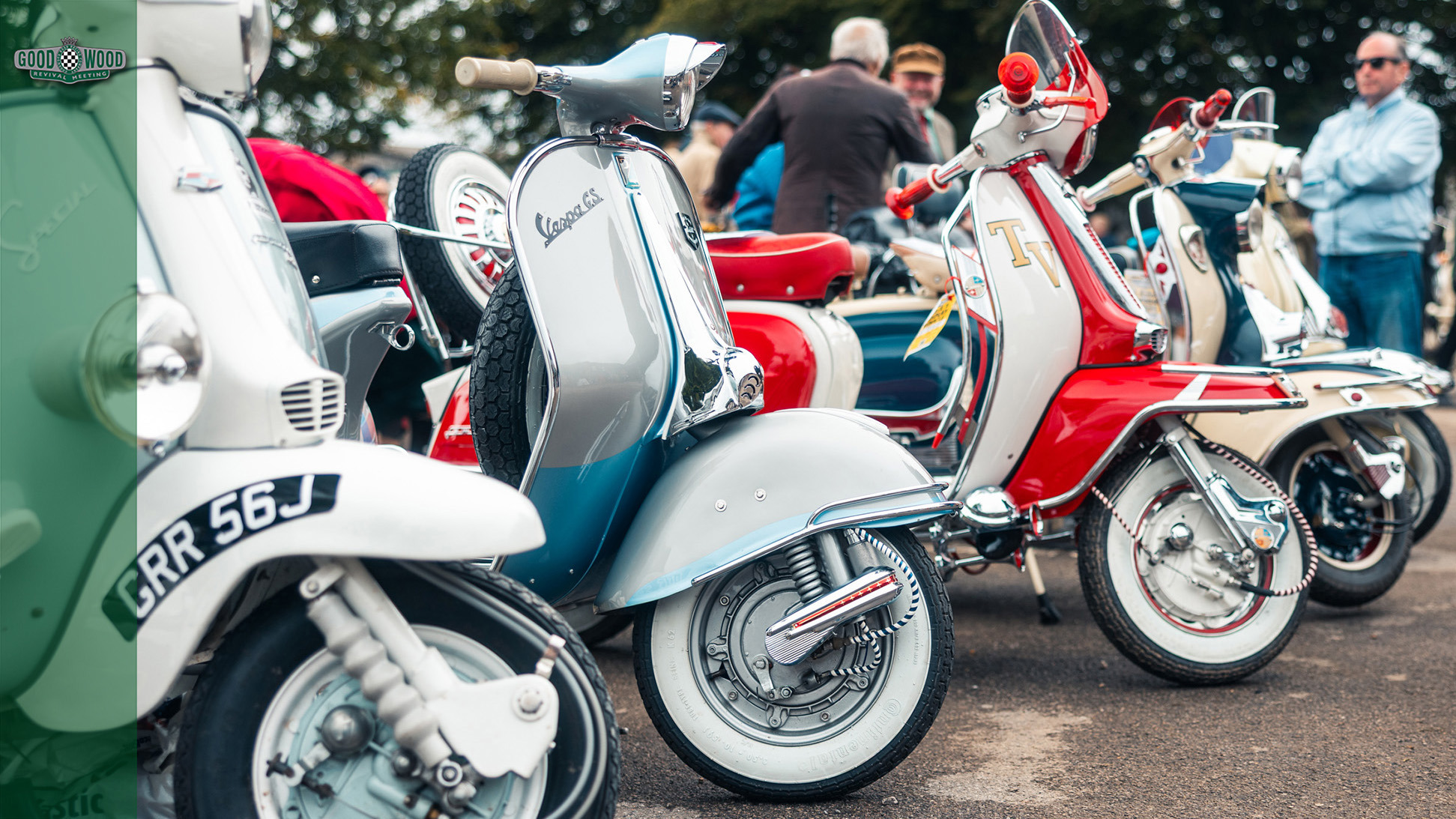
No sales figures or design quirks can capture hearts as effectively as the power of imagination. Only this scooter can materialise Hollywood visions of Roman escapes at a single glance, and because of that Vespa continues to endure so wonderfully, decades on from its big screen splash.
It is wistful imagination that will fuel the spirit of the Revival’s celebrations. When La Dolce Vita indulgence takes over this September, we’ll be finding escapism in the sea of visiting Vespas — one of cinema’s most evocative stars.
Tickets for the 2026 Goodwood Revival are now on sale. If you’re not already part of the GRRC, you can sign up to the Fellowship today and save ten per cent on your 2026 tickets and grandstand passes, as well as enjoying a whole host of other on-event perks.
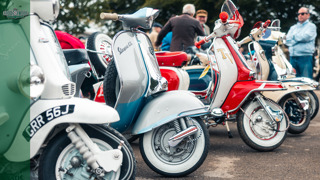
Want to get involved in the on-track parade? If you have a pre-1967 Vespa or other contemporary Italian scooter please register your interest by completing the submission form here, and the team will review your vehicle for consideration.
Images courtesy of Getty Images.
revival
revival 2026
event coverage
revival style
Vespa
Track Opening Parade


Subscribe to Goodwood Road & Racing
Thank you, you’re now subscribed

How many hay bales are used at FOS?
For the last two years, 5,800 bales have been recylced into the biomass energy centre to be used for energy generation