

The name behind the race: Dan Gurney
Goodwood is an awful long way from where he lived in sunny California, yet somehow Dan Gurney always felt entirely at home in West Sussex. That’s why it’s fitting that one of motor racing’s greatest men, who contributed so much in and out of the cockpit to the sport he loved, has a race named in his honour at the 84th Members’ Meeting presented by Audrain Motorsport.
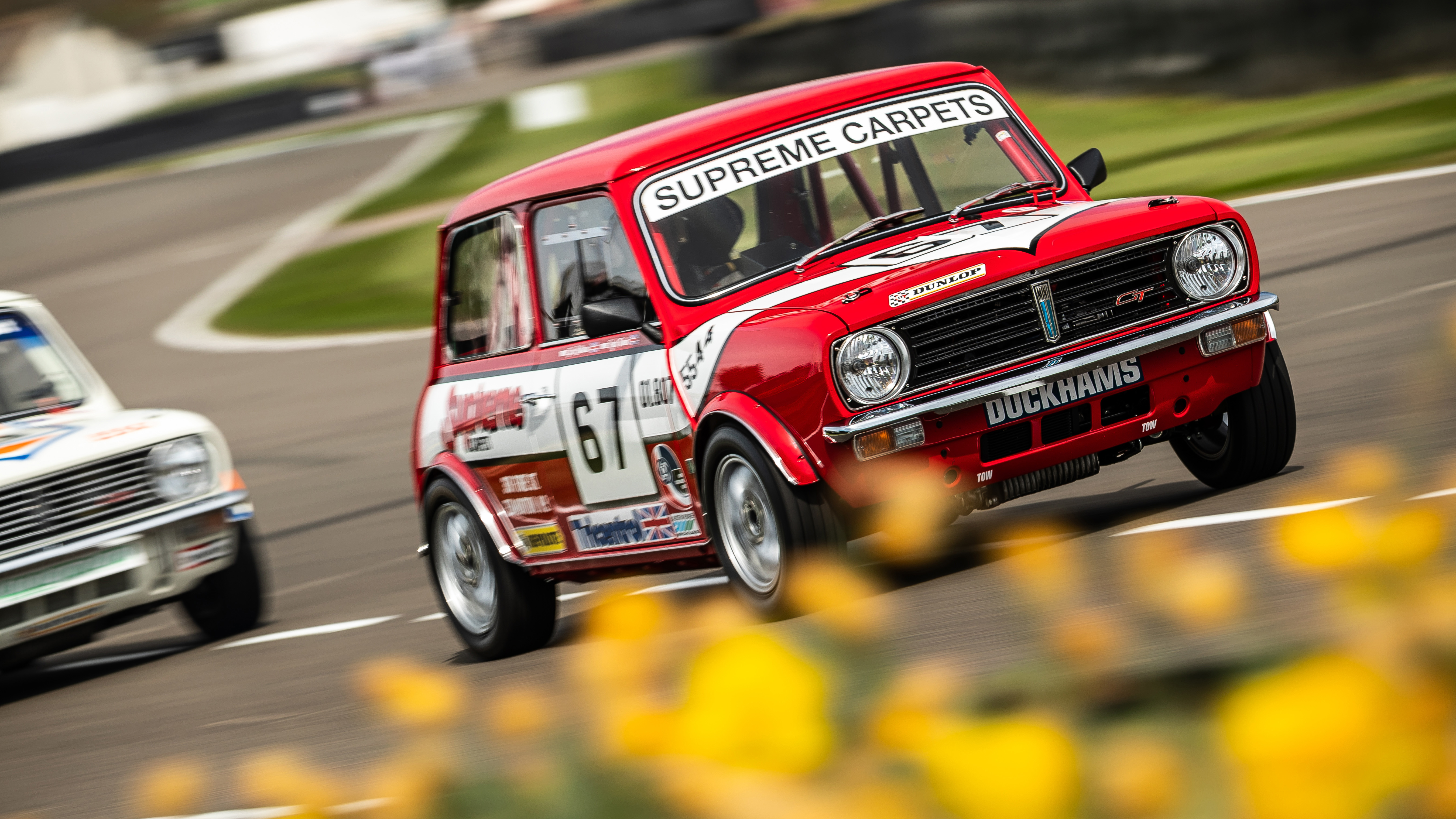
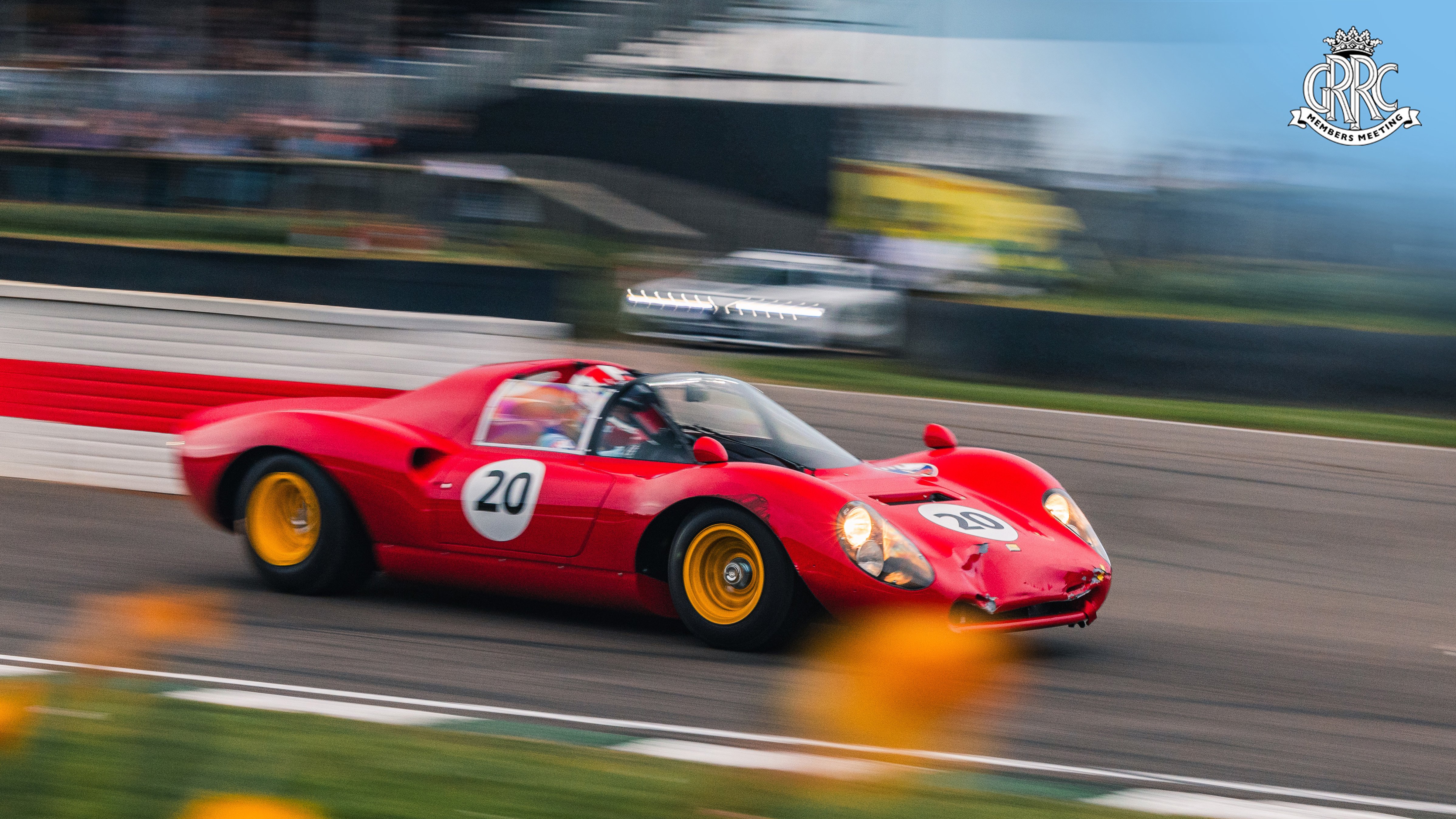
It’s also fitting that the Gurney Cup will be one of the most spectacular races at the meeting on 10th and 11th April. The 45-minute fixture is for sports-racing prototypes that competed between 1963 and ’66, a time and era in which Gurney was reaching his zenith as a racing driver.
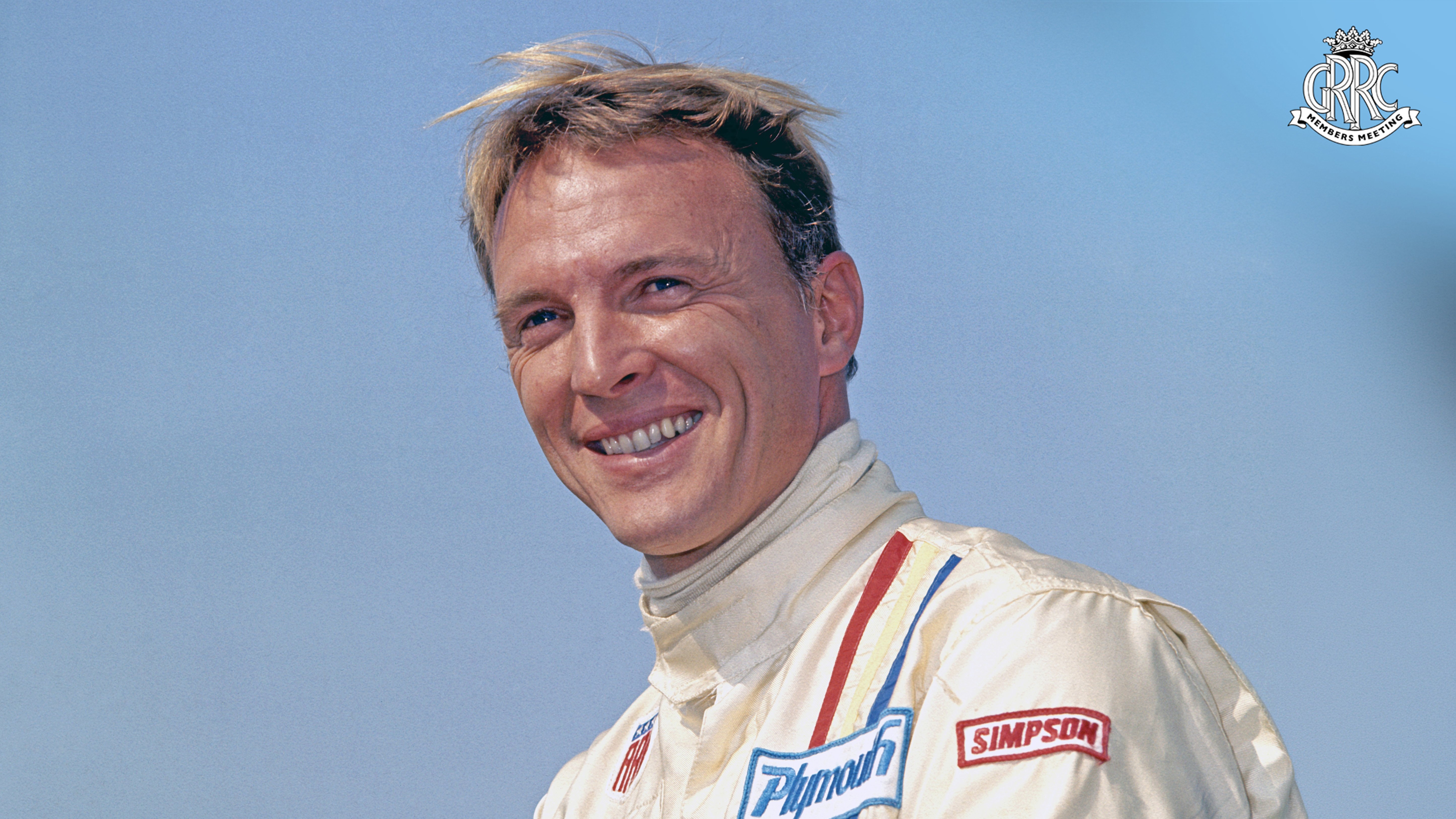
Then again, you can’t pigeonhole a man like Gurney. He raced for Ferrari in the 1950s; spearheaded Porsche’s only F1 campaign; built and raced America’s first Formula 1 winner; claimed victory at Le Mans for Ford; raced and won in IndyCar, sportscars, F1, Can-Am, Trans-Am and NASCAR — and is forever heralded as the driver Jim Clark considered his greatest rival. Here’s a quick reminder why Gurney will always be revered at Goodwood and far beyond in the wider racing world.
Roots and early years
Gurney was born in Long Island, New York, but moved to California aged 17 when his father, a bass baritone singer at the Metropolitan Opera, set up an avocado farm. Always mechanically minded, a teenaged Dan took a heavily modded Ford Model-A to the Bonneville salt flats before serving in the Korean War as a gun mechanic. Upon his return, he was let off the leash to go road racing from 1955.
The speed was there from the start, in Triumph TR2 and Porsche Speedster, before other people started to pay him to race their cars. Taming a lairy 4.9-litre Ferrari owned by millionaire building contractor Frank Arciero made an impression, even if his obsession with racing cost him his day job. How fortunate, then, that Ferrari’s famed US importer Luigi Chinetti had been watching. An offer to head to Europe for a drive at Le Mans changed Gurney’s life forever after.
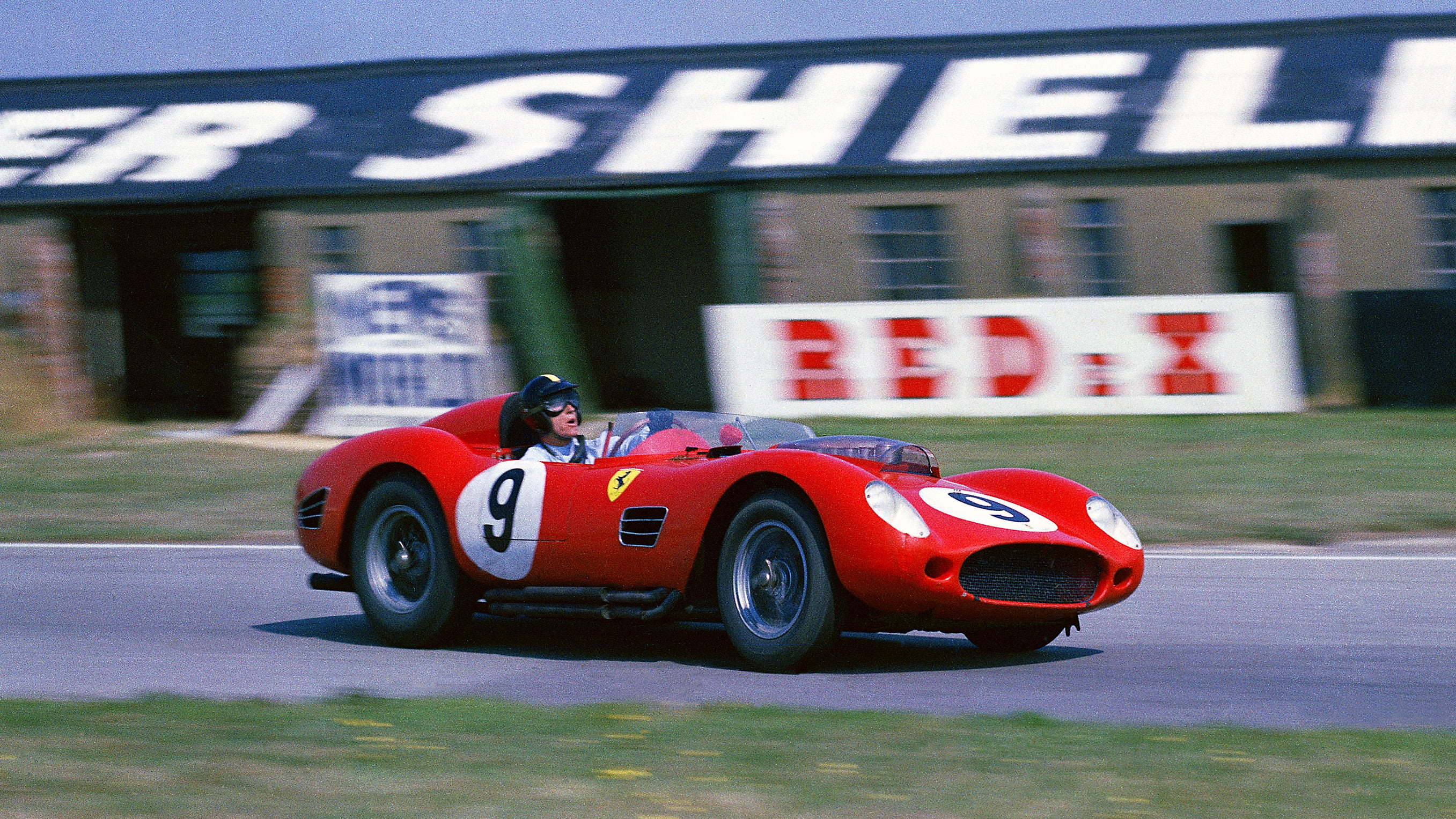
Dan Gurney drives a Ferrari 250 Testa Rossa during the RAC TT at Goodwood, September 1959. Sharing with Tony Brooks, he finished fifth.
Image credit: Klemantaski Collection via Getty ImagesBreakthrough at Ferrari
His adventures in Europe during 1958 led Ferrari to trial Gurney in sportscars and F1 in Modena and at Monza, and he joined the sportscar team for ’59. What a line-up: beside Gurney, there was Tony Brooks, Jean Behra, Phil Hill, Olivier Gendebien and Cliff Allison. Gurney was in the winning at the Sebring 12 Hours, then also starred at the Targa Florio, Le Mans and the Nürburgring. He was an obvious choice for graduation to the F1 squad — especially in the wake of the deaths in 1958 of Luigi Musso and Peter Collins, and the retirement of World Champion Mike Hawthorn who had then lost his life in a Surrey road accident early in ’59.
Gurney matched Behra’s pace in a test at Monza and, despite a crash at the Parabolica, made his F1 debut at Reims. A string of eye-catching drives and results — second at AVUS, third at Monsanto Park, fourth at Monza — made the American the new standout star of the season.
He’d had a great 1959 with the most famous team of them all. But that didn’t stop him moving on at the start of the new decade. Spotting which way the wind was blowing, he jumped at the chance to drive a mid-engined F1 car.
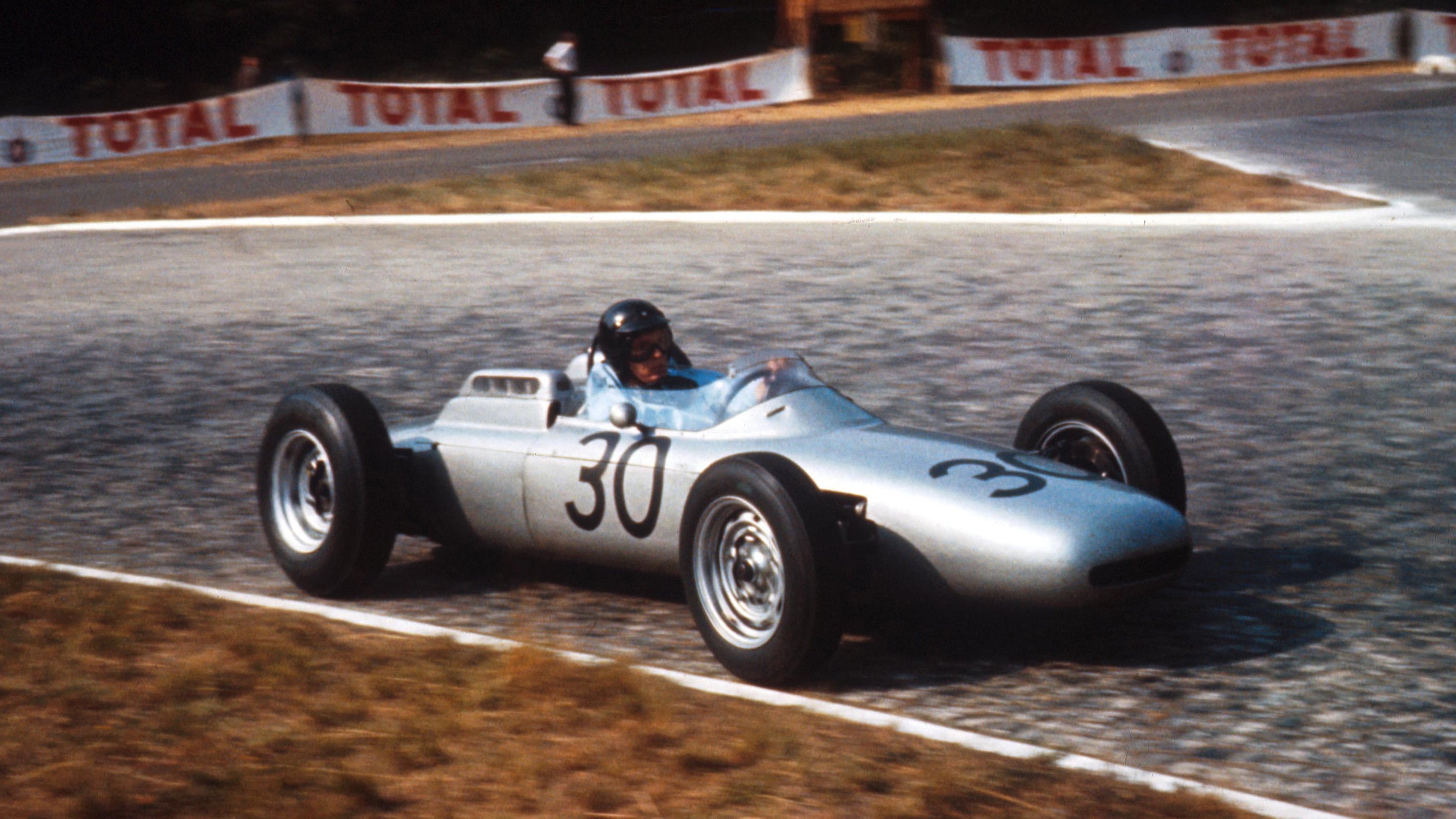
A first Formula 1 victory came for both Gurney and Porsche at the 1962 French Grand Prix at Rouen. Gurney drove the Porsche 804 to its one and only F1 triumph, while he would go on to claim another three race wins.
Image credit: David Phipps/Sutton Images via Getty ImagesBRM, Porsche and Brabham
Sadly, Gurney’s choice of destination wasn’t the best. BRM was beset by dreadful unreliability in 1960, while an accident caused by brake failure at Zandvoort resulted in the death of a young spectator. A move to Porsche at the start of the 1.5-litre era was a far happier time; he met his wife Evi, who was PA to sports chief Huschke von Hanstein. Having returned to the podium in 1961, he scored what turned out to be the only World Championship F1 win for a Porsche racing car at Rouen in 1962, then won the non-points Solitude Grand Prix soon after.
When Porsche withdrew from Grand Prix racing, Gurney joined Jack Brabham’s emerging team. Across three seasons, only niggling unreliability thwarted him from racking up the wins. He was half a minute up the road at Spa in 1964 when his Brabham ran out of fuel, then landed the team’s first World Championship F1 win at Rouen, and also took victory in Mexico. But in the mid-1960s an urge to take his destiny into his own hands, just like Brabham and Bruce McLaren, took a grip. Soon Dan’s Eagles would be ready to soar.
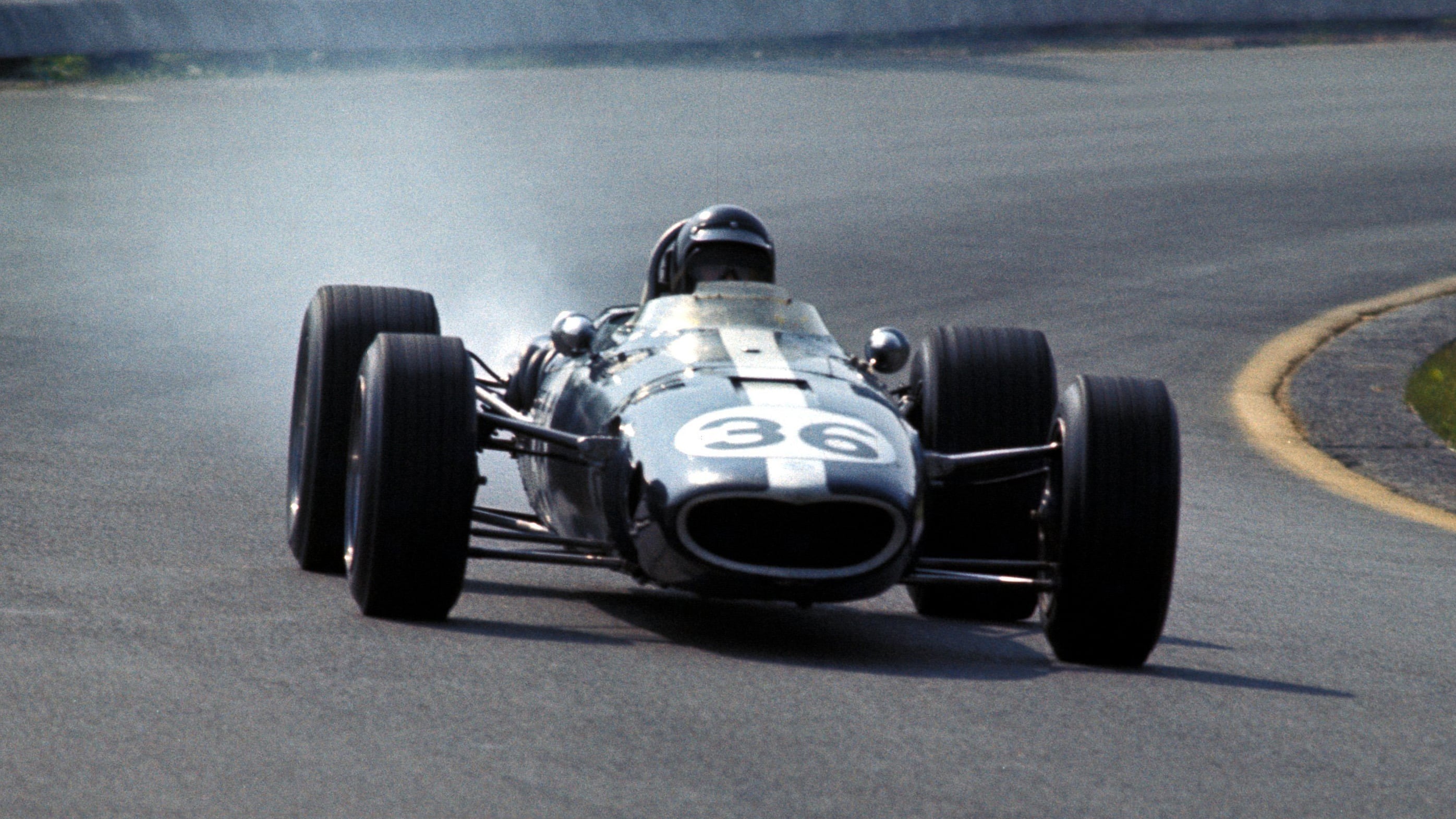
Gurney joined the elusive club of drivers to have won an F1 Grand Prix in a car of their own design when, with his own All American Racers team, he won the 1967 Belgium Grand Prix with the Eagle Weslake T1G.
Image credit: David Phipps/Sutton Images via Getty ImagesAll-American hero
Beyond F1, Gurney was building a reputation as one of the great racing all-rounders, in an era when variety was the spice of life. Sportscar highlights included a Nürburgring 1,000Kms victory in 1960 sharing a Maserati Birdcage with Stirling Moss, during which Gurney charged back after a serious oil leak. Then there were Shelby Cobra heroics in 1964, as the Americans defeated Ferrari to win the GT World Championship.
Gurney also became a major influence on the future shape of IndyCars. He first experienced the Indianapolis 500 in 1962 and became convinced that, as in F1, mid-engined cars over the traditional roadsters was the way to go. Dan sowed the seed for Colin Chapman, then introduced the Lotus chief to Ford, which led directly to his friend Jim Clark’s game-changing victory at the Brickyard in 1965.
Then the following year, Gurney’s Eagles swooped into F1. Forever listed among the most beautiful F1 cars, the Anglo American Racers (a nod to the team being based in Rye, East Sussex) only graced the Grand Prix grids for three seasons, but in 1967 the Weslake V12 came good: Gurney won the Brand Hatch Race of Champions early in the season, then most memorably scooped the Belgian Grand Prix.
A week earlier, Gurney anchored Ford’s second Le Mans win, sharing a MkII with the great AJ Foyt for an unforgettable all-American result, on what would be the Texan’s only start at the French classic. Dan’s impromptu spraying of champagne on the podium started a new and lasting tradition during the landmark week of his racing life.
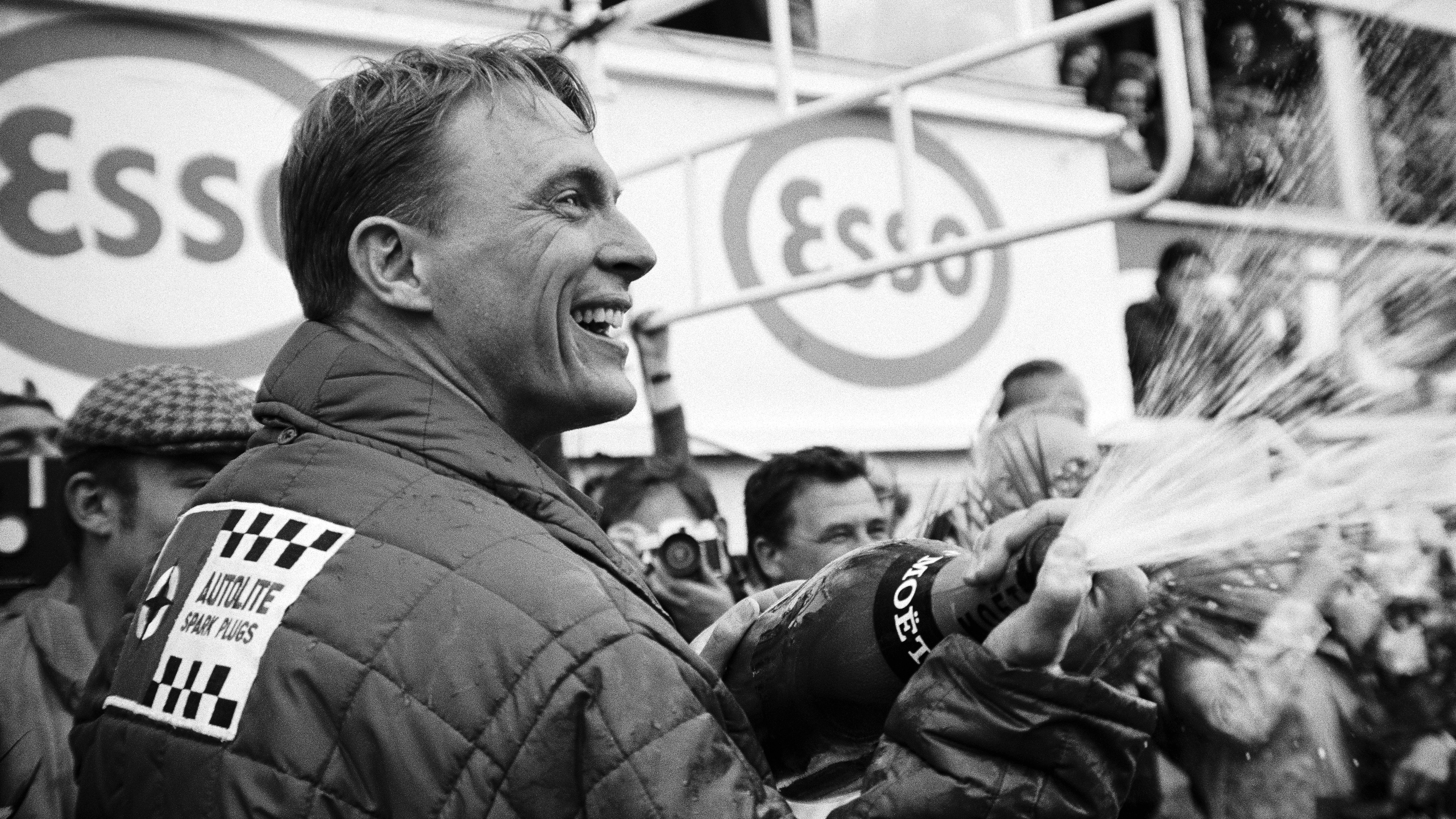
Just one of many things Dan Gurney did that changed motorsport forever, he was the first to celebrate on the podium by spraying champagne. An all-American victory at the 1967 Le Mans 24 Hours was a fitting occasion to begin this tradition.
Image credit: Rainer Schlegelmilch via Getty ImagesLosing Goodyear’s sponsorship sadly forced Gurney’s hand at the end of 1968 and he returned home to the US. Aside from a few drives with McLaren in 1970 to support the team in the wake of his friend Bruce’s death, he was done with F1. Only four World Championship Grand Prix wins, then, but he’d stamped his mark through the decade.
Had he stayed at Ferrari, he could have won world title in the 1961 156 ‘Sharknose’, and leaving Brabham just before he Australian hit the sweet spot with Repco power at the dawn of the 3.0-litre era also proved to be poor timing. But the respect he’d earned from Clark, Graham Hill, Jackie Stewart and the rest was as telling as any lost title.
Eagle soars through the decades
Gurney hung up his helmet at the end of 1970. But before he did he finished second, second and third in his final three Indy 500s; he won USAC races in his own Eagles; developed Chrysler’s Barracuda for Trans-Am; ran his own ‘McEagle’ McLaren hybrid in Can-Am; completed a run of five Riverside 500 victories in NASCAR; and added a final couple of Can-Am victories for McLaren, again in support of the team following Bruce’s death.
But he felt his motivation drop just a touch, affected in part by the loss of so many friends and comrades over the years. It was the right time to stop.
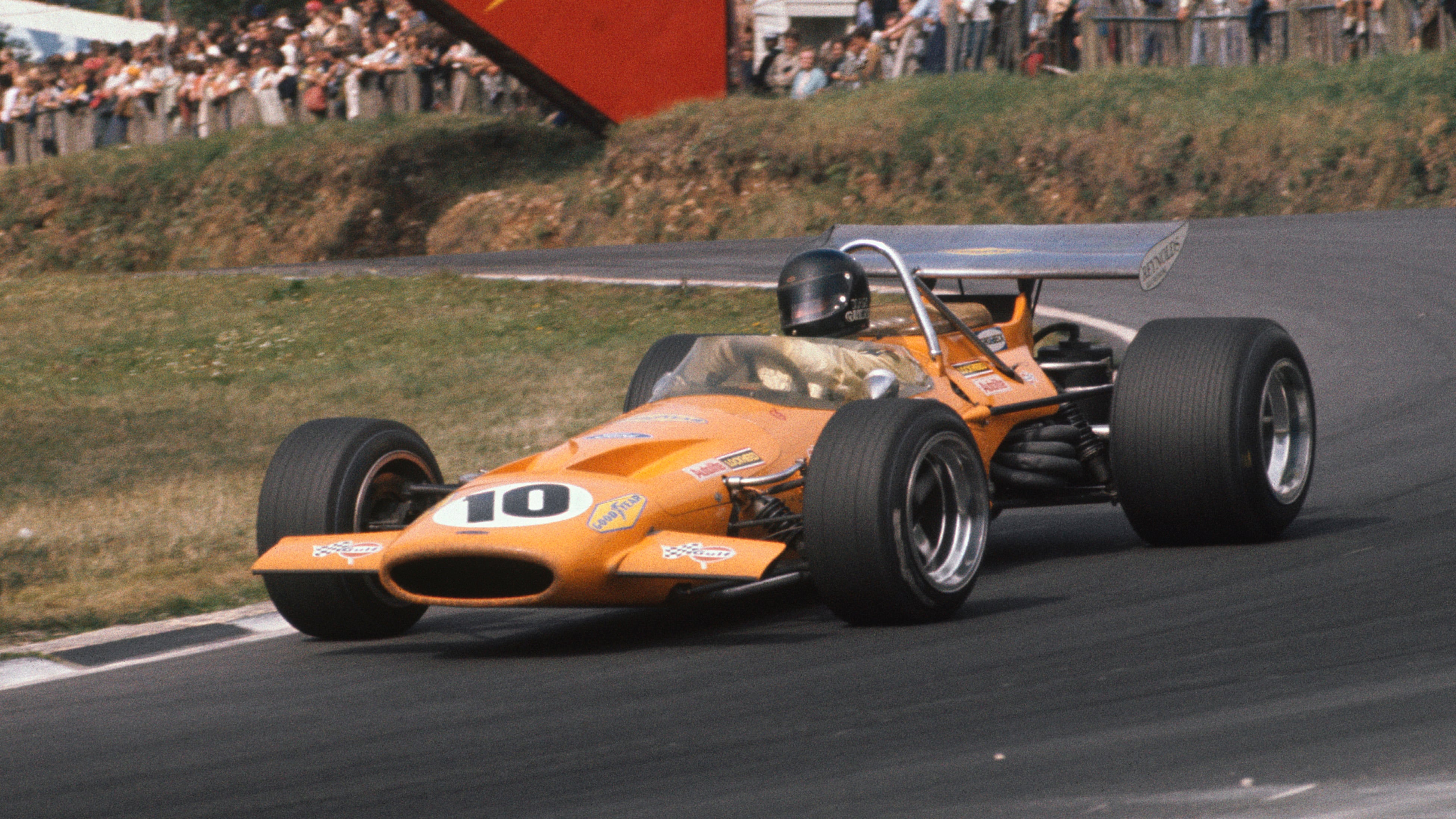
Gurney’s final F1 race came at the 1970 British Grand Prix at Brands Hatch with McLaren, where his M14A was forced to retire due to oil pressure. He contested his final three F1 races with the team in the month after Bruce’s death.
Image credit: LAT Images/Stringer via Getty ImagesOnly as a racing driver, though. Eagle continued to soar across the next couple of decades. The IndyCar/Champ Car victory tally for his cars stands at 51, including the 1968, ’73 and ’75 Indy 500s. And the Toyota Eagle GTPs dominated the north American IMSA series in the early 1990s, notching up 21 victories out of 27 races between 1991 and ’93.
Later in life, he was thrilled by the rejuvenation of Goodwood, a circuit he’d first raced at in 1959 when he shared a 250 Testa Rossa with Tony Brooks in the Nine Hours. ‘Gurney for President’ stickers, reviving a tongue-in-cheek campaign started by Car & Driver magazine back in 1964, was a fun touch when he received the full tribute experience at the 2012 Goodwood Revival.
The tall Californian was deeply moved by the affection and genuine regard proffered to him by Goodwood’s knowledgeable crowd.
Daniel Sexton Gurney took his final chequered flag on 14th January 2018, but through the Gurney Cup and the vast motorsport legacy he left behind, he’ll never be forgotten.
Main image courtesy of LAT Images/Stringer via Getty Images.
The 84th Members' Meeting takes place on 10th and 11th April 2027. Tickets are now on sale to GRRC Members and Fellowship Members at the early bird price.
If you’re not already part of the GRRC, you can sign up to the Fellowship today to save ten per cent on your 2027 tickets and grandstand passes, as well as enjoying a whole host of other on-event perks.
members' meeting
event coverage
Dan Gurney
Gurney Cup
gurney cup info
Subscribe to Goodwood Road & Racing
Thank you, you’re now subscribed

How many hay bales are used at FOS?
For the last two years, 5,800 bales have been recylced into the biomass energy centre to be used for energy generation