
Why Button and Villeneuve were uneasy team-mates
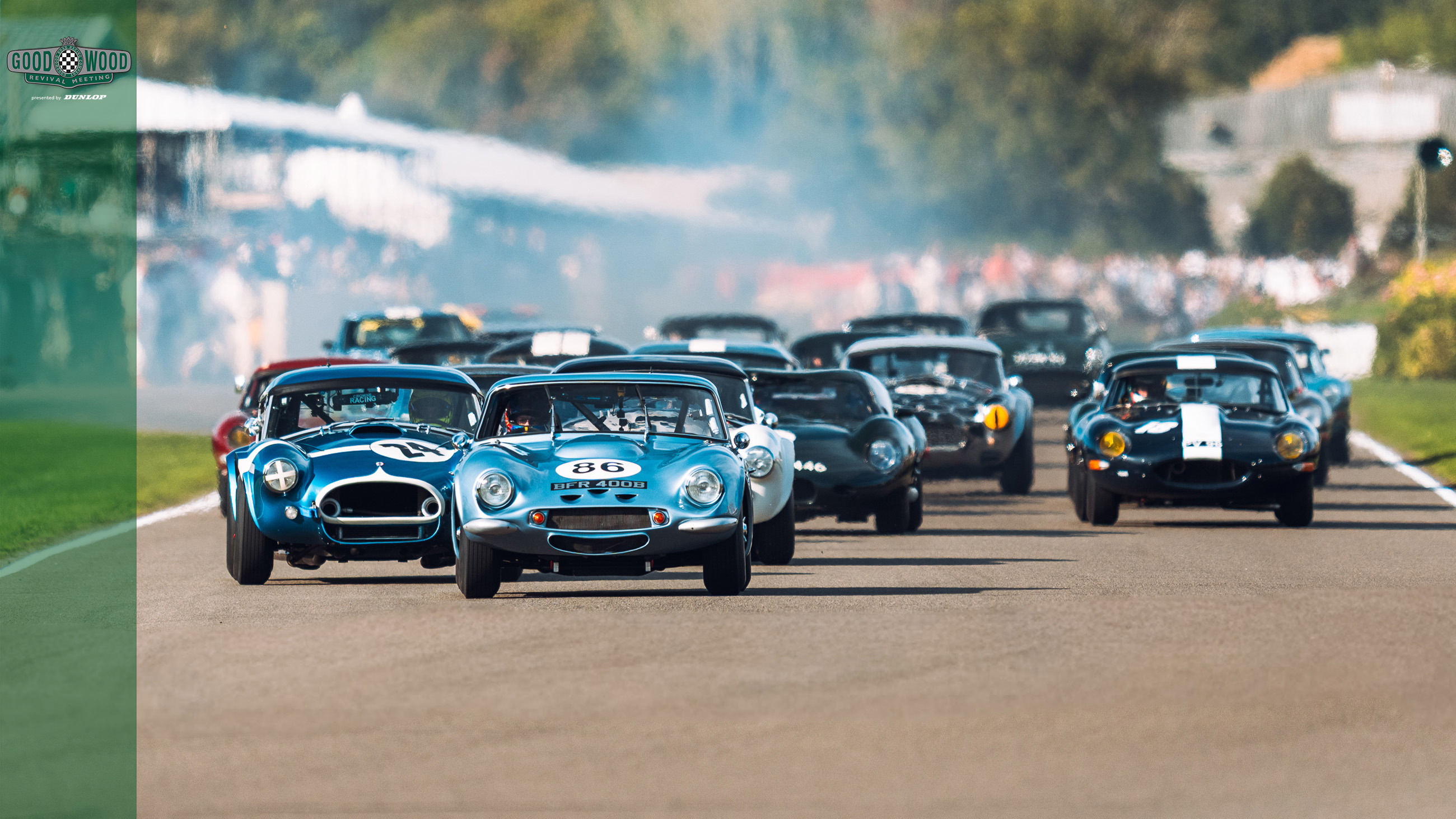
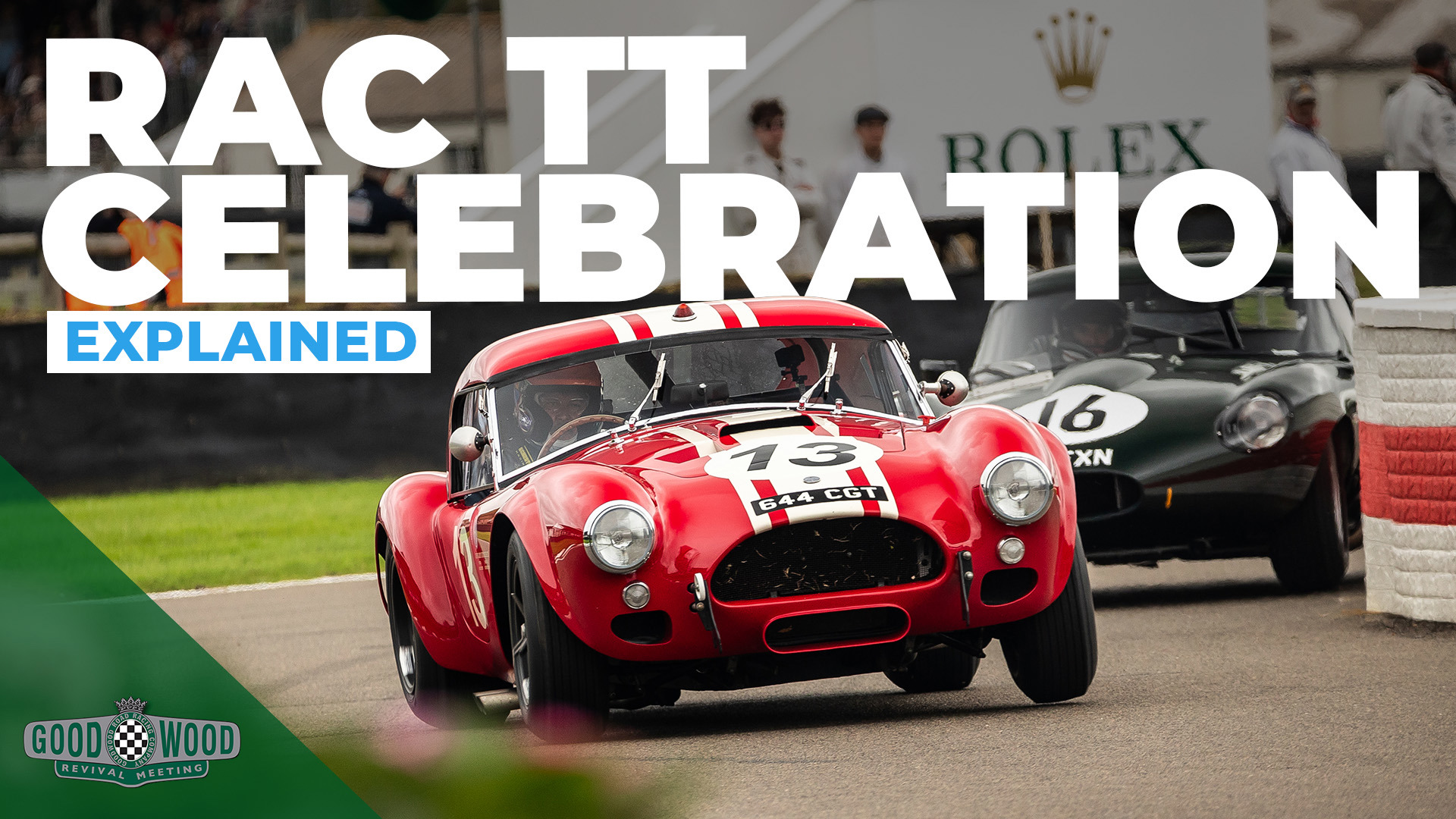
It’s billed as a head-to-head between two great Formula 1 World Champions. Jenson Button in one Jaguar E-type, Jacques Villeneuve in another, pitched together in the RAC TT Celebration presented by Dunlop at the Goodwood Revival this September.
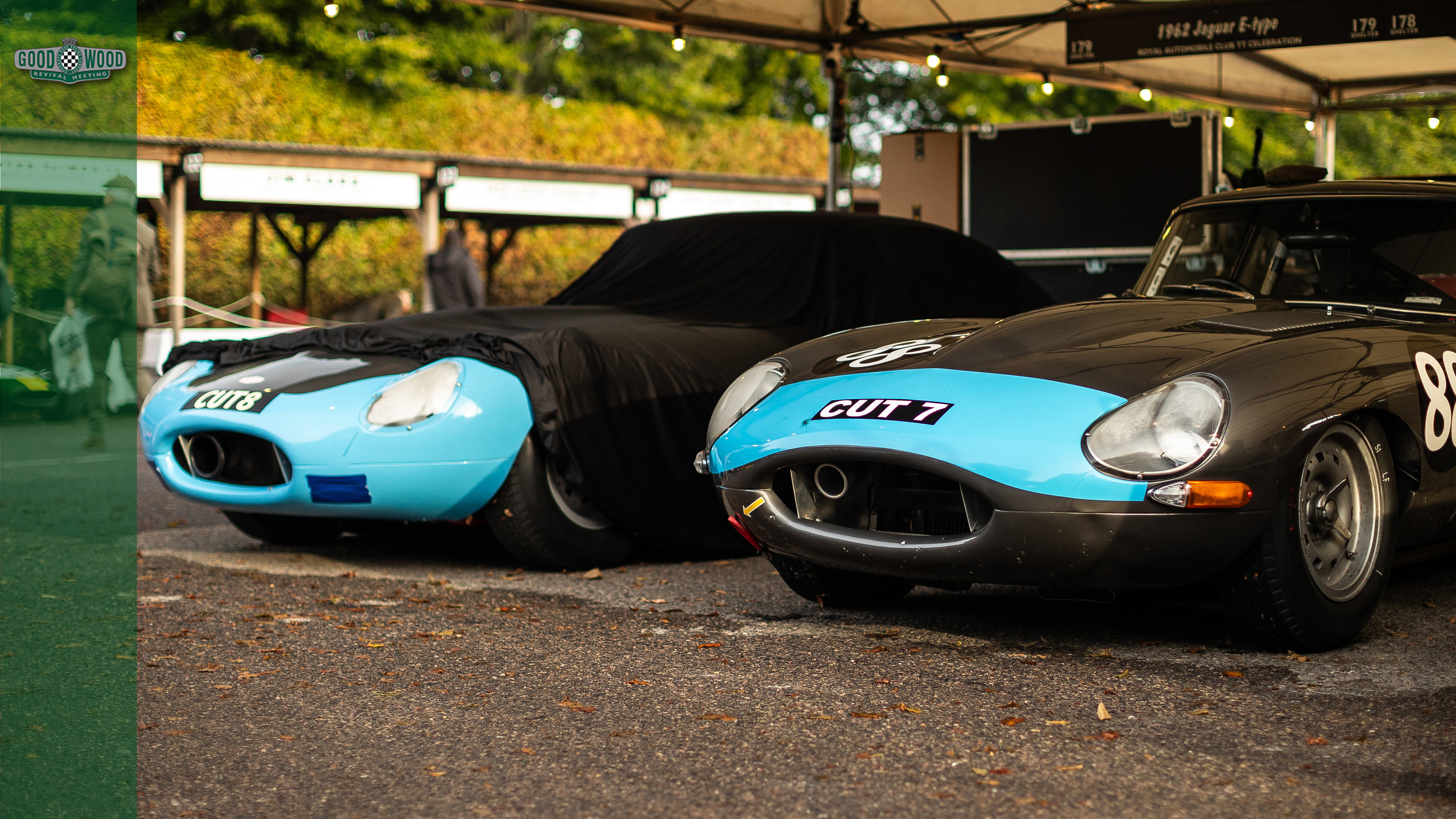
Button, World Champion in 2009, will be in CUT 8, the familiar ex-Dick Protheroe E-type he now owns, while 1997 F1 title winner Villeneuve will line up in another Protheroe car, CUT 7, following the Canadian’s Revival debut last year in the ‘Hairy Canary’ AC Cobra. Like Jenson, Jacques appears to have caught the historic racing bug thanks to Goodwood.
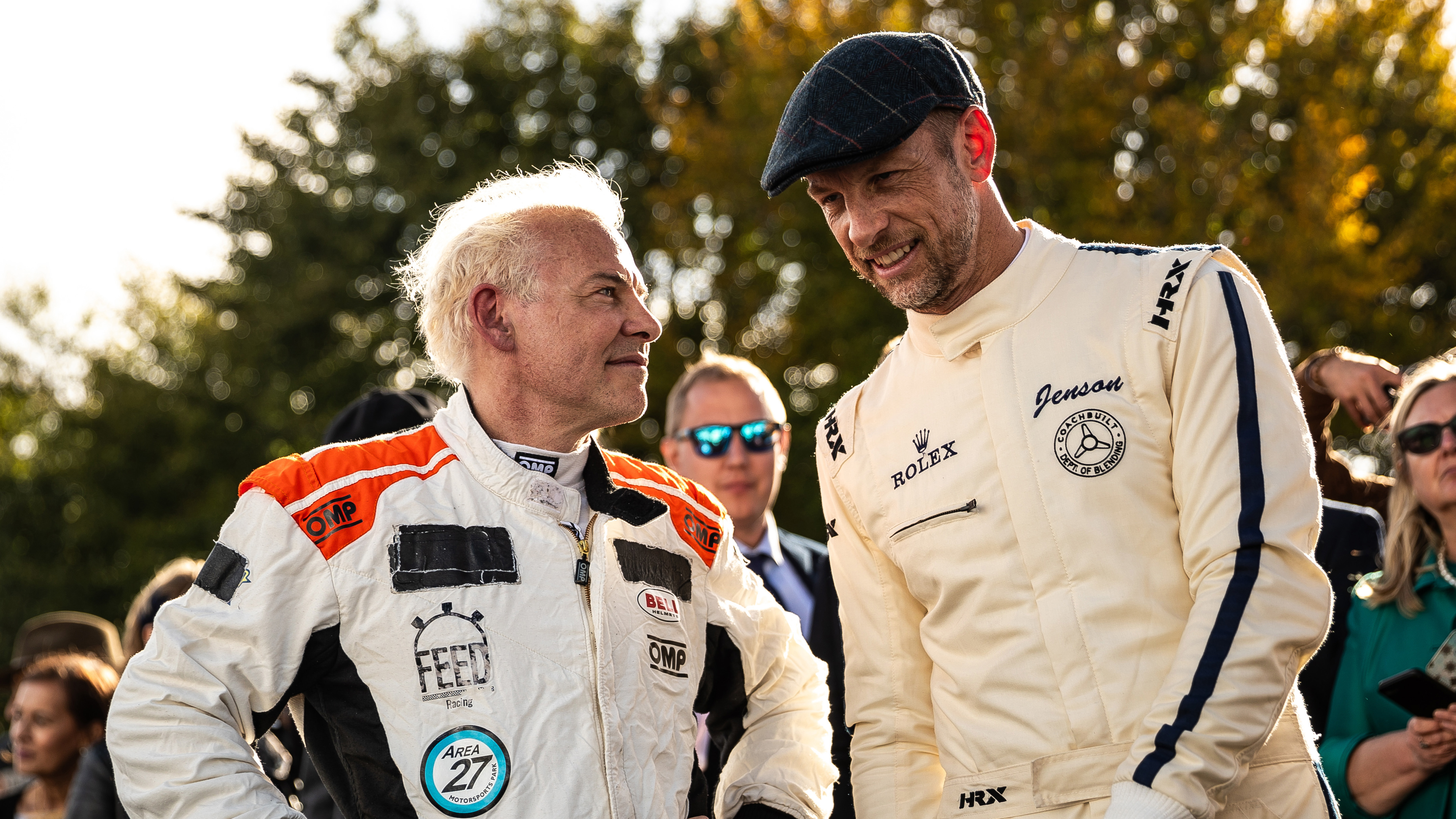
It will be great to see them sharing a race track once again, especially since they get on much better now than they did when they were team-mates at British American Racing (BAR). Back then, relations were frosty at first, although a thaw did eventually lead them to a happier co-existence towards the end of their single season together.
But why was it so tense in the first place? Let’s remind ourselves how they ended up side by side at BAR, and why at first they did not get along.
Button’s low ebb
Button joined BAR in 2003, bruised after two brutal years under Flavio Briatore’s management at Benetton/Renault. The hype that had surrounded him during his rapid rise to F1 and then his promising rookie season with Williams in 2000 had been replaced by a degree of doubt over his true potential.
He’d been unlucky to lose his Williams drive after one season, having been plucked straight from Formula 3 when Alex Zanardi had failed to make anything from his F1 second chance in 1999.
But with the latest IndyCar sensation Juan Pablo Montoya destined to make the same journey as Zanardi’s, from Chip Ganassi Racing into Williams for 2001, there was little surprise when Button wasn’t handed a second season. Montoya’s immediate speed and impact in F1 justified the move, while Button was initially just grateful that Briatore had come in for him.
Pitched into a works drive for a major manufacturer boded well for Button — until he drove the Benetton B201; it was not a good F1 car. The trouble was team-mate Giancarlo Fisichella generated a better tune from it, leaving Briatore publicly voicing doubts over Button’s commitment. The message was, stop acting the playboy and knuckle down if you want to become truly established at the highest level.
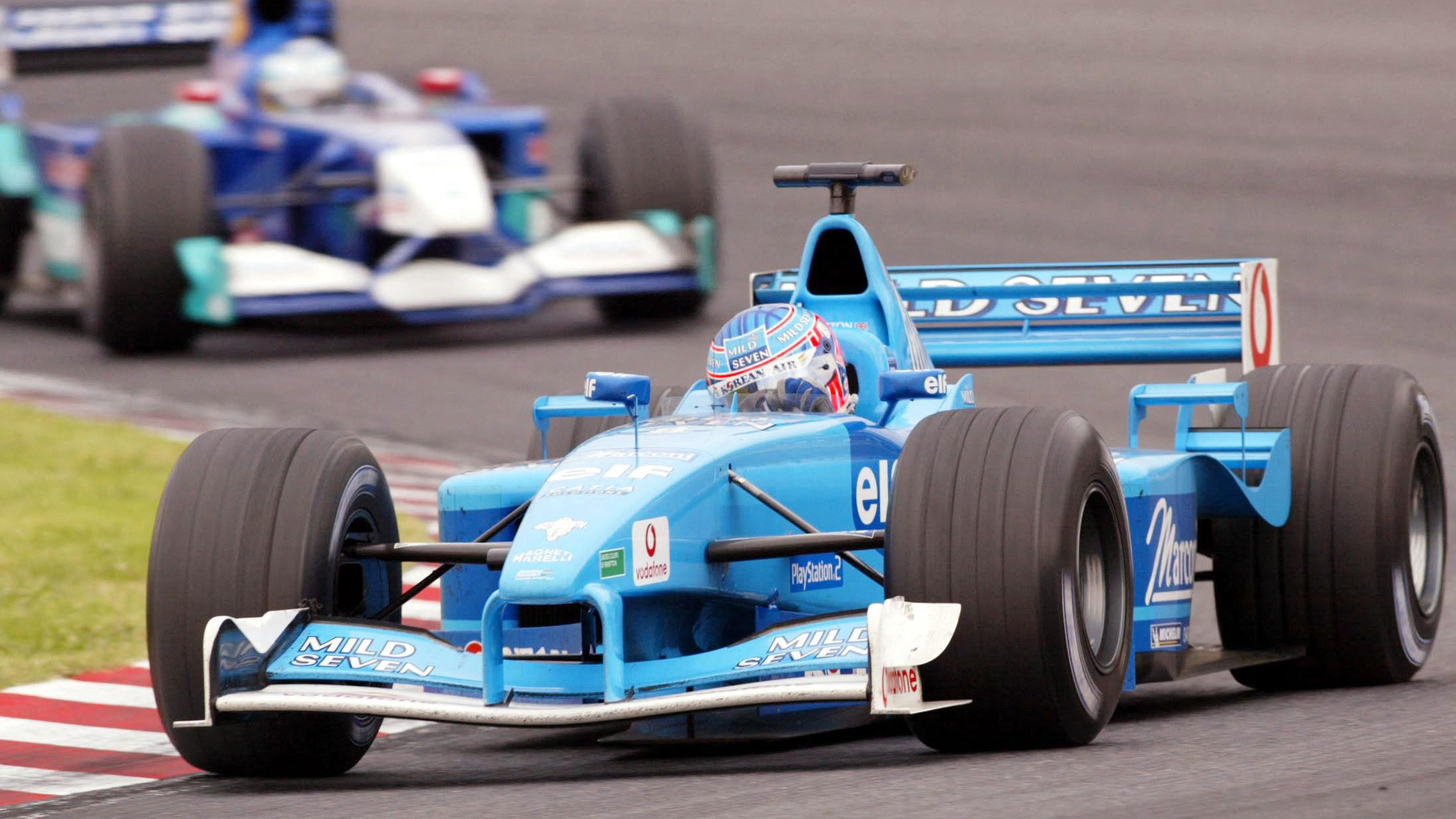
Jenson Button struggled in his first season with Benetton, scoring two points in the 2001 Formula 1 campaign with the B201.
Image credit: Getty ImagesThe playboy tag hung around Button’s neck for years. He didn’t always help himself when it came to dispelling that disparaging image. Nevertheless, he did precisely as he was told in 2002, worked hard to integrate with his team and more often than not outperformed rapid new team-mate Jarno Trulli.
But again, he lost his drive to a highly rated newcomer. Test driver Fernando Alonso would be stepping up to a Renault seat in 2003, Briatore had told him. Just as the team was in the process of gearing up to become a genuine force, Button was left high and dry. The approach from new BAR chief David Richards was a career lifesaver.
Why Villeneuve was unhappy
The trouble was Button walked into a BAR team riven by its own political tensions. The team that had failed spectacularly to live up to its own ill-advised hype during its first season in 1999 was struggling to rise out of the midfield, and founding team principal Craig Pollock was out of time. Richards, the successful boss of Prodrive who had briefly managed Benetton in 1998, was brought in to offer his steady hand of leadership.
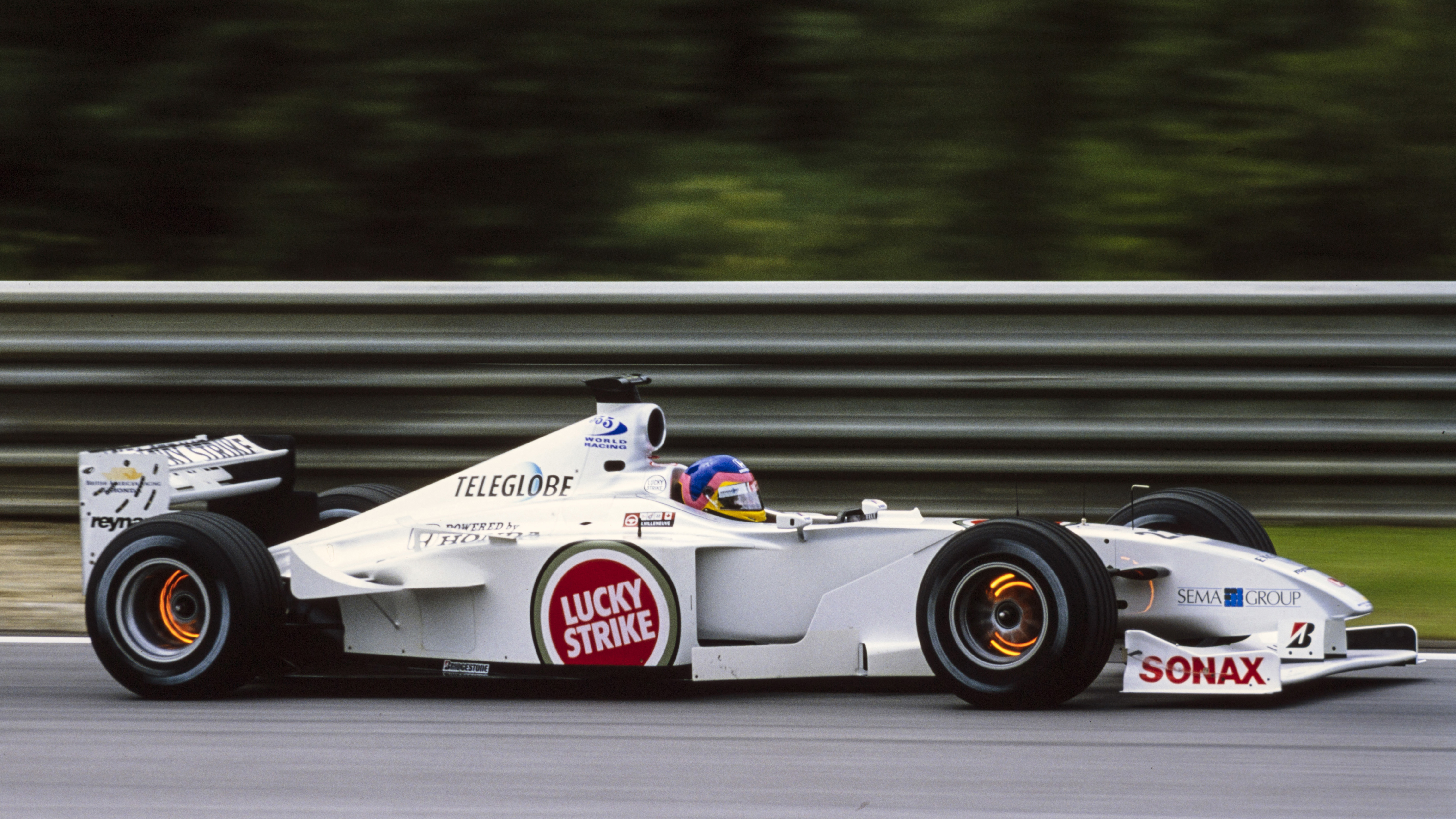
Jacques Villeneuve joined BAR in 1999 and faced his own struggles in his first year with the team. Fourth at Austria in 2000 (pictured) matched his best result with the team to that point.
Image credit: Getty ImagesBut where did this leave Villeneuve?
The Canadian had been such a breath of fresh air when he arrived from IndyCar to shake up F1 with Williams in the mid-1990s. Blessed by landing in the top team and with the fastest car at his fingertips, he was World Champion at the end of his sophomore year. But as Williams lost its works Renault V10s and was reduced to the status of midfield customer team, Villeneuve had been open to taking a chance on his friend Pollock and the start-up potential of well-funded BAR.
The risk backfired. By 2003, memories of Villeneuve as a frontline force were fading fast — and the comfort of Pollock’s protection was suddenly gone. Now Button was signed alongside him. Who the hell was this kid with the blemished reputation, and what was he doing here?
The boyband jibe
“He’s inexperienced, he looks like he should be in a boy band.” That’s what Villeneuve said to the press while Button wasn’t listening at the 2003 team launch. The tone was set, and the Canadian’s frostiness blindsided his new team-mate.
“He didn’t speak to me. He wouldn’t even look at me,” Button later wrote in his autobiography. “If we passed each other in the paddock he’d find something interesting to look at in the opposite direction.”
The tension carried over into their first race together. In Melbourne for the Australian Grand Prix, Button qualified ahead of Villeneuve, who came past him at the start. In the era of tactical in-race refuelling, timing of the stops was fundamental, especially to avoid cars running dry.
Villeneuve was scheduled to pit on lap 30, with Button following a lap later. But having saved some fuel, Villeneuve decided instead to come in a lap later than planned. Button had no choice but to follow him and stack up behind, losing around 12 seconds in the process. He was furious.
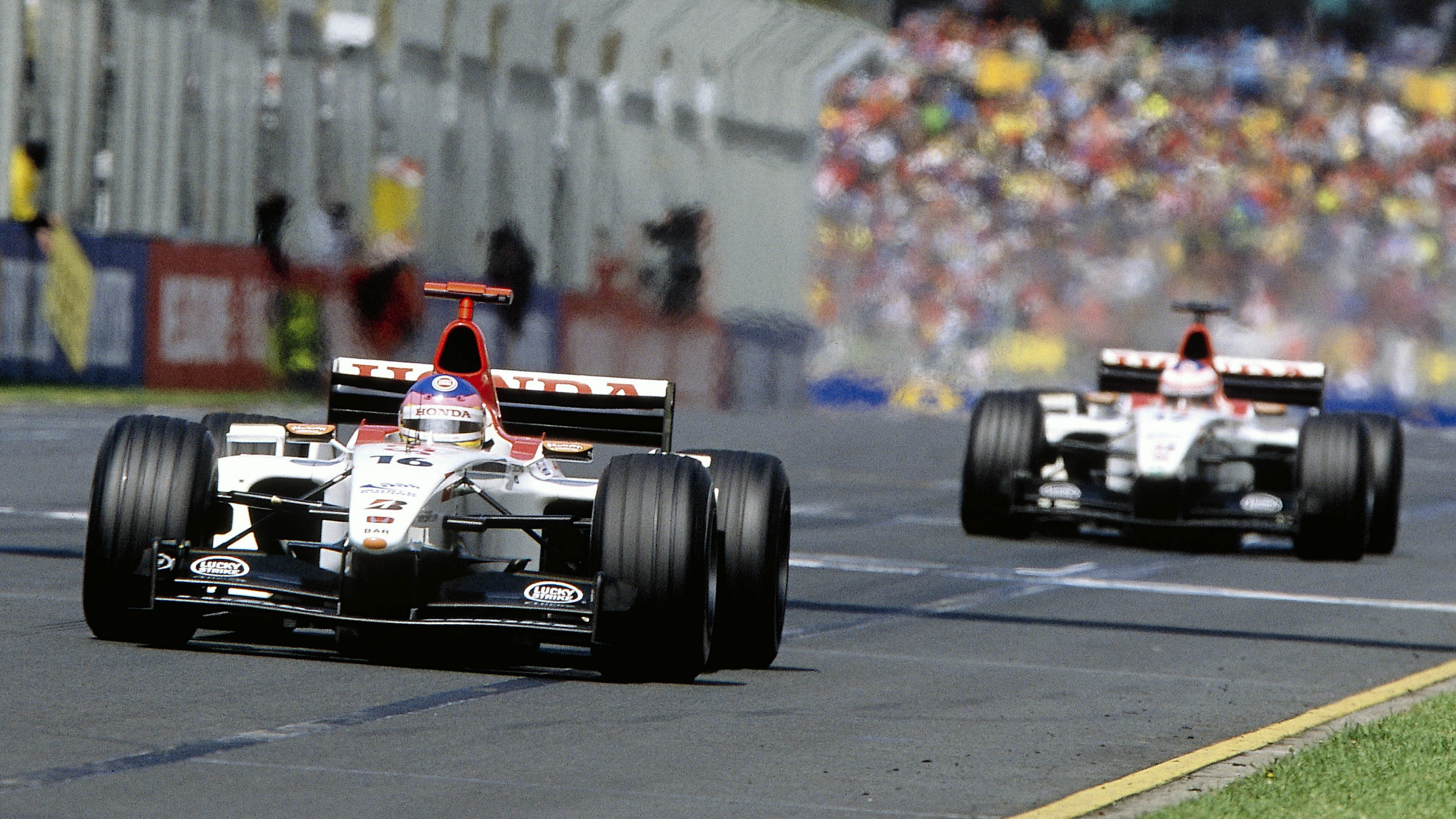
Villeneuve leads Button at the Australian Grand Prix, March 2003. The pair finished ninth and tenth respectively.
Image credit: Getty ImagesButton raged about the “fairly incomprehensible" move in his book, but while the apparent gamesmanship had got under his skin, it also antagonised the team. “With that act of petulance he turned [the team] against him,” said Button.
Respect is won
Over the course of that season Button generally had the better of the team-mate rivalry, outscoring Villeneuve on 17 points to six. “And whaddya know? He began to thaw,” wrote the Briton in his book. “Suddenly Jacques was a nice guy. He started by looking at me, progressed to conversation, and then moved to the next stage: joking around. I wouldn’t say we became great mates but we’d have the odd beer together… The reason was I’d won his respect.”
Why Villeneuve was hostile
As their relationship improved, it started to become clear to Button why Villeneuve had been so cold towards him — and in the context of the bigger picture at the team, his behaviour becomes more understandable.
BAR had been built largely around Villeneuve by Pollock. For four seasons, to all intents and purposes, this had been ‘his’ team. But now his friend and manager was gone. Richards — whom Villeneuve didn’t know — had been parachuted in, and the new boss had signed Button without any input from him. So Button was, in the Canadian’s eyes, Richards’ driver. The 1997 World Champion felt undermined and vulnerable.
Maybe for good reason. He never did see eye to eye with Richards, who questioned why Villeneuve was being paid so much when the money could have been better spent on research and development to make the car go quicker. Sure enough, BAR eventually announced Villeneuve wouldn’t be retained for 2004. With that, he walked early, stepping down before the penultimate race of the year, October’s Japanese Grand Prix.
Button would remain at BAR as it morphed into the works Honda team, then most crucially into Brawn GP in 2009 after the Japanese manufacturer’s infamous F1 withdrawal. By the time Button achieved his life’s ambition by becoming World Champion, Villeneuve was already long gone from F1. Following a Renault cameo in 2004, two seasons with Sauber/BMW proved less than fruitful. After ten years in the top flight, 163 starts and 11 wins, Villeneuve departed the scene.
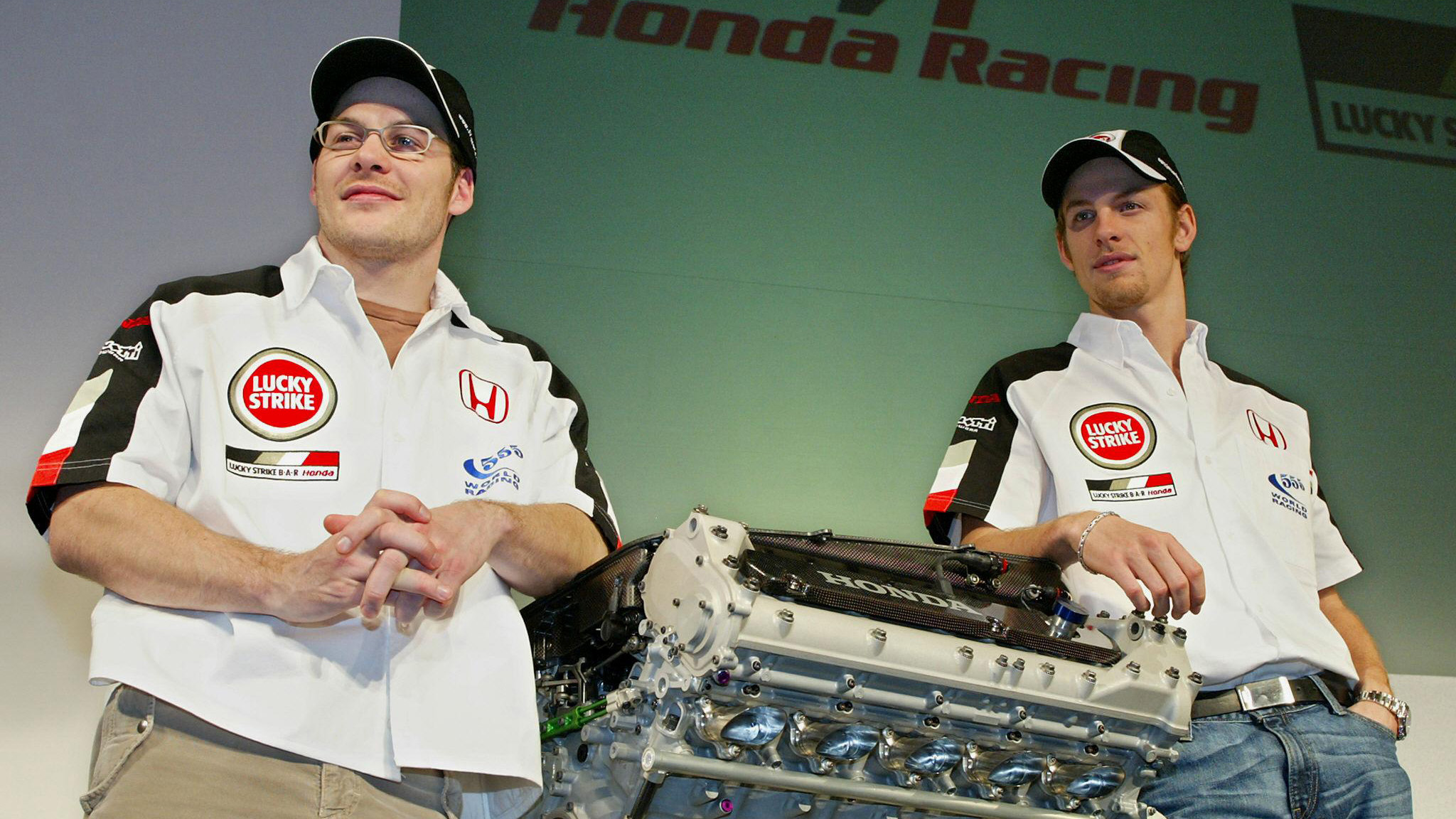
Villeneuve and Button were team-mates for only one season at BAR, leading the team to fifth in the 2003 F1 Constructors’ Championship.
Image credit: Getty ImagesHe’s back now, of course, again as team-mate to Button as a Sky F1 pundit. The tension of early 2003 has long been water under the bridge, and we can expect it to be all smiles when the pair square up once again on the RAC TT Celebration grid at September’s Revival.
If you’re not already part of the GRRC, you can sign up to the Fellowship today and save ten per cent on your 2026 tickets and grandstand passes, as well as enjoying a whole host of other on-event perks.
Main image photography by Joe Harding.
formula 1
f1
BAR
jenson button
jacques villeneuve
rac tt celebration 2026

Subscribe to Goodwood Road & Racing
Thank you, you’re now subscribed

How many hay bales are used at FOS?
For the last two years, 5,800 bales have been recylced into the biomass energy centre to be used for energy generation