Audi vs. Peugeot: Battle of the whispering turbo diesels
The Le Mans 24 Hours is spoilt for choice when it comes to manufacturer teams in this modern Hypercar era — as witnessed this weekend just past. This time, more than for any edition in years, the world’s greatest endurance motor race was impossible to call, and duly delivered another classic as Toyota saw off BMW and Cadillac for victory.
Scroll back 20 years and Le Mans was far more predictable. Audi ruled and had done since the turn of the millennium; up to and including 2006 the German giant had won six of the previous seven, with sister brand Bentley providing the anomaly in 2003. Thank goodness, then, for Peugeot.
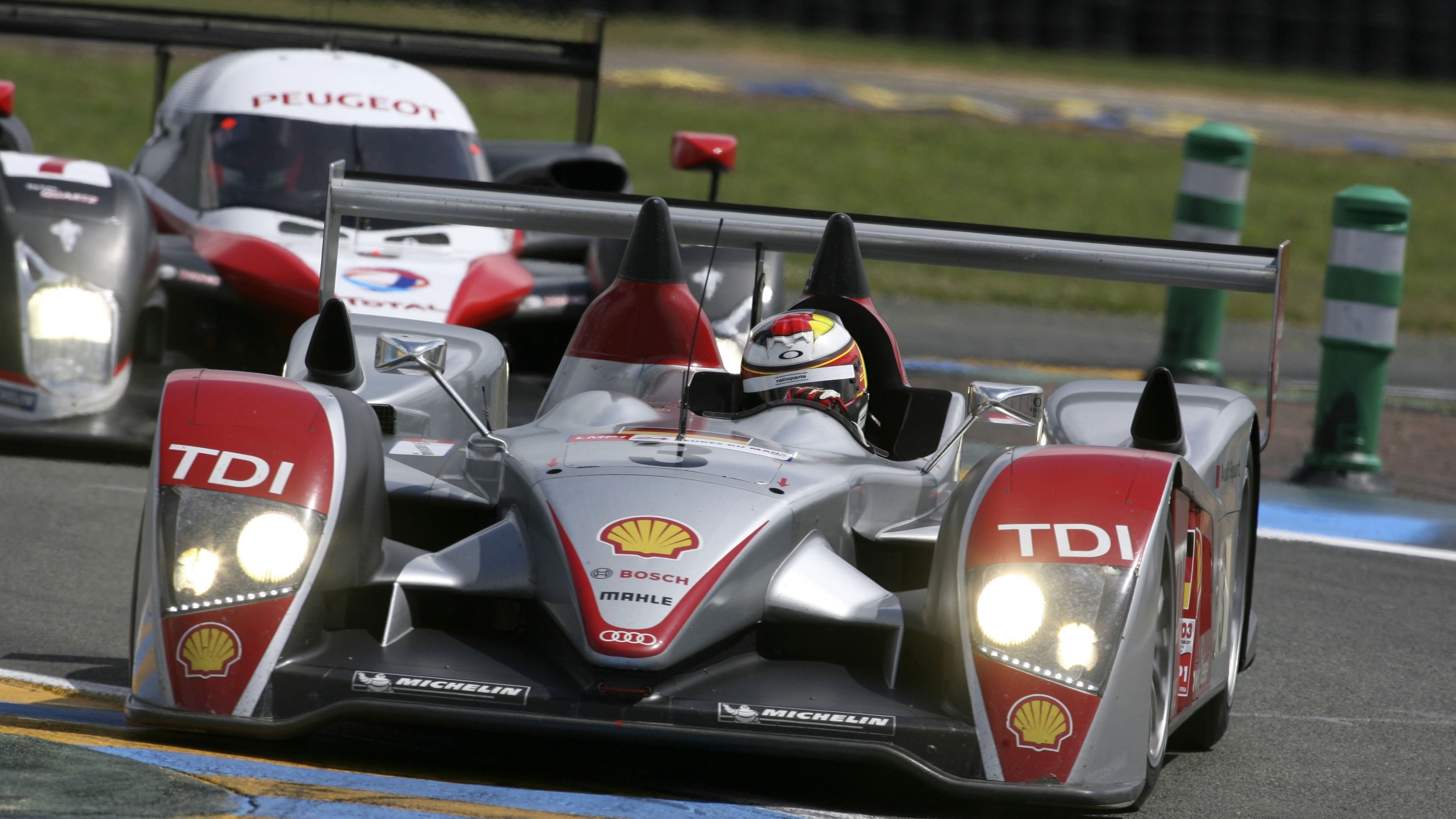
The French car maker had won Le Mans back-to-back in the last days of Group C in 1992-93, and in 2007 finally returned to challenge Audi in an era when whispering turbo diesel power was all the rage. As we prepare to celebrate ‘The Rivals — Epic Racing Duels’ at the 2026 Festival of Speed presented by Mastercard, let’s scroll back to the days of Audi vs. Peugeot, and a five-year face-off that injected new life into Le Mans just when it was most needed.
2007: Let battle commence
Audi had broken impressive new ground when its twin-turbo diesel V12-powered R10 TDI won Le Mans first time out in 2006. But the stakes were raised the following year as Peugeot wheeled out its similarly powered 908 HDi FAP. The gloves were off and an exciting new era began in the LMP1 class.
The Peugeot’s speed was there from the start. Stéphane Sarrazin pipped Audi’s Allan McNish to pole position at Le Mans in 2007, but winning the great race first time out with a new car is always a tall order. Audi led all the way, once Dindo Capello had wrestled the lead from Sébastien Bourdais (remarkably still a contender in 2026) after the start.
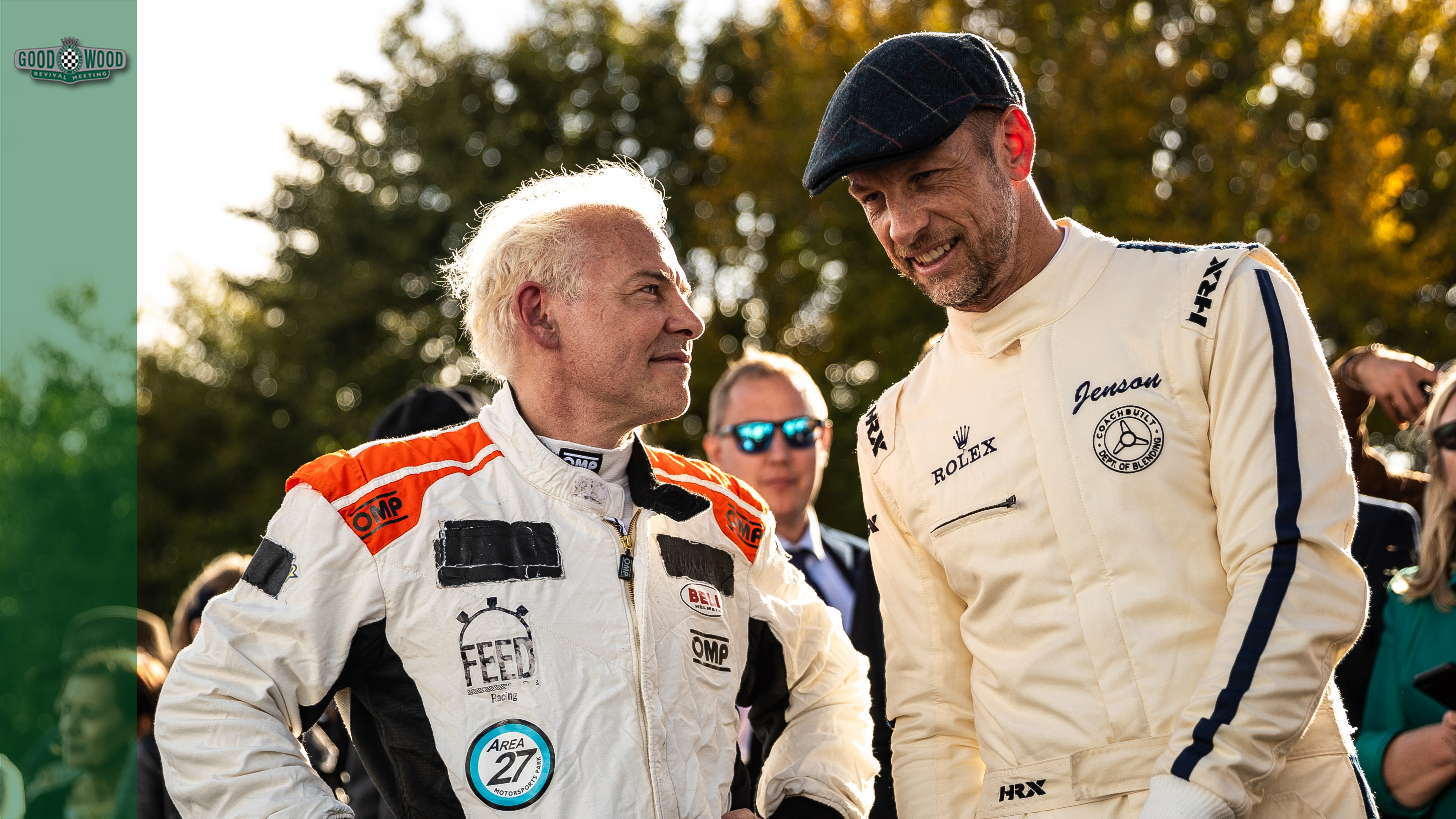
Sarrazin, Pedro Lamy and Bourdais shadowed the Audis for the first five hours, before a right rear wheel bearing failure delayed their 908, after which the sister car helmed by Nicolas Minassian, Marc Gene and a guesting Jacques Villeneuve picked up the baton. Villeneuve struggled to match the pace of his team-mates, although the 1997 Formula 1 World Champion improved as the race progressed.
But eventually engine woes blunted the hopes of a French home win. Minassian and co dropped out with three hours to go, while the Sarrazin car hit trouble during the monsoon rain that swept across La Sarthe in the closing stages. Twenty-five minutes were lost in the pits, but Bourdais returned for the final 20 and nursed the car to a second-place finish — albeit ten laps down on the winning Audi of Frank Biela, Emanuele Pirro and Marco Werner.
2008: One of the all-time great races
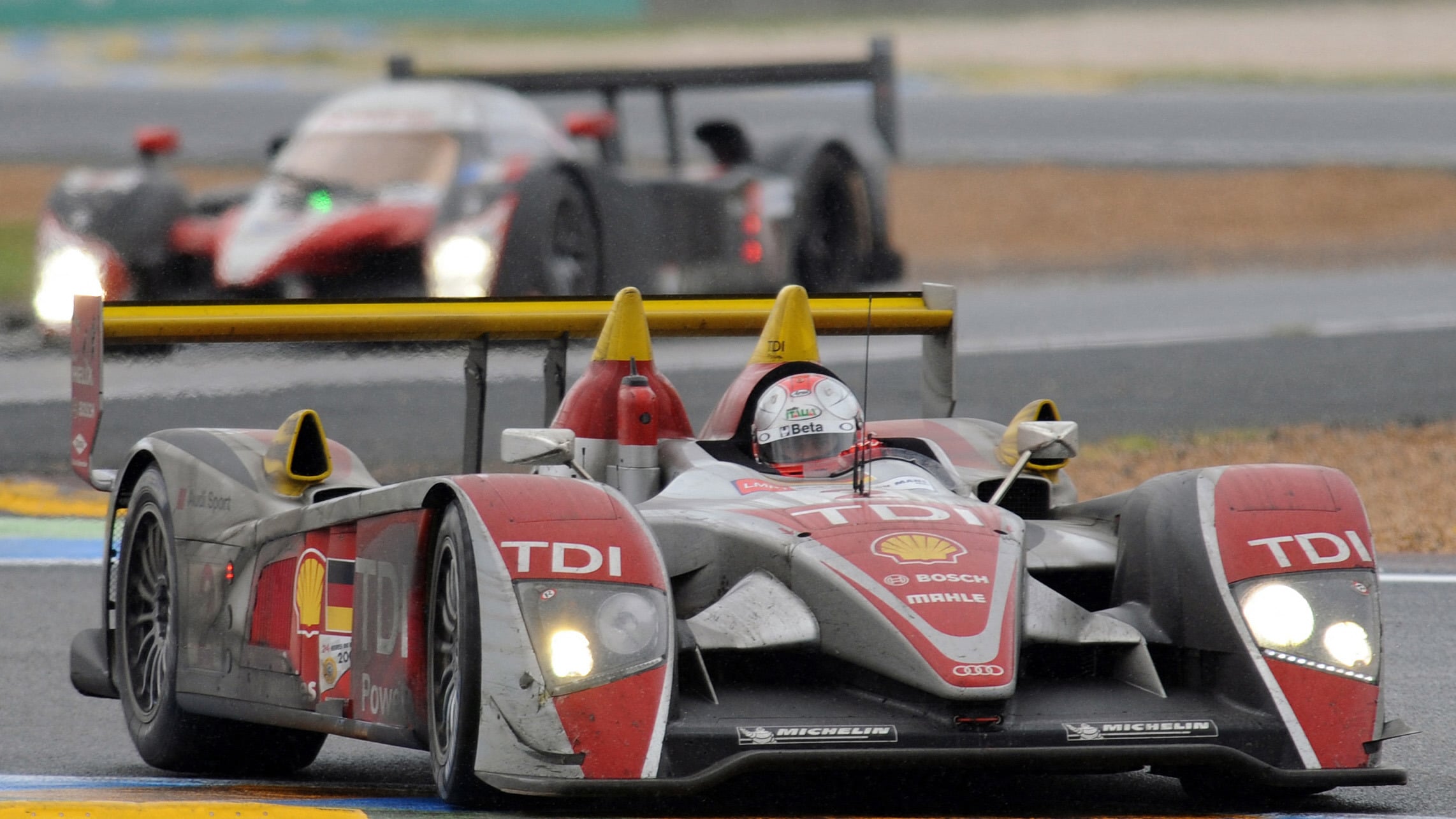
A year on, Peugeot looked perfectly primed to win Le Mans. The 908s had won the first three Le Mans Series races at Barcelona, Monza and Spa, and had a clear pace advantage over Audi’s now-ageing R10. In qualifying at the Circuit de la Sarthe, it was a French 1-2-3, with Sarrazin a clear five seconds quicker than McNish.
But there’s more to winning Le Mans than speed. The Joest-run Audi squad called on all of its vast experience to ensure it optimised what it had, and planned on running a perfect race — and that’s what it achieved.
There were key factors in the German victory. For one, the R10 could run for 12 laps on a tank of diesel, one more than the Peugeot. For another, the Audi drivers could achieve quadruple stints without changing their Michelin tyres. Also, heavy rain arrived just after the half-way mark and that neutered the 908’s pace advantage. Then there was reliability: overheating problems, plus niggles such as gear selector bother and a headlight failure delayed the Peugeot charge.
The other factor that shouldn’t be forgotten was the drivers — especially ‘Mr. Le Mans’ himself, Tom Kristensen. His heroic stint in the night relieved Villeneuve of the lead and, backed up perfectly by Capello and McNish, the ‘dream team’ kept the leading Peugeot at arm’s length. Finally, a late decision from Kristensen to stick on intermediate tyres while Minassian slithered around on slicks proved decisive.
French hearts were broken. But this had been one of the great Le Mans victories.
2009: Peugeot’s time
At the third time of asking, Peugeot succeeded in its quest to win Le Mans once again — by beating Audi at its own game.
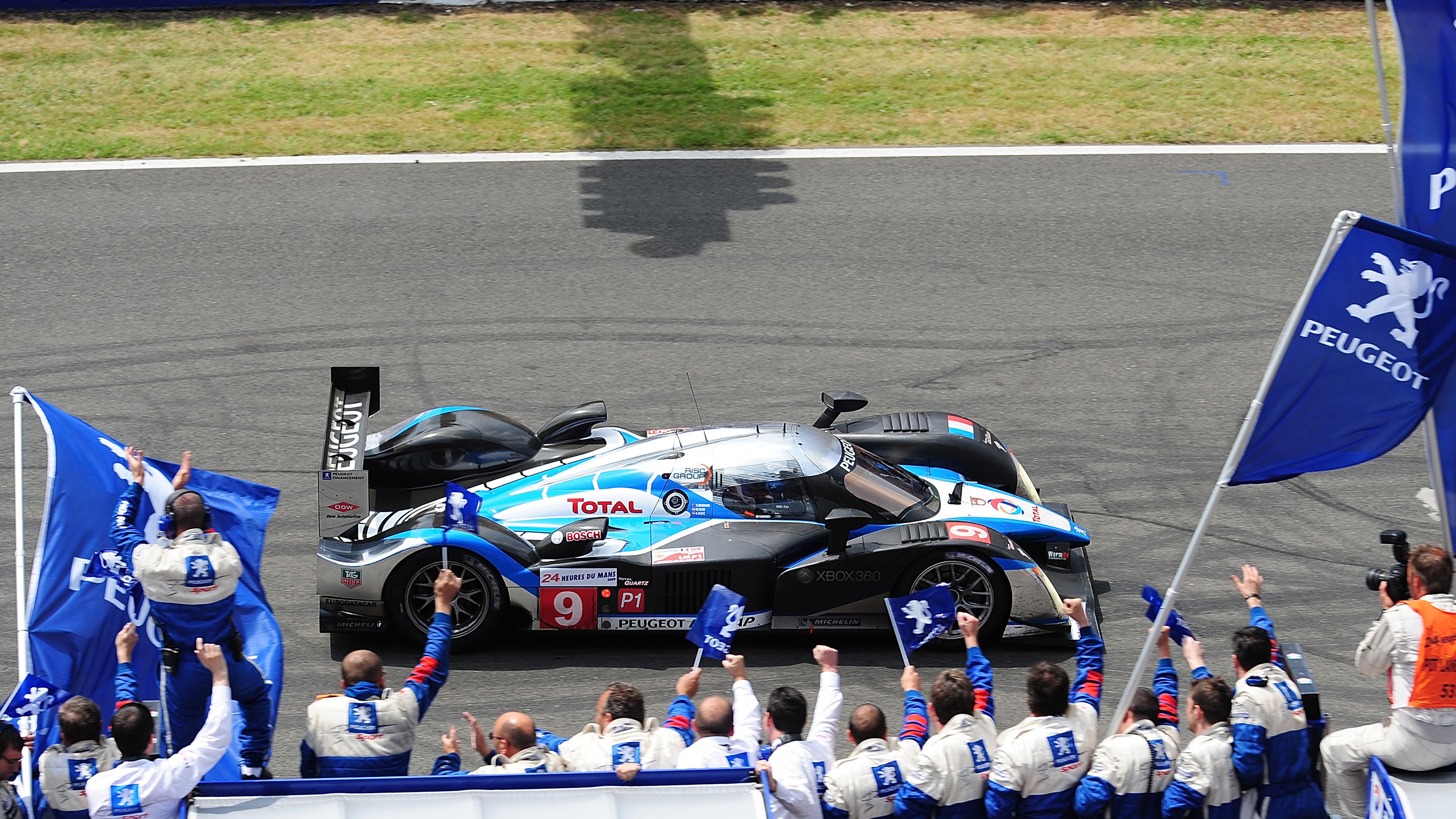
The German car maker had responded to its speed deficit by introducing the new V10-powered R15, featuring heavily revised aerodynamics. The car won the Sebring 12 Hours first time out, but at Le Mans Peugeot again had the pace advantage as Sarrazin secured his third consecutive pole position.
The difference this time was that it was the French crew who optimised their machinery and operations, as three factory R15s took on three factory 908s. Peugeot led all the way, and it was the trio dubbed the veterans that enjoyed the most trouble-free run.
Alexander Wurz claimed his second Le Mans win, Marc Gene became the first Spaniard to take victory, and David Brabham equalled the feat of his brother Geoff, who had won for Peugeot back in 1993. Their old man Jack Brabham never won Le Mans, though he did win the French Grand Prix on what became known as the Bugatti circuit in 1967…
2010: The big giveaway
Unfortunately for Peugeot, the team blew its chance to repeat the back-to-back double of 1992-93 with a horror show of a Le Mans campaign in 2010.
Its three works 908s and lone ORECA entry locked out the front two rows in qualifying, with Audi’s revised R15 Plus again unable to live with the French cars on pace. But it didn’t take long for the Peugeot campaign to unravel.
Pedro Lamy’s pole-winning car was out after less than two and a half hours when a rear suspension collapse caused significant chassis damage. Frank Montagny, Minassian and Sarrazin led all the way until 7am on Sunday morning, when flames licking from the right exhaust was the tell-tale of an engine failure.
The entry driven by Wurz, Gene and Anthony Davidson also retired with a blown V12, after the trio had worked hard to come back from an alternator failure. Then finally the ORECA entry lost its engine in the 23rd hour, with what would have been a consolation podium in sight.
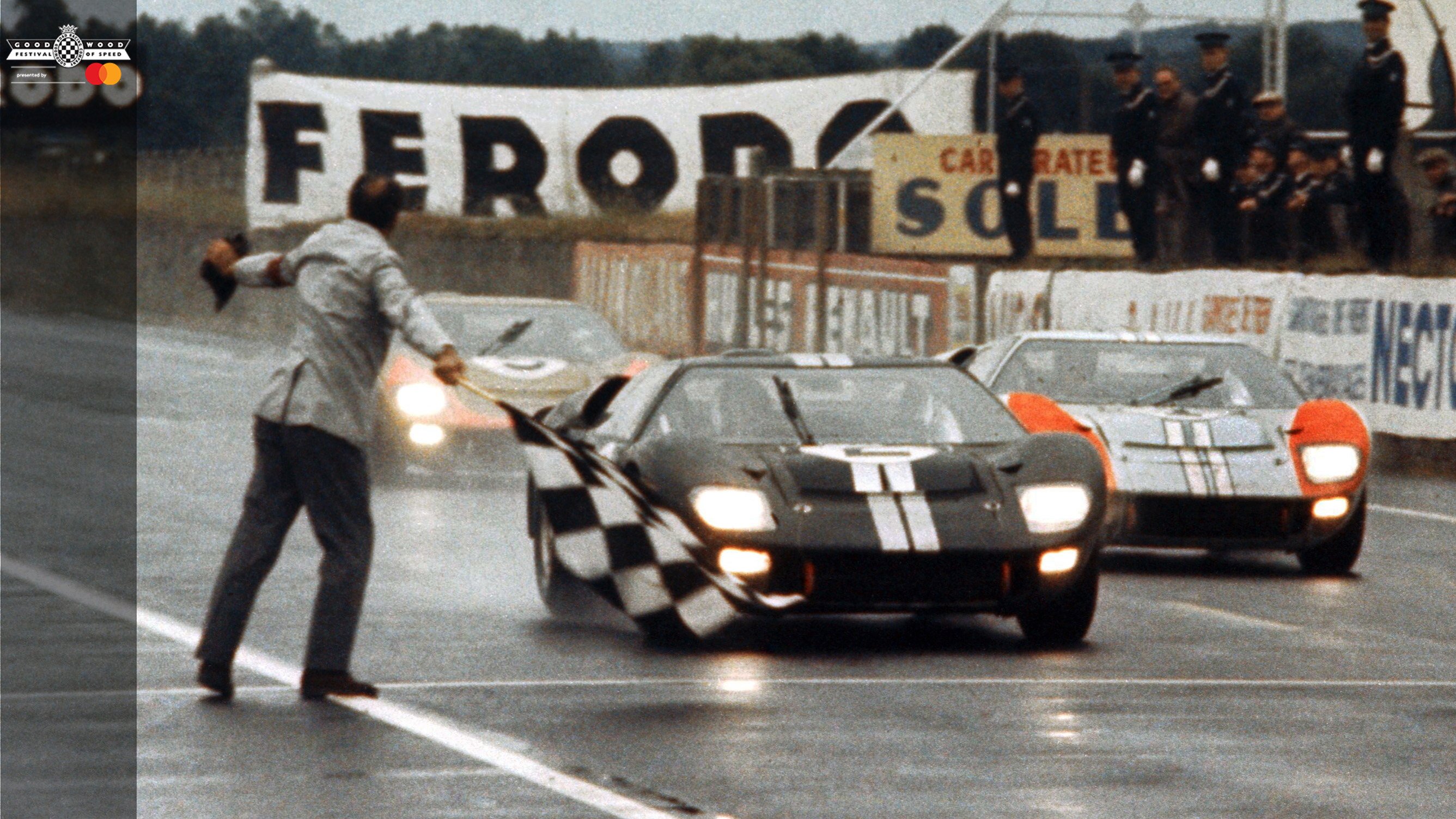
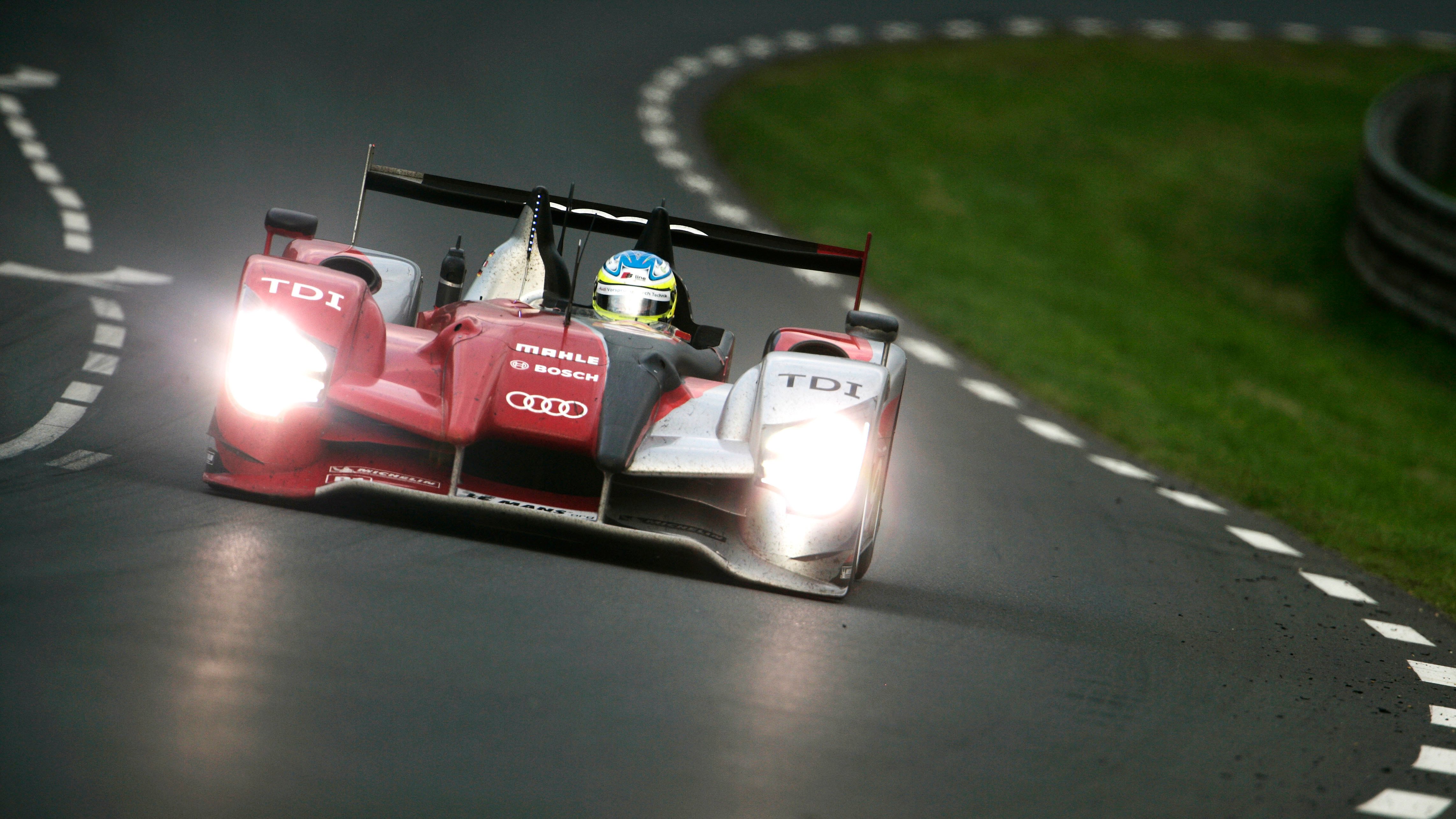
So, that left Audi clear to mop up a 1-2-3, headed by Timo Bernhard, Romain Dumas and Mike Rockenfeller. Yes, they had been outpaced by the French cars, but even so the Audis weren’t exactly hanging about. The winning car set a new distance record of 3,361 miles, to beat the old mark set way back in 1971. This was also Audi’s ninth Le Mans win, all scored since 2000, which brought its tally level with that of Ferrari. The natural order had been restored.
2011: The rivalry’s closest finish
Audi made it 4-1 over Peugeot in 2011, but boy was it close. The new, enclosed Audi R18 of André Lotterer, Marcel Fässler and Benoît Tréluyer finished just 13.854seconds ahead of the Peugeot 908 of Bourdais, Lamy and Simon Pagenaud — the closest finish at Le Mans since the Ford-Porsche duel of 1969.
This time, Audi was faster over one lap, but Peugeot could go one lap longer on a tank of diesel. But again the Audis were easier on their Michelin tyres, the drivers regularly completing quadruple stints on a set and even on two occasions managing quintuples.
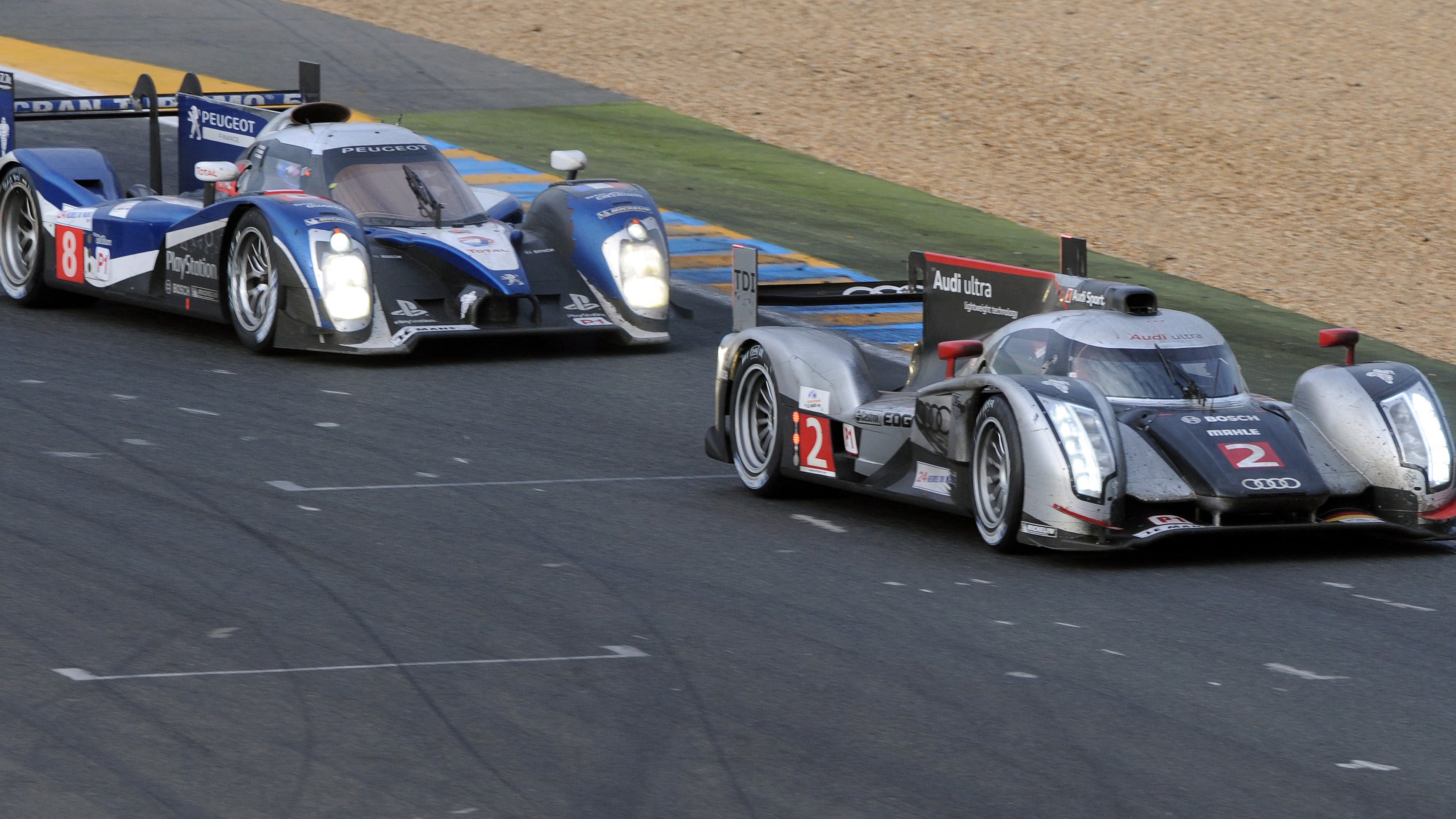
Fortunes swung back and forth between the now familiar rivals as conditions changed, as the last surviving R18 narrowly brought home Audi’s tenth Le Mans win. The other two had exited early after terrifying collisions with Ferrari GT cars. Allan McNish and the photographers behind a tyre barrier at the Dunlop esses were all lucky to escape his smash in the early going.
So too was Rockenfeller, who somehow escaped what looked more like an aeroplane crash when the Ferrari driven by Robert Kauffman wandered into his path at the Mulsanne Kink at 22:40.
Fine margins had decided what turned out to be the tightest of the great duels played out between Audi and Peugeot over a glorious five-year span. The following season, on the eve of the first World Championship for sportscars since the Group C days, Peugeot’s board pulled the plug on the 908 campaign, citing the financial struggles that were badly hurting the wider road car company. One of the greatest and most intense rivalries from any era of Le Mans and endurance racing was over.
Tickets for the Festival of Speed are limited. Only Thursday admission remains but hospitality packages for all four days are available. Missed out on a ticket for Friday or Saturday? Find out how you can access our sold-out days with one of our new packages.
If you’re not already part of the GRRC, joining the Fellowship means you can save ten per cent on your 2026 tickets and grandstand passes, as well as enjoy a whole host of other on-event perks.
Images courtesy of Getty Images.
race
historic
le mans
Audi
peugeot
The Rivals