Daytona 500, 1979: The day NASCAR exploded
They say it was the start of the modern era, when NASCAR emerged from its regional southern roots to begin its journey into the heart of the US national consciousness.
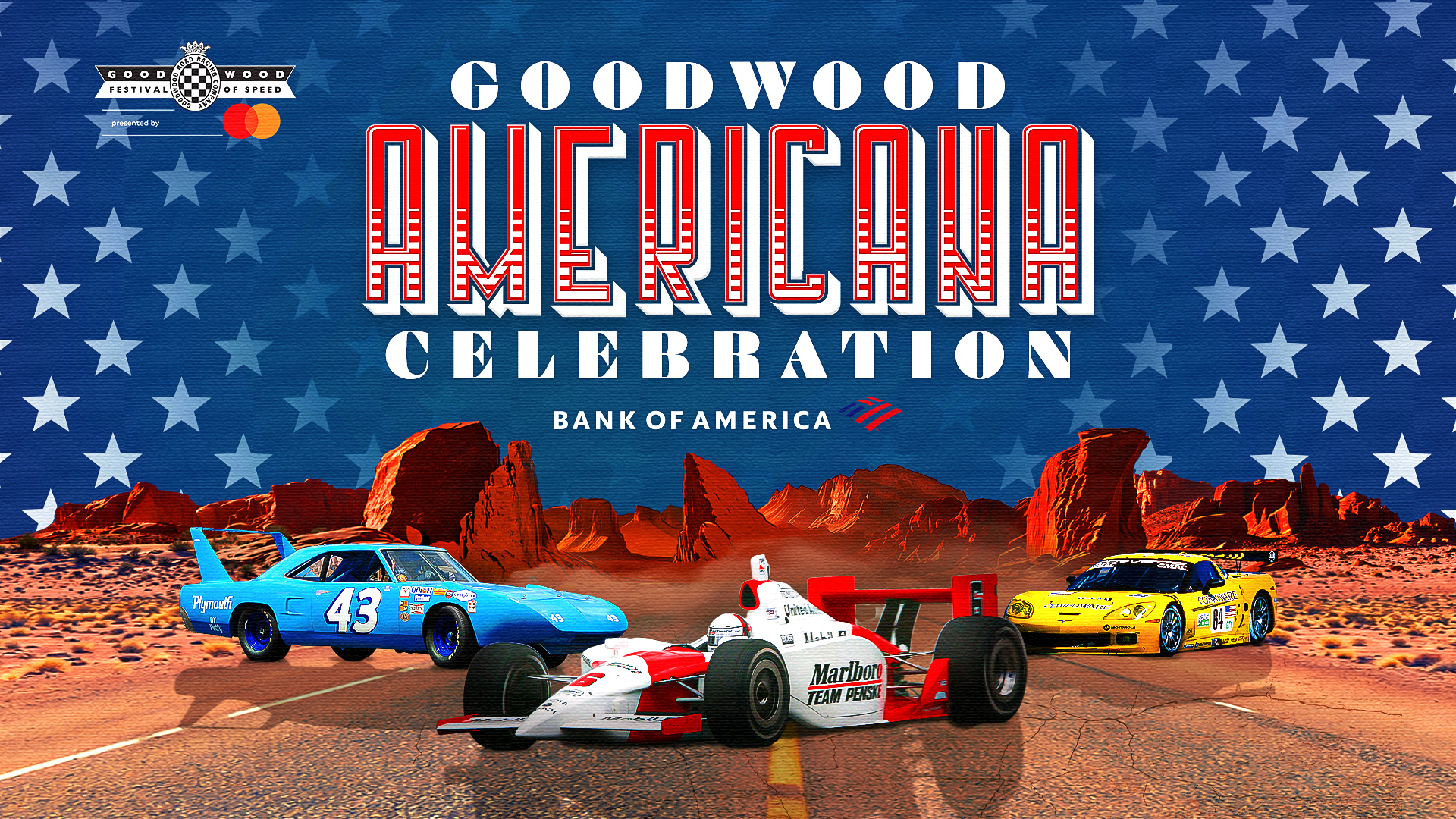
Through the 1980s and ’90s, then into the new millennium, NASCAR rather than IndyCar and the Indianapolis 500 came to define what motor sport meant to most Americans. As the Festival of Speed presented by Mastercard gears up for its Americana Celebration presented by Bank of America, let’s reel back to the day when the NASCAR boom exploded, in a blur of flying fists and crash helmets: the combustible 1979 Daytona 500.
The Allisons vs. Cale Yarborough
Two brothers vs. one hard-headed racer? That hardly sounds fair. But the brawl that played out on live TV across the nation at the end of the Florida classic in that final year of the 1970s provided a timely spark that lit a fuse.
The Allison brothers, Bobby and Donnie, made their name with Red Farmer in the 1960s as the so-called ‘Alabama Gang’ during NASCAR’s formative decade (even if the siblings had actually been born and bred in Florida).
Meanwhile Cale Yarborough, who hailed from Florence County, South Carolina, caught the racing bug while juggling ‘civilian’ life as a farmer, businessman and member of his local council. As he put it: “Somehow, I knew there had to be a better way to make a living than digging around in the dirt and picking tobacco worms off leaves by hand.”
All three, as hard-driving professional stock cars racers, were tough men. Yarborough in particular carried a certain reputation. Tall tales abound: how he survived a lightning strike; once flew and landed an airplane with no training; and wrestled an alligator in the Palmetto State swamps.
Circumstance and no-quarter-given racing bred over two decades brought all three together on the infield at Daytona on 18th February 1979.
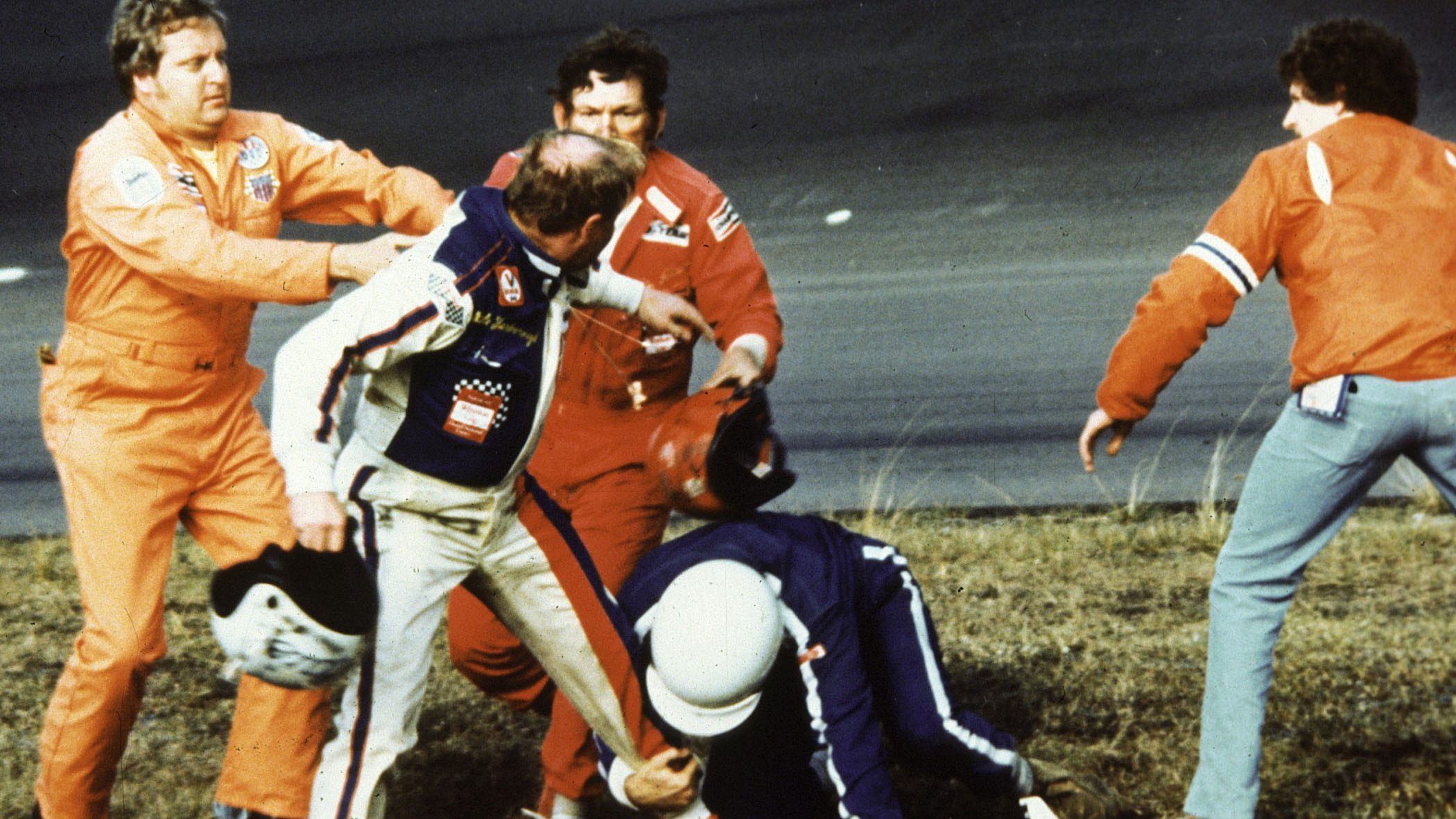
The post-race fight between Cale Yarborough, Donnie Allison and Bobby Allison propelled NASCAR to the front pages.
Image credit: Getty Images‘He started beating on my fists with his nose…’
Let’s scroll back.
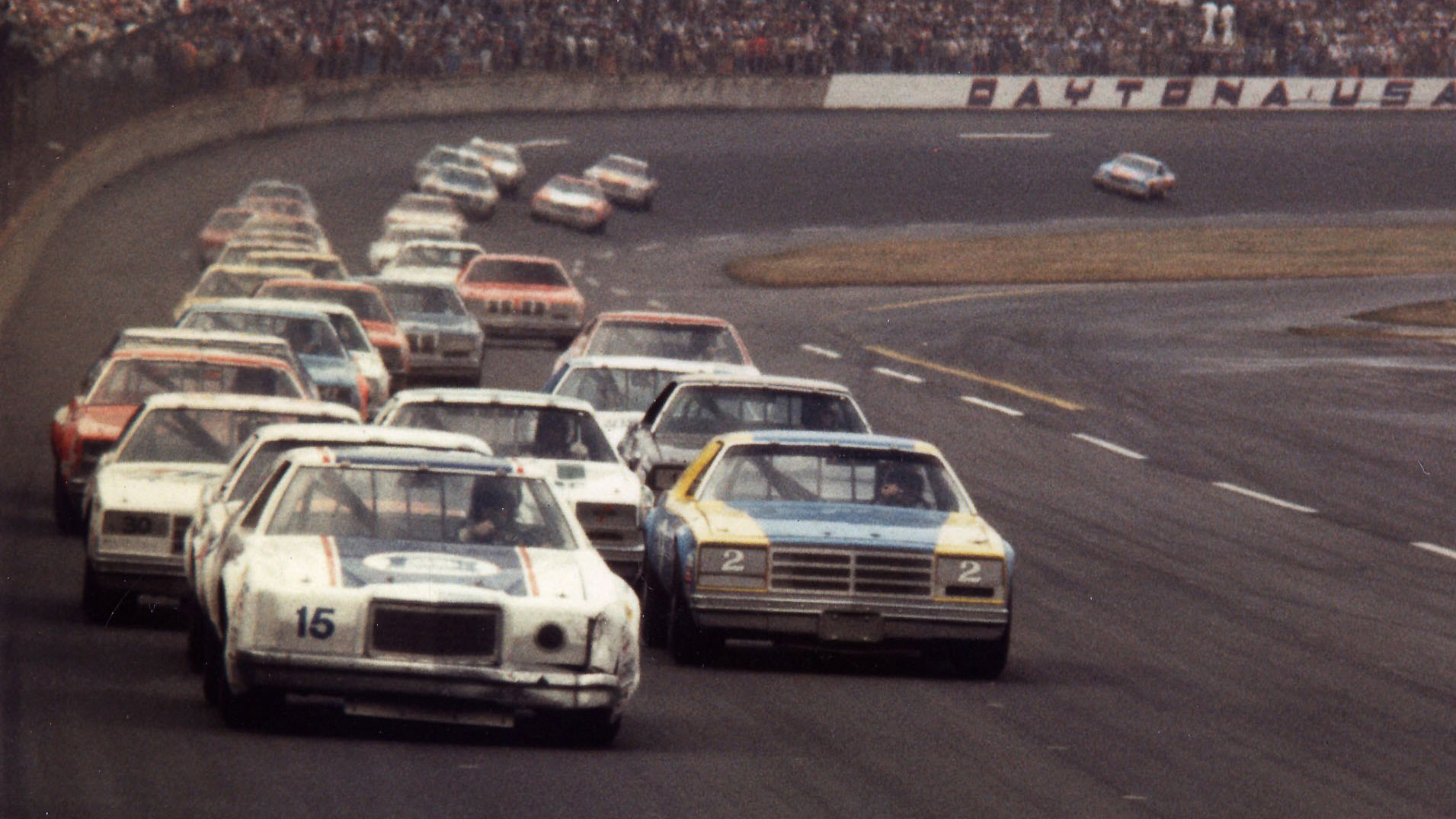
The race to win the Daytona 500 is in its closing stages. Cale Yarborough is challenging Donnie Allison — both in Oldsmobiles — for the lead as they come up to lap the latter’s older brother, Bobby, in a Bud Moore Ford. Both make it past and, on the last lap, Yarborough drops low to make his move. Donnie holds his line, Yarborough drops two wheels on the grass and they both hit the wall.
The collision leaves the path clear for ‘King’ Richard Petty to win the sixth of his eventual seven Daytona 500s. And the crowd go wild.
After the chequered flag, Bobby stops to offer his brother a lift to the garage area — and that’s where the trouble begins.
Back in 2004, Bobby crossed the water to visit the Goodwood Festival of Speed, where I was lucky enough to sit down with him for an interview. So, let’s allow him to pick up the story of what happened next.
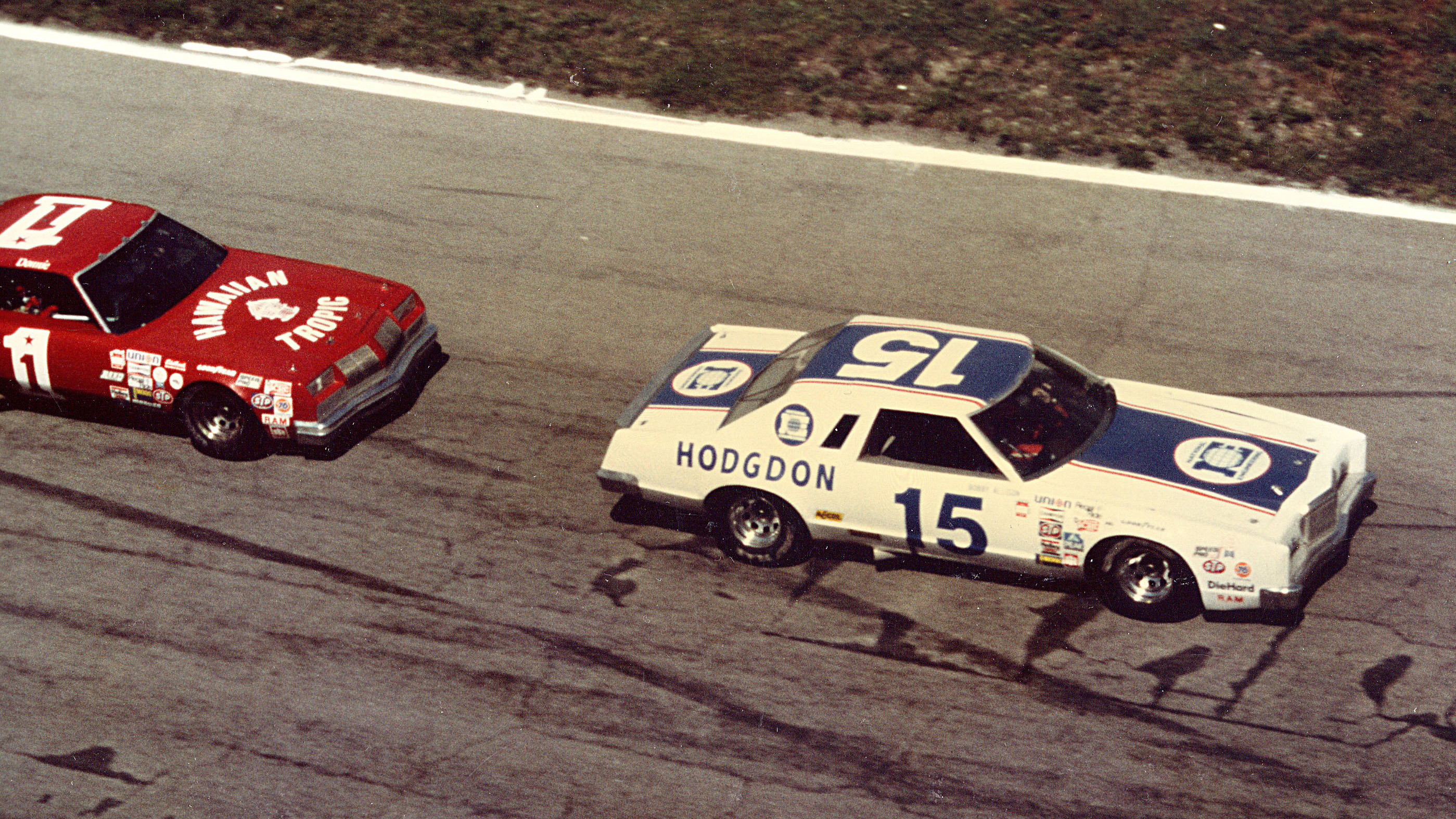
Bobby Allison leads his brother Donnie during the Daytona 500, February 1979.
Image credit: Getty Images“Cale started yelling, saying that the crash was my fault,” said Bobby. “So I think I questioned his ancestry. Cale was always a bully, a tough guy, and my brother was very much like that, too.
"They didn’t want any part of each other, so Cale ran over to my car. I still had my seat belts and helmet on, and he lunged and hit me in the face with his helmet. I looked into my lap and saw blood. I said to myself, ‘I’m going to have to address this right now or I’m going to be running from him for the rest of my life.’
“So, I got out of the car — and that’s when he started beating on my fists with his nose!
Donnie stepped in and said, ‘I’ve got a helmet too if you want to fight with helmets’, but Donnie never swung at Cale and Cale never swung at Donnie. I felt like it was between him and me because I was considered a wimp by some of those tough guys.
“Anyway, we’re fairly friendly with each other now after all these years, and we’ve had some conversations and laughed about it. But NASCAR didn’t. They fined us $6,000 apiece.”
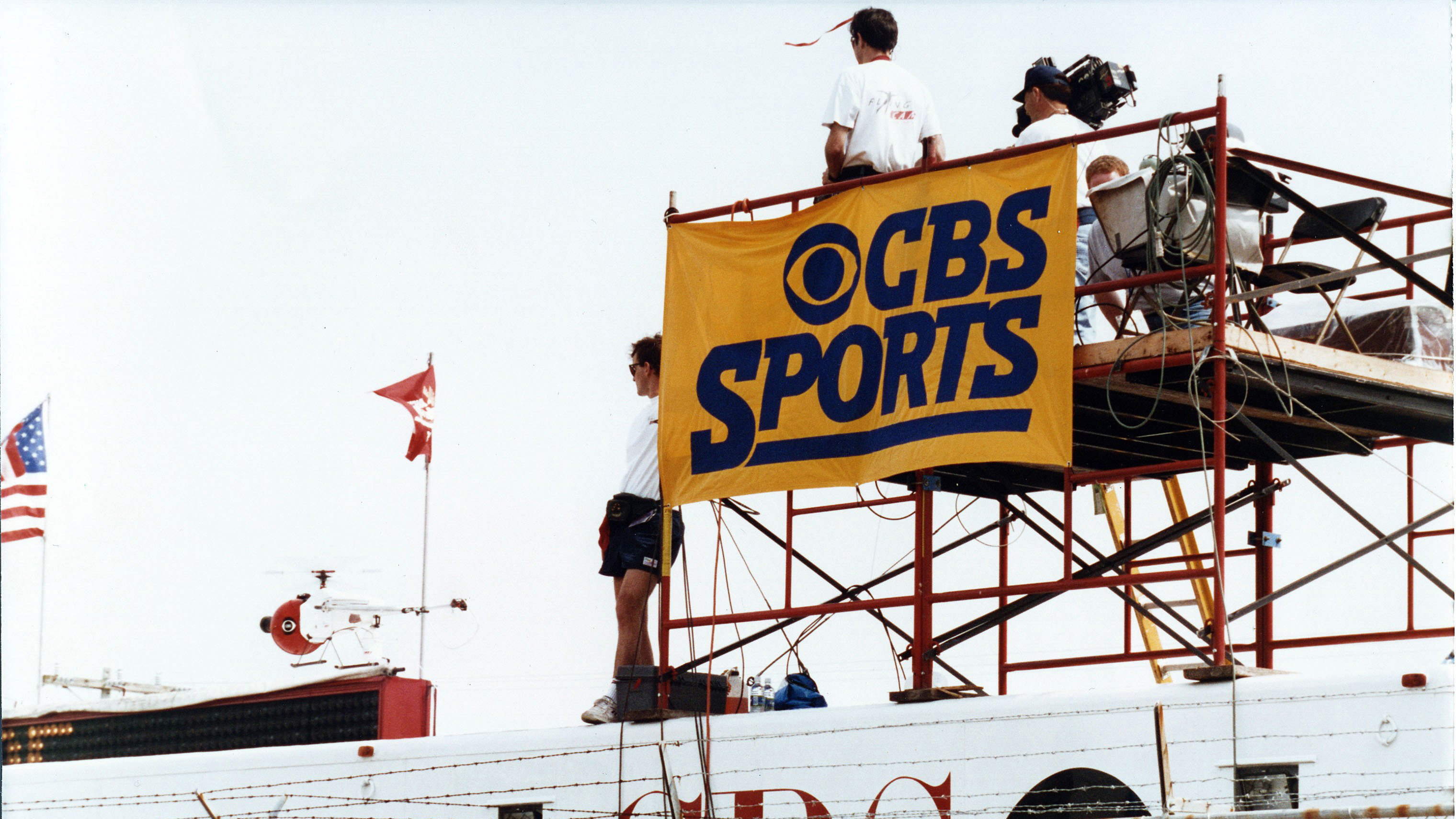
CBS' live coverage of the race attracted million of viewers to the sport for the first time.
Image credit: Getty ImagesThe record-breaking broadcast
The timing for such melodrama was actually spot on, because the 1979 Daytona 500 just happened to be the first race of such a distance to be broadcast live in its entirety. Even the Indy 500 up until then had been shown on tape delay later the same evening as the race, and usually in edited form.
Now CBS had struck a new deal with NASCAR, and used the occasion to try out pioneering in-car cameras and fresh, dynamic angles. Then this dropped into their lap. The suits at the network must have been in rapture.
And there was more on the perfect timing front. A major weather front that came to be known as the President’s Day Snowstorm of 1979 had swept in, locking down households across the north-east and mid-west. So, CBS and NASCAR had a snowed-in captive audience. The 16million who tuned in set a Daytona 500 ratings record that would stand until 2002.
The story that never left them
Daytona 1979 aside, the trio — Bobby Allison and Yarborough in particular — are nailed-on NASCAR legends. Even now, Allison has the fourth most premier division race wins with 85, behind that man Petty (a monumental and surely out of range 200), David Pearson (105) and Jeff Gordon (93) — although Bobby had to wait until 1983 for his singular Winston Cup Championship.
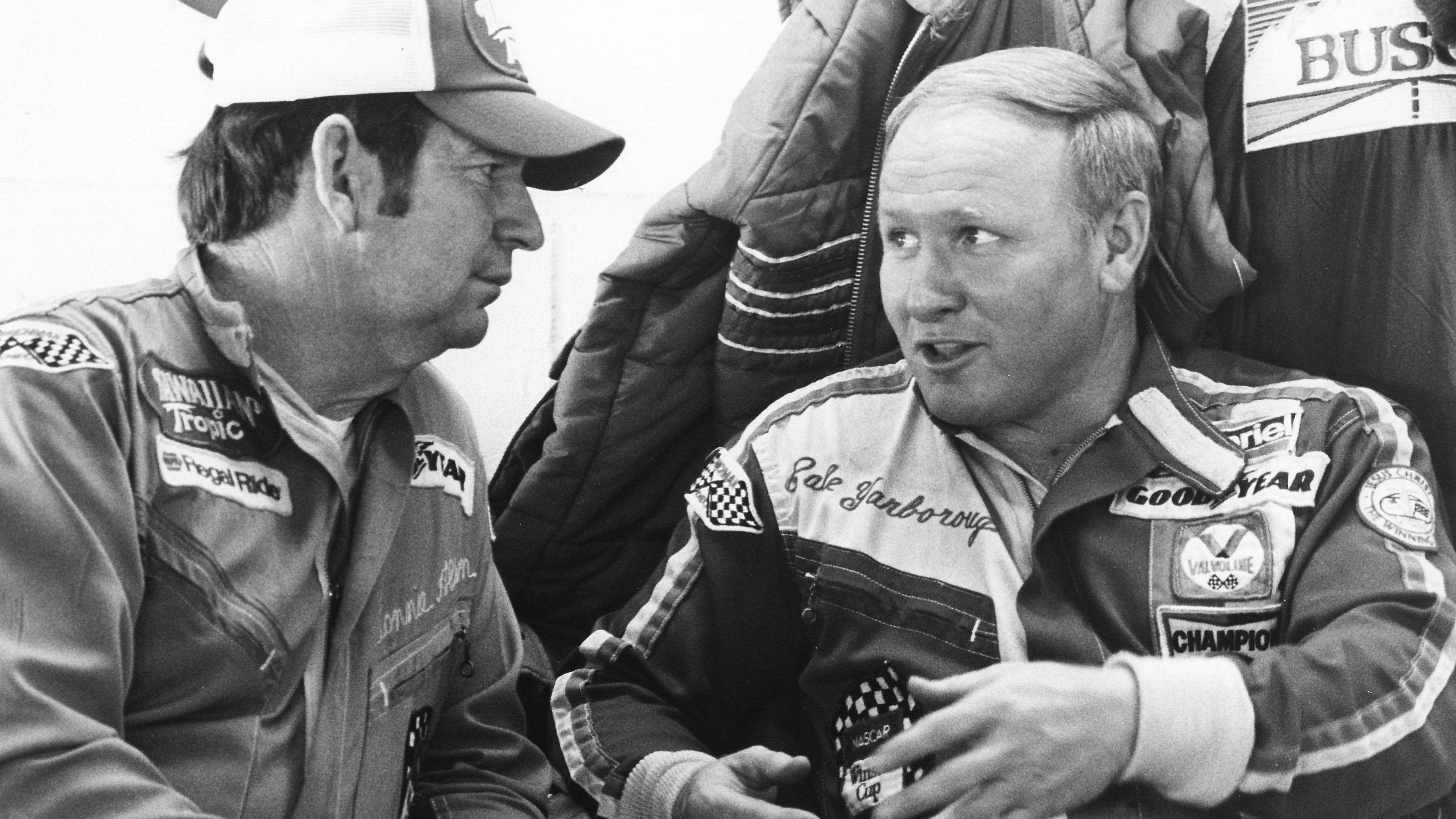
Donnie Allison and Cale Yarborough talk prior to the start of soon-to-be infamous race.
Image credit: Getty ImagesAlong with his three consecutive Championships between 1976-78, Yarborough is equal sixth on the winners’ list with 83, one behind Darrell Waltrip. And despite his bitter 1979 disappointment, among those victories are four Daytona 500s — one more than Bobby.
As for Donnie, he only registered ten wins at the top level, but his brother still rated him as the best he raced against. “He was the toughest of all competitors,” Bobby told me back in 2004. “But Donnie didn’t go to all the races, he only wanted to go to the major events. I was glad of that because the toughest times were when he showed up. We ran 1-2 four times in our career and in three of those he was one and I was two.”
Yarborough and Bobby Allison died within a year of each other, in 2023 and ’24 respectively, but Donnie is still motoring at 86. The Daytona 500 of 1979 was a landmark for American motorsport, certainly for NASCAR, and absolutely for the three drivers. They would never live it down.
Tickets for the Festival of Speed are limited. Friday, Saturday and four-day passes are now sold out and Thursday tickets are selling fast. If you’re not already part of the GRRC, joining the Fellowship means you can save ten per cent on your 2026 tickets and grandstand passes, as well as enjoy a whole host of other on-event perks.
Main image courtesy of Getty Images.
race
historic
daytona 500
NASCAR
americana celebration