How a Jaguar was the actual winner of the 1997 Le Mans | Frankel’s Insight
 Andrew Frankel
If there is a story both as extraordinary and little known in the history of sportscar racing than that I am about tell, I know not what it is. Imagine you submitted a treatment for a story about a racing car never designed to race at Le Mans, yet which won it twice in succession, respectively four and five years after it was born.
Plot not twisty enough for you? How about it being designed for one manufacturer, with which it won the World Sports Car Championship, then years later won Le Mans looking completely different and bearing the name of another who’s previous period of dominance in sportscar racing had been ended by the very marque that had originally commissioned the car?
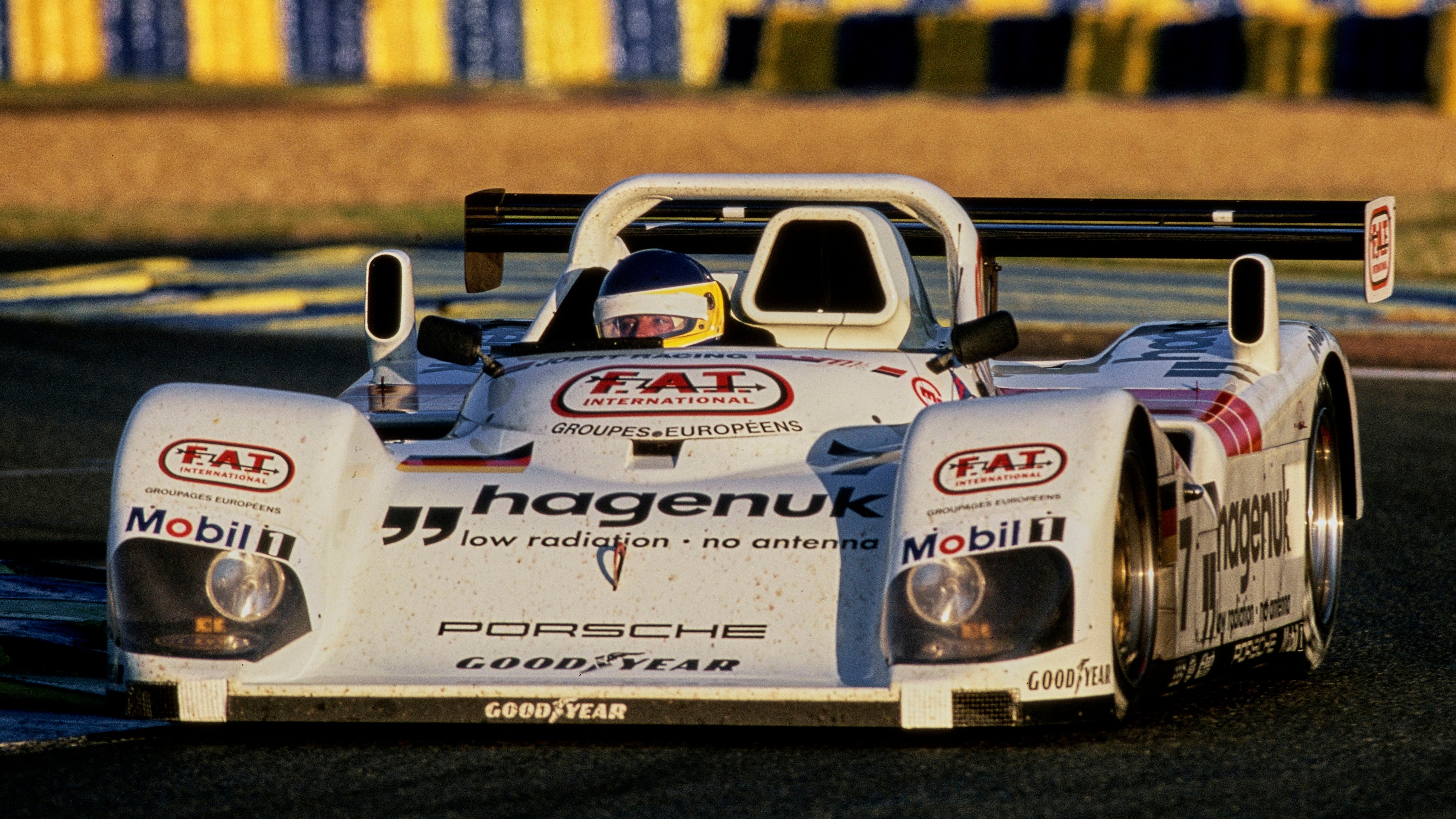
That would probably be enough. If you then submitted a suggestion that its second Le Mans win would come despite the fact the marque whose name it bore didn’t even want it in the race, let alone winning it, that would likely be dismissed as too fanciful by half. Yet all of it is true. Welcome then, to the weird, wonderful and outstandingly wacky life of the Porsche WSC-95. Or should that be Jaguar XJR-14? Truth is, depending on when you’re looking, it could have been either.
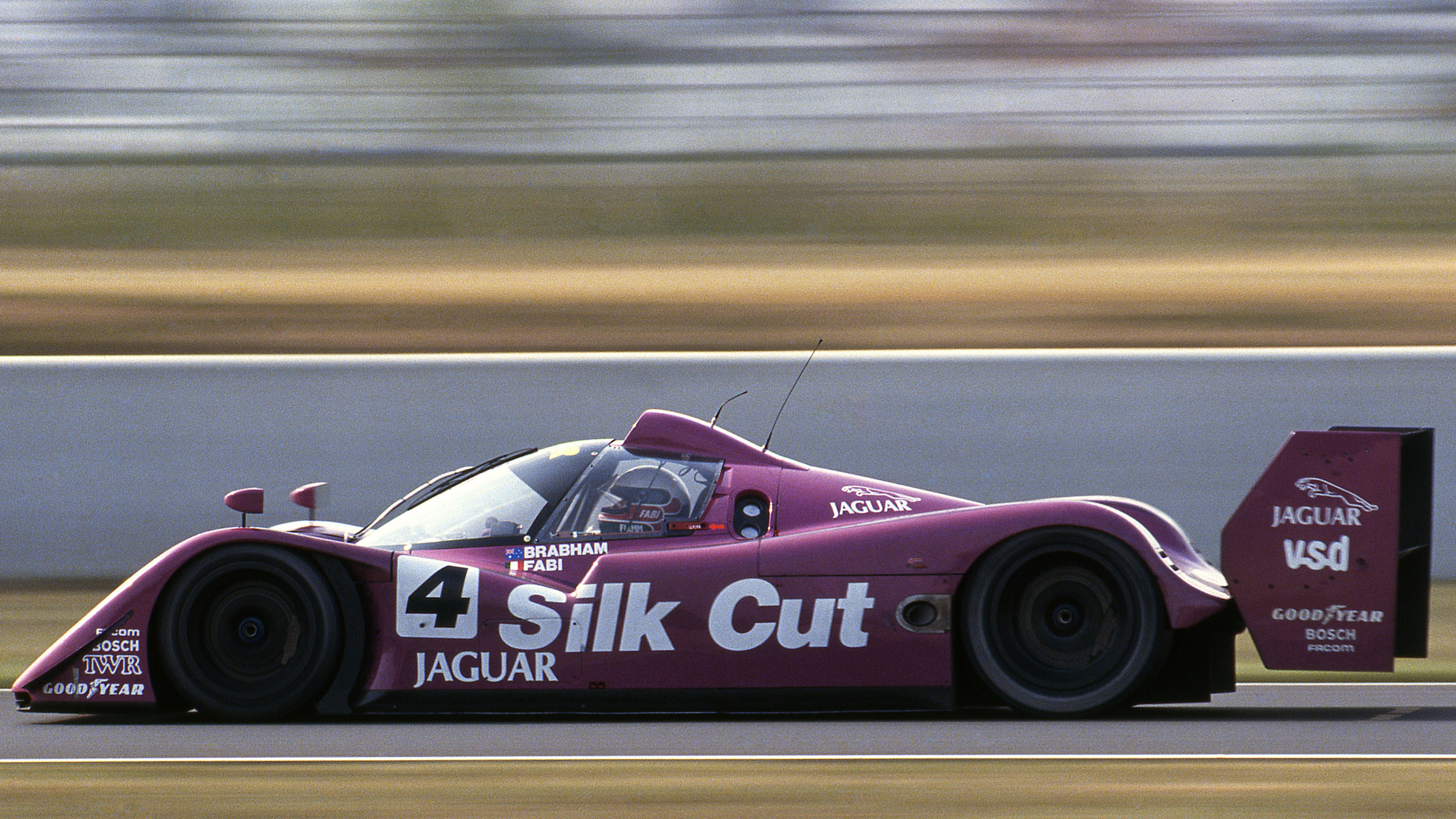
The Jaguar XJR-14, the car Martin Brundle told me was “the best racing car I ever drove”, powered Teo Fabi to the 1991 World Sports Car Championship, having started the season so fast competitors were left wondering which way it went. But although it did practice at Le Mans that year, it was considered too fragile to survive twice around the clock punishment. And that’s it. Three had been built, two damaged sufficiently not to race again, leaving one race-worthy survivor.
Spool forward three years and the survivor is now a museum piece owned by Tom Walkinshaw Racing. As it turns out, TWR in North America was looking for some business at exactly the same time that Porsche thought it ought to be racing in the North American IMSA Championship but had nothing suitable. So TWR’s Tony Dowe and Alwin Springer from the Andial organisation that raced Porsches in the US hatched a plan. The car TWR had designed for Jaguar would become a Porsche.
To do that the car had to be fitted with open bodywork and its Ford HB V8 engine replaced by a turbocharged Porsche flat six. No small job, and anyone seeing the result would be forgiven for not realising the car had started life as a Jaguar. Two cars were created, one from the survivor, another built up around a brand-new chassis.
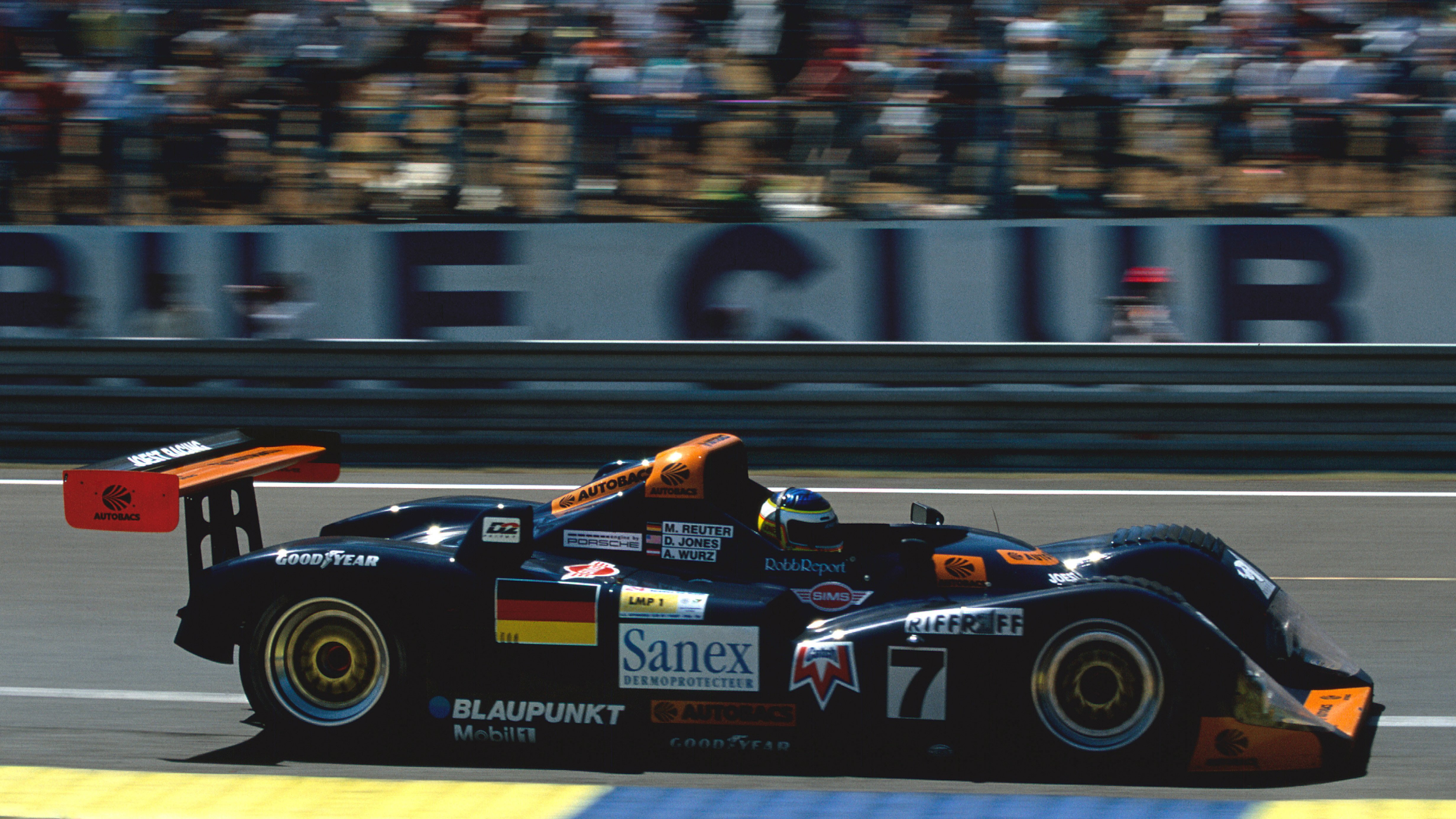
Problem was, that result wasn’t very fast. Indeed it was so slow that the IMSA authorities, seeing the kings of sportscar racing turn up with a new and uncompetitive car, concluded the team must be sandbagging and not only slapped a weight penalty on the car, but a smaller restrictor, rendering an already slow car hopelessly off the pace. Porsche, being Porsche and as principled a bunch of fellows who ever raced, told IMSA what they could do with their race series. And that seemed to be the end of that.
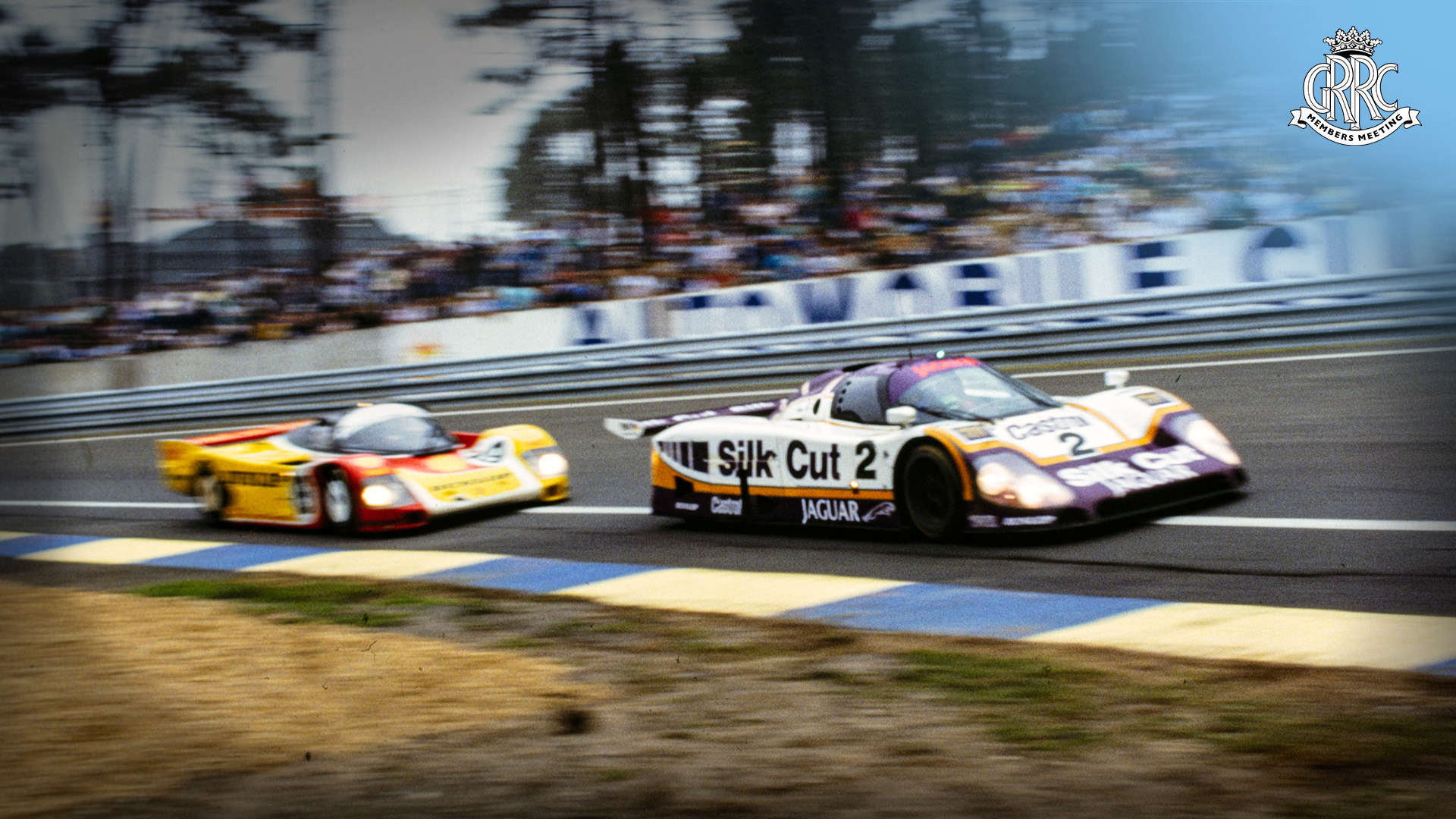
Wind forward another two years and as Porsche returned to Le Mans with its new GT1, Reinhold Joest, lacking a car for his own team to race, simply rented the WSC-95s from Porsche. And in a textbook display from team and drivers, he won it outright, beating the factory cars into second and third places. Which is where a clause in the rental agreement came into force, namely that if a WSC-95 won the race, Joest would be allowed to keep it.
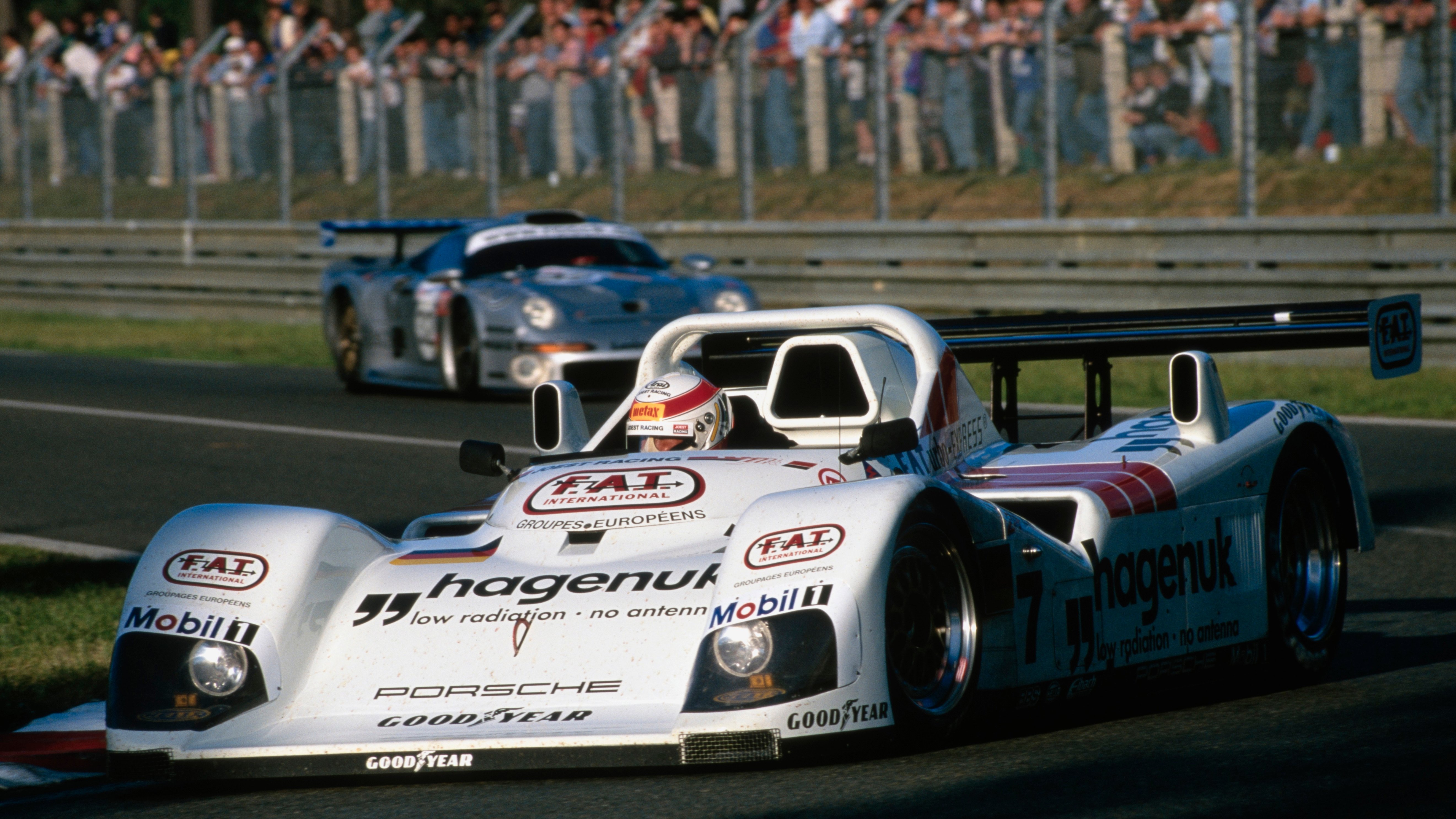
Which is why Porsche couldn’t stop him entering it into Le Mans the following year and risk it beating their cars again. Which it duly did. And while Porsche absolutely didn’t want the car at the start of the race, by the end I suspect the company was damn glad it was there because with three hours to go, both the works cars were out. Being unable to stop Joest entering the race was the reason Le Mans in 1997 is now remembered as Porsche’s 15th win, not McLaren’s second.
So, the WSC-95 that had started life as a Jaguar XJR-14 six years later became only the fifth and most recent car to win Le Mans twice, joining such luminaries as the Bentley Speed Six, Ferrari 250P, Ford GT40 and Porsche 956B. Despite the fact the constructor whose name it bore would rather it had not. You really couldn’t make it up.
Main image courtesy of LAT Images/Stringer via Getty Images.
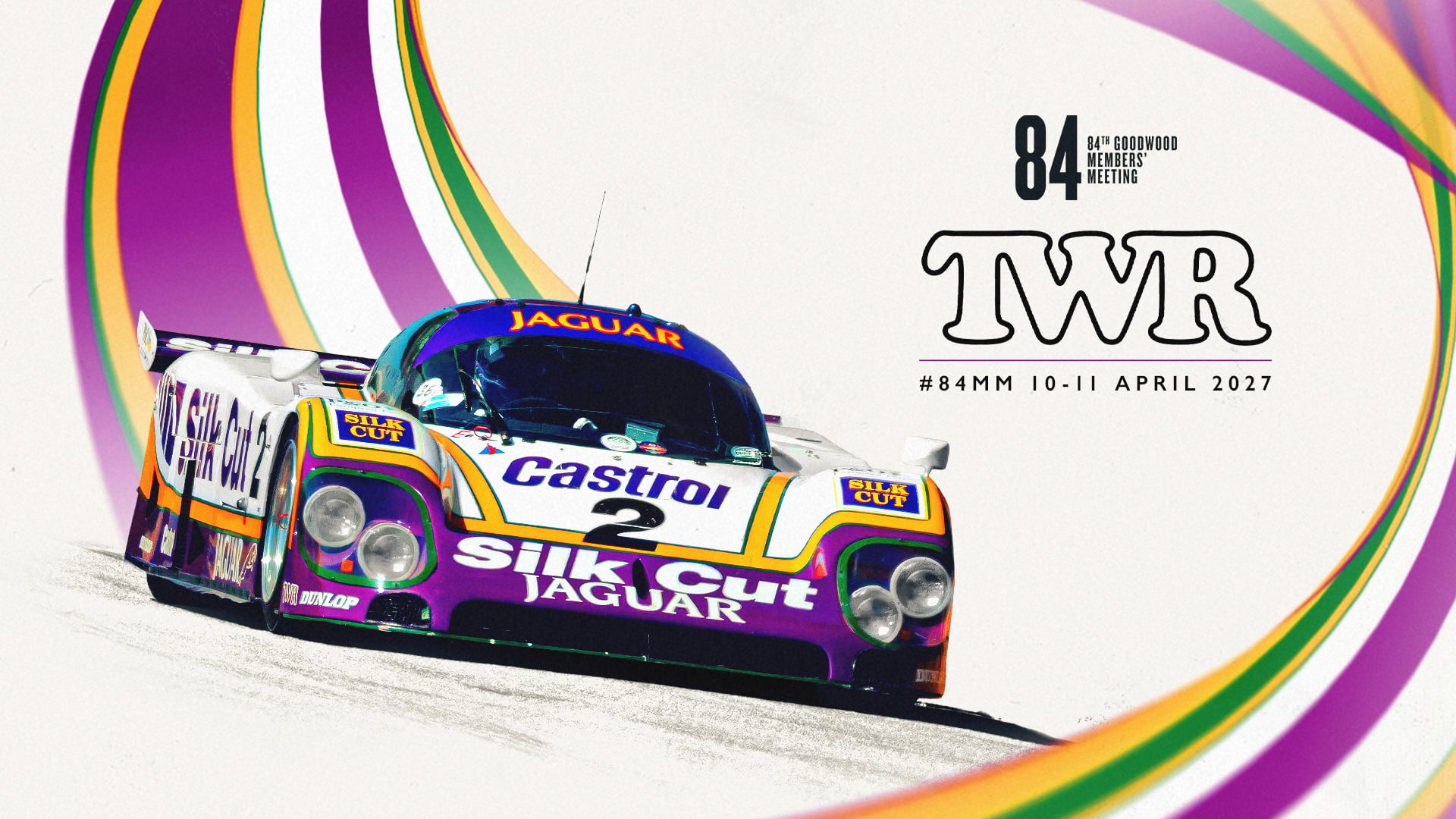
The 84th Members' Meeting takes place on 10th and 11th April 2027. Tickets are now on sale to GRRC Members and Fellowship Members at the early bird price.
If you’re not already part of the GRRC, you can sign up to the Fellowship today to save ten per cent on your 2027 tickets and grandstand passes, as well as enjoying a whole host of other on-event perks.
race
historic
frankel's insight
Jaguar
XJR-14
porsche
WSC-95
TWR celebration