

Tom Walkinshaw's relentless pursuit of victory
At the 84th Members' Meeting presented by Audrain Motorsport, we will be celebrating one of the most successful names in modern motor racing history: Tom Walkinshaw.
Touring car championships, Le Mans 24 Hours victories and Formula 1 successes ensured Tom Walkinshaw Racing’s place among motorsport's elite organisations, and none of it can be separated from the man whose initials adorned the workshop door.
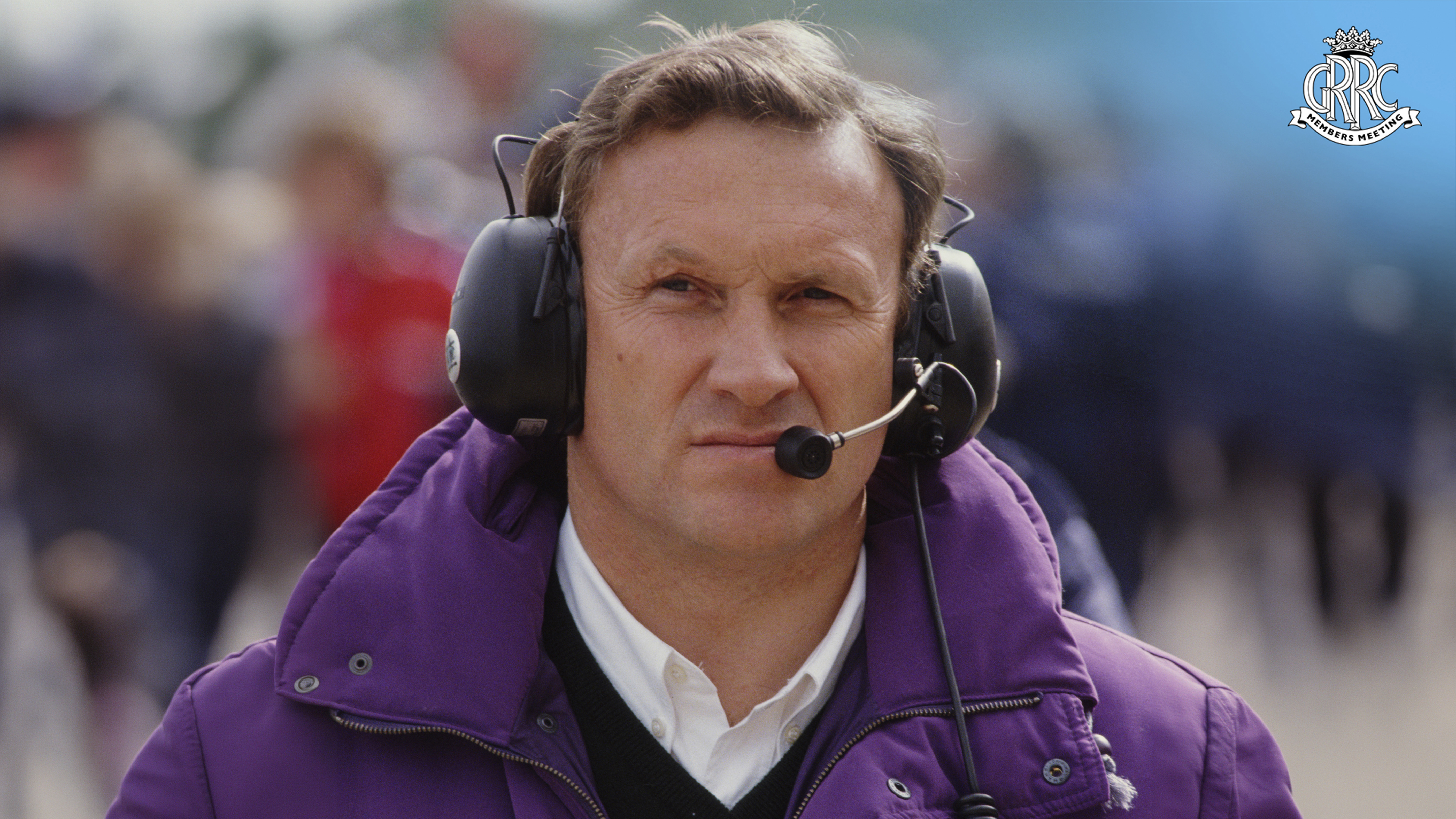
Tom Walkinshaw was not simply a team owner; he was the driving force behind an empire. Born near Edinburgh in 1946, Walkinshaw possessed characteristics that would define both his successes and failures. Friends, colleagues and rivals described him as fiercely competitive, intensely driven and entirely unwilling to accept second best. He could be charismatic one moment and intimidating the next.
Designer Ian Callum worked closely alongside Walkinshaw during TWR's rise and perhaps captured him best. "Tom was a man that was both liked and disliked, both ruthless and kind, could be gruff and yet so polite. He was tenacious and like any great racing driver, he would never lift off the pedal, regardless."
That determination was evident before TWR even existed. Walkinshaw enjoyed considerable success as a driver, building his reputation in touring cars through the 1970s. But where others saw themselves behind the wheel, Walkinshaw recognised his true talents lay elsewhere. He had an acute understanding of engineering and, perhaps most importantly, knew how to bring talented people together. Still, when he founded TWR in 1976, few could have predicted the impact it would have on world motorsport.
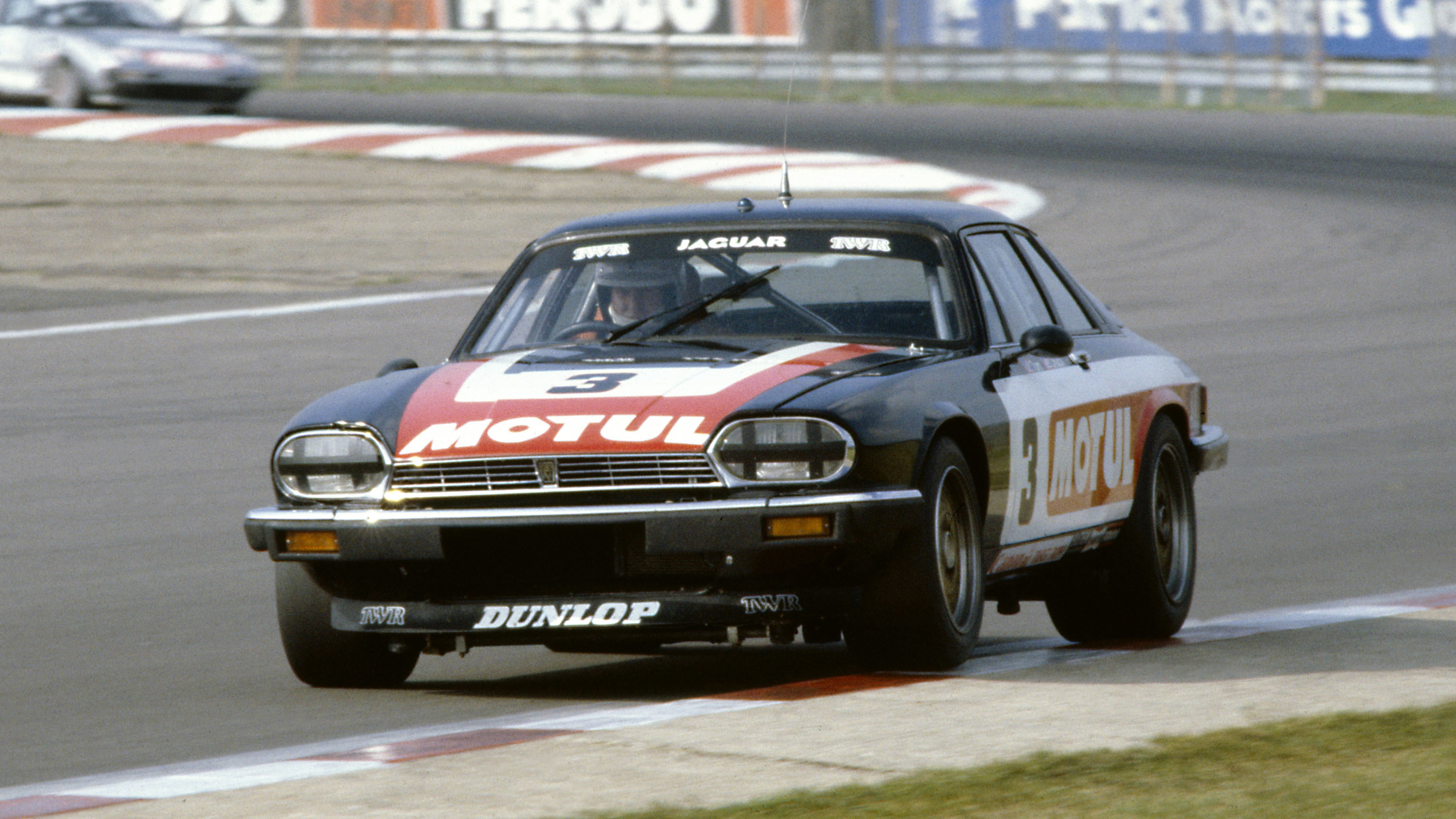
The Jaguar XJ-S driven by Tom Walkinshaw and Chuck Nicholson won the 1982 Tourist Trophy at Silverstone, ahead of stablemates Pierre Dieudonne and Pete Lovett.
Image credit: LAT Images via Getty ImagesManufacturers quickly recognised that Walkinshaw wasn’t a man to simply inherit a team or follow in someone else's tracks; he was actively engineering his own legacy. Through TWR, he forged a powerhouse completely from his own vision and determination. The operation approached the preparation of racing cars with an obsessive attention to detail. For Walkinshaw, winning was not an ambition decreed by others but a relentless expectation he demanded from himself.
The relationship that would define both TWR and Walkinshaw arrived in 1982, when Jaguar placed its faith in the Oxfordshire-based team to operate its works outfit. At the time, many viewed the big V12-powered Jaguar XJS as an unlikely touring car contender. Walkinshaw disagreed.
He saw potential where others saw weight and complexity, and in 1984 he proved his point emphatically. Driving a TWR-prepared Jaguar XJS alongside his own growing operation, Walkinshaw secured the European Touring Car Championship, while the team's victory at the Spa 24 Hours became part of Jaguar folklore.
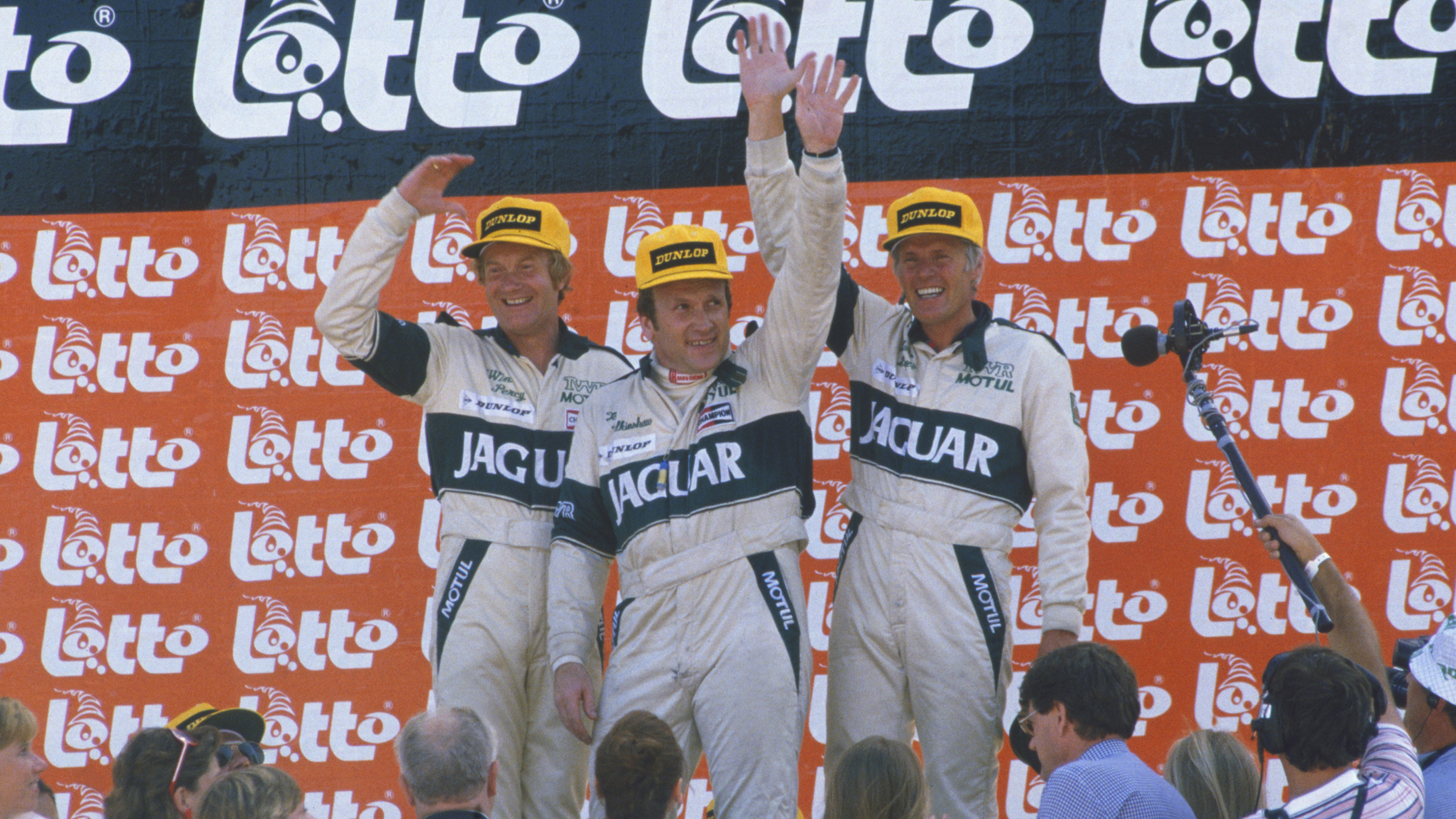
Walkinshaw partnered Win Percy and Hans Heyer to victory at the Spa 24 Hours with the TWR Jaguar XJ-S, July 1984.
Image credit: LAT Images via Getty ImagesCentral to that success was his close friend and team-mate Win Percy. Reflecting on Walkinshaw years later, Percy highlighted the standards that drove TWR's achievements. "It was an honour to drive with the bloke. The beauty of it was that if something broke, he didn't blame anybody. It was up to the team to put it right, to make it foolproof. He put 100 per cent into it, and so did you."
For many teams, conquering touring cars would have represented the peak but for Walkinshaw it was merely the beginning. What followed throughout the 1980s remains one of the most successful manufacturer partnerships in endurance racing history.
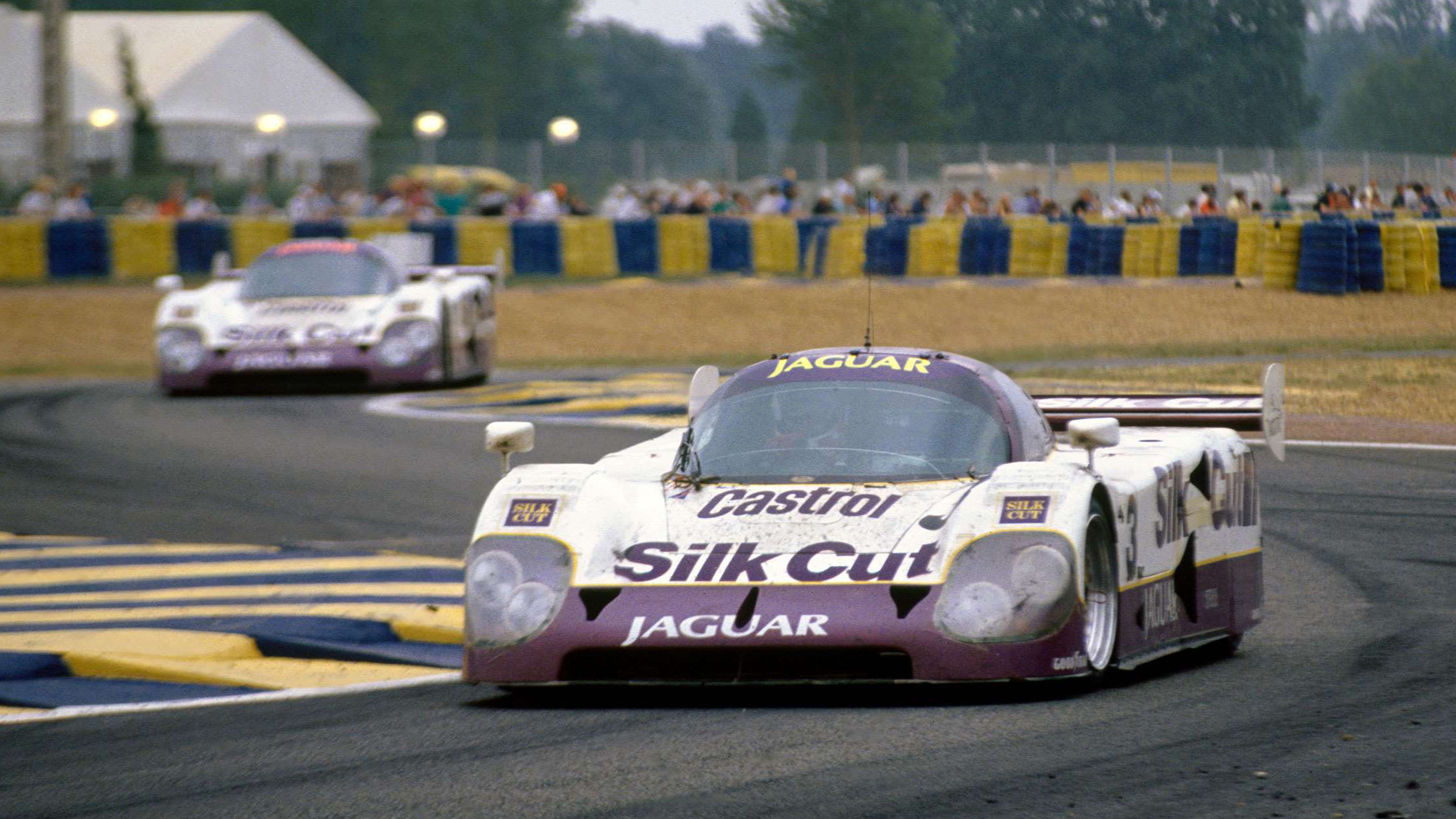
The Jaguar sportscar programme developed by TWR produced some of the most iconic racing cars ever built. Dressed in their famous Silk Cut liveries, the XJR prototypes became symbols of a golden era of endurance racing. Most significantly, they achieved what many thought impossible: ending Porsche's dominance at Le Mans.
Victory at the Circuit de la Sarthe for the Jaguar XJR-9 in 1988, driven by Jan Lammers, Johnny Dumfries and Andy Wallace, represented a defining moment not only for Jaguar but for Walkinshaw himself. A second victory followed in 1990 with the XJR-12, cementing TWR's position among the sport's great teams.
Martin Brundle, who raced for Jaguar during that golden period, later described Walkinshaw as "a major force in motorsport".
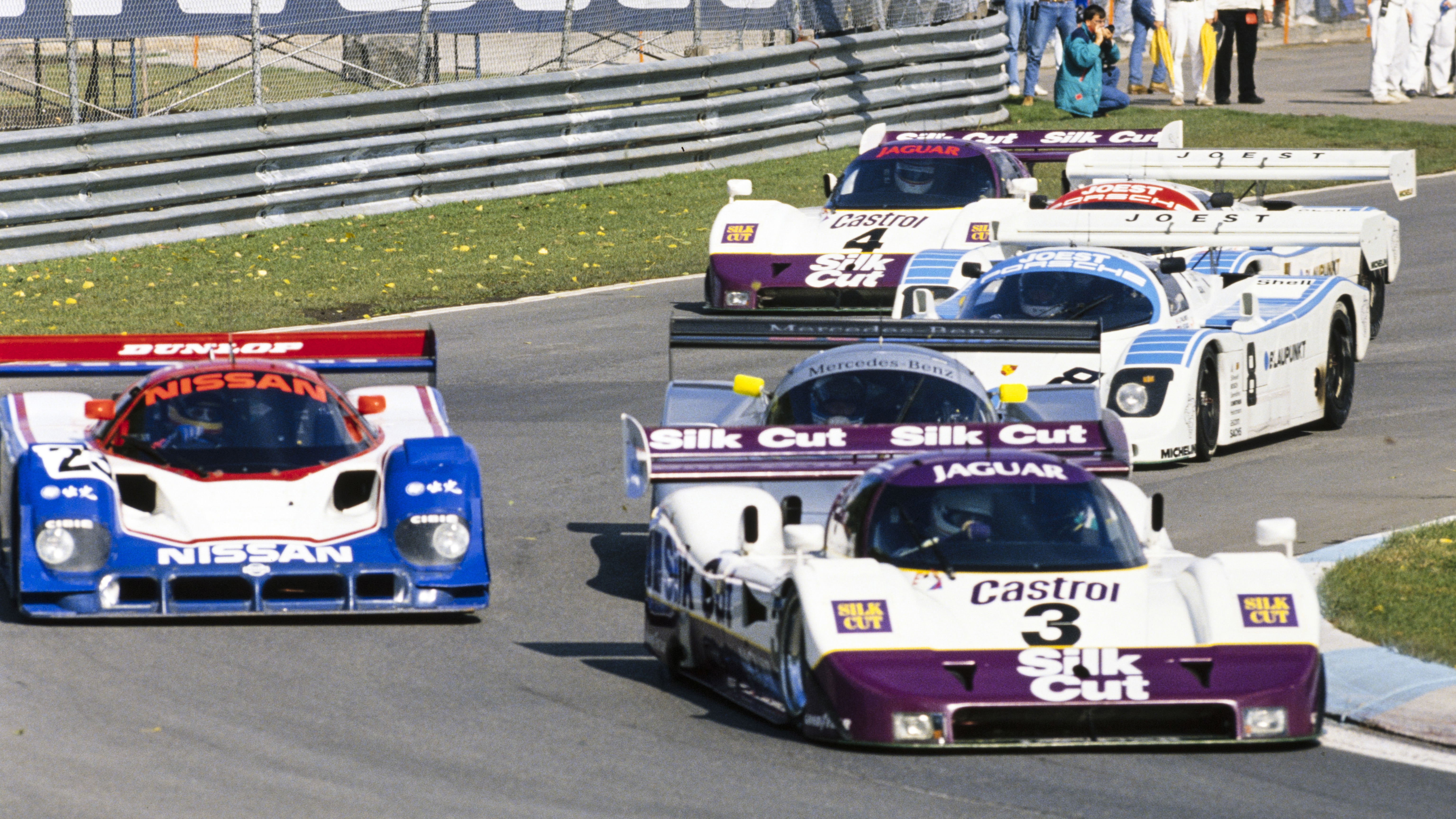
Martin Brundle and Jan Lammers lead at Montreal during the 1990 World Sportscar Championship with the Jaguar XJR-11.
Image credit: David Hutson/LAT Images via Getty ImagesYet perhaps Walkinshaw's greatest strength was not building racing cars but recognising talent. Again and again, he demonstrated an instinct for identifying people capable of becoming champions.
He spotted potential in a young Michael Schumacher before much of Formula 1 had fully grasped his extraordinary ability. Alongside Flavio Briatore, Walkinshaw played a crucial role in bringing Schumacher to Benetton, helping launch a partnership that would transform the sport throughout the 1990s.
Equally significant was his relationship with Ross Brawn. Having recruited Brawn from his early stint at the Arrows team in 1989, Walkinshaw brought him to Benetton and helped create an environment in which one of motorsport's greatest technical minds could thrive. Together with designer Rory Byrne, they formed part of the powerhouse technical structure that helped Schumacher secure his first World Championship in 1994.
Walkinshaw rarely sought the spotlight for these achievements, but his fingerprints were everywhere. His influence extended beyond people and machinery and into the way racing itself was approached. For decades, TWR developed a reputation for extracting every possible advantage from the regulations. Supporters viewed it as ingenuity, though there were times rivals might have viewed it differently.
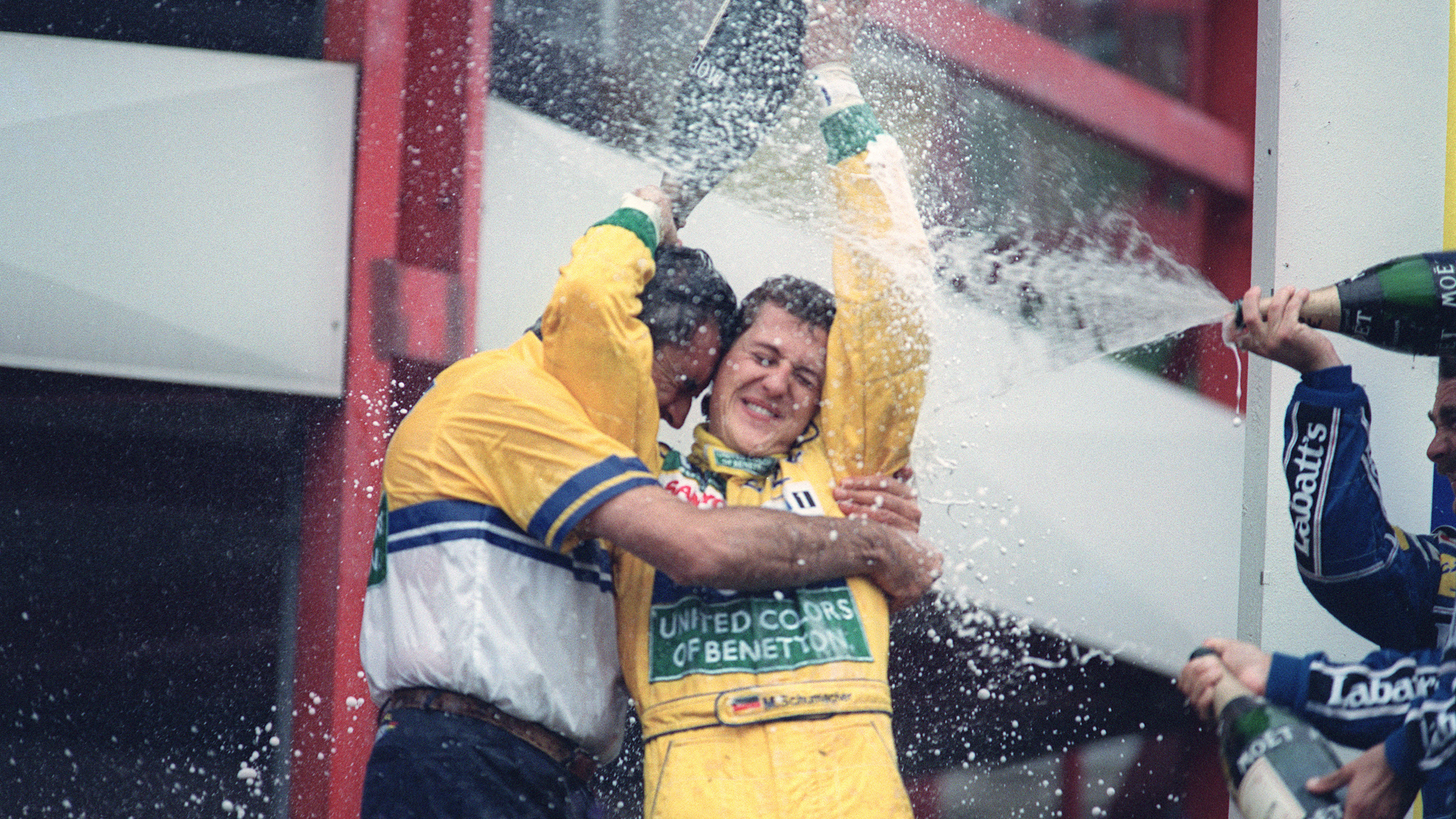
Michael Schumacher celebrates winning his first ever Formula 1 race, the 1992 Belgian Grand Prix, with Benetton Team Director Walkinshaw.
Image credit: Jean-Loup Gautreau/Pascal Pavani via Getty ImagesMotorsport journalist David Tremayne famously observed that: "Tom and his men were masters of the grey art". Those who knew Walkinshaw understood this was simply another expression of his competitive instinct. The rulebook existed to be understood, interpreted and exploited. If an advantage could be found, Walkinshaw expected his team to discover it before anyone else. Such an attitude inevitably made enemies, but it also produced extraordinary success.
Not every chapter of Walkinshaw's career ended happily. Ambition eventually drew him deeper into Formula 1, first as a director with Benetton, and by 1996 taking full ownership of the same Arrows team he once raided for talent. Formula 1 represented perhaps the final frontier. For a man who had conquered touring cars and endurance racing, Grand Prix ownership offered the ultimate challenge.
And there were flashes of promise. Moving to Arrows as Team Principle without the Benetton super-team behind him, Walkinshaw still pulled off one of the sport's most surprising coups by signing reigning World Champion Damon Hill for the 1997 season. Yet Formula 1 has a habit of consuming even the most formidable competitors, and despite Walkinshaw's determination a fairytale story was never written.
Arrows collapsed in 2002 as its escalating costs completely drained TWR's resources, bringing a simultaneous end to both the Formula 1 project and the TWR business itself. For Ian Callum, the significance of that disappointment was obvious: "I suspect Arrows ultimately broke Tom. He put everything into his F1 outfit. The cars, the engines, the team and the drivers. Relentlessly pursuing his ultimate goal."
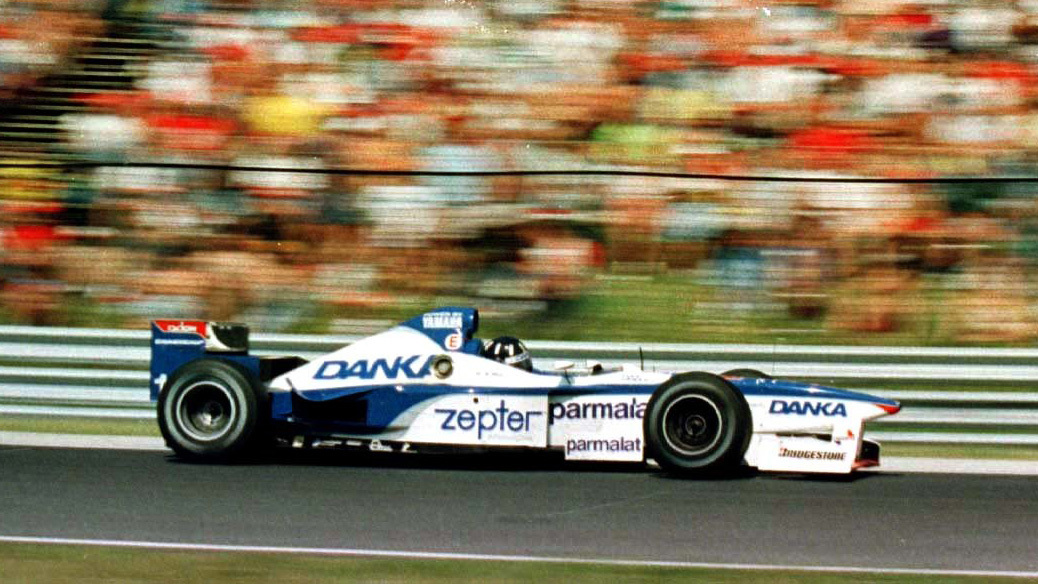
Walkinshaw had big ambitions when he recruited World Champion Damon Hill to the TWR Arrows F1 team, but the best result he could achieve was runner-up at the 1997 Hungarian Grand Prix.
Image credit: LAT Images/Stringer via Getty ImagesBut if Formula 1 represented an unfinished chapter, it does little to diminish the scale of Walkinshaw's legacy.
The influence of TWR can still be traced throughout modern motorsport. The engineers he mentored, the drivers he backed and the teams he shaped continue to define the sport today. Jaguar's return to prominence, Schumacher's emergence, Ross Brawn's rise and countless other stories all intersect with one man.
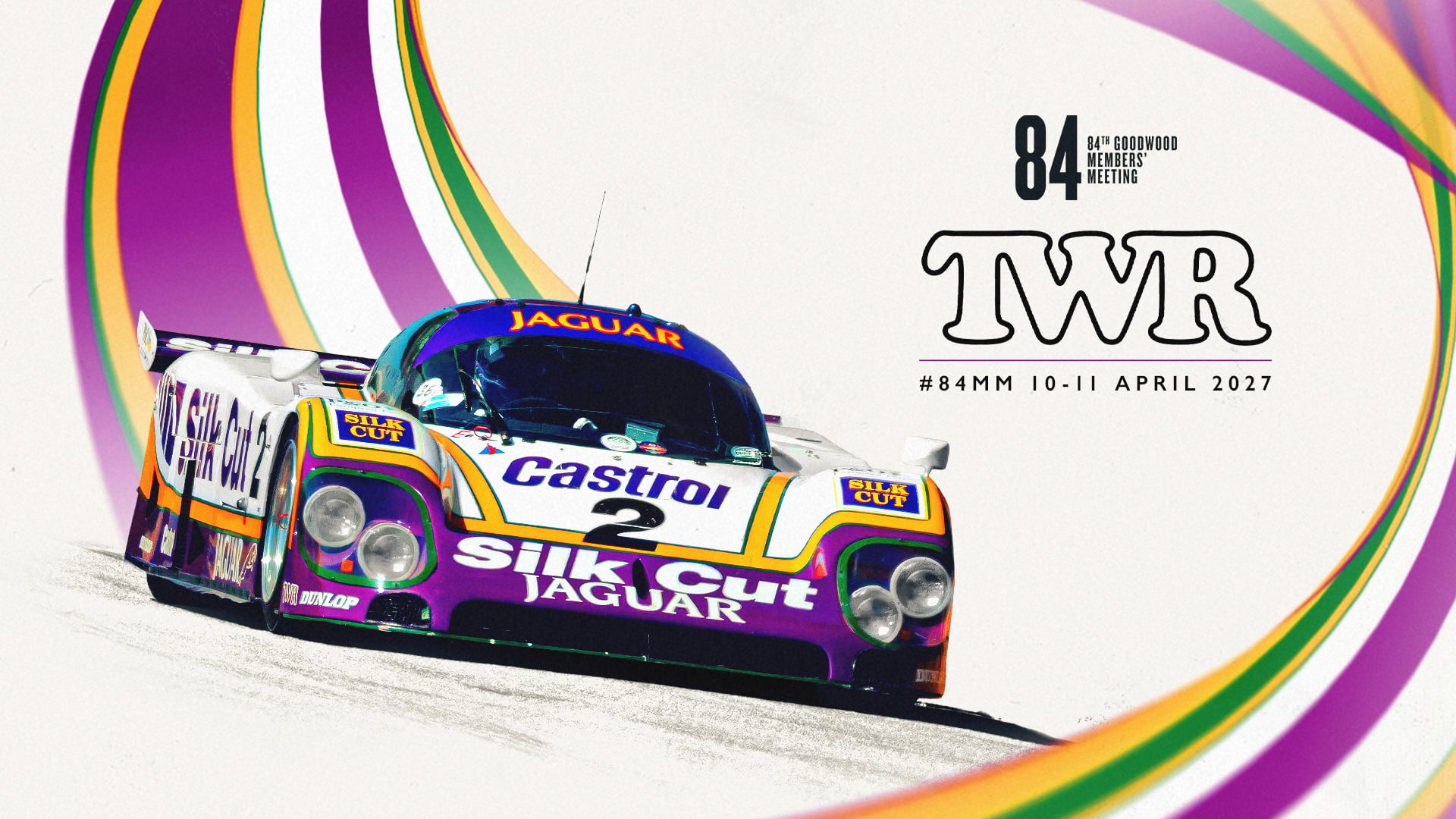
That is why, as we celebrate TWR at the 84th Members' Meeting on 10th and 11th April 2027, we will also be celebrating Tom Walkinshaw himself. The cars will always be remembered, and the championships and victories will forever occupy their place in the record books, but perhaps Walkinshaw's true legacy lies in something less tangible: a belief that racing should be pursued relentlessly, creatively and without compromise.
Few embodied that philosophy more completely than Tom Walkinshaw, and few left a bigger mark on motor racing because of it.
Main image courtesy of Pascal Rondeau via Getty Images.
The 84th Members' Meeting takes place on 10th and 11th April 2027. Tickets are now on sale to GRRC Members and Fellowship Members at the early bird price.
If you’re not already part of the GRRC, you can sign up to the Fellowship today to save ten per cent on your 2027 tickets and grandstand passes, as well as enjoying a whole host of other on-event perks.
members' meeting
84MM
84th members' meeting
TWR Jaguar
TWR celebration
Tom Walkinshaw
Subscribe to Goodwood Road & Racing
Thank you, you’re now subscribed

How many hay bales are used at FOS?
For the last two years, 5,800 bales have been recylced into the biomass energy centre to be used for energy generation