The 10 best American supercars ever made
America’s supercar and hypercar scene has exploded in recent years, merging raw V8 muscle and advanced engineering to rival that of Europe and Japan. From hybrid hypercars to modern muscle, this list covers the best supercars America has to offer.
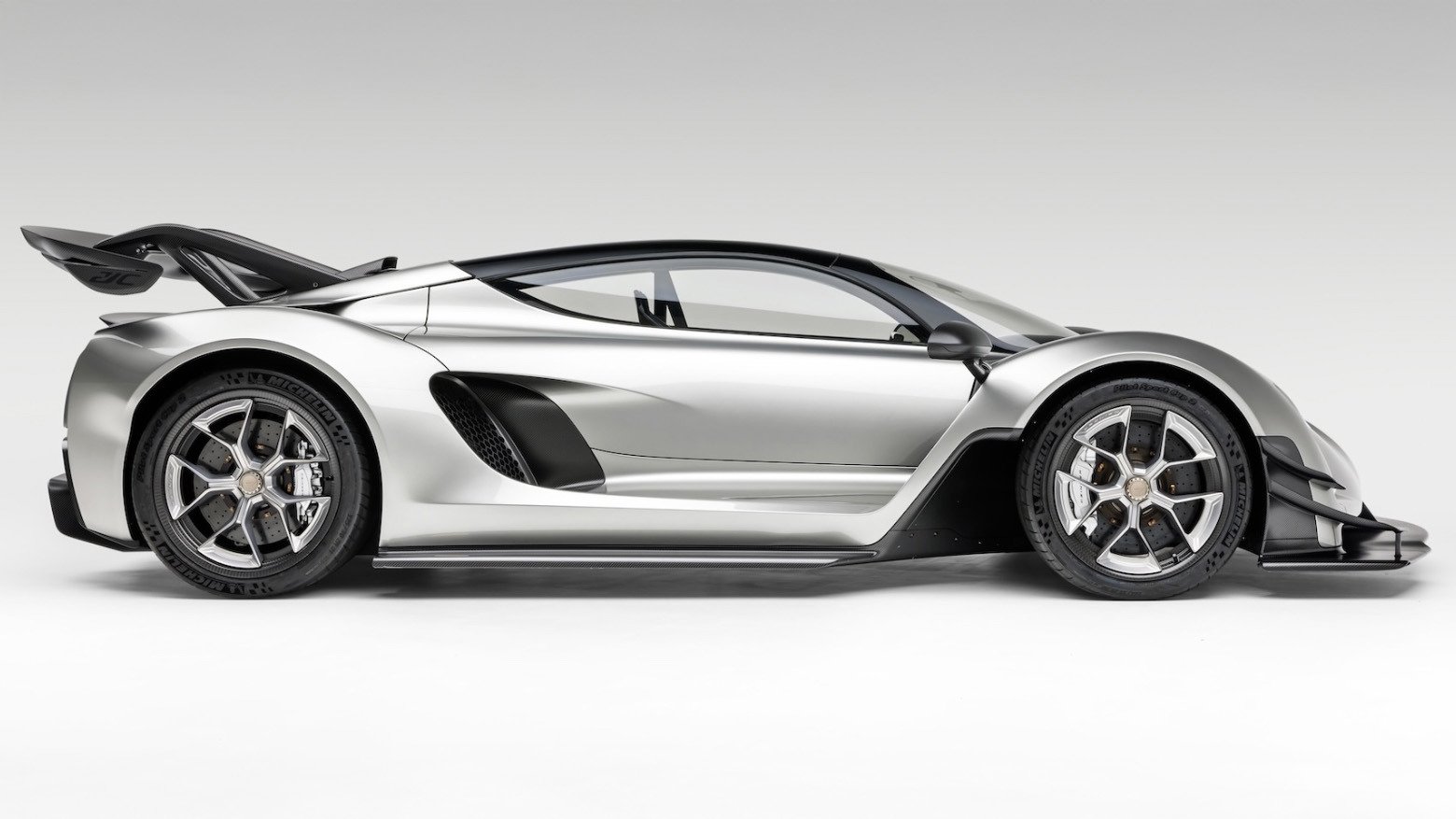
Czinger 21C
The Czinger 21C is a flagship American hypercar designed to redefine performance limits. Created from scratch by California-based Czinger Vehicles, the 21C unites advanced hybrid technology with innovative engineering and state-of-the-art manufacturing. Its mid-mounted twin-turbo 2.9-litre V8 engine — developed fully in-house — works alongside front electric motors to deliver 1,200PS (883kW) and accelerates from 0–60 mph in 1.9 seconds, ultimately reaching 281mph in its low-drag setup.
The 21C distinguishes itself further through AI-optimised design and a wide array of 3D-printed components. These innovative approaches result in unparalleled strength and a dry weight of only 1,240kg. The tandem, fighter jet-inspired seating reinforces its focus on the track. Production is limited to approximately 80 units, ensuring exclusivity and prestige.
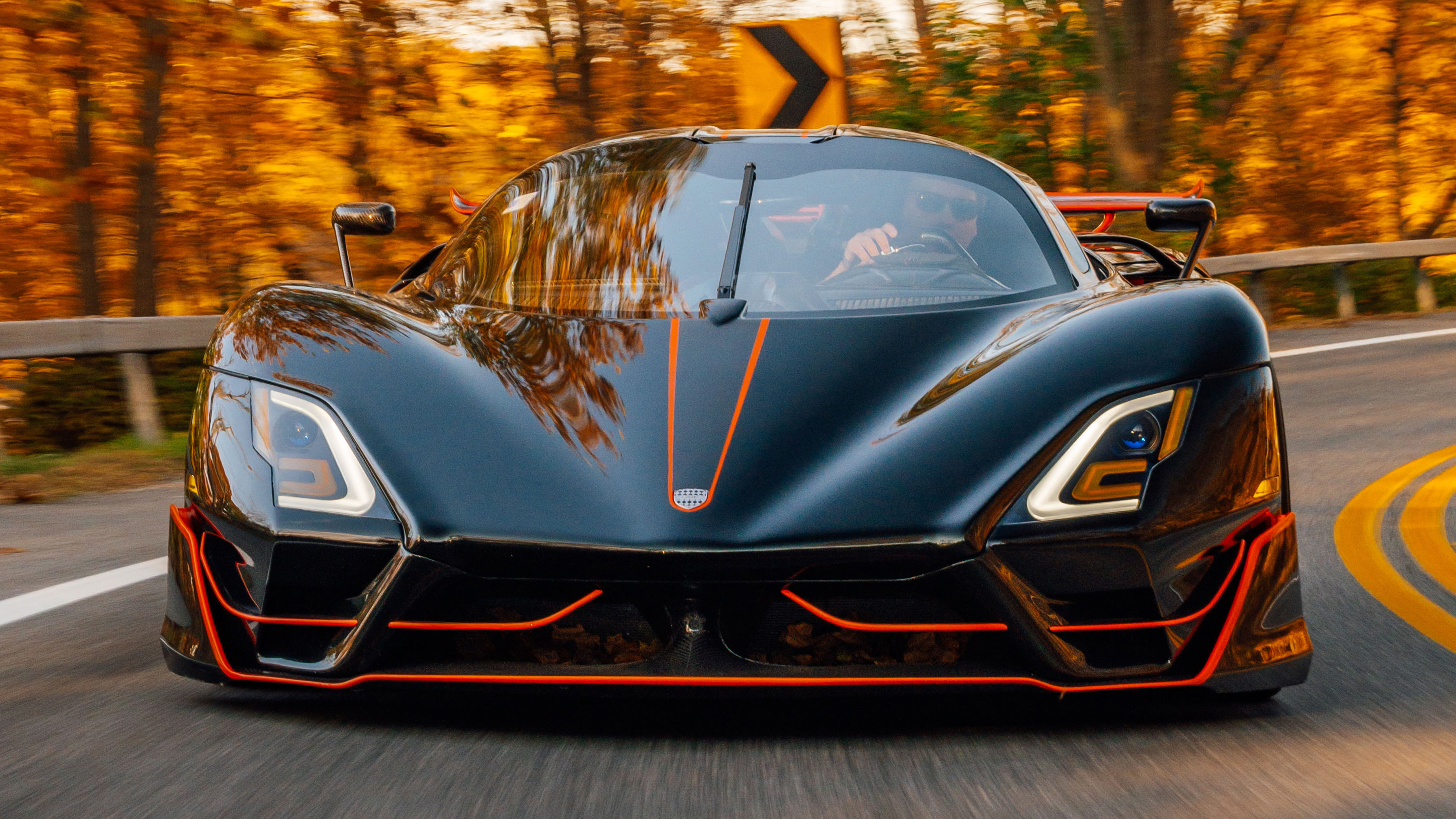
SSC Tuatara
The SSC Tuatara represents America’s pursuit of hypercar supremacy, engineered for extraordinary speed. Produced by SSC North America (formerly Shelby SuperCars), the Tuatara features a bespoke twin-turbo flat-plane crank V8 that produces up to 1,750PS (1,287kW) on E85 flex-fuel, paired with a seven-speed automated manual transmission that drives the rear wheels.
Jason Castriota, who also penned the Ferrari 612 and 599, designed the Tuatara’s carbon-fibre body and monocoque chassis for peak aerodynamic performance, boasting downforce of 349kg at its maximum speed of 310mph. SSC has pursued production-car speed records with the Tuatara, with verified two-way average runs exceeding 280mph — pushing it into the hypercar hierarchy alongside the Bugatti Tourbillon. With limited production (around 100 units planned), the Tuatara’s plus £1.5million price tag reflects its advanced engineering.
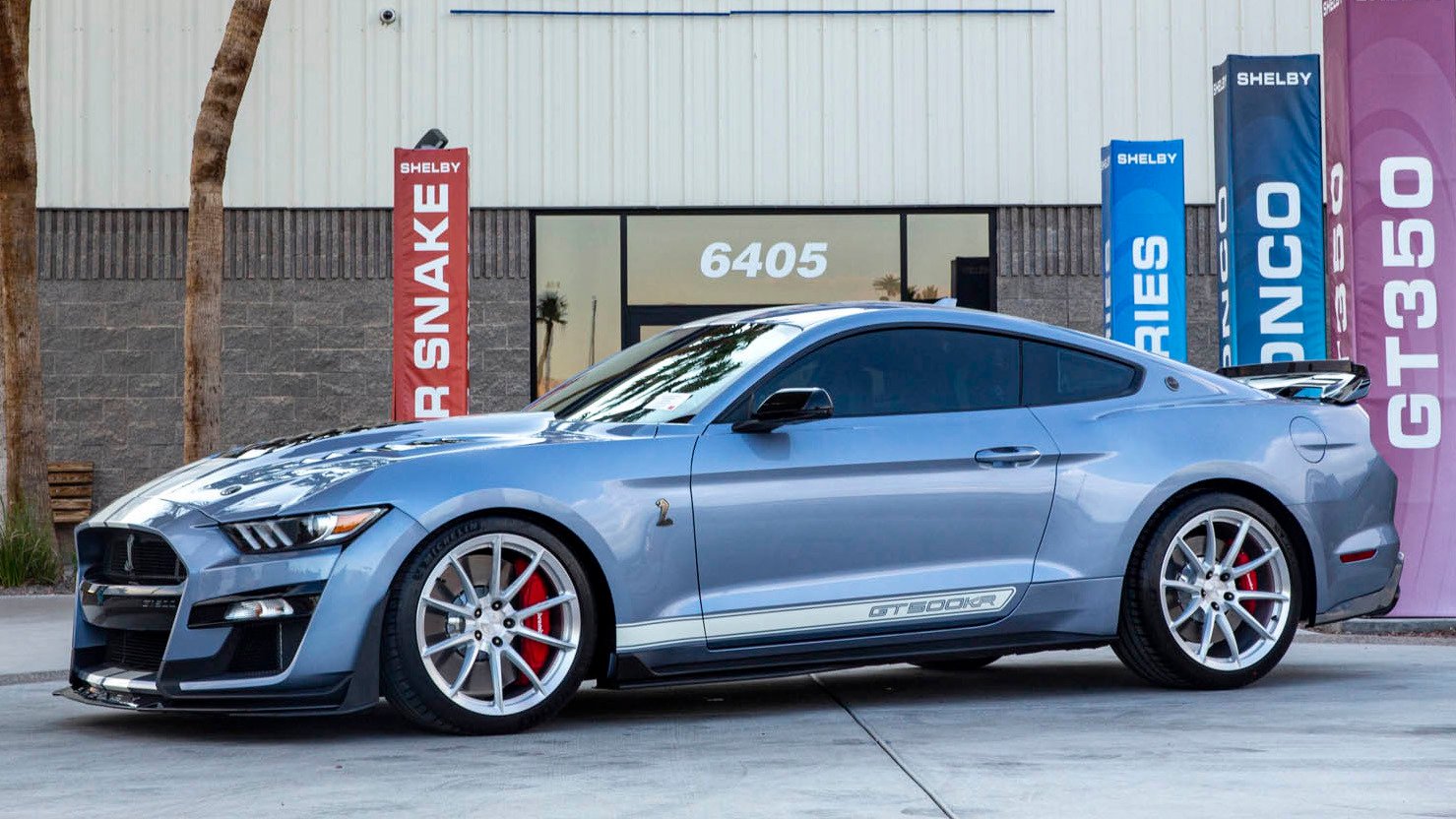
Shelby Mustang GT500KR
The Shelby Mustang GT500KR is a celebration of American muscle-car heritage, elevated to modern performance extremes. KR — standing for “King of the Road” — recalls Shelby’s legendary 1960s Mustangs, but with a thoroughly contemporary ethos. Based on the Ford Mustang GT500 platform, the modern GT500KR boasts a potent 5.2-litre V8, enhanced by a massive 3.8-litre Whipple supercharger, delivering over 900PS (662kW) to the rear wheels.
Visually, the GT500KR stands out with its aggressive aerodynamic touches, including a carbon-fibre bonnet, forged aluminum wheels and bespoke cooling. The suspension and MagneRide adaptive damping are retuned for sharper handling, making this Mustang capable on both the road and the track. Limited production numbers of just 180 make it even more desirable.
Vector W8
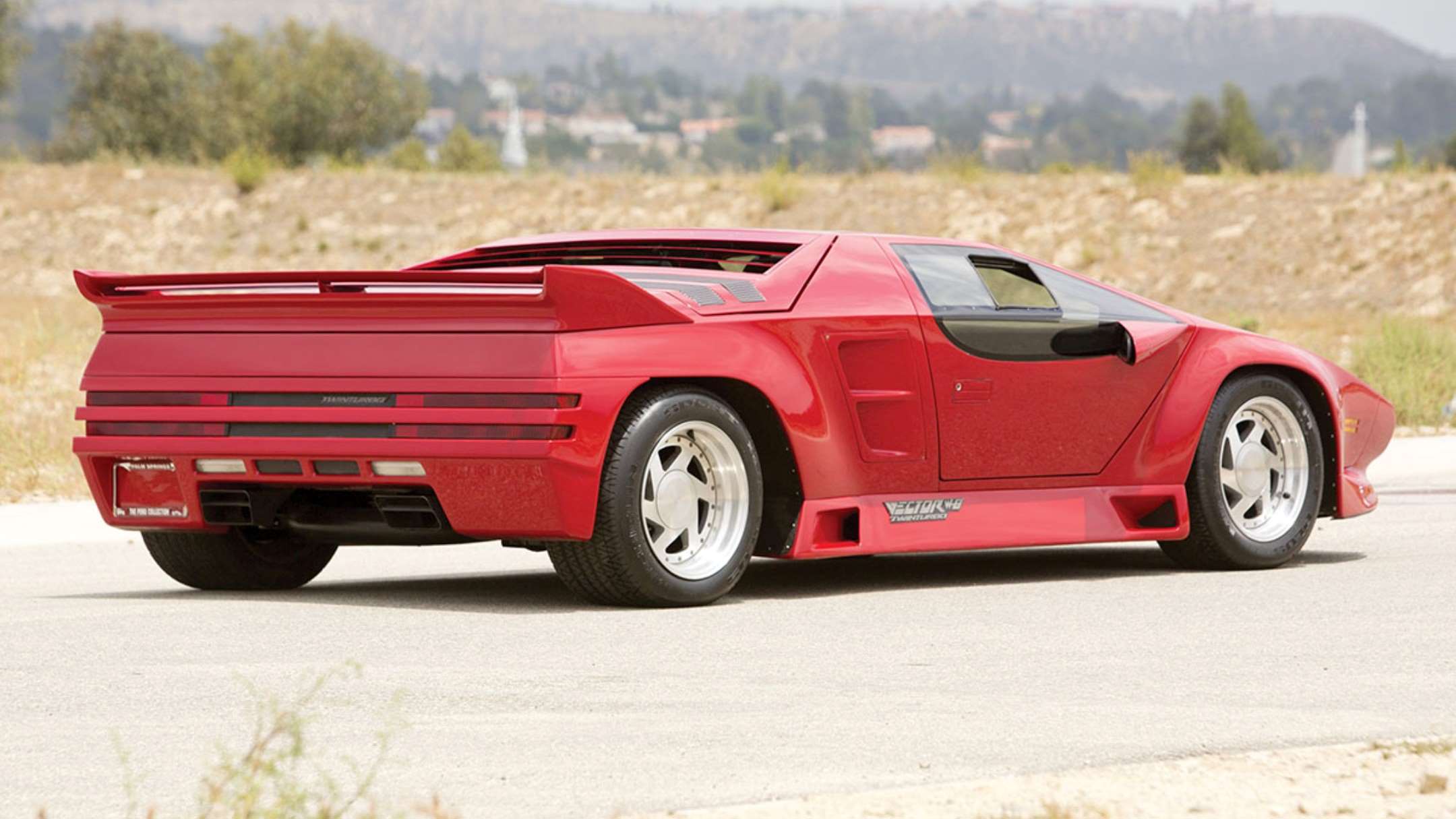
For the folks in Sant’ Agata Bolognese who pride themselves in producing the world’s most outrageous supercars, this one’s going to hurt. But it’s the truth. The Vector W8, an American supercar, made the Lamborghini Diablo look boring. This aerospace-inspired monster of a wedge might just be one of the most striking supercars ever made. Ask us if it was good. It wasn’t. Fast when working? Very much so. The Rodeck 6.0-litre twin-turbo V8 produced 625PS (466kW) as standard, though with tweaked boost pressure, could produce a maximum of 1,200PS (895kW) reliably.
The weird catch was that all that performance went through a turbo-hydramatic three-speed automatic from General Motors. The top speed was allegedly 242mph, with 0-60mph claimed in 3.9 seconds. Neither were exactly verified. The inside too is very fighter plane inspired, with lots of controls and dials borrowing both directly and indirectly from contemporary jets. So if the Vector was not exactly great, why is it on the list of best American supercars? Because being a supercar means looking absolutely crazy. On that front, Vector understood the assignment, and we reckon its looks more than make up for other shortcomings.
Ford GT (2005)
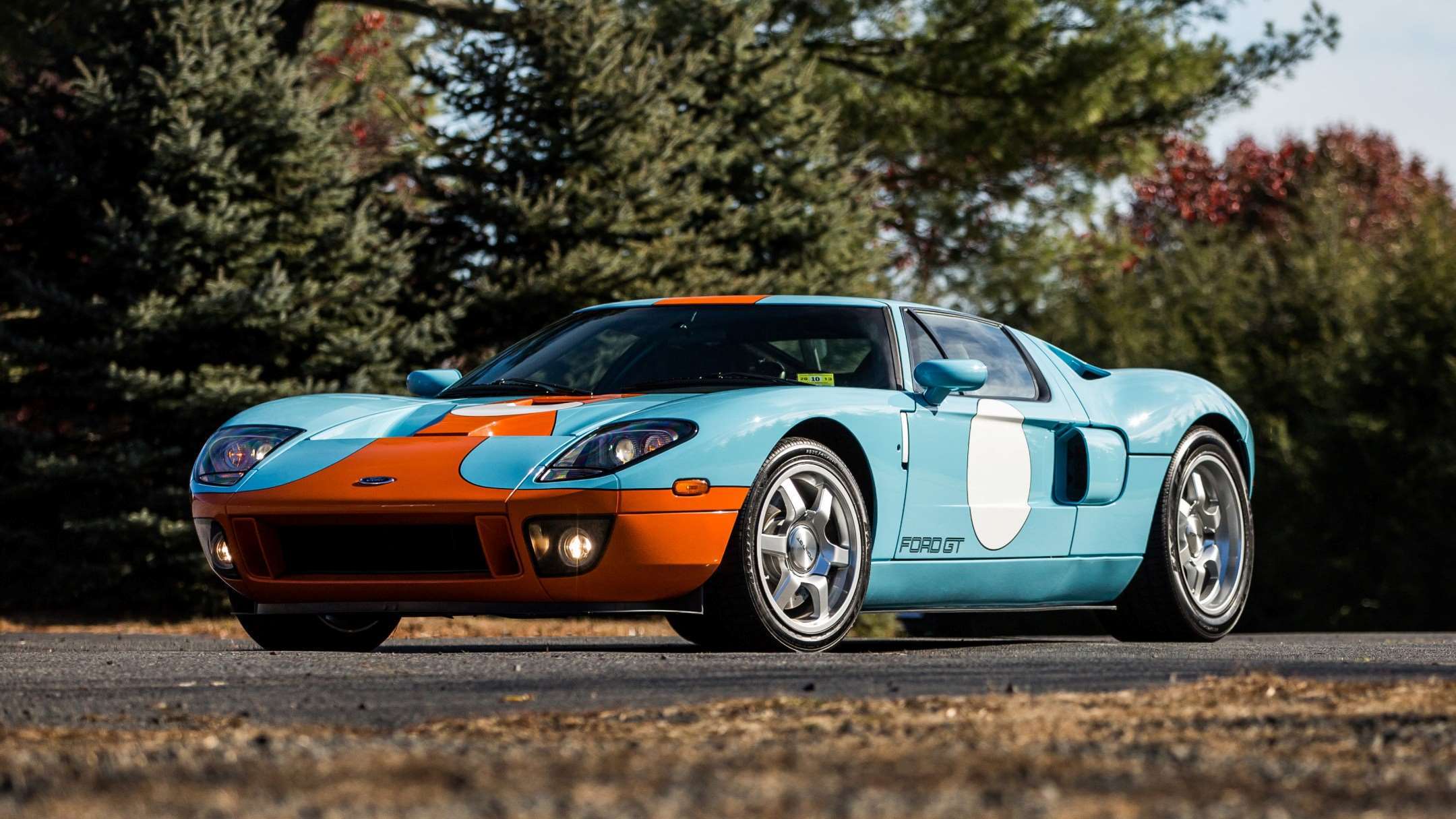
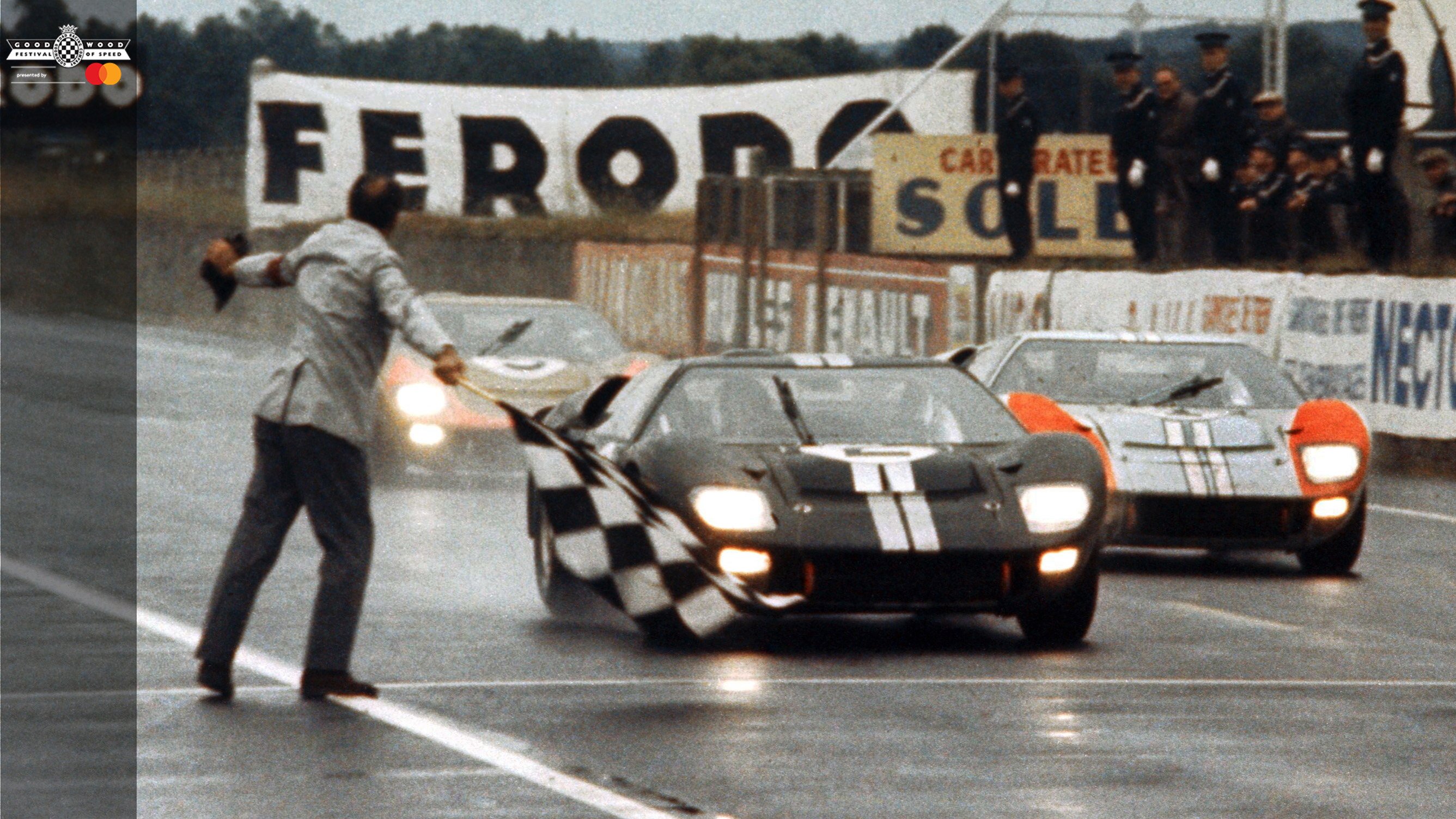
What is probably the definitive American supercar of the 21st century so far, is the Ford GT (2005). Designed as a 100th birthday present to itself, the GT resembled the 1966 Le Mans 24 Hours winner in all the best ways, while harnessing cutting-edge aerodynamics, engineering and materials to create a truly stand-out modern supercar. With some choice picks from the Aston Martin parts bin and with Lotus on hand to aid development, it’s no wonder the GT was beloved by experts the world over.
Excellent steering, well-judged chassis and damping, a slick gear shift from its Ricardo six-speed box and its charismatic supercharged V8 are particular highlights. Producing 550PS (404kW), it was good for over 205mph and got from 0-62mph in 3.8 seconds. A shortened supercharged pulley and revised exhaust made the ultra-exclusive pop-top GTX1 variant good for 750PS (551kW). From a proper OEM it might have been, but still with a bit of that American hot-rodding spirit.
Hennessey Venom
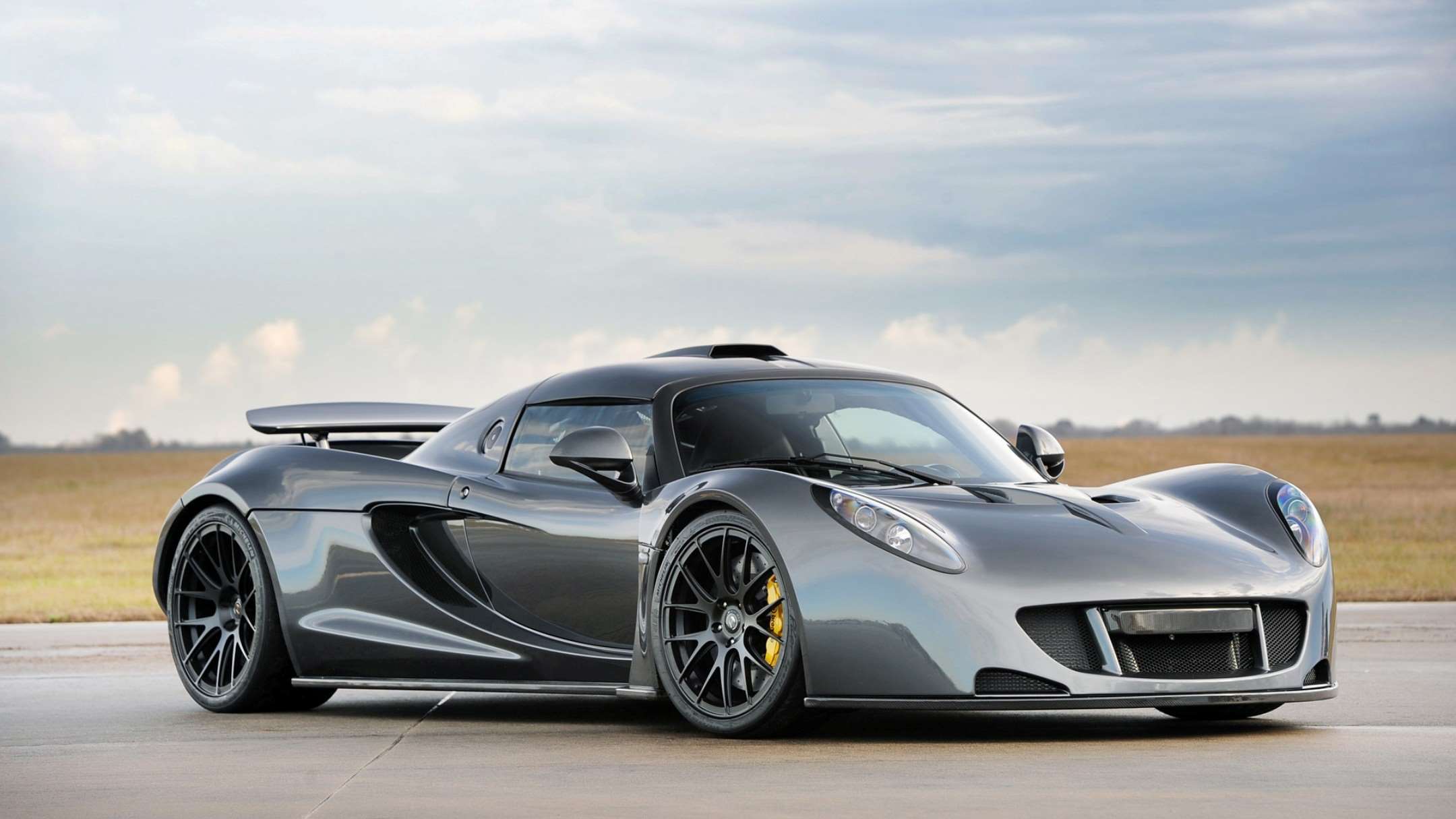
Following in the footsteps of Steve Saleen in 2007 was John Hennessey, of Hennessey Performance. Having spent a good few years building turbo kits for Dodge Vipers, he then had the bright idea of bolting a 1,000PS (735kW) V8 to a Lotus Exige chassis and bloating out its bodywork. The finished product was called the Venom GT and actually had 1,200PS (882kW), a carbon-fibre body and the aforementioned excellent Ford GT manual gearbox. Yes, it very much resembled an Exige but it looked pretty awesome all the same. Plus, beneath the skin was a very serious and weirdly well-developed car.
It certainly laid the groundwork for the follow-up F5 model, a future pretender to the 300mph+ VMAX throne that’s much more bespoke in design than the Venom GT. Let’s see if it can deliver on its promises. The Venom GT did all it needed to do, besting the Bugatti Veyron SuperSport in 2014 to a 270mph top speed.
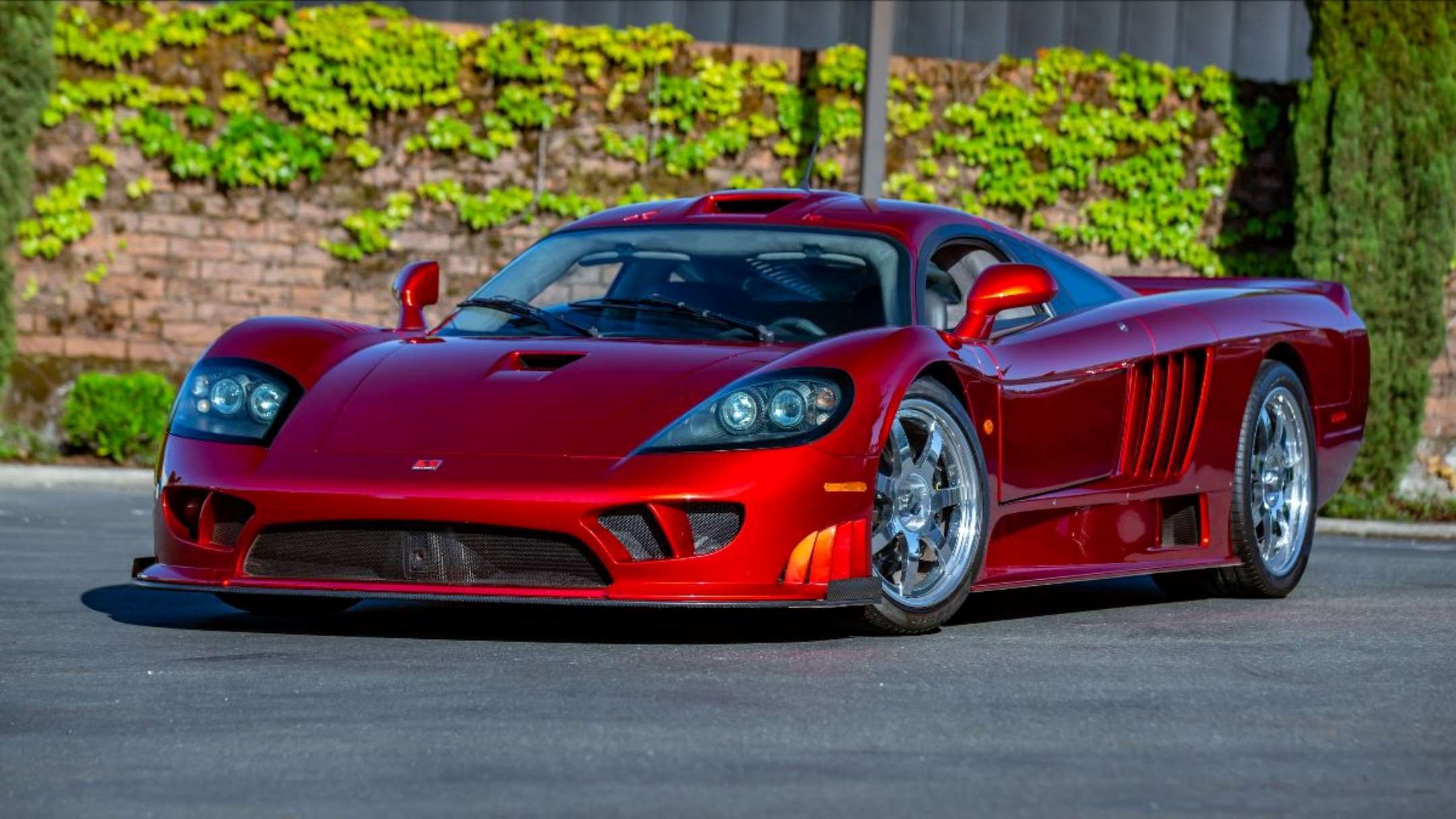
Saleen S7
No, Hennessey was not in fact the first tuner to try its hand at making a full-on car. That honour goes to Saleen, with the S7. Previously a tuner of Mustangs, the S7 was a collaborative effort from Saleen, RML and Phil Frank. The former handled powertrain, RLM the chassis suspension and aero and the latter most of the aesthetic design work. True to Saleen’s Ford origins, the S7 used 7.0-litre Ford Windsor V8s in both 558PS (410kW) naturally-aspirated guise and 760PS (559kW) twin-turbo guise.
The carbon-fibre body was very much inspired by the slippery McLaren F1 GT, allowing for a similarly heady top speed. Unlike the Vector, the Saleen is a proven missile performance-wise. Even the naturally-aspirated version is rated for 0-60mph in under three seconds and a top speed of 240mph. The Twin Turbo will crack 248mph. Subsequent Competition and LM packages increased output up to 1,014PS (746kW) and 1,300PS (969kW) respectively.
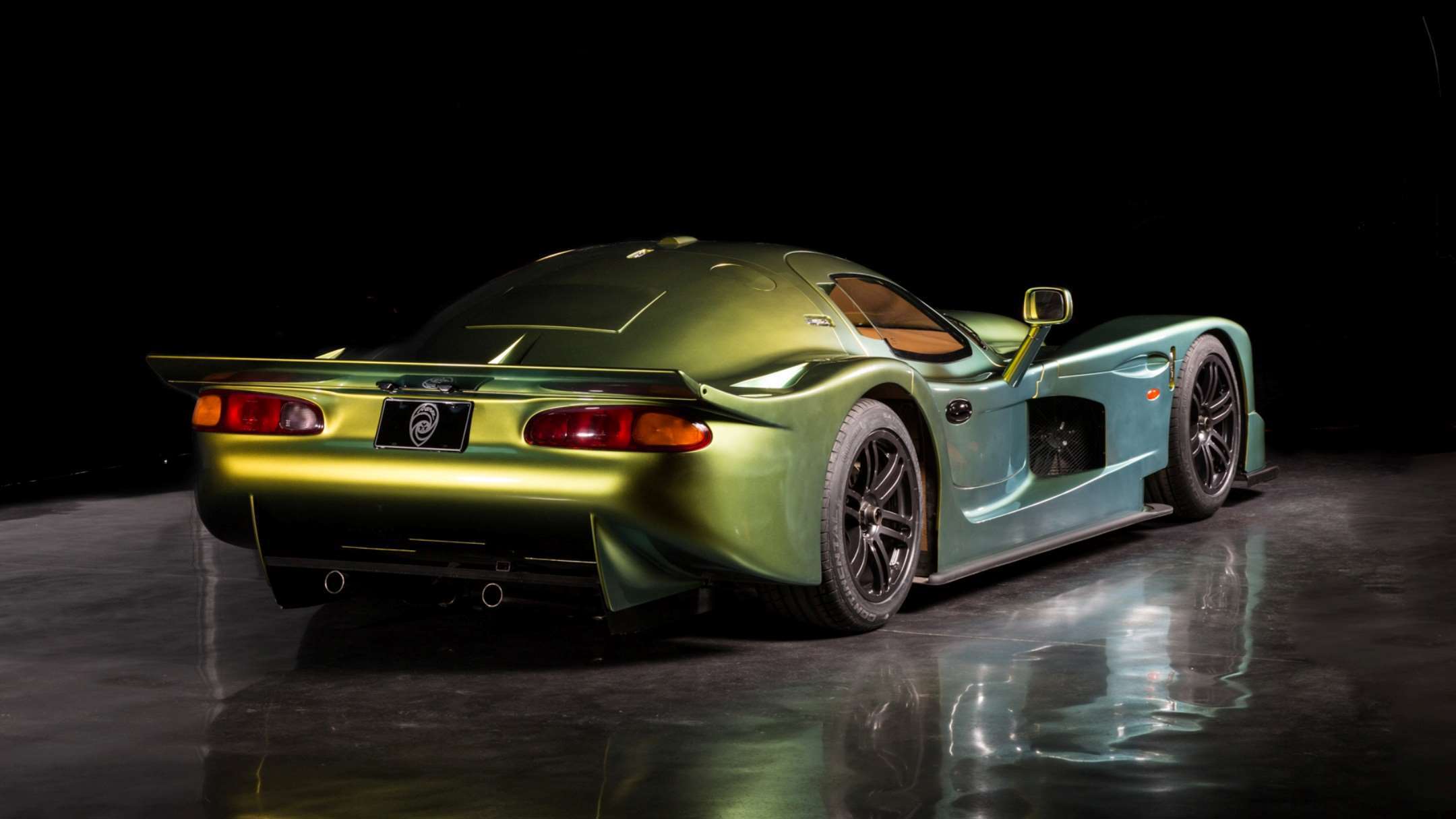
Panoz Esperante GTR-1
What’s a best supercars list without, where available, a GT1 homologation hack job? While the most famous examples come from the Germans, America’s Panoz had a crack too. Feast your eyes on the GTR-1, a front-engined GT1 car no less. This, because Don Panoz insisted the marque’s FIA GT Championship entry bear a relation to its Esperante sportscar. Though its full name was Esperante GTR-1, this machine shares very little with the little-known American sports car beyond styling elements.
Just two road-going versions were built to satisfy homologation requirements, with two seats, a trimmed interior and a more refined 5.3-litre V8 engine taking the place of the Roush racing 6.0-litre in the racer. It retains the enormous carbon body elements that can be removed to reveal a very skeletal prototype-esque carbon structure. Why is it one of America’s best supercars? A GT1 association to our supercar lists is what a Black Card is to Nandos.

Dodge Viper
Back to something that’s a bit more conventional, if that’s not entirely the wrong word for the Dodge Viper. We’d argue this was America’s first proper supercar. Yes, the Vector came beforehand but it was hardly a rival to the likes of Ferrari or Lamborghini volume or competency wise. Contrary, the Viper, while “barn door”, was a serious car on release in 1991. With a 406PS (298kW) 8.0-litre V10 and weighing just 1,490kg, the original Viper was one of the fastest cars money could buy in the early 1990s.
Fast forward through the years and subsequent power bumps through the 400s, to 507PS (372kW) for the second-generation and into the 600PS (441kW) numbers, there was never any doubting its status alongside the Ford GT as a true American supercar. In its final ACR form, its 8.4-litre V10 produced 654PS (481kW) and had just 47kg extra over the 1991 original to shift. Monster aero and road-warping tyres make its 7:01 at the Nürburgring entirely unsurprising.
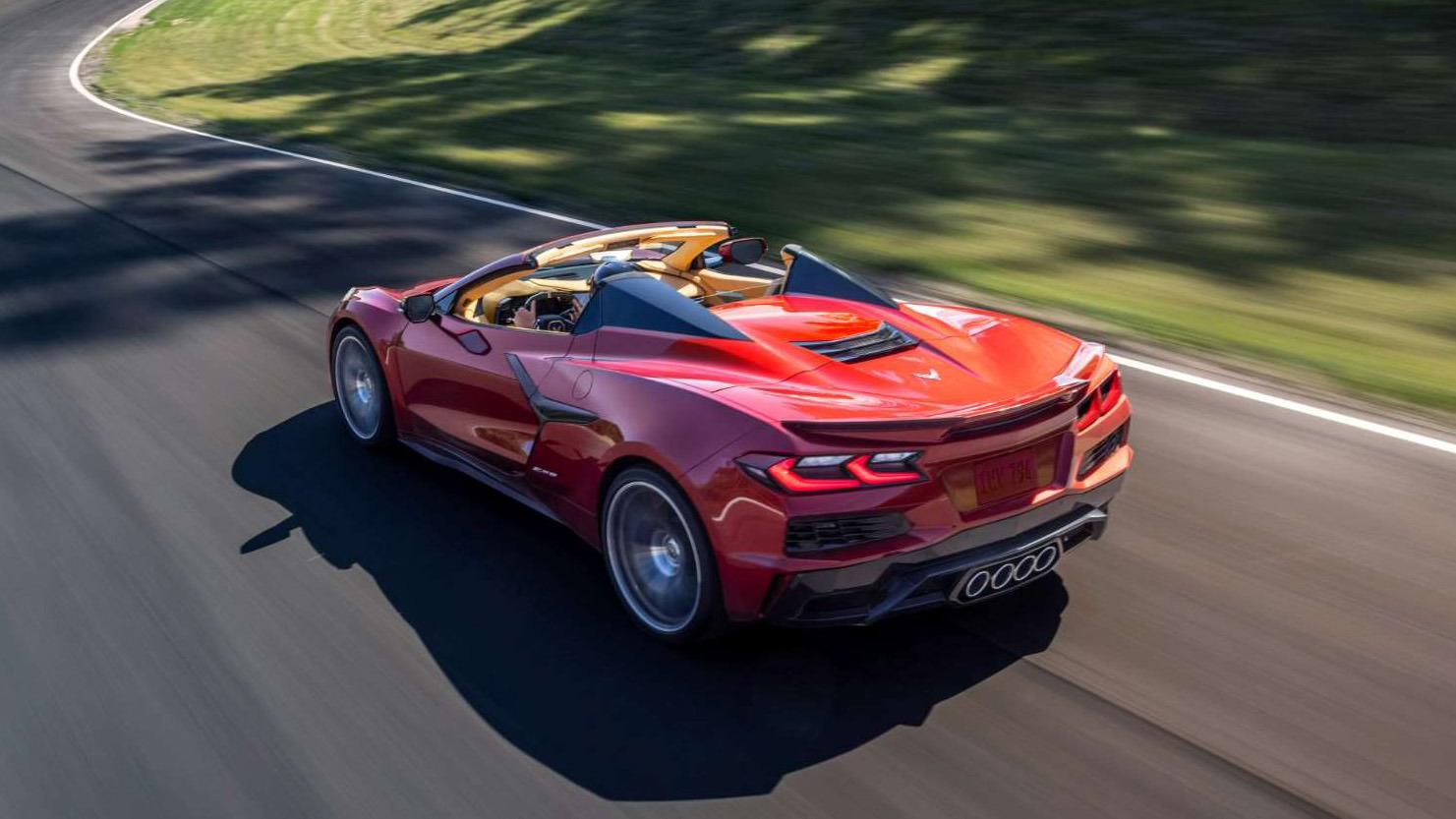
Corvette C8 Z06
The debate about whether a Corvette is a supercar has raged for some time, especially regarding the faster versions. At various points throughout its history, faster Corvette offerings have been among the fastest cars on the road. But they were front-engined, affordable, more plastic fantastic than exotic delight inside. They also by and large used very barn-door less-than-exotic V8 engines, C4 ZR1 notwithstanding.
Now though, the Corvette is mid-engined – a move in the right direction for supercar status. Even with over 500PS, though, the standard ‘Stingray’ still feels more Porsche 911 than Ferrari F8. That’s where the Z06 comes in, with a dual-overhead-cam 679PS (499kW) 5.5-litre naturally-aspirated V8 that channels the spirit of the Ferrari 458. As it screams up to 8,600rpm, you’re in a cabin of high-quality leather, carbon fibre and alcantara. The dynamics are razor-sharp and the controls well-weighted. Close your eyes and you could be in Maranello and not Kentucky. All signs point to the C8 Z06 not only having supercar status, but possibly being one of the very best yet made.
list
Ford GT
Dodge
Viper
Chevrolet
Corvette
Hennessey
Saleen
Vector
Panoz
Czinger
Shelby
road
news